
Reviewed · SUMO EXPERIENCES
Official Sumo Tournament Ticket with Guided Experience
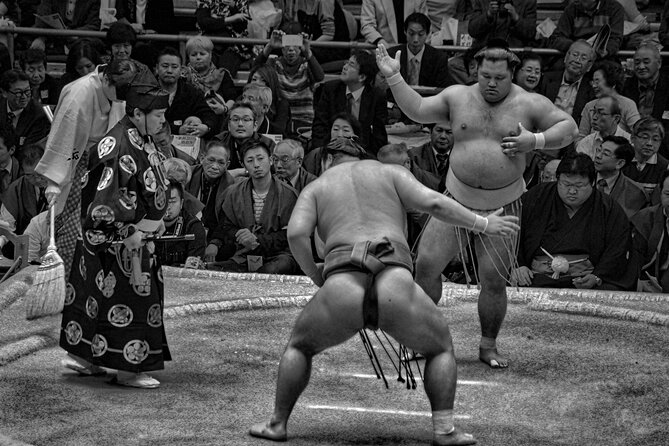
Japan’s sumo tournaments turn a sporting event into a carefully staged cultural ceremony. You’ll see wrestlers face each other in the ring, but you’ll also notice the ritual footwork, salt throwing, formal calls, and strict arena etiquette that give every bout its special character. A guide helps you understand what is happening instead of leaving you to guess.
I like the reserved second-floor seat, which removes the stress of finding a place inside a crowded arena. I also like the short walking introduction through Former Yasuda Garden and Ryogoku Kokugikan, since it gives the tournament some context before the action begins.
The main drawback is the price, $209 per person, and the ticket is non-refundable. The group may include up to 25 people, and your seat is in B or C class, so this is best for you if seeing an official tournament matters more than having the cheapest or most premium possible seat.
In This Review
- Key points at a glance
- Why live sumo is worth your afternoon
- Starting at Former Yasuda Garden
- Walking through Ryogoku Kokugikan
- Three hours beside the sumo ring
- The guides are a major part of the value
- What the $209 price really covers
- Practical rules inside the arena
- Who will enjoy this most
- How far ahead should you plan?
- My advice for making the most of it
- Should you book this sumo experience?
- FAQ
- Where does the experience begin?
- Where does the experience end?
- How long does the activity last?
- Is a sumo tournament ticket included?
- Are food and drinks included?
- Can I take photographs inside the stadium?
- How large can the group be?
- Is the activity near public transportation?
- Can most people participate?
- Can I cancel or change my booking?
Key points at a glance
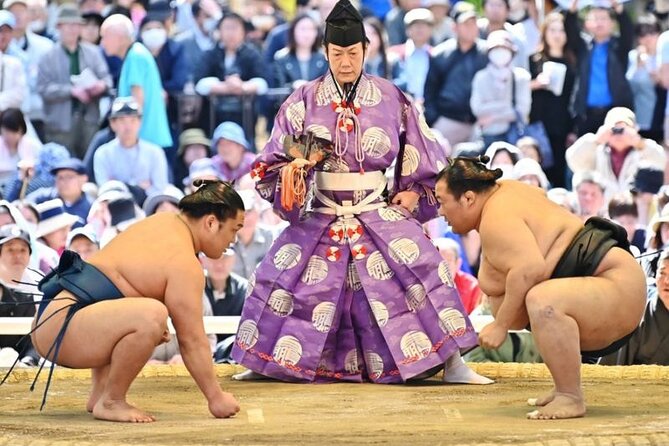
- Official tournament access: Watch top-level sumo at Ryogoku Kokugikan, Japan’s best-known sumo arena.
- A guide makes the sport easier to follow: George, Cesar, Lily, and Ethan are among the guides named in guest feedback, with explanations of rules, rankings, rituals, and customs.
- Two short introductions before the match: Spend about 30 minutes at Former Yasuda Garden, then another 30 minutes around the stadium.
- About three hours of live action: The tour ends at the arena, and you can remain for as long as you like.
- Reserved B or C seating: Your ticket is on the second floor, with the exact class depending on the option selected.
- Plan around strict arena rules: Food and drinks cannot be taken into the stadium, and photography must be without flash or bulky gear.
Why live sumo is worth your afternoon
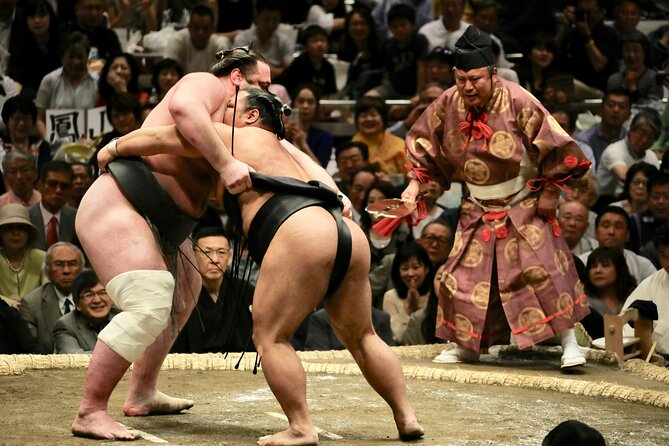
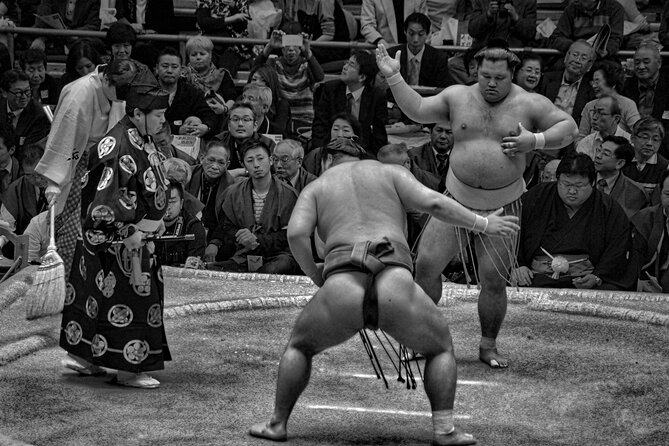
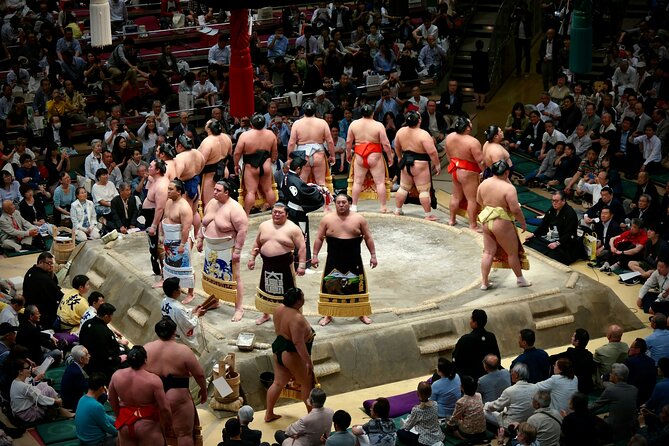
A televised sumo bout can look simple: two large wrestlers collide, one loses balance, and the match ends. In the arena, the sport makes more sense. The pauses matter. The ceremony matters. The way each wrestler prepares tells you that this is not just a quick contest of strength.
The guide helps connect these details. You learn about sumo traditions, the ranking system, and the formal actions around each match. That background is especially useful if you know little about the sport, since the rules and rituals are not always obvious at first glance.
I would not book this simply because you want a generic Japanese sports event. Book it because you want to see a living tradition in its proper setting. The experience combines sport, religion, ceremony, history, and audience etiquette in a way that few other activities can match.
The current rating is 4.7 out of 5, with 95 percent recommending it. That fits the experience well: the ticket solves a real problem, and the guide adds value before and during the tournament. Still, you are paying for convenience and explanation, not just for a seat.
More sumo mornings:
- Tokyo: Sumo Show Experience with Chicken Hot Pot and a Photo
★ 4.8 · 6,678 reviews - Tokyo: Sumo Show and Dining Experience
★ 4.8 · 2,742 reviews - the SUMO show
★ 5.0 · 1,960 reviews
Starting at Former Yasuda Garden
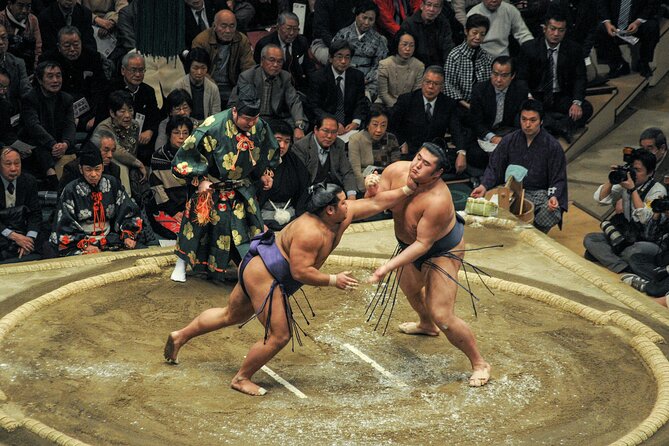
The meeting point is Former Yasuda Garden at 1-chome-12-1 Yokoami in Sumida City. This is a useful place to begin because you get a brief introduction to sumo before entering the arena. Allow about 30 minutes here.
The garden stop is not the main event, and you should not expect a long garden tour. Its purpose is to give you a starting point for understanding sumo in the Ryogoku area. The guide introduces the sport’s background and prepares you for the sights and rituals inside the stadium.
I like this opening because it prevents the tournament from feeling like a collection of confusing gestures. You have a chance to ask basic questions early, before the arena becomes noisy and the matches begin.
You should arrive at the exact meeting point with enough time to spare. The experience is built around a fixed event schedule, and missing the opening walk could mean losing part of the explanation. The location is near public transportation, which makes the Ryogoku area practical to reach.
Walking through Ryogoku Kokugikan
From the garden, you move to Ryogoku Kokugikan for a guided walk of about 30 minutes. This is where the setting begins to come alive. The guide explains the stadium, sumo customs, unusual facts, and the traditions behind the action.
The arena itself is a major part of the experience. You are not being taken to a temporary sports venue or a standard entertainment hall. You enter the home ground of official sumo tournaments, where the country’s top wrestlers compete.
This short orientation is valuable for first-time spectators. You might learn the difference between a ritual and a match action, get a basic sense of how wrestlers are ranked, and understand why the ring ceremony takes time. The guide can also answer questions that are difficult to solve from a printed program.
The timing is also sensible. Thirty minutes is long enough to give you useful context but short enough to keep the focus on the tournament. If you already follow sumo closely, you may find some of the basic material familiar. For most visitors, though, the explanation should make the afternoon far more rewarding.
Three hours beside the sumo ring
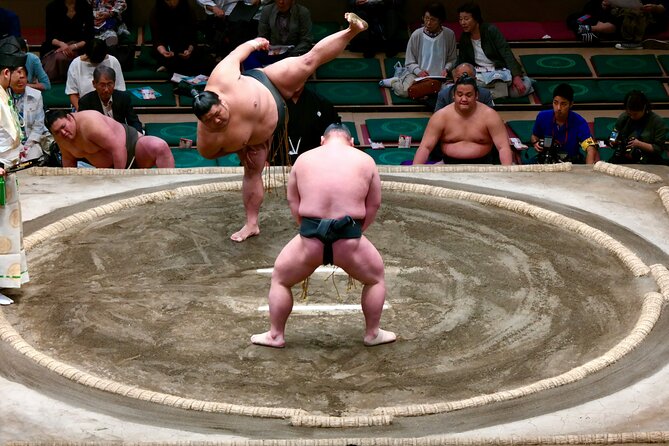
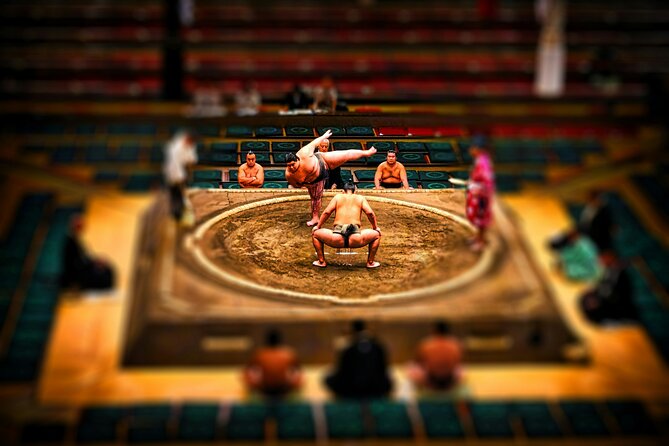
The main portion lasts about three hours. You watch official tournament bouts at Ryogoku Kokugikan from a reserved B or C class seat on the second floor.
A second-floor seat gives you a broad view of the ring and the surrounding ceremony. You may not have the closeness of a premium ringside position, but you gain a wider look at the arena and the movement around the dohyo. The exact seat class depends on the option you choose, so check that detail before booking.
Three hours is enough time to see the tournament as an event rather than a single highlight. You can watch the buildup, the bouts, and the changes in energy as higher-ranked wrestlers appear. The guide remains available to explain what you are seeing and answer questions during the matches.
One especially useful feature is the chance to watch for as long as you like after the guided portion. The formal tour ends at Ryogoku Kokugikan, not with an escort back to the starting point. That gives you some freedom, although you should not assume that every part of the day is guided from beginning to end.
The atmosphere may surprise you. Sumo has plenty of excitement, but it is not a nonstop shouting contest. The pauses, formal movements, and quiet concentration are part of the appeal. You should respect that rhythm instead of treating the arena like a loud football stadium.
A few more Tokyo bookings worth comparing
- Mt Fuji and Hakone 1-Day Bus Tour Return by Bullet Train
★ 5.0 · 26,383 reviews - 1-Day Tokyo Bus Tour
★ 5.0 · 14,250 reviews - Tokyo: TOKYO SKYTREE® Admission ticket
★ 4.5 · 11,192 reviews - Tokyo: teamLab Planets TOKYO Digital Art Museum Entry Ticket
★ 4.6 · 9,779 reviews
The guides are a major part of the value
The strongest part of this experience is often the human explanation. Guides named in guest feedback include George, Cesar, Lily, and Ethan. Their styles may differ, but the useful role is the same: they help you understand the culture around the match.
George is described as friendly, prompt, and ready to answer questions during the tournament. Cesar is praised for explaining the past and traditions of sumo in a way that adds meaning to the event. Lily is described as especially enthusiastic, bringing energy and passion to the cultural material. Ethan is noted for keeping the activity organized while covering history, culture, and sport.
Those details matter because a guide can change your experience from watching two people push each other to following a contest with rules, rank, strategy, and ceremony. You do not need prior sumo knowledge, and you should feel comfortable asking basic questions.
The group can include up to 25 people. That is not a private tour, and you should not expect constant one-on-one attention. Still, a group of this size is manageable for a short walking introduction and a stadium orientation.
What the $209 price really covers
At $209 per person, this is a substantial purchase. The price includes the sumo tournament ticket, a reserved second-floor B or C seat, the guide, and the introduction at the garden and stadium.
The value depends on your priorities. Official tournament tickets can be difficult to secure through regular booking channels, especially if your Tokyo dates are fixed. This experience gives you a simpler route to a seat and adds a guide who can explain what you are seeing.
You are also buying time saved. Instead of researching the ranking system, learning the rituals from scattered sources, and trying to work out the arena on your own, you receive a compact introduction before the matches. For a once-in-a-trip cultural event, that convenience can justify the extra cost.
The price is harder to defend if you only want to sit in the arena and do not care about the explanation. You might find a less expensive ticket if you are flexible and willing to handle the booking yourself. You also need to remember that food and drinks are not included, so plan your spending around the event.
This is a good fit for a special occasion, a first visit to Japan, or anyone who has tried and failed to find a tournament ticket. It is not the best choice for a budget-focused schedule.
Practical rules inside the arena
Food and drinks are not permitted inside the stadium with this experience. Eat before you enter, or plan around the arena rules. Do not count on carrying a bottle or snack through the entrance.
Photography is allowed, but you must avoid flash. Bulky cameras or equipment that blocks another person’s view are not acceptable. A phone or compact camera used discreetly is the safer approach.
The arena also calls for quiet, respectful behavior. Do not shout over the bouts, disturb nearby spectators, or treat the ceremonies as a joke. Sumo has a formal side, and your conduct affects the people seated around you.
Wear something comfortable for a five-hour activity. The schedule includes two walking portions and several hours in the arena. The tour is near public transportation, but the information does not specify a return transfer, so plan to leave the arena on your own after the event.
Who will enjoy this most
This experience suits you if you want a cultural explanation with your sporting event. First-time sumo spectators gain the most, since the guide covers the basic structure and customs before the bouts begin.
It also suits families and mixed-interest groups. Someone who cares about Japanese culture can appreciate the rituals, while someone more interested in competition can focus on the matches. Most people can participate, and the activity is held in an accessible city location near public transportation.
You should think twice if you dislike fixed schedules or group activities. The event takes place only on selected dates during official tournaments in four major Japanese cities, and the booking is tied to a specific experience. You also cannot change or cancel for a refund.
Serious sumo followers may prefer arranging their own tickets and choosing a more specific seat. The B or C class option offers a practical view, but it is not presented as a premium ringside experience.
How far ahead should you plan?
This experience is booked, on average, 22 days in advance. That is a useful warning. You should not wait until the day before if attending an official tournament is important to you.
The schedule is limited to selected tournament dates, so first confirm that your Tokyo visit overlaps with one of them. Then compare the cost with the value of having a ticket arranged for you. If your dates are tight, the convenience becomes more important.
Book only when you are confident about the date. The experience is non-refundable and cannot be changed for any reason. That policy is strict, so it deserves more attention than the small print usually receives.
My advice for making the most of it
Read a little about sumo rankings before you go, but do not try to memorize everything. The guide will explain the key points, and you will understand more once you see the process in person.
Arrive at Former Yasuda Garden ready for a short outdoor introduction. Keep your questions for the guide, especially questions about the rituals, rankings, and why certain actions happen before or after a bout.
Bring only what you need into the arena. Since food, drinks, flash photography, and bulky equipment are restricted, a light bag and a phone or small camera are sensible choices.
Once seated, watch the whole sequence around a bout. The match itself may last only moments, but the preparation gives you time to notice the discipline and ceremony that make sumo different from ordinary wrestling.
Should you book this sumo experience?
Book it if you want an official tournament seat and a guide who can explain the sport as you watch. The combination of Former Yasuda Garden, a stadium walk, reserved seating, and about three hours of live sumo gives you a well-shaped afternoon rather than a bare ticket purchase.
The strongest reasons to book are the difficulty of obtaining tickets independently, the useful explanations from guides such as George, Cesar, Lily, and Ethan, and the chance to remain at the tournament after the guided portion ends.
Skip it if $209 feels too high for a second-floor seat, if you already know sumo well, or if your plans may change. The non-refundable policy is firm.
For a first-time visitor with a confirmed tournament date, I think this is a sensible way to see sumo. It gives you the ticket, the setting, and the cultural context in one package, with just enough structure to keep the afternoon easy.
FAQ
Where does the experience begin?
It begins at Former Yasuda Garden, located at 1-chome-12-1 Yokoami, Sumida City, Tokyo 130-0015, Japan.
Where does the experience end?
It ends at Ryogoku Kokugikan Sumo Arena at 1-chome-3-28 Yokoami, Sumida City, Tokyo 130-0015, Japan. You can enjoy the tournament for as long as you like.
How long does the activity last?
The scheduled experience lasts approximately five hours. This includes about 30 minutes at Former Yasuda Garden, 30 minutes at the stadium, and about three hours watching the tournament.
Is a sumo tournament ticket included?
Yes. The experience includes a tournament ticket with a reserved second-floor B or C class seat, depending on the option selected.
Are food and drinks included?
No. Food and drinks are not included, and access to the stadium with food and drinks is not permitted.
Can I take photographs inside the stadium?
Yes, photography is allowed without flash. Bulky equipment that blocks another spectator’s view is not permitted.
How large can the group be?
The maximum group size is 25 people.
Is the activity near public transportation?
Yes. The meeting and ending locations are near public transportation in the Ryogoku area.
Can most people participate?
Yes. Most people can participate in the activity.
Can I cancel or change my booking?
No. The experience is non-refundable and cannot be changed for any reason.
New on our Tokyo list
- Sumi-e Experience in a relaxing green tea shop in Tokyo★ 5.0 · 3 reviews
- Tokyo : Kamikaze Street Drift Ride★ 5.0 · 3 reviews
- Private Zen Meditation in English in Shinjuku, Tokyo★ 5.0 · 3 reviews
- Onsen Spa in Tokyo and Asakusa Bar Hopping with Local Guide★ 5.0 · 3 reviews
- Easy for everyone! Now you can play handmade mini shamisen and show off to everyone! Musical instruments, sweets and live music★ 5.0 · 3 reviews
- Tokyo: Private Tsukiji Street Food & Sake with Local Guide★ 5.0 · 3 reviews
- Mt Fuji Exploration Tour with Free Japanese Kusa Mochi from Tokyo★ 4.5 · 3 reviews
- Tokyo Tsukiji Fish Market Walking and Exploring Hidden Gems Tour★ 5.0 · 3 reviews
Sumo Experiences, compared.
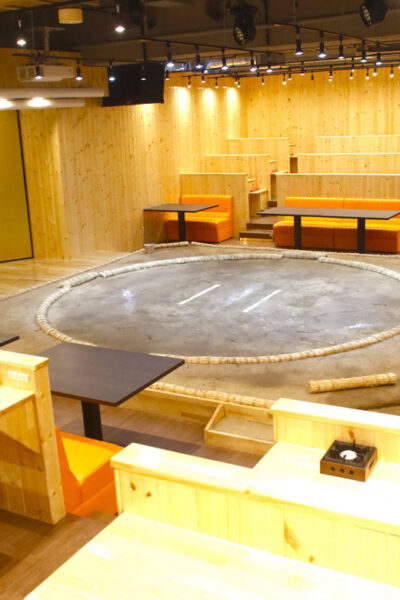
Sumo Show Experience with Chicken Hot Pot and a Photo
Read our review →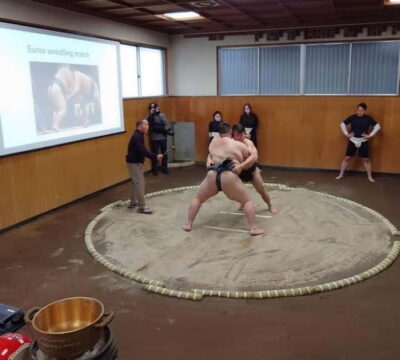
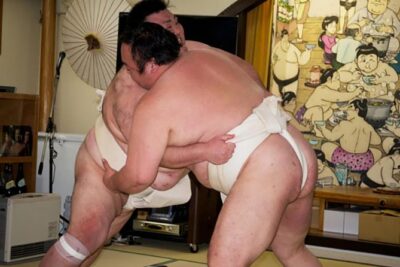
Tokyo Shinjuku Sumo Show & Experience with Photo
Read our review →

Authentic Sumo Experience in Tokyo: Enter the Sanctuary
Read our review →
Luxury Sumo Show Experience & Japanese cuisine & Drink
Read our review →
Browse the lists this tour appears in