
Reviewed · TEA CEREMONIES
Practicing Zen through Japanese Tea Ceremony
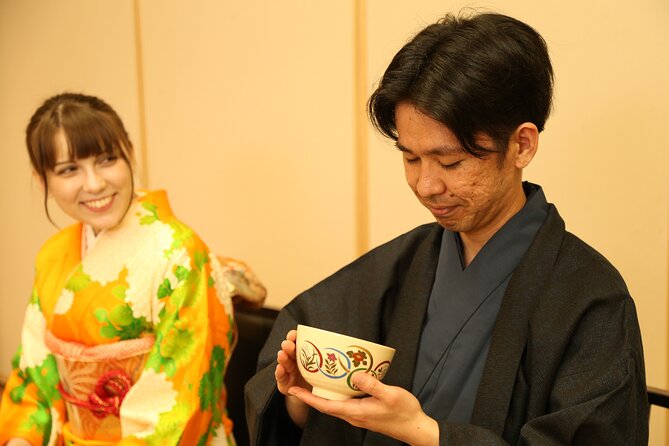
The best part of this Tokyo activity is that you do not just watch a tea ceremony. After the tea master prepares matcha and explains the ritual, you make tea yourself, following each movement and serving it with traditional sweets. It turns a formal custom into something you can understand with your hands.
I like the quiet pause this creates in a busy city, and I like the clear connection between tea, Zen, utensils, hanging scrolls, and hospitality. The bilingual tea masters, including Miyuki and Yuuko, also bring a warm human touch. The main consideration is the setting: one participant found the ceremony room in a basement office space less atmospheric than expected, and the session gives more time to tea ceremony than to Zen theory or practice.
In This Review
- Key points to know before booking
- What happens during the 75-minute tea ceremony
- The Zen connection is present, but tea remains the main subject
- Matcha and wagashi make the lesson easier to understand
- The hands-on portion is the real value
- Miyuki and Yuuko add warmth to a formal ritual
- The room may be practical rather than picturesque
- Who will enjoy this Tokyo activity most
- Timing, booking, and cancellation details
- Should you book Practicing Zen through Japanese Tea Ceremony?
- FAQ
- Where does the tea ceremony take place?
- Where does the activity end?
- How long does the tea ceremony last?
- How much does the activity cost?
- Is the activity available with a mobile ticket?
- Is transportation included?
- What food and drink are included?
- Do I get to prepare tea myself?
- Is the tea master able to speak English?
- How large can the group be?
- Can I cancel for a refund?
Key points to know before booking
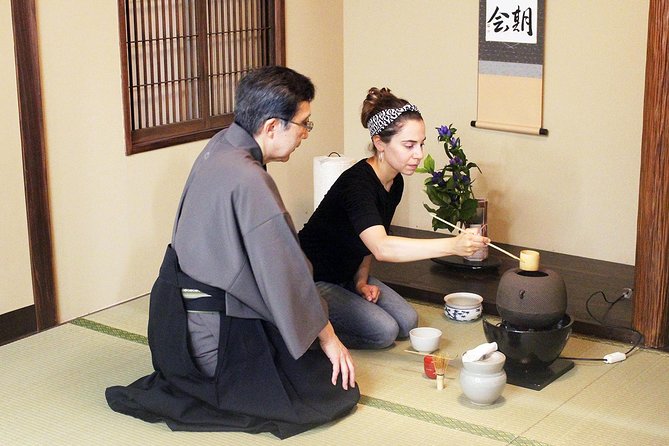
- You prepare your own matcha: The second tea service is hands-on, with instruction from the tea master.
- Wagashi comes with the tea: Traditional Japanese sweets are selected to suit the flavor of matcha.
- A short meditation is included: It adds a calm moment, though Zen is not the main subject for the full session.
- Miyuki and Yuuko may lead the class: Both are praised for their warm guidance and clear explanations.
- The session lasts about 75 minutes: It is easy to fit into a day of sightseeing in Tokyo.
- The group can reach 28 people: The activity is social rather than a private tea lesson.
What happens during the 75-minute tea ceremony
You meet at Kikai Shinkō Kaikan, 3-chōme-5-8 Shibakōen, in Minato City. The activity ends at the same place, so you will not need to arrange a separate return transfer. The location is near public transportation, but pickup and drop-off are not provided.
The session begins by setting the mood. This program is designed to recreate the feel of a traditional tea ceremony, so the details matter. The tea master explains the purpose behind the objects and actions rather than asking you to copy a series of mysterious gestures without context.
You will hear about the role of Japanese hanging scrolls, tea utensils, and the way a tea setting reflects the season and the occasion. The supplied information does not specify a particular scroll, room layout, or school of tea, so you should expect an introduction to the customs rather than a full study of one formal tea-school tradition.
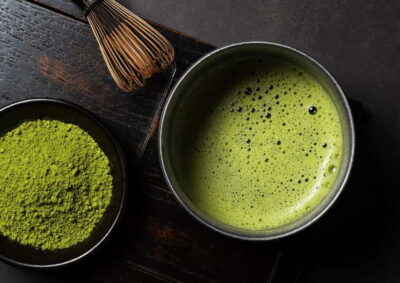
The tea master then prepares matcha for you. You receive authentic matcha green tea and traditional Japanese sweet confections, known as wagashi. The sweets are not an unrelated snack added to the ticket. They are chosen to balance matcha, whose concentrated flavor can be bitter or grassy on its own.
This pairing helps you understand one basic idea of tea ceremony: the experience is shaped by contrast. The sweet prepares your palate for the tea, while the tea keeps the sweet from becoming cloying. You do not need prior knowledge of matcha to appreciate this, and the guide explains the process in English.
The first preparation is a performance and lesson. Watch the tea master’s movements, listen to the explanations, and notice how much attention is given to handling the bowl, whisk, and other utensils. A tea master with more than five years of experience leads the demonstration.
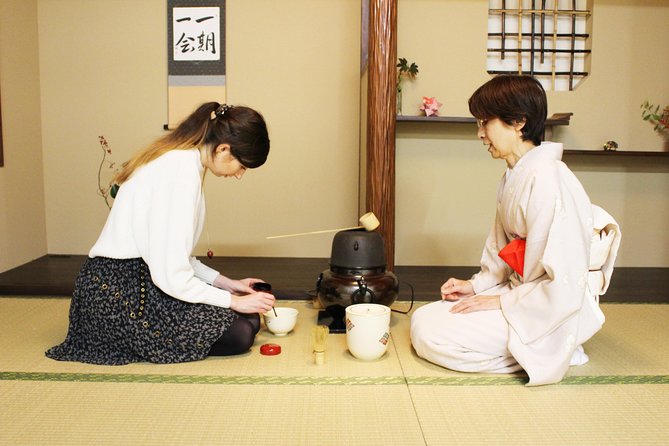
The second preparation is your turn. You make tea by following the ceremony’s methods with guidance. This is the strongest reason to choose this program over a simple demonstration. You may not leave ready to host a formal gathering, but you will understand the sequence better because you have performed it yourself.
More tea rooms worth booking:
- Matcha Making Class in Tokyo with Authentic Japanese Sweets Set
★ 5.0 · 744 reviews - Tokyo: Traditional Tea Ceremony with a Tea Master
★ 5.0 · 528 reviews - Tokyo: Matcha Making Experience with Mochi Sweets in Asakusa
★ 4.9 · 388 reviews
The Zen connection is present, but tea remains the main subject
The title places Zen at the center, and the program does explain how tea ceremony relates to Zen practice. You also receive a short meditation, which adds a moment of stillness before or during the lesson.
Keep your expectations measured. This is primarily a tea ceremony class with Zen context, not a long meditation workshop or a serious course in Buddhist philosophy. One participant found that the activity offered more tea ceremony than Zen theory or practice. That is useful to know if you are booking specifically for meditation.
Still, the connection is not just decoration. The ritual asks you to slow down, pay attention to small movements, and respect the person sharing tea with you. Those ideas give the ceremony its quiet force. You are not simply learning how to whisk green tea. You are being shown why preparation, presentation, and attention matter.
I find this especially useful after several days of Tokyo sightseeing. Museums and temples give you plenty to look at, but this session asks you to focus on one action at a time. The result is a cultural lesson that feels physical and personal rather than purely visual.
Matcha and wagashi make the lesson easier to understand
The food element is modest but well chosen. Your ticket includes matcha and traditional sweets, while extra food and beverages are not included. This is not a meal, so plan to eat elsewhere before or after the class.
Wagashi is important here because the sweet and tea are meant to work together. The confection gives you a clear way to notice the flavor of matcha. You may find the tea intense if you normally drink mild green tea, but the sweet helps soften that first impression.
The activity does not present a menu of several teas or sweets, and no extra drink service is promised. That simplicity suits the ceremony. The focus stays on the ritual rather than turning the class into a food tasting.
If you enjoy Japanese confectionery, this is a useful introduction to its role in tea culture. If you are mainly looking for a large sampling of desserts, this is not the right choice. You receive a traditional pairing, not a full sweets tour.
The hands-on portion is the real value
At $64.50 per person, this activity sits above the price of a quick matcha drink and below the cost of a large guided sightseeing tour. Its value comes from the teaching and participation, not from the amount of food or the length of the session.
You receive:
- A bilingual licensed tea master
- A tea ceremony performance
- Authentic matcha
- Traditional Japanese sweets
- Instruction while you prepare tea
- Explanations of tea ceremony, Zen practices, hanging scrolls, and utensils in English
That package makes sense if you want context and practice. You are paying for a guided cultural lesson with two stages: first watch, then do. The chance to prepare tea yourself gives the session more staying power than a performance alone.
The price may feel high if you want only to taste matcha or take a quick cultural photo. It may feel fair if you value a calm hour, direct instruction, and a structured introduction to one of Japan’s most recognizable traditions. Group discounts may improve the value for families or friends booking together.
The maximum group size is 28 people. That allows the class to operate as a shared activity, but it also means you should not expect the intimacy of a private tea master. The hands-on format is still useful, though you may need to pay close attention when your turn comes.
A few more Tokyo bookings worth comparing
- Mt Fuji and Hakone 1-Day Bus Tour Return by Bullet Train
★ 5.0 · 26,383 reviews - 1-Day Tokyo Bus Tour
★ 5.0 · 14,250 reviews - Tokyo: TOKYO SKYTREE® Admission ticket
★ 4.5 · 11,192 reviews - Tokyo: teamLab Planets TOKYO Digital Art Museum Entry Ticket
★ 4.6 · 9,779 reviews
Miyuki and Yuuko add warmth to a formal ritual
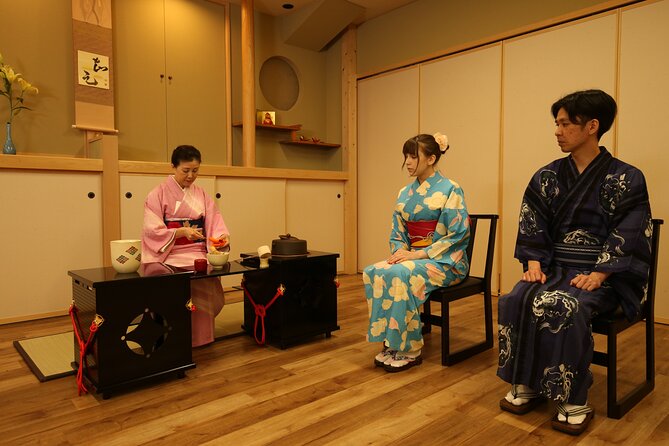
The tea ceremony can seem stiff if the instructor treats every movement as a test. Here, the personal manner of the tea masters matters. Miyuki is praised for creating a comfortable, serene, and welcoming setting, while Yuuko is described as offering a warm welcome and guiding the group through the meaning of the ceremony.
The instructors speak English, and the activity includes bilingual guidance. That is important because the gestures alone do not explain the culture. You need someone to tell you why the objects, movements, and order of service matter.
You should also expect different teaching styles depending on who leads your session. The supplied details name Miyuki and Yuuko, but they do not guarantee a particular instructor for every booking. Both names are associated with a friendly approach, but the exact tea master may depend on availability.
The short meditation can be a pleasant change of pace. It is not described as a long or demanding practice, so you will not need special clothing, prior training, or a particular spiritual outlook based on the information provided.
The room may be practical rather than picturesque
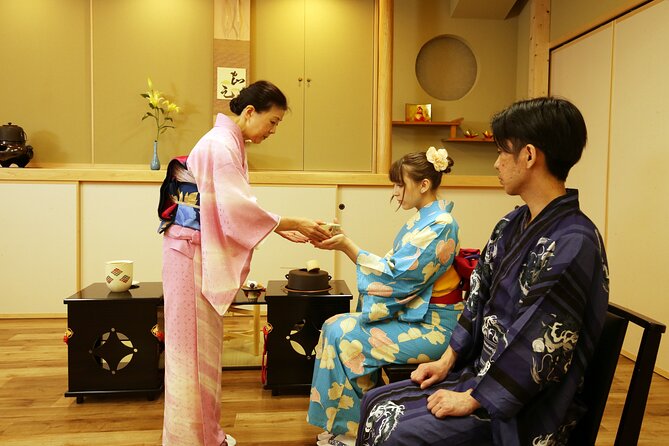
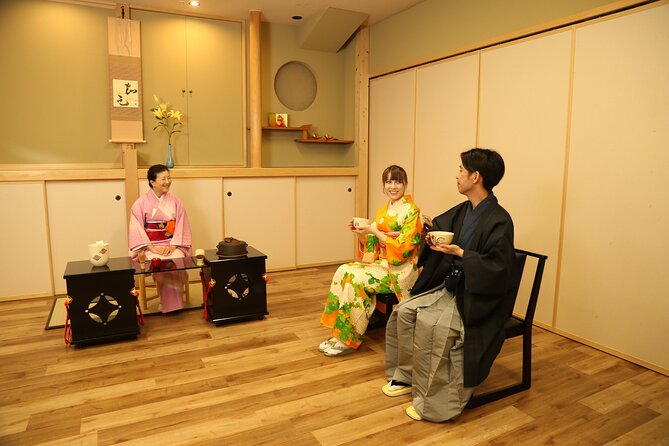
The activity is made to recreate a traditional tea ceremony atmosphere, but the physical setting deserves a realistic note. One participant found the room to be in the basement of an office building and felt that this reduced the atmosphere somewhat.
That does not cancel the cultural value, but it changes the mood. You are not promised a historic teahouse, temple garden, or tatami room with a view. The supplied meeting point is Kikai Shinkō Kaikan, a building in Shibakōen.
For some people, this practical setting will be fine. The tea master, objects, explanations, and ritual provide the main content. For others, the room itself is a major part of the experience, and the lack of a more traditional setting may be a disappointment.
I would book this for the lesson rather than the architecture. If you want a polished setting for photographs, check your expectations. If you want to understand how the ceremony works and practice it yourself, the room matters less.
Who will enjoy this Tokyo activity most
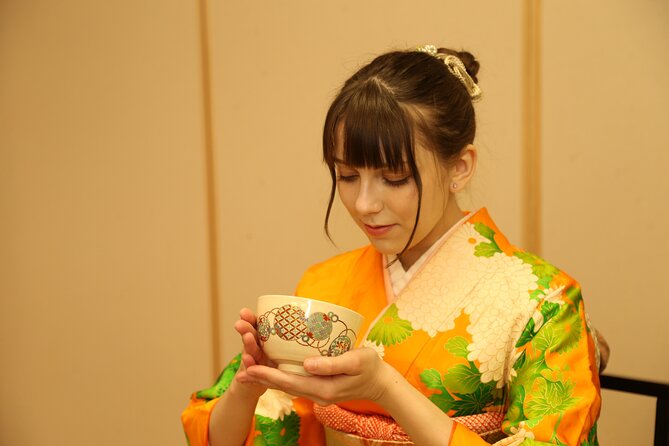
This is a strong choice for you if you want a cultural activity that fits between larger Tokyo sights. The 1-hour-15-minute duration is long enough to feel substantial but short enough to add to a full day.
It suits first-time visitors who want more than museum labels or temple sightseeing. You get a direct explanation of customs that can otherwise be hard to interpret. It also suits repeat visitors who have seen tea ceremony demonstrations before and now want to take part.
Families and small groups may appreciate the clear structure and the option of a group discount. The hands-on preparation gives the session an active element, though the maximum group size of 28 means it is not designed as a private lesson.
This is less suitable if you want a full Zen retreat, an extended meditation session, or a broad food experience. The program includes Zen ideas and a short meditation, but tea ceremony is the heart of the hour.
It may also be less suitable if you need hotel transport. You must make your own way to Shibakōen and return from the same meeting point. The location is near public transportation, which helps, but no pickup or drop-off is included.
Timing, booking, and cancellation details
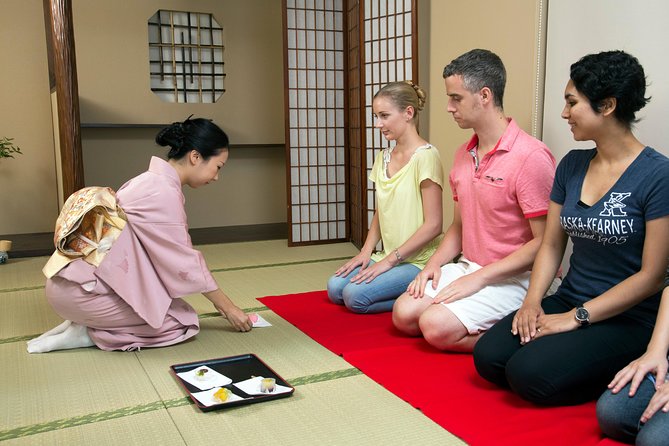
The activity is usually booked about eight days ahead, so it is sensible to reserve before your Tokyo schedule fills up. Confirmation is sent within 48 hours of booking, subject to availability.
You can cancel for a full refund if you do so at least 24 hours before the local start time. Cancellations or changes made inside that 24-hour window are not refunded or accepted.
The mobile ticket is convenient for an activity with a fixed meeting point. Bring the booking details you need to locate Kikai Shinkō Kaikan, and allow enough time to reach Shibakōen using public transportation. Since the tour ends where it begins, you can plan the next stop from the same area.
Should you book Practicing Zen through Japanese Tea Ceremony?
Book it if you want a calm, guided introduction to Japanese tea ceremony with a chance to prepare matcha yourself. The best features are the thoughtful wagashi pairing, English explanations, warm instructors such as Miyuki and Yuuko, and the practical second ceremony in which you take part.
Do not book it expecting a grand historic teahouse or a full Zen retreat. The room may be a basement space in an office building, and the Zen element is lighter than the tea lesson itself.
At $64.50, I consider it good value for a structured, hands-on cultural class, especially if you want a pause from Tokyo’s fast pace. You are paying for access, instruction, and participation rather than a large meal or a long tour. For that purpose, this is a thoughtful addition to a Tokyo itinerary.
FAQ
Where does the tea ceremony take place?
The meeting point is Kikai Shinkō Kaikan, 3-chōme-5-8 Shibakōen, Minato City, Tokyo 105-0011, Japan.
Where does the activity end?
The activity ends back at the meeting point.
How long does the tea ceremony last?
The session lasts approximately 1 hour and 15 minutes.
How much does the activity cost?
The listed price is $64.50 per person.
Is the activity available with a mobile ticket?
Yes. A mobile ticket is included as a feature of the activity.
Is transportation included?
No. Pickup and drop-off services are not included. The meeting point is near public transportation.
What food and drink are included?
You receive authentic matcha green tea and traditional Japanese sweet confections. Extra food and beverages are not included.
Do I get to prepare tea myself?
Yes. After the tea master performs and explains the ceremony, you take part in a second tea preparation with instruction.
Is the tea master able to speak English?
Yes. The activity includes a bilingual licensed tea master, with explanations in English.
How large can the group be?
The activity has a maximum of 28 participants.
Can I cancel for a refund?
Yes. You can cancel at least 24 hours before the local start time for a full refund. Cancellations or changes made less than 24 hours before the start time are not refunded or accepted.
New on our Tokyo list
- Sumi-e Experience in a relaxing green tea shop in Tokyo★ 5.0 · 3 reviews
- Tokyo : Kamikaze Street Drift Ride★ 5.0 · 3 reviews
- Private Zen Meditation in English in Shinjuku, Tokyo★ 5.0 · 3 reviews
- Onsen Spa in Tokyo and Asakusa Bar Hopping with Local Guide★ 5.0 · 3 reviews
- Easy for everyone! Now you can play handmade mini shamisen and show off to everyone! Musical instruments, sweets and live music★ 5.0 · 3 reviews
- Tokyo: Private Tsukiji Street Food & Sake with Local Guide★ 5.0 · 3 reviews
- Mt Fuji Exploration Tour with Free Japanese Kusa Mochi from Tokyo★ 4.5 · 3 reviews
- Tokyo Tsukiji Fish Market Walking and Exploring Hidden Gems Tour★ 5.0 · 3 reviews
Tea Ceremonies, compared.

Matcha Making Class in Tokyo with Authentic Japanese Sweets Set
Read our review →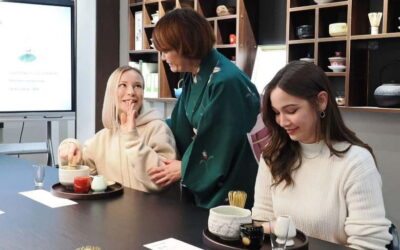
Matcha Making Experience with Mochi Sweets in Asakusa
Read our review →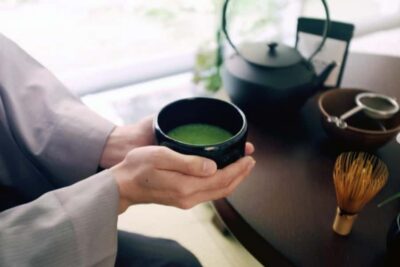
Tea Ceremony Workshop in Tokyo by the Experienced Instrucor
Read our review →

Make Traditional Nerikiri Sweets & Matcha experience in Shibuya
Read our review →Browse the lists this tour appears in