
Reviewed · TEA CEREMONIES
Privately visit local home for relax tea ceremony &music, Tokyo
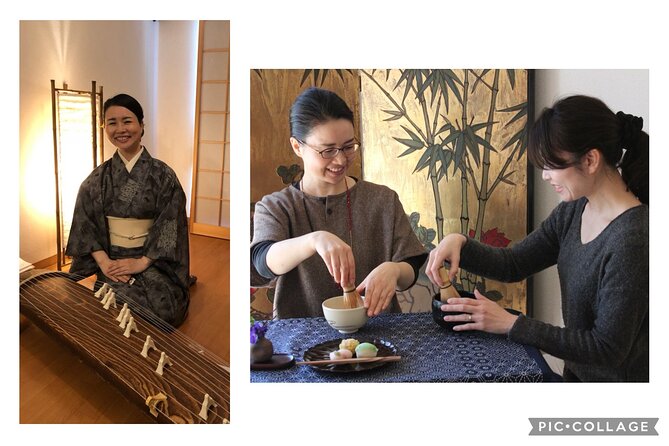
The most unusual part of this experience is the setting: you visit Noriko’s private Japanese home rather than sitting in a formal tea school. The mood is relaxed, and there are no stiff rules to memorize. You can ask direct questions about Japanese customs while enjoying matcha, sweets, and live koto music.
I like the hands-on format. You prepare the second bowl of tea yourself, then take a turn at the koto after Noriko performs two pieces. I also like the personal attention. Your group participates privately, so the visit can follow your questions and interests instead of a fixed public demonstration.
The main consideration is location. Shin-Urayasu is outside central Tokyo, in Chiba, though the trip takes about 20 minutes from Tokyo Station. The optional 3,500-yen yukata experience also adds time and cost, so request it when booking if you want the full traditional dress and photo session.
In This Review
- Key points at a glance
- A Japanese home instead of a formal tea room
- Matcha made at a comfortable pace
- The koto turns listening into playing
- The optional yukata adds photos and extra time
- Getting to Shin-Urayasu from central Tokyo
- What the $81 price really buys
- Who will enjoy this two-hour visit
- A personal visit shaped by Noriko
- Booking, timing, and cancellation details
- Should you book this private tea and music visit?
- FAQ
- Where does the experience begin?
- How long does the activity last?
- How far is Shin-Urayasu Station from Tokyo Station?
- Is the tea ceremony formal?
- What is included with the tea?
- How much does the yukata option cost?
Key points at a glance
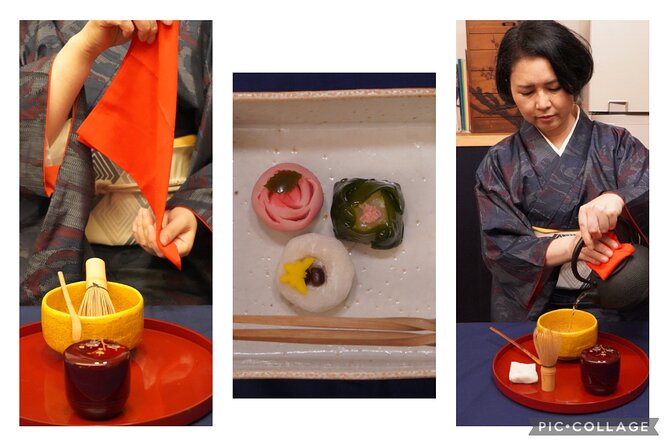
- Private home setting: Meet Noriko at Shin-Urayasu Station and walk about three minutes to her cozy home.
- Relaxed tea ceremony: Learn a little about matcha customs, prepare your own second bowl, and enjoy two small sweets plus one seasonal sweet.
- Live koto performance: Noriko plays two pieces, then guides you as you try this traditional Japanese instrument.
- Optional yukata dressing: Pay 3,500 yen by cash, card, or PayPal for cotton kimono dressing, with a simple hairstyle for women.
- Easy Tokyo-area access: The meeting point is about 20 minutes from Tokyo Station, followed by a short walk.
- Small and personal: This is a private activity for your group, with mobile tickets and free cancellation up to 24 hours ahead.
A Japanese home instead of a formal tea room
Many tea ceremonies ask you to observe quietly and follow a set of rules. This one takes a friendlier route. Noriko welcomes you at Shin-Urayasu Station, and you walk together for roughly three minutes to her home.
That short walk matters. You do not need to find an unfamiliar residential address on your own. You begin with a clear meeting point at the station, then let your host lead the way.
Inside, the experience feels less like a staged performance and more like a cultural visit with a skilled local host. You can ask about Japanese life, tea, music, and customs as the session unfolds. One particularly strong feature is the private format. Only your group takes part, so a question that might feel awkward in a large class can become the heart of the conversation.
The experience lasts about two hours. That is enough time for several activities without turning the visit into an all-day commitment. You should still allow extra time if you add the yukata option, since dressing takes about 10 minutes for a man and 20 to 30 minutes for a woman, including clothing selection. Women also receive a simple hairstyle.
More tea rooms worth booking:
- Matcha Making Class in Tokyo with Authentic Japanese Sweets Set
★ 5.0 · 744 reviews - Tokyo: Traditional Tea Ceremony with a Tea Master
★ 5.0 · 528 reviews - Tokyo: Matcha Making Experience with Mochi Sweets in Asakusa
★ 4.9 · 388 reviews
Matcha made at a comfortable pace
Noriko begins with a short explanation of the tea ceremony and its background. She then prepares the first bowl of matcha for you. This opening demonstration lets you watch the process before trying it yourself.
For the second bowl, you make your own tea with step-by-step guidance. That small change from watching to doing is important. You do not simply take a photo of a tea whisk and move on. You get a clear sense of the movements and care involved in preparing matcha.
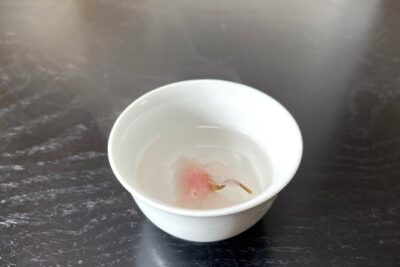
You also receive two small sweets and one seasonal sweet with the tea. The sweets help balance matcha’s strong, earthy taste, and the seasonal item adds a small connection to the time of year. The supplied information does not name the sweets, so do not book this expecting a particular flavor or confection.
This is not presented as a strict ceremony where one wrong movement ruins the moment. You can learn the basic etiquette while still feeling comfortable. If you have always found formal tea rituals intimidating, this relaxed approach may suit you better.
There is a tradeoff. Anyone seeking a highly formal tea-school lesson, with extended explanations of every gesture and rule, may find this format too casual. The appeal is conversation and participation, not strict ceremony.
The koto turns listening into playing
After the tea portion, Noriko introduces the koto, a traditional Japanese string instrument. She performs two pieces before inviting you to try it.
That order is useful. First, you hear what the instrument can do in experienced hands. Then you get to handle it yourself, with Noriko’s help. The activity information notes that you may be surprised by how quickly you can play a melody. Keep your expectations sensible, but the format is clearly designed to make the first attempt approachable rather than intimidating.
The koto session gives the visit a second cultural focus. Tea can be quiet and visual, while music adds sound and movement. Together, the two parts offer a broader look at Japanese tradition than a tea demonstration alone.
You should also value the chance to ask questions. One especially positive detail is Noriko’s broad ability to discuss tea, music, history, and Japanese culture. The strongest praise connected to this experience centers on her willingness to go beyond the basic plan and answer many questions. That makes this a good choice if you prefer a conversation with a local host over a scripted talk.
The optional yukata adds photos and extra time
For an additional 3,500 yen, you can be dressed in a cotton yukata. Payment is accepted by cash, card, or PayPal.
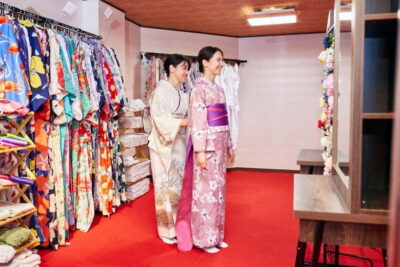
This is a yukata experience, not a full formal kimono dressing. That distinction matters. A yukata is a lighter cotton garment commonly associated with relaxed traditional wear. The option gives you a chance to see yourself in Japanese clothing and take photos with Noriko’s help after the dressing.
Men’s dressing takes about 10 minutes. For women, allow 20 to 30 minutes, including choosing the garment, plus a simple hairstyle. The extra time can extend the visit beyond the advertised two hours, so mention the option when you book rather than trying to add it at the last minute.
I see the yukata as a useful add-on for families, couples, and anyone who wants a visual memory of the experience. It also gives the tea ceremony a more traditional appearance in photographs. Still, it raises the overall cost, and it is not needed to enjoy the tea or music. If your main goal is to learn about matcha and the koto, skip it. If photos and dress-up are central to your day, the extra fee may be worthwhile.
A few more Tokyo bookings worth comparing
- Mt Fuji and Hakone 1-Day Bus Tour Return by Bullet Train
★ 5.0 · 26,383 reviews - 1-Day Tokyo Bus Tour
★ 5.0 · 14,250 reviews - Tokyo: TOKYO SKYTREE® Admission ticket
★ 4.5 · 11,192 reviews - Tokyo: teamLab Planets TOKYO Digital Art Museum Entry Ticket
★ 4.6 · 9,779 reviews
Getting to Shin-Urayasu from central Tokyo
The meeting point is Shin-Urayasu Station, identified as JE08, at 1 Chome-1 Irifune, Urayasu, Chiba 279-0012. The trip takes about 20 minutes from Tokyo Station, followed by a roughly four-minute walk to the home, including the station-to-house portion described in the meeting instructions.
This makes the experience reasonably easy to add to a Tokyo itinerary, but it is not in central Tokyo itself. Plan around the meeting time and do not treat it as a spontaneous stop between nearby sights. You will leave the main sightseeing core and return to the same meeting point when the activity ends.
The return arrangement is simple: the experience finishes back at Shin-Urayasu Station. That helps you plan your next stop without wondering where the activity will leave you.
Because the visit takes place in a private home, arrive at the stated station meeting point rather than heading directly to a residential address. Noriko welcomes you there and walks with you.
What the $81 price really buys
The listed price is $81 per person. The value depends on what you want from a cultural activity.
If you only want to taste matcha, the price may feel high for two hours. You are paying for more than a drink, though. The visit includes a private host, a guided tea preparation, sweets, a live koto performance, and your own chance to play the instrument. The private setting also means your group has room for questions rather than sharing attention with a large class.
The price makes more sense for you if personal contact is the main goal. A brief tea demonstration in a public venue may show the basics, but it usually does not offer the same chance to ask about unrelated parts of Japanese culture. Here, Noriko’s role is central to the value.
Group discounts are available, though the exact discount is not specified. If you are booking for several people, check the final price before payment. The yukata costs an extra 3,500 yen, and that fee is separate from the listed tour price.
The perfect score from 14 ratings and a 100 percent recommendation rate indicate strong satisfaction, though the sample is small. I would read that as a sign of a consistently warm experience, not proof that every visitor will prefer a private home setting.
Who will enjoy this two-hour visit
I would recommend this experience to you if you want:
- A gentle first introduction to matcha
- A private activity where you can ask many questions
- A chance to try a Japanese instrument, not just watch one
- A quieter cultural break from major city sights
- A personal experience for a couple, family, or small group
- Optional traditional clothing and photos
It also suits people who are curious about several parts of Japanese culture but do not want to book separate activities for tea, music, and clothing.
Families may appreciate the chance to do something practical. Children and adults can watch the demonstration, make tea, hear the koto, and try a melody. The supplied information does not state age limits, so families should confirm suitability before booking if traveling with very young children.
This may not suit you if you want a full-day tour, a large historical site, or a formal ceremony with strict etiquette. It is also not the best pick if you want to remain within central Tokyo all day. The Shin-Urayasu trip is straightforward, but it still takes you beyond the city center.
A personal visit shaped by Noriko
Noriko is the key to the experience. The itinerary gives her room to explain tea, guide your preparation, perform music, teach the koto, and answer questions about Japan.
The strongest praise attached to the activity focuses on her warmth and range. A particularly enthusiastic account described this as one of the best things the writer did in Japan and singled out Noriko’s ability to discuss tea, music, history, and many questions about Japanese life. It also noted that she went beyond the basic plan.
That detail helps set your expectations. You are not booking a silent demonstration where the host follows a speech and sends you away. You are booking time with someone who wants to talk and share several parts of her culture.
Of course, a personal host-led activity always has an element of individual fit. If you enjoy conversation, you will likely appreciate the freedom. If you prefer a tightly timed tour with constant movement, the relaxed pace may feel slow.
Booking, timing, and cancellation details
Confirmation is provided when you book, and mobile tickets are available. The activity is private, so only your group participates. Service animals are allowed, and the meeting point is near public transportation.
Free cancellation is available if you cancel at least 24 hours before the local start time. Cancellations made less than 24 hours ahead are not refunded, and changes inside that period are not accepted. If you want the yukata, request it at booking so Noriko can allow enough time for dressing and photos.
The most practical tip is simple: plan the transport first, then choose the optional clothing. The meeting point is convenient from Tokyo Station, but the experience is not located at Tokyo Station itself.
Should you book this private tea and music visit?
Book it if you want a small, friendly cultural experience built around participation. The tea ceremony gives you a taste of Japanese etiquette without making you nervous about strict rules. The koto performance adds something unusual, and trying the instrument yourself gives the two-hour visit a clear personal highlight.
I especially recommend it for you if you value direct conversation with a host. Noriko’s role is not a minor detail. Her warmth, broad cultural knowledge, and willingness to answer questions shape the experience.
Skip it if you want a formal, highly polished ceremony or a central Tokyo activity with no transit time. Also compare the final cost if you plan to add the yukata. At $81 per person before that optional fee, this is best viewed as a private cultural meeting with several elements, not simply a cup of tea.
For the right kind of visitor, that is exactly the point: you arrive at a station, walk into a local home, make matcha, hear the koto, try a melody, and leave with a more personal sense of Japan than a quick photo stop can provide.
FAQ
Where does the experience begin?
It begins at Shin-Urayasu Station, identified as JE08, at 1 Chome-1 Irifune, Urayasu, Chiba 279-0012, Japan.
How long does the activity last?
The main experience lasts approximately two hours. Choosing the optional yukata adds dressing and photo time.
How far is Shin-Urayasu Station from Tokyo Station?
The station is about 20 minutes from Tokyo Station. From Shin-Urayasu Station, you walk approximately three to four minutes to Noriko’s home.
Is the tea ceremony formal?
It is presented in a relaxed setting with no strict rules. Noriko explains the ceremony, prepares the first bowl of matcha, and guides you as you prepare the second.
What is included with the tea?
You receive matcha along with two small sweets and one seasonal sweet.
How much does the yukata option cost?
The optional yukata experience costs 3,500 yen. Payment can be made by cash, card, or PayPal. Women also receive a simple hairstyle, and Noriko helps with photos afterward.
New on our Tokyo list
- Sumi-e Experience in a relaxing green tea shop in Tokyo★ 5.0 · 3 reviews
- Tokyo : Kamikaze Street Drift Ride★ 5.0 · 3 reviews
- Private Zen Meditation in English in Shinjuku, Tokyo★ 5.0 · 3 reviews
- Onsen Spa in Tokyo and Asakusa Bar Hopping with Local Guide★ 5.0 · 3 reviews
- Easy for everyone! Now you can play handmade mini shamisen and show off to everyone! Musical instruments, sweets and live music★ 5.0 · 3 reviews
- Tokyo Tsukiji Fish Market Walking and Exploring Hidden Gems Tour★ 5.0 · 3 reviews
- Tokyo: Private Tsukiji Street Food & Sake with Local Guide★ 5.0 · 3 reviews
- Mt Fuji Exploration Tour with Free Japanese Kusa Mochi from Tokyo★ 4.5 · 3 reviews
Tea Ceremonies, compared.

Matcha Making Class in Tokyo with Authentic Japanese Sweets Set
Read our review →
Matcha Making Experience with Mochi Sweets in Asakusa
Read our review →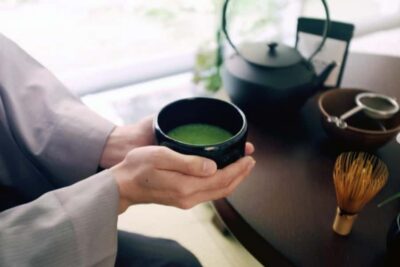
Tea Ceremony Workshop in Tokyo by the Experienced Instrucor
Read our review →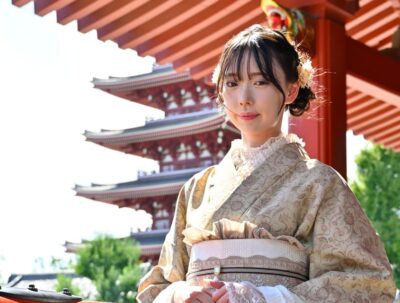

Make Traditional Nerikiri Sweets & Matcha experience in Shibuya
Read our review →Browse the lists this tour appears in