
Reviewed · TEA CEREMONIES
Sencha-do the Japanese Tea Ceremony Workshop
Sencha-do gives you something most Japanese tea ceremonies do not: your own hands on the tea utensils. Instead of only watching a formal performance, you see the ceremony, hear why each step matters, then brew green tea from leaves yourself. The session lasts about 90 minutes and includes Japanese sweets.
I like the small group limit of four, which leaves room for questions and gentle instruction. I also like that the class introduces a less familiar side of Japanese tea culture, since Sencha-do uses infused green tea leaves rather than matcha powder. The main drawback is finding the meeting point, as the online directions can be hard to follow.
In This Review
- Key points to know before booking
- Why Sencha-do offers a different tea lesson
- What happens during the 90-minute session
- The hands-on part is the real reason to go
- The flavor lesson: green tea leaves, not matcha
- Learning from Kyo and the Higashi Abe school
- Getting to the Kawasaki meeting point
- Is $65.69 a fair price?
- Who will enjoy this class most?
- Booking, timing, and cancellation advice
- Should you book the Sencha-do workshop?
- FAQ
- Where does the Sencha-do workshop take place?
- How long does the tea ceremony workshop last?
- Is this a matcha tea ceremony?
- Can I make the tea myself?
- Are tea and Japanese sweets included?
- How many people can join the class?
- What is the cancellation policy?
Key points to know before booking
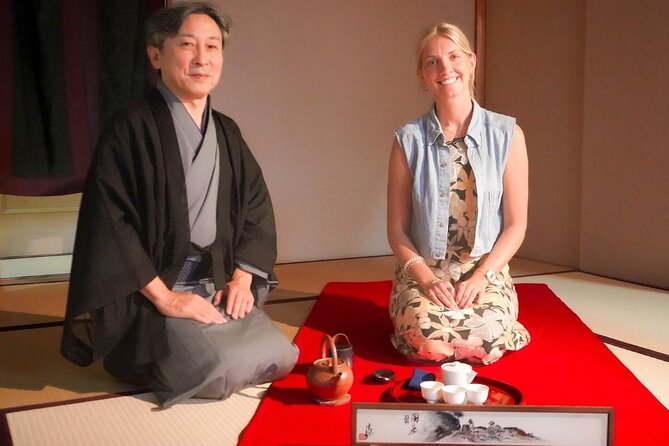
- You brew the tea yourself: After watching the demonstration, you handle the utensils and prepare your own cup.
- Sencha-do is not a matcha ceremony: The focus is on steeped green tea leaves, with a taste that can be sweeter and lighter than many visitors expect.
- The group is capped at four people: This is a quiet, personal class rather than a large cultural show.
- Kyo may lead the lesson: The instructor has been praised for patient teaching and clear explanations of tradition and family history.
- Japanese sweets are included: They give you a small food pairing while you learn to notice the tea.
- Allow extra time to find the address: The school is near public transportation, but the directions have caused confusion for some visitors.
Why Sencha-do offers a different tea lesson
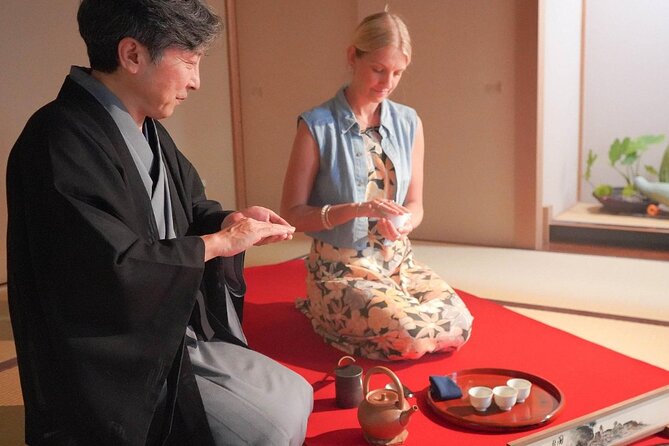
Many visitors arrive in Japan expecting a matcha ceremony. That usually means powdered green tea whisked into a frothy drink. Sencha-do follows another path. Here, tea leaves are infused in hot water, and the flavor comes from the leaves, water, timing, and handling of the pot and cup.
That difference matters. You are not simply learning another way to serve the same drink. You are being introduced to a separate tea tradition with its own methods and customs. The class also gives you a useful point of comparison if you have already tried matcha elsewhere in Japan.
I like this workshop for that reason. It broadens your idea of Japanese tea without requiring a full day or a long trip into the countryside. In about an hour and a half, you learn how the ceremony works and get to taste the result of your own preparation.
The setting is connected with the Higashi Abe school of Sencha-do. The instructor is described as a master of the school, and Kyo is named in the feedback as a patient and respectful teacher. You should expect a lesson shaped by the school’s own customs, not a generic demonstration designed only for tourists.
More tea rooms worth booking:
- Japanese Tea Ceremony at Private Home in Yokohama, suburban Tokyo
★ 5.0 · 32 reviews - Yokohama : Tea Ceremony with Sweets and Souvenir
★ 5.0 · 5 reviews - Yokohama: Sushi & Gyoza Cooking with Matcha Experience
★ 5.0 · 4 reviews
What happens during the 90-minute session
The class begins with observation. You watch the tea ceremony before touching the utensils, which gives you time to notice the pace, order, and quiet gestures. This opening is useful because the ceremony can look mysterious if you are asked to copy movements without context.
The instructor explains what is happening and provides background on Sencha-do. Past teaching sessions have included the history of the tea school, the development of this style of ceremony, and details that distinguish it from other Japanese tea traditions. The exact amount of history may depend on your questions and the group, but this is not just a silent performance.
Japanese sweets are served during the experience. They provide a traditional companion to the tea and help mark the difference between watching a ceremony and taking part in one. The sweets are included in the price, along with green tea.
After the demonstration, you get to work. You handle the tea utensils and learn how to brew the tea from the beginning. This is the part that gives the class its value. You are not simply told that small details matter. You can see how those details affect the drink in your own cup.
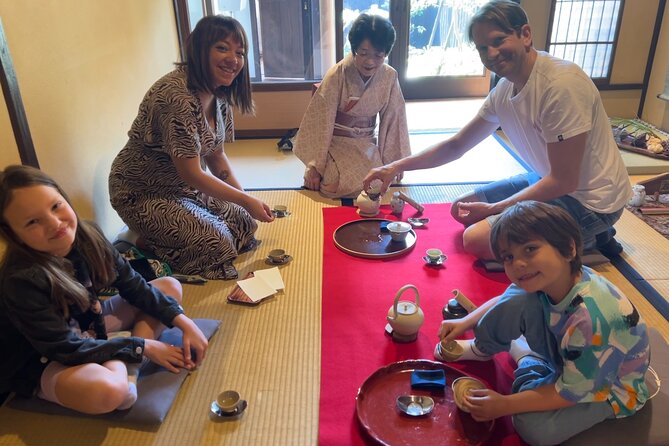
You may also compare your tea with the tea prepared by the people in your group. That makes the lesson more memorable, since you can notice how two cups made with the same basic ingredients may taste different. For families and couples, this creates an easy way to take part together rather than having one person watch while another performs.
The class ends back at the meeting point. There is no private transportation included, so you make your own way to and from the school.
The hands-on part is the real reason to go
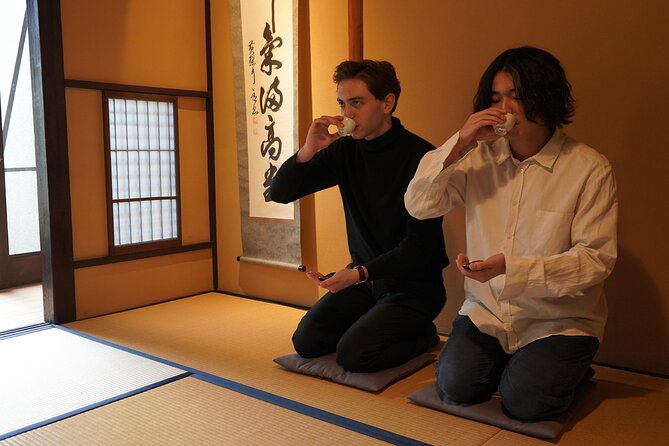
Formal tea ceremonies can be beautiful, but they often keep the visitor at a distance. You sit, watch, and try to follow the etiquette. That approach has value, yet it may leave you wondering how the tea is actually made.
This workshop closes that gap. You hold the tools, follow the instructions, and taste the tea you prepared. The teacher guides you carefully, so you do not need prior knowledge of tea ceremony customs.
I especially like this format for people who learn by doing. If you are curious about why the tea tastes the way it does, the class lets you connect the method with the result. The lesson also works well for families, since children can take part in a real task rather than being expected to sit quietly through a long formal display.
The small group size helps here. With no more than four participants, the instructor can watch what you are doing and offer corrections. You should still expect a traditional lesson rather than a casual cooking class. The pace is controlled, and respect for the ceremony remains part of the experience.
Photography is allowed throughout the workshop. You can take pictures to remember the utensils, the setting, and the stages of the ceremony. Use common sense during the quieter parts of the lesson, and follow the instructor’s lead about when it is best to pause and watch.
The flavor lesson: green tea leaves, not matcha
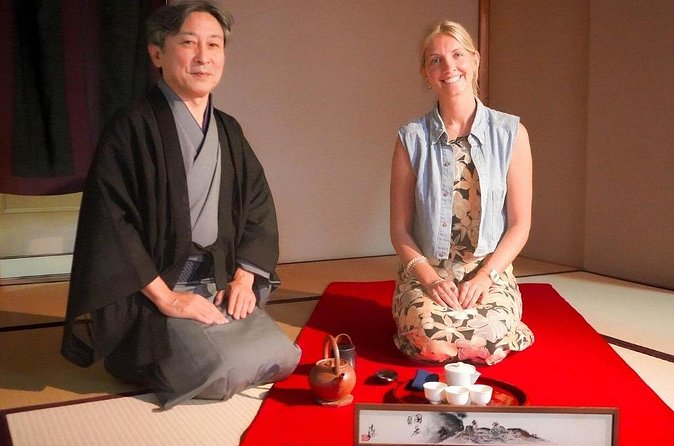
Sencha-do is built around brewed green tea leaves. That distinction is the main fact to understand before you book. If your goal is specifically to whisk bright green matcha, this is not the right class.
If you want to understand Japanese tea beyond the most familiar version, it is a good choice. The taste of leaf tea can surprise you. One account describes it as sweet, and your own result will depend on how you prepare it. The class gives you a chance to compare cups and notice the effect of the brewing process.
The tea is served with Japanese sweets, which also help your palate. Sweet food can make the tea’s character easier to notice, and the pairing adds a small cultural detail to the lesson without turning the workshop into a meal.
I would not book this expecting a large tasting menu or several hours of tea sampling. The included food is Japanese sweets, and the class centers on learning the ceremony and brewing method. Its strength is focus.
More Yokohama outings:
- Authentic Sumo Experience in Tokyo: Enter the Sanctuary
★ 5.0 · 603 reviews - EVO, WRX, Skyline – JDM Night Run to Daikoku Car Meet
★ 4.9 · 478 reviews - Tokyo: Best Price Daikoku Parking Area JDM Car Meet
★ 4.9 · 192 reviews - Daikoku & Tokyo Private JDM Tour by 700HP R34 GT-R
★ 4.9 · 101 reviews
Learning from Kyo and the Higashi Abe school
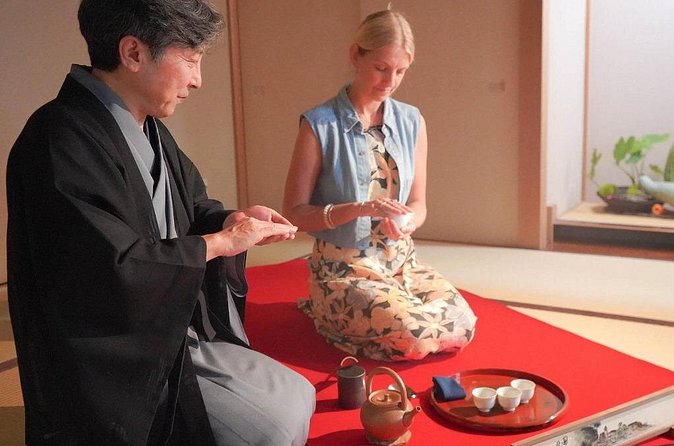
The teacher makes a big difference in a tradition-based activity. A stiff or hurried lesson could make the ceremony feel like a set of rules. The information provided about Kyo points to a more patient approach, with explanations of customs, family background, and the school’s place in Japanese tea culture.
That personal connection adds meaning. You are learning a living practice from someone associated with the school, rather than receiving only a general lecture about Japan. The instructor has taught many students and is expected to guide beginners carefully.
The school’s Higashi Abe lineage also gives the workshop a clear identity. Sencha-do has different schools and forms, so this is not meant to represent every Japanese tea tradition. That is a benefit if you want a specific introduction, though you should not assume the lesson covers all forms of tea ceremony.
Questions are welcome, and the experience has been used by people with a strong interest in tea culture as well as by families and first-time visitors. I would arrive with a few simple questions ready. Ask about the school, the utensils, the taste of the tea, or how Sencha-do differs from matcha. A small group makes this kind of conversation possible.
Getting to the Kawasaki meeting point
The workshop begins and ends at the Higashi Abe school address:
1-chōme-7-2 Totehonmachi, Saiwai Ward, Kawasaki, Kanagawa 212-0023, Japan.
The school is near public transportation, but reaching the exact entrance may take more care than expected. One person had difficulty locating it from the supplied online directions and needed help. I would save the full address on your phone, check the route before leaving, and allow extra time.
This is especially important if you are traveling with children or have a fixed train plan afterward. The class itself is only about 90 minutes, but a missed turn could make the schedule feel tight.
Private transportation is not included. You are responsible for getting to the meeting point and returning afterward. A mobile ticket is available, and confirmation is received when you book.
The location is in Kawasaki, not central Tokyo. That can be a plus if you want an activity away from the busiest sightseeing areas, but check your route before paying. The workshop is best added to a day when you already plan to be in or near Kawasaki, rather than treated as a quick side trip from another part of the region.
Is $65.69 a fair price?
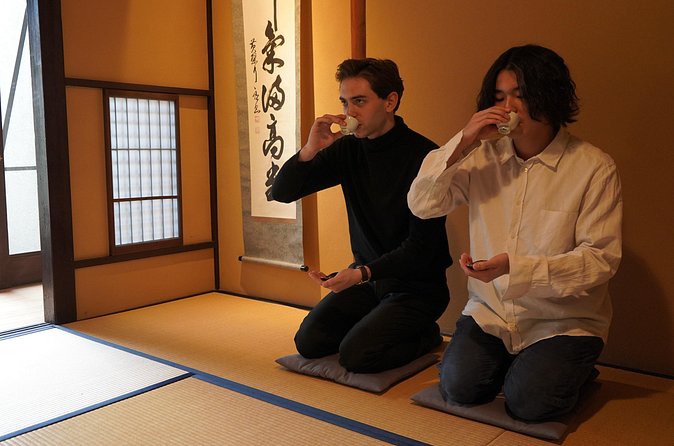
At $65.69 per person, this is not the cheapest tea demonstration in Japan. The price makes more sense when you consider what is included: a 90-minute lesson, green tea, Japanese sweets, instruction from a master of the school, and direct use of the utensils.
A cheaper ceremony may let you watch a performance and receive a cup of tea. This class adds the practical lesson, which is the key difference. You are paying for teaching time and a small group, not only for a drink.
The maximum of four also matters. A larger group can lower the price, but it usually limits questions and personal correction. Here, you have a better chance to understand what your hands are doing and why.
Group discounts are available, though the exact savings are not specified. If you are booking for a family or a small party, check the current total before payment. For one person, the value depends on your interest. If you only want a quick taste of green tea, the price may feel high. If you want a personal cultural lesson and the chance to brew tea yourself, it is easier to justify.
Who will enjoy this class most?
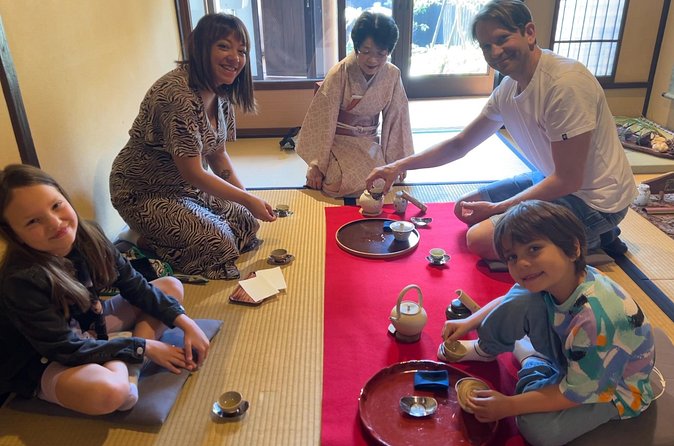
I would recommend Sencha-do to:
- Couples who want a calm cultural activity with something practical to do.
- Families whose children can follow careful instructions and enjoy making their own tea.
- Solo visitors with an interest in Japanese customs, craft, or food.
- Anyone who has tried matcha and wants to understand leaf-brewed tea.
- Visitors who prefer a small class over a large staged performance.
- People who enjoy asking questions and comparing their results with others.
The workshop may be less suitable if you want a fast, casual activity with no formal structure. It may also disappoint you if you are specifically seeking a matcha whisking lesson. Sencha-do has its own identity, and the value comes from respecting that difference.
Most people can participate, and service animals are allowed. The supplied information does not give detailed seating, flooring, or mobility arrangements, so contact the provider if you need a specific accessibility setup.
Booking, timing, and cancellation advice
This experience is often reserved about 13 days ahead. That is a useful planning guide, especially because the group is limited to four people. I would book before your Japan trip rather than assume you can find an open place at the last minute.
Free cancellation is available if you cancel at least 24 hours before the start time. Changes or cancellations made within 24 hours are not accepted and are not refunded. The cut-off follows local time.
The class requires good weather and a minimum number of participants. If poor weather or low enrollment causes cancellation, you are offered another date or experience, or a full refund. Keep that in mind if you are building a tightly timed day around the workshop.
Should you book the Sencha-do workshop?
Book it if you want to do more than take a picture of a tea ceremony. The strongest part is the chance to watch a traditional demonstration, ask questions, handle the utensils, and taste tea you brewed yourself. The four-person limit and patient teaching make the experience feel personal.
Skip it if you want matcha, a large tasting session, or an activity close to central Tokyo without route planning. Kawasaki requires a little preparation, and the meeting point can be difficult to locate.
For the right visitor, this is a thoughtful introduction to a lesser-known Japanese tea tradition. Save the address, allow extra time for arrival, and come ready to pay attention to small movements. That is where the lesson lives.
FAQ
Where does the Sencha-do workshop take place?
The workshop takes place at 1-chōme-7-2 Totehonmachi, Saiwai Ward, Kawasaki, Kanagawa 212-0023, Japan. The activity returns to the same meeting point.
How long does the tea ceremony workshop last?
The experience lasts approximately 1 hour and 30 minutes.
Is this a matcha tea ceremony?
No. Sencha-do uses green tea leaves that are brewed by infusion. It does not use powdered green tea.
Can I make the tea myself?
Yes. You first watch the ceremony, then use tea utensils to brew tea yourself under the instructor’s guidance.
Are tea and Japanese sweets included?
Yes. Green tea and Japanese sweets are included in the experience price.
How many people can join the class?
The activity has a maximum of four participants. Group discounts are available.
What is the cancellation policy?
You can cancel for a full refund up to 24 hours before the start time. Cancellations or changes made less than 24 hours before the experience are not accepted or refunded.
More Workshops in Yokohama
- Japanese Calligraphy Class in Yokohama with Tea and Sweets
★ 5.0 · 5 reviews - Yokohama: Soba Noodle Workshop with a Soba Master
★ 5.0 · 3 reviews - Sushi Making Tokyo Roll and Authentic Japanese Sushi Class
★ 5.0 · 3,971 reviews - Tokyo: Roll and Authentic Sushi Making Class in Asakusa
★ 4.9 · 1,957 reviews
New on our Yokohama list
- Yokohama Chinatown: Authentic Local Street Food Experience★ 4.7 · 3 reviews
- Yokohama: A City at the Corner of Tradition and Modernity★ 4.7 · 3 reviews
- 【50 mins】 City lights HelicopterTour: Tokyo and Yokohama plan★ 5.0 · 3 reviews
- Wheelchair Accessible Taxi from HND to Yokohama Port★ 5.0 · 3 reviews
- Tokyo/yokohama: Full Day Nikko Private Sightseeing Trip★ 5.0 · 3 reviews
- Eat like a local in Yokohama – with a Local Expert Guide!★ 4.7 · 3 reviews
- Tokyo JDM Daikoku PA Car Meet Private LEXUS RC Tour from Yokohama★ 5.0 · 3 reviews
- Yokohama: Soba Noodle Workshop with a Soba Master★ 5.0 · 3 reviews
Tea Ceremonies, compared.
Matcha Making Class in Tokyo with Authentic Japanese Sweets Set
Read our review →
Matcha Making Experience with Mochi Sweets in Asakusa
Read our review →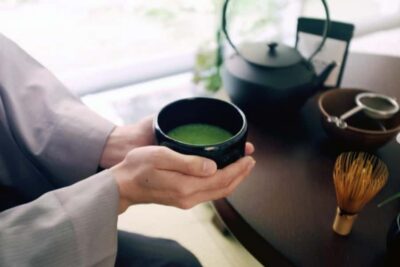
Tea Ceremony Workshop in Tokyo by the Experienced Instrucor
Read our review →

Make Traditional Nerikiri Sweets & Matcha experience in Shibuya
Read our review →Browse the lists this tour appears in