
Reviewed · JAPANESE COOKING CLASSES
Yokohama: Sushi & Gyoza Cooking with Matcha Experience
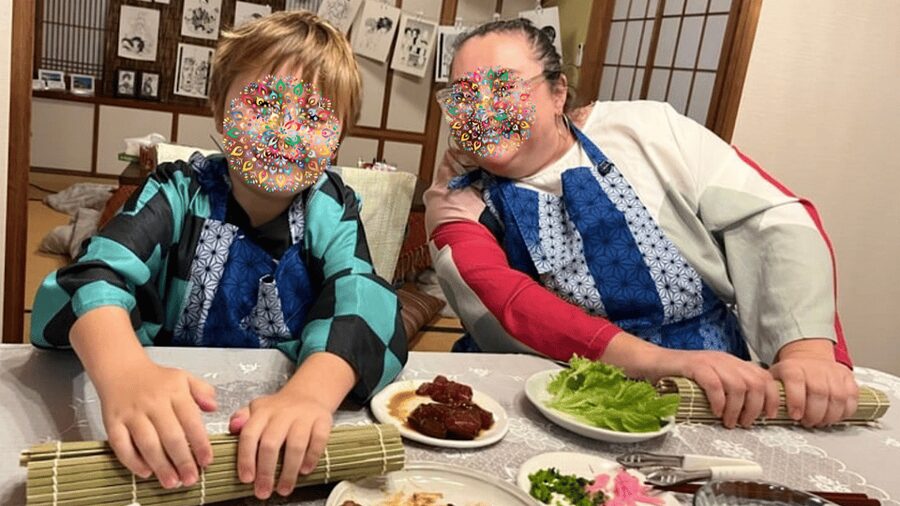
The best part of this Yokohama experience is the change of pace: you begin in a quiet tatami tea room, then move into the kitchen to make sushi rolls and gyoza with host Yuka. I like that you can choose your cultural activity, and I like that the cooking is hands-on rather than a simple demonstration.
The main consideration is comfort. You will sit and work in traditional Japanese home settings, and the experience is not suitable for wheelchair users or people with food allergies. The $81 price is fair if you value personal guidance, a meal, tea-room time, and a taste of daily Japanese life rather than just a quick cooking lesson.
In This Review
- Key points
- A Yokohama cooking class with a cultural hour first
- Choosing between matcha, manga, and quiet tea time
- From sliding doors to sushi rolls
- Folding gyoza by hand
- Eating your own meal with Japanese drinks
- Why the traditional home setting matters
- Meeting in Yokohama and managing the practical details
- Who will get the most from the $81 price
- Booking, cancellation, and overall value
- Should you book this Yokohama experience?
- FAQ
- Where does the activity take place?
- What food will I make?
- What can I choose during the tea-room hour?
- Is a matcha latte available?
- Is the activity offered in English?
- Are food, drinks, and cooking materials included?
- Is transportation included?
- Is the experience suitable for wheelchair users or people with food allergies?
Key points
- Choose your first hour: Pick matcha and green tea, manga-style drawing, or quiet time with sweets in a tatami room.
- Cook two Japanese favorites: Make sushi rolls with seasonal ingredients and fold and cook handmade gyoza.
- Meet host Yuka: Clear English instruction and practical help make this suitable for first-time cooks.
- Enjoy the setting: The class takes place in a traditional Japanese home, not a generic cooking studio.
- Plan for comfort: Wear easy-to-move-in clothes, bring a camera, and expect a traditional sitting environment.
- Know the limits: Transportation is not included, and the activity is not suitable for wheelchair users or people with food allergies.
A Yokohama cooking class with a cultural hour first
Many food classes get straight to chopping and stirring. This one gives you a softer landing. You meet in front of the ticket gate, enter a traditional Japanese home in Yokohama, and begin with time in a private tatami tea room.
That first hour lets you choose the kind of experience you want. You can learn about matcha and green tea, try a creamy matcha latte, draw manga characters with authentic tools, or simply sit with Japanese sweets and tea. This choice matters because it lets you set the tone. You might want a quiet cultural break after sightseeing, or you might prefer a creative activity before cooking.
Host Yuka also brings a personal touch. Her English is excellent, and she gives clear directions for meeting and clear instructions during the class. That is useful in a cooking lesson, where a small language gap can make folding dumplings or shaping sushi more confusing than it needs to be.
More Cooking Classes in Yokohama
- Yokohama: Manga/Anime Art & Cooking Experience in a Tatami Room
★ 5.0 · 7 reviews - Fishing with Mt. Fuji Views and Japanese Home Cooking Experience
★ 5.0 · 5 reviews - Yokohama Manga Art & Japanese Cooking Experience
★ 5.0 · 5 reviews
Choosing between matcha, manga, and quiet tea time
The matcha and green tea option is the most direct introduction to Japanese tea culture. You learn basic preparation and tasting, then choose a traditional tea or a milder creamy matcha latte. If matcha’s strong, grassy taste worries you, the latte gives you an easier entry point.
The tea-room setting is part of the appeal. A private room with tatami flooring, Japanese sweets, and tea gives you time to notice the details of a home-based experience. It is not a formal, highly staged ceremony based on the information provided, so you should expect a relaxed cultural session rather than a strict ceremonial performance.
The manga choice changes the mood. You use authentic drawing tools and take inspiration from Yuka’s own drawings. This should suit families, couples, and solo visitors who want to make something rather than sit through a food talk. It also gives you a photo opportunity that feels more personal than a standard cooking-class snapshot.
The third option is simple: relax. Enjoy tea and sweets, sit in the tatami room, and take in the peaceful surroundings. I see this as the best choice if you have already spent the day walking around Yokohama and want a calm start before the kitchen work begins.
From sliding doors to sushi rolls
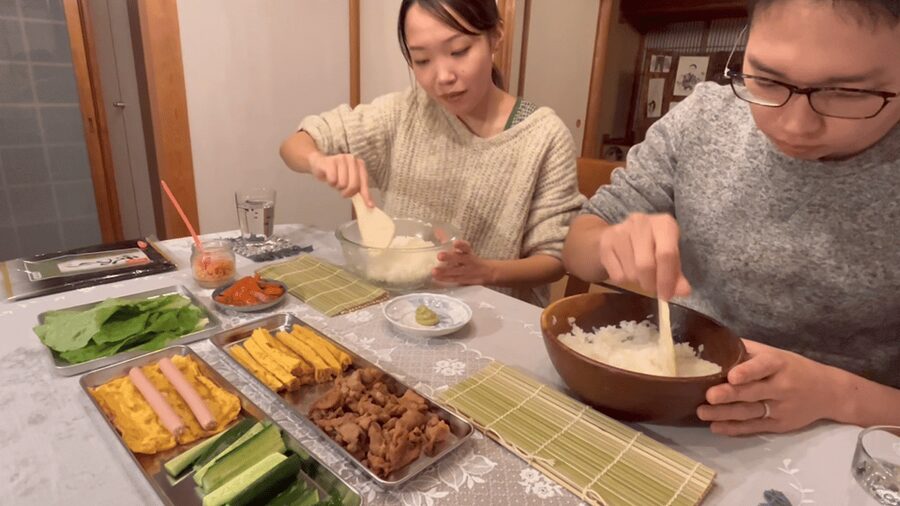
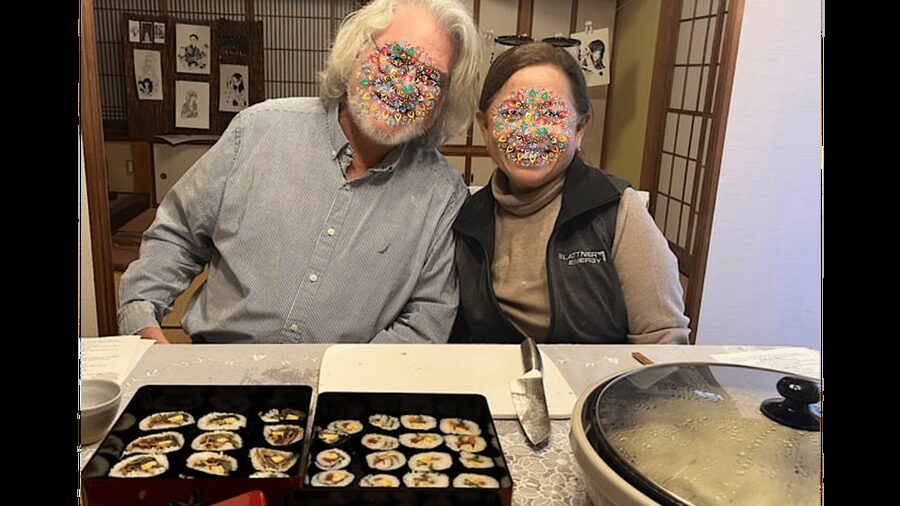
After the tea-room session, sliding doors open to the kitchen and the focus shifts to food. You make sushi rolls, or maki, with fresh seasonal ingredients supplied for the class.
The value here is in doing the work yourself. Rolling sushi looks easy when someone else handles the bamboo mat, rice, fillings, and final cut. Once you try it, you see how much care goes into keeping the roll firm and neatly shaped. Yuka’s guidance helps you understand the process instead of simply watching a finished plate appear.
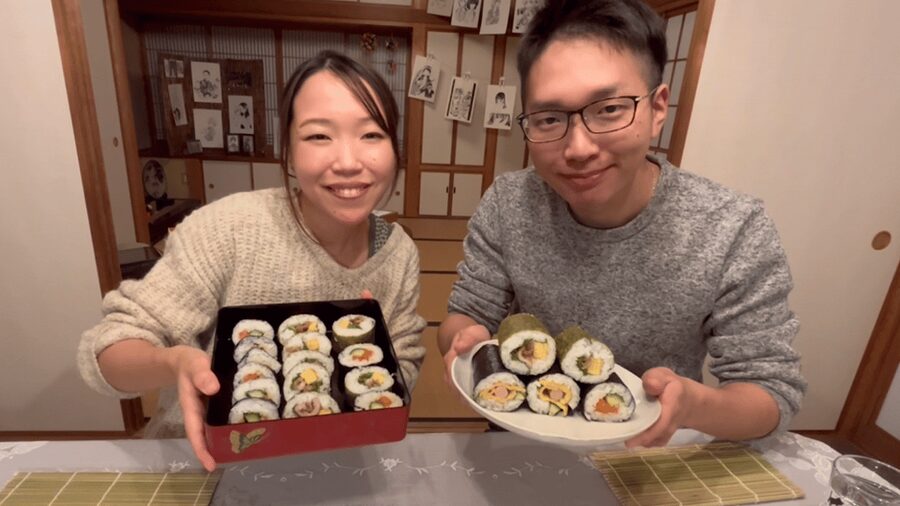
The available ingredients are described as seasonal, but the exact fillings can vary. That is a good thing for a class tied to Japanese cooking, though it means you should not book expecting a fixed menu. You will get the chance to create your own rolls and eat what you make.
This part is also friendly to different skill levels. A confident home cook can enjoy the technique, while a beginner gets direct help. The experience is not presented as a professional chef course, and that is its strength. You are here to learn useful basics and enjoy the meal, not pass an exam in sushi making.
Folding gyoza by hand
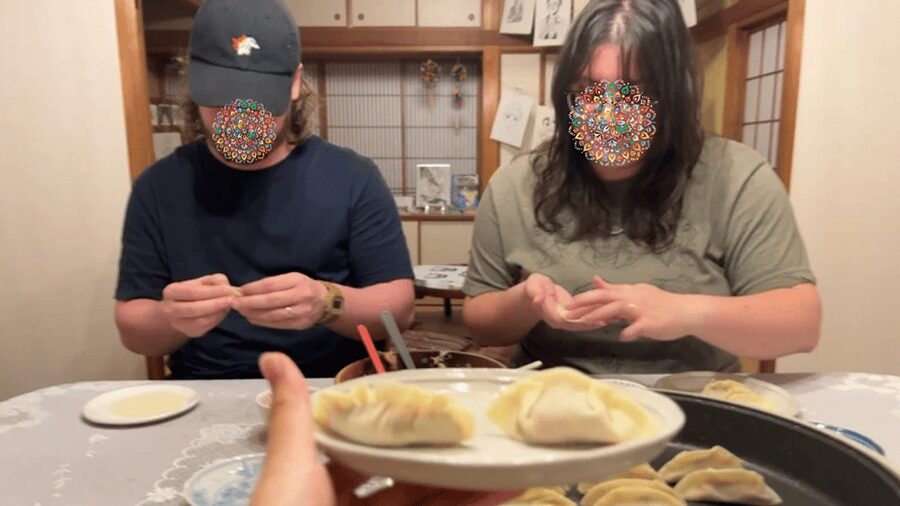
The second dish is handmade gyoza. You prepare and fold the dumplings, then learn how to cook them.
For many people, the folding is the most entertaining part. It is a small, tactile skill, and the shape improves with each attempt. You will likely notice that the first dumpling and the last one do not look quite alike. That is part of the fun, and a patient host can help you get the technique right without turning the class into a serious test.
The gyoza is also a practical dish to learn. Sushi can feel tied to special ingredients or careful presentation, but dumplings are approachable and hands-on. You can focus on filling, sealing, and cooking, then sit down to eat the results.
You should expect instruction and cooking rather than a long lecture about Japanese food. The supplied details emphasize participation, and the strong praise for Yuka’s teaching points to the class working best when you want clear help at each step.
More tea rooms worth booking:
- Japanese Tea Ceremony at Private Home in Yokohama, suburban Tokyo
★ 5.0 · 32 reviews - Sencha-do the Japanese Tea Ceremony Workshop
★ 5.0 · 21 reviews - Yokohama : Tea Ceremony with Sweets and Souvenir
★ 5.0 · 5 reviews - Japanese Sweets Making & Tea Ceremony in Yokohama, suburban Tokyo
★ 5.0 · 4 reviews
Eating your own meal with Japanese drinks
Once the cooking is done, you eat the sushi and gyoza you prepared. Beverages are included, with several choices and alcoholic options available.
That inclusion improves the value of the $81 price. You are not paying only for a lesson. The package also includes a private tea-room hour, Japanese sweets, ingredients, equipment, cultural explanations, your meal, and drinks. For a visitor who wants a small cultural outing rather than a basic recipe class, the total package makes sense.
Still, the price may feel high if your only goal is to learn how to fold gyoza. You can find cheaper cooking lessons in Japan, and this activity’s appeal depends on how much you value the home setting and the tea-room experience. I would compare it with the cost of a meal plus a separate cultural activity in Yokohama, not with the price of a casual restaurant lunch.
The meal also gives you a natural chance to talk with Yuka. She can explain Japanese customs and food while you eat, and she has been helpful with other aspects of a Japan trip. That extra local contact can be useful when you want more than a scripted class.
Why the traditional home setting matters
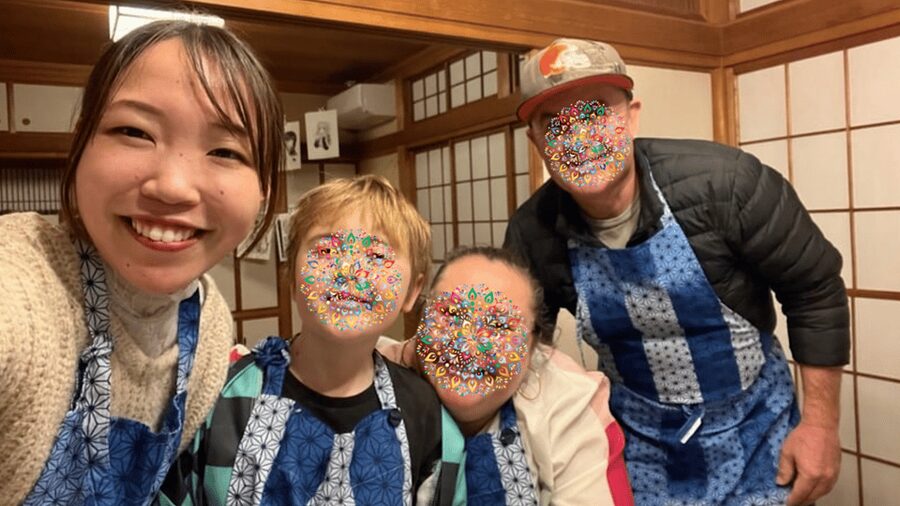
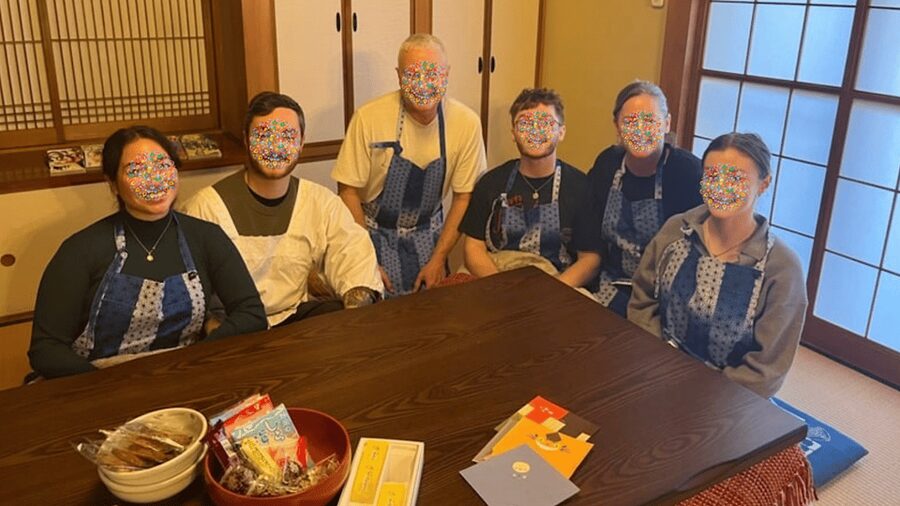
A cooking studio can be efficient, bright, and easy to reach. A traditional home offers a different feeling. The tatami room, sliding doors, tea, sweets, and personal hosting connect the food to ordinary Japanese customs.
You should not expect a museum-style display or a formal historical tour. Instead, the experience gives you small cultural details through action: sitting in a tatami room, preparing tea, drawing manga, folding gyoza, and sharing food. I find that approach more memorable than being handed a list of facts.
The setting also makes the experience work well for a small group, couple, or solo visitor. Families can split between drawing and cooking, couples can treat it as a shared activity, and solo visitors get direct time with the host. The format provides enough variety that not everyone must enjoy the same part equally.
Bring a camera. The tatami room, manga drawing, cooking process, and finished food all offer photo opportunities. Wear comfortable clothing suitable for movement and kitchen work. You do not need special equipment because materials and ingredients are provided.
Meeting in Yokohama and managing the practical details
The activity begins in front of the ticket gate and ends back at the meeting point. Transportation to and from the activity is not included, so you need to arrange your own way to the start.
The meeting instructions matter here because you are visiting a private home rather than walking into a clearly marked attraction. Follow the directions from Sakura Sketch Japan carefully and allow enough time to find the ticket gate meeting point.
The experience is offered in English. That is a major benefit for an international visitor, especially during the cooking steps. Clear spoken guidance is important when you are handling food, and Yuka’s English makes the session accessible to English-speaking visitors.
The activity is not suitable for wheelchair users. The information also says it is not suitable for people with food allergies. Take that warning seriously because the class includes multiple prepared foods, shared ingredients, and a meal. Ask before booking if you have dietary concerns, but do not assume the class can be adapted.
Outside food and drinks are not allowed during the activity. That fits the format, since tea, sweets, and meal beverages are already part of the experience.
Who will get the most from the $81 price
I would recommend this to you if you want three things in one outing: a home setting, a creative cultural activity, and a meal you prepare yourself. It is especially well suited to first-time visitors who want an easy introduction to tea, manga, sushi, and gyoza without arranging several separate activities.
Families should find the choices helpful. A child who is not keen on tea may prefer manga drawing, while another family member may enjoy the matcha session. The cooking section then brings everyone together.
Couples can treat the class as a relaxed date activity, with the tea room providing a quiet beginning and the kitchen adding a more playful second half. Solo visitors may appreciate the direct contact with Yuka and the chance to ask questions about food and Japan.
I would be more cautious if you want a fast, restaurant-style cooking lesson or a formal tea ceremony. The first hour takes time, and the experience is designed around atmosphere and personal contact as much as cooking technique. Also think twice if sitting in a traditional home environment may be uncomfortable for you.
Booking, cancellation, and overall value
The activity costs $81 per person. That is not a bargain cooking class, but the price includes more than the cooking itself. You receive one hour in a private tea room, tea and Japanese sweets, the matcha or manga option, all cooking materials and ingredients, the sushi and gyoza meal, beverages, cultural guidance, and photo opportunities.
The booking terms are flexible: you can reserve and pay later, and cancellation up to 24 hours in advance allows a full refund. That helps if your Yokohama plans are still shifting.
All four recorded ratings are 5 out of 5. The strongest praise centers on Yuka’s warm hosting, clear English, the tea-room experience, tasty sushi, and especially good gyoza. One particularly useful detail is that Yuka also helps with other parts of a Japan trip, so you can ask practical questions beyond the recipe steps.
Should you book this Yokohama experience?
Book it if you want a personal, home-based activity with more range than a standard cooking lesson. The combination of tatami-room time, matcha or manga, sushi, gyoza, and drinks gives you a full cultural afternoon or evening, depending on the schedule.
Skip it if you need wheelchair access, have food allergies, or only want the cheapest way to learn one Japanese dish. For everyone else, the strongest reason to book is Yuka’s clear teaching and the chance to connect Japanese food with the home traditions around it.
FAQ
Where does the activity take place?
The experience takes place in a traditional Japanese home in Yokohama, on Honshu. It includes time in a private tatami-style tea room and cooking in the kitchen.
What food will I make?
You will make sushi rolls, also called maki, using fresh seasonal ingredients. You will also prepare, fold, and cook handmade gyoza.
What can I choose during the tea-room hour?
You can choose a matcha and green tea experience, manga-style illustration with authentic tools, or relaxation time with Japanese sweets and tea.
Is a matcha latte available?
Yes. If you prefer a milder taste, you can choose a creamy matcha latte instead of stronger matcha or green tea.
Is the activity offered in English?
Yes. The activity is offered in English, and host Yuka provides instructions and cultural information in English.
Are food, drinks, and cooking materials included?
Yes. Ingredients and materials for the cooking class are included. You also receive tea, traditional Japanese sweets, your prepared meal, and a variety of beverages, including alcoholic options.
Is transportation included?
No. You must arrange your own transportation to and from the activity. The meeting begins in front of the ticket gate, and the activity ends back at the meeting point.
Is the experience suitable for wheelchair users or people with food allergies?
No. The activity is not suitable for wheelchair users or people with food allergies. Wear comfortable clothes, and bring a camera if you want photos of the tea room, manga work, and cooking.
More Sushi Experiences
- Learn Sushi-grade fish with a licensed guide @Yokohama fishmarket
★ 5.0 · 4 reviews - Sushi Making Tokyo Roll and Authentic Japanese Sushi Class
★ 5.0 · 3,971 reviews - Tokyo: Roll and Authentic Sushi Making Class in Asakusa
★ 4.9 · 1,957 reviews - Make Sushi and Create Unforgettable Memories in Tokyo
★ 5.0 · 1,413 reviews
New on our Yokohama list
- Yokohama Chinatown: Authentic Local Street Food Experience★ 4.7 · 3 reviews
- Yokohama: A City at the Corner of Tradition and Modernity★ 4.7 · 3 reviews
- 【50 mins】 City lights HelicopterTour: Tokyo and Yokohama plan★ 5.0 · 3 reviews
- Wheelchair Accessible Taxi from HND to Yokohama Port★ 5.0 · 3 reviews
- Tokyo/yokohama: Full Day Nikko Private Sightseeing Trip★ 5.0 · 3 reviews
- Eat like a local in Yokohama – with a Local Expert Guide!★ 4.7 · 3 reviews
- Tokyo JDM Daikoku PA Car Meet Private LEXUS RC Tour from Yokohama★ 5.0 · 3 reviews
- Yokohama: Soba Noodle Workshop with a Soba Master★ 5.0 · 3 reviews
Japanese Cooking Classes, compared.
Ramen & Gyoza Cooking Class in Tokyo with Local Supermarket Visit
Read our review →
Easy Ramen Cooking Experience in Kabukicho, Shinjuku
Read our review →
Ramen and Sushi Cooking Class with Sake Pairing Set in Tokyo
Read our review →
Tokyo Washoku 4-hour Cooking Class: From Market to Table
Read our review →
TokyoSumoShow, ChickenHotPot, and Mochi-Pounding by Pro Wrestlers
Read our review →
Professional Ramen & Gyoza with Ramen Chef in a restaurant!
Read our review →
Small-Group Wagyu Beef and 7 Japanese Dishes Tokyo Cooking Class
Read our review →Browse the lists this tour appears in