
Reviewed · WORKSHOPS
Shinjuku Tokyo: Authentic Japanese Home-Style Culinary Class
The best part of this Shinjuku cooking class is its focus on food Japanese families actually make, not just restaurant showpieces. In 150 minutes, you may prepare okonomiyaki and yakisoba, fold gyoza, turn takoyaki, roll sushi, or build a traditional gozen meal with soup and rice.
I like the small, personal feel, which gives you room to ask about ingredients and cooking methods. I also like that the menu can suit vegetarians, vegans, children, and some food allergies when arranged in advance. The main consideration is that your menu choice is not always guaranteed if another group joins the same session, and the exact kitchen address arrives only after booking.
In This Review
- Key points to know before you book
- Why a Japanese home-cooking class near Shinjuku works well
- Choosing between five Japanese menus
- Okonomiyaki and yakisoba
- Gyoza and takoyaki
- Rolled sushi with teriyaki
- Traditional gozen set
- A requested menu
- What the 150-minute session feels like
- The teaching style and the English support
- Dietary needs and menu changes
- Is the $88 price good value?
- Location details and arrival advice
- Who should book this class?
- Final call: book it if you want skills, not just a meal
- FAQ
- Where does the Japanese cooking class take place?
- How long does the experience last?
- How much does the class cost?
- Is the class taught in English?
- Which menus can I choose from?
- Can I choose my menu after booking?
- Can vegetarians or vegans join?
- Can the class handle food allergies?
- Are ingredients and cooking equipment included?
- Is transportation included?
- Can I cancel for a full refund?
- Do I have to pay when I book?
Key points to know before you book
- Four main menus: Choose from okonomiyaki and yakisoba, gyoza and takoyaki, rolled sushi with teriyaki, or a traditional gozen set.
- English instruction: Hosts including Kana, Kayo, Lulu, Chieko, Miyuki, and others guide the class in English.
- A full meal is included: You cook several dishes, then sit down to eat what you made together.
- Good for families: Children from age 7 took part successfully, with simple instructions and patient help.
- Dietary requests are possible: Tell the provider about allergies, vegetarian needs, vegan preferences, or menu requests before the class.
- Central Tokyo setting: The studio is in or around Shinjuku, but you receive the precise address after booking.
Why a Japanese home-cooking class near Shinjuku works well
Shinjuku is one of Tokyo’s busiest districts, packed with department stores, neon streets, train lines, and dining choices. That makes it a useful base for a cooking class, but the class itself offers a change of pace. Instead of sitting at a counter while someone else prepares your meal, you get to handle ingredients, follow recipes, and learn how familiar Japanese dishes come together.
This is not aimed only at serious cooks. The recipes use basic techniques, and the instruction is built around participation. You might chop vegetables, mix batter, shape dumplings, roll sushi, cook on a griddle, or help plate the finished dishes.
The experience is led in English, with instructors such as Kana, Kayo, Lulu, Chieko, Miyuki, Mika, and others taking turns depending on the session. Their approach varies a little, but the repeated strengths are clear: friendly teaching, clear directions, cultural context, and patience when a technique feels unfamiliar.
The 4.9 rating from 125 bookings suggests a very reliable experience, but I would still keep expectations sensible. This is a home-style class in a kitchen studio, not a professional chef school. You are paying for practical instruction, a meal, cultural conversation, and a warm setting rather than advanced culinary training.
More Shinjuku nights and walks:
- Tokyo: Shinjuku Food Tour (13 Dishes at 4 Local Eateries)
★ 5.0 · 6,603 reviews - Tokyo Bar Hopping Tour in Shinjuku (All-You-Can-Drink + Dinner)
★ 5.0 · 3,587 reviews - Tokyo: Shinjuku Food Tour (15 Dishes and 4 Eateries)
★ 4.9 · 2,033 reviews
Choosing between five Japanese menus
When you book, you can normally choose one of four prepared menus. A fifth option allows you to request a different menu and discuss it with the instructor. If another group attends the same class, the menu may be decided for the session, so contact the provider early if one particular dish matters to you.
Okonomiyaki and yakisoba
This menu gives you two popular comfort foods in one sitting. Okonomiyaki uses a batter mixed with chopped cabbage and other ingredients, then cooked on a teppan grill and finished with sauces and toppings.
Yakisoba is a stir-fried noodle dish usually made with vegetables, pork, or seafood and a sweet-savory sauce. It is a good choice if you want to learn food cooked on a hot plate, with timing and texture playing a large part.
I would pick this menu for first-time visitors who want bold, familiar flavors and an active cooking session. It also suits groups because the dishes are social and easy to share. If you prefer delicate presentation or less sauce, this may feel heavier than the sushi or gozen options.
Gyoza and takoyaki
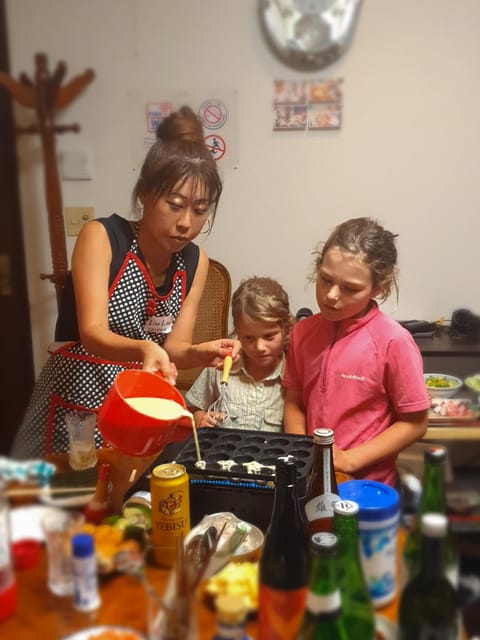
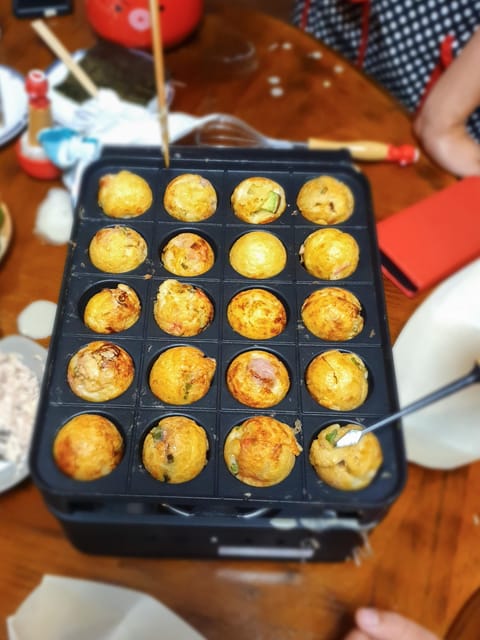
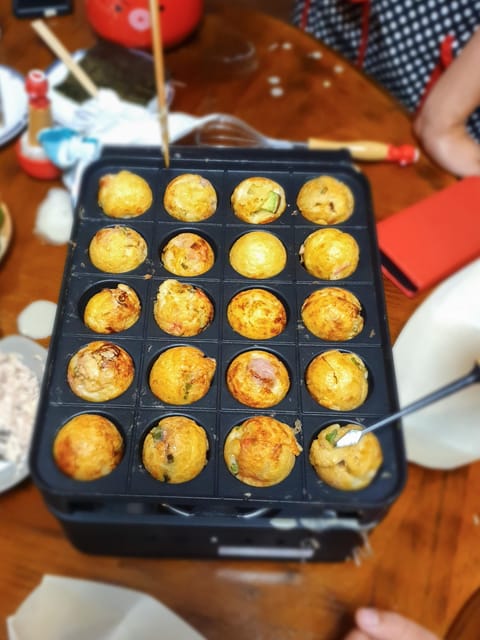
This is the most playful menu. You make Japanese gyoza, usually pan-fried until the bottoms turn crisp, along with takoyaki, the round batter balls associated with Osaka and summer festivals.
Takoyaki takes some practice. The batter is turned in a special pan as it cooks, so the process is more hands-on than simply placing food in a skillet. That makes it especially appealing for families and anyone who wants to try a Japanese cooking tool that is not common in many home kitchens outside Japan.
Choose this menu if you enjoy cooking with your hands and do not mind a little trial and error. One caution: the dishes are rich and filling, especially when combined with side dishes, so arrive hungry.
A few more Tokyo bookings worth comparing
- Sushi Making Tokyo Roll and Authentic Japanese Sushi Class
★ 5.0 · 3,971 reviews - Tokyo: Roll and Authentic Sushi Making Class in Asakusa
★ 4.9 · 1,957 reviews - Tokyo Shinjuku Chopsticks Making Class
★ 5.0 · 1,763 reviews - Tokyo: Sushi Making Class in a Happi Coat near a Famous Spot
★ 4.9 · 1,377 reviews
Rolled sushi with teriyaki
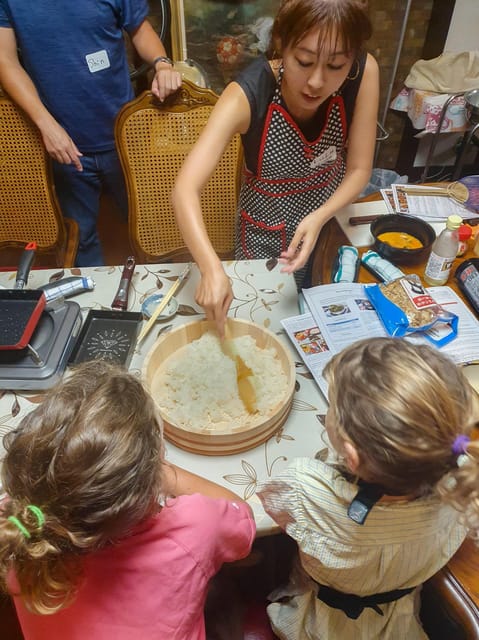
This menu offers a gentler introduction to Japanese food preparation. You roll and cut your own sushi, then pair it with either yellowtail fish or chicken teriyaki, side dishes, and miso soup.
The value here is repeatability. Several participants left with recipes and enough practical guidance to make sushi and miso soup at home. Rolling sushi looks simple, but learning how firmly to pack the rice and how to cut clean pieces makes a useful difference.
I would choose this menu if you want a balanced class with a mix of assembly, cooking, soup preparation, and plating. Chicken teriyaki may be the easier choice for cautious eaters, while yellowtail gives the meal a more distinctly fish-based flavor.
Traditional gozen set
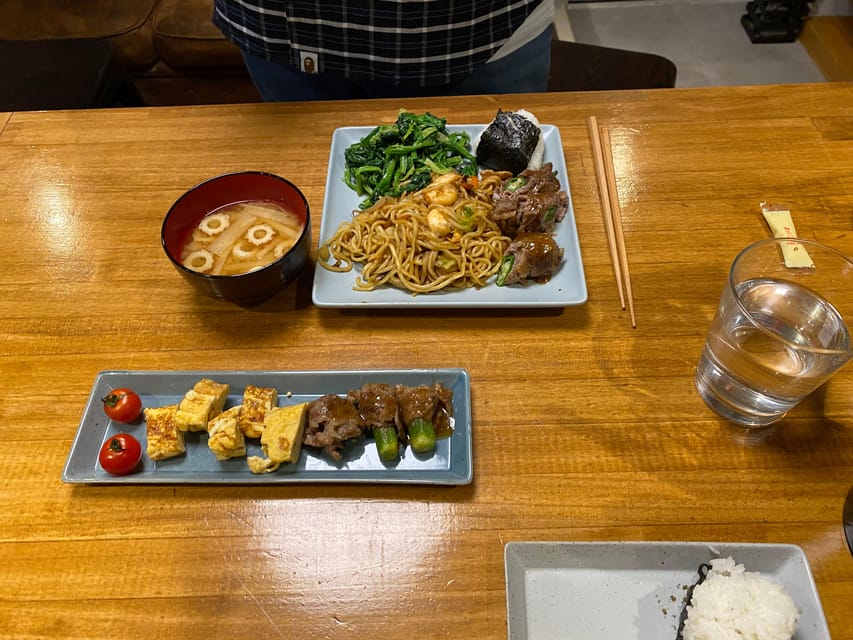
The gozen menu is the most rounded option. It includes a meat plate, fish plate, side dish, miso soup, and an onigiri rice ball.
This is the best pick if you want to understand how several modest dishes form a Japanese home meal. Rather than focusing on one famous festival or street-food item, the menu shows how rice, soup, protein, and small sides fit together.
A participant once requested chicken teriyaki with the gozen meal, and the instructor accommodated it. That points to the class’s useful flexibility, but you should still discuss changes before arrival. The more specific your request, the more important advance notice becomes.
A requested menu
You can also ask about a custom menu. The provider says you can discuss your request and decide together, though this depends on ingredients, timing, and the group arrangement.
This option is useful for repeat visitors, keen home cooks, or families with a particular dish in mind. It is not a guarantee, so treat it as a conversation rather than a fixed fifth menu.
What the 150-minute session feels like
The class lasts about two and a half hours, including cooking and eating. Ingredients are prepared in advance, which keeps the session moving and gives you more time to cook rather than wait for shopping, washing, or measuring.
At the beginning, your instructor explains the menu and introduces the ingredients. This is where you can ask about allergies, substitutions, sauces, and the role each item plays. Several instructors also explain Japanese food customs and the background of the dishes, adding context without turning the class into a lecture.
The preparation stage is where the class earns its value. You are not simply watching a demonstration. The amount of hands-on work can vary, however. One participant who enjoys cooking would have preferred to do more of the cooking instead of watching the instructor prepare some parts while explaining them.
That is worth keeping in mind. The class is designed for mixed abilities, so the instructor may step in to keep the meal on schedule or handle a technique that is difficult to explain quickly. If you want maximum kitchen time, say so at the start.
Once the dishes are ready, the group sits down to eat. Portions appear generous. One person found the meal filling enough to last nearly the rest of the day, so you should not plan a large restaurant lunch immediately afterward.
The final meal also gives you a chance to see how the separate parts work together. Plating is part of the experience, and an instructor may help arrange the food so it looks as good as it tastes. Some hosts take photos during the class, though you should not assume every session includes the same photo service.
The teaching style and the English support
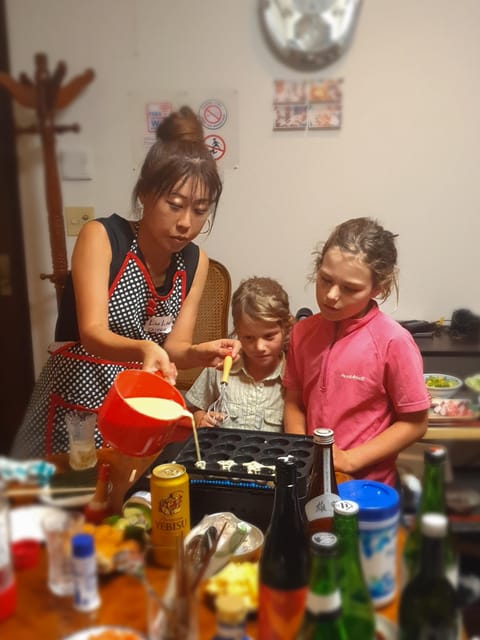
The provider lists English as the class language. The instructor names vary by date, but the teaching team includes Kana, Kayo, Lulu, Chieko, Miyuki, Mika, Aki, Yuki, and others.
The strongest feature is the personal attention. Some sessions are private or nearly private, while others include another group. A private class gives you more freedom to ask about knife work, ingredients, restaurant customs, and substitutions.
The instructors also bring different strengths. Kana is noted for answering many questions and creating a welcoming class. Kayo has explained cooking methods in detail. Lulu has adapted menus, shared cultural information, offered restaurant suggestions, helped with plating, and sent recipes afterward. Chieko has taught traditional recipes and techniques, sometimes with assistant Yuki.
You should not expect a formal language lesson, but the English support is suitable for following recipes and asking ordinary questions. The teaching style is conversational, which makes it easier to discuss Japanese food beyond the dishes on your table.
Dietary needs and menu changes
Dietary planning is one of the class’s practical strengths. You are asked to report food allergies in advance, and the instructor can discuss available options with you.
Vegetarian participants have been accommodated, and the class has also worked around food allergies. Vegan requests are included among the dietary preferences the experience is designed to handle. Still, do not wait until you arrive. Japanese cooking often uses ingredients that are not obvious at first glance, including stocks, sauces, and seafood-based seasonings.
Send a clear list before the class. Name the ingredient, explain how serious the allergy is, and say whether cross-contact is a concern. The provider can then discuss what is possible.
Menu changes are also easier when arranged early. A request for chicken teriyaki in place of another meat or fish option was handled successfully, but availability will depend on the menu and the day’s group setup.
Is the $88 price good value?
At $88 per person, this is not the cheapest meal you can buy in Shinjuku. You can eat Japanese noodles, sushi, or okonomiyaki for less, especially at a casual restaurant.
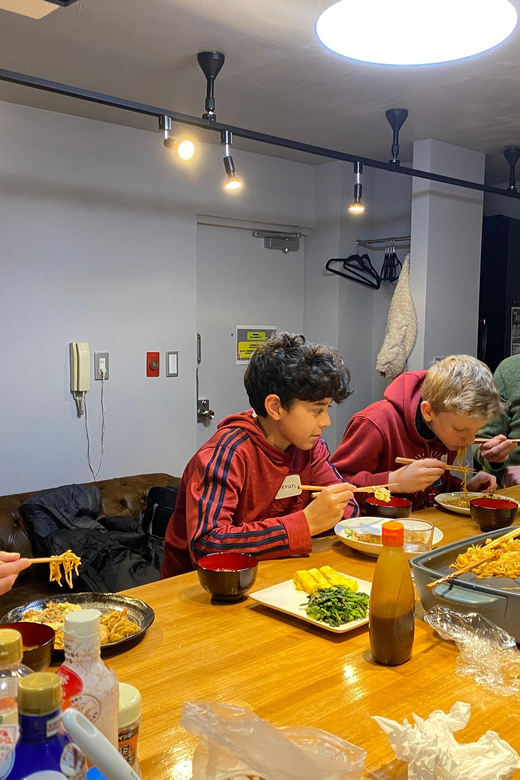
The comparison changes when you count what is included. Your price covers ingredients, cooking tools, drinking water, all fees and taxes, instruction, and the meal you prepare. You also receive practical recipes in some sessions, and the class may include photos or local food suggestions.
I see the strongest value for couples, families, and small groups who want an activity as well as lunch. You get two and a half hours of shared time, a generous amount of food, and skills you can repeat at home. The value is lower if you only want to taste Japanese dishes or if you already cook these exact recipes often.
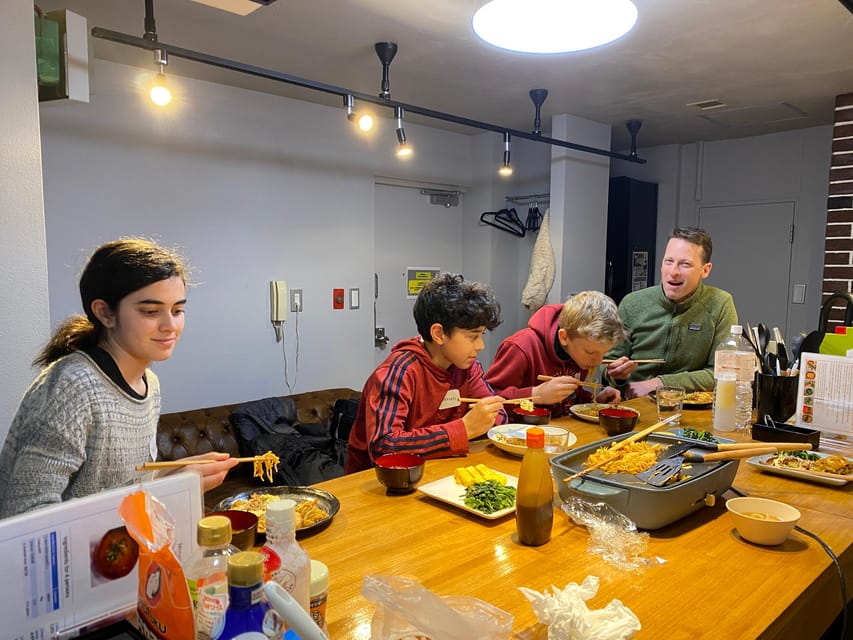
For families, the price can make sense because children take part rather than waiting for adults to finish. Several sessions have worked well for children and teenagers, including a group with four children aged 7 to 12.
Location details and arrival advice
The kitchen is in or around Shinjuku, in central Tokyo. You do not receive the exact address until after booking, and the provider asks you to wait for its message.
Read that message carefully and save the address in your phone. One participant had trouble because the address led to a part of the building without an obvious entrance, resulting in a late arrival and a call to the organizer. Another group found the kitchen easily with photos and instructions.
The studio’s central position is convenient, but the location is not described as a major tourist sight. Think of it as a practical meeting point for a food activity, not an attraction you visit for its architecture or views.
Private transportation is not included. Plan your own route and allow extra time for finding the entrance, especially if you are coming directly from Shinjuku Station.
Cancellation is free up to 24 hours before the class for a full refund, and you can reserve now and pay later. Those terms help if your Tokyo schedule is still moving, but you should still confirm the start time and address once your booking is accepted.
Who should book this class?
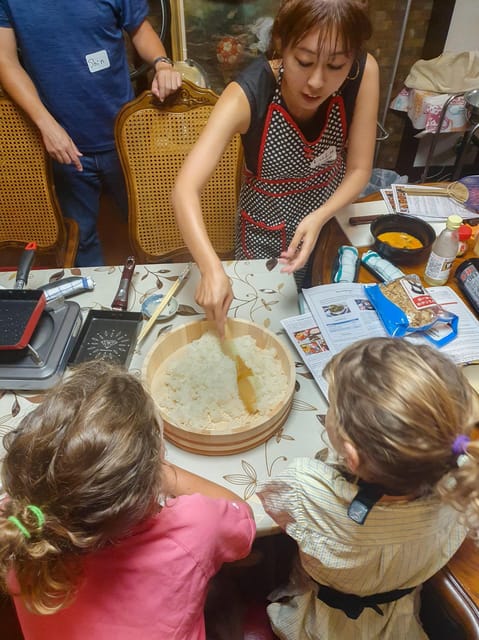
I would recommend it most strongly to:
- Families wanting a shared activity that works for children
- Couples who prefer a meal with conversation and participation
- First-time visitors curious about everyday Japanese food
- Home cooks who want recipes they can repeat
- Vegetarians and people with food restrictions who can plan ahead
- Visitors staying near Shinjuku who want to avoid a long trip across Tokyo
It is less suited to someone seeking advanced knife skills, restaurant-level plating, or a completely free-form cooking lesson. The instructor may take over parts of the preparation to keep the timing under control.
The class also works best if you enjoy eating a substantial meal. You make several dishes, and the final spread can be more food than you expect.
Final call: book it if you want skills, not just a meal
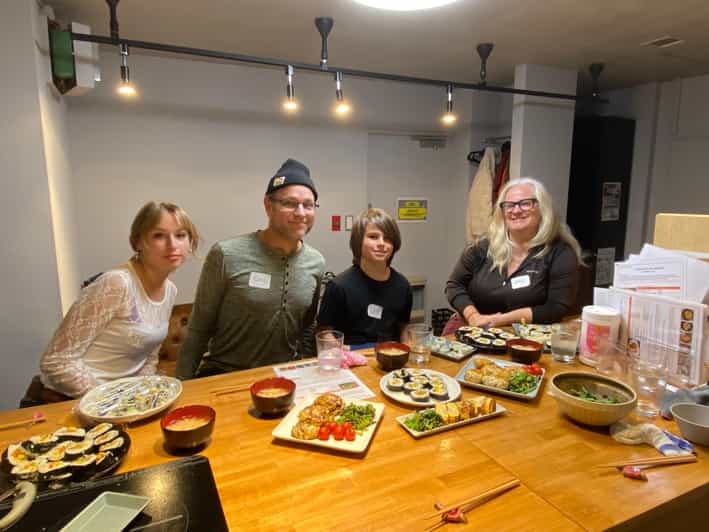
Book this experience if you want to leave Tokyo with more than a restaurant memory. The best moments come from making dishes you can recreate at home, asking about ingredients in a small setting, and sitting down to eat the finished meal with a sense of ownership.
Choose your menu carefully, report allergies early, and allow time to find the studio entrance. If possible, request the dishes you most want and confirm how much hands-on work you prefer.
At $88, the class is a worthwhile splurge for food-focused visitors, families, and anyone who values personal instruction. Skip it only if your schedule is tight, your interest is limited to tasting, or you want a highly technical chef-training course.
FAQ
Where does the Japanese cooking class take place?
The class takes place at a kitchen studio in or around Shinjuku, Tokyo. The exact address is provided after booking.
How long does the experience last?
The class lasts 150 minutes, or about two and a half hours, including cooking and eating the meal you prepare.
How much does the class cost?
The listed price is $88 per person.
Is the class taught in English?
Yes. English is the listed language for the instructor and activity.
Which menus can I choose from?
The main choices are okonomiyaki and yakisoba, gyoza and takoyaki, rolled sushi with teriyaki, and a traditional gozen set. You can also ask about a requested menu.
Can I choose my menu after booking?
You can normally select a menu when booking. If another group attends the same session, your preferred menu may not be available.
Can vegetarians or vegans join?
The activity is designed to accommodate dietary preferences, including vegetarian and vegan requests. Tell the provider in advance so available options can be discussed.
Can the class handle food allergies?
Yes, but you must report allergies ahead of time. The provider can then discuss the menu and possible options with you.
Are ingredients and cooking equipment included?
Yes. Ingredients, cooking tools, drinking water, fees, and taxes are included.
Is transportation included?
No. Private transportation is not included, so you must make your own way to the kitchen studio.
Can I cancel for a full refund?
You can cancel up to 24 hours in advance for a full refund.
Do I have to pay when I book?
The activity offers reserve now and pay later, so you can book your place without paying immediately.
New on our Tokyo list
- From Tokyo: Mount Fuji & Hakone Full Day Private Tour★ 4.9 · 25 reviews
- Tokyo Spectacular View Day-Cruise in 90 Minutes★ 5.0 · 25 reviews
- Real Tokyo Runner Club : Daikoku Car Meet Night Tour with JDM Car★ 5.0 · 25 reviews
- 2.5 Hour-Guided Cycle Tour in the Central Tokyo★ 5.0 · 25 reviews
- Ramen Making from Scratch +Akihabara Tour –Cooking Class★ 5.0 · 25 reviews
- [Self-Drive] Tokyo & Daikoku Custom Car Driving Tour★ 4.9 · 25 reviews
- Tokyo: 2-Hour Night Bike Tour of the City’s Hidden Gems★ 4.9 · 25 reviews
- Samurai themed Entertainment show in Shinjuku★ 4.5 · 25 reviews
Workshops, compared.
Sushi Making Tokyo Roll and Authentic Japanese Sushi Class
Read our review →
Roll and Authentic Sushi Making Class in Asakusa
Read our review →
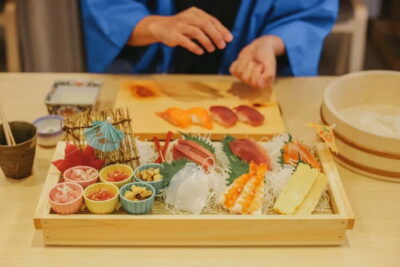
Sushi Making Class in a Happi Coat near a Famous Spot
Read our review →
Tokyo Sushi Making Class in Tsukiji with Professional Chef
Read our review →
Ramen & Gyoza Cooking Class in Tokyo with Local Supermarket Visit
Read our review →
Matcha Making Class in Tokyo with Authentic Japanese Sweets Set
Read our review →Browse the lists this tour appears in