
Reviewed · SUSHI EXPERIENCES
Sushi Making in a Century Old Kamakura Home
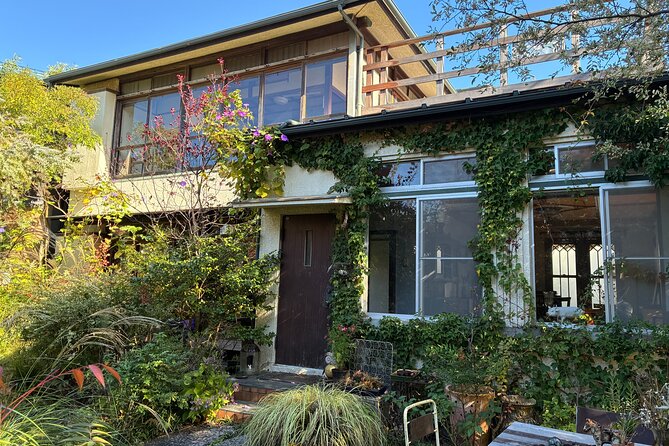
The setting is the star here: you make sushi inside a 100-year-old Japanese home with a quiet garden and the Enoden railway passing beside the grounds. This is not a restaurant counter or a hurried cooking class. It is a small Kamakura experience that joins food, architecture, and local atmosphere.
I like the access to a chef trained for more than 20 years in Ginza, and I like the chance to make 10 to 12 pieces with high-quality fish such as tuna, sea bream, shrimp, squid, yellowtail, and salmon roe. The main drawback is that the house can be a little hard to find, and the experience is not recommended for people with food allergies.
In This Review
- Key points at a glance
- A sushi class in a house that feels like a time capsule
- What the 90-minute sushi session includes
- Why the ingredients and technique matter
- The Enoden view makes the meal special
- How to fit it into a Kamakura day
- Is $74.93 a fair price?
- Who will enjoy this most
- Booking details worth knowing
- My verdict: book it for the setting as much as the sushi
- FAQ
- Where does the sushi-making experience take place?
- How far is the house from Kamakura Station?
- What time does the experience start?
- How long does the sushi class last?
- How much sushi will I make?
- What types of ingredients may be used?
- Is sake included in the price?
- What happens if the weather is poor?
Key points at a glance
- A century-old villa near Kamakura Station: Walk about 10 minutes from the station to a preserved home built as a luxurious retreat for a wealthy Tokyo family.
- Ginza-level instruction: Learn from a chef who trained and worked for more than 20 years at prestigious sushi restaurants in Ginza.
- Seasonal nigiri making: Prepare 10 to 12 pieces using premium ingredients, with the exact selection changing through the year.
- Enoden beside the garden: Watch Kamakura’s charming local train pass directly next to the property while you eat.
- A useful Kamakura pairing: The meeting point lies on the way toward the Great Buddha of Hase and is about a 10-minute walk from the sea.
- Small-group format: The maximum is 10 people, which suits anyone who wants hands-on guidance rather than a large demonstration.
A sushi class in a house that feels like a time capsule
Kamakura has plenty of temples, shrines, and seaside views, but this experience gives you a look at a kind of home that is becoming rare. The building blends Japanese and Western design, a style once common in the area. Very few such houses remain, so the architecture is part of the attraction before any sushi reaches the table.
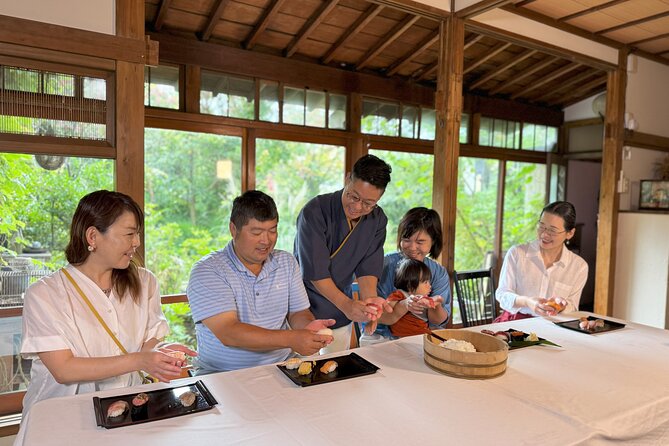
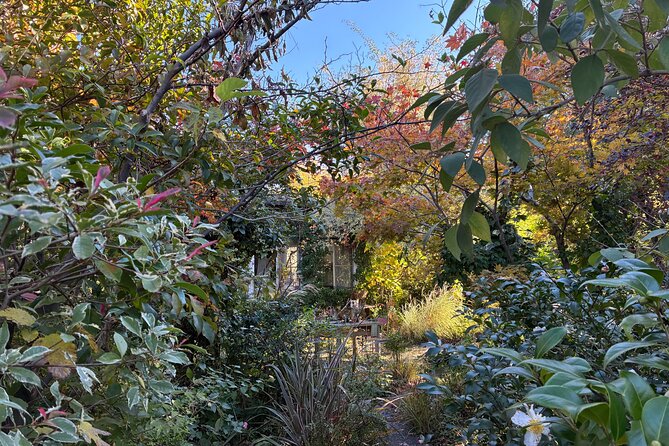
You enter through a front garden filled with greenery and colorful trees. The approach helps set the pace. After the noise and foot traffic around Kamakura’s main sights, the property offers a quieter pause. Warm afternoon light can reach into the room, and the garden is visible from the traditional veranda.
The house was originally built as a luxurious villa for a wealthy family from Tokyo. That detail matters because it explains the scale and character of the property. You are not simply using an old room as a classroom. You are spending time in a preserved private residence with a sense of age and place.
The Enoden line runs right beside the grounds. You can hear and see the train without leaving the house, adding a distinctly Kamakura touch to the meal. The train is not a staged part of the lesson, and that is exactly why it works. It comes and goes as part of daily life, while you sit in a home that feels far removed from modern Japan.
More sushi mornings and classes:
- Sushi Making Tokyo Roll and Authentic Japanese Sushi Class
★ 5.0 · 3,971 reviews - Tokyo: Roll and Authentic Sushi Making Class in Asakusa
★ 4.9 · 1,957 reviews - Make Sushi and Create Unforgettable Memories in Tokyo
★ 5.0 · 1,413 reviews
What the 90-minute sushi session includes
The class lasts about 1 hour and 30 minutes and starts at 10:30 in the morning. The focus is nigiri sushi, the hand-formed style in which a small portion of seasoned rice supports a slice or topping of fish.
You will make between 10 and 12 pieces. The ingredients can include tuna, sea bream, shrimp, squid, yellowtail, salmon roe, and other seasonal choices. The selection changes during the year, so the exact menu is not fixed. That is a plus for repeat visitors and anyone interested in how Japanese cooking follows the seasons.
The fish is described as the same high quality served at high-end sushi restaurants. That gives the class more weight than a basic kitchen activity using ordinary supermarket ingredients. You are learning with ingredients where careful handling matters.
The chef’s background is another strong point. This is not simply a host showing you how to assemble rice and fish. Your instruction comes from a sushi chef with more than two decades of training and work at prestigious Ginza restaurants. Ginza is one of Tokyo’s best-known areas for serious sushi, so the setting gives you a chance to learn from someone shaped by that demanding tradition.
The available information does not spell out every step of the lesson, so you should expect the class to center on the basic craft of forming nigiri rather than a long lecture on knife work, rice production, or fish purchasing. The value is in personal guidance, repeated practice, and then eating what you have made.
Why the ingredients and technique matter
Sushi can look simple. A small mound of rice, one topping, perhaps a dab of wasabi. Yet the small size leaves little room to hide mistakes. Rice temperature, shape, pressure, and the balance between rice and topping all affect the result.
A skilled chef can show you why the rice should hold together without becoming dense, and why the fish needs to sit neatly on top rather than slide away. Even if you never make sushi again, the lesson can change how you look at a plate in a sushi restaurant.
You also get enough pieces to make the activity feel substantial. Ten to 12 nigiri is more than a sample, but it is not an enormous meal. You will have repeated chances to practice while still keeping the session within its 90-minute frame.
The changing ingredients give the meal a seasonal connection. In Japan, seasonality is not just a menu slogan. It affects what is available and what a chef considers best at a given time. Since the exact selection varies, you should treat the listed fish as examples rather than a promise of every item.
The Enoden view makes the meal special
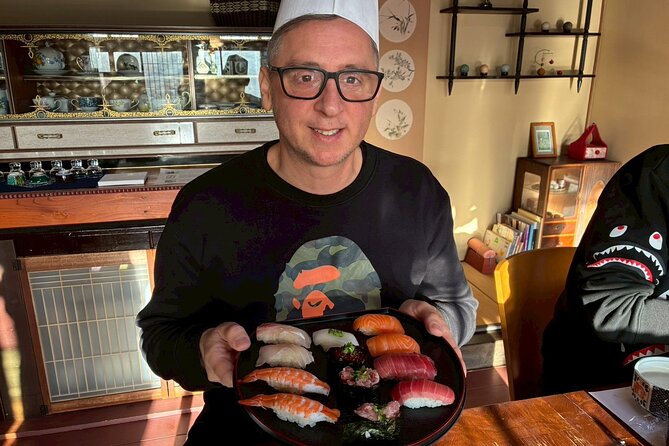
The passing Enoden train is one of the most memorable details of the experience. Kamakura’s Enoshima Electric Railway links the town with the coast and nearby Enoshima, and its small trains are part of the area’s familiar character.
Here, you do not need to squeeze onto a platform or stop what you are doing to see it. The line passes beside the garden, so the train becomes a moving detail in the background as you prepare and eat your sushi. The combination of old house, garden, railway, and handmade food gives the session a strong sense of place.
I would not book this solely for a guaranteed train photograph. The experience is built around sushi, and the train operates as part of the local setting rather than as a scheduled show. Still, it is a wonderful extra, especially if you enjoy ordinary details that help distinguish one destination from another.
The garden also gives you a place to slow down. You can enjoy the handmade sushi in a setting that feels timeless without requiring a separate garden visit. That makes the activity a useful change of pace after Kamakura’s busier temple areas.
More Kamakura and Enoshima days:
- Tokyo: Kamakura & Enoshima Day Trip including Temple Tickets
★ 4.5 · 1,375 reviews - Tokyo: Mt. Fuji, Kamakura, Big Buddha, & Lake Ashi Day Trip
★ 4.5 · 867 reviews - From Tokyo: Kamakura & Enoshima 1-Day Bus Tour
★ 4.5 · 189 reviews - Kamakura Historical Walking Tour with the Great Buddha
★ 5.0 · 129 reviews
How to fit it into a Kamakura day
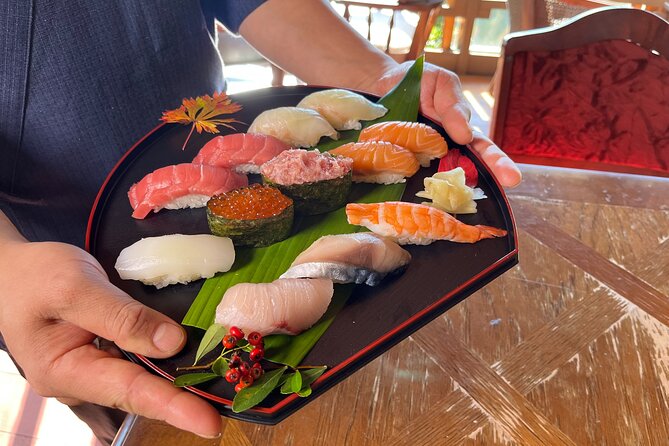
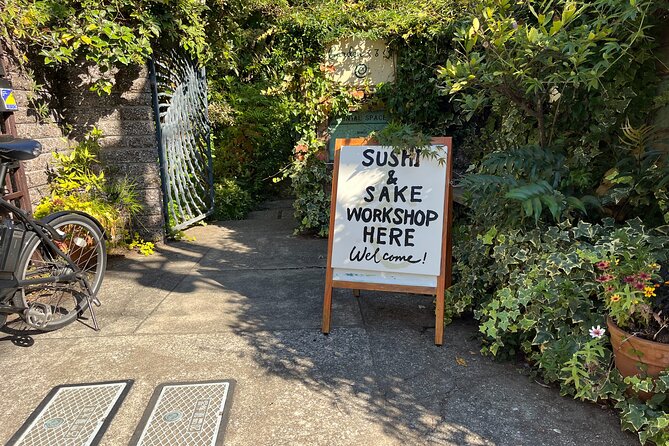
The meeting point is at 2-chōme-7-12 Yuigahama, Kamakura, Kanagawa 248-0014. It is about a 10-minute walk from Kamakura Station and lies on the route toward the Great Buddha of Hase.
The 10:30 start works well if you want to visit Tsurugaoka Hachimangu early, then make your way toward the coast and Hase. You could also schedule the sushi class first and continue to the Great Buddha afterward. Since the activity ends back at the meeting point, you do not need to work out a separate return transfer.
Give yourself extra time to find the house. One person described the traditional property as a little difficult to locate, and old residential neighborhoods do not always offer the clear visual signs you get at a major attraction. A mobile ticket is provided, but you should still arrive with the address easy to access on your phone.
The seaside is about a 10-minute walk from the venue. On a clear day, you can see Mt. Fuji from the shore beyond Enoshima. That view can look like a scene from an ukiyo-e woodblock print, with the mountain, island, and coast arranged across the horizon.
Weather matters for this activity. If poor weather forces cancellation, you will be offered another date or a full refund. The outdoor setting around the home and the nearby seaside view are part of the appeal, so a clear day gives you more to enjoy before or after the lesson.
Is $74.93 a fair price?
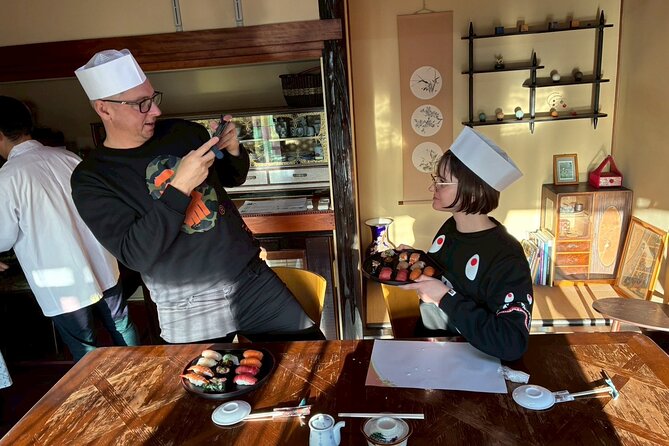
At $74.93 per person, this is not the cheapest meal in Kamakura. You are paying for more than 10 to 12 pieces of sushi. The price also covers instruction from a chef with a serious Ginza background, the use of premium ingredients, access to a rare historic home, and a small-group experience capped at 10 people.
That combination makes the price reasonable if you value setting and instruction. A standard sushi meal may cost less, but it will not teach you how the pieces are formed or place you inside a century-old villa beside the Enoden line.
The complimentary souvenir adds a personal touch. You receive a canvas inscribed with Kamakura Sushi Sake, hand-brushed by a professional calligrapher. It is a more distinctive reminder than a generic printed card, though you should note that the regular sushi course itself does not include sake.
Coffee and tea are also not included. Alcohol is separate, with an optional Sake Experience Course available for an additional charge. If you want sake with the meal, budget for that extra rather than assuming it comes with the $74.93 price.
For a first visit to Kamakura, I see this as a food-and-culture activity rather than a simple lunch. The value is strongest for people who would otherwise pay for both a sushi meal and a cultural attraction, and who prefer one focused experience over several quick stops.
Who will enjoy this most
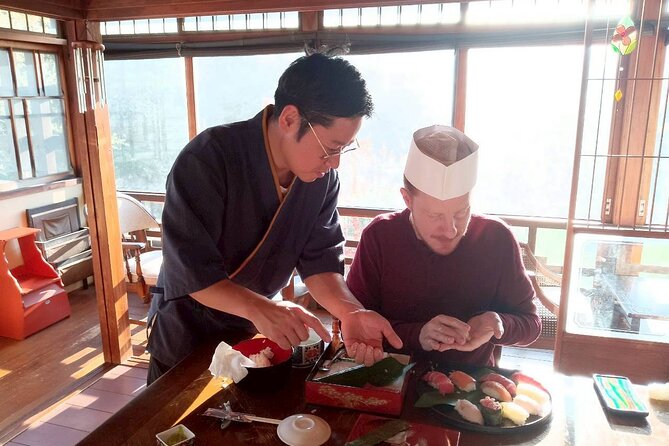
This class suits you if you like food experiences with a strong sense of place. The house, garden, and railway give it character that a modern cooking studio cannot match.
It is also a good choice for couples, families with an interest in Japanese food, and solo visitors who want direct contact with a local culinary tradition. The maximum of 10 people should keep the format more personal than a large group demonstration.
You do not need to be a sushi expert. The class is aimed at learning fundamental techniques, and the chef’s role is to guide you through the process. The experience may be less satisfying if you are looking for a full professional sushi apprenticeship, extensive knife training, or a long multi-course tasting.
Food allergies require special care. The activity is not recommended for people with food allergies, and the ingredients can include several types of seafood. If that applies to you, this is not a booking to make casually.
The class can also work well at the end of a sightseeing day, though the start time is fixed at 10:30. One suggested Kamakura plan is to visit Tsurugaoka Hachimangu and the Great Buddha, then use the old house as a calm place to pause. You can also reverse that order and continue toward Hase after lunch.
Booking details worth knowing
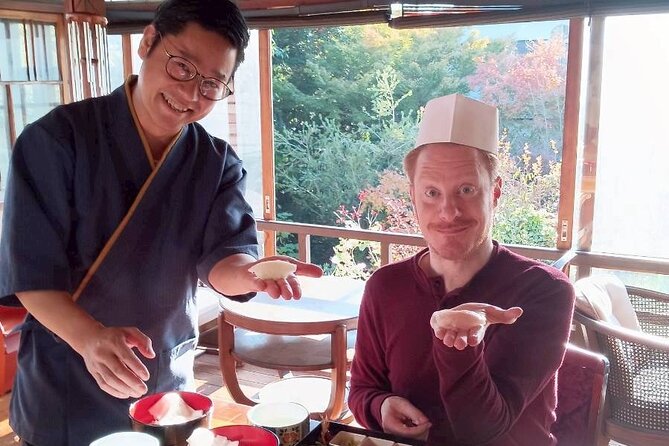
Confirmation arrives when you book, and the experience is near public transportation. The mobile ticket makes the practical side simple, but the address still deserves attention because the house is in a quiet neighborhood rather than at an obvious commercial entrance.
Free cancellation is available up to 24 hours before the local start time for a full refund. Cancellations or changes made inside that 24-hour window are not accepted for a refund.
The activity ends at the same place where it begins. Private transportation is not included, so you are responsible for reaching Yuigahama. Plan on walking from Kamakura Station rather than expecting a hotel pickup.
The small maximum of 10 people is important. If you want a particular date, book ahead. This experience averages about 40 days of advance booking, which suggests that last-minute availability may be limited.
My verdict: book it for the setting as much as the sushi
I recommend this experience if you want to combine hands-on sushi making with a rare look at old Kamakura architecture. The chef’s Ginza training, seasonal seafood, garden, and Enoden railway make the 90 minutes feel tied to the town rather than interchangeable with a cooking class anywhere in Japan.
Book it if you appreciate small groups, traditional homes, and food prepared with care. The price is fair for the full package, especially with the calligraphed canvas included.
Skip it if you have significant food allergies, want a large meal, or prefer a flexible activity that you can join at any time. Also allow extra time to find the house. For everyone else, this is a thoughtful way to slow down in Kamakura, make your own nigiri, and enjoy lunch in a place you could not easily find on your own.
FAQ
Where does the sushi-making experience take place?
It takes place at 2-chōme-7-12 Yuigahama, Kamakura, Kanagawa 248-0014, Japan, in a preserved century-old traditional home.
How far is the house from Kamakura Station?
The venue is about a 10-minute walk from Kamakura Station and is on the way toward the Great Buddha of Hase.
What time does the experience start?
The start time is 10:30 am.
How long does the sushi class last?
The activity lasts approximately 1 hour and 30 minutes.
How much sushi will I make?
You will make 10 to 12 pieces of nigiri sushi.
What types of ingredients may be used?
Possible ingredients include tuna, sea bream, shrimp, squid, yellowtail, and salmon roe. The selection changes with the seasons.
Is sake included in the price?
No. Alcoholic drinks are not included, but you can choose an additional Sake Experience Course for an extra charge.
What happens if the weather is poor?
The experience requires good weather. If it is canceled, you will be offered a different date or a full refund.
New on our Kamakura list
- 1-Day trip: Kamakura City (Enoshima/Shonan/Beach)★ 4.7 · 3 reviews
- Kamakura Zen: Great Buddha, Nature, Bamboo & Samurai Culture★ 5.0 · 3 reviews
- Kamakura Half Day Walking Tour with Local Experience★ 3.4 · 4 reviews
- Hiking Tour in Enoshima with a Local Guide★ 5.0 · 4 reviews
- Kamakura Tour with Pro Photographer: Anime Train & Fuji Sunset★ 5.0 · 4 reviews
- Kamakura Private Custom Tour★ 5.0 · 4 reviews
- Kamakura Historical and Cultural Day Trip with Local Cuisine★ 5.0 · 4 reviews
- Kamakura Full-Day Private Tour★ 5.0 · 4 reviews
Sushi Experiences, compared.
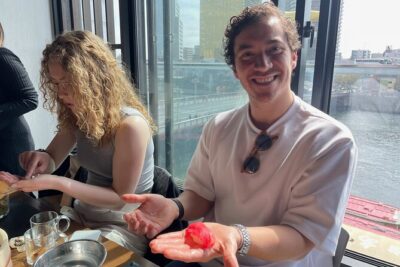
Sushi Making Tokyo Roll and Authentic Japanese Sushi Class
Read our review →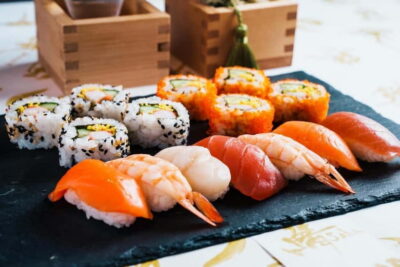
Roll and Authentic Sushi Making Class in Asakusa
Read our review →
Make Sushi and Create Unforgettable Memories in Tokyo
Read our review →
Sushi Making Class in a Happi Coat near a Famous Spot
Read our review →
Tokyo Sushi Making Class in Tsukiji with Professional Chef
Read our review →
Tokyo Night Foodie Tour in Shinjuku – Seasonal Sushi, Wagyu Beef
Read our review →
Tsukiji Fish Market Guided Tour and Sushi Making with Pro Chef
Read our review →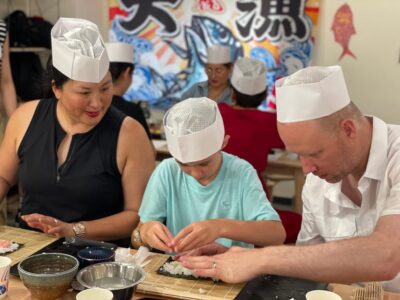
Tsukiji Fish Market Sushi Making Class with Pro Chef
Read our review →Browse the lists this tour appears in