
Reviewed · TEA CEREMONIES
Tea ceremony experience in Japanese-style room 60min
A quiet Japanese tearoom, a handpicked matcha bowl, and the chance to whisk your own tea make this more than a quick photo stop. At Wasako, inside the Charyo-Ichimatsu restaurant, Ryouko guides you through the ceremony in a traditional room with scrolls, furnishings, and utensils that each have a story.
I especially like the choice of bowl and sweets, since it gives you a small personal connection to the ritual. I also like the hands-on matcha lesson, with time to watch first and then try the whisking yourself. The main consideration is length: although the experience is promoted as 60 minutes, the stated duration ranges from 45 minutes to four hours, and one visit finished in about 40 minutes including early arrival.
In This Review
- Key points at a glance
- Entering Wasako near Asakusa
- Choosing a bowl and Japanese sweets
- Watching Ryouko prepare the tea
- Making your own matcha
- Photos, kimono dressing, and the visual side
- How long does the experience really take?
- Is $45 a fair price?
- Who will enjoy this most?
- Practical booking advice
- Should you book this tea ceremony?
- FAQ
- Where does the tea ceremony take place?
- How do I reach the meeting point?
- What start times are available?
- How long does the activity last?
- Is the tea ceremony offered in English?
- How many people can join?
- Do I need to bring anything?
- Can I take photographs?
- Is kimono rental included?
Key points at a glance
- Choose your own matcha bowl: Each bowl has a different design, and the host explains the one you select.
- Watch before you participate: Ryouko demonstrates the ceremony before teaching you to prepare matcha.
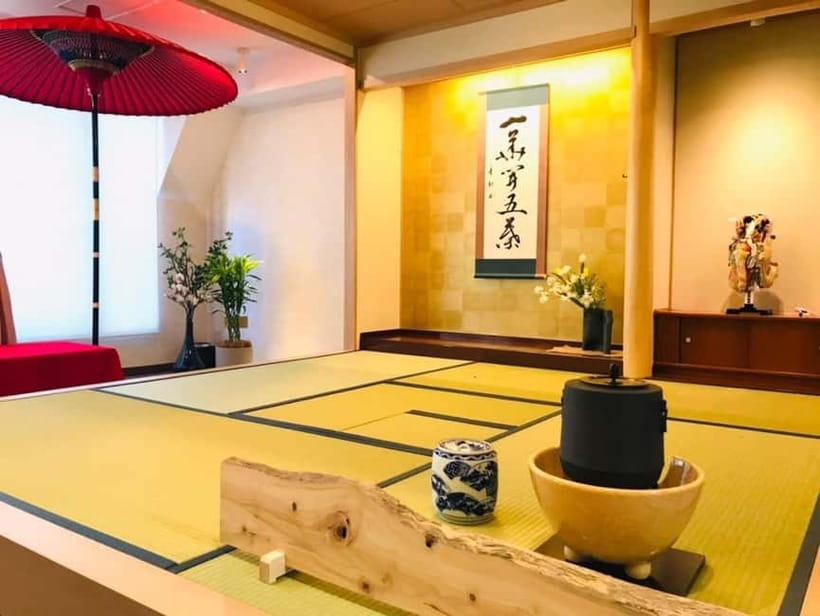
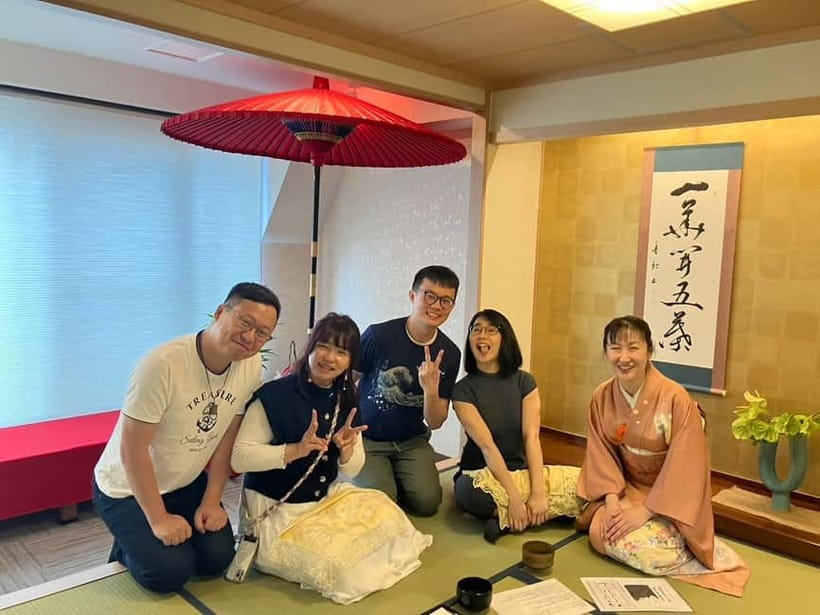
- A traditional Japanese room: The experience takes place in Wasako, inside the registered tangible cultural property Charyo-Ichimatsu.
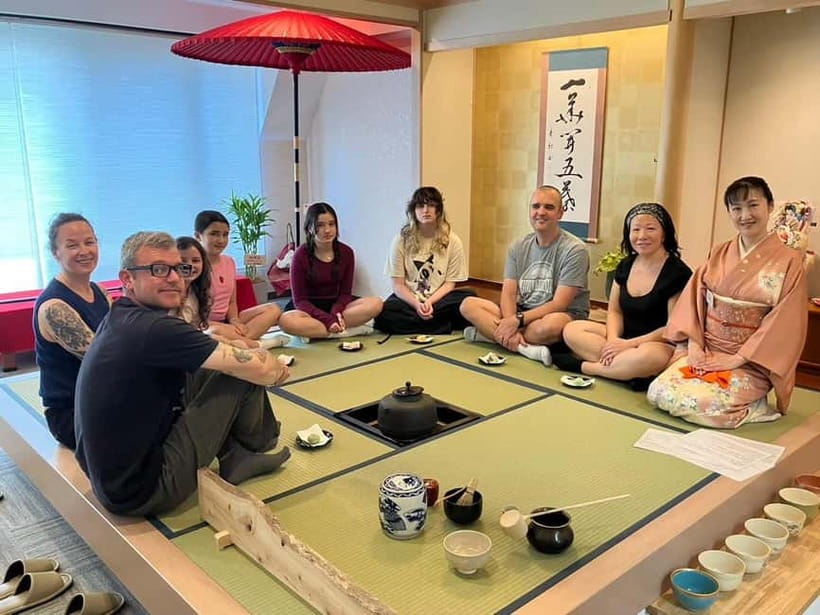
- Small groups: The room holds no more than seven participants, with English and Japanese instruction.
- Photos are welcome: You can take pictures and videos, and the host or assistant may photograph you during the ceremony.
- Kimono option: Several visitors added kimono dressing, which brings a strong visual element to the experience, though the kimono is not included in the $45 price.
Entering Wasako near Asakusa
Wasako is easy to reach from central Asakusa. From Tawaramachi Station on the Tokyo Metro Ginza Line, use Exit 3 and walk about five minutes. From Asakusa Station on the Toei Asakusa Line, Exit A4 is about ten minutes away.
Allow a little extra time to find the entrance. The directions can be easy to miss, so look for green signs on the wall marked Tea ceremony experience. The room is on the fifth floor, two doors to the right of the kimono rental area. One useful landmark is a doorway displaying an incense shop sign.
Once inside, you leave your shoes at the entrance. Shoes are not permitted indoors, and you need socks if you will step onto the tatami. If you arrive without socks, they can be purchased for 500 yen. This is a small point, but it is exactly the sort of thing that can interrupt an otherwise calm visit.
The building itself adds value before the tea even begins. Charyo-Ichimatsu is designated as a registered tangible cultural property in Japan, and its traditional details create several good places for photographs. You are not simply sitting in a plain classroom. The setting gives the ceremony a sense of place.
More tea rooms worth booking:
- Matcha Making Class in Tokyo with Authentic Japanese Sweets Set
★ 5.0 · 744 reviews - Tokyo: Traditional Tea Ceremony with a Tea Master
★ 5.0 · 528 reviews - Tokyo: Matcha Making Experience with Mochi Sweets in Asakusa
★ 4.9 · 388 reviews
Choosing a bowl and Japanese sweets
The first personal choice is your matcha bowl. Each bowl has its own design, and the host explains the bowl you select individually. That detail matters because it turns an object that could seem decorative into part of the lesson.
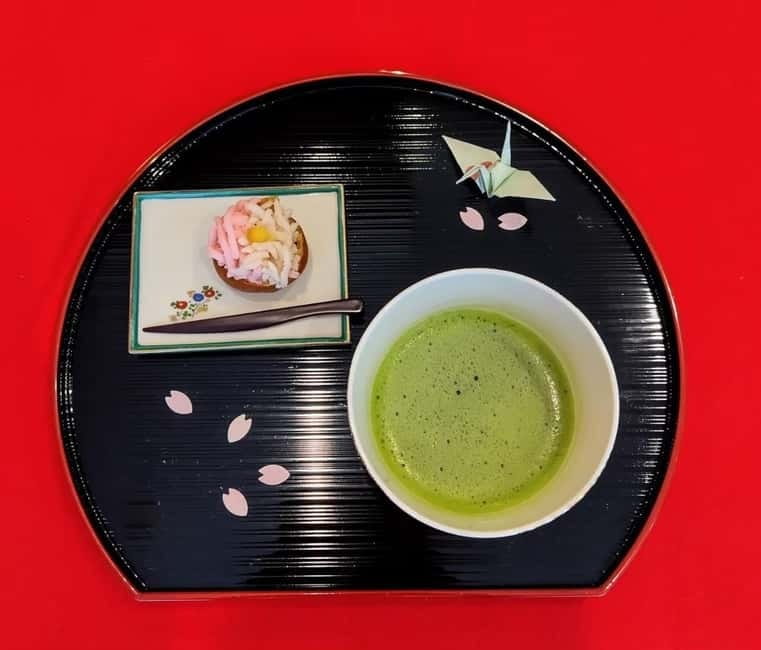
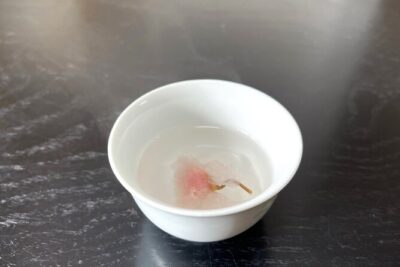
You also choose the sweets served with the tea. Japanese tea sweets are not just a sugary extra. Their sweetness balances the sharp, grassy taste of matcha, so eat the sweet before drinking the tea as you are shown. The order helps your palate appreciate the matcha rather than finding it too bitter.
This is a good moment to ask questions. The instruction is available in English and Japanese, and the host adjusts explanations as needed. The group size is limited to seven, so you should have a better chance to see the tools and follow the movements than in a large demonstration.
The selection process also helps families and first-time visitors feel involved. You are not expected to arrive with specialist knowledge. You simply choose a bowl, learn why it matters, and use it as part of the ceremony.
Watching Ryouko prepare the tea
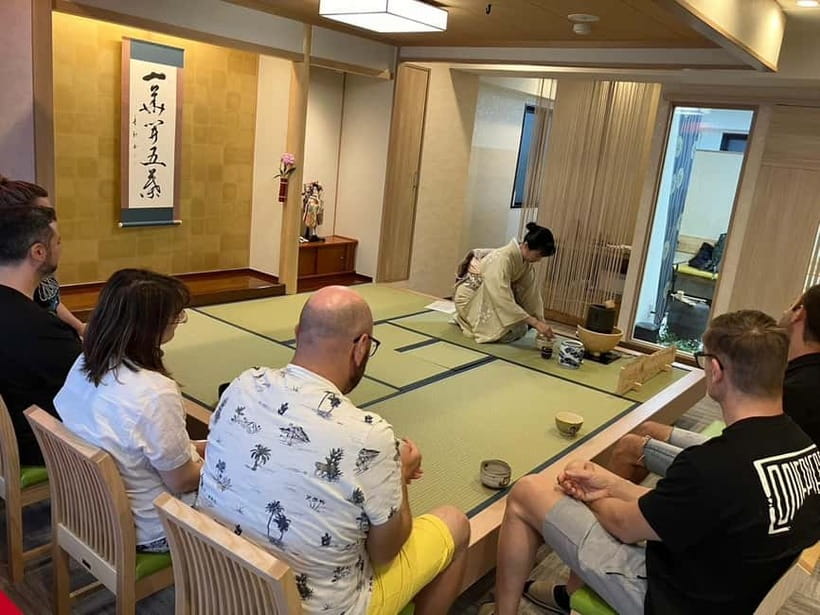
The demonstration is the heart of the first half. Ryouko prepares the matcha with careful movements, explaining the tools and the meaning behind the steps. Depending on the questions in your group, she may also discuss hanging scrolls, room furnishings, and the background of the tea ceremony.
I like this approach because you see the ceremony as a series of deliberate actions, not just a performance. The arrangement of the utensils, the way the tea is served, and the quiet rhythm of the room all make more sense once someone explains their purpose.
The demonstration also gives you time to settle into the room. Tea ceremony etiquette can look intimidating from the outside, but the host guides you through it. You can watch first, enjoy the sweet, and drink the prepared matcha before you are asked to make your own.
Many people specifically appreciate Ryouko’s calm and friendly manner. Her assistant Akiko has also helped with kimono dressing and photographs. Their warmth is an important part of the experience, especially for visitors who are unsure about the customs or worried about making a mistake.
Do not expect a long academic lecture. The activity is designed as an accessible cultural introduction, not a full course in tea-school tradition. One participant wanted more historical information and felt the price was high for the time provided. If you want detailed study of tea lineages and formal theory, this may feel light.
Making your own matcha
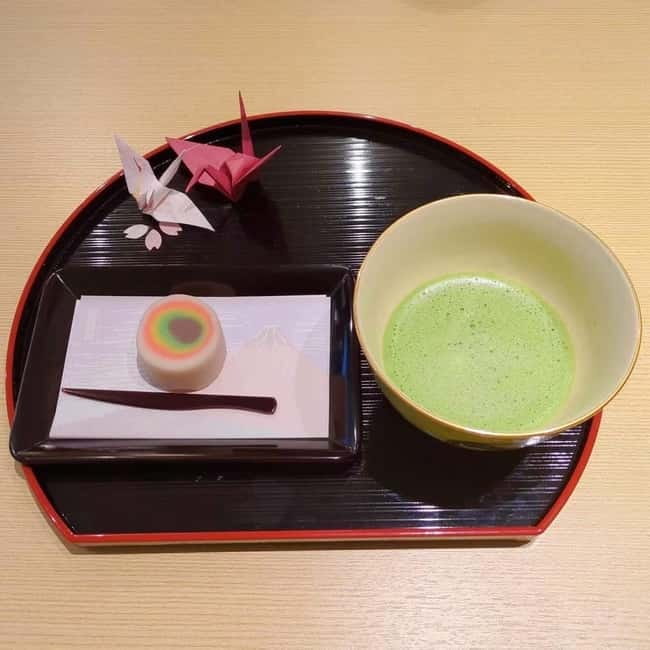
After watching the demonstration, you prepare matcha yourself. This is the point where the ceremony becomes easier to remember. You handle the utensils, follow the method, and learn how the tea changes as you whisk it.
You do not need prior experience. The host shows you what to do and helps as needed. The activity gives you room to make the tea rather than merely watching an expert perform it, which is a real advantage at this price.
The process also gives you a better sense of the care behind a bowl of matcha. A few simple ingredients require attention to movement, timing, and presentation. Even if your first bowl is not perfect, the attempt is part of the lesson.
The tea itself is served with Japanese sweets, and you can enjoy the prepared drink before or around the time you make your own. The exact pace depends on the group. With a full group, questions and photographs may extend the session. With fewer people, the activity may move more quickly.
One participant attended alone and had a particularly personal class. A small group can be a plus if you want direct help and a quiet mood. It can also mean less interaction with other people, which may matter if you prefer a lively group activity.
A few more Tokyo bookings worth comparing
- Mt Fuji and Hakone 1-Day Bus Tour Return by Bullet Train
★ 5.0 · 26,383 reviews - 1-Day Tokyo Bus Tour
★ 5.0 · 14,250 reviews - Tokyo: TOKYO SKYTREE® Admission ticket
★ 4.5 · 11,192 reviews - Tokyo: teamLab Planets TOKYO Digital Art Museum Entry Ticket
★ 4.6 · 9,779 reviews
Photos, kimono dressing, and the visual side
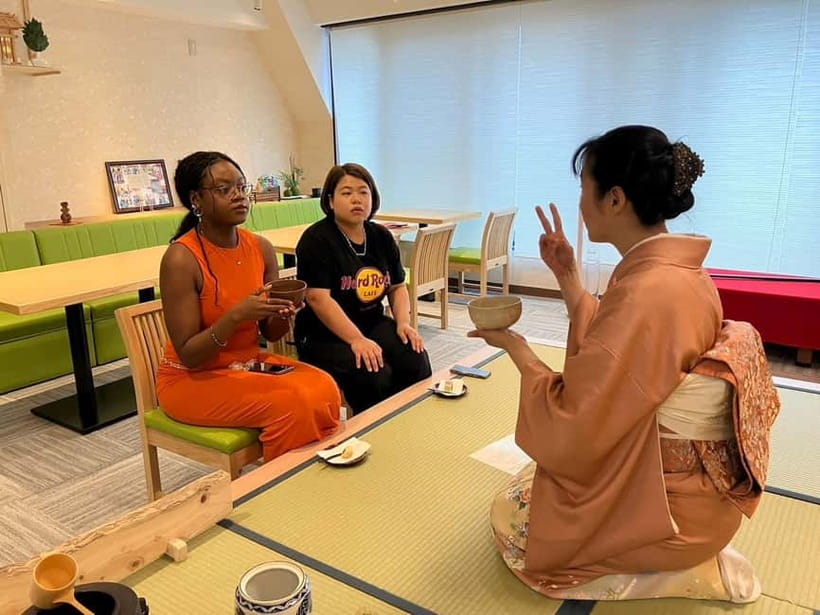
Photography is encouraged, and you can take pictures and videos during the experience. The host and assistant may also take photographs for you, which is useful when you want pictures of the ceremony rather than only close-ups of bowls and sweets.
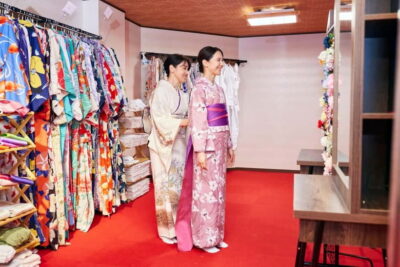
Several participants added kimono rental and dressing. Ryouko and Akiko helped with the layers and fittings, then took photographs during the ceremony. A kimono is not part of the $45 tea experience, so check the separate cost before adding it.
The kimono option makes sense if you want a polished cultural photo session. It also takes extra time, so it may make the visit feel quite different from a straightforward 45-minute tea lesson. If tea preparation is your main goal, the basic experience is enough. If you want a special occasion or family photographs, the clothing add-on may be worth considering.
The room and building provide the backdrop. Traditional furnishings, hanging scrolls, bowls, and other details give you plenty to look at without turning the session into a staged photo shoot. Still, this is a cultural activity, not a dedicated photography tour. Be respectful of the ceremony and follow the host’s guidance about where to stand and when to take pictures.
How long does the experience really take?
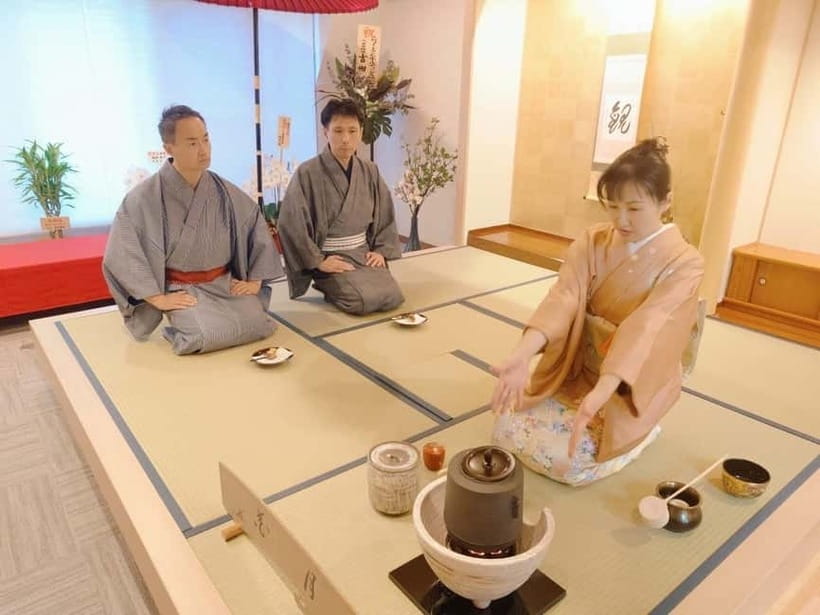
The experience title suggests 60 minutes, while the stated duration is 45 minutes to four hours. The four-hour figure likely reflects variations such as availability, group arrangements, or optional additions, but the supplied details do not define every possible format.
For planning purposes, treat the core activity as roughly 45 to 60 minutes and confirm the time shown when you book. One participant reported a session of about 40 minutes including early arrival, while other accounts describe a fuller ceremony with explanations, photographs, and kimono dressing.
There are four listed start times: 10:00, 11:30, 13:30, and 15:00. These slots fit well around sightseeing in Asakusa. A morning visit can begin your day quietly, while the 13:30 or 15:00 option works well after visiting nearby sights.
The lack of a fixed, clearly explained length is the biggest practical weakness. If you are fitting this between timed tickets or a train, leave room around the booking. The activity is small and personal, but its pace may vary.
Is $45 a fair price?
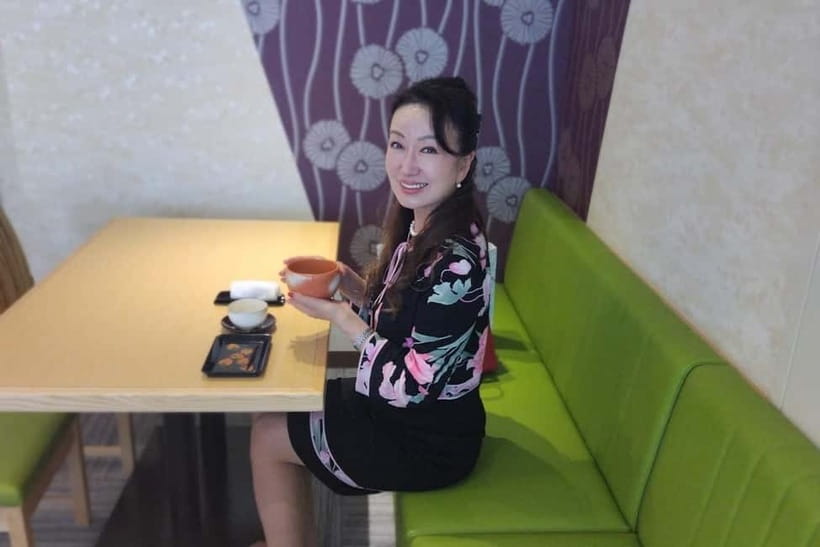
At $45 per person, this is not the cheapest way to drink matcha in Tokyo. You can find tea in many places for less. The value here comes from the private-room setting, the explanation of the ceremony, the choice of bowl and sweets, and the chance to prepare the tea yourself.
I consider the price reasonable if you want a cultural lesson rather than a beverage. You are paying for instruction and access to a traditional setting, not only for the powder in your cup. The building, host attention, and photographs add to the overall value.
The price is less convincing if your visit is short and mostly observational. One person felt the roughly 40-minute session did not match the cost and wanted more explanation. That is a fair concern, especially if the session does not include kimono dressing or extended questions.
The strongest value comes when you use the interactive parts. Ask about the bowl, utensils, scrolls, and ceremony steps. Take part in whisking the matcha. If you sit quietly, take one drink, and leave, the price may feel high.
Who will enjoy this most?
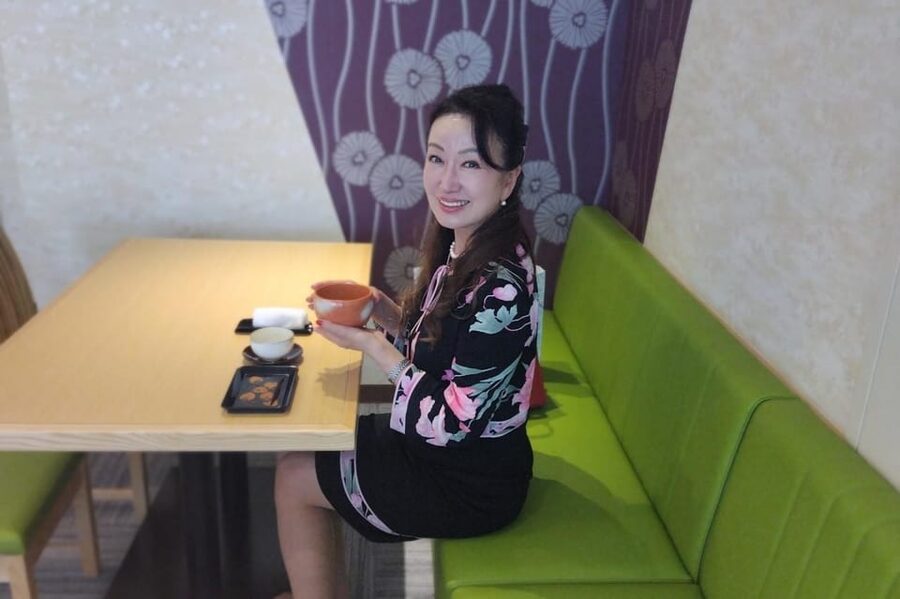
This suits first-time visitors to Japan who want a clear, gentle introduction to tea ceremony customs. You do not need to know the rules in advance, and the English-language instruction makes the activity accessible.
It is also a good fit for couples, families with older children, and small groups of friends. Children under six are not suitable, but older children and teenagers can take part. Several family groups enjoyed the personal attention and photographs.
The activity works especially well for people who value atmosphere. The traditional room, quiet presentation, Japanese sweets, and careful handling of the bowls create a slower break from Tokyo sightseeing.
You may want another option if you use a wheelchair, since the activity is not suitable for wheelchair users. You should also think twice if you dislike removing shoes, sitting on tatami, or following a formal sequence of actions.
Practical booking advice
There are two useful booking protections. You can cancel up to 24 hours ahead for a full refund, and you can reserve now and pay later. The cancellation terms become stricter near the appointment: cancellations the day before incur a 50 percent fee, while same-day cancellations incur the full fee.
Wear or bring socks. Indoor shoes are not allowed, and the tatami requires covered feet. Comfortable clothing is sensible, particularly if you add kimono dressing, though no specific dress code is provided.
The instructors speak English and Japanese. The group is limited to seven participants, but smaller groups may be possible depending on bookings. If you want photographs, tell the host at the start. The staff are happy to help with pictures, but it is best to make your wishes clear before the demonstration begins.
Should you book this tea ceremony?
Book it if you want to do more than watch a formal ritual. The choice of bowl, Japanese sweet, guided demonstration, and hands-on matcha preparation give you a real role in the experience. Ryouko’s friendly instruction and the help of Akiko during kimono sessions add a personal touch.
The setting is another strong reason to go. Wasako’s traditional room inside Charyo-Ichimatsu offers a calm change from the streets of Asakusa, with furnishings and architectural details worth photographing.
I would be more cautious if you need a precisely timed one-hour program, expect a long lecture, or judge value only by the amount of tea served. Confirm the duration, allow time for finding the entrance, and bring socks. For most first-time visitors who want an approachable cultural activity in Tokyo, this is a worthwhile choice at $45, especially when you take part fully rather than simply observing.
FAQ
Where does the tea ceremony take place?
It takes place in Wasako’s Japanese-style room inside the Charyo-Ichimatsu restaurant in Honshu, Japan.
How do I reach the meeting point?
The location is about five minutes from Tawaramachi Station, Exit 3, on the Tokyo Metro Ginza Line. It is about ten minutes from Asakusa Station, Exit A4, on the Toei Asakusa Line.
What start times are available?
The listed start times are 10:00, 11:30, 13:30, and 15:00. Check availability when booking because the available schedule can vary.
How long does the activity last?
The stated duration ranges from 45 minutes to four hours, while the experience title describes a 60-minute tea ceremony. Confirm the exact duration shown for your selected booking.
Is the tea ceremony offered in English?
Yes. Instruction is available in English and Japanese.
How many people can join?
The activity is limited to seven participants.
Do I need to bring anything?
Bring socks. Shoes are not allowed indoors, and socks are needed if you step onto the tatami. Socks can be purchased for 500 yen if necessary.
Can I take photographs?
Yes. Photography and videos are allowed, and the host or assistant may take photographs for you during the ceremony.
Is kimono rental included?
No. Kimono rental and dressing are optional additions and are not included in the $45 tea ceremony price.
New on our Tokyo list
- From Tokyo: Mount Fuji & Hakone Full Day Private Tour★ 4.9 · 25 reviews
- Tokyo Spectacular View Day-Cruise in 90 Minutes★ 5.0 · 25 reviews
- Real Tokyo Runner Club : Daikoku Car Meet Night Tour with JDM Car★ 5.0 · 25 reviews
- 2.5 Hour-Guided Cycle Tour in the Central Tokyo★ 5.0 · 25 reviews
- Ramen Making from Scratch +Akihabara Tour –Cooking Class★ 5.0 · 25 reviews
- [Self-Drive] Tokyo & Daikoku Custom Car Driving Tour★ 4.9 · 25 reviews
- Tokyo: 2-Hour Night Bike Tour of the City’s Hidden Gems★ 4.9 · 25 reviews
- Samurai themed Entertainment show in Shinjuku★ 4.5 · 25 reviews
Tea Ceremonies, compared.

Matcha Making Class in Tokyo with Authentic Japanese Sweets Set
Read our review →
Matcha Making Experience with Mochi Sweets in Asakusa
Read our review →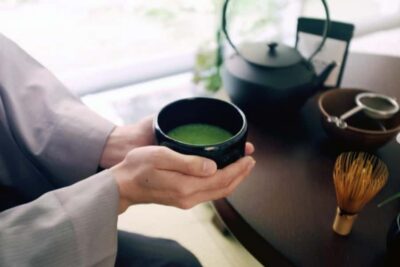
Tea Ceremony Workshop in Tokyo by the Experienced Instrucor
Read our review →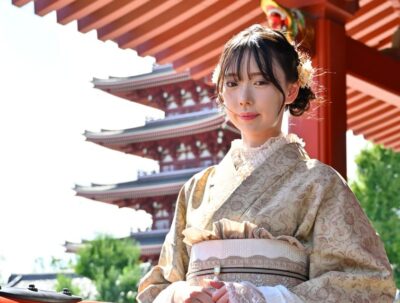

Make Traditional Nerikiri Sweets & Matcha experience in Shibuya
Read our review →Browse the lists this tour appears in