
Reviewed · TEA CEREMONIES
Tokyo 6 hr Private Guided Tour & Tea Ceremony Experience
Tokyo’s best feature here is the choose-your-own route. Instead of racing through a fixed checklist, you select two or three places from a long menu of Tokyo sights, then add a traditional tea ceremony at Jidaiya. That gives you a useful mix of modern city scenes, old Tokyo, and Japanese culture in one six-hour outing.
I like the hotel pickup option and the guide’s full attention. I also like that the tour can bend toward your interests, whether you want temples and gardens, fashion and pop culture, or a first look at famous Tokyo neighborhoods. The main caution is pace: transportation and entrance fees are extra, and moving between far-flung sights can eat into your sightseeing time.
In This Review
- Key points to know before booking
- A flexible six-hour introduction to Tokyo
- Starting with tea and traditional culture at Jidaiya
- Asakusa and Senso-ji: old Tokyo in a compact walk
- Imperial Palace and Hamarikyu Gardens
- Harajuku and Meiji Jingu: youth culture beside a forest shrine
- Shibuya Crossing and the modern city
- Akihabara and Tsukiji for a different Tokyo
- Tokyo’s gardens: Rikugien, Koishikawa Korakuen, and Shinjuku Gyoen
- Shinjuku Golden Gai after dark or by day
- What the $161.25 price really covers
- Choosing a guide and setting the right pace
- Should you book this Tokyo tour?
- FAQ
- How long does the Tokyo private tour last?
- Is hotel pickup included?
- How many sightseeing locations can I choose?
- Is transportation included?
- Is admission to the Imperial Palace included?
- What is the cancellation policy?
Key points to know before booking
- The tea ceremony at Jidaiya is built into the six-hour experience, giving the tour more cultural substance than a simple sightseeing drive-by.
- You choose two or three sights, rather than attempting every location listed in the options.
- Pickup is available within Tokyo’s 23 Special Wards, but the tour itself is conducted on foot and does not include a private vehicle.
- The itinerary can cover very different sides of Tokyo, from Senso-ji and the Imperial Palace to Shibuya Crossing and Akihabara.
- The $161.25 price includes the guide and tea ceremony, but not transport, meals, or most admission fees.
- Guide quality matters, and the experience can be especially good with a confident guide such as Taka, while pacing and navigation may vary with your assigned guide.
A flexible six-hour introduction to Tokyo
This is best understood as a private orientation tour, not a full city tour. The list of possible stops is much longer than you can reasonably visit in six hours, so your real task is choosing a sensible combination.
That flexibility is useful on a first visit. You can ask for old Tokyo, modern Tokyo, gardens, shopping streets, shrines, or food-market atmosphere. You also have a guide who can explain what you are seeing instead of leaving you to decode every custom from a guidebook.
The format suits couples, families, and small groups who want to set their own priorities. The maximum group size is 10, though the experience is described as private and includes the guide’s attention. You will not be combining tour groups, which makes it easier to adjust the route to your interests.
The tour lasts about six hours. That sounds generous, but Tokyo is spread out. A route including Asakusa, Shibuya, and Akihabara involves more movement than one focused on Harajuku and Shinjuku. I would choose nearby stops rather than trying to collect famous names from every corner of the city.
More tea rooms worth booking:
- Matcha Making Class in Tokyo with Authentic Japanese Sweets Set
★ 5.0 · 744 reviews - Tokyo: Traditional Tea Ceremony with a Tea Master
★ 5.0 · 528 reviews - Tokyo: Matcha Making Experience with Mochi Sweets in Asakusa
★ 4.9 · 388 reviews
Starting with tea and traditional culture at Jidaiya
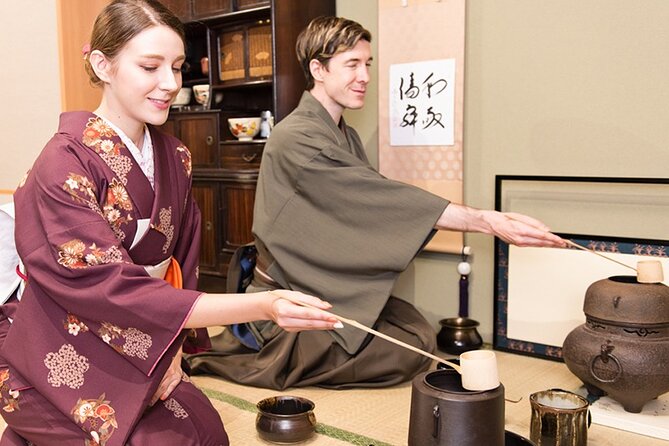
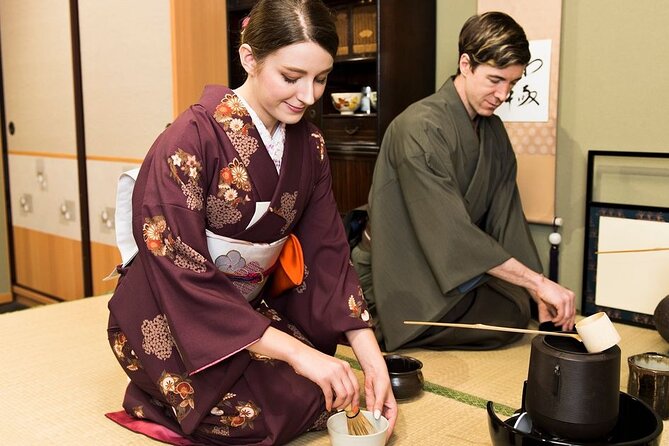
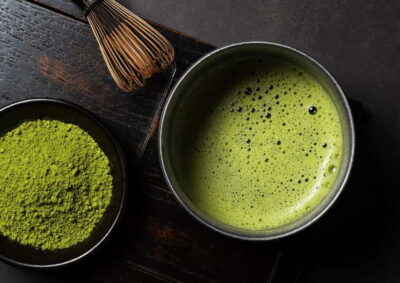
Jidaiya is the cultural heart of the experience. You spend about an hour taking part in a Japanese tea ceremony and related culture program. This is not simply a guide pointing out a tea room from the doorway. The included activity gives you a chance to participate in a tradition that can otherwise feel difficult to approach on your own.
That hour also sets a useful tone for the rest of the day. Tokyo is easy to experience as a blur of stations, neon, shops, and crowds. A tea ceremony asks you to slow down and pay attention to gestures, manners, utensils, and the careful rhythm of the room.
The operator describes Jidaiya as an alternative to ordinary Asakusa sightseeing, with a focus on a more direct cultural experience. That makes it particularly helpful if you want more than photos of temple gates. Ask your guide how the tea ceremony connects to Japanese customs, rather than treating it as a stand-alone performance.
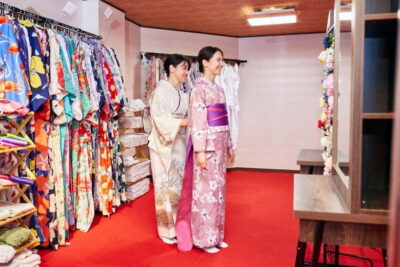
Kimono rental is not included. If wearing one matters to you, confirm the arrangements before booking and expect a separate cost. The included experience is the tea ceremony itself.
Asakusa and Senso-ji: old Tokyo in a compact walk
Asakusa gives you the clearest taste of Tokyo’s older downtown character. The area is associated with Shitamachi, or the low city, where traces of earlier Tokyo remain in its streets, temple precincts, and traditional feel.
Senso-ji is the main draw. This colorful Buddhist temple is one of Tokyo’s most popular sights, and its origin story reaches back to the year 628, when two fishermen reportedly found a statue of Kannon in the Sumida River. The legend matters less than the atmosphere: temple gates, worshippers, incense, and a steady flow of people coming to pray and look around.
The scheduled time for Asakusa is about 30 minutes, with another 15 minutes at Senso-ji. That is enough for a first look and an explanation from your guide, but not enough for a relaxed exploration of every side street and shop. If Asakusa is your main interest, ask to make it one of your two or three chosen areas and allow more time there.
Jidaiya and Asakusa make a natural pairing. You can begin with a hands-on cultural activity, then see a historic temple district nearby. This combination is stronger than treating the tea ceremony as an unrelated add-on.
Imperial Palace and Hamarikyu Gardens
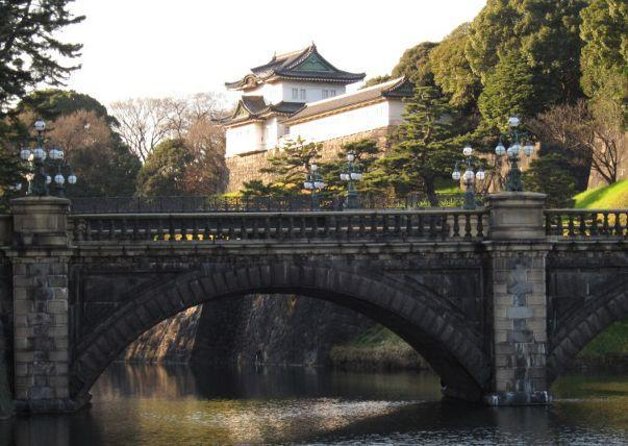
The Imperial Palace stop is an exterior visit only. You do not enter the palace grounds or palace buildings as part of this tour. The site occupies the former location of Edo Castle and is surrounded by moats and large open grounds, so your guide can help explain the setting even when the interior is off limits.
I would choose this stop if you want a central Tokyo landmark and a short history lesson about the city’s shogun-era roots. I would skip it if your priority is entering historic buildings or spending time in a formal garden.
Hamarikyu Gardens offers a different mood. This central garden sits beside Tokyo Bay and includes seawater ponds whose levels change with the tides, along with a teahouse. The garden is a good choice for a quieter break from Tokyo’s dense streets.
The listed time is only about 15 minutes, and admission is not included. That is a quick visit for a garden with enough detail to reward a slower walk. If you choose Hamarikyu, ask your guide whether the route can give you more time, and budget for the entrance fee.
A few more Tokyo bookings worth comparing
- Mt Fuji and Hakone 1-Day Bus Tour Return by Bullet Train
★ 5.0 · 26,383 reviews - 1-Day Tokyo Bus Tour
★ 5.0 · 14,250 reviews - Tokyo: TOKYO SKYTREE® Admission ticket
★ 4.5 · 11,192 reviews - Tokyo: teamLab Planets TOKYO Digital Art Museum Entry Ticket
★ 4.6 · 9,779 reviews
Harajuku and Meiji Jingu: youth culture beside a forest shrine
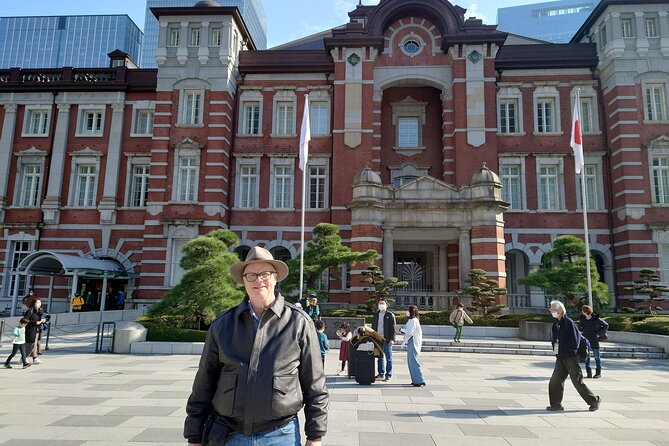
Takeshita Street is the energetic side of Harajuku. The area is known for teenage fashion and unusual style, while Harajuku itself sits between Shinjuku and Shibuya on the Yamanote Line. A 30-minute stop lets you see the street’s character and gives your guide a chance to explain why this neighborhood became linked with youth culture.
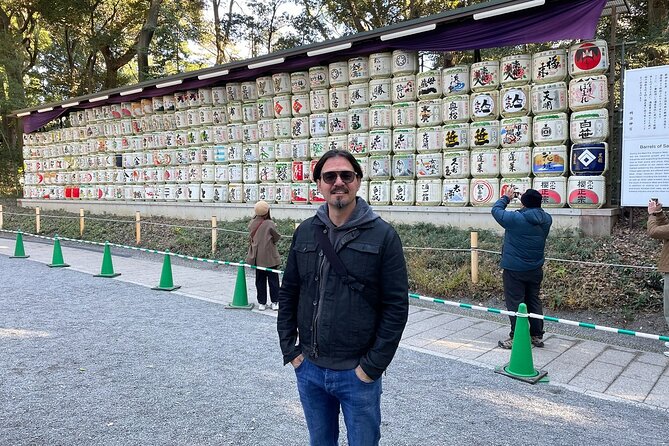
Takeshita Street can feel very different from the nearby Meiji Jingu Shrine, which is why these two stops work well together. One is a narrow commercial street filled with fashion and trends. The other is a major Shinto shrine approached through a large wooded setting.
Meiji Jingu is dedicated to the deified spirits of Emperor Meiji and Empress Shoken. Its location beside busy Harajuku Station makes the contrast especially striking. Within a short distance, you move from one of Tokyo’s most recognizable youth districts to a place shaped by ceremony, quiet, and shrine etiquette.
Each stop receives about 30 minutes. That is enough for a guided introduction, but you will not have time for an extended stroll through the shrine grounds. I would pick this pair if you are visiting Tokyo for the first time and want a clear contrast between contemporary street culture and traditional religious life.
Shibuya Crossing and the modern city
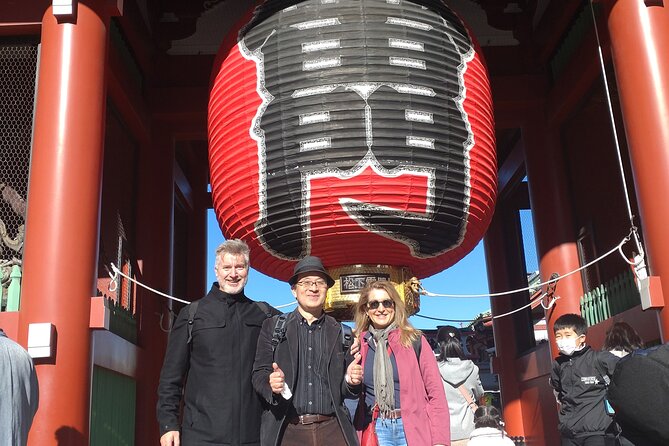
Shibuya Scramble Crossing is one of the easiest Tokyo sights to understand at a glance. When the signals change, people cross the intersection from several directions, creating the famous wall of movement associated with the district.
The crossing itself takes only a few minutes to experience, so its value comes from context. Your guide can help you understand the surrounding neighborhood and suggest where to stand or what to notice. The supplied information does not specify a fixed duration for this stop, so confirm how much time your chosen route allows.
Shibuya pairs well with Harajuku, Meiji Jingu, or Shinjuku. It is less useful alongside a long ride to Asakusa if you want a relaxed day. Tokyo’s rail network can be efficient, but station exits and transfers still take time, especially when you are unfamiliar with the city.
One practical point is guide navigation. A previous outing with Kris was affected by slow pacing and confusion at subway exits. That does not define every guide, but it is a fair reminder to tell your guide your preferred walking speed and to allow extra time at large stations.
Akihabara and Tsukiji for a different Tokyo

Akihabara is the choice for electronics, anime, games, and Japan’s modern pop-culture side. The district first became known for electronics shops and later gained a reputation as a center of Japanese otaku culture.
A 30-minute stop is enough to get a first impression, but not enough for serious shopping. If you are looking for a particular product, tell your guide before the tour so the stop can be more useful. Otherwise, Akihabara works well as a quick look at a part of Tokyo that feels far removed from Senso-ji.
Tsukiji Outer Market is another practical option. The former wholesale market site now includes blocks of wholesale and retail shops. You can see the market district and, depending on timing and the route selected, consider food purchases at your own expense.
Lunch is not included, and the tour does not promise a meal at Tsukiji. That can be an advantage if you want to choose your own food, but you should not assume a market lunch is part of the price. Ask your guide how much free time you will have and plan accordingly.
Tokyo’s gardens: Rikugien, Koishikawa Korakuen, and Shinjuku Gyoen
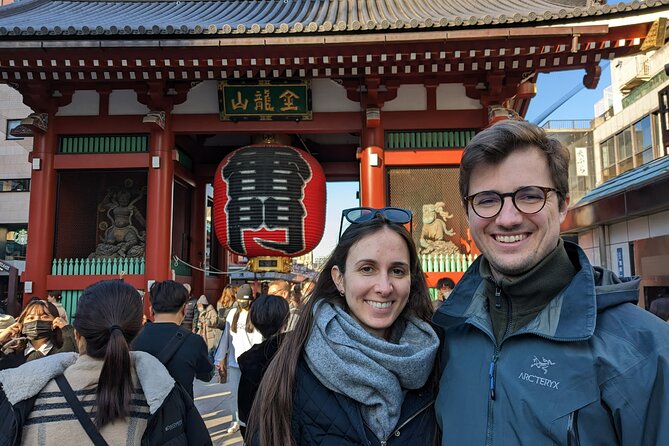
Rikugien is one of Tokyo’s most admired Japanese gardens. It was created around 1700 for the fifth Tokugawa shogun and takes its name from the six poetic themes that shaped its design.
Koishikawa Korakuen is another important garden and one of Tokyo’s oldest. It was built during the early Edo period for the Mito branch of the ruling Tokugawa family. Both gardens reward visitors who enjoy ponds, paths, planned views, and a slower pace.
The drawback is time. Rikugien receives about 30 minutes, while Koishikawa Korakuen receives about 15 minutes, and admission to both is extra. These stops make sense if your main goal is a quick introduction, not a full garden visit.
Shinjuku Gyoen offers broad lawns, walking paths, and a calmer setting near Shinjuku Station. The listed time is about 15 minutes, with admission not included. I would choose it only if you want a short pause in a busy day, or if your guide can adjust the schedule to give the garden more time.
Shinjuku Golden Gai after dark or by day
Golden Gai grew from a postwar black-market area into a compact district of small eating and drinking establishments. Its narrow lanes and tiny venues give it a very different scale from the broad avenues and giant stations elsewhere in Tokyo.
A 30-minute visit is enough to see the area and hear how it developed. It may be more interesting in the evening, but the available information does not promise a specific time or include food and drinks. Treat it as a neighborhood introduction, not a nightlife package.
Golden Gai works well with Shibuya or Shinjuku Gyoen if you want a modern-city route. It is less natural with Asakusa and Rikugien, unless your goal is a broad sampler of Tokyo contrasts.
What the $161.25 price really covers
At $161.25 per person, the value depends on how much you use the private format. The fee includes a licensed local English-speaking guide, a customizable route to two or three selected sites, and the tea ceremony at Jidaiya.
It does not include transportation, admission fees, lunch, or personal spending. A private vehicle is not provided. Some garden admissions are specifically excluded, and the Imperial Palace interior is not part of the tour.
For a small group that wants a guide and cultural activity in one booking, the price can make sense. It is less attractive if you only want to be escorted to famous photo stops, since you will still pay for trains and some entrances.
Group discounts are available, which may improve the value for families or larger parties. The tour can include up to 10 people, but confirm the exact pickup and group arrangements when booking. Pickup is offered from hotels in Tokyo’s 23 Special Wards, while the included meeting description also refers to meeting the guide on foot within a designated area. Clarify the exact meeting point so you do not build your morning around the wrong assumption.
Choosing a guide and setting the right pace
The strongest guide experience depends on communication and route planning. Taka received especially warm praise for being fun, informed, and able to put together a good itinerary, including a memorable stop at a 3D art café. That example shows the value of giving your guide room to shape the day around your interests.
Kris was described as pleasant, but the day suffered from slow movement, confusion at subway exits, weak photo help, and speech that was sometimes difficult to follow. I would not ignore this feedback when deciding if the format suits you. A private tour is only as useful as the person leading it.
Before the tour, tell your guide:
- Your top two priorities
- Your preferred walking pace
- Any mobility or stamina concerns
- Whether you care more about explanation, photos, shopping, or food
- How much time you want for the tea ceremony
The tour allows service animals, and most people can participate. Still, the experience involves walking and city transfers, so practical expectations matter.
Should you book this Tokyo tour?
Book it if you want a flexible first look at Tokyo, prefer personal guidance, and like the idea of combining major sights with a real tea ceremony. I especially recommend it for first-time visitors who cannot decide between temples, gardens, modern districts, and Japanese culture.
Choose your sights by area. Asakusa with Jidaiya gives you tradition. Harajuku, Meiji Jingu, and Shibuya create a strong modern-versus-traditional route. Akihabara and Tsukiji suit visitors interested in pop culture, shopping, and food-market atmosphere.
I would not book it expecting a private car, a full meal, entrance to the Imperial Palace, or enough time to explore every neighborhood in detail. The smartest use of the six hours is a tight route of two or three places, with the tea ceremony treated as a main part of the day rather than a small extra.
Free cancellation is available up to 24 hours before the start time. After that, refunds are not available and late changes are not accepted. That gives you some planning room, but confirm your pickup details, transport budget, and preferred stops before the deadline.
FAQ
How long does the Tokyo private tour last?
The experience lasts approximately six hours, including the tea ceremony and visits to two or three selected sightseeing locations.
Is hotel pickup included?
Pickup is offered from hotels within Tokyo’s 23 Special Wards. The included details also describe meeting the guide on foot within a designated area, so confirm the exact pickup or meeting point when booking.
How many sightseeing locations can I choose?
The tour includes a customizable visit to two or three sites from the available options. You cannot visit every listed location during the six-hour experience.
Is transportation included?
No. Transportation fees are not included, and the tour does not provide a private vehicle. You are responsible for transport costs during the day.
Is admission to the Imperial Palace included?
No. The tour does not include access inside the Imperial Palace. The visit is limited to the exterior area.
What is the cancellation policy?
You can cancel for a full refund up to 24 hours before the experience start time. Cancellations or changes made less than 24 hours in advance are not accepted for a refund.
New on our Tokyo list
- Sumi-e Experience in a relaxing green tea shop in Tokyo★ 5.0 · 3 reviews
- Tokyo : Kamikaze Street Drift Ride★ 5.0 · 3 reviews
- Private Zen Meditation in English in Shinjuku, Tokyo★ 5.0 · 3 reviews
- Onsen Spa in Tokyo and Asakusa Bar Hopping with Local Guide★ 5.0 · 3 reviews
- Easy for everyone! Now you can play handmade mini shamisen and show off to everyone! Musical instruments, sweets and live music★ 5.0 · 3 reviews
- Tokyo: Private Tsukiji Street Food & Sake with Local Guide★ 5.0 · 3 reviews
- Mt Fuji Exploration Tour with Free Japanese Kusa Mochi from Tokyo★ 4.5 · 3 reviews
- Tokyo Tsukiji Fish Market Walking and Exploring Hidden Gems Tour★ 5.0 · 3 reviews
Tea Ceremonies, compared.

Matcha Making Class in Tokyo with Authentic Japanese Sweets Set
Read our review →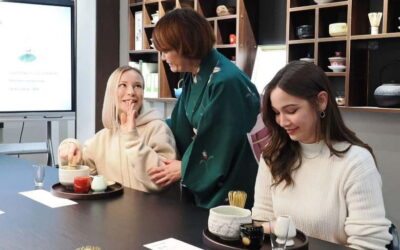
Matcha Making Experience with Mochi Sweets in Asakusa
Read our review →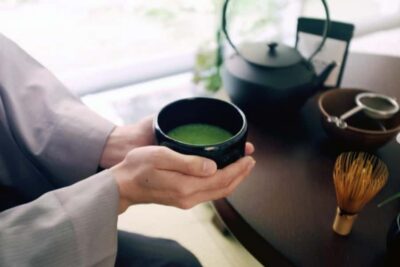
Tea Ceremony Workshop in Tokyo by the Experienced Instrucor
Read our review →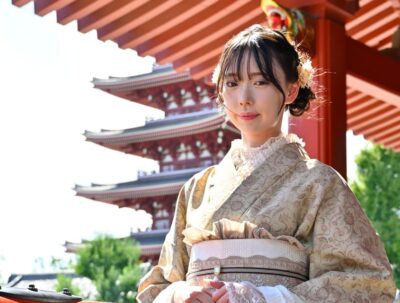

Make Traditional Nerikiri Sweets & Matcha experience in Shibuya
Read our review →Browse the lists this tour appears in