
Reviewed · WORKSHOPS
Tokyo Asakusa: Food Sample Making Workshop
The fun starts with a plate of food that is not food at all. In Asakusa, you choose omelette rice, spaghetti with meat sauce, a crepe, or a jelly parfait, then shape and decorate a realistic Japanese food sample to take home. The side-by-side comparison with the real dish makes this more than a standard craft class.
I like the freedom to add personal details, such as writing your name in ketchup on the omelet or lifting spaghetti with chopsticks. I also like the compact timing: about one hour without the meal, or 90 minutes with it. The main consideration is that English guidance may be limited, so you should be ready to follow demonstrations and simple instructions.
In This Review
- Key points to know before booking
- Why Asakusa food samples make such a good souvenir
- Finding the Food Sample Making Cafe in Asakusa
- Choosing between omelette rice, spaghetti, crepe, and jelly parfait
- Making the replica, one detail at a time
- Adding the real meal to the 90-minute version
- Taking photos of the sample and the real dish
- What the $39 price means in practical terms
- Who will enjoy this workshop most
- Timing, cancellation, and simple planning advice
- Should you book the Asakusa food sample workshop?
- FAQ
- Where does the food sample workshop take place?
- How long does the activity take?
- Which food samples can I make?
- Is a real meal included?
- What languages are available?
- Can young children join?
Key points to know before booking
- Four dishes give you a clear choice: Make omelette rice, spaghetti with meat sauce, a crepe, or a jelly parfait.
- The omelette and spaghetti require different levels of work: The omelet is partly prepared, while the spaghetti involves more hands-on shaping.
- The meal option adds a useful comparison: You eat the real dish that matches the sample you made.
- Your souvenir is handmade: Add ketchup writing, noodle movement, shapes, and other personal touches.
- The workshop lasts one to 1.5 hours: Plan for about one hour without food and about 90 minutes with the meal.
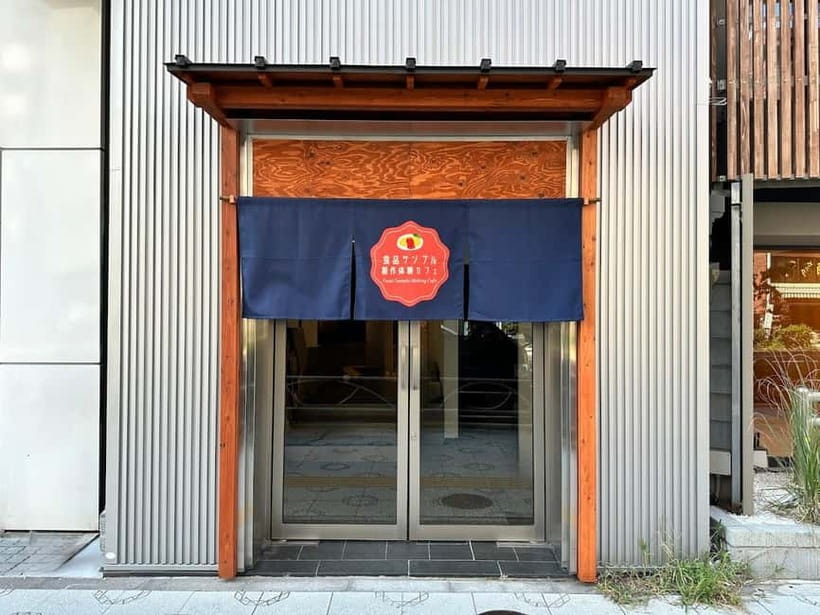
- The entrance is easy to spot: Look for the noren curtain marked Food Sample Making Cafe, facing the main street.
Why Asakusa food samples make such a good souvenir
Japanese restaurants are famous for their detailed plastic food displays. These replicas show you exactly what a dish looks like before you order, and they are often so lifelike that you may need a second look. This workshop lets you try a small part of that craft for yourself.
I like this idea because the souvenir has a story attached to it. A shop-bought magnet or key ring can remind you of Japan, but a food sample you shaped yourself gives you a specific memory from Asakusa. It also makes a good conversation piece at home, especially if you choose something colorful such as a crepe or jelly parfait.
The experience is playful rather than formal. You are not being trained as a professional model maker, and the point is not to produce a perfect restaurant display. You get a guided activity, some room for creativity, and a finished object that reflects the choices you made during the class.
That makes this a useful break from temple visits and shopping streets. Asakusa can keep you busy for hours, but this workshop gives you a seated, hands-on activity with a clear beginning and end.
More Asakusa visits:
- Tokyo: Japanese Dance Cabaret Theater Asakusa-Kaguwa Ticket
★ 4.8 · 2,270 reviews - Tokyo: Meiji Shrine, Asakusa, Skytree Bus Tour and Cruise
★ 4.7 · 1,986 reviews - Tokyo: Roll and Authentic Sushi Making Class in Asakusa
★ 4.9 · 1,957 reviews
Finding the Food Sample Making Cafe in Asakusa
The meeting point is simple once you know what to look for. Find the shop curtain, called a noren, marked Food Sample Making Cafe, and enter through the doorway facing the main street.
You do not need to search for a separate tour office or meet a guide elsewhere. The cafe itself is the meeting point. I would allow a little extra time to identify the curtain, since Asakusa has plenty of signs and shopfronts competing for your attention.
The supplied information does not give a precise street address, so check your booking details carefully before setting out. Once you are on the correct street, the noren is the key landmark.
The location also makes this easy to pair with other Asakusa plans. You can schedule it around sightseeing, though you should keep the workshop’s one-hour or 90-minute block free rather than trying to squeeze it between two timed attractions.
Choosing between omelette rice, spaghetti, crepe, and jelly parfait
You begin by choosing one of four food styles. Each option has a different look and offers a slightly different kind of creative work.
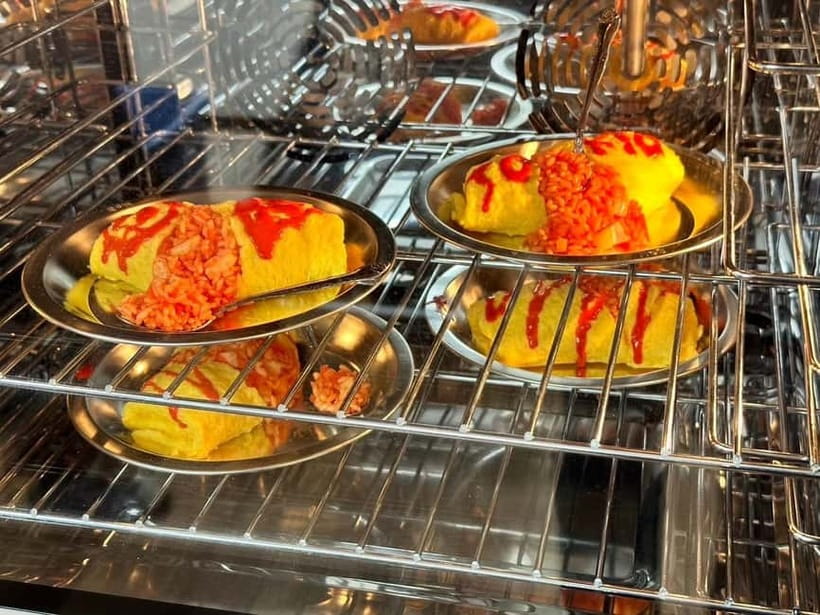
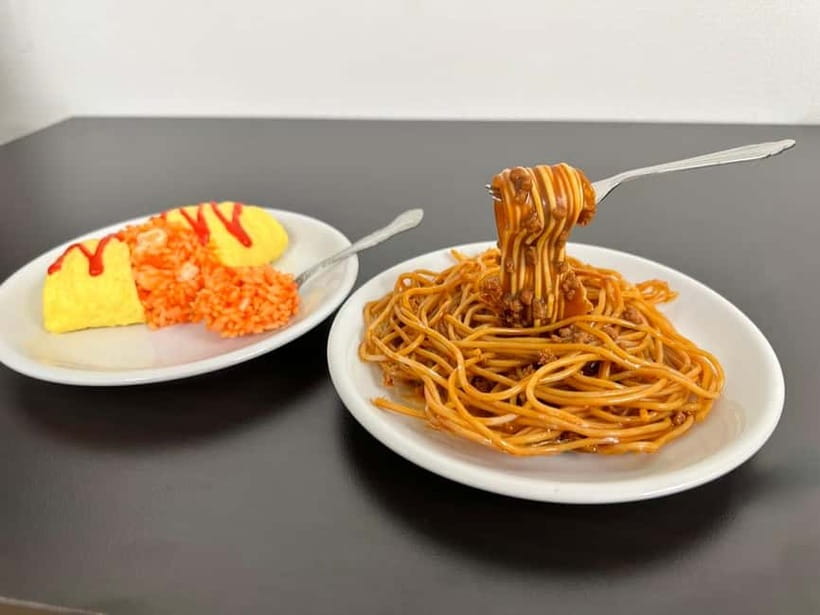
Omelette rice is a natural choice if you want a classic Japanese comfort dish with a strong visual finish. The omelet is already made, and your work focuses on preparing the filling. You can then add ketchup, including your name, for a personal touch.
The omelet is likely the easiest choice for someone who wants a satisfying result without the most complicated shaping. It also photographs well because the ketchup writing gives the finished sample an obvious handmade detail.
Spaghetti with meat sauce involves more steps. You may lift the spaghetti with chopsticks and arrange the noodles so they look caught in motion. This option suits you if you want a more involved craft and do not mind paying close attention to the demonstration.
One useful point is that the four options are not identical in difficulty. The spaghetti requires more work than the omelet, so families or mixed-age groups may want to choose different dishes rather than assuming everyone should make the same one.
Crepes offer a different style of creation, with a shape that can be made personal through the way you arrange the food. The supplied details do not list the exact fillings or designs available, so choose this option for the crepe form itself rather than expecting a specific menu.
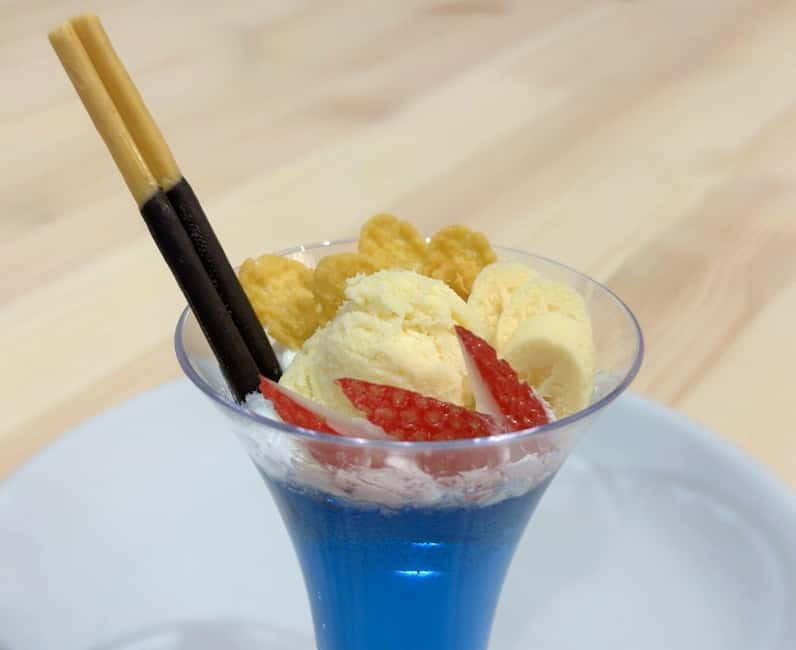
Jelly parfaits are another colorful choice. Like the crepe, the exact decoration details are not specified, but the format gives you a dessert sample with plenty of visual appeal.
If you are booking for several people, it may be fun to split the choices. Four different samples make a better group photo, and you can compare how the techniques change from one dish to another.
Making the replica, one detail at a time
After choosing your dish, you work with the provided materials and receive guidance from the staff. The activity is designed for personal touches, so you are not simply copying a finished sample with no choices of your own.
For the omelet, the basic structure is already prepared, which lets you focus on the filling and surface details. Writing ketchup on top gives you a simple way to mark the piece as yours.
The spaghetti offers more movement. You can lift noodles with chopsticks and shape the dish so it looks as if someone has just picked up a bite. That small trick is important because Japanese food replicas often look convincing when they suggest action rather than sitting flat and untouched.
The same idea applies to the other dishes. You can create your own shape and design instead of aiming for a single correct version. I would follow the staff demonstration first, then add your creative changes once the basic form is secure.
An instructor can guide you in English or Japanese. One class experience included an instructor who spoke little English, but the instructions were still easy to follow. That is useful to know before booking: you do not need advanced Japanese, but you should be comfortable watching a demonstration and copying the main steps.
This is not a language-heavy tour. The work itself gives you something concrete to follow, and the food shapes make the goal clear. Still, if you need detailed verbal explanations for every step, the language balance may require patience.
A few more Tokyo bookings worth comparing
- Sushi Making Tokyo Roll and Authentic Japanese Sushi Class
★ 5.0 · 3,971 reviews - Tokyo Shinjuku Chopsticks Making Class
★ 5.0 · 1,763 reviews - Tokyo: Sushi Making Class in a Happi Coat near a Famous Spot
★ 4.9 · 1,377 reviews - Chopstick Making Workshop in Ginza
★ 4.8 · 1,366 reviews
Adding the real meal to the 90-minute version
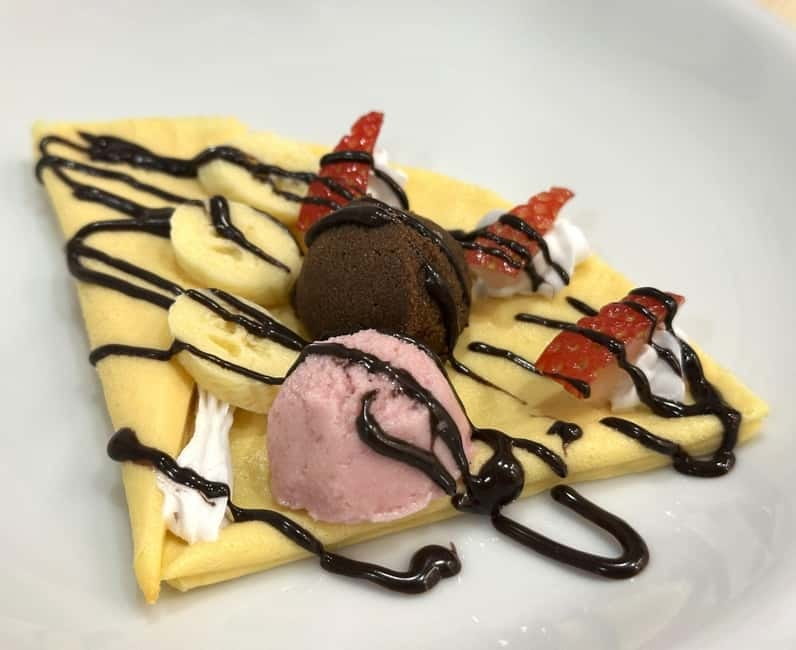
You can choose an option that includes a real meal matching the replica you make. The workshop lasts about 90 minutes with dining, compared with about one hour without it.
The meal adds more than extra food. You first create the sample, then receive the actual dish in a similar form. You can pour ketchup on the real omelet in the same way, lift noodles from the real spaghetti, and compare the finished meal with your handmade model.
This is the most distinctive part of the experience. A plastic sample can look convincing on its own, but seeing it beside the real dish helps you understand the visual tricks and details. You can also take side-by-side photos or make a playful video pretending to eat the sample.
I would choose the meal option if you are hungry or if the comparison is the main reason you are booking. The additional time makes sense for a relaxed session, and the real dish turns the craft into a small food-and-art activity.
The non-meal option is better if your day is tightly scheduled or you already have a restaurant plan. You still receive the making experience, materials, staff guidance, and souvenir in about an hour.
The available information does not specify the exact meal portions or the full contents of each dish. For that reason, treat the dining option as a matching meal and comparison activity, not as a full restaurant review.
Taking photos of the sample and the real dish
Bring your camera or phone ready. The most amusing photos come from placing the replica beside the real dish and copying the same action with both.
For example, you can pose as if you are eating the food sample, then repeat the pose with the actual meal. With spaghetti, a lifted strand creates a clear visual link between the craft and the food. With omelette rice, matching ketchup marks make the comparison easy to understand.
The finished piece is also designed to go home with you. It is not just a temporary class project that stays at the cafe. Display it on a shelf or use it as a reminder of your Asakusa visit.
Because the sample is handmade, small differences from a professional restaurant display are part of the appeal. A slightly unusual shape or personal decoration shows that you made it yourself.
What the $39 price means in practical terms
At $39 per person, this is not the cheapest hour you can spend in Tokyo. The value depends on what you want from the activity.
You receive the craft session, materials, staff guidance, and a take-home replica. If you choose the dining option, a real matching meal is included as well. That combination gives the price more weight than a short demonstration with no finished product.
I see the best value for people who want a souvenir and an activity at the same time. Instead of spending money on a generic item, you make something tied directly to your time in Asakusa. The dining option also gives you a meal and a photo opportunity, though the exact portion details are not provided.
The price may feel less worthwhile if you are mainly interested in eating or if you do not have room in your luggage for a handmade object. It is also less suited to someone who prefers traditional sightseeing and finds craft activities slow.
For families, remember that children under five are not suitable for this activity. Older children may enjoy choosing a dish and decorating it, but the level of help they need will depend on the option they select.
Who will enjoy this workshop most
I would recommend this for creative people, families with children over five, couples looking for an unusual Tokyo activity, and anyone who likes food culture with a hands-on angle. You do not need to be artistic. The four dish choices and staff guidance give you a clear starting point.
It also works well for a rainy-day plan or for a break when you want to sit down without giving up the sense that you are doing something special. The short duration makes it easier to fit into a day in Asakusa than a longer cooking class.
The workshop may be less satisfying for you if you want a detailed lesson on Japanese cuisine. The focus is food appearance and replica making, not recipes, restaurant technique, or a history lecture.
Language should also factor into your choice. English and Japanese guidance are available, but at least one experience included limited spoken English. The visual nature of the class helps, yet you should expect some instruction to come through demonstration rather than long explanations.
Timing, cancellation, and simple planning advice
The activity runs for about one hour without the meal and about 90 minutes with it. Check the available starting times when you book, since the supplied information does not list a fixed daily schedule.
You can cancel up to 24 hours in advance for a full refund. A reserve-now, pay-later option is also available, which helps if your Tokyo plans are still changing.
I would book the meal option earlier in your day if you want a proper comparison and photo session without rushing. If you choose the craft only, the shorter format gives you more freedom to continue sightseeing afterward.
Wear an attitude suited to making things rather than expecting a perfect factory finish. The point is to follow the basic form, then add your own ketchup writing, noodle lift, shape, or design.
Should you book the Asakusa food sample workshop?
Book it if you want a distinctive souvenir, a short creative activity, and the chance to compare a food replica with the real dish. The omelette is a good starting point for an easier project, while spaghetti offers more hands-on work. Crepe and jelly parfait suit anyone drawn to dessert-style displays.
Choose the meal option if you want the full 90-minute experience, a matching dish, and side-by-side photos. Choose the one-hour version if your priority is the handmade object and a flexible schedule.
I would skip it only if you dislike craft activities, need detailed English instruction at every step, or are looking for a substantial food tour. For most visitors who want something beyond another temple visit, this is a cheerful and memorable use of an hour in Asakusa.
FAQ
Where does the food sample workshop take place?
The meeting point is the Food Sample Making Cafe in Asakusa on Honshu, Japan. Look for the shop curtain, called a noren, marked Food Sample Making Cafe. The entrance faces the main street.
How long does the activity take?
The workshop takes about one hour without the meal option. It takes about 90 minutes if you choose the option that includes a matching real dish.
Which food samples can I make?
You can choose from omelette rice, spaghetti with meat sauce, a crepe, or a jelly parfait.
Is a real meal included?
A real dish that matches your food sample is included if you select the dining option. The meal is not included in the craft-only version.
What languages are available?
Staff guidance is available in English and Japanese. Some instruction may be given through demonstrations, especially when spoken English is limited.
Can young children join?
Children under five are not suitable for this activity. The provided information does not give a specific upper age limit.
New on our Tokyo list
- Tokyo : Kamikaze Street Drift Ride★ 5.0 · 3 reviews
- Private Zen Meditation in English in Shinjuku, Tokyo★ 5.0 · 3 reviews
- Sumi-e Experience in a relaxing green tea shop in Tokyo★ 5.0 · 3 reviews
- Onsen Spa in Tokyo and Asakusa Bar Hopping with Local Guide★ 5.0 · 3 reviews
- Easy for everyone! Now you can play handmade mini shamisen and show off to everyone! Musical instruments, sweets and live music★ 5.0 · 3 reviews
- Tokyo: Private Tsukiji Street Food & Sake with Local Guide★ 5.0 · 3 reviews
- Mt Fuji Exploration Tour with Free Japanese Kusa Mochi from Tokyo★ 4.5 · 3 reviews
- Tokyo Tsukiji Fish Market Walking and Exploring Hidden Gems Tour★ 5.0 · 3 reviews
Workshops, compared.
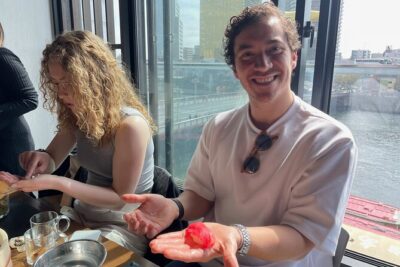
Sushi Making Tokyo Roll and Authentic Japanese Sushi Class
Read our review →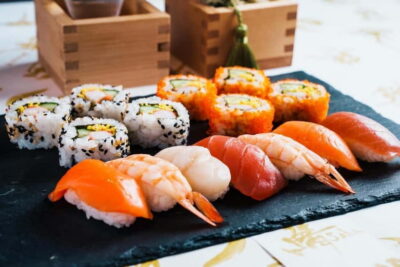
Roll and Authentic Sushi Making Class in Asakusa
Read our review →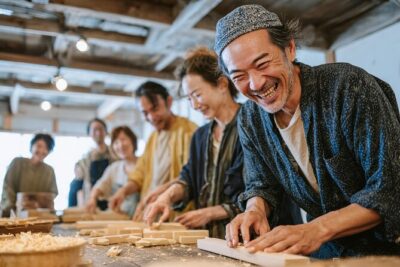
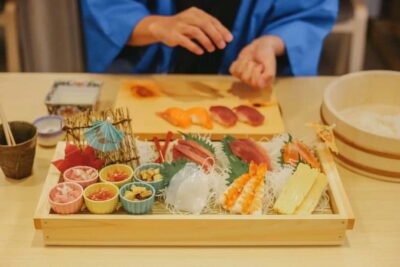
Sushi Making Class in a Happi Coat near a Famous Spot
Read our review →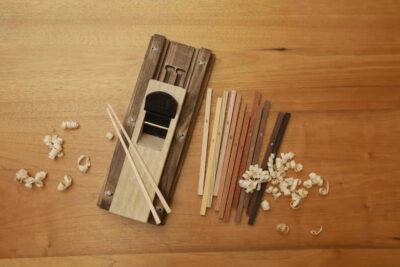
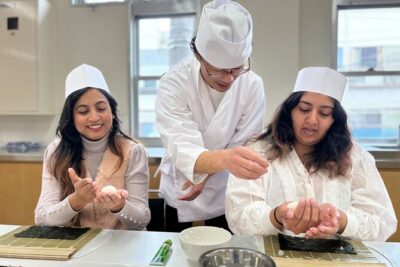
Tokyo Sushi Making Class in Tsukiji with Professional Chef
Read our review →
Ramen & Gyoza Cooking Class in Tokyo with Local Supermarket Visit
Read our review →
Matcha Making Class in Tokyo with Authentic Japanese Sweets Set
Read our review →Browse the lists this tour appears in