
Reviewed · TEA CEREMONIES
Tokyo: Casual Japanese Tea Ceremony Experience
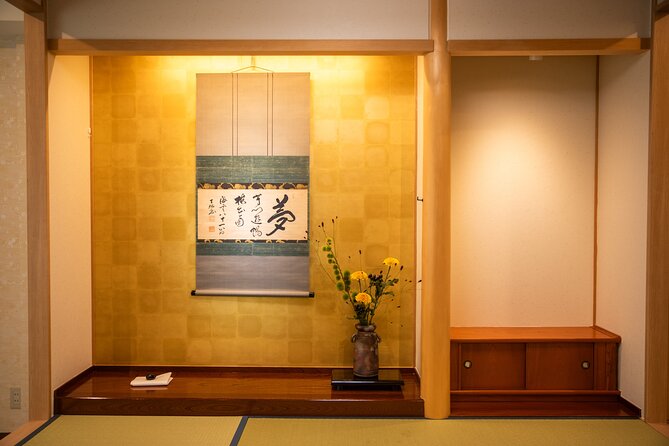
The best part of this one-hour tea experience is that it takes the pressure out of Japanese tea ceremony. You learn why the host pours, whisks, presents, and serves the tea, then make your own bowl of matcha without worrying about getting every movement perfect. The setting is a comfortable lounge rather than a highly formal tearoom.
I like the small maximum of eight people, which leaves room for questions and personal help. I also like the mix of practice and tasting: you do not just watch a demonstration, you whisk matcha yourself and enjoy a traditional sweet with it. The main consideration is that this is a casual introduction, not a full ceremonial performance or kimono experience.
In This Review
- Key points at a glance
- Why this casual tea ceremony works for first-time visitors
- Meeting in Asakusa at Tokyo Tourist Lounge
- A gentle introduction to matcha and tea culture
- Whisking your own bowl of matcha
- Traditional sweets add context to the tasting
- What the small group size changes
- Photos and etiquette without the nerves
- How much value do you get for $25?
- Who should book this experience?
- Booking, cancellation, and practical details
- Should you book this Tokyo tea ceremony?
- FAQ
- How long does the Japanese tea ceremony experience last?
- Where does the experience begin?
- Where does the activity end?
- How many people can join the activity?
- Is kimono rental included?
- Can I take photos and ask questions?
- What is included in the price?
Key points at a glance
- You make your own matcha: Learn to whisk powdered green tea instead of only watching a host.
- The tone is relaxed: Questions, photos, and beginner mistakes are welcome.
- Midori is praised for kind teaching: Her gentle approach helped make the ceremony feel calm and personal.
- The group is capped at eight: A useful size for explanations and hands-on help.
- It begins and ends in Asakusa: Meet at Tokyo Tourist Lounge Asakusa, close to public transportation.
- The price is $25 per person: Good value for a cultural activity that includes tea, sweets, instruction, and practice.
Why this casual tea ceremony works for first-time visitors
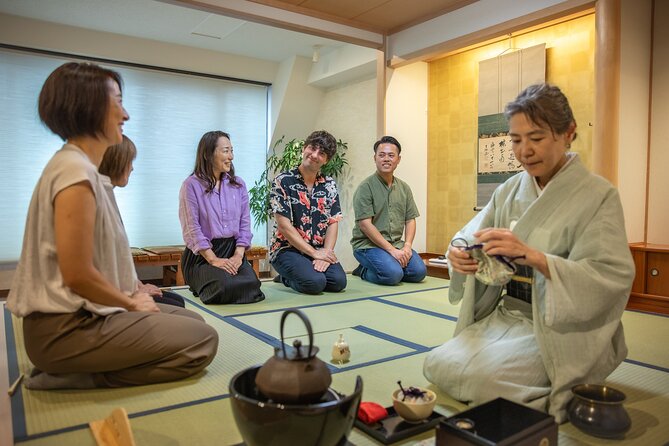
Japanese tea ceremony can look intimidating from the outside. The quiet movements, careful gestures, and unfamiliar rules may make you worry about sitting incorrectly, handling a bowl the wrong way, or missing an important point.
This experience takes a friendlier route. Your host explains the meaning behind each part of the process in a relaxed lounge setting, then gives you a chance to try it yourself. You are not expected to arrive with knowledge of Japanese etiquette, and the session is built for people who want an introduction rather than a demanding lesson.
That makes the activity useful early in a Tokyo visit. You get a simple framework for understanding matcha, hospitality, and the idea often called the way of tea. Later, if you visit a formal tearoom or see tea preparation at a temple or cultural center, you will have some context for what you are seeing.
The strongest feature is the balance between explanation and participation. A lecture about tea culture might give you facts but leave you passive. A highly formal ceremony might offer atmosphere but make you nervous. Here, you hear the background, observe the host, prepare tea, and taste the result.
More tea rooms worth booking:
- Matcha Making Class in Tokyo with Authentic Japanese Sweets Set
★ 5.0 · 744 reviews - Tokyo: Traditional Tea Ceremony with a Tea Master
★ 5.0 · 528 reviews - Tokyo: Matcha Making Experience with Mochi Sweets in Asakusa
★ 4.9 · 388 reviews
Meeting in Asakusa at Tokyo Tourist Lounge
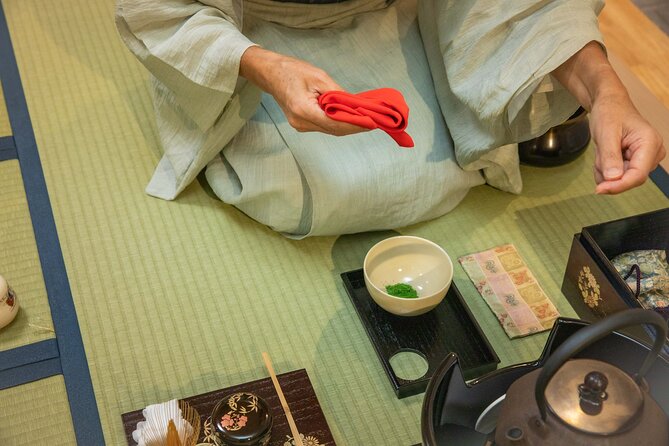
The meeting point is Tokyo Tourist Lounge Asakusa, at 5F, 2-18-15 Kaminarimon, Taito City, Tokyo 111-0034. The activity returns to this same location, so you do not need to arrange a second pickup point or find your way across the city after the session.
Asakusa is a practical place for this kind of cultural activity. It is a major sightseeing area and is close to public transportation, making it easy to pair the tea ceremony with time in the neighborhood. You can plan the session as a quiet break from sightseeing rather than a separate full-day outing.
The address is worth saving before you leave your hotel. Tokyo buildings can be busy, and the experience takes place on the fifth floor. Allow enough time to locate the building and reach the lounge without rushing. The supplied information does not give a recommended arrival time, so check your booking confirmation for any specific instructions.
The activity lasts about one hour. That is long enough to learn the basic process without taking a large part of your day. It also makes this a good choice between visits to Asakusa sights, shopping, or a meal.
A gentle introduction to matcha and tea culture
The session begins with an explanation of Japanese tea culture and the role of matcha. Powdered green tea is whisked directly into hot water, so the texture and preparation differ from an ordinary cup of steeped tea.
Your host explains the purpose behind the steps rather than asking you to copy a silent ritual. You might learn how water is poured, how the tea is presented, and why the order of actions matters. These details help you see the ceremony as more than a method for making a drink.
The cultural focus is hospitality, care, and harmony. The movements are deliberate because the host is preparing something for another person and giving attention to the shared moment. That explanation gives the ceremony meaning without requiring you to memorize a long list of rules.
Language can be a concern in any cultural activity. This session is designed for visitors and provides a guided introduction, so you do not need to work out the etiquette alone. The description does not specify the language of instruction, so check before booking if that matters to you.
The teaching style appears to be one of the activity’s strongest points. Midori is specifically praised for her kindness and clear sharing of the ceremony’s meaning. That personal warmth matters here. Tea preparation is a hands-on lesson, and a patient host can make the difference between feeling awkward and feeling comfortable.
Whisking your own bowl of matcha
The practical heart of the activity is making your own tea. After watching and listening, you prepare a bowl of matcha with guidance from the host.
This is where the casual format earns its name. You can focus on the basic motion of whisking and the feel of the tea rather than worrying about perfect form. The host can explain what you are doing and help you understand the result.
Matcha has a distinct taste and texture. It is not simply green tea served in a different cup. Because the whole powdered leaf is consumed, the drink can seem stronger and more concentrated than familiar tea. The traditional sweet served alongside it helps balance that flavor.
Take your time with the bowl. The point is not to produce a flawless drink on your first try. It is to understand the process and notice how preparation affects the experience. If you are curious about tea, this small act of making your own serving is more memorable than watching someone else do all the work.
The activity also gives you permission to ask questions. You can ask about the tools, the order of service, the taste of matcha, or the meaning of a gesture. That open format is especially helpful if you are new to Japanese customs.
A few more Tokyo bookings worth comparing
- Mt Fuji and Hakone 1-Day Bus Tour Return by Bullet Train
★ 5.0 · 26,383 reviews - 1-Day Tokyo Bus Tour
★ 5.0 · 14,250 reviews - Tokyo: TOKYO SKYTREE® Admission ticket
★ 4.5 · 11,192 reviews - Tokyo: teamLab Planets TOKYO Digital Art Museum Entry Ticket
★ 4.6 · 9,779 reviews
Traditional sweets add context to the tasting
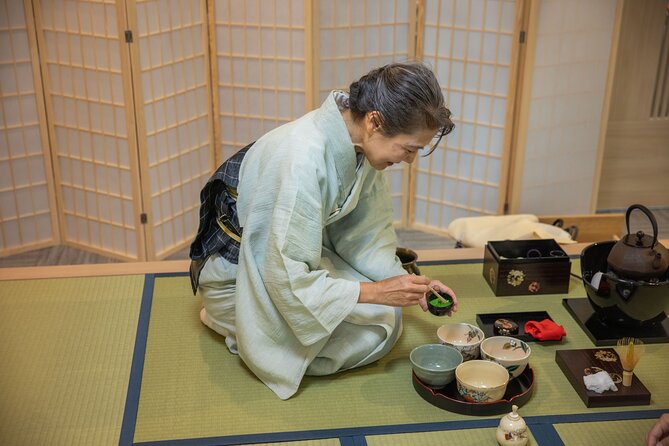
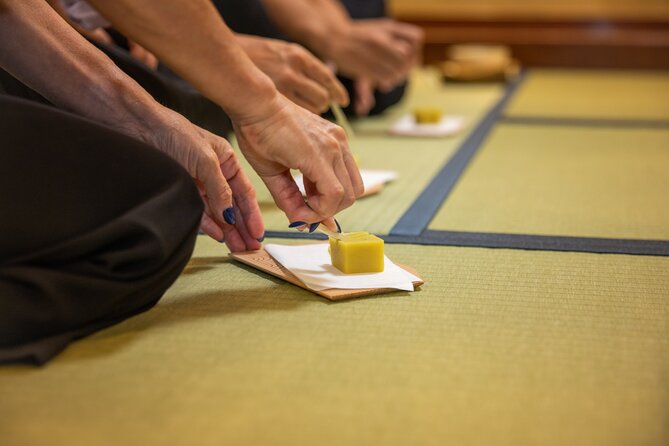
The matcha is served with an authentic Japanese sweet. This is not just a snack placed beside the tea. Sweetness can provide a useful contrast to matcha’s strong, sometimes bitter flavor.
Try the sweet with attention to the order of tasting. The combination helps you understand why Japanese tea service includes food as part of the experience. You are not only learning how to prepare tea, but also how the tea is enjoyed.
The supplied information does not name the specific sweet, so do not book this expecting one particular confection. The important point is that a traditional sweet is included with the tea experience. If you have allergies or dietary restrictions, ask the provider in advance, since no special dietary information is given.
Coffee and tea are listed as included. The activity description focuses on matcha and sweets, so matcha is the central drink to expect. The wording does not provide a full menu or say that coffee is part of the ceremony itself.
What the small group size changes
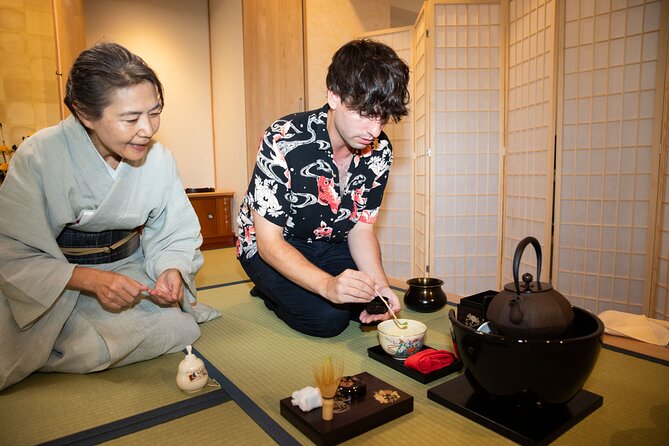
The maximum group size is eight people. That is small enough to keep the session personal, while still allowing you to share the experience with a few other people.
For a tea lesson, group size matters. If the room were crowded, you might spend most of the hour watching from a distance. With up to eight participants, you have a better chance of hearing the explanation, seeing the host’s movements, and getting help when it is your turn to whisk.
A small group also suits the mood. Tea ceremony is based on attention and calm, and a packed room would work against that. The casual lounge setting is likely to feel social rather than solemn, but the limited number helps preserve a sense of quiet.
There is one tradeoff. A small-group activity still means the pace is shared. You may need to wait briefly while others prepare their tea or ask questions. That is part of the group format, though the one-hour length keeps the activity focused.
If you want a private ceremony for your own party, the supplied information does not promise that option. Book this expecting a small shared session with a maximum of eight, not a guaranteed private appointment.
Photos and etiquette without the nerves
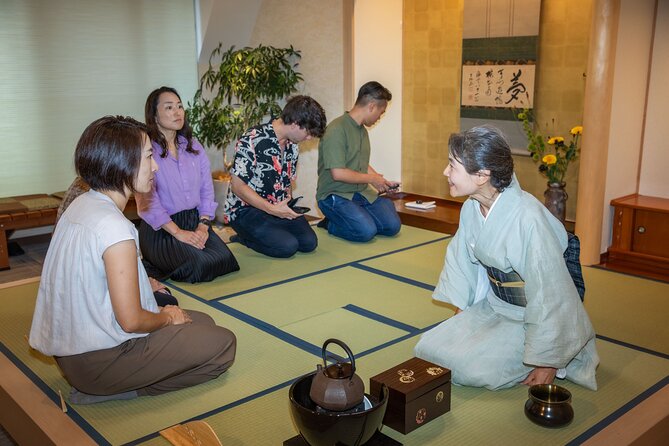
Photography is allowed, and you are encouraged to ask questions. That makes the session more approachable than a strictly formal ceremony where you might hesitate to lift a camera or speak.
Still, use good judgment. Ask before photographing the host or another participant, and listen if the host pauses the photo-taking during a demonstration. The relaxed rules are there to help you enjoy the activity, not to remove basic courtesy.
The chance to take photos can be useful if you want a visual reminder of the steps. You might photograph the tea tools, the bowl, or your own finished matcha. Keep the camera from taking over the session, though. The best value comes from paying attention to the explanation and trying the technique.
This is also a good activity for families and mixed-age groups if everyone can take part comfortably in a seated lesson. The supplied details do not list age requirements, seating arrangements, or accessibility information, so confirm those points before booking if they affect your plans.
How much value do you get for $25?
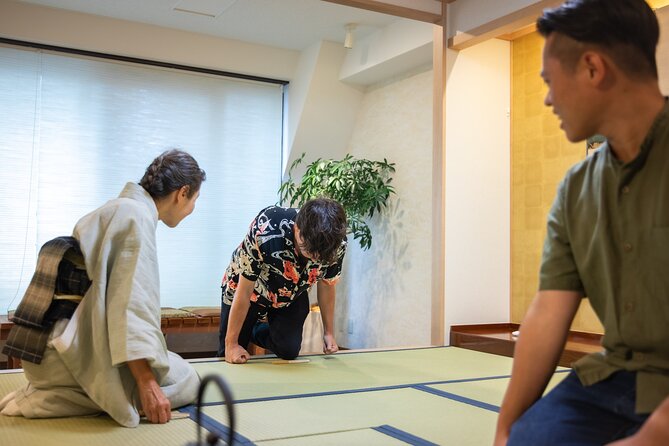
At $25 per person, this is an affordable cultural activity by Tokyo standards. The price covers about an hour of guided instruction, matcha preparation, tea, and a traditional sweet. You also get the chance to make the drink yourself, which gives the session more substance than a simple tasting.
I see the best value for people who want a clear introduction without committing to a longer cultural workshop. A one-hour lesson fits easily into a busy Tokyo schedule, and the meeting point in Asakusa lets you combine it with other sightseeing.
The price is less attractive if you are looking for an elaborate setting, formal costumes, or a long ceremony. Kimono rental and wearing a kimono are not included. The experience is also not presented as a full traditional performance with an extended ritual.
Think of it as an accessible first lesson. You pay for context, guidance, a taste of matcha, and the chance to practice. For someone curious about Japanese customs but unsure where to begin, that is a fair exchange.
The strong overall score of 4.9 from 74 ratings and a 96 percent recommendation rate suggest that the format is working well for its intended audience. The most praised qualities are the detailed explanation of the ceremony and the host’s calm, kind manner. Those are exactly the qualities you want in an introductory cultural class.
Who should book this experience?
I would recommend it to a first-time visitor who wants a cultural activity with little pressure. You get a taste of tradition without needing to know the rules in advance.
It also suits repeat visitors to Japan. You may have seen matcha in cafés or shops but never learned why it is prepared and served in a careful way. This session gives that familiar drink a wider cultural setting.
The experience is a good fit for:
- People who want a short activity near Asakusa
- Beginners who worry about etiquette
- Anyone curious about matcha preparation
- Couples, friends, and small groups who enjoy hands-on lessons
- Visitors who want to ask questions and take photos
- People who prefer a relaxed lounge to a formal tearoom
You may want to skip it if your main goal is wearing a kimono, taking elaborate costume photos, or watching a highly formal ceremony. Those elements are not included. You should also check dietary details before booking if you have food restrictions, since the sweet is not described in detail.
Booking, cancellation, and practical details
You receive confirmation at the time of booking, and the activity accepts a mobile ticket. Keep the ticket easy to access on your phone when you reach Tokyo Tourist Lounge Asakusa.
The activity begins and ends at the same meeting point. It is near public transportation, but the supplied information does not name the nearest station or provide detailed directions. Use the full address and allow time to find the fifth-floor lounge.
Free cancellation is available if you cancel at least 24 hours before the local start time. Canceling within 24 hours means no refund, and changes made in that period are not accepted. This is worth noting if your Tokyo schedule may change because of weather, train delays, or a crowded sightseeing day.
The provider is Localized Walking & Food Tours. The booking information lists coffee and/or tea as included, while kimono rental is not. No separate accessibility, child, or dietary details are provided, so ask the provider about those needs before paying.
Should you book this Tokyo tea ceremony?
Book it if you want an affordable, friendly introduction to Japanese tea culture and like the idea of preparing your own matcha. The small group, short duration, Asakusa location, and permission to ask questions make it easy to fit into a Tokyo itinerary.
The most useful reason to choose it is the teaching approach. You are not left to guess at etiquette, and the session explains why each action matters. Midori’s kindness, along with the detailed explanations praised in the feedback, gives the experience a personal touch.
Skip it if you want a formal ceremony, kimono rental, or a long, highly traditional performance. For everyone else, $25 buys a calm hour, a taste of matcha and Japanese sweets, and a better understanding of a custom you might otherwise only watch from the sidelines.
FAQ
How long does the Japanese tea ceremony experience last?
The activity lasts approximately one hour.
Where does the experience begin?
It begins at Tokyo Tourist Lounge Asakusa, located at 5F, 2-18-15 Kaminarimon, Taito City, Tokyo 111-0034, Japan.
Where does the activity end?
The experience ends back at the meeting point, Tokyo Tourist Lounge Asakusa.
How many people can join the activity?
The group has a maximum of eight participants.
Is kimono rental included?
No. Wearing a kimono and kimono rental are not included.
Can I take photos and ask questions?
Yes. The experience is designed as a relaxed introduction, and you are welcome to ask questions and take photos.
What is included in the price?
Coffee and/or tea are included. The activity also includes matcha preparation and traditional Japanese sweets as described in the experience.
New on our Tokyo list
- Tokyo Spectacular View Day-Cruise in 90 Minutes★ 5.0 · 25 reviews
- From Tokyo: Mount Fuji & Hakone Full Day Private Tour★ 4.9 · 25 reviews
- Real Tokyo Runner Club : Daikoku Car Meet Night Tour with JDM Car★ 5.0 · 25 reviews
- 2.5 Hour-Guided Cycle Tour in the Central Tokyo★ 5.0 · 25 reviews
- Ramen Making from Scratch +Akihabara Tour –Cooking Class★ 5.0 · 25 reviews
- [Self-Drive] Tokyo & Daikoku Custom Car Driving Tour★ 4.9 · 25 reviews
- Tokyo: 2-Hour Night Bike Tour of the City’s Hidden Gems★ 4.9 · 25 reviews
- Samurai themed Entertainment show in Shinjuku★ 4.5 · 25 reviews
Tea Ceremonies, compared.
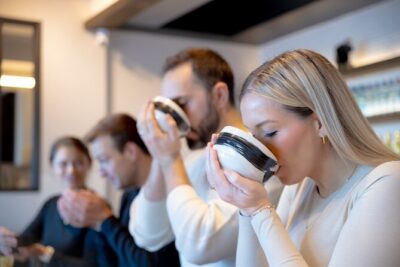
Matcha Making Class in Tokyo with Authentic Japanese Sweets Set
Read our review →
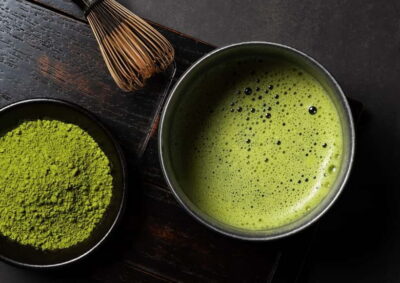
Matcha Making Experience with Mochi Sweets in Asakusa
Read our review →
Tea Ceremony Workshop in Tokyo by the Experienced Instrucor
Read our review →

Make Traditional Nerikiri Sweets & Matcha experience in Shibuya
Read our review →Browse the lists this tour appears in