
Reviewed · WORKSHOPS
Tokyo: Chopstick Making Workshop with Artisan
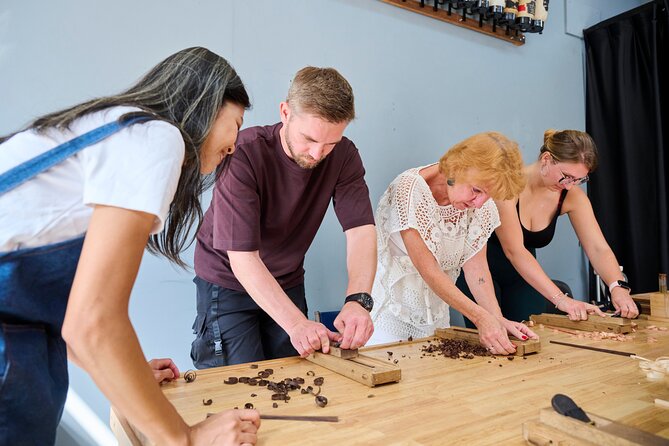
Making chopsticks by hand turns an ordinary souvenir into something you can use every day. In Tokyo’s old craft district of Taito, you shape wood with traditional tools, smooth it carefully, and leave with a pair made by your own hands.
I especially like the small-group setting, limited to 10 people, and the patient help from instructors such as Yuki, Angie, Chihiro, and Victoria. I also like that you can choose your wood and add engraving, including a name or gift message. The main caution is timing: one hour is enough for most people, but the workshop can feel rushed when several groups start at different times.
In This Review
- Key points to know before you book
- A quiet craft hour in Taito
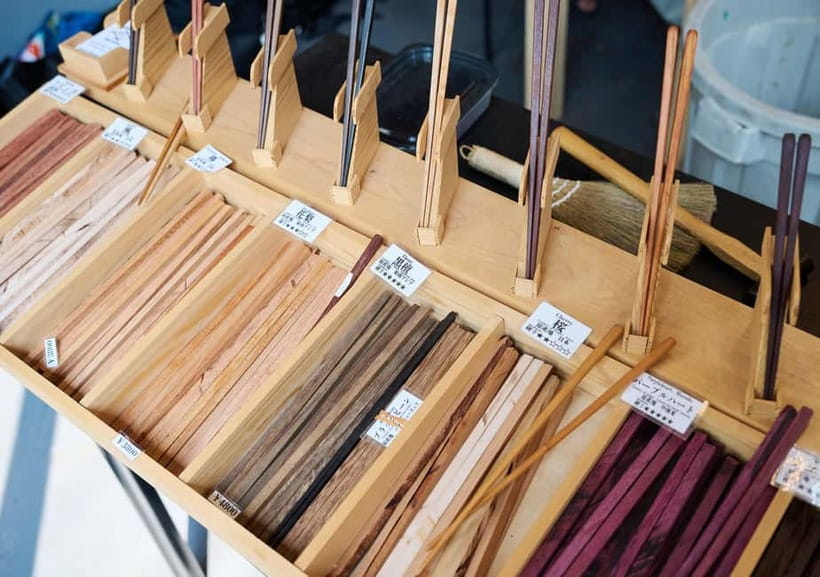
- Choosing the wood for your pair
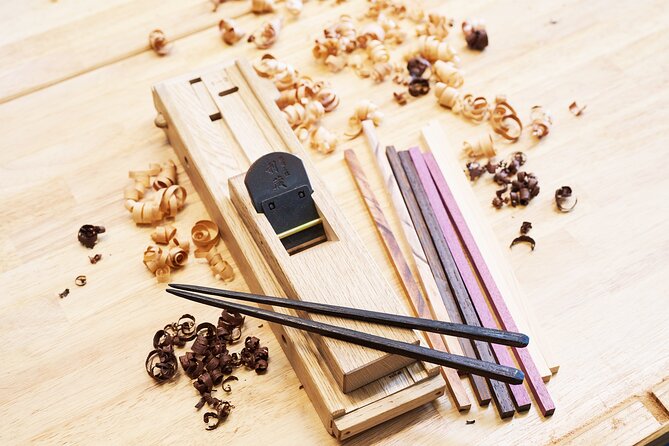
- Shaping the chopsticks with traditional tools
- Why chopsticks carry more meaning than a souvenir
- Sanding and finishing your handmade pair
- Optional engraving for a more personal gift
- Is $16 good value in Tokyo?
- Who will enjoy this workshop most?
- Practical details for planning your visit
- Should you book the chopstick workshop?
- FAQ
- Where does the chopstick workshop take place?
- How long does the activity last?
- How much does the workshop cost?
- Can I choose the type of wood?
- Are tools and materials provided?
- Can I have the chopsticks engraved?
- Is the workshop available in English?
- Is the workshop wheelchair accessible?
Key points to know before you book
- You make the chopsticks yourself: Shape, shave, sand, and finish the wood with guidance from the workshop team.
- You can choose your material: Three wood types are included, with more than 10 choices available if you pay extra for higher-grade options.
- The finished gift is ready the same day: Take home personalized chopsticks, wrapped for use or giving.
- English help is available: Staff members speak English and Japanese, and visitors regularly praise the clear instructions.
- The workshop suits beginners and families: The process is simple enough for first-timers, including children from age 8 according to the supplied experience details.
- Plan for a brisk hour: Engraving costs extra, and adding it may require additional time after the main work.
A quiet craft hour in Taito
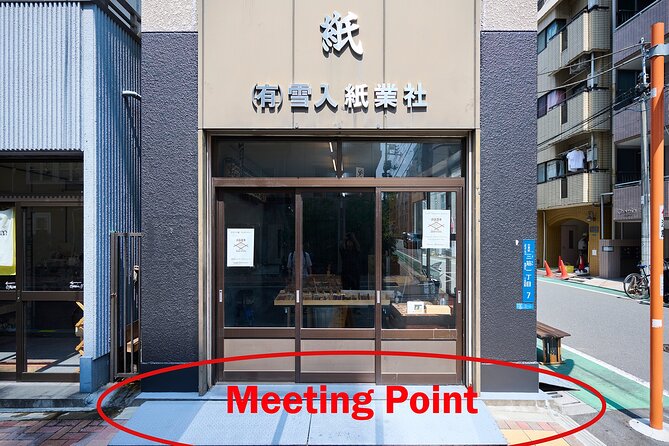
Hashiyuki Chopsticks Shop & Workshop sits at 1-7-1 Misuji in Taito-ku, Tokyo. The meeting point is also identified by the Japanese name 雪入紙業社, or Yukiirishigyosya, so keep both names handy when finding the address.
This part of Tokyo gives the activity a fitting setting. You are not simply buying a pair of chopsticks in a department store. You are entering a neighborhood associated with traditional making, then working with an artisan on an everyday Japanese object.
The workshop lasts one hour. That is short enough to fit between sightseeing plans, but long enough to give you a real task rather than a quick demonstration. I see it as a useful change of pace after temples, shops, and crowded stations. One visitor described the session as calming, and that makes sense: the work asks you to slow down and pay attention to the shape of the wood.
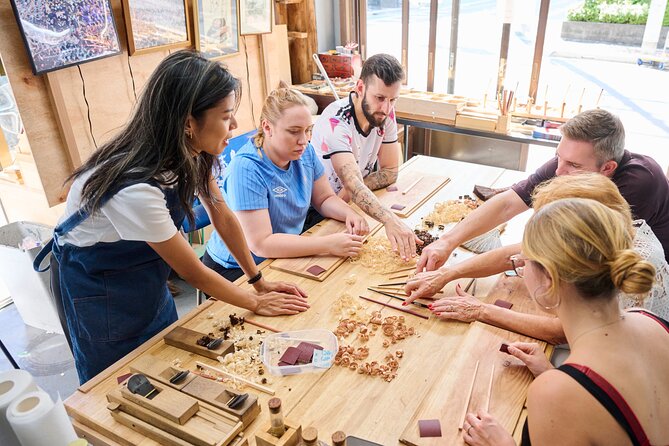
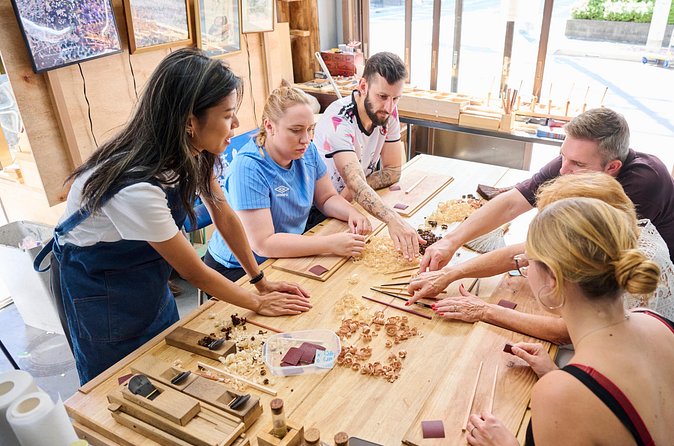
The group is capped at 10 people. That matters because handwork requires close instruction. You may need someone to show you how much wood to remove, how to hold a tool, or how to correct an uneven edge. A small group gives the staff a better chance to keep an eye on your progress.
Still, the room can feel busy when people arrive at different times. There may be only two staff members helping a full group, and one detailed account found the hour a little tight. If you like to work slowly, treat the session as a focused introduction rather than a long craft class.
A few more Tokyo bookings worth comparing
- Sushi Making Tokyo Roll and Authentic Japanese Sushi Class
★ 5.0 · 3,971 reviews - Tokyo: Roll and Authentic Sushi Making Class in Asakusa
★ 4.9 · 1,957 reviews - Tokyo Shinjuku Chopsticks Making Class
★ 5.0 · 1,763 reviews
Choosing the wood for your pair
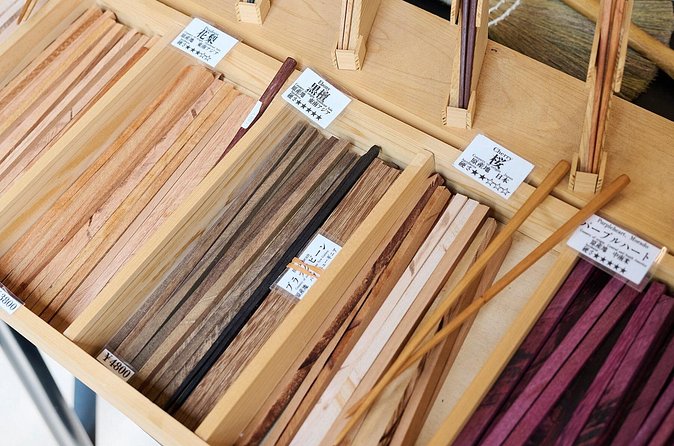
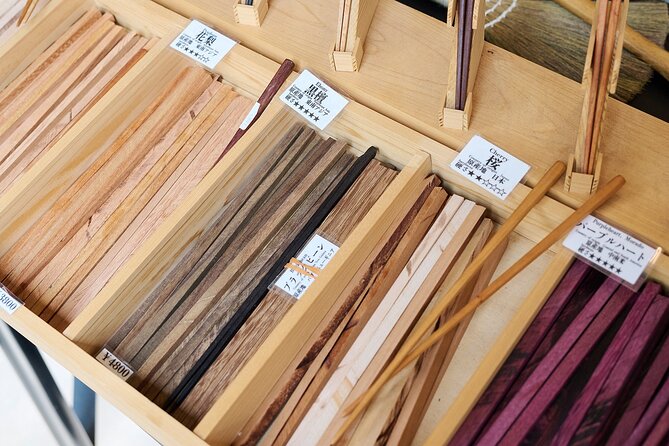
The first important choice is your material. Three types of wood are included in the basic price, while the workshop offers more than 10 types in total. Higher-grade woods cost extra, so ask about the prices before choosing an upgraded option.
This choice gives the experience more character than a standard paint-your-own souvenir activity. Different woods can vary in color, grain, feel, and appearance. You are selecting the starting point for an object that will sit in your hand and be used at home.
The staff explain the differences between the wood types. José specifically appreciated the explanation of the wood as well as the shaving and sanding instructions. That guidance helps you make a choice based on more than appearance.
At $16 per person, the included wood provides good value. You get a one-hour activity, instruction, tools, materials, and a finished pair to take home. The price is especially fair for someone who wants an activity and a useful souvenir in one purchase.
The extra-cost wood choices are optional, not required. I would start with the included selection unless you already care about a particular type of wood. The basic version keeps the price low, while the premium choices let you personalize the project further.
Shaping the chopsticks with traditional tools
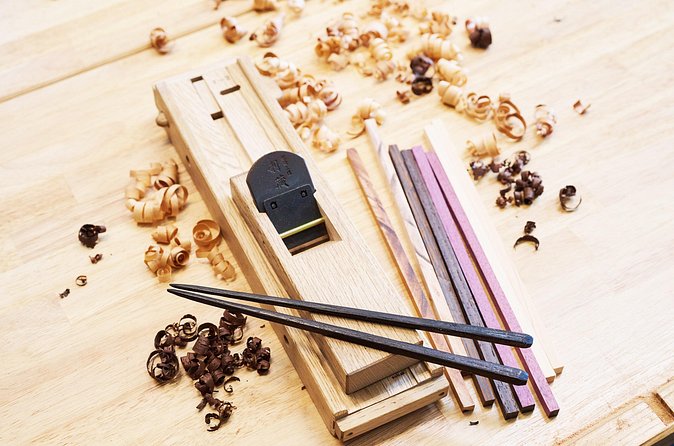
Once you select your wood, the hands-on work begins. You learn how to shape the blanks, remove material, and work toward the long, narrow form of chopsticks. The process includes shaving and sanding, with staff close by to show you the right technique.
This is where the activity earns its place on a Tokyo itinerary. You are not pressing a button or watching someone else make the item. Your pair will show small differences in shape and finish, and that is part of the point.
The instructors keep the process accessible. The directions are described as simple and straightforward, and staff help repair mistakes if you remove too much wood or create an uneven section. That safety net makes the activity friendly for beginners.
You should still expect a little concentration. One participant called the work challenging and creative, while another said it was difficult enough to be fun without becoming stressful. That is a useful description. You have a genuine task, but you do not need specialist woodworking skills.
Families can take part together. A family group ranging from age 8 to 42 enjoyed the activity, with Yuki and Victoria offering patient help. Younger children may need more direct supervision, but the workshop is designed for participation rather than observation.
The main practical issue is pace. Some people finish in about 30 minutes, while others use the full hour. If you are careful with sanding or want a more polished result, you will likely appreciate every minute. Follow the instructor’s steps closely, especially when shaping the pair so the two chopsticks remain balanced.
Why chopsticks carry more meaning than a souvenir
The class also explains the cultural significance of chopsticks in Japan. That context gives the object a place in daily life and tradition, rather than treating it as a decorative item with a Japanese label attached.
Chopsticks are familiar to anyone who has eaten Japanese food, but making them helps you notice details you might normally ignore. Length, smoothness, balance, and the feel of the tips all affect how a pair works.
That connection between craft and daily use is one of the strongest parts of the session. You leave with something that can sit in a drawer and be used at home, not just something that collects dust. You also have a story to tell when someone asks where it came from.
The instruction is available in English and Japanese. English-speaking staff explain the techniques and answer questions, which makes the activity practical for international visitors. The warm approach of instructors named in the experience, including Angie, Chihiro, Yuki, Tomo, and Anthony, is a recurring strength. Their role is not just to give a first demonstration. They guide you when your shape needs correcting and help you get the result you want.
Same corner of Tokyo, a completely different plan:
- Mt Fuji and Hakone 1-Day Bus Tour Return by Bullet Train
★ 5.0 · 26,383 reviews - 1-Day Tokyo Bus Tour
★ 5.0 · 14,250 reviews - Tokyo: TOKYO SKYTREE® Admission ticket
★ 4.5 · 11,192 reviews - Tokyo: teamLab Planets TOKYO Digital Art Museum Entry Ticket
★ 4.6 · 9,779 reviews
Sanding and finishing your handmade pair
Sanding is where the chopsticks begin to feel finished. You smooth the surface and refine the shape, turning rough work into something comfortable to hold. This stage rewards patience more than speed.
I would not rush the sanding even if you finish the basic shape early. A pair may look complete from a distance while still needing attention along the edges or surface. Staff can point out areas that need more work and help you avoid leaving a rough spot.
The session is suitable for solo visitors, couples, friends, and families. A solo maker can focus on the craft and chat with the staff, while a group can compare wood choices and shapes. The small room and limited group size help keep the mood personal.
The experience also works well as a morning activity. One couple booked a 9 a.m. session and found the staff accommodating even with only two participants present. If you choose an early time, note that the process may still feel brisk if the workshop fills up or groups begin at different times.
When your pair is finished, the chopsticks are wrapped beautifully. That final presentation makes the item ready to use or give as a gift. You do not need to arrange separate packaging before putting it in your luggage.
Optional engraving for a more personal gift
Engraving is an extra service, and one detailed account recommended spending an additional ¥1,000 for it. The engraving was described as beautifully done, and names were used to make gifts for friends and partners.
This option changes the souvenir from handmade to clearly personal. A name, depending on the engraving choices available at the shop, can make the pair feel intended for one particular person. It is a good add-on if you are making the chopsticks as a birthday gift, couple’s keepsake, or present for someone at home.
Because the workshop is scheduled for one hour, ask about engraving timing before you begin. The carving and sanding already use most of the session for some people. If you want the extra finish, leave room in your plan rather than scheduling a tight appointment immediately afterward.
The supplied experience information confirms that engraving is an extra charge through the workshop experience details, but it does not specify every design option. Ask the staff what can be added on the day and what the final price will be.
Is $16 good value in Tokyo?
At $16, this is one of the more affordable hands-on cultural activities you can add to a Tokyo visit. The price includes the workshop, tools, materials, a personalized pair of chopsticks, and instruction in English or Japanese.
The value comes from combining three things: a short lesson, a creative activity, and a practical souvenir. Buying attractive chopsticks elsewhere may take less time, but it will not give you the memory of shaping them yourself.
Your final cost can rise if you select high-grade wood or engraving. That is not a problem as long as you treat those options as upgrades rather than part of the base price. The basic package remains the sensible choice for budget-minded visitors.
The experience also has value for people who do not want another major attraction. You can spend an hour making something, learn a little about Japanese craft, and return to sightseeing with a useful object in your bag.
Who will enjoy this workshop most?
I would recommend it to first-time craft participants who want clear instruction and a finished result. The staff are used to helping people correct mistakes, so you do not need previous woodworking experience.
It is a strong pick for families. The activity held the attention of a group with ages 8 through 42, and the staff were praised for their patience and kindness. Adults should remain involved with younger children, especially during tool work.
Couples and friends can make matching or contrasting pairs. You can compare woods, help each other spot uneven sections, and add engraving for a more deliberate gift.
Solo visitors also fit comfortably into the format. The staff have time to talk, and one visitor received Tokyo tips from Angie and Chihiro during the session. Another instructor, Yuki, even gave a ramen recommendation, which shows how the class can become a useful point of local conversation.
This may not suit you if you want a slow, open-ended craft lesson. The one-hour limit is real, and a full group can make the room feel hurried. People who prefer to take their time should choose a schedule with space afterward and avoid treating the workshop as a leisurely half-day activity.
The venue is wheelchair accessible, which makes it easier for more people to consider. Group size is limited to 10, and the available teaching languages are English and Japanese.
Practical details for planning your visit
The address is Hashiyuki Chopsticks Shop & Workshop, 1-7-1 Misuji, Taito-ku, Tokyo. The Japanese sign is 雪入紙業社, Yukiirishigyosya. The coordinates are 35.7032168, 139.7853879.
Check the exact starting time when booking because the one-hour session has set availability. The activity provider offers free cancellation up to 24 hours before the start time, and you can reserve now and pay later. Those terms are useful if your Tokyo schedule is still moving around.
Bring a little patience rather than special equipment. All tools and materials are supplied. Wear something you can work comfortably in, and keep your attention on the instructor when learning how to shave and sand the wood.
The overall rating is 4.8 from 122 reviews, with the strongest praise focused on friendly staff, clear instruction, the relaxing pace for most participants, and the quality of the finished chopsticks. Those are the points I would value most when choosing a short activity in Tokyo.
Should you book the chopstick workshop?
Book it if you want a low-cost, personal souvenir and a quiet hour of making rather than another sightseeing stop. The patient English-speaking instruction and small group size make it approachable, while the choice of wood and optional engraving give you room to create something that feels like your own.
I would be more cautious if you dislike time limits or want a long, detailed woodworking lesson. The hour can feel compressed when the group is full, so plan around it and do not add an immediate appointment afterward.
For most people, the basic $16 option is enough. Add premium wood or ¥1,000 engraving only if the extra personal touch matters to you. If you want to return from Japan with a useful gift, a story, and evidence of your own effort, this is an easy experience to recommend.
FAQ
Where does the chopstick workshop take place?
The workshop takes place at Hashiyuki Chopsticks Shop & Workshop, 1-7-1 Misuji, Taito-ku, Tokyo. The meeting point is also identified as 雪入紙業社, or Yukiirishigyosya.
How long does the activity last?
The workshop lasts one hour. Starting times vary, so check availability when booking.
How much does the workshop cost?
The listed price is $16 per person. Three wood types are included, while higher-grade wood choices cost extra.
Can I choose the type of wood?
Yes. You can choose from more than 10 types of wood. Three types are included at no extra charge, and other higher-grade options require an additional fee.
Are tools and materials provided?
Yes. The workshop provides all tools and materials needed to make your chopsticks.
Can I have the chopsticks engraved?
Yes, engraving is available for an additional fee. One supplied experience detail identifies the cost as ¥1,000, though you should confirm the available engraving options and final charge at the workshop.
Is the workshop available in English?
Yes. Instruction is offered in English and Japanese, and English-speaking staff are available.
Is the workshop wheelchair accessible?
Yes. The activity is listed as wheelchair accessible.
New on our Tokyo list
- From Tokyo: Mount Fuji & Hakone Full Day Private Tour★ 4.9 · 25 reviews
- Tokyo Spectacular View Day-Cruise in 90 Minutes★ 5.0 · 25 reviews
- Real Tokyo Runner Club : Daikoku Car Meet Night Tour with JDM Car★ 5.0 · 25 reviews
- 2.5 Hour-Guided Cycle Tour in the Central Tokyo★ 5.0 · 25 reviews
- Ramen Making from Scratch +Akihabara Tour –Cooking Class★ 5.0 · 25 reviews
- [Self-Drive] Tokyo & Daikoku Custom Car Driving Tour★ 4.9 · 25 reviews
- Tokyo: 2-Hour Night Bike Tour of the City’s Hidden Gems★ 4.9 · 25 reviews
- Samurai themed Entertainment show in Shinjuku★ 4.5 · 25 reviews
Workshops, compared.
Sushi Making Tokyo Roll and Authentic Japanese Sushi Class
Read our review →
Roll and Authentic Sushi Making Class in Asakusa
Read our review →
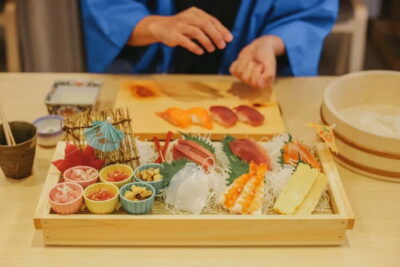
Sushi Making Class in a Happi Coat near a Famous Spot
Read our review →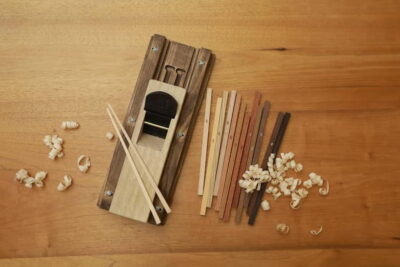
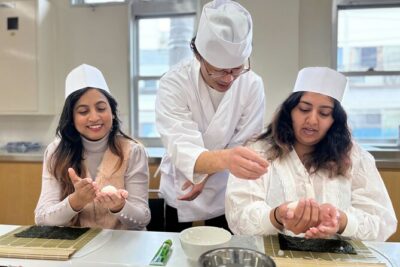
Tokyo Sushi Making Class in Tsukiji with Professional Chef
Read our review →
Ramen & Gyoza Cooking Class in Tokyo with Local Supermarket Visit
Read our review →
Matcha Making Class in Tokyo with Authentic Japanese Sweets Set
Read our review →Browse the lists this tour appears in