
Reviewed · WORKSHOPS
Tokyo: Chopstick-Making Workshop
Making chopsticks is a simple craft, but the hand plane and warm wood turn this into more than a quick souvenir stop. You choose the wood and length, carve each stick, smooth it with sandpaper, oil the surface, and can add your name in Japanese or English.
I like the choice of materials, since the grain and color make every pair different. I also like the calm pace and friendly instruction from staff such as Koji, Masa, Mimi, Lucy, and Shu. At about $6 per person, it is one of Tokyo’s easiest low-cost hands-on activities.
The main drawback is finding the entrance in the Shinjuku West Square Building. One person also found the workshop crowded at times, and some of the more unusual woods cost extra. Give yourself a little time to locate the 10th-floor venue.
In This Review
- Key points to know before you book
- Why a chopstick workshop works so well in Tokyo
- Choosing wood, color, grain, and length
- Using the hand plane to shape your chopsticks
- Sanding the edges for a comfortable finish
- Natural oil and optional engraving
- English-speaking instruction that keeps beginners comfortable
- The location in Shinjuku and how to find it
- Is $6 a good value for one hour?
- Who should book this chopstick-making class?
- Booking, cancellation, and timing tips
- Should you book the Tokyo chopstick-making workshop?
- FAQ
- Where does the chopstick-making workshop take place?
- How long does the activity last?
- How much does the workshop cost?
- Is the workshop suitable for beginners?
- Is the workshop available in English?
- Can I choose my chopstick wood?
- Can I choose the chopstick length?
- Can I engrave my name on the chopsticks?
- Is the activity wheelchair accessible?
Key points to know before you book
- You shape real wood by hand: Use a hand plane, then sand and oil your chopsticks.
- You choose the look: Pick from several wood types, with different colors, grains, and textures.
- You choose the length: Short and long options let you make a pair that feels right in your hand.
- You can add a personal mark: Optional engraving is available in Japanese, English, or another native language.
- Beginners get close help: English-speaking staff guide you through each stage, including corrections if you make a mistake.
- It is a strong value: The one-hour activity costs about $6, and you leave with a useful souvenir you made yourself.
Why a chopstick workshop works so well in Tokyo
Tokyo offers plenty of polished attractions, but a short craft class can give you a welcome change of pace. Here, you are not only looking at a Japanese object in a shop. You are handling the wood, deciding how it should feel, and taking part in the basic steps that turn a plain piece into something useful.
The process is accessible. You do not need woodworking experience, artistic talent, or Japanese language skills. The staff explain the technique in English and remain nearby to help. Koji, Masa, Mimi, Lucy, Shu, Jen, Kiwa, and other instructors are specifically praised for patient, clear guidance, so you can expect a supportive class rather than a test of your craft skills.
I particularly like the scale of the project. A pair of chopsticks is small enough to finish in an hour, yet personal enough to feel like more than a factory-made trinket. You can use the finished pair at home, give it as a gift, or keep it as a reminder of your time in Tokyo.
The activity also suits a wide range of ages. A nine-year-old was able to follow the steps, and the class has been described as a good fit for families, couples, groups, and solo participants. If you are traveling alone, the shared work tables give you a gentle social setting without requiring you to join a full-day group tour.
A few more Tokyo bookings worth comparing
- Sushi Making Tokyo Roll and Authentic Japanese Sushi Class
★ 5.0 · 3,971 reviews - Tokyo: Roll and Authentic Sushi Making Class in Asakusa
★ 4.9 · 1,957 reviews - Tokyo Shinjuku Chopsticks Making Class
★ 5.0 · 1,763 reviews
Choosing wood, color, grain, and length
The first meaningful decision is the wood. You can compare several kinds, each with its own color, grain, and character. The available selection includes around seven types, with the first two included in the basic price and some more unusual choices costing extra.
This is where the workshop feels more personal than a standard souvenir purchase. A pale, fine-grained pair will look and feel different from a darker or more strongly colored pair. One particularly unusual option described in the workshop selection is a purple-toned wood, which can make the final result more distinctive.
Take a moment before choosing. Hold the pieces if the staff permit it, compare the surface, and think about the final shape rather than simply picking the brightest color. The wood will be sanded and coated with oil, so its grain should become more attractive as you work.
You also select the chopstick length. Shorter sticks may feel more manageable for smaller hands, while longer ones may suit you if that is what you normally use. The important point is that you are not limited to one standard size. You can create a pair that fits your hand and eating habits better than a generic souvenir pair.
If you want a particular premium wood, ask about the extra charge before you begin. The basic activity is very inexpensive, but the final price can rise if you choose one of the paid materials.
Using the hand plane to shape your chopsticks
Once you have selected your material and length, you place the chopsticks on a stand. The staff show you how to use a hand plane to remove wood and bring the pieces toward their final shape.
This is the most hands-on part of the class. You work slowly, feeling the resistance of the wood and watching the surface change. The tool does the heavy work, but your pressure and angle still matter. That makes the task satisfying without making it too difficult.
You should follow the instructor’s pace at first. Masa, Koji, and the other English-speaking staff can show you how much material to remove and where to pay attention. The goal is not to rush toward a perfect factory finish. Small differences in the two sticks are part of the handmade character.
If you make a mistake, do not panic. One participant was allowed to start another chopstick after an error, and another ended up with a bonus third stick that became a special piece. That does not mean every mistake automatically comes with extra material, but it does show that the staff aim to help you finish with something you are happy to take home.
The carving stage can be especially pleasant after a full day of sightseeing. Instead of hurrying through another attraction, you sit down and repeat a simple physical action. The class has been described as calming and meditative, which makes sense once you settle into the steady rhythm of shaping the wood.
Sanding the edges for a comfortable finish
After the rough shaping, you use sandpaper to smooth the surface and round off the edges. This step matters more than it first appears. Chopsticks are meant to rest in your fingers and touch your mouth, so a rough edge or sharp corner would quickly become annoying.
You decide how smooth you want the surface, while the staff help you check the result. Spend extra time on the ends and any area that feels uneven. Sanding is not dramatic, but it is where the pair begins to feel like a finished utensil rather than two pieces of shaped wood.
The workshop gives you room to make small adjustments. If your pair is already looking good, you can finish fairly quickly. If you want a smoother or more rounded result, you can keep working. Some people finish ahead of the hour and use the extra time to add a pattern or focus on decoration.
One limitation is worth knowing. The standard setup includes engraving, but it may not include specialized knives for carving detailed patterns. Someone who wanted to create a custom design found that the workshop did not have the exact carving knives requested, though staff offered other knives and scissors to help with a pattern. If decoration is your main goal, ask what tools are available before you start.
Same corner of Tokyo, a completely different plan:
- Mt Fuji and Hakone 1-Day Bus Tour Return by Bullet Train
★ 5.0 · 26,383 reviews - 1-Day Tokyo Bus Tour
★ 5.0 · 14,250 reviews - Tokyo: TOKYO SKYTREE® Admission ticket
★ 4.5 · 11,192 reviews - Tokyo: teamLab Planets TOKYO Digital Art Museum Entry Ticket
★ 4.6 · 9,779 reviews
Natural oil and optional engraving
The final standard step is applying natural oil. This protects the wood and brings out a soft, polished look. It also helps reveal the grain and color you selected at the beginning, so the finishing stage gives you a better sense of the material’s character.
The oil is a small detail, but it makes the souvenir feel complete. You have chosen the wood, shaped it, smoothed it, and now given it a protective finish. I like that the activity ends with a useful object rather than only a craft demonstration.
You can also add an engraved name in Japanese, English, or your native language. Japanese characters make a popular choice, but you are not restricted to them. On sufficiently light wood, the workshop may also be able to engrave images, which gives you more room for a personal design.
Engraving is optional, so ask about any extra charge or design limits before committing. The supplied information confirms the option, but not a fixed price for it. If you want your name in Japanese, have the spelling ready and check the characters before the engraving is made.
The result is still a modest souvenir. Do not expect a museum-quality piece of fine woodworking after one hour. What you get is more meaningful for a different reason: you made the decisions and performed the basic work yourself.
English-speaking instruction that keeps beginners comfortable
The quality of the guidance is central to this activity. The tools are simple, but a short demonstration makes the process safer and helps you avoid removing too much wood too quickly.
The staff speak English and are available throughout the session. Instructors named in the feedback include Koji, Masa, Mimi, Lucy, Shu, Jen, Kiwa, Yuki, Karen, Fu, Arma, Kazuki, Ken, Tom, and others. Their individual styles may differ, but the consistent practical point is that you should have help nearby when you need it.
Mimi is described as attentive and clear. Koji is repeatedly singled out for staying with participants through each step. Masa is noted for explaining the process in a straightforward way, while Lucy is praised for patience and encouragement. Jen is also described as friendly and easy to understand, including by a Scottish participant concerned about communication.
You can ask questions as you work. Staff may also offer suggestions about food and places to visit, which is a pleasant extra if you are deciding what to do after the class. The workshop includes Japanese participants as well as people from abroad, so it can feel like a shared local activity rather than a room reserved only for international visitors.
The location in Shinjuku and how to find it
The meeting point is the Shinjuku West Square Building, 10th floor. The listed coordinates are 35.6959774, 139.6984349, and the venue is in Honshu, in the Shinjuku area of Tokyo.
The building entrance deserves attention. One participant found it hard to locate, so do not assume that reaching the building means you have found the workshop. Check the building name, look for the correct entrance, and allow a few extra minutes before your starting time.
Transportation to the venue is not included. You make your own way there, and meals are not part of the activity. Since the workshop lasts only one hour, it is easy to fit around Shinjuku sightseeing, shopping, a meal, or an evening plan.
This is also a useful rainy-day option. The work takes place indoors, and the short format means you can add it without rebuilding your entire day. The venue is listed as wheelchair accessible, which can make this a practical choice for visitors who need an accessible activity, though you may still want to confirm the building route when booking.
Is $6 a good value for one hour?
At around $6 per person, this is unusually inexpensive for an organized Tokyo activity. The price covers the wood selection, carving and shaping, sanding, smoothing, and natural oil finish. You also take home the pair you made, which gives the cost more weight than a short demonstration where you leave empty-handed.
The value is strongest if you care about the process. If you only want the cheapest pair of chopsticks, a store will be faster. If you want a personal souvenir and a quiet hour using your hands, this workshop offers far more for the money.
Keep two possible extras in mind. Some of the more unusual woods require an additional payment, and engraving may also be optional rather than part of the base price. Ask before selecting premium material or a special design so the final bill does not surprise you.
The workshop can also stretch beyond the stated hour when there is time. One participant was allowed to continue longer, but you should not rely on an extended session if you have a train, dinner reservation, or another fixed appointment immediately afterward.
Who should book this chopstick-making class?
I would recommend it most strongly to:
- Families looking for a simple activity that children can follow
- Couples who want matching or personalized souvenirs
- Solo visitors who prefer a small creative class to a large guided tour
- First-time visitors who want a physical connection to Japanese daily culture
- Anyone needing a short indoor activity in Shinjuku
- People who enjoy wood, craft, and small practical objects
You should think twice if you dislike repetitive handwork or want a highly technical woodworking lesson. This is beginner-friendly and deliberately simple. The reward comes from choosing, shaping, and finishing your own pair, not from mastering advanced joinery or traditional lacquer techniques.
It is also less ideal if your schedule is extremely tight. The class itself is one hour, but you need to find the entrance and travel to the building independently. Add time for choosing wood and any optional engraving, especially if you want to browse rather than rush.
Booking, cancellation, and timing tips
Starting times vary, so check availability for the date you want. The activity allows cancellation up to 24 hours in advance for a full refund, and you can reserve now and pay later, which helps if your Tokyo plans are still shifting.
I would book ahead if you have a narrow window, especially if you want to attend with family or a larger group. The class has attracted many participants, and the room can feel busy at popular times.
Wear something that lets you work comfortably at a table. The activity is not presented as strenuous, but you will be handling a plane, sandpaper, and wood for much of the session. Listen closely during the first demonstration, then take your time.
Most of all, do not judge your pair too early. The rough sticks may look plain after carving, then improve greatly after sanding and oiling. Let the process work.
Should you book the Tokyo chopstick-making workshop?
Yes, if you want an affordable, personal souvenir and a calm hour away from Tokyo’s faster pace. The activity is easy for beginners, suitable for children and adults, supported by English-speaking staff, and priced low enough to add without much financial risk.
I would choose a standard wood if I wanted to keep the cost near $6, then spend time on careful sanding and add engraving only if the design matters to me. Choose a premium wood if color and grain are more important than the base price.
This will not replace a full craft apprenticeship, and the entrance can be difficult to spot. But for a short Shinjuku activity, the combination of handwork, friendly help, and a useful souvenir is hard to beat. Book it when you want to make something rather than simply buy another thing.
FAQ
Where does the chopstick-making workshop take place?
It takes place at the Shinjuku West Square Building on the 10th floor in Tokyo. The listed coordinates are 35.6959774, 139.6984349.
How long does the activity last?
The scheduled duration is one hour. Some participants have been allowed extra time when needed, but you should plan around the official one-hour duration.
How much does the workshop cost?
The listed price is $6 per person. Some wood types cost extra, and optional engraving may have an additional charge.
Is the workshop suitable for beginners?
Yes. The activity is specifically suitable for beginners, and English-speaking staff assist you through the carving, sanding, and finishing steps.
Is the workshop available in English?
Yes. The live guide and workshop staff speak English.
Can I choose my chopstick wood?
Yes. You can select from several kinds of wood with different colors, grains, and textures. Around seven types may be available, with some requiring an additional payment.
Can I choose the chopstick length?
Yes. You can select a short or long length to make a pair that suits your hand.
Can I engrave my name on the chopsticks?
Yes. Optional engraving is available in Japanese or your native language. Light-colored wood may also allow image engraving.
Is the activity wheelchair accessible?
Yes. The activity is listed as wheelchair accessible. Transportation and meals are not included.
New on our Tokyo list
- From Tokyo: Mount Fuji & Hakone Full Day Private Tour★ 4.9 · 25 reviews
- Tokyo Spectacular View Day-Cruise in 90 Minutes★ 5.0 · 25 reviews
- Real Tokyo Runner Club : Daikoku Car Meet Night Tour with JDM Car★ 5.0 · 25 reviews
- 2.5 Hour-Guided Cycle Tour in the Central Tokyo★ 5.0 · 25 reviews
- Tokyo: 2-Hour Night Bike Tour of the City’s Hidden Gems★ 4.9 · 25 reviews
- Ramen Making from Scratch +Akihabara Tour –Cooking Class★ 5.0 · 25 reviews
- [Self-Drive] Tokyo & Daikoku Custom Car Driving Tour★ 4.9 · 25 reviews
- Samurai themed Entertainment show in Shinjuku★ 4.5 · 25 reviews
Workshops, compared.
Sushi Making Tokyo Roll and Authentic Japanese Sushi Class
Read our review →
Roll and Authentic Sushi Making Class in Asakusa
Read our review →
Sushi Making Class in a Happi Coat near a Famous Spot
Read our review →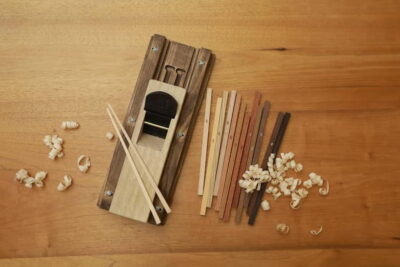
Tokyo Sushi Making Class in Tsukiji with Professional Chef
Read our review →
Ramen & Gyoza Cooking Class in Tokyo with Local Supermarket Visit
Read our review →
Matcha Making Class in Tokyo with Authentic Japanese Sweets Set
Read our review →Browse the lists this tour appears in