
Reviewed · SUMO EXPERIENCES
Tokyo Ginza : Sumo and Mikoshi Experience,Open from Sep.
At this Ginza sumo experience, you are close enough to see the wrestlers’ size, footwork, and ritual gestures clearly. You watch training and demonstrations, learn how winning techniques work, eat a sumo-style meal, then may step into the ring against a retired professional. The finale shifts from wrestling to festival culture, with a chance to help carry a mikoshi, a portable shrine.
I like the mix of food and participation. You are not simply sitting through a performance, and the chanko hot pot gives you a taste of the hearty meal associated with sumo life. I also like the friendly English explanations and the chance to wear a festival-style happi coat. The main drawback is important: general-seat wrestling participation is decided by lottery, so choose Premium or Box seating if taking your turn in the ring matters to you.
In This Review
- Key points at a glance
- What this Ginza sumo experience actually offers
- Finding the basement venue in Ginza
- Watching training before the sumo show
- Eating chanko hot pot or choosing the snack plan
- Learning the rules through a light, social show
- Stepping into the ring with a retired wrestler
- Wearing a happi and carrying the mikoshi
- Is the $97 price good value?
- Who will enjoy this most
- Practical choices before you reserve
- Should you book the Ginza sumo and mikoshi experience?
- FAQ
- Where does the Tokyo Ginza sumo experience begin?
- How close is the venue to public transportation?
- Does the activity end at the meeting point?
- Is sumo wrestling participation guaranteed?
- What food is included?
- Can vegetarian or vegan meals be provided?
- Can the venue provide gluten-free or halal food?
- Is the sumo show a serious professional match?
Key points at a glance
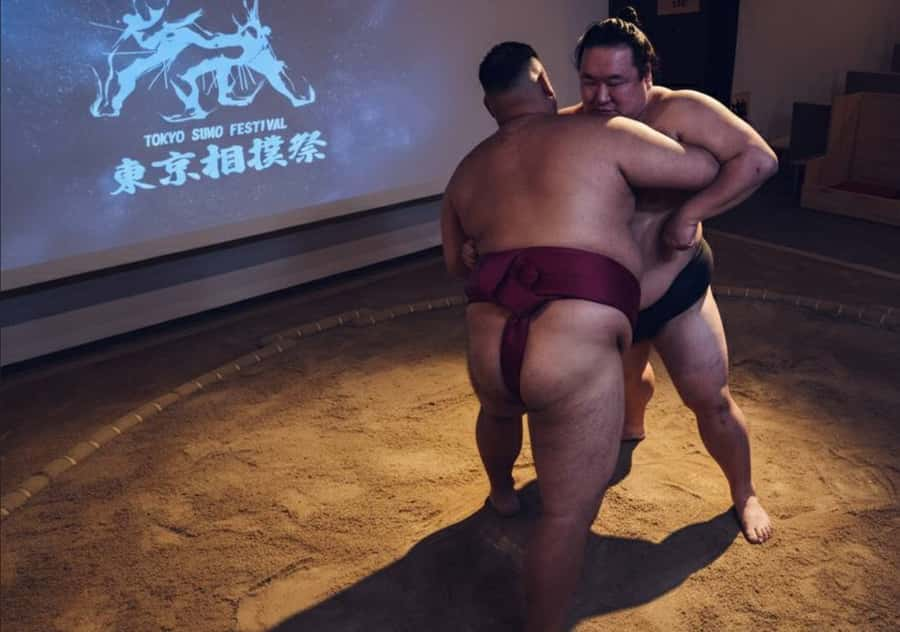
- A retired wrestler may challenge you in the ring: You can learn basic sumo techniques and test your strength against a professional, though general-seat participation is not guaranteed.
- Chanko hot pot connects the meal to sumo life: The included food reflects what wrestlers traditionally eat, while a snack plan is also available.
- The mikoshi session adds a rare festival experience: You help carry a portable shrine, a physical group activity not usually part of a standard Tokyo sightseeing day.
- The show is entertaining rather than serious training: It explains sumo in a way that works for adults and children, but it is not a formal tournament or a quiet morning practice session.
- Ginza access is excellent: The basement venue is a short walk from Yurakucho, Ginza-Itchome, and Ginza stations.
- Food needs planning: Vegetarian and vegan meals are possible with two days’ notice. Gluten-free and halal food cannot be provided.
What this Ginza sumo experience actually offers
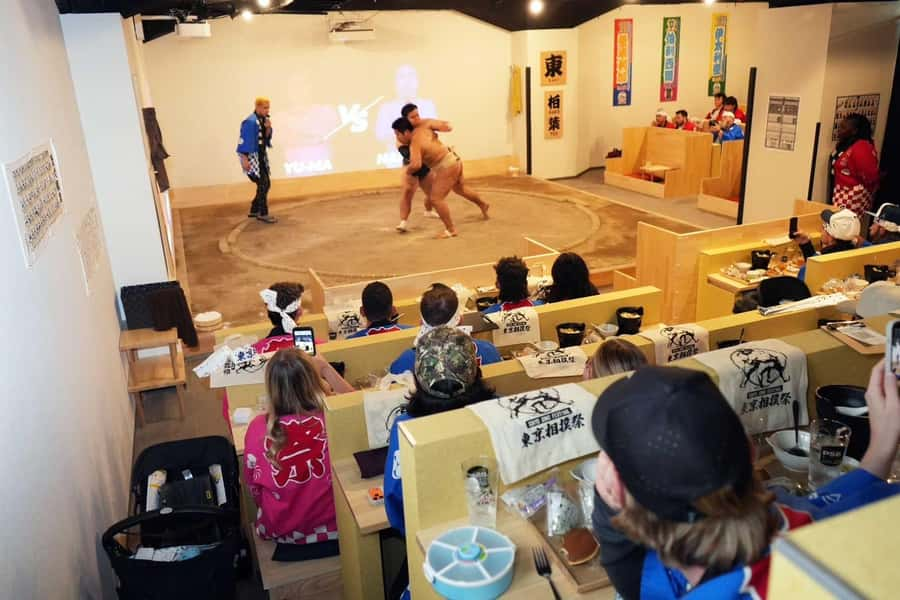
This is built as a cultural show with audience participation, not as a ticket to a professional sumo tournament. You watch morning-style training, see demonstrations, learn about the rules and winning moves, and then take part in activities that bring the subject to life.
That difference matters. If you want the tense silence of a formal match, this is not a replacement for visiting a tournament at Ryogoku Kokugikan. If you want a clear, social introduction to sumo with a chance to get close to the wrestlers, this format is easier and more hands-on.
The staff explain the program in English, and the tone is designed for both children and adults. The information is presented with humor and energy rather than as a formal lecture. That makes the experience approachable, especially if you know little about sumo before arriving.
The facility is in Ginza, one of Tokyo’s best-known shopping and dining districts. You get a distinctly Japanese cultural activity without making a separate trip across the city to Ryogoku.
More sumo mornings:
- Tokyo: Sumo Show Experience with Chicken Hot Pot and a Photo
★ 4.8 · 6,678 reviews - Tokyo: Sumo Show and Dining Experience
★ 4.8 · 2,742 reviews - the SUMO show
★ 5.0 · 1,960 reviews
Finding the basement venue in Ginza
The meeting point is Ginza INZ 1, on the first basement floor at 1 Nishi 3-chome, Ginza, Chuo City. The location is central, but the entrance and basement setting mean you should not leave the search until the last minute.
From JR Yurakucho Station, the walk is about three minutes. From Tokyo Metro Ginza-Itchome Station, it is about two minutes, and Ginza Station is roughly four minutes away. The excellent rail access makes this a practical choice before dinner, shopping, or another central Tokyo activity.
I would use a map app and allow extra time to locate the correct entrance. One late arrival had trouble finding the venue with Google Maps, although the staff waited and helped with entry. That is reassuring, but arriving on time is still the sensible plan.
Because the activity ends where it begins, you can continue into Ginza afterward. The district has plenty of restaurants and shops, and Tokyo Station is also easy to reach.
Watching training before the sumo show
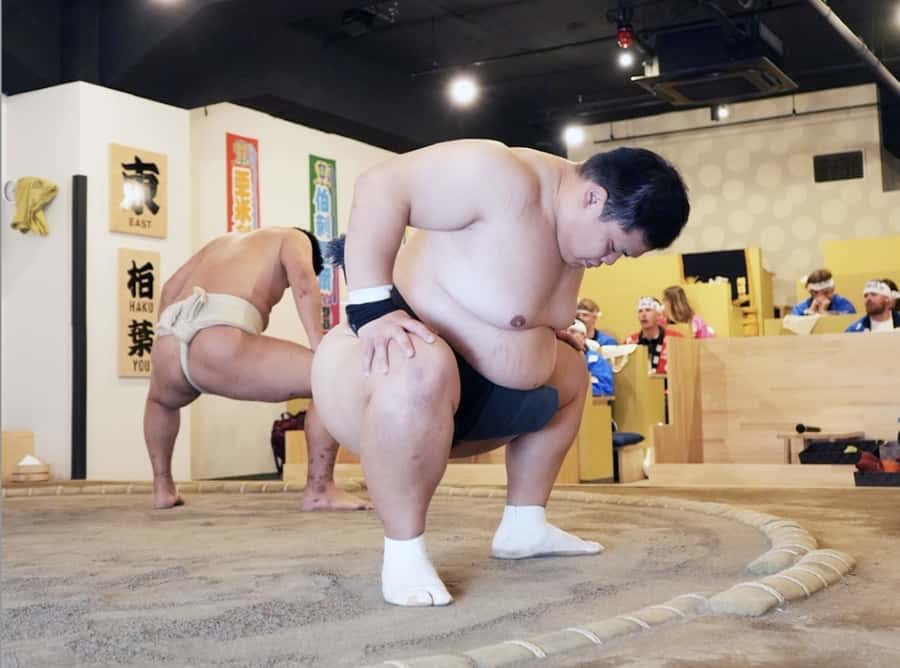
The experience begins with sumo activity at close range. You watch training and demonstrations, then learn how wrestlers use winning techniques. The setting lets you see details that are easy to miss from the distant seats of a large arena, including the physical scale of the wrestlers and the movements used to gain an advantage.
The program is presented as an entertaining show, so you should expect explanations, audience involvement, and comic touches. That style works well for families and first-time viewers. It also helps you understand the basics before you are invited to take part.
Do not confuse this segment with serious professional training or an official match. The organizers clearly frame it as a performance for visitors. That is not a flaw, but it sets the right expectation. You are getting an accessible introduction to sumo culture, not a private look at a wrestler’s normal training routine.
The close setting is one of the strongest parts of the activity. You can see just how demanding the sport is without needing to understand every rule first.
Eating chanko hot pot or choosing the snack plan
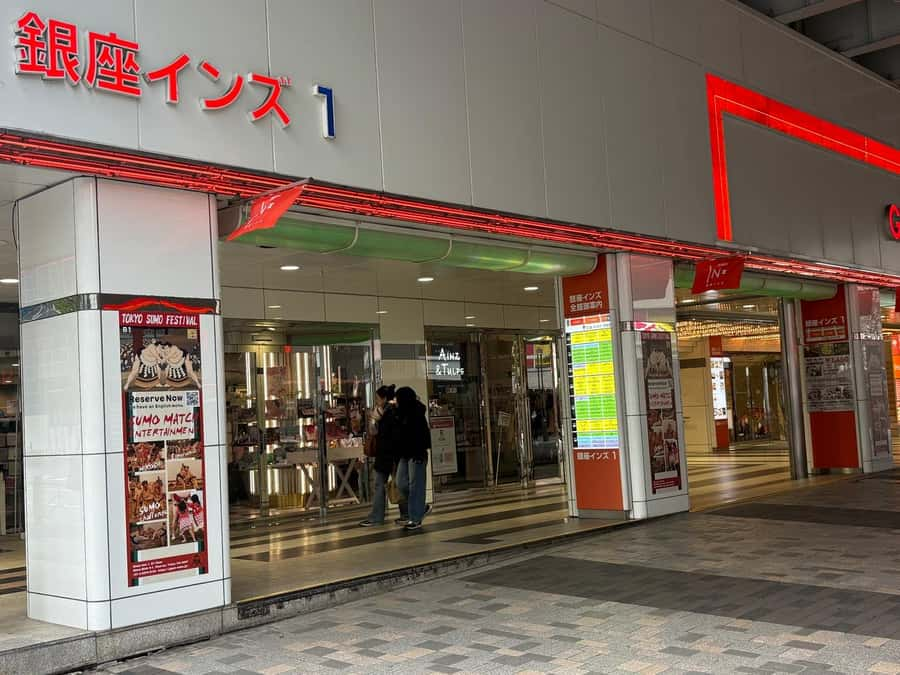
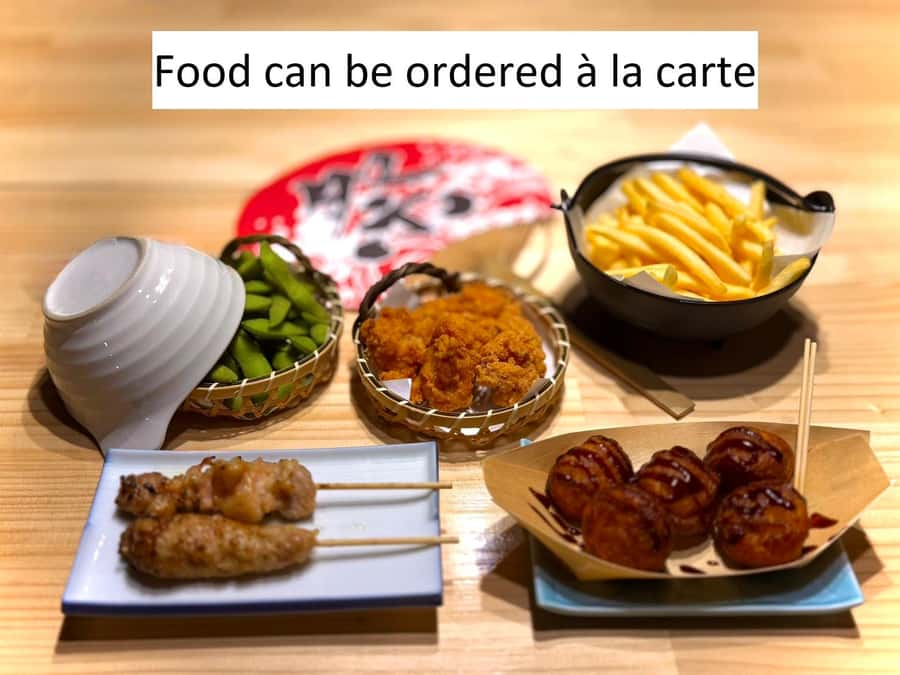
Food is included, with a choice between a chanko hot pot plan and a snack plan. Chanko nabe is strongly associated with sumo wrestlers, so this is more meaningful than an unrelated meal served beside a show. It gives you a direct connection to the daily food culture linked with the sport.
The hot pot is the better choice if you want the most complete food experience. One participant described the meal as delicious and filling, which matches the hearty role chanko plays in sumo culture. The snack plan may suit you if you prefer something lighter or want to focus more on the performance.
You need to tell the operator how many people want the chanko plan and how many want the snack plan through the booking message system. Do this carefully rather than assuming everyone in your party will receive the same option.
Drinks are not included. Vegetarian and vegan meals can be arranged, but you must request them at least two days before the reservation date. Gluten-free and halal meals are not available, although you may bring your own food for those needs.
The food is a real part of the experience, not simply a way to fill time. Still, anyone choosing the snack plan should understand that it may not feel like a full meal.
A few more Tokyo bookings worth comparing
- Mt Fuji and Hakone 1-Day Bus Tour Return by Bullet Train
★ 5.0 · 26,383 reviews - 1-Day Tokyo Bus Tour
★ 5.0 · 14,250 reviews - Tokyo: TOKYO SKYTREE® Admission ticket
★ 4.5 · 11,192 reviews - Tokyo: teamLab Planets TOKYO Digital Art Museum Entry Ticket
★ 4.6 · 9,779 reviews
Learning the rules through a light, social show
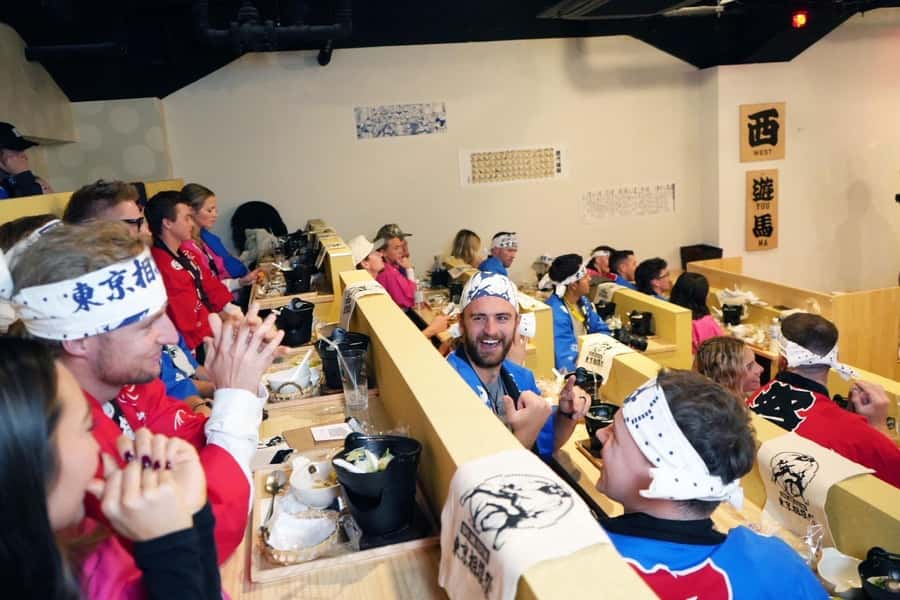
The explanations cover the tradition and rules of sumo in a lively way. You may also learn some Japanese words during the program, with the staff encouraging you to join the action rather than simply watch.
This is useful because sumo can seem mysterious if you only see two large wrestlers collide for a few seconds. The demonstrations show how balance, timing, and technique matter. The show also makes clear that sheer size does not automatically make someone unbeatable.
The friendly tone helps groups with different interests. A serious sumo fan may want more technical detail, while a family or casual visitor may prefer a simple explanation and a laugh. This experience leans toward the second group.
The English support is a practical advantage. The staff explain the activities clearly, so you do not need previous knowledge of Japanese or sumo customs to follow along.
Stepping into the ring with a retired wrestler
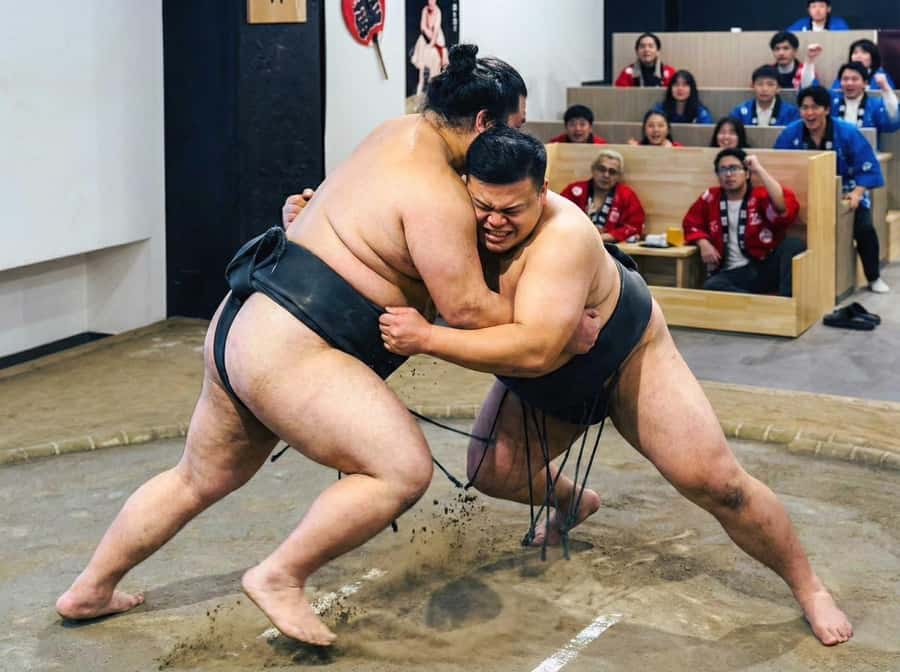
The most memorable part for many people will be the chance to wrestle a retired professional. You learn the basic idea, enter the ring, and try to move someone who has trained in a sport built around strength, balance, and technique.
It is a good lesson in humility. One participant expected personal strength might offer a chance of winning, only to find the attempt completely outmatched. That is the fun of it. The challenge is not presented as a fair athletic contest, and you should not treat it as one.
Participation is limited. If many people want to wrestle, general-seat participants may be selected by lottery. Premium and Box seat holders are guaranteed the opportunity, making the higher-priced seating worth considering if the ring experience is the main reason you are booking.
This is the single most important booking detail. Do not pay for a general seat assuming you will definitely wrestle. You will still receive the show, meal option, and mikoshi activity, but the personal sumo challenge is not certain unless your seating category guarantees it.
The activity is also suitable for people who would rather watch. You can enjoy the demonstrations and cheering without needing to volunteer for the ring.
Wearing a happi and carrying the mikoshi
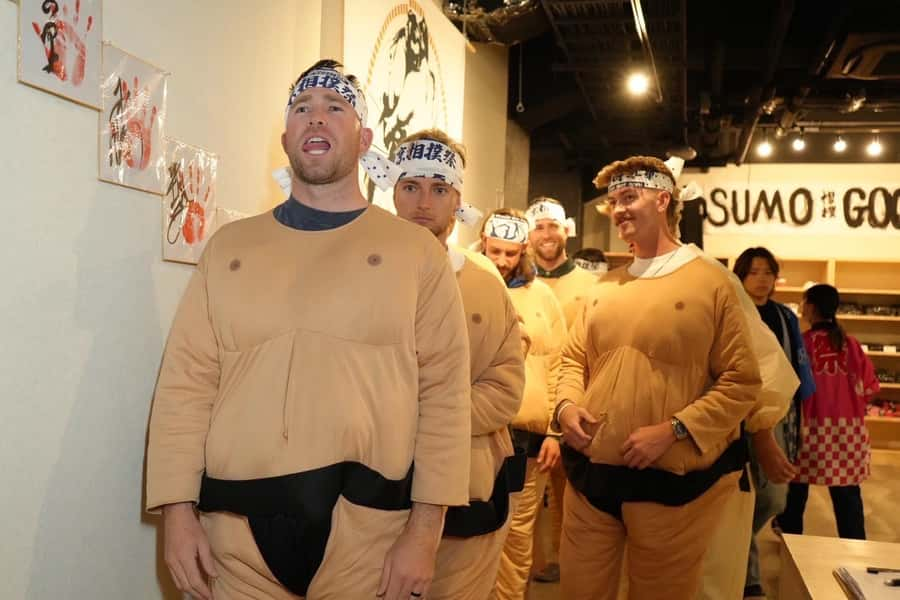
After the sumo portion, the mood shifts toward Japanese festival culture. You may wear a happi, a traditional festival coat, and join a mikoshi activity.
A mikoshi is a portable shrine carried during festivals. Helping lift and carry one gives you a simple physical sense of how festival participation differs from watching a parade from the pavement. It is a group task, so the fun comes from moving together and joining the calls and energy of the room.
This element makes the experience broader than a sumo meal. You get two traditional Japanese themes in one visit: the world of professional wrestling and the communal spirit of a shrine festival.
The mikoshi activity is especially useful if your Tokyo schedule does not include a local festival. It does not recreate an entire neighborhood matsuri, but it gives you a direct way to take part in a festival custom. The combination of costumes, food, shouting, and movement also works well for families and groups of friends.
Wheelchair seating is limited, so contact the operator when booking if you need an accessible place. Do not wait until arrival, since the venue has only a small number of suitable seats.
Is the $97 price good value?
At $97 per person, this is not a cheap meal with background entertainment. You are paying for a bundled cultural activity: sumo demonstrations, explanations in English, food, the mikoshi session, a possible ring challenge, and a souvenir.
I think the value is strongest if you take part. The chance to get close to retired wrestlers, try sumo, and carry a portable shrine gives the visit more substance than a performance you only watch from your seat.
The value is also better for visitors with limited time in Tokyo. The Ginza location is easy to reach, and you can combine the activity with shopping or dinner nearby. You do not need to spend part of the day crossing the city for a cultural program.
Premium or Box seating may be worth the extra cost if the ring challenge is essential to you, though the exact price difference is not provided here. General seating keeps the base price lower, but you must accept the lottery condition.
If your main goal is to attend an official professional sumo tournament, save your money for tournament tickets instead. If your goal is to understand sumo, eat a related meal, and join in, the package offers a fair amount for the price.
Who will enjoy this most
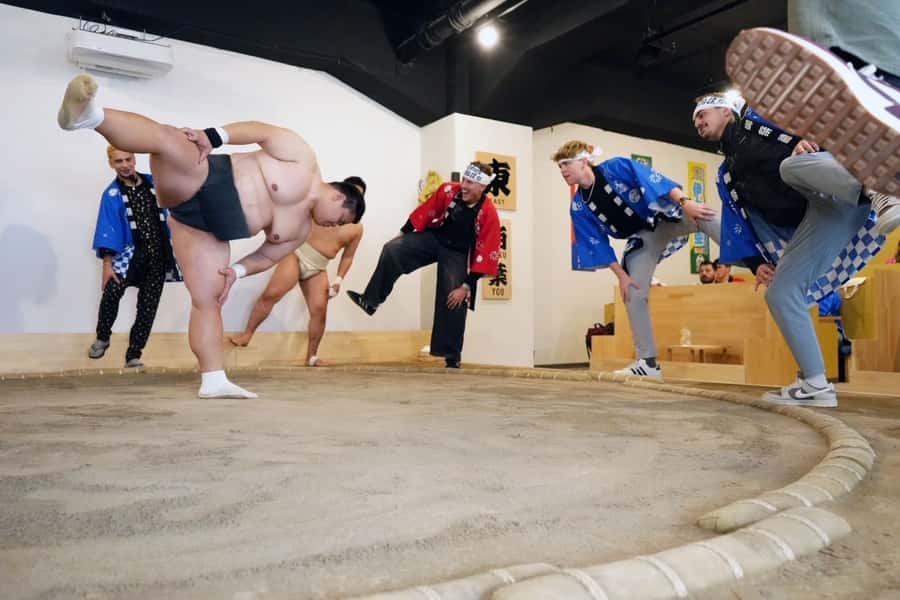
I would recommend this for first-time visitors to Japan, families, couples, and anyone who prefers active cultural experiences over museum displays. You receive enough explanation to follow along, even if you cannot tell a yorikiri from a push-out before arriving.
It also suits people who want memorable photographs and a story to take home. The happi coat, mikoshi, ring, and large retired wrestlers create a setting that feels very different from ordinary sightseeing.
Children can follow the show because it is designed for adults and children, although the activity includes physical participation. Parents should decide in advance if their children would be comfortable joining the ring or carrying the mikoshi.
Serious sumo followers may find the show too theatrical. The program is not a substitute for seeing professional competition or observing private training. It is best viewed as an introduction with audience participation.
Solo visitors can enjoy it, but the group activities may feel more natural if you are comfortable joining in with other people. The staff guide the process in English, which lowers the pressure.
Practical choices before you reserve
Choose the chanko plan if you want a filling meal connected to sumo culture. Choose the snack plan if food is secondary or you prefer a lighter option.
Reserve Premium or Box seating if wrestling a retired professional is a must. With general seating, the opportunity is limited and may be decided by lottery.
Tell the operator about vegetarian or vegan needs at least two days ahead. Bring your own food if you need gluten-free or halal options, since those meals cannot be provided.
Allow extra time to find the basement entrance. The venue is close to several stations, but Ginza has many entrances and connected shopping areas. Keep the address handy rather than relying only on a quick map search.
The souvenir is included, although the item can change with the season. Drinks cost extra, so budget for them separately if you want one with your meal.
You can reserve now and pay later, and cancellation is allowed up to 24 hours before the activity for a full refund. That gives you some flexibility when building a Tokyo itinerary.
Should you book the Ginza sumo and mikoshi experience?
Book it if you want a friendly, participatory introduction to Japanese culture and you like the idea of eating chanko, wearing a happi, carrying a mikoshi, and possibly facing a retired sumo wrestler. The central Ginza location and English explanations make it easy to fit into a busy Tokyo day.
I would choose Premium or Box seating for a guaranteed ring turn. I would choose general seating if you are happy to watch, cheer, and enjoy the rest of the program without needing to wrestle.
Skip it if you want a serious tournament, formal training session, or a quiet meal. For everyone else, this is a lively and unusual way to meet sumo culture at close range, with enough hands-on action to make the $97 feel justified.
FAQ
Where does the Tokyo Ginza sumo experience begin?
It begins at Ginza INZ 1 on the first basement floor, at 1 Nishi 3-chome, Ginza, Chuo City, Tokyo.
How close is the venue to public transportation?
It is about a three-minute walk from JR Yurakucho Station, a two-minute walk from Tokyo Metro Ginza-Itchome Station, and about a four-minute walk from Tokyo Metro Ginza Station.
Does the activity end at the meeting point?
Yes. The experience ends back at the same Ginza meeting point.
Is sumo wrestling participation guaranteed?
General-seat participation is limited and may be decided by lottery. Premium and Box seat holders are guaranteed the chance to participate.
What food is included?
You can choose a chanko hot pot plan or a snack plan. Drinks are not included.
Can vegetarian or vegan meals be provided?
Yes, but you must inform the operator at least two days before the reservation date.
Can the venue provide gluten-free or halal food?
No. Gluten-free and halal meals cannot be provided, but you may bring your own food.
Is the sumo show a serious professional match?
No. It is an entertaining show designed for adults and children, and it differs from serious morning training and official sumo matches.
New on our Tokyo list
- Sumi-e Experience in a relaxing green tea shop in Tokyo★ 5.0 · 3 reviews
- Tokyo : Kamikaze Street Drift Ride★ 5.0 · 3 reviews
- Private Zen Meditation in English in Shinjuku, Tokyo★ 5.0 · 3 reviews
- Onsen Spa in Tokyo and Asakusa Bar Hopping with Local Guide★ 5.0 · 3 reviews
- Easy for everyone! Now you can play handmade mini shamisen and show off to everyone! Musical instruments, sweets and live music★ 5.0 · 3 reviews
- Tokyo: Private Tsukiji Street Food & Sake with Local Guide★ 5.0 · 3 reviews
- Mt Fuji Exploration Tour with Free Japanese Kusa Mochi from Tokyo★ 4.5 · 3 reviews
- Tokyo Tsukiji Fish Market Walking and Exploring Hidden Gems Tour★ 5.0 · 3 reviews
Sumo Experiences, compared.
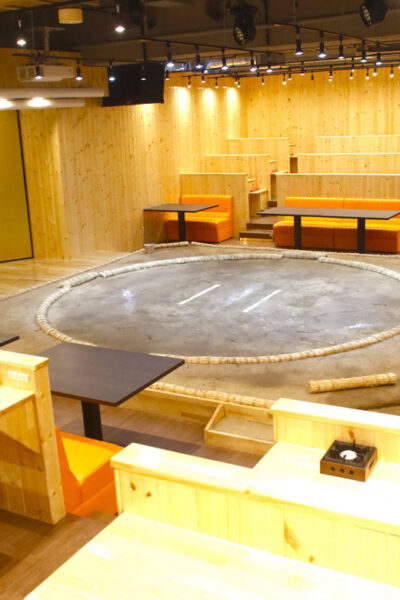
Sumo Show Experience with Chicken Hot Pot and a Photo
Read our review →
Tokyo Shinjuku Sumo Show & Experience with Photo
Read our review →
Authentic Sumo Experience in Tokyo: Enter the Sanctuary
Read our review →
Luxury Sumo Show Experience & Japanese cuisine & Drink
Read our review →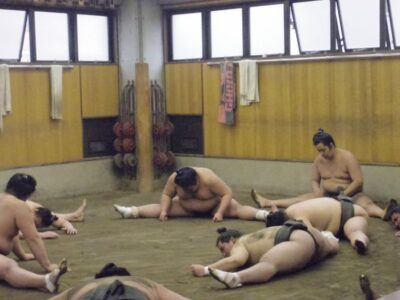
Browse the lists this tour appears in