
Reviewed · SUMO EXPERIENCES
Tokyo: Grand Sumo May Tournament
Tokyo’s Grand Sumo Tournament is much easier to understand when someone explains the rituals, rankings, and sudden bursts of action as they happen. This tour pairs a two-hour walk through Ryogoku, Tokyo’s sumo district, with several hours inside Ryogoku Kokugikan, where you watch the top wrestlers and grand champions compete.
I like the personal commentary through earphones, which helps you follow the bouts without shouting across the arena. I also like the optional chanko-nabe dinner, a hearty hot pot associated with wrestlers. The main drawback is price: at $198.20 per person, you are paying a large premium over the cost of an arena ticket alone, and a quiet guide can make that premium feel hard to justify.
In This Review
- Key points at a glance
- Why the Grand Sumo Tournament is worth your afternoon
- Ryogoku from 1 to 3 p.m.
- Entering Ryogoku Kokugikan at 3 p.m.
- What the earphones add to the match
- Choosing between chair seats and floor boxes
- The tournament information pack and cheering goods
- Chanko-nabe near the arena
- Is $198.20 a fair price?
- Who should book this sumo experience?
- Final call: book it for context, not just a ticket
- FAQ
- Where does the tour take place?
- How long does the experience last?
- Is the chanko-nabe dinner included?
- What is chanko-nabe?
- Are drinks included with dinner?
- What type of seating is available?
- Are headsets provided?
- Is hotel pickup included?
- How many people can join the tour?
- Can I cancel for a full refund?
Key points at a glance
- Ryogoku before the matches: Walk past sumo-related landmarks, training stables, and a shrine while learning how the sport developed.
- Real-time explanations: Your English-speaking guide explains the rules, rituals, rankings, and action while you watch.
- Ryogoku Kokugikan access: The arena visit includes murals, championship prizes, the Sumo Museum, and displays of past yokozuna.
- Chair seating: The standard option uses balcony chair seats, avoiding the floor cushions and tight box seating found on the first floor.
- Optional chanko-nabe: Finish with a filling hot pot meal near the arena, with drinks ordered separately.
- Book early: Grand sumo tickets sell quickly, and this experience is typically reserved about 41 days before the tournament.
Why the Grand Sumo Tournament is worth your afternoon
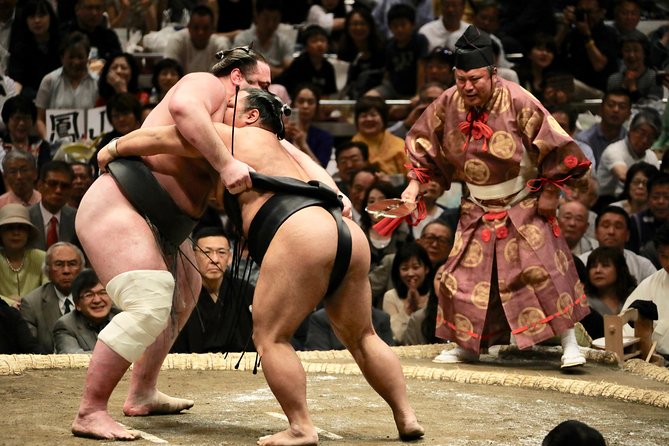
A sumo tournament is not simply a series of two-minute wrestling matches. The pauses, chants, ceremonial movements, rankings, and formal ring entrances are part of the show. If you arrive without context, you can still enjoy the force of the bouts, but you may miss why one wrestler receives a louder welcome or why a small ritual matters.
This tour gives you that context before you take your seat. The walk through Ryogoku sets up the afternoon, then your guide continues explaining what you see inside the arena. Guides on past departures have included Yoko, Aki, Sue, Ken, Yosh, Ali, Yasu, and Ichirio. The quality of the day depends heavily on the person assigned to you, so the guide is not a minor detail here.
The strongest guides do more than recite facts. They point out what to watch, answer questions, explain the formal parts of the contest, and help you recognize prominent wrestlers from the supplied tournament information and profiles. That can turn a sport you barely know into something you want to keep following.
More sumo mornings:
- Tokyo: Sumo Show Experience with Chicken Hot Pot and a Photo
★ 4.8 · 6,678 reviews - Tokyo: Sumo Show and Dining Experience
★ 4.8 · 2,742 reviews - the SUMO show
★ 5.0 · 1,960 reviews
Ryogoku from 1 to 3 p.m.
The first part begins at 1 p.m. and lasts about two hours. It is described as optional, but I would treat it as the part that gives the arena visit its meaning. You walk through Ryogoku, the neighborhood most closely linked with Tokyo sumo, and visit sumo-related landmarks before entering the stadium.
The route can include views of sumo stables from the outside and a sumo shrine near the Kokugikan. A guide named Ken was also noted for singing a sumo song and sharing bits of sumo lore during the walk. Details can vary, but the purpose is consistent: you see the neighborhood where wrestlers train and live, rather than spending the whole afternoon inside a sports hall.
Do not expect a long museum lecture during this section. It is a walking introduction, and you will be on your feet for two hours. Wear comfortable shoes, especially if you have already spent the morning touring Tokyo.
This is also a useful time to ask questions. Once the matches begin, the action and crowd noise make conversation harder. Ask your guide about the rankings, the stables, the names in the tournament booklet, or the customs you do not understand while you have room to talk.
Entering Ryogoku Kokugikan at 3 p.m.
From about 3 to 6 p.m., you watch bouts inside Ryogoku Kokugikan. The guide leads you around the arena before or during the visit, with stops that can include the large murals, championship prizes, the Sumo Museum, and paintings or photographs of past yokozuna.
These short stops are useful because they show the sport beyond the ring. The murals and historical displays give the building a ceremonial feel, while the prizes help you see how much status and tradition surround the tournament. The Sumo Museum visit is listed at about 15 minutes, so think of it as a compact introduction rather than a full museum outing.
The grand champions and top-division wrestlers are the major attraction. Their bouts are preceded by formal ring-entering ceremonies, and the combination of pageantry and competition gives the afternoon its special character. The newly added October 7 option is described as a chance to see sumo from several angles, including its beginnings, but check the exact option offered for your date because the tour has several combinations.
What the earphones add to the match
For groups of three or more, headsets are provided so you can hear the guide clearly even from a distance. This is one of the most useful features of the tour. You can watch the action without constantly turning away from the ring to find your guide.
The commentary is meant to be live. Your guide can explain the rituals, point out wrestlers, clarify a winning move, and tell you what is happening during the long pauses between bouts. That matters because sumo has a rhythm that can seem strange at first. The match may end almost instantly, yet the build-up can last much longer.
There is one important qualification. The guide’s personality matters. Some past guides, including Aki, Yoko, Yosh, and Ichirio, were praised for giving clear explanations and answering questions. Two low-scoring accounts described guides who spoke very little unless directly prompted. If you want a constant stream of commentary, sit near your guide when possible and ask questions rather than assuming every guide will narrate every moment.
The supplied information also says groups can reach a maximum of 35 people. That is not the same as a private tour, even though the overview describes personalized attention. Your own level of access to the guide can depend on the size and makeup of the group. Small groups should have an easier time asking questions.
A few more Tokyo bookings worth comparing
- Mt Fuji and Hakone 1-Day Bus Tour Return by Bullet Train
★ 5.0 · 26,383 reviews - 1-Day Tokyo Bus Tour
★ 5.0 · 14,250 reviews - Tokyo: TOKYO SKYTREE® Admission ticket
★ 4.5 · 11,192 reviews - Tokyo: teamLab Planets TOKYO Digital Art Museum Entry Ticket
★ 4.6 · 9,779 reviews
Choosing between chair seats and floor boxes
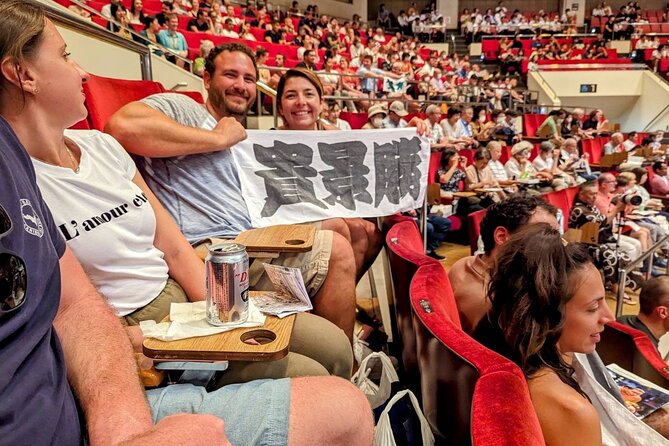
The chair option uses balcony seats in either section B or C. You sit in a regular chair throughout the event, which is a practical choice for most visitors. You can focus on the matches instead of wondering how long your legs will tolerate the seating arrangement.
First-floor box seats work differently. A box is a 1.3-meter by 1.3-meter square with cushions on a flat floor, and four spectators share the space. This is closer to the traditional arena setup, but it is less comfortable and gives you less personal room.
The supplied tour information indicates that the chair option is used for the balcony, while first-floor seating may require floor sitting. Check the exact selection before booking. If comfort matters more than being close to the ring, the chair is the sensible pick. If you value the traditional setting and do not mind sitting on cushions, a first-floor option may appeal to you.
Several past bookings were described as having good second-floor seats. Still, seat location is a major part of the value, so read the option carefully rather than assuming every $198.20 booking uses the same section.
The tournament information pack and cheering goods
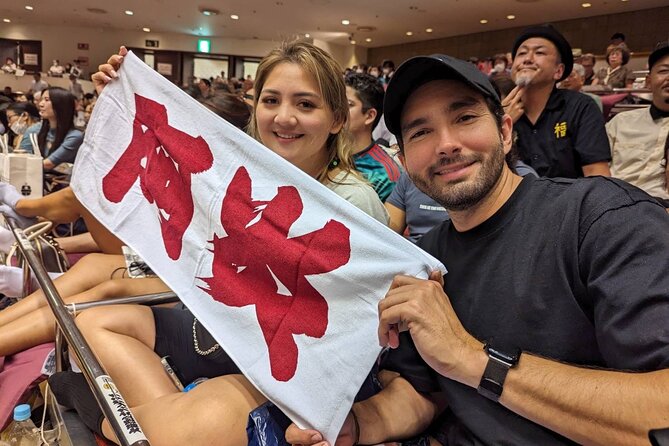
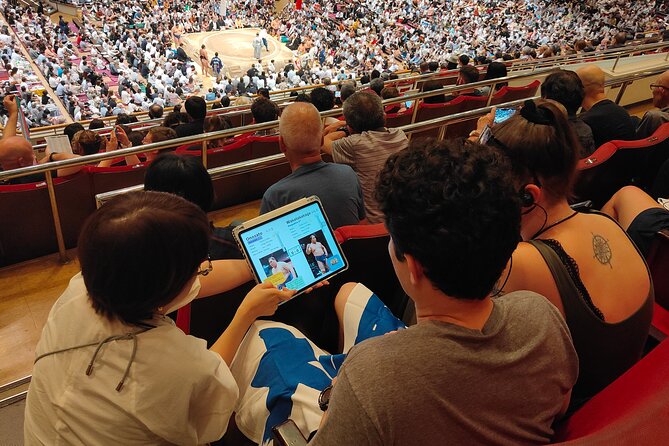
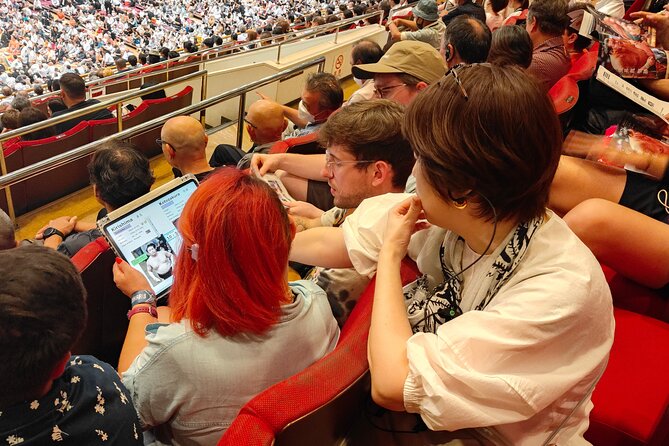
Your guide provides a package with tournament information, current rankings, and profiles of prominent wrestlers. This is especially handy if you are new to sumo or want to follow particular competitors during the afternoon.
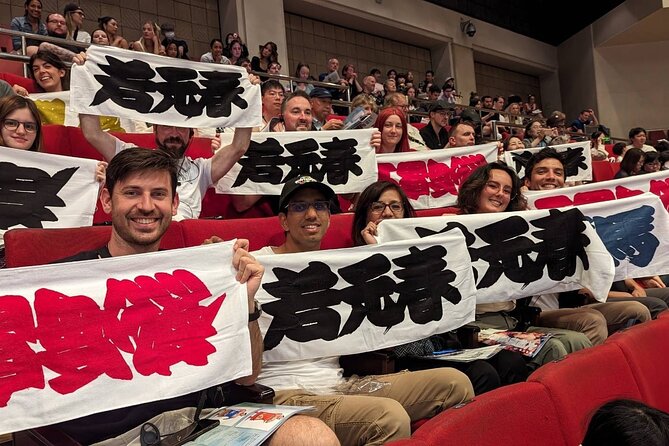
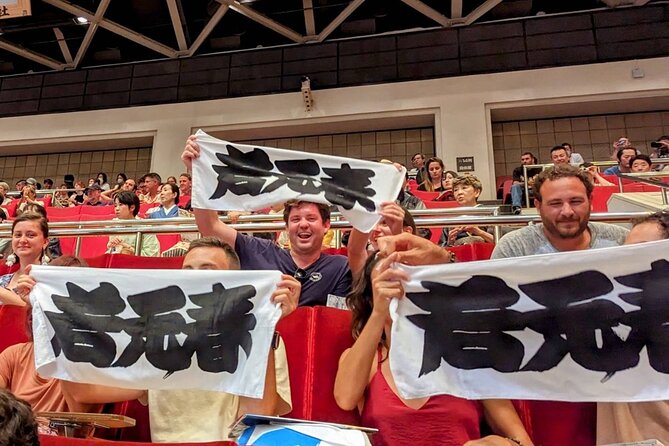
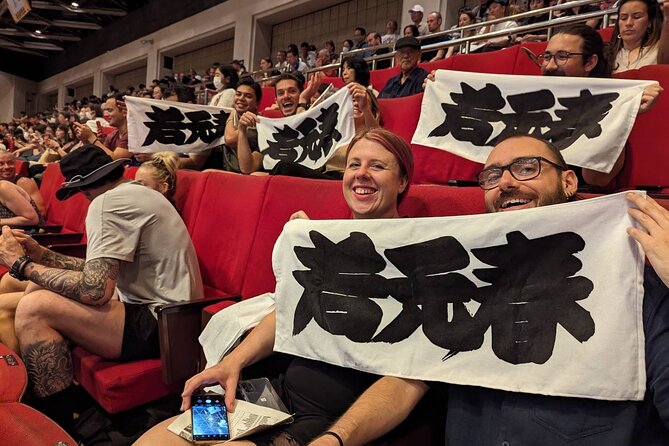
Cheer-up goods are also included so you can support a chosen wrestler. That small touch helps you take part in the crowd rather than watching as a detached observer. Sumo becomes more involving once you know who is stepping into the ring and have a reason to care about the outcome.
All fees and taxes are included, as is English guiding. Hotel pickup and drop-off are not included, so you meet in Ryogoku at the stated location and make your own way there and back. Ryogoku is near public transportation, which makes the meeting arrangement straightforward, but leave enough time to find the station exit and meeting point.
Chanko-nabe near the arena
The optional dinner begins after the tournament, around 6 p.m., and lasts about an hour. Your guide takes you to a chanko-nabe restaurant near the arena, where the hot pot is associated with the diet used by sumo wrestlers to build size and muscle.
The appeal is practical as well as cultural. After several hours of walking, sitting, cheering, and concentrating, a hot, filling meal makes a natural finish. Past bookings described the food as ready upon arrival, with little or no waiting, and the restaurant as a short walk from the match.
You should ask about the ingredients if you avoid fish. One meal was described as containing a lot of fish mixed into the hot pot, so this option may not suit every palate. Drinks are not included and must be ordered separately. The dinner is optional, which is useful if you prefer to eat elsewhere or need to return to another part of Tokyo.
Is $198.20 a fair price?
The ticket itself is not the only thing you are buying. The price includes admission, English guiding, the neighborhood walk, arena orientation, the information pack, cheering goods, and, for groups of three or more, headsets. The dinner is an add-on, not part of the base price.
The hard question is how much value you place on explanation and ticket access. Grand sumo tickets can sell very quickly, especially for popular tournament days. Booking this experience may be the easiest way to secure a seat if you do not want to handle the ticket hunt yourself. Past bookings also show people reserving well ahead of time, with the average booking made about 41 days in advance.
But the markup is real. One dissatisfied customer calculated that the tour cost far more than the face value of the ticket and felt the guide did not add enough. That criticism is fair as a value warning. If you already understand sumo, can secure a ticket independently, and prefer to explore alone, this tour may not be the best use of your money.
I think the price makes more sense for a first-time visitor who wants a seat, explanations, and a planned route through Ryogoku. It makes less sense for a committed sumo fan who needs little help and is comfortable arranging the ticket and arena visit alone.
Who should book this sumo experience?
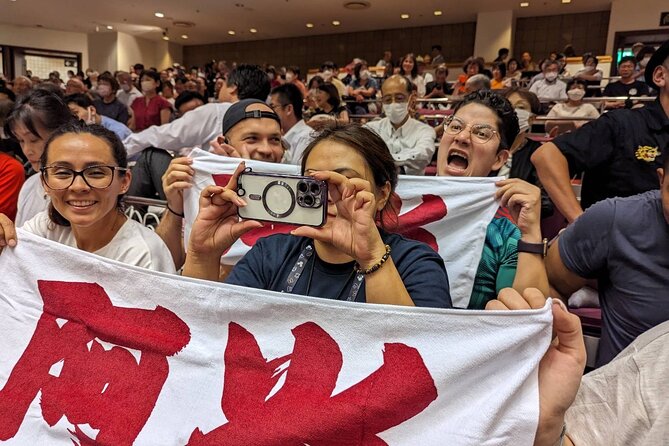
I would recommend it to you if sumo is unfamiliar, if you want the cultural background as well as the matches, or if you are traveling with family members who need the rules explained. The walking tour gives the day a clear shape, and the guide can help everyone follow what is happening.
It also suits sports fans who enjoy learning the details behind a competition. The ceremony, rankings, prizes, and strict formal structure are as important as the physical contest.
I would hesitate if you dislike group activities, need guaranteed one-to-one attention, or expect a nonstop expert broadcast. The maximum group size can reach 35, and the guide may be quieter than you prefer. You can improve the experience by asking direct questions and confirming the seating category before paying.
Free cancellation is available up to 24 hours before the start time. Changes or cancellations made less than 24 hours ahead are not accepted, and the cutoff uses Tokyo local time.
Final call: book it for context, not just a ticket
Book this tour if you want sumo explained from the streets of Ryogoku through the final bouts at the Kokugikan. The best parts are the neighborhood landmarks, the live headset commentary, the arena displays, and the chance to finish with chanko-nabe.
Skip it if your only goal is to see the matches at the lowest possible cost. The ticket and guiding premium is substantial, and the experience depends on receiving an active, talkative guide. For a first visit during the May tournament, though, this is a well-organized way to get more than a seat and a confusing afternoon of rituals.
FAQ
Where does the tour take place?
The tour takes place in Ryogoku, Tokyo’s traditional sumo district, and at Ryogoku Kokugikan, the sumo arena.
How long does the experience last?
The main experience lasts about six hours. The walking portion runs from 1 to 3 p.m., and arena viewing runs from about 3 to 6 p.m. An optional chanko-nabe dinner adds about one hour.
Is the chanko-nabe dinner included?
No. The dinner is an optional part of the experience. Drinks are also not included and must be ordered separately.
What is chanko-nabe?
Chanko-nabe is a nutrient-rich hot pot associated with the diet of sumo wrestlers as they build their bodies and muscles.
Are drinks included with dinner?
No. Drinks must be ordered and paid for separately.
What type of seating is available?
The chair option uses balcony seats in section B or C. First-floor box seating uses cushions on a flat 1.3-meter by 1.3-meter space shared by four spectators.
Are headsets provided?
For groups of three or more, headsets are provided so you can hear the guide clearly from a distance.
Is hotel pickup included?
No. Hotel pickup and drop-off are not included. You meet the guide at a convenient location in Ryogoku.
How many people can join the tour?
The activity can have a maximum of 35 participants.
Can I cancel for a full refund?
Yes. You can cancel at least 24 hours before the start time for a full refund. Cancellations or changes made less than 24 hours before the start time are not accepted.
New on our Tokyo list
- From Tokyo: Mount Fuji & Hakone Full Day Private Tour★ 4.9 · 25 reviews
- Tokyo Spectacular View Day-Cruise in 90 Minutes★ 5.0 · 25 reviews
- Real Tokyo Runner Club : Daikoku Car Meet Night Tour with JDM Car★ 5.0 · 25 reviews
- 2.5 Hour-Guided Cycle Tour in the Central Tokyo★ 5.0 · 25 reviews
- Ramen Making from Scratch +Akihabara Tour –Cooking Class★ 5.0 · 25 reviews
- [Self-Drive] Tokyo & Daikoku Custom Car Driving Tour★ 4.9 · 25 reviews
- Tokyo: 2-Hour Night Bike Tour of the City’s Hidden Gems★ 4.9 · 25 reviews
- Buddha, Bamboo & Zen – Bespoke Kamakura Private Walking Tours★ 5.0 · 25 reviews
Sumo Experiences, compared.
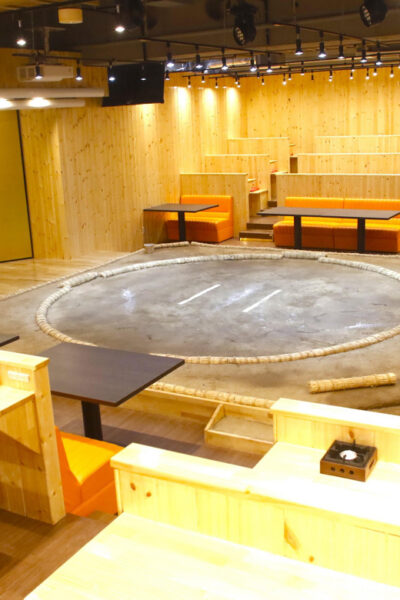
Sumo Show Experience with Chicken Hot Pot and a Photo
Read our review →
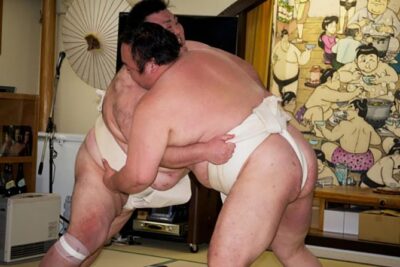
Tokyo Shinjuku Sumo Show & Experience with Photo
Read our review →

Authentic Sumo Experience in Tokyo: Enter the Sanctuary
Read our review →
Luxury Sumo Show Experience & Japanese cuisine & Drink
Read our review →
Browse the lists this tour appears in