
Reviewed · SUMO EXPERIENCES
Tokyo – Grand Sumo Tournament
The main attraction here is simple: you get to watch professional sumo in Tokyo’s famous Ryogoku Kokugikan, surrounded by fans who cheer with the force of a major-league crowd. The sport is part contest, part ritual, and part theater, so even a short visit can give you a memorable look at Japanese culture. Admission is included, and booking ahead helps secure a place during a popular tournament.
I like two things in particular. First, you can enjoy the event without wrestling with Japanese ticket procedures. Second, the paper ticket and optional seat upgrade keep the arrangement straightforward: get to Ryogoku, find your seat, and let the ring command your attention. The main drawback is the price, $565 per person, especially since this is a ticket-only event with no guide, transportation, or included cultural walk.
In This Review
- Key points to know before you book
- Why a grand sumo tournament feels different from ordinary sport
- Ryogoku Kokugikan: the right place for your first match
- What you actually get for $565
- Do not confuse this with a hands-on sumo lesson
- Making sense of the approximately two-hour schedule
- The crowd is part of the show
- What makes the cultural side worth noticing
- Practical planning for the venue
- Who will enjoy this most
- Should you book the Tokyo tournament?
- FAQ
- Where does the Tokyo sumo experience start?
- Is transportation included?
- Is there a tour guide?
- Which 2026 dates take place in Tokyo?
- Can I upgrade my seat?
- Can I cancel or change my booking?
Key points to know before you book
- Watch sumo at Ryogoku Kokugikan: Tokyo’s main sumo venue gives the event a proper sense of place.
- This is a ticket-only experience: No guide, transportation, stable visit, or hands-on training is included.
- Expect a charged crowd: Fan support can feel more like a major sports match than a quiet cultural performance.
- Seats may be upgraded: You can pay more for a better view, if available.
- Tokyo dates are limited: The listed 2026 Tokyo tournaments run January 11 to 25 and May 10 to 24.
- Plan for the high price: At $565, this makes the most sense for a serious sumo fan or a once-in-a-lifetime Japan splurge.
Why a grand sumo tournament feels different from ordinary sport
Sumo is easy to understand at first glance. Two wrestlers face each other in a circular ring, try to force one another out, and win through strength, balance, timing, and technique. But the few seconds of physical action sit inside a much longer ceremony.
The wrestlers enter, prepare, and perform formal movements before the bout begins. The gestures and rituals give the match a solemn rhythm. You are not simply watching two athletes push and shove. You are seeing an old sporting tradition shaped by religious customs and strict rules of conduct.
That mix is what makes the event worthwhile for a visitor. You can follow the basic aim without speaking Japanese, yet there is enough ceremony and symbolism to keep the experience interesting between matches. I like cultural events that work on two levels: easy to enjoy on the surface, rewarding to study more closely. Sumo does exactly that.
The atmosphere also matters. The supplied rating is 4.6 from 76 ratings, and the strongest praise centers on the excitement of seeing real wrestlers in person, learning about sumo culture, and feeling the energy of the crowd. That enthusiasm makes sense. A televised bout can show you the action, but it cannot reproduce the sound of the audience or the physical presence of the wrestlers.
More sumo mornings:
- Tokyo: Sumo Show Experience with Chicken Hot Pot and a Photo
★ 4.8 · 6,678 reviews - Tokyo: Sumo Show and Dining Experience
★ 4.8 · 2,742 reviews - the SUMO show
★ 5.0 · 1,960 reviews
Ryogoku Kokugikan: the right place for your first match
Ryogoku is Tokyo’s sumo district, and Ryogoku Kokugikan is the natural place to see a grand tournament. The venue gives your visit a sense of occasion before the first match begins. You are entering the center of Japan’s professional sumo world, not watching a demonstration arranged for tourists.
The experience begins at Ryōgoku Edo NOREN, located at 1-chōme 3-20 in Yokoami, Sumida City. The stated meeting time is 10:00 in the morning. Since the event itself is listed as approximately two hours, you should pay close attention to the instructions attached to your ticket. The meeting point and event timing do not fully explain how you move from Edo Noren to your seat, so allow extra time and confirm the exact arrangement before the tournament date.
A paper ticket is supplied. That can be useful in Japan, where printed admission documents remain common for major events. Keep it safe, and do not assume a phone voucher alone will replace it. The activity includes admission, but you are responsible for getting to the venue.
One practical point deserves special attention: the experience information also says Tokyo or Osaka depending on the date. The 2026 schedule lists Tokyo from January 11 through 25 and May 10 through 24, while the March 8 through 22 tournament is in Osaka. If you want Tokyo specifically, book only one of the Tokyo periods.
What you actually get for $565
At $565 per person, this is an expensive ticket. The value depends almost entirely on how important live sumo is to your Japan plans.
The price covers admission and the convenience of having access arranged in advance. That matters during a major tournament, when seats can be difficult to obtain and the process may be unfamiliar. If you have already tried to secure popular Japanese event tickets from abroad, you may consider the convenience worth paying for.
Still, the arrangement does not include a guide, a ride, a meal, a temple visit, a stable visit, or an explanation of the rules at the venue. You are paying for access to the match, not for a full cultural program. For many people, that is a weakness. At this rate, you may reasonably expect more than a paper ticket and a place in the crowd.
I would compare the cost with your other Japan splurges. If you have one open day and sumo is a major reason for your visit, the event could be a centerpiece. If you are only mildly curious, a $565 ticket is hard to justify. You might prefer a less costly way to learn about sumo culture and save your budget for food, museums, or another major attraction.
The optional seat upgrade complicates the value question. A better position can matter in sumo because the bouts are brief and the ring may look small from far away. Yet the upgrade adds to an already high price. I would ask exactly where the original seat is and what the upgraded category provides before paying more.
Do not confuse this with a hands-on sumo lesson
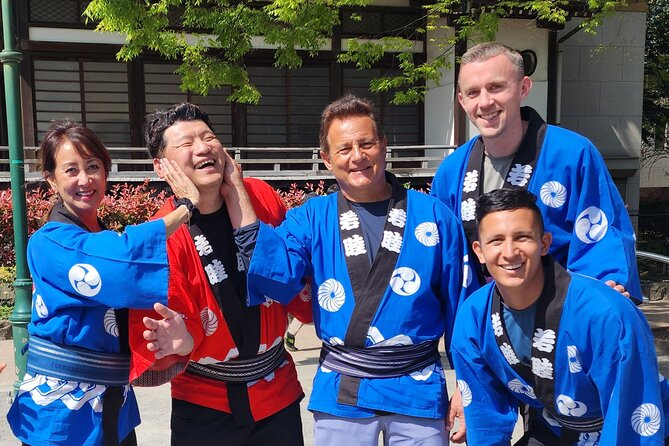
Some descriptions connected with sumo experiences in Tokyo include guides named Ken, Shin, Kevin, or Li, along with stable visits, training demonstrations, temple stops, and chances to try basic sumo moves. Those are different features from the event described here.
This booking is explicitly ticket only. It has no tour guide and no transportation. You should not expect to meet a professional wrestler, enter a training stable, practice with an instructor, visit a Buddhist temple, or take part in a simulated bout.
That distinction is essential. Hands-on programs can be lively and educational, with introductions to sumo rituals, balance, and training. A grand tournament offers something else: the real competition, the formal setting, and the crowd. Both can be good, but they should not be judged by the same standard.
If you want explanations during the matches, consider preparing before you go. Learn the basic aim of a bout, the meaning of the ring, and a few common winning techniques. Even a short introduction will help you notice more once the action starts.
A few more Tokyo bookings worth comparing
- Mt Fuji and Hakone 1-Day Bus Tour Return by Bullet Train
★ 5.0 · 26,383 reviews - 1-Day Tokyo Bus Tour
★ 5.0 · 14,250 reviews - Tokyo: TOKYO SKYTREE® Admission ticket
★ 4.5 · 11,192 reviews - Tokyo: teamLab Planets TOKYO Digital Art Museum Entry Ticket
★ 4.6 · 9,779 reviews
Making sense of the approximately two-hour schedule
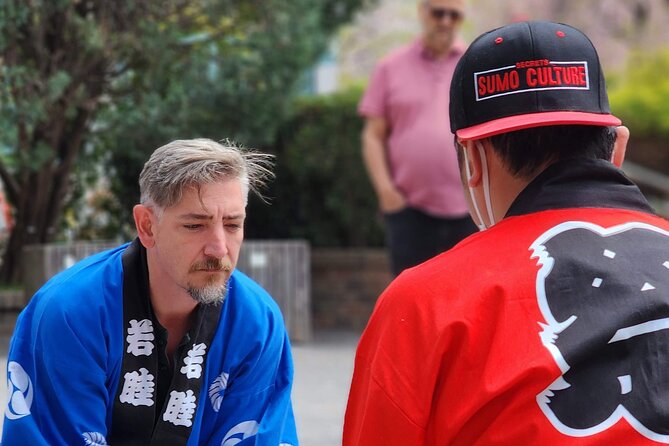
The stated duration is about two hours. That is a fairly short window for a full grand tournament day, so you should treat the duration as an estimate of the arranged activity rather than assume it covers every part of the tournament.
Sumo tournaments can involve long stretches of ceremony and many bouts. The pacing is different from basketball or baseball. The decisive physical moment may last only seconds, but the buildup gives each match weight. If you prefer constant action, you may find the rhythm slow. If you enjoy ritual and suspense, the pauses become part of the pleasure.
The short duration is convenient if you are fitting sumo into a packed Tokyo schedule. You can pair it with other sights in Ryogoku or nearby eastern Tokyo without giving up an entire day. On the other hand, a short visit may leave you wanting more, particularly if you have traveled a long way to see the tournament.
Arrive ready to pay attention from the start. The morning meeting time is 10:00, and delays could make the rest of your day awkward. The activity ends back at the meeting point according to the supplied details, but no transport is included. Use public transportation and leave time for finding Ryōgoku Edo NOREN and then reaching the arena.
The crowd is part of the show
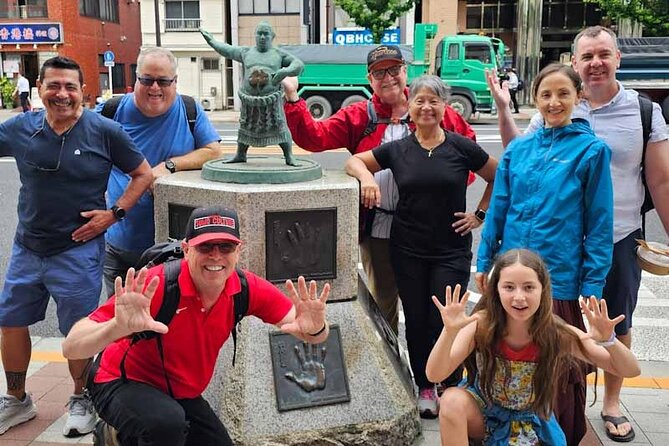
The best part of live sumo may be the audience. Supporters react loudly, follow favorite wrestlers, and add a sports-fan mood to an event that can otherwise look formal and restrained. You may find the contrast amusing: quiet ceremony, sudden force, then a burst of cheers.
That crowd energy helps explain why sumo works even if you know little about the sport. You can watch the contest unfold through movement and reaction. A good bout needs no translation.
You should also respect the rhythm of the venue. Sumo has rules and customs that may not be obvious to a first-time visitor. Watch what people around you do, keep your paper ticket available, and avoid treating the ring as a photo backdrop during formal moments. The event is fun, but it is not staged solely for tourists.
What makes the cultural side worth noticing
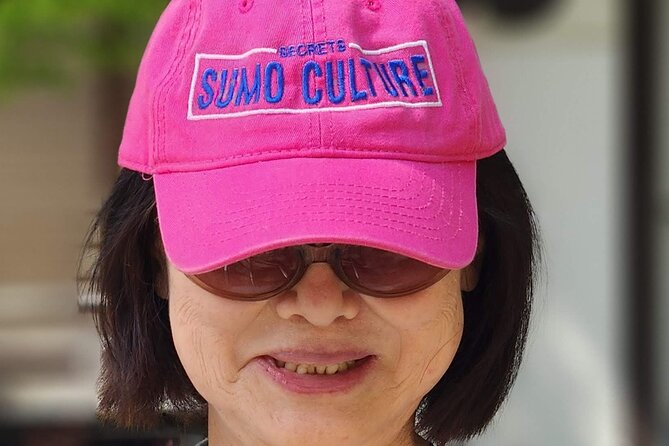
The sport has strong links to Japanese religious traditions, especially Shinto customs. The ring, purification gestures, formal entry, and ceremonial movements all help explain why sumo feels more like a cultural institution than a standard professional league.
You may not receive a formal explanation during this ticket-only visit, so it is worth reading a little in advance. Learn why wrestlers scatter salt, why the pre-bout movements take time, and how rank shapes the tournament. Those details turn a sequence of short matches into a story about discipline, status, and tradition.
The event also gives you a chance to notice the crowd’s relationship with the sport. Fans are not only watching athletic contests. They are following personalities, rankings, rivalries, and long-standing customs. You will get more from the experience if you treat the audience as part of the cultural display.
Practical planning for the venue
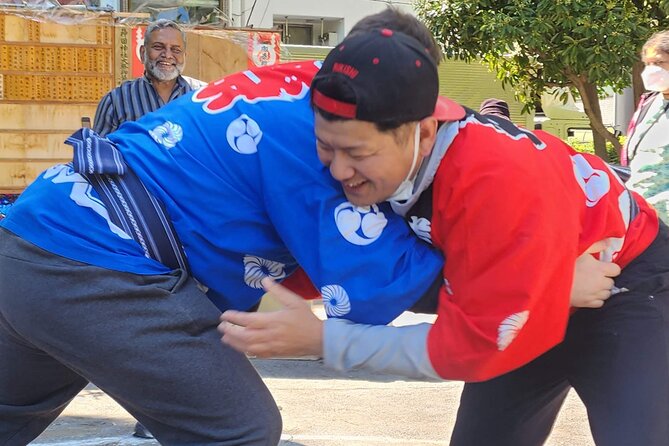
The meeting location is near public transportation, which makes access easier, but transportation is not included. Use the address for Ryōgoku Edo NOREN rather than assuming you should go directly to a different entrance at the arena.
The group size is capped at 20 people, although this is not a guided sightseeing group. The cap likely helps organize ticket delivery, but you will still attend the match as an independent spectator once inside.
Most people can participate, and service animals are allowed. No special fitness is required for sitting in the arena, though you should be prepared for the normal challenges of a large sports venue, including crowds and a possibly long period in your seat.
Confirmation is provided at booking. Because the policy is fully non-refundable and does not allow changes, check the date, city, meeting point, and seat terms before you commit. This matters even more because the schedule switches between Tokyo and Osaka.
Who will enjoy this most
I would recommend this to you if sumo is one of your main reasons for visiting Japan, if you want to see a real tournament rather than a staged demonstration, or if you value having admission arranged before arrival.
It also suits visitors who enjoy cultural events without needing a guide beside them. You can set your own pace, watch the crowd, and focus on the bouts. The lack of a guide is a drawback for first-time visitors who want every ritual explained, but it gives independent sightseers more freedom.
Families and sports fans may enjoy the lively atmosphere. The action is direct and easy to follow, although the formal pauses may test the patience of young children. Visitors seeking a cheap introduction to Japanese culture should look elsewhere, since the price is high.
Most important, do not book this expecting a practice session. If your goal is to meet a wrestler, learn basic moves, or visit a training area, you need a separate hands-on sumo experience. This event is about sitting in the audience and watching competition.
Should you book the Tokyo tournament?
Book it if live sumo is a top priority and $565 fits comfortably into your budget. Ryogoku Kokugikan, the passionate crowd, the formal rituals, and the chance to see professional bouts in person can create a powerful Tokyo memory.
Skip it if you expect a guided cultural tour, transportation, stable access, wrestler training, or hands-on instruction. You should also skip it if the price feels out of proportion to a two-hour ticket-only event.
Before paying, confirm three points: that your date is in Tokyo rather than Osaka, what seat category you are receiving, and how the 10:00 meeting at Ryōgoku Edo NOREN connects with the tournament admission. Get those details clear, then decide based on your interest in sumo, not on the promise of a broader tour.
FAQ
Where does the Tokyo sumo experience start?
It starts at Ryōgoku Edo NOREN, Japan, 130-0015 Tokyo, Sumida City, Yokoami, 1-chōme 3-20, first floor. The stated start time is 10:00 am.
Is transportation included?
No. This is a ticket-only experience, and transportation is not included. You need to make your own way to the meeting point and venue.
Is there a tour guide?
No. The experience includes admission but no tour guide.
Which 2026 dates take place in Tokyo?
The listed Tokyo tournament periods are January 11 to 25, 2026, and May 10 to 24, 2026. The March 8 to 22, 2026 period is listed for Osaka.
Can I upgrade my seat?
Yes. Upgraded seats are available for an additional fee, subject to availability.
Can I cancel or change my booking?
No. The experience is non-refundable and cannot be changed for any reason.
New on our Tokyo list
- Tokyo Spectacular View Day-Cruise in 90 Minutes★ 5.0 · 25 reviews
- From Tokyo: Mount Fuji & Hakone Full Day Private Tour★ 4.9 · 25 reviews
- Real Tokyo Runner Club : Daikoku Car Meet Night Tour with JDM Car★ 5.0 · 25 reviews
- 2.5 Hour-Guided Cycle Tour in the Central Tokyo★ 5.0 · 25 reviews
- Ramen Making from Scratch +Akihabara Tour –Cooking Class★ 5.0 · 25 reviews
- [Self-Drive] Tokyo & Daikoku Custom Car Driving Tour★ 4.9 · 25 reviews
- Tokyo: 2-Hour Night Bike Tour of the City’s Hidden Gems★ 4.9 · 25 reviews
- Samurai themed Entertainment show in Shinjuku★ 4.5 · 25 reviews
Sumo Experiences, compared.
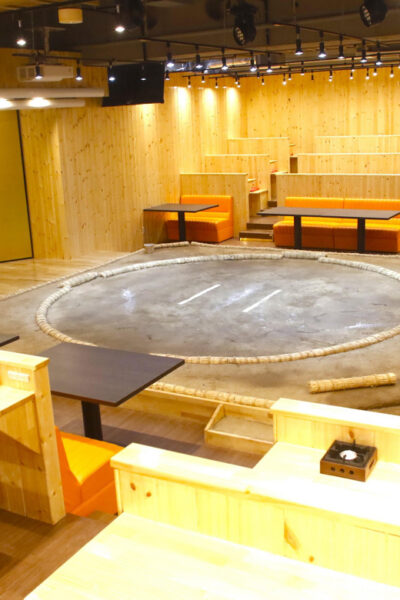
Sumo Show Experience with Chicken Hot Pot and a Photo
Read our review →
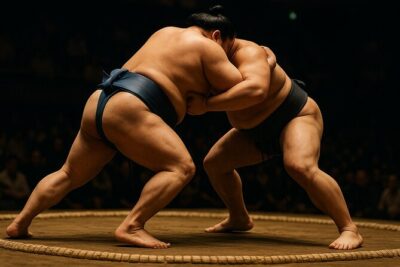
Tokyo Shinjuku Sumo Show & Experience with Photo
Read our review →

Authentic Sumo Experience in Tokyo: Enter the Sanctuary
Read our review →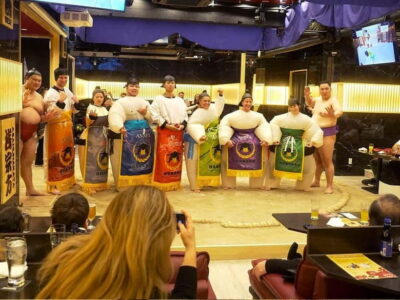
Luxury Sumo Show Experience & Japanese cuisine & Drink
Read our review →
Browse the lists this tour appears in