
Reviewed · TSUKIJI & TOYOSU MARKET TOURS
Tokyo: Guided Walking Tour of Tsukiji Market with Lunch
Tsukiji is at its best when you stop treating it like a place to check off and start paying attention to how people work, shop, cook, and eat. This 165-minute walk takes you through the Tsukiji Outer Market, where wholesalers, cooks, food sellers, and curious visitors share narrow lanes packed with seafood, meat, tea, stock ingredients, and quick bites.
I like two things here. First, the small group, limited to 10, gives your guide room to explain odd-looking ingredients and steer you through the market without turning the walk into a parade. Second, the nine tastings cover more than sushi, including yakitori or wagyu skewers, Japanese omelette, dashi, tea, dessert, and other market foods.
The main caution is value. At $113 per person, this is not a cheap lunch, and the food may feel more like a series of samples than a full meal. One past participant found the sushi and grilled fish ordinary, while another felt the market area covered was small. Go for interpretation and guidance as much as for the food.
In This Review
- Key points to know before you book
- Meeting at Tsukiji Hongwanji Temple
- Walking into the Tsukiji Outer Market
- Nine tastings, from tuna sushi to dashi
- What the guide adds to the market
- Food quality and the $113 price
- A cultural stop, not only a food stop
- Timing, group size, and comfort
- Who will enjoy this Tsukiji walk
- Should you book this Tsukiji experience?
- FAQ
- Where does the Tsukiji walking tour meet?
- How long does the experience last?
- How many tastings are included?
- Is the tour conducted in English?
- How large is the group?
- Is the experience wheelchair accessible?
- What should I bring?
Key points to know before you book
- Nine tastings make up the meal: Expect tuna sushi, a Japanese-style omelette, grilled seafood or beef, fried fish paste, filled rice balls, dessert, a drink, tea, and dashi soup stock.
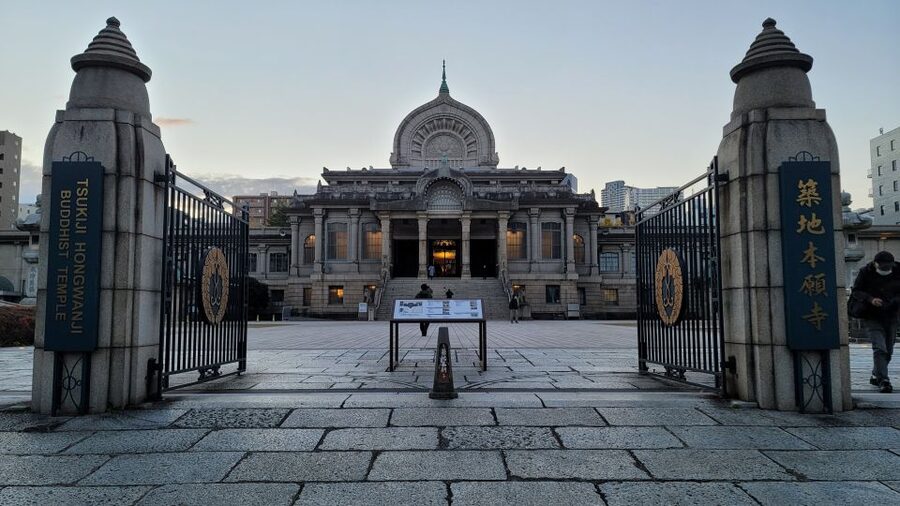
- The tour begins at Tsukiji Hongwanji Temple: Meet outside the main gate, only about 50 meters from Tsukiji Station Exit A1.
- A small group keeps the walk manageable: No more than 10 people can join, useful in narrow market lanes.
- The temple adds cultural context: Its unusual exterior has ancient Indian-inspired Buddhist design details.
- Guides can shape the experience: Hide, Tomoko, Yumiko, and Sachiko have led highly praised tours, with special praise for clear explanations and practical help.
- The price rewards help, not quantity: You are paying for nine tastings, an English-speaking guide, and access to a complicated food district, not a long restaurant meal.
Meeting at Tsukiji Hongwanji Temple

The tour starts in front of Tsukiji Hongwanji Temple, a practical meeting place that is hard to miss if you use the correct station exit. From Tsukiji Station on the Hibiya Line, take Exit A1, turn left, and walk roughly 50 meters to the temple entrance.
Arrive with comfortable shoes. You will be on your feet for nearly three hours, and the market’s lanes are better suited to walking than to wandering in stiff footwear. The activity is wheelchair accessible, though the market itself is a busy commercial area with narrow passages and people moving around you.
Before entering the market, you stop to look at the temple from outside. The exterior is not the typical image many visitors have of a Japanese Buddhist temple. Its design draws on ancient Indian-inspired Buddhist architecture, giving the building a distinct appearance before the food portion begins.
This opening stop matters because it frames the market as part of Japanese daily life rather than a simple eating street. The tour also connects Japanese religion and cuisine, helping you understand why food traditions can carry spiritual and cultural meaning.
More market mornings in Tokyo:
- Tokyo Tsukiji Fish Market Food and Culture Walking Tour
★ 5.0 · 3,184 reviews - Tokyo: Tsukiji Fish Market Food and Walking tour
★ 5.0 · 1,724 reviews - Tokyo: Tsukiji Fish Market Guided Walking Tour
★ 4.9 · 1,397 reviews
Walking into the Tsukiji Outer Market
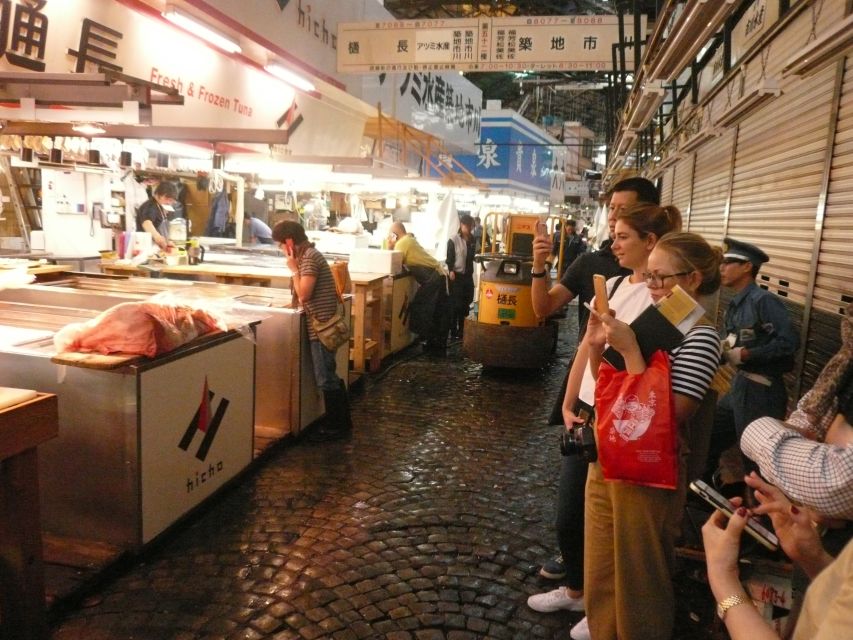
The Tsukiji Outer Market is a working food district with shops, stalls, restaurants, wholesalers, and specialty businesses. It is one of the largest wholesale fish markets in the world, but this walk is not limited to fish. You may pass displays of seafood, meat, prepared foods, cooking ingredients, tea, and products that are unfamiliar if you normally shop in Western supermarkets.
The guide’s main job is to make sense of the setting. A casual walk can leave you looking at dozens of stalls without knowing what is worth trying or how the market works. An English-speaking guide can point out unusual products, explain what they are used for, and help you understand the difference between something designed for a quick bite and something sold for home cooking.
You should expect a fairly concentrated route rather than an enormous expedition through every corner of Tsukiji. One participant felt the area covered was small and that the guide had to stretch the scheduled time. That is useful to know. This tour is about selected stops and explanations, not a full-market survey.
The narrow setting is also part of the appeal. You get close to the activity, and you can watch expert wholesalers and market workers handling their business. The trade-off is that you may need to pause carefully and keep your group together. This is a working market, not a quiet museum.
Nine tastings, from tuna sushi to dashi
The food is the heart of the tour, and the nine tastings offer a broad sample of Japanese market cooking. The exact order and specific stall may vary, but the planned selection includes:
- Grilled seafood or beef skewers, with wagyu beef or yakitori-style options included among the featured foods
- Japanese-style omelette
- Tuna sushi
- Fried fish paste skewers
- Filled rice balls
- Dessert
- A drink
- Japanese tea
- Dashi soup stock
This is a useful range because it moves beyond the familiar sushi label. The omelette shows a softer, sweeter side of Japanese cooking. Fried fish paste gives you a processed seafood specialty that you might not choose on your own. Dashi, the stock made from traditional Japanese ingredients, offers a small but important lesson in the savory base behind many dishes.
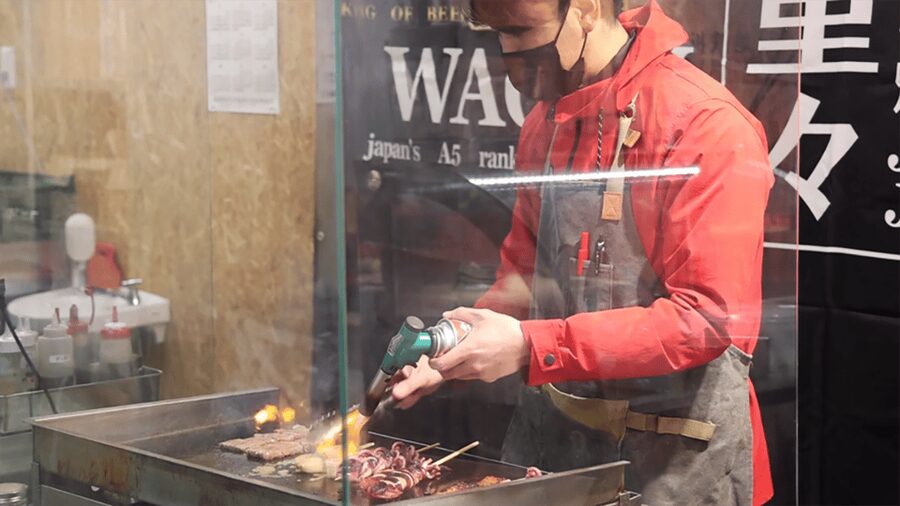
The grilled skewer is likely to be one of the more appealing stops for anyone who likes food cooked to order. The description allows for grilled seafood or beef, and wagyu beef is among the featured possibilities. You should not assume every participant receives an elaborate serving of premium beef, though. The tour is built around tasting portions, not a large wagyu lunch.
The tuna sushi is a classic Tsukiji choice, but expectations matter. A past participant found the tuna sushi average and was disappointed by tuna mayonnaise rice balls. That does not make the tasting worthless, but it shows why you should book this as a guided market introduction rather than a carefully staged sushi meal.
Dessert and a drink help break up the savory foods. Tea and dashi add a more distinctly Japanese finish, especially if you enjoy learning what goes into everyday cooking. Taken together, the samples give you several small windows into the market. Taken individually, they may not all feel special.
What the guide adds to the market

A strong guide can make the difference between a useful food walk and an expensive series of snacks. Hide received especially warm praise for helping people choose what to try and for making the market easy to navigate. Tomoko was noted for a relaxed approach, clear explanations of the area’s history and culture, and practical help with queues and food boxes.
Yumiko and Sachiko were also praised for working together to guide a family through the market. That detail points to a real advantage of a small group. With no more than 10 people, the guide can keep an eye on the group while helping people manage food, waiting, and movement through tight spaces.
Tomoko’s habit of queueing for food while participants explored the stalls is especially useful. It suggests that the tour may be organized with care rather than simply stopping at a counter and handing everyone a sample. Food boxes and cleaning wipes also helped keep the tasting portion tidy, a small practical touch when you are eating several items while walking.
Guide quality can vary from one departure to another, so I would not book solely on the hope of getting a particular person. Still, the names Hide, Tomoko, Yumiko, and Sachiko are worth noting because they show the kind of service this experience can provide: market direction, cultural explanation, and hands-on help.
A few more Tokyo bookings worth comparing
- Tokyo: Mt.Fuji & Lake Kawaguchiko 1-Day Bus Tour w/Optional Lunch
★ 4.5 · 839 reviews - Tokyo: Sumo Experience and Chanko Nabe Lunch
★ 4.8 · 257 reviews - Tokyo: Tsukiji Fish Market Tour with 6 Stops & Seafood Lunch
★ 4.5 · 165 reviews - Tokyo: 1 Day Bus Tour with Meiji-Jingu,Odaiba,lunch&Skytree
★ 4.6 · 156 reviews
Food quality and the $113 price
At $113 per person, the price deserves a clear look. You receive a 165-minute guided walk, an English-speaking guide, and nine local tastings in a small group. If you value context, smooth navigation, and the chance to try foods you might overlook, the cost can make sense.
The price is harder to justify if your main goal is a large or memorable lunch. Nine tastings do not necessarily equal nine substantial portions. Some foods are small samples, and the overall meal may leave you wanting more, especially if you have a large appetite.
There is also a difference between premium ingredients and premium presentation. Tsukiji is associated with exceptional seafood, but a market walk can include ordinary items alongside special ones. One participant described the grilled fish as greasy, the tuna sushi as average, and the dessert as a strawberry-based item that did not make up for the less impressive savory food.
I would compare this tour with the cost of finding Tsukiji on your own. A self-guided visit may cost less and gives you more control over what you eat. The downside is that you may struggle with menus, queues, unfamiliar ingredients, and the market’s unwritten rules. This tour charges for a guide who helps you make sense of the place.
The best value comes if you are a first-time visitor, want a structured morning or midday activity, and enjoy small samples with cultural explanation. If you already know Tsukiji well or are seeking a serious sushi lunch, the price may feel high.
A cultural stop, not only a food stop
The tour’s link between religion and cuisine gives it more depth than a simple snack crawl. Starting at Tsukiji Hongwanji Temple makes the point early: food in Japan is tied to custom, belief, place, and community.
You will only admire the temple exterior on this activity, so do not book it expecting a full temple visit. Its value here is as a visual and cultural introduction before you enter the market. The Indian-inspired Buddhist design also gives you something memorable to look at before the lanes become crowded with signs and stalls.
Inside the market, the guide can connect products and cooking methods to everyday Japanese habits. Dashi, tea, omelette, rice balls, and fish-based snacks are not random picks. They show how a Japanese meal can be built from stock, grains, seafood, preserved ingredients, and carefully prepared small dishes.
That context is worthwhile because Tsukiji can otherwise feel like a blur of raw fish and tourists. You get more from it when you understand why certain ingredients matter and how market businesses serve both professional buyers and ordinary eaters.
Timing, group size, and comfort
The tour lasts 165 minutes, or two hours and 45 minutes. That is long enough for a proper introduction without taking up the entire day, but it is still a walking activity with repeated food stops. Plan the rest of your schedule with some flexibility rather than booking a far-off attraction immediately afterward.
A maximum of 10 participants is one of the strongest practical features. Large groups can clog narrow market paths and make it hard to hear explanations. A smaller party lets you stay closer to the guide and makes it easier to handle tastings.
The experience is wheelchair accessible, according to the activity details. Even so, the market is a working commercial zone, so anyone using a wheelchair should be prepared for busy lanes and changing conditions around stalls and shops. Comfortable shoes are the only specific item listed, and they are essential for everyone.
The tour is offered in English with a live guide. That matters because the value depends heavily on explanation. You are not simply given food and sent off. The guide is there to interpret the products, the neighborhood, and the customs connected to what you are eating.
Who will enjoy this Tsukiji walk
I would recommend it most strongly to first-time visitors who want help getting their bearings fast. It also suits families, couples, and small groups who prefer a guided introduction instead of making every food decision alone.
Food lovers who enjoy variety will appreciate the nine different tastings. You can try a little of several specialties without committing to a full serving of unfamiliar food. The experience also works well for people interested in Japanese culture, since the temple and religion-to-cuisine connection are built into the route.
You may want to skip it if you are mainly chasing top-quality sushi or a generous lunch. The food is varied, but it is not guaranteed to impress at every stop. You may also find the tour slow if you have already explored Tsukiji and know which stalls you want to visit.
The activity is not designed as a private deep-food study. The guide must serve a small group, and the route covers a limited part of the Outer Market. Its strength is access, organization, and explanation rather than endless eating.
Should you book this Tsukiji experience?
Book it if you want a guided first look at Tsukiji, enjoy nine small tastings, and value cultural background as much as food quality. The small group and practical guidance can save you from wandering past good stalls or getting stuck over unfamiliar menus.
Think twice if $113 feels high for a tasting lunch, or if you expect every sample to be excellent. The most honest way to view this activity is as a market orientation with food included, not as a premium sushi feast.
For the best chance of enjoying it, arrive hungry but not expecting a full restaurant meal, wear comfortable shoes, and keep your schedule open for the full 165 minutes. If you want the market to make sense rather than simply look busy, this tour is a sensible choice. If you already know Tsukiji and want only the best seafood, spend the money on choosing your own meal.
FAQ
Where does the Tsukiji walking tour meet?
Meet in front of the main gate of Tsukiji Hongwanji Temple. From Tsukiji Station on the Hibiya Line, take Exit A1, turn left, and walk about 50 meters to the temple entrance.
How long does the experience last?
The tour lasts 165 minutes, or two hours and 45 minutes.
How many tastings are included?
Nine local specialties are included. They cover grilled seafood or beef skewers, Japanese-style omelette, tuna sushi, fried fish paste skewers, filled rice balls, dessert, a drink, Japanese tea, and dashi soup stock.
Is the tour conducted in English?
Yes. It includes a live English-speaking guide.
How large is the group?
The tour is limited to 10 participants.
Is the experience wheelchair accessible?
Yes, the activity is listed as wheelchair accessible.
What should I bring?
Bring comfortable shoes because the experience involves walking through the market for nearly three hours.
More Shopping Tours in Tokyo
- Tokyo: Tsukiji Fish Market Sushi Making Class with Pro Chef
★ 4.9 · 506 reviews - Tokyo Food Tour Taste Fresh Delights at Tsukiji Market
★ 5.0 · 429 reviews - Tokyo Tsukiji Fish Market Tour and Sushi Making Lesson
★ 5.0 · 390 reviews - Tsukiji Fish Market: Street Food & Culture Walking Tour
★ 4.8 · 259 reviews
More Markets in Tokyo
- Tsukiji Fish Market Guided Tour and Sushi Making with Pro Chef
★ 5.0 · 775 reviews - Tokyo: Tsukiji Fish Market Food and Culture Walking Tour
★ 4.7 · 757 reviews - Tsukiji Fish Market: Street Food & Culture Walking Tour
★ 5.0 · 669 reviews - Tsukiji Fish Market Small-Group Food Walking Tour
★ 5.0 · 621 reviews
New on our Tokyo list
- Tokyo : Kamikaze Street Drift Ride★ 5.0 · 3 reviews
- Private Zen Meditation in English in Shinjuku, Tokyo★ 5.0 · 3 reviews
- Sumi-e Experience in a relaxing green tea shop in Tokyo★ 5.0 · 3 reviews
- Onsen Spa in Tokyo and Asakusa Bar Hopping with Local Guide★ 5.0 · 3 reviews
- Easy for everyone! Now you can play handmade mini shamisen and show off to everyone! Musical instruments, sweets and live music★ 5.0 · 3 reviews
- Tokyo: Private Tsukiji Street Food & Sake with Local Guide★ 5.0 · 3 reviews
- Mt Fuji Exploration Tour with Free Japanese Kusa Mochi from Tokyo★ 4.5 · 3 reviews
- Tokyo Tsukiji Fish Market Walking and Exploring Hidden Gems Tour★ 5.0 · 3 reviews
Tsukiji & Toyosu Market Tours, compared.
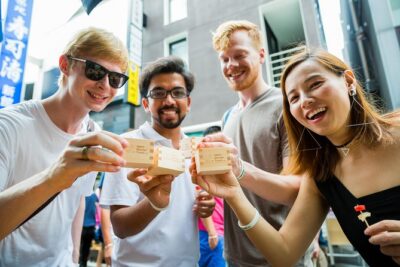
Tokyo Tsukiji Fish Market Food and Culture Walking Tour
Read our review →
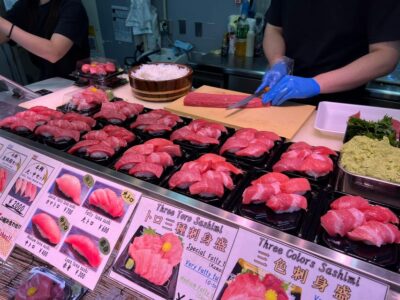
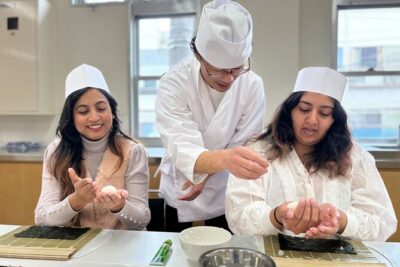
Tokyo Sushi Making Class in Tsukiji with Professional Chef
Read our review →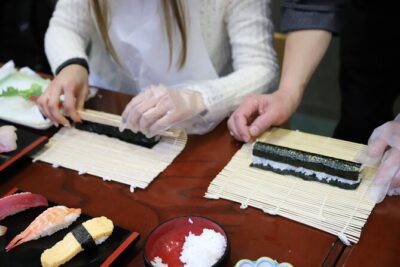
Tsukiji Fish Market Guided Tour and Sushi Making with Pro Chef
Read our review →Tsukiji Fish Market Food and Culture Walking Tour
Read our review →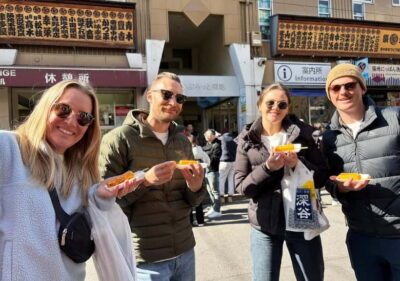
Tsukiji Fish Market: Street Food & Culture Walking Tour
Read our review →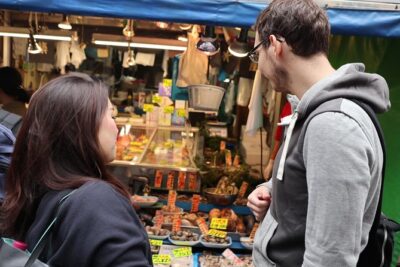
Tsukiji Fish Market Small-Group Food Walking Tour
Read our review →Browse the lists this tour appears in