
Reviewed · JAPANESE CULTURE WORKSHOPS
Discover the Art of Ikebana in Tokyo’s Historic Yanaka District
Tokyo’s Yanaka district gives this ikebana workshop a setting that feels far removed from the city’s giant crossings and glass towers. You’ll visit a local flower shop, choose seasonal stems with about ¥1,000 to ¥2,000 in cash, then create an arrangement with a Japanese teacher and English-speaking assistant.
I like the personal scale of the class, which is private for your group, and the way flower shopping becomes part of the lesson rather than a quick stop. I also like the connection to everyday Yanaka, where a shopkeeper or neighbor may help with the selection. The main drawback is the short 90-minute schedule, especially if you hope to linger at the neighborhood sights or need a relaxed pace in hot weather.
In This Review
- Key Points to Know
- Why Ikebana Works So Well in Yanaka
- Meeting at the YANESEN Culture Center
- Choosing Flowers in a Working Neighborhood
- Learning from an Ikebana Master
- Yanaka Ginza and the Everyday Side of Tokyo
- Yanaka Cemetery and Nezu Shrine
- Yuyake Dandan and the Walk Back
- What the $108.99 Price Really Covers
- Who Will Get the Most from This Class
- Practical Timing and Booking Advice
- Should You Book This Yanaka Ikebana Experience?
- FAQ
- How long does the ikebana experience last?
- Where does the activity start and end?
- What is included in the price?
- How much cash should I bring?
- Is this a private activity?
- Can I cancel for a full refund?
- What happens if bad weather cancels the activity?
Key Points to Know
- Choose your own flowers: Bring cash and select fresh seasonal stems at a nearby Yanaka shop.
- Learn with two instructors: An ikebana master teaches the arrangement, while an English-speaking assistant helps with translation.
- Enjoy a private class: Only your own group takes part, making this a good fit for couples, families, and small parties.
- Start and finish in Yanaka: Meet at the YANESEN Tourist Information & Culture Center and return there at the end.
- See four local sights: The route includes Yanaka Ginza, Yanaka Cemetery, Nezu Shrine, and Yuyake Dandan.
- Plan your timing carefully: The activity lasts about 1 hour and 30 minutes, but you may want extra time before or after to explore.
Why Ikebana Works So Well in Yanaka
Ikebana is more than placing flowers in a vase. Its appeal comes from the balance between flowers, stems, empty space, shape, and the season. A simple arrangement can feel quite different from a full Western bouquet because the design often gives each branch room to speak.
Yanaka is a fitting place to learn this art. The district has a quieter, older feel than much of central Tokyo, with small shops, temples, narrow streets, and local businesses woven into the neighborhood. You are not being taken to a polished cultural set made only for visitors. You are buying flowers in an active shopping area and taking part in a small exchange with people who live and work there.
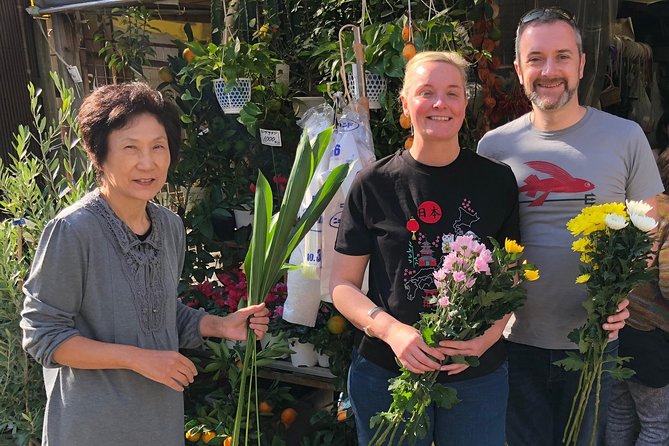
That local contact is one of the strongest reasons to book. You may meet the flower-shop owner, receive help choosing stems, or speak with neighbors who stop by. The activity supports the district’s shops and artists while giving you a practical way to connect with the area.
More old-Tokyo backstreet walks:
- The Old Quarter of Tokyo – Yanaka Walking Tour
★ 4.5 · 590 reviews - Yanaka Walking Tour: Historic and Traditional District of Tokyo
★ 5.0 · 530 reviews - Tokyo: Old Quarter Yanaka Walking Tour
★ 4.8 · 406 reviews
Meeting at the YANESEN Culture Center
Your starting point is the YANESEN Tourist Information & Culture Center at 3-chōme-13-7 Yanaka, Taito City. This is also where the activity ends, which makes the meeting arrangement simple. You do not need to work out a separate return point after the class.
The location is near public transportation, but the supplied details do not name a specific station or train line. Give yourself enough time to find the center, especially if Yanaka is new to you. The activity is booked well ahead on average, around 41 days in advance, so it is sensible to reserve early if your Tokyo dates are fixed.
The workshop is private for your group. That matters here. A small class gives you more room to ask about the design and lets the instructor respond to your choices instead of presenting a one-size-fits-all demonstration. It also suits a couple, parent and teen, or a small family better than a large class would.
Choosing Flowers in a Working Neighborhood
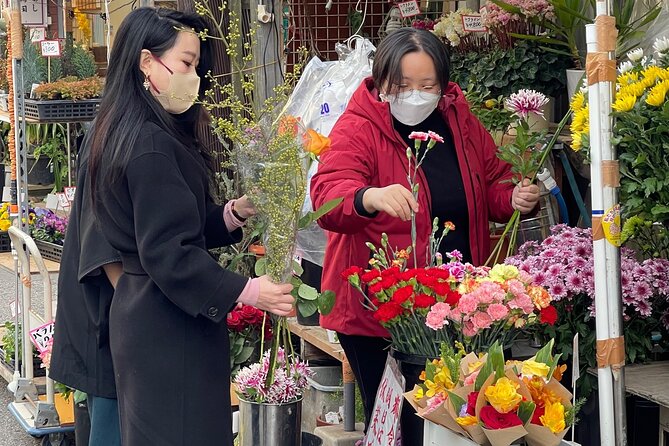
The flower-shopping part gives the class its local character. You will visit a nearby shop and select flowers for your final arrangement. Bring cash, with about ¥1,000 to ¥2,000 recommended. The stated requirement is at least ¥1,000 per person, so do not arrive expecting the flower cost to be included in the tour price.
This small purchase is easy to overlook when comparing activities, but it affects the total cost and the rhythm of the class. You are not simply handed a prepared kit. Your choices become part of the finished work, and the flowers may reflect what is seasonal and available that day.
The selection can also be one of the most useful parts for a first-time student. You begin to notice how a flower’s length, curve, color, and texture might work in an arrangement. The English-speaking assistant can help bridge the language gap, while the shopkeeper contributes a direct connection to local life.
You should keep expectations practical. The activity does not promise a large flower market visit or a long shopping session. The shop stop is tied to the workshop, so the choice is likely to be focused rather than a full retail outing. That is a benefit if you want a clear purpose, but a limitation if you are hoping to browse for a long time.
Learning from an Ikebana Master
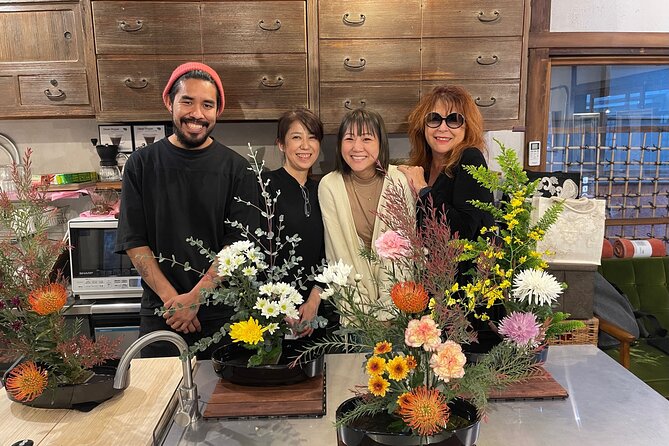
After choosing your flowers, you will work with a professional ikebana master. The teacher explains the basics of the form and guides you through creating your own arrangement. An English-speaking assistant supports the lesson and translates as needed.
The best feature of this setup is the balance between instruction and personal expression. You are learning traditional principles, but the point is not to copy a finished display without thought. The teacher helps you understand how to arrange your stems while leaving room for your own decisions.
Past class details point to a warm, informal teaching style. The instructor has been described as skilled and clear, while the translator has helped participants follow the lesson comfortably. One teacher dressed in a kimono for the class, adding a traditional touch, though you should not assume that this will happen at every session.
The room is above a café in a pleasant part of Yanaka, according to class details shared by participants. That gives you a useful plan for the rest of your visit: have lunch before or after, then walk through the neighborhood at your own pace. The workshop itself is indoors, which is welcome in Tokyo’s heat and humidity, but you should leave extra time around it rather than rushing straight to another appointment.
A 90-minute class is enough for a hands-on introduction. It is not enough for an advanced course or a long meditation session. You will learn a basic design, make a final arrangement, and leave with a better sense of how ikebana differs from ordinary bouquet-making. If you want a detailed study of one school’s history or several increasingly difficult arrangements, you will need a longer course.
More craft workshops in Tokyo:
- Tokyo Shinjuku Chopsticks Making Class
★ 5.0 · 1,763 reviews - Kintsugi Experience: Art of Golden Joinery in Tokyo
★ 5.0 · 467 reviews - Authentic Pure Gold Kintsugi Workshop with Master Taku in Tokyo
★ 5.0 · 217 reviews - Tokyo: KABUKI Show at Kabukiza Theatre Admission Ticket
★ 4.8 · 152 reviews
Yanaka Ginza and the Everyday Side of Tokyo
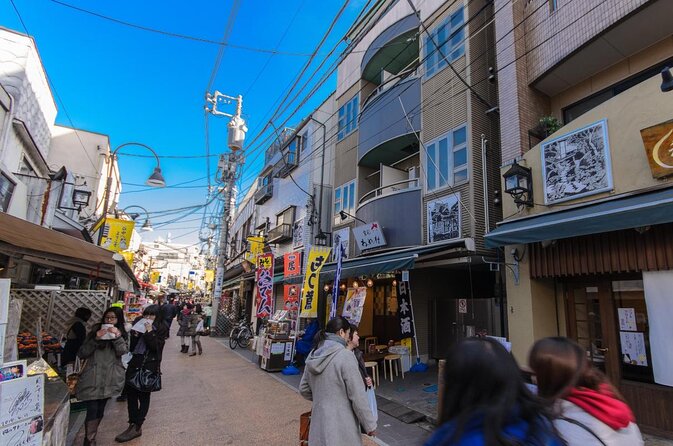
Yanaka Ginza Shopping Street is one of the listed stops. It is a useful introduction to the district because it brings you into contact with small local businesses and ordinary neighborhood activity.
The connection to the flower purchase is the important part for this tour. Instead of treating Yanaka Ginza as scenery viewed from a bus, you use the area as a place to make a real choice and support a local shop. That gives the stop more purpose than a quick photo pause.
The street can also help you understand why Yanaka feels different from Tokyo’s major shopping zones. The appeal is in the small scale and local character, not in enormous department stores or famous modern architecture. If you arrive early, it is worth allowing time to look around before the activity begins.
The drawback is that the class lasts only about 90 minutes. You should not count on seeing every part of the street in depth during the booked activity. Treat Yanaka Ginza as a starting point for a longer independent walk.
Yanaka Cemetery and Nezu Shrine
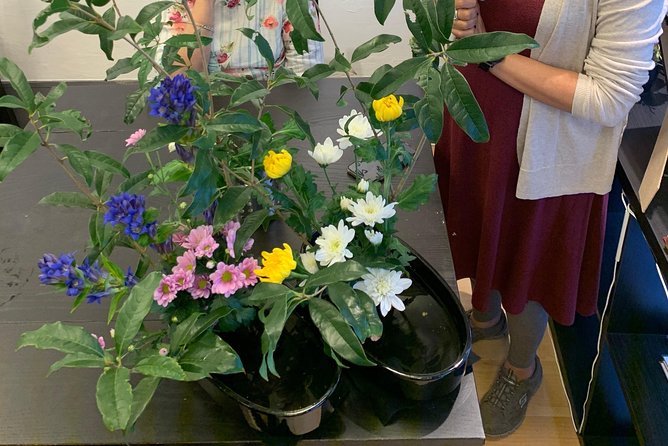
Yanaka Cemetery is another listed point in the itinerary. It adds a quiet, reflective side to the neighborhood and fits the thoughtful mood of ikebana. Seasonal awareness and respect for natural forms are central to flower arrangement, so a peaceful cemetery setting makes a natural companion to the workshop.
You should not expect a guided cemetery study unless that is explained on the day. The available information identifies it as a stop but does not give a detailed talk, exact visiting time, or special access. Consider it part of the neighborhood setting rather than a separate full tour.
Nezu Shrine brings a different kind of atmosphere. It is one of Yanaka’s best-known traditional sites and gives you a sense of the area’s religious and architectural character. It helps place the flower class within a wider view of Japanese culture, where seasonal beauty, ceremony, and everyday practice overlap.
Again, the timing is limited. The listed sights may frame the experience or form part of the route, but the workshop remains the main event. If Nezu Shrine is a priority, plan a separate visit before or after the class so you are not watching the clock.
Yuyake Dandan and the Walk Back
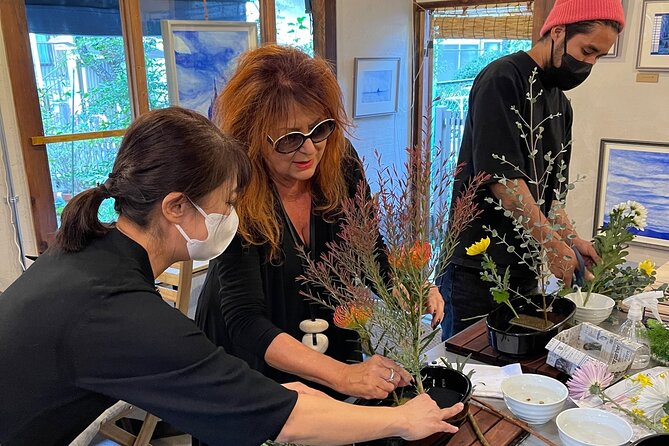
Yuyake Dandan is a stairway and viewing point associated with Yanaka. Its name refers to the evening glow, and it is one of the recognizable spots connected with the district. Including it gives the activity a simple visual finish and helps you see Yanaka as a walkable neighborhood rather than a single classroom.
The name suggests that sunset would be a particularly appealing time, but the activity information does not promise an evening departure or sunset visit. Do not book the class solely for that effect. If you want the best chance of seeing the area in warm evening light, check your start time and plan a separate return.
Since the tour ends back at the culture center, you can use the rest of the day to eat, shop, or explore nearby streets. This return arrangement is convenient, but it also means the activity is not a one-way sightseeing walk to another Tokyo district.
What the $108.99 Price Really Covers
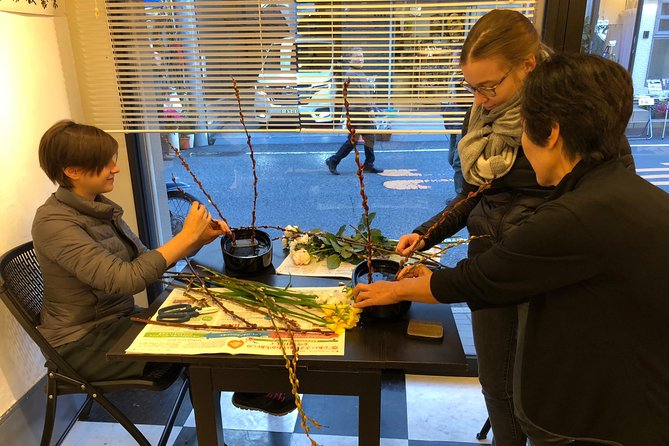
At $108.99 per person, this is not a cheap flower-arranging lesson. The price covers the private workshop, the ikebana master, and the English-speaking assistant. You also pay separately for the flowers, with about ¥1,000 to ¥2,000 in cash recommended.
The value depends on what you want from a cultural activity. If you only want to place flowers in a vase for less money, a standard craft class may suit you better. Here, you are paying for a private setting, language support, a teacher with formal ikebana skill, and a connection to Yanaka’s local businesses.
The class also gives you something to take away beyond a photograph. You create your own arrangement and gain basic ideas you can try at home. One participant left feeling ready to continue ikebana independently, which is a good sign for anyone who wants a lasting skill rather than a quick staged activity.
Group discounts are available, though the supplied information does not state the discount amount or group size. Ask for the exact rate before booking if you are traveling with several people. Because the activity is private, a group may get better social value from sharing the class together, but each person still needs to account for the flower cost.
Who Will Get the Most from This Class
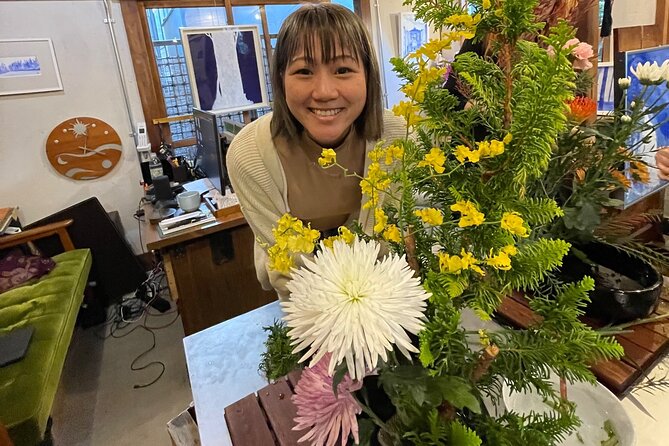
I would recommend this for someone who wants a calm, hands-on cultural activity and prefers a neighborhood setting to a large attraction. It is especially well suited to:
- Couples looking for a quiet shared activity
- Parents and teenagers
- Small groups who want a private lesson
- First-time visitors curious about Japanese arts
- Anyone who enjoys flowers, design, or seasonal traditions
- Visitors who want to support small local businesses
The class also works for people who are not naturally artistic. You are not expected to arrive with flower-arranging skills. The master gives structure, and the assistant helps with English, while your own choices remain part of the finished piece.
It may be less suitable if you want a long walking tour, a large group with lots of social energy, or an advanced ikebana course. The four neighborhood stops are appealing, but the available schedule does not suggest extended sightseeing at each one. You should also plan around the weather, since the activity may be canceled in poor conditions.
Most people can participate, and service animals are allowed. The experience is near public transportation, but the information does not specify the exact accessibility of every street, stair, or site. If mobility is a concern, contact the provider before booking and ask about the route.
Practical Timing and Booking Advice
The activity runs for approximately 1 hour and 30 minutes. I would not schedule a major attraction immediately afterward. One class detail specifically advises leaving an extra couple of hours between this activity and the next event, and that is sound advice if you want time for lunch, neighborhood walking, flower selection, or a delayed start.
Book ahead if possible. The average booking window is 41 days, which suggests that popular dates can fill well before arrival. Confirmation is provided at booking, and mobile tickets are supported.
Cancellation is free until 24 hours before the local start time. Within that final 24-hour period, you cannot receive a refund or make changes. Poor weather or failure to meet the minimum number of participants can lead to cancellation, in which case you are offered another date or experience, or a full refund.
Wear something comfortable for a small indoor lesson and remember the cash. The flower purchase is the one easy preparation step that can otherwise catch you out.
Should You Book This Yanaka Ikebana Experience?
Book it if you want personal instruction, local contact, and a finished creative project in one compact activity. The private format, English-speaking help, flower-shop visit, and pleasant Yanaka setting give it more character than a generic craft class.
Skip it if your priority is a low-cost activity, a full sightseeing tour, or a long formal study of ikebana. The $108.99 price is reasonable for private teaching and language support, but the separate flower cost and short duration matter.
For many visitors, this is a smart way to slow down in Tokyo. You leave the major sights for a while, make something with your hands, and see a neighborhood through the people who keep it going.
FAQ
How long does the ikebana experience last?
The activity lasts approximately 1 hour and 30 minutes.
Where does the activity start and end?
It starts and ends at the YANESEN Tourist Information & Culture Center, 3-chōme-13-7 Yanaka, Taito City, Tokyo 110-0001, Japan.
What is included in the price?
The price includes the workshop with an ikebana master and an English-speaking assistant.
How much cash should I bring?
Bring about ¥1,000 to ¥2,000 in cash to buy the fresh flowers for your final arrangement. At least ¥1,000 per person is specified.
Is this a private activity?
Yes. Only your own group participates in the private tour or activity.
Can I cancel for a full refund?
You can cancel at least 24 hours before the local start time for a full refund. Cancellations or changes made less than 24 hours before the start are not accepted for a refund.
What happens if bad weather cancels the activity?
If poor weather causes a cancellation, you are offered a different date or experience, or a full refund.
More Historical Tours in Tokyo
- Tokyo: Imperial Palace and Shogun Historical Walking Tour
★ 5.0 · 2,251 reviews - Tokyo: Imperial Palace Japanese History Walking Tour
★ 4.9 · 987 reviews - Tokyo: Shinjuku Historical Walking Tour & Secret Backstreets
★ 5.0 · 530 reviews - Mt. Fuji Heritage Tour: Traditional Villages, Lakes & Shrine
★ 4.5 · 509 reviews
New on our Tokyo list
- From Tokyo: Mount Fuji & Hakone Full Day Private Tour★ 4.9 · 25 reviews
- Tokyo Spectacular View Day-Cruise in 90 Minutes★ 5.0 · 25 reviews
- Real Tokyo Runner Club : Daikoku Car Meet Night Tour with JDM Car★ 5.0 · 25 reviews
- 2.5 Hour-Guided Cycle Tour in the Central Tokyo★ 5.0 · 25 reviews
- Ramen Making from Scratch +Akihabara Tour –Cooking Class★ 5.0 · 25 reviews
- [Self-Drive] Tokyo & Daikoku Custom Car Driving Tour★ 4.9 · 25 reviews
- Tokyo: 2-Hour Night Bike Tour of the City’s Hidden Gems★ 4.9 · 25 reviews
- Samurai themed Entertainment show in Shinjuku★ 4.5 · 25 reviews
Japanese Culture Workshops, compared.
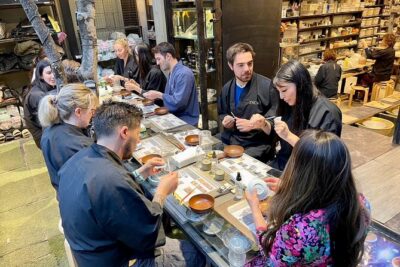
Kintsugi Experience: Art of Golden Joinery in Tokyo
Read our review →
Authentic Pure Gold Kintsugi Workshop with Master Taku in Tokyo
Read our review →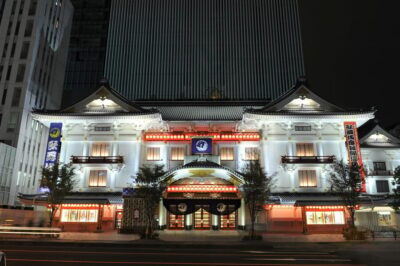
KABUKI Show at Kabukiza Theatre Admission Ticket
Read our review →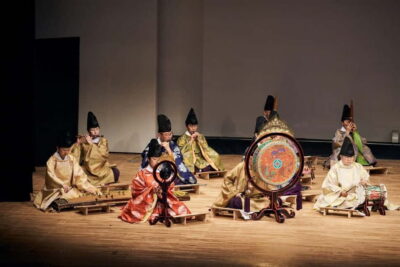
KABUKI, BUNRAKU, etc. presented by National Theatre
Read our review →
Kintsugi Workshop Class in Shibuya, Tokyo with mon cadeau
Read our review →
Browse the lists this tour appears in