
Reviewed · TEA CEREMONIES
Tokyo: Matcha Tasting and Making Experience
The most interesting part of this Tokyo class is the side-by-side tasting. Instead of treating matcha as one sweet green drink, you compare tea from five Japanese production areas, including ceremonial-grade samples and two products sold as matcha even though they are not technically defined as matcha.
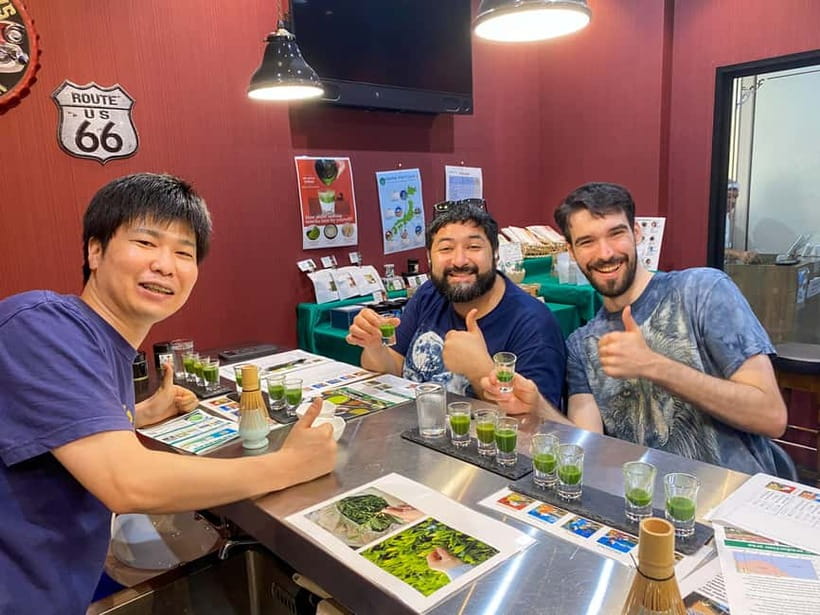
I like the hands-on whisking lesson and the guide’s background as a former Kyoto tea farmer who grew tea for six years. I also like the small group limit of five, which gives you room to ask questions. The main thing to check before booking is the tasting count: the overview says 10 types, while the detailed session description says eight.
- Five production areas: Compare how origin affects matcha’s color, scent, and taste.
- A former tea farmer as your guide: Learn about cultivation and tea-making from someone with practical field experience.
- Six ceremonial-grade samples: The tasting also includes two products sold as matcha but not technically classified as matcha.
- Your own bamboo-whisked bowl: Pick a favorite and prepare ousucha yourself.
- Milk drinks and sweets: Finish with the cafe’s original matcha blend, matcha latte, hojicha latte, and matcha sweets.
- Small English-language class: The group is limited to five people and lasts 90 minutes.
In This Review
- Why this matcha class is different
- Finding the cafe inside Asakusa Tawaramachi
- Starting with a welcome drink and tea basics
- Comparing eight matcha samples from five regions
- Choosing a favorite and whisking your own ousucha
- Matcha lattes, hojicha, and sweets to finish
- What the $63 price buys you
- Who will get the most from the 90 minutes
- Booking details worth checking first
- What the strong feedback tells you
- Should you book this matcha experience?
- FAQ
- Where does the matcha class meet?
- How long does the activity last?
- What language is the class conducted in?
- How many people can join the group?
- How many kinds of matcha will I taste?
- Are all the samples ceremonial-grade matcha?
- Will I make matcha myself?
- Are drinks and sweets included?
- Is transportation to the cafe included?
- Can I cancel for a full refund?
Why this matcha class is different
Many Tokyo tea activities give you one bowl of matcha and a short lesson in whisking. This class takes a more useful approach: it lets you compare several teas before you prepare your own.
That comparison matters. Matcha can vary in color, aroma, bitterness, sweetness, and texture. If you have only had matcha in a cafe latte, you may be surprised by how different a straight bowl can taste. The class helps you notice those differences without requiring prior tea knowledge.
The guide spent six years growing tea in Kyoto. That background gives the lesson a practical angle. You learn not just how matcha is served, but also about its definition, cultivation methods, production, and place in Japanese tea culture.
The format is friendly to first-timers. You are not expected to know tea vocabulary or follow formal tea ceremony rules. This is a class for general visitors who want to understand Japanese tea and take a practical skill home.
Finding the cafe inside Asakusa Tawaramachi
The meeting place is the cafe inside Henn na Hotel Asakusa Tawaramachi. Look for the FamilyMart on the first floor, enter the hotel, and go to the second floor.
This is useful to know because the venue is inside a hotel rather than presented as a separate street-front tea shop. Give yourself enough time to find the entrance and reach the second floor. Transportation to the venue is not included, so you make your own way there.
The location works well if you are already visiting Asakusa or the Tawaramachi area. The activity itself does not include sightseeing or transportation, so think of it as a focused indoor class rather than a wider neighborhood tour.
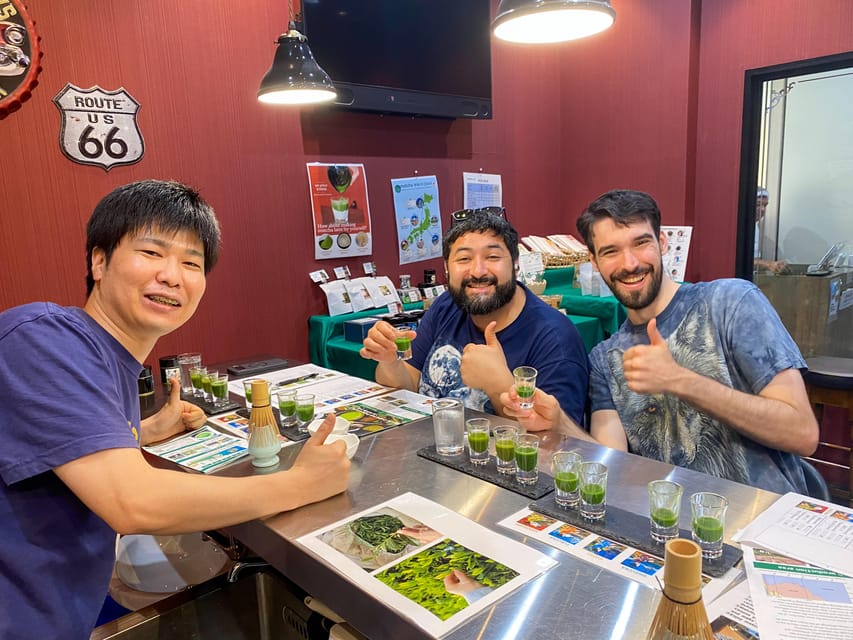
The group limit is five people. That is a real advantage for a tasting where you may want to ask why one tea looks brighter or why another tastes more bitter. It also makes the whisking portion less hurried than a large group lesson can be.
More tea rooms worth booking:
- Matcha Making Class in Tokyo with Authentic Japanese Sweets Set
★ 5.0 · 744 reviews - Tokyo: Traditional Tea Ceremony with a Tea Master
★ 5.0 · 528 reviews - Tokyo: Matcha Making Experience with Mochi Sweets in Asakusa
★ 4.9 · 388 reviews
Starting with a welcome drink and tea basics
The class begins with a welcome drink. While you enjoy it, the guide explains the matcha you will taste, along with its history and production.
This opening gives you a frame for the tasting that follows. You hear what matcha is, how it is cultivated, and why production areas matter before you begin comparing bowls. For someone who knows matcha mainly as a flavor in desserts, this explanation helps separate the powdered tea itself from the many sweetened products sold in cafes.
The lesson also covers the meaning of matcha. That point is especially useful because not every green powder sold under the word matcha fits the same technical definition. The class includes two samples that are sold as matcha around the world but are not defined as matcha, allowing you to consider the difference directly.
The guide’s farming background is the strongest part of this introduction. Practical information from someone who has worked with tea plants can make cultivation feel more concrete than a short script about Japanese customs.
Comparing eight matcha samples from five regions
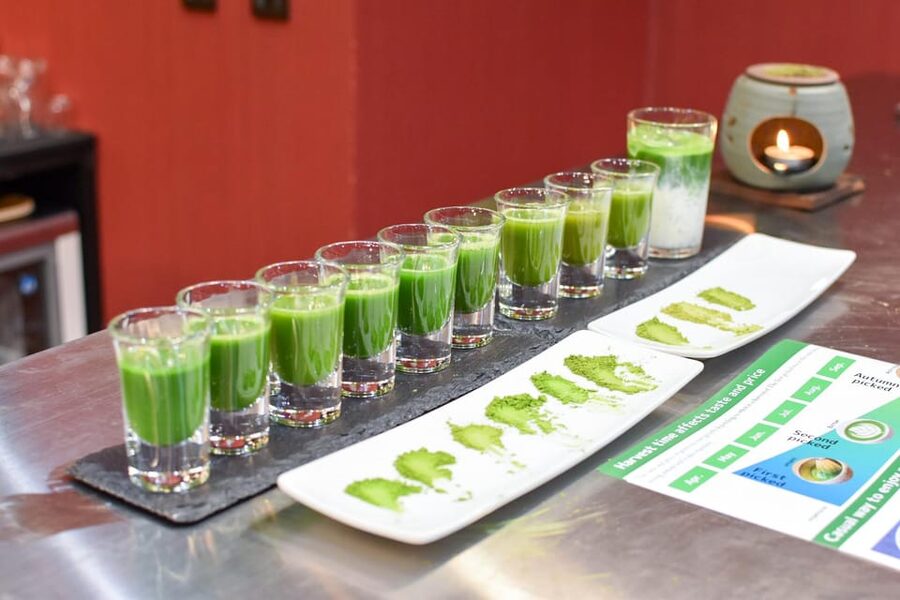
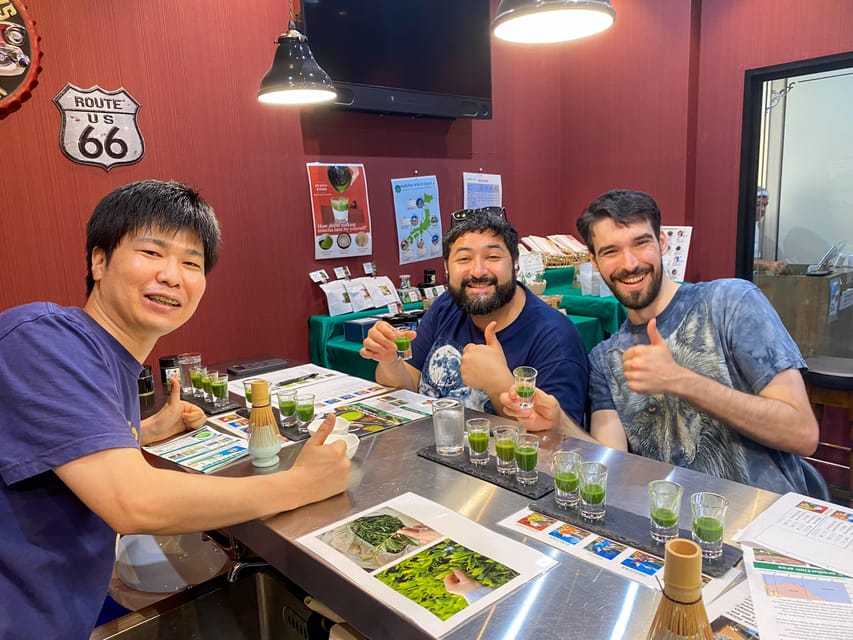
The tasting is the heart of the 90-minute session. The detailed schedule says you receive eight kinds from five production areas, served in small portions at once. The wider activity description refers to 10 different matcha types, so the exact number is worth confirming when you book.
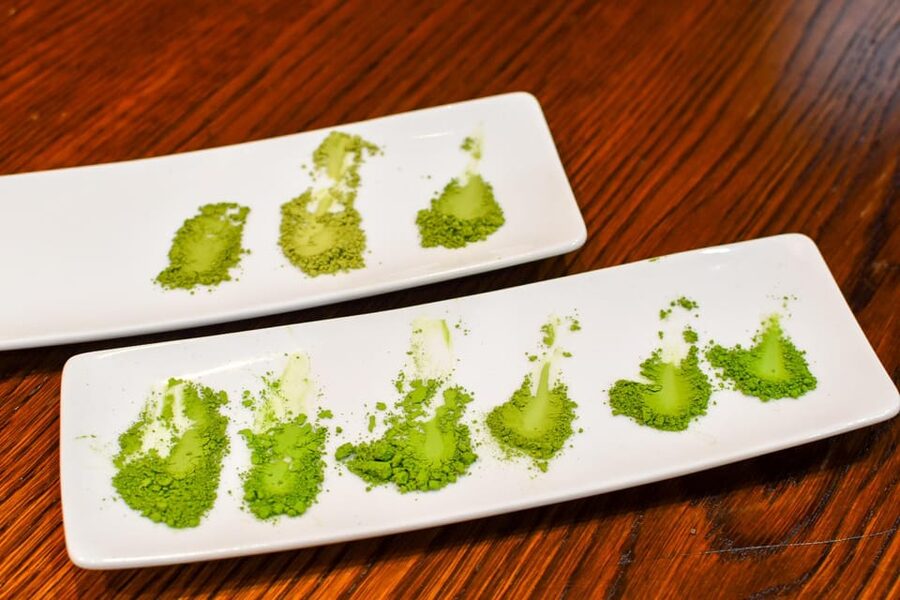
Six of the eight samples in the detailed description are ceremonial grade. Two are not technically defined as matcha, though they are sold as matcha in markets around the world. This gives you a useful range rather than eight near-identical bowls.
You first look at the color. Then the guide prepares the tea and serves it so you can consider color, fragrance, and taste. Small portions make sense here. Matcha is powdered tea, and tasting many full bowls in one sitting would be excessive. The format lets you compare without turning the class into a caffeine endurance test.
I would pay attention to a few simple things:
- Is the color bright, soft, or muted?
- Does the aroma seem grassy, sweet, roasted, or mild?
- Does the flavor feel smooth, bitter, sweet, or savory?
- Does the taste linger after you swallow?
- Would you prefer this tea plain, or with milk and sugar?
You do not need a trained palate. The point is not to produce a perfect tasting note. It is to find one or two styles you enjoy and learn why they appeal to you.
The tasting also gives you a better way to shop later. If you buy matcha in Japan, you will have a clearer idea of what you like in a straight tea and what might work better in a latte.
Choosing a favorite and whisking your own ousucha
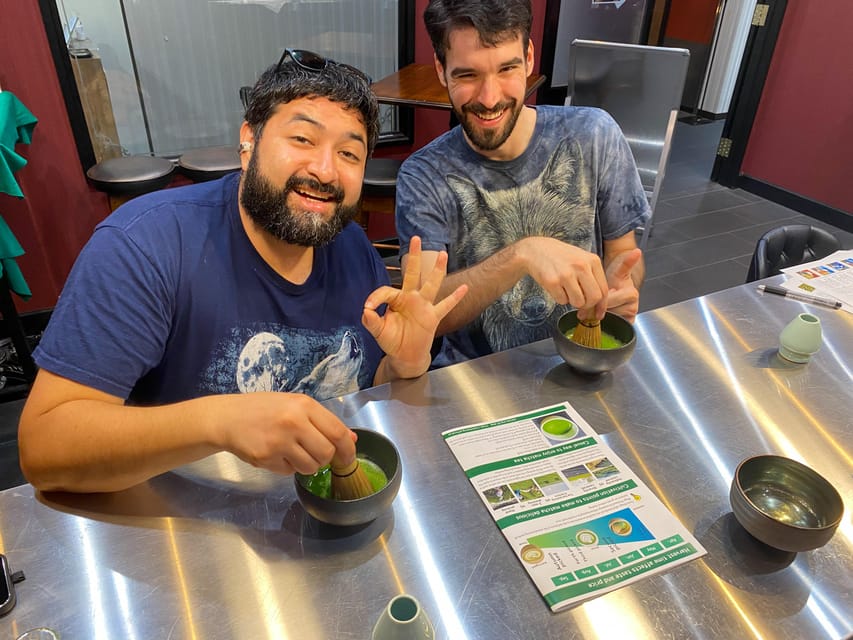
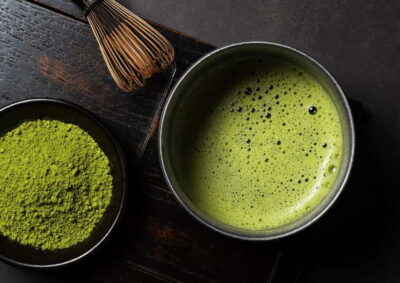
After comparing the samples, you choose the matcha you liked best and prepare it yourself. The final drink is ousucha, the lighter style of whisked matcha.
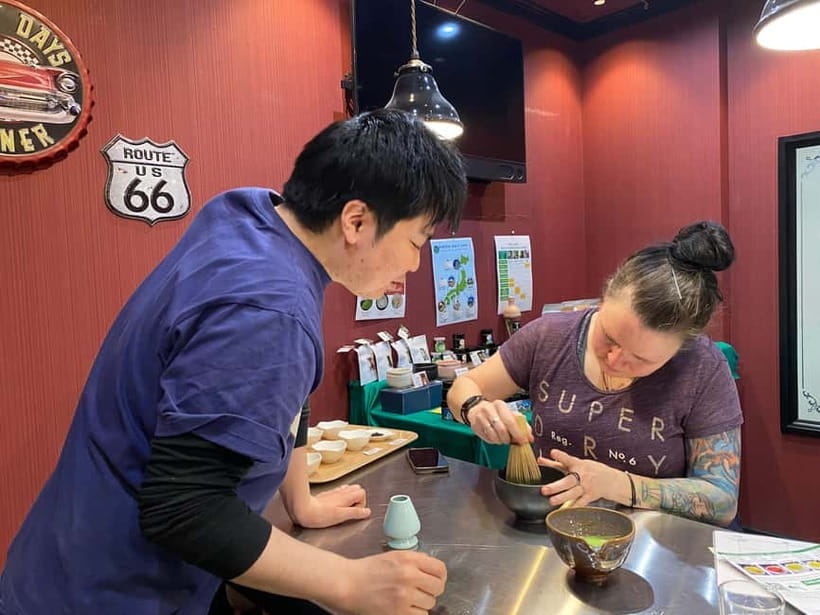
You use a bamboo tea whisk. The guide demonstrates the method, then gives you the chance to make your own bowl. This is the part that turns the class from a tasting into a skill lesson.
The practical value is clear. Once you know the basic whisking process, you can make matcha at home instead of treating it as something that requires a special tea room. You leave with an understanding of how to prepare the drink, not just a memory of someone else making it for you.
Do not expect a formal tea ceremony. The activity is designed for general visitors who want to learn about Japanese tea, and the focus is on tasting and preparation. If you are looking for a highly traditional ceremony with strict etiquette, this is probably not the right format.
For most people, the relaxed approach is a benefit. You can focus on the texture and taste of the tea, and you can ask questions without worrying about making a ceremonial mistake.
A few more Tokyo bookings worth comparing
- Mt Fuji and Hakone 1-Day Bus Tour Return by Bullet Train
★ 5.0 · 26,383 reviews - 1-Day Tokyo Bus Tour
★ 5.0 · 14,250 reviews - Tokyo: TOKYO SKYTREE® Admission ticket
★ 4.5 · 11,192 reviews - Tokyo: teamLab Planets TOKYO Digital Art Museum Entry Ticket
★ 4.6 · 9,779 reviews
Matcha lattes, hojicha, and sweets to finish
The last food and drink portion shifts from straight tea to cafe-style flavors. You enjoy a matcha latte, a hojicha latte, and matcha sweets. The cafe uses its own matcha blend for the milk drinks, selected to work well with milk.
This is a smart ending because it shows how matcha behaves in different settings. A delicate tea that works well on its own may disappear in milk, while a stronger blend can hold its flavor in a latte. Hojicha adds a roasted tea option, giving you a contrast to the greener taste of matcha.
The sweets provide another comparison point. Matcha is often paired with sugar, cream, or pastry, and the sweets let you see how bitterness changes when balanced by sweetness.
The menu information clearly includes matcha latte and hojicha latte, but it does not give the exact number or type of sweets. If you have dietary restrictions, ask the provider before booking rather than assuming the sweets will suit you.
This final portion also makes the class appealing to people in a mixed group. One person may care about tea cultivation and straight matcha, while another may mainly want a good latte and a small dessert. Both sides get something from the session.
What the $63 price buys you
At $63 per person, this is not the cheapest way to have a matcha drink in Tokyo. A cafe visit will cost much less. The price makes more sense if you value the teaching, the range of samples, and the chance to prepare the tea yourself.
You are paying for a 90-minute English-language class with several tasting portions, a welcome drink, a bamboo-whisking lesson, two types of latte, and matcha sweets. The group is capped at five, which matters here because personal attention is part of the value.
I would not book this solely for the food. The lattes and sweets are a pleasant finish, but the main purchase is the guided comparison of matcha from different areas. If you already know a great deal about tea and mainly want a formal ceremony, the format may feel too introductory.
For a first serious look at matcha, the price is easier to justify. You get context, a range of tastes, and a method you can repeat at home. The value is strongest for people who want more than a photo and a single sweet drink.
Who will get the most from the 90 minutes
I would recommend this class to:
- First-time matcha drinkers who want to understand the flavor beyond sweet cafe drinks.
- Tea fans who want to compare Japanese production areas in one sitting.
- Couples or small groups who prefer a calm lesson over a large group activity.
- Visitors who enjoy food education and hands-on preparation.
- People who want to make matcha at home after returning from Japan.
- Anyone curious about the difference between technically defined matcha and products marketed as matcha.
It may be less suitable for you if you want a full-day tea farm visit, a formal tea ceremony, or a broad tour of Asakusa. The experience stays inside the cafe and focuses tightly on matcha.
The commercial-use warning also matters. This is a class for general guests. If you are researching matcha for a business, product, or commercial project, contact the provider before reserving rather than using the session for that purpose.
Booking details worth checking first
The session is conducted in English, lasts 90 minutes, and has a maximum of five participants. Starting times vary, so you need to check availability for your date.
The activity allows free cancellation up to 24 hours before the start time for a full refund. You can also reserve now and pay later, which helps if your Tokyo schedule is still changing.
The tasting count deserves a quick check. The highlights describe 10 types from five areas, while the step-by-step schedule says eight kinds, with six ceremonial-grade samples and two products not technically defined as matcha. This may reflect different package wording, but confirming the number avoids confusion.
No transportation is included. The meeting point is the second floor of Henn na Hotel Asakusa Tawaramachi, above the FamilyMart on the first floor.
What the strong feedback tells you
The highest praise centers on the guide’s expertise, clear explanations, and passion for matcha. That matches the structure of the class: the guide is not simply pouring tea, but explaining cultivation, production, preparation, and taste.
The guide’s six years as a Kyoto tea farmer is the detail I would give the most weight. It suggests practical experience with tea growing, not only a general interest in Japanese beverages.
The feedback also points to a welcoming teaching style. That matters because a tasting can become stiff if the guide uses too much specialist language. Here, the goal is to make the subject understandable and enjoyable for a general audience.
The rating is 4.9 from 21 reviews, with praise especially focused on the detailed explanations and the host’s practical knowledge. One less enthusiastic score still described the activity as interesting and full of useful information, which supports a balanced view: the teaching is the main strength, while the experience may not suit someone seeking a formal ceremony or a wider sightseeing program.
Should you book this matcha experience?
Book it if you want to compare several kinds of Japanese matcha, learn from a former tea farmer, and practice whisking your own bowl in a very small English-language group. The combination of regional tasting, hands-on preparation, lattes, and sweets gives the 90 minutes a clear purpose.
Skip it if your main goal is a traditional tea ceremony, a tea farm visit, or the lowest-cost matcha drink in Tokyo. Before paying, confirm whether your session includes eight or 10 types, since the supplied details differ.
For most curious first-time visitors, I think the class offers a useful balance of education and pleasure. You taste carefully, learn what you are tasting, and finish with drinks that show how matcha and hojicha work with milk. That is a much better souvenir than simply buying a green powder you do not yet know how to use.
FAQ
Where does the matcha class meet?
It meets at the cafe inside Henn na Hotel Asakusa Tawaramachi. Enter through the hotel entrance, find the FamilyMart on the first floor, and go to the second floor.
How long does the activity last?
The activity lasts 90 minutes.
What language is the class conducted in?
The instructor teaches in English.
How many people can join the group?
The group is limited to five participants.
How many kinds of matcha will I taste?
The detailed session description says eight kinds from five production areas. The activity highlights refer to 10 different types, so confirm the exact number when booking.
Are all the samples ceremonial-grade matcha?
No. The detailed description says six samples are ceremonial grade, while two are not technically defined as matcha but are sold as matcha around the world.
Will I make matcha myself?
Yes. You choose a favorite sample and prepare ousucha using a bamboo tea whisk.
Are drinks and sweets included?
Yes. The activity includes a welcome drink, matcha latte, hojicha latte, and matcha sweets.
Is transportation to the cafe included?
No. Transportation to the experience location is not included.
Can I cancel for a full refund?
Yes. You can cancel up to 24 hours in advance for a full refund. You can also reserve now and pay later.
New on our Tokyo list
- Sumi-e Experience in a relaxing green tea shop in Tokyo★ 5.0 · 3 reviews
- Tokyo : Kamikaze Street Drift Ride★ 5.0 · 3 reviews
- Private Zen Meditation in English in Shinjuku, Tokyo★ 5.0 · 3 reviews
- Onsen Spa in Tokyo and Asakusa Bar Hopping with Local Guide★ 5.0 · 3 reviews
- Easy for everyone! Now you can play handmade mini shamisen and show off to everyone! Musical instruments, sweets and live music★ 5.0 · 3 reviews
- Tokyo: Private Tsukiji Street Food & Sake with Local Guide★ 5.0 · 3 reviews
- Mt Fuji Exploration Tour with Free Japanese Kusa Mochi from Tokyo★ 4.5 · 3 reviews
- Tokyo Tsukiji Fish Market Walking and Exploring Hidden Gems Tour★ 5.0 · 3 reviews
Tea Ceremonies, compared.
Matcha Making Class in Tokyo with Authentic Japanese Sweets Set
Read our review →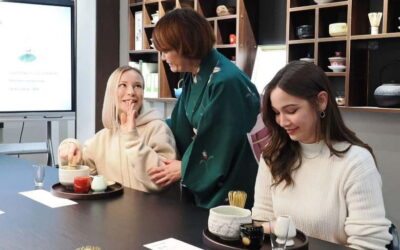
Matcha Making Experience with Mochi Sweets in Asakusa
Read our review →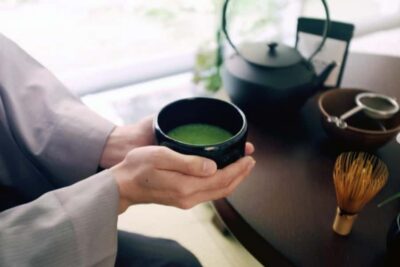
Tea Ceremony Workshop in Tokyo by the Experienced Instrucor
Read our review →

Make Traditional Nerikiri Sweets & Matcha experience in Shibuya
Read our review →Browse the lists this tour appears in