
Reviewed · WORKSHOPS
Tokyo: Mochi-Making Class in a Private Studio
Mochi-making is much more than pounding sticky rice into a sweet. In this two-hour Tokyo class, you shape several kinds of mochi from scratch, learn why the treat appears at Japanese celebrations, and sit down with green tea to taste what you made. Depending on the session, your instructor may be Owa, Kiyoko, Ayumi, or Michiko.
I like the small group of eight or fewer, which gives you room to ask questions and handle the dough without feeling lost. I also like the downloadable recipes: they turn a pleasant afternoon into a souvenir you can actually use.
The main drawback is practical. You must make your own way to the studio, and the venue is not suitable for wheelchair users. Children must be at least four years old, so this is not an option for families with toddlers.
In This Review
- Key points at a glance
- Why this mochi class is worth two hours in Tokyo
- Entering the private studio near Family Mart
- Learning why mochi matters in Japan
- Shaping five kinds of mochi by hand
- Tasting the results with Japanese green tea
- A recipe that keeps the memory alive
- English instruction and the small-group advantage
- Dietary details you should check before booking
- Who will enjoy this class most
- Booking, timing, and practical value
- Should you book the Tokyo mochi-making class?
- FAQ
- How long does the mochi-making class last?
- How many people can join the class?
- Is the class available in English?
- What is included in the price?
- Is the experience suitable for children?
- Is the class suitable for gluten-free or dairy-free diets?
Key points at a glance
- Five mochi dishes from scratch: You do more than watch a demonstration, shaping the dough into several desserts and tasting each style.
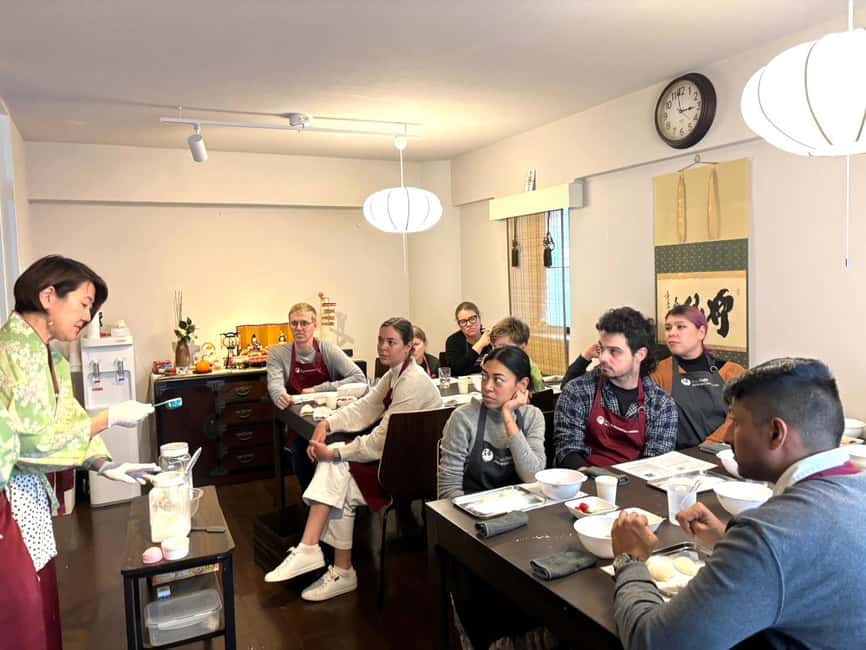
- A personal, small-group setting: With no more than eight participants, the instructor can explain each step and help when sticky dough gets the better of you.
- Culture alongside cooking: The class explains mochi’s place in Japanese life, giving the food more meaning than a simple sweets workshop.
- English or Japanese instruction: Instructors such as Owa, Kiyoko, Ayumi, and Michiko have led sessions, with English available.
- A recipe you can use later: The downloadable recipe makes this a practical souvenir, not just a photo opportunity.
- Gluten-free with a non-dairy choice: This suits many dietary needs, though you should select or request the non-dairy option when booking.
Why this mochi class is worth two hours in Tokyo
Tokyo offers endless food stops, from noodle counters to department-store basements. A mochi class gives you a different kind of meal memory. Instead of simply buying a packaged sweet, you learn how the texture changes under your hands and why the treat carries such weight in Japanese culture.
Mochi is associated with festivals, family occasions, and New Year traditions. Its soft, elastic texture is part of its appeal, but it can also make the first attempt tricky. That is where the class earns its keep. You get direct instruction rather than a recipe and a bowl of ingredients with no help.
The price is $82 per person. That is not a bargain snack stop, but it is reasonable for a two-hour, hands-on activity that includes five dishes, tea, instruction, a photo session, and a recipe to take home digitally. You are paying for time with an instructor and access to a small private studio, not only for the food.
I would compare it with the cost of a standard Tokyo meal plus a separate cultural activity. If you want only to taste mochi, a shop will cost much less. If you want to understand the process and make something yourself, this class gives you more to remember.
A few more Tokyo bookings worth comparing
- Sushi Making Tokyo Roll and Authentic Japanese Sushi Class
★ 5.0 · 3,971 reviews - Tokyo: Roll and Authentic Sushi Making Class in Asakusa
★ 4.9 · 1,957 reviews - Tokyo Shinjuku Chopsticks Making Class
★ 5.0 · 1,763 reviews
Entering the private studio near Family Mart
The meeting point is easy to describe, though you will want to pay attention when you arrive. The building is to the right of a Family Mart convenience store, with a drug store and hair salon on the ground floor.
Look for the class sign. You can use the stairs or the ramp in front of the sign to reach the entrance. At the bottom, press 303 followed by enter to get inside. Transportation is not included, so plan your route before class and allow enough time to find the building.
This is not a large cooking school with a busy reception desk. It is a smaller studio setting. That helps create the close, informal feel that suits a food class, but it also means the arrival instructions matter. Keep the building number handy rather than relying on a passing taxi driver or a last-minute map search.
Smoking is not allowed. The venue is not suitable for wheelchair users because access involves stairs or a ramp and the listing specifically excludes wheelchair users.
Learning why mochi matters in Japan
The class begins with more than kitchen instructions. Your instructor explains the cultural background of mochi, helping you see it as a food with a role in Japanese life rather than just a chewy dessert.
This introduction is one of the most useful parts for first-time visitors. Japanese food culture can look simple from the outside: rice, beans, tea, seasonal ingredients. A little context shows why preparation, shape, and presentation matter.
The instructors bring their own personalities to the lesson. Owa has been praised for clear explanations and for sharing her calligraphy. Michiko has added a short history of mochi and taken time to hear why people are visiting Japan. Ayumi has also led warm, family-friendly sessions, while Kiyoko has guided participants through making several different mochi dishes.
You should not assume that one particular instructor will teach every date, but these details give you a feel for the class. The teaching is not limited to mechanical steps. It may include cultural stories, personal conversation, or an extra look at Japanese arts such as calligraphy.
That personal touch matters in a group this small. You can ask why a step is done a certain way, how the dough should feel, or what makes one filling different from another. You are less likely to become one face in a large demonstration crowd.
Shaping five kinds of mochi by hand
The heart of the class is the preparation of five mochi dishes from scratch. You will touch the dough, work it into shape, and learn how to handle its sticky, stretchy texture.
The hands-on part is designed for beginners. You do not need previous cooking experience, and the minimum age is four. Children who enjoy tactile activities should have plenty to do, though younger children will need adult attention around ingredients and the work surface.
Making several dishes is better than repeating one recipe five times. It lets you see how the same basic ingredient can become different desserts through changes in shape, filling, or finishing touches. You get a wider picture of wagashi, the Japanese tradition of beautiful sweets, without needing to commit to a full-day cooking course.
There is also a small lesson in patience. Mochi does not always behave like ordinary dough. It sticks, stretches, and can look awkward before it starts to resemble a finished sweet. The instructor’s step-by-step guidance is important here. You can watch the technique, copy it, then adjust your hands as you go.
The class is interactive rather than performance-based. You are not standing behind a counter while someone else does the work. Expect to spend much of the session shaping and preparing the food yourself, with help available from the instructor.
Same corner of Tokyo, a completely different plan:
- Mt Fuji and Hakone 1-Day Bus Tour Return by Bullet Train
★ 5.0 · 26,383 reviews - 1-Day Tokyo Bus Tour
★ 5.0 · 14,250 reviews - Tokyo: TOKYO SKYTREE® Admission ticket
★ 4.5 · 11,192 reviews - Tokyo: teamLab Planets TOKYO Digital Art Museum Entry Ticket
★ 4.6 · 9,779 reviews
Tasting the results with Japanese green tea
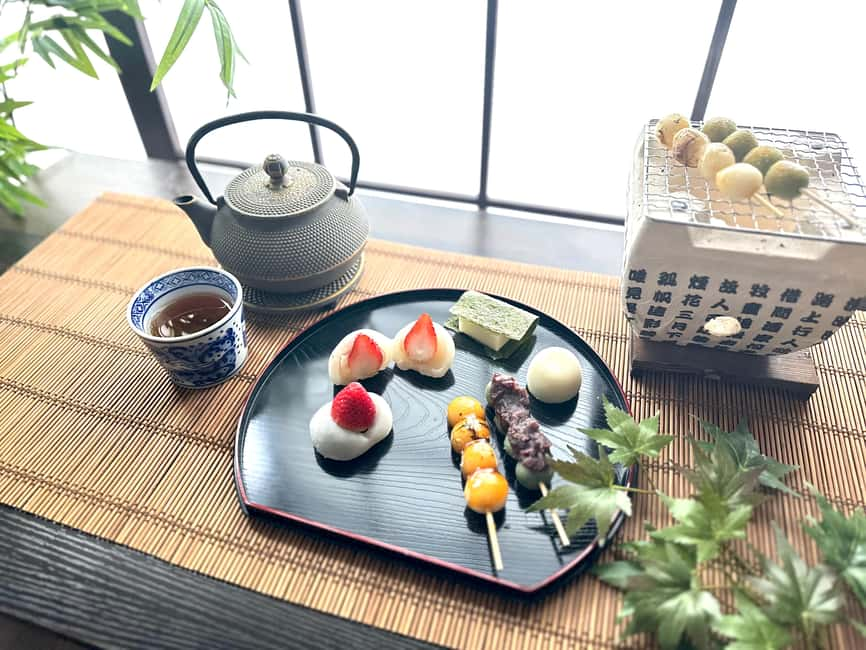
At the end, you sit down to taste the five mochi dishes with a cup of hot or cold green tea. This pause gives the class a proper finish. You can compare the different sweets and notice how the texture changes from one preparation to another.
The tea is a good match for mochi. Its clean, slightly bitter flavor helps balance the sweetness and makes the tasting feel more like a Japanese tea break than a quick sugar stop.
Strawberries may be used in some preparations, but another fruit will be substituted if strawberries are unavailable. That is worth knowing if you have your heart set on a particular fruit. The core activity remains the same, but the exact ingredient can change with availability.
A photo-taking session is included. This gives you a record of the process, not only the final plate. Since the dough can be messy and the finished shapes often look better than your first attempts, photographs add a little fun to the afternoon.
A recipe that keeps the memory alive
Many food classes end when you leave the room. This one provides a downloadable recipe, which adds real value for anyone who enjoys cooking at home.
The recipe lets you repeat the experience after your Japan trip. You may not reproduce every part of the studio setup, but you can try the techniques and share the finished sweets with family or friends. It also helps you remember the class months later, when the details of a busy Tokyo itinerary have blurred together.
I consider this a stronger souvenir than another small purchase. It costs nothing to pack, takes no space in your luggage, and gives you a reason to talk about Japan over dessert at home.
Do remember that a recipe is not the same as a ready-made kit. The class provides instruction and the downloadable recipe, but you will need to obtain your own ingredients later. The value is in learning the method, not receiving a box of supplies.
English instruction and the small-group advantage
The class is offered in English and Japanese. English-speaking instructors have been praised for explaining the process clearly, so you should be able to follow the lesson without Japanese cooking vocabulary.
The group limit is eight. That is small enough for direct help and conversation, while still giving the activity a social feel. You can work alongside family members or other people who are curious about Japanese sweets without the room becoming crowded.
This format suits people who enjoy asking questions. If you want to know how mochi is used during celebrations, why a certain shape is made, or how to fix a sticky piece, you have a better chance of getting an answer quickly.
The small group also helps families. The class accepts children from age four, and making shapes by hand is easy to understand even for younger participants. Still, two hours can be a long stretch for a child who dislikes sitting, listening, or trying unfamiliar food. I would choose this for children who enjoy crafts and cooking rather than for every young child automatically.
The atmosphere can be personal, too. Michiko has made time for individual conversation about why people came to Japan, and Owa has shared calligraphy alongside the mochi lesson. Those details suggest that the class can feel like a meeting with a local teacher, not only a timed activity.
Dietary details you should check before booking
The experience is gluten-free, and a non-dairy option is available. That makes it useful for people who need to avoid gluten or dairy while visiting Japan, where sauces and prepared foods can sometimes be difficult to assess.
The information provided does not spell out every ingredient in each of the five dishes. If you have a serious allergy or need strict separation from a particular ingredient, contact the provider before booking and confirm the arrangements.
For a general non-dairy preference, the available option should make the class easier to fit into your plans. Fruit can also vary, since strawberries may be replaced when they are unavailable.
Who will enjoy this class most
I would recommend it most strongly to:
- Families with children aged four and older who like hands-on activities
- First-time visitors who want food culture explained in plain language
- Couples and friends looking for a shared activity beyond sightseeing
- Anyone who enjoys Japanese sweets and wants to learn the technique
- People who value a small class and direct contact with an instructor
- Home cooks who like leaving with a recipe rather than only a photograph
It is less suitable if you have limited mobility, dislike sticky textures, or want a quick tasting with no instruction. It is also not designed for children under four.
The class works well on a rainy afternoon or as a break from temples, shopping, and city streets. Two hours is long enough to feel worthwhile but short enough to fit around other Tokyo plans. I would avoid scheduling it so tightly that you must rush away immediately, since the tasting and conversation are part of the pleasure.
Booking, timing, and practical value
The duration is two hours, with starting times subject to availability. You can reserve now and pay later, which helps if your Tokyo schedule is still shifting. Free cancellation is available up to 24 hours in advance for a full refund.
The $82 price deserves a clear-eyed look. It covers the class, five mochi dishes, green tea, a photo session, and the downloadable recipe. It does not cover transportation, so include the cost and time of reaching the studio when comparing it with other activities.
For a simple dessert, the amount is high. For a small-group lesson with an English-speaking instructor and five different preparations, it is easier to justify. The strongest value comes if you take part fully, ask questions, and use the recipe later. If you only want to eat mochi, buy it at a shop instead.
The perfect score from eight ratings reflects a consistently positive response so far, with particular praise for the instructors’ patience, English, warmth, and cultural explanations. Eight ratings is still a small sample, so I would treat the score as encouraging rather than as a guarantee that every session will feel identical.
Should you book the Tokyo mochi-making class?
Book this class if you want to do something with your hands, learn the meaning behind a familiar Japanese food, and leave with a recipe you can make again. The small group, five-dish tasting, and English instruction give it more substance than a quick sweets demonstration.
I would especially choose it for a family with children over four, a couple wanting a relaxed shared activity, or a food lover who has already covered the major Tokyo sights. Just confirm the studio access, plan your transportation, and remember that fruit may change and the non-dairy option should be arranged as needed.
Skip it if your budget is tight or if you prefer eating over cooking. For everyone else, $82 buys two useful hours, a personal lesson, green tea, and a taste of Japanese culture that does not end when you walk back onto the street.
FAQ
How long does the mochi-making class last?
The class lasts two hours.
How many people can join the class?
The group is limited to eight participants.
Is the class available in English?
Yes. Instruction is available in English and Japanese.
What is included in the price?
The price includes the mochi-making class, five mochi dishes, green tea tasting, a downloadable recipe, and a photo-taking session.
Is the experience suitable for children?
Children must be at least four years old to enter the class. Children under four are not permitted.
Is the class suitable for gluten-free or dairy-free diets?
The experience is gluten-free, and a non-dairy option is available.
New on our Tokyo list
- Sumi-e Experience in a relaxing green tea shop in Tokyo★ 5.0 · 3 reviews
- Tokyo : Kamikaze Street Drift Ride★ 5.0 · 3 reviews
- Private Zen Meditation in English in Shinjuku, Tokyo★ 5.0 · 3 reviews
- Onsen Spa in Tokyo and Asakusa Bar Hopping with Local Guide★ 5.0 · 3 reviews
- Easy for everyone! Now you can play handmade mini shamisen and show off to everyone! Musical instruments, sweets and live music★ 5.0 · 3 reviews
- Tokyo: Private Tsukiji Street Food & Sake with Local Guide★ 5.0 · 3 reviews
- Mt Fuji Exploration Tour with Free Japanese Kusa Mochi from Tokyo★ 4.5 · 3 reviews
- Tokyo Tsukiji Fish Market Walking and Exploring Hidden Gems Tour★ 5.0 · 3 reviews
Workshops, compared.
Sushi Making Tokyo Roll and Authentic Japanese Sushi Class
Read our review →
Roll and Authentic Sushi Making Class in Asakusa
Read our review →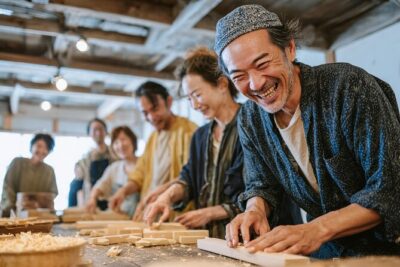
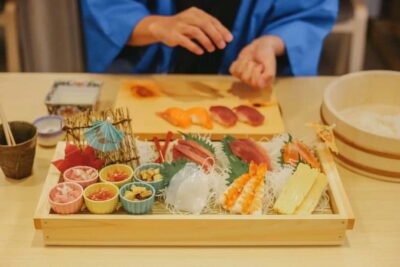
Sushi Making Class in a Happi Coat near a Famous Spot
Read our review →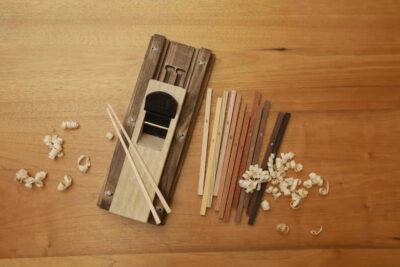
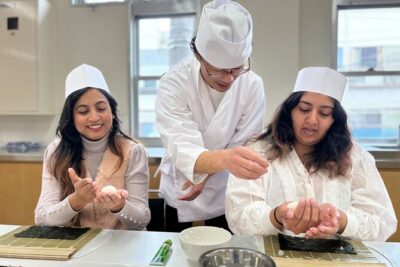
Tokyo Sushi Making Class in Tsukiji with Professional Chef
Read our review →
Ramen & Gyoza Cooking Class in Tokyo with Local Supermarket Visit
Read our review →
Matcha Making Class in Tokyo with Authentic Japanese Sweets Set
Read our review →Browse the lists this tour appears in