
Reviewed · WORKSHOPS
Tokyo: Photography Masterclass – Private Photo Lesson
Tokyo is a photographer’s playground, and this private lesson puts you right in the middle of it. You begin at Hachiko Memorial Statue in Shibuya, then work through the famous crossing, quieter side streets, and Harajuku scenes while learning how to make stronger pictures with your own camera.
I like the one-to-one format, which lets your guide adjust the lesson to your experience instead of giving the same speech to everyone. I also like the practical focus: guides such as Ivan, Tim, and Karl have helped with settings, focal lengths, slow shutter speeds, time-lapse ideas, and the best place to stand for a particular shot.
The main consideration is simple: this is not a portrait session. Your instructor teaches you how to photograph Tokyo, but does not take pictures of you. You also need to bring your own camera, and a tripod is available only by request.
In This Review
- Key points to know before booking
- Why Tokyo works so well for a private photo lesson
- Starting at Hachiko and checking your camera
- Photographing Shibuya Crossing without rushing
- Turning into Shibuya’s back streets
- Harajuku and the challenge of photographing style
- Choosing between day, night, or six hours
- What the instruction is really worth
- Who will get the most from this experience
- Meeting point and planning tips for Shibuya
- Should you book the Tokyo Photography Masterclass?
- FAQ
- Where does the Tokyo photography lesson meet?
- How long is the photography lesson?
- How much does the private tour cost?
- Is the tour private?
- What language does the guide speak?
- Do I need to bring my own camera?
- Is a tripod included?
- Will the guide take pictures of me?
- Can I cancel for a full refund?
- Can I reserve now and pay later?
Key points to know before booking
- Hachiko is the meeting point: Find the bronze dog statue near Shibuya Station’s Hachiko Exit.
- The lesson starts with coffee: You and your guide establish your skill level, review technical material, and check that you are comfortable with your camera.
- The route is private: You can focus on Shibuya Crossing, Harajuku youth fashion, night photography, landmarks, or quieter streets.
- The teaching is practical: Expect advice on camera settings, focal lengths, slow shutter work, time-lapse, and anticipating the right moment.
- You choose the time of day: Book a three-hour day tour, a three-hour night tour, or a six-hour combination.
- The price covers up to two people: At $323 per group, the cost makes more sense when shared by two photographers.
Why Tokyo works so well for a private photo lesson
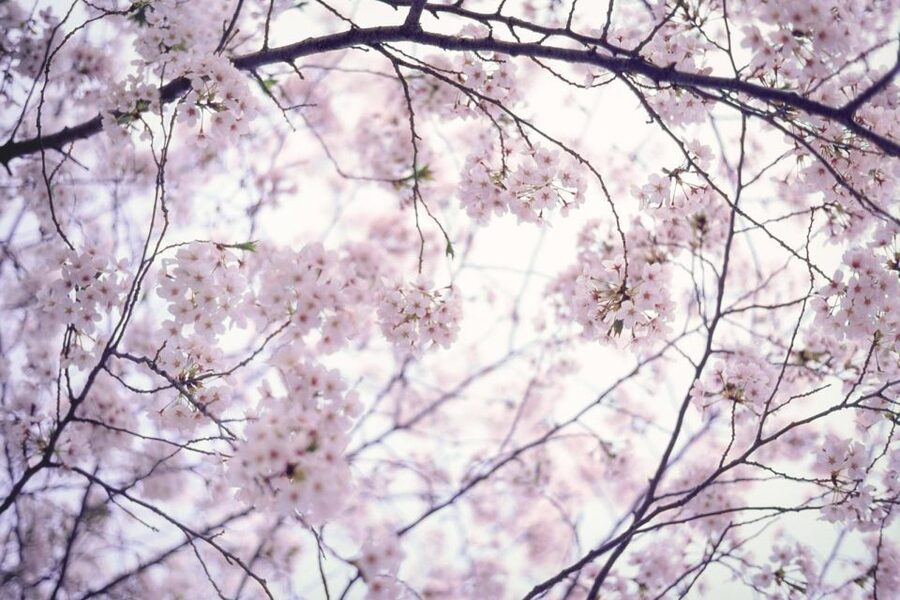
Tokyo gives you several kinds of photography within a short route. You can photograph a huge urban crossing, then turn into smaller streets where signs, shop fronts, people, and unusual details create a different set of challenges.
That variety matters for a lesson. A beginner can work on focus, exposure, composition, and holding the camera confidently. If you already know your way around manual settings, your guide can spend less time on basics and more time on timing, lens choice, shutter effects, or finding a cleaner angle.
I especially like the fact that the lesson is built around your camera. You are not simply shown a few pretty places and sent home with snapshots. The aim is to help you understand why a certain setting or focal length suits a particular scene, so the skill can carry over to the rest of your Japan trip.
The three-hour length is long enough for real practice without swallowing an entire day. Still, Tokyo photography takes patience. If you want to wait for one exact crossing moment, repeat a composition, and also cover several neighborhoods, three hours may feel tight. The six-hour day and night option is better for a serious photography project.
More Tokyo photo sessions:
- Tokyo Ryogoku Sumo Morning Practice + Photo Shoot with Wrestlers
★ 4.5 · 277 reviews - Tokyo by Night Photography Tour (Private Option Available)
★ 5.0 · 151 reviews - Tokyo Sumo Morning Practice Tour w/ Ring-Side Seat + Photo Shoot
★ 5.0 · 93 reviews
Starting at Hachiko and checking your camera
The meeting point is the Hachiko Memorial Statue outside Shibuya Station. Hachiko was an Akita dog remembered for his loyalty, and the statue is one of Tokyo’s best-known meeting spots. It is also useful for this tour because you can find it by following signs for the Hachiko Exit.
Shibuya Station is served by several lines, including the JR Yamanote, Saikyo, and Shonan-Shinjuku lines, plus the Keio Inokashira, Tokyo Metro Ginza, Hanzomon, and Fukutoshin lines, and the Tokyu Den-en-toshi and Toyoko lines. Give yourself extra time here. The station is large, and the statue area can be crowded with people waiting for friends.
The lesson begins with coffee. This is more useful than it may sound. You can explain what you hope to photograph, show your guide your camera, and make sure the controls feel familiar before the street work begins.
The opening discussion also helps your instructor set the pace. A first-time camera owner may need help with basic settings and focusing. A more experienced photographer can ask for advice on a specific lens, low-light work, or a particular style of image.
Bring the camera you actually plan to use during the rest of your trip. This is not the time to borrow unfamiliar equipment unless you have practiced with it. A tripod is not included, though one can be rented by request.
Photographing Shibuya Crossing without rushing
Shibuya Crossing is the obvious first test. When the signals change, people move across the intersection from several directions, with tall buildings and large signs framing the scene. It is a familiar image, but a good version still depends on timing, position, lens choice, and how much of the surrounding city you include.
Your instructor can help you work out the practical questions. Should you use a wide focal length to show the scale of the crossing, or a longer one to isolate a smaller moment? Should the people be sharp, or would a slower shutter speed turn their movement into soft streaks? The right answer depends on your camera, your goal, and the light.
This is where the local guide adds real value. It is easy to arrive at Shibuya, take the first picture that presents itself, and move on. A guide who knows the area can help you spend your limited time in a more deliberate way, including finding a useful viewpoint or returning to a spot when the conditions suit the image.
There is one drawback. Shibuya Crossing is one of Tokyo’s most photographed scenes, so it will not feel like a private discovery. Its value comes from learning how to handle a difficult, crowded subject and from improving your technique, not from finding something no one else has seen.
Turning into Shibuya’s back streets
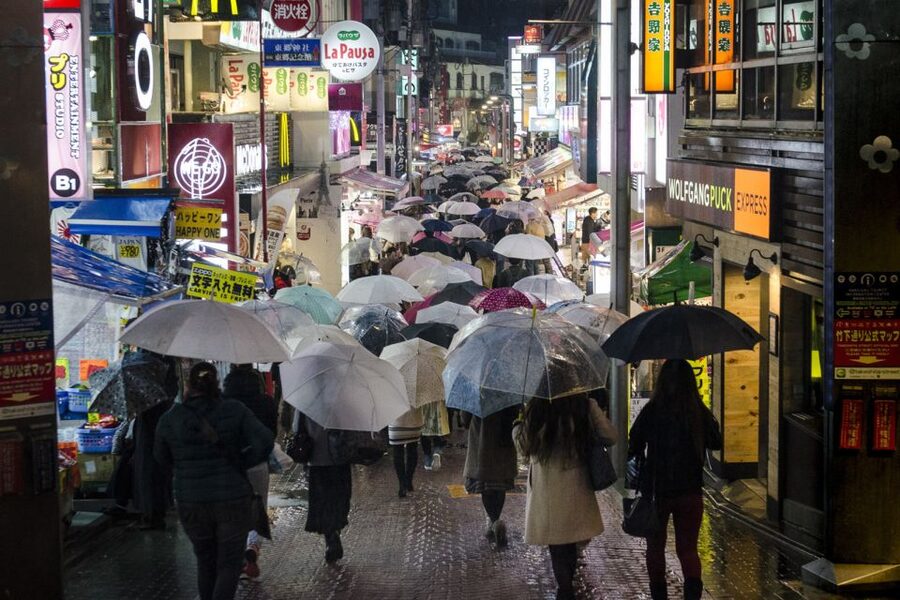
After the main crossing, the route continues into Shibuya’s back streets. This shift is important because street photography is not just about famous landmarks. Smaller streets give you signs, textures, storefronts, side views, and passing moments that can tell you more about the character of the area.
A private guide can respond to what catches your eye. If you like architecture, you can spend more time on lines, reflections, and layers. If people and daily life interest you, your instructor can help you frame scenes without losing the surrounding setting.
The supplied details do not promise a fixed list of side streets, and that is a good thing for a private lesson. Your exact route can change to suit your interests and skill level. You are not locked into a rigid procession of stops.
Keep in mind that street photography requires care. Your guide teaches you to photograph Tokyo, but the information does not promise access to private interiors or special permissions. The lesson takes place in public city settings, with the focus on making better images in the streets.
A few more Tokyo bookings worth comparing
- Sushi Making Tokyo Roll and Authentic Japanese Sushi Class
★ 5.0 · 3,971 reviews - Tokyo: Roll and Authentic Sushi Making Class in Asakusa
★ 4.9 · 1,957 reviews - Tokyo Shinjuku Chopsticks Making Class
★ 5.0 · 1,763 reviews - Tokyo: Sushi Making Class in a Happi Coat near a Famous Spot
★ 4.9 · 1,377 reviews
Harajuku and the challenge of photographing style
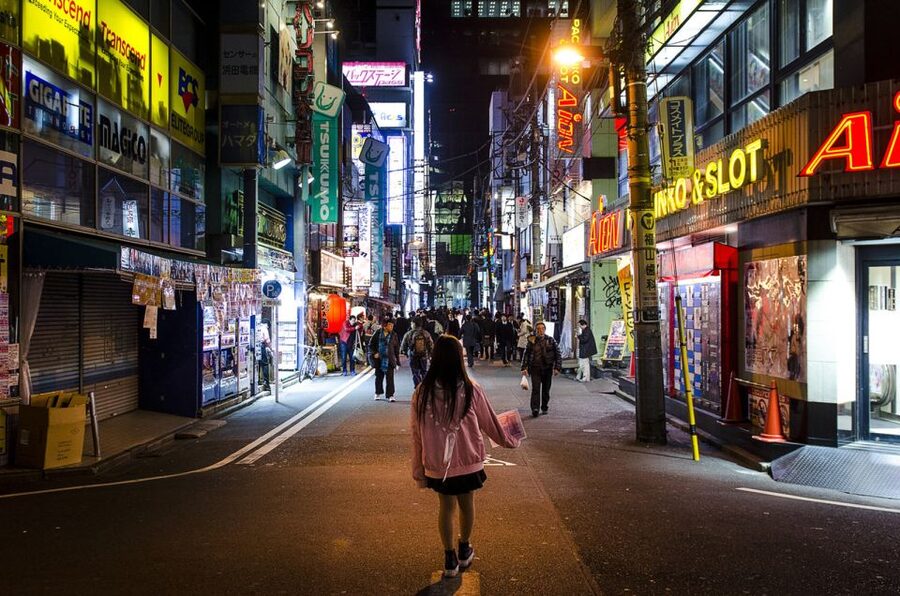
The tour can continue toward Harajuku, known here for eclectic youth fashion. This gives you a different subject from Shibuya’s crossing. Instead of working mainly with scale and movement, you can practice color, clothing, gesture, small details, and the way a person fits into the surrounding street.
This kind of photography benefits from quick decisions. You may have only a moment to notice a useful combination of color and shape. A guide can help you anticipate where to stand, what focal length to use, and how to include enough background to show the setting.
Harajuku also gives beginners a manageable way to practice composition. You can start by looking for clean backgrounds and obvious subjects. As your confidence grows, you can try layered scenes, unusual angles, or a slower shutter speed.
The tradeoff is that photographing people in public can feel uncomfortable if you are new to street photography. A personal instructor is useful here because you can ask questions as they arise and get immediate feedback rather than guessing at every choice.
Choosing between day, night, or six hours
A three-hour day tour is the straightforward option. It gives you time to learn your camera, photograph Shibuya and nearby streets, and work on Harajuku scenes if that fits your plan.
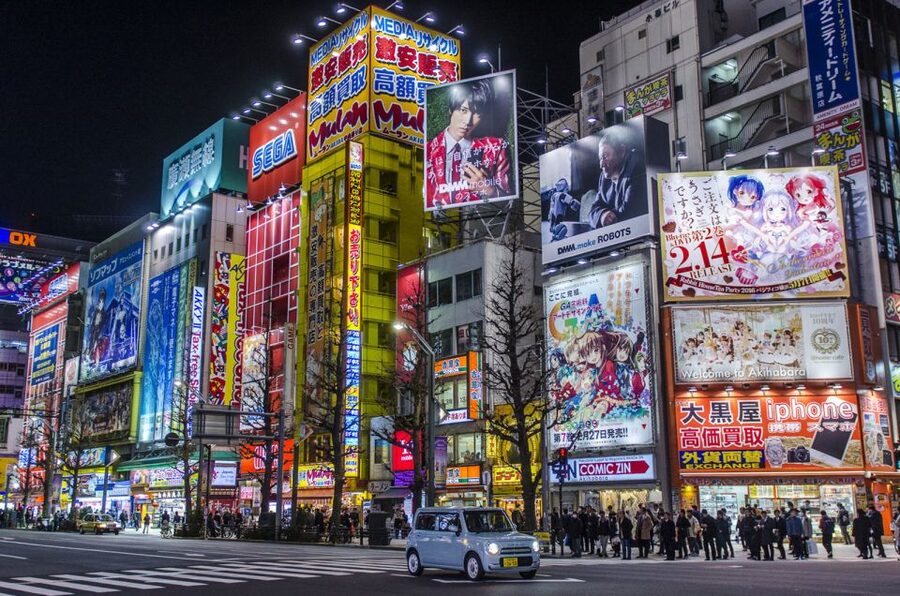
The three-hour night tour is aimed at a different kind of picture. Tokyo’s signs and city lights create strong subjects, but low light also exposes weak camera habits. Tim, one of the named guides, helped a night booking with camera settings and led the group to strong locations for evening images.
Night work can be especially helpful if you want to understand exposure rather than simply use an automatic mode. You may work with shutter speed, aperture, and ISO in conditions where small changes make a clear difference. The exact lesson will depend on your camera and level.
The six-hour combined day and night tour offers the broadest practice. You can see how the same city changes with the light, though it requires a much larger time commitment. It is best for someone who wants a serious photo outing rather than a short introduction.
Starting times vary, so check availability before arranging your day. The private format is useful if you want to fit the lesson around other plans, but the experience still needs enough open time for moving between scenes and stopping to shoot.
What the instruction is really worth
At $323 per group of up to two people, this is not a cheap sightseeing walk. The value depends on whether you want instruction. If you divide the price between two people, each person is effectively paying $161.50 for three hours, before considering the benefit of a private route and personal feedback.
That price is easier to justify if you are carrying a camera you do not fully understand, or if you have taken many casual city pictures without knowing why some work and others do not. You are paying for a local guide and a professional personal photography instructor, not for camera hire or a portrait package.
The strongest practical benefit is efficiency. A local guide can reduce the time you spend searching for useful locations, while the instructor can help you make decisions at the exact moment you are shooting. One past booking described Ivan as able to identify locations very precisely and explain the focal length and special treatment suited to each image.
That level of advice is most useful to photographers who ask questions and are willing to try. If you only want a guide to lead you to famous viewpoints while you take snapshots, the lesson may cost more than you need to spend.
The price includes one guide and one professional personal photography instructor, though the same person may fill both roles. Your camera is not included. A tripod can be rented by request, so ask ahead if long exposures or night work are central to your plan.
Who will get the most from this experience
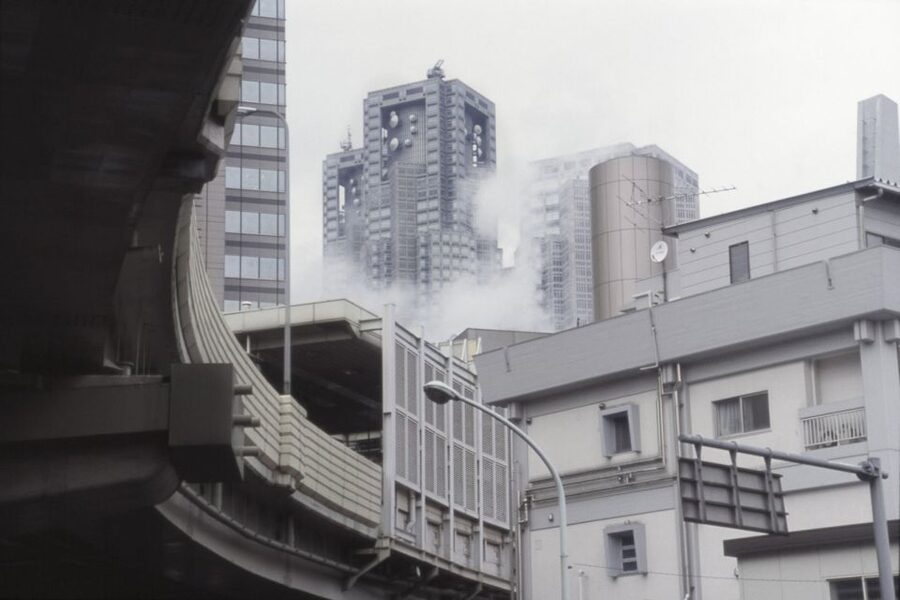
I would recommend this for several kinds of visitors:
- A first-time camera owner who wants help before photographing the rest of Japan.
- A couple who both use cameras and can share the private-group price.
- A photographer who wants to improve street work, low-light technique, or composition.
- Someone who prefers a custom route rather than a fixed sightseeing schedule.
- A semi-professional looking for fresh Tokyo subjects and local help with location planning.
It is less suitable if you want photographs of yourself, a polished portrait shoot, or a simple tour with no technical discussion. The provider is clear that the instructor will not be taking your portrait.
Your equipment also matters. Since you must bring your own camera, make sure the battery is charged and that you know how to access basic controls. The opening coffee session can help, but three hours is not an ideal time to learn every function from scratch.
Meeting point and planning tips for Shibuya
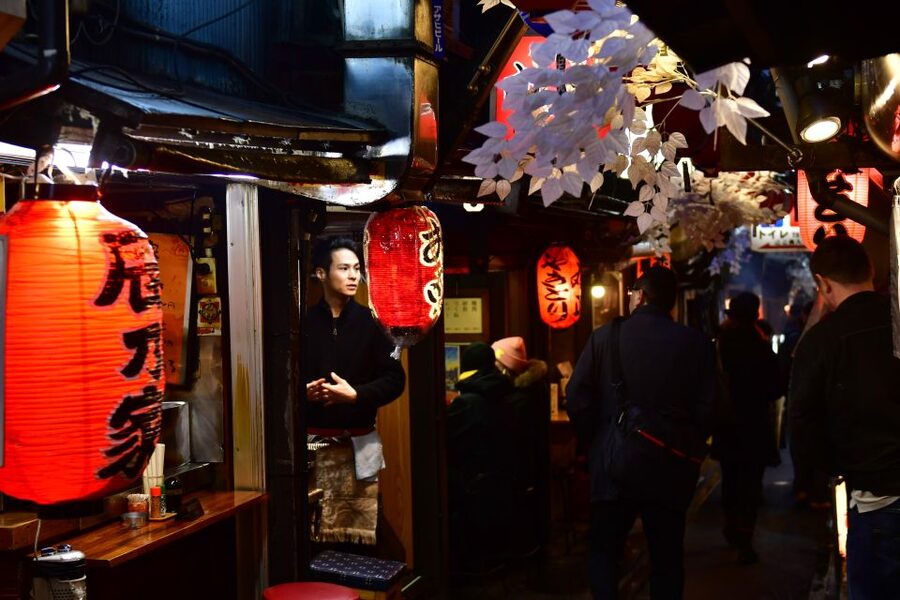
Meet at the Hachiko statue, using the Hachiko Exit from Shibuya Station. Because the station connects with many train lines, confirm your route before leaving and allow time to find the statue.
If you arrive by taxi, the supplied Japanese phrase points the driver toward Hachiko Crossing near Shibuya Station: 渋谷駅の近くのハチ公交差点までお願いします.
Tell the provider what you want before the tour begins. If you prefer night signs, say so. If you want to concentrate on technical camera control, mention that. The more clearly you explain your interests and experience, the better the private format can work for you.
English is the stated tour language. Cancellation is free up to 24 hours before the start time, and you can reserve now and pay later. Those terms help if your Tokyo schedule is still changing, but they should not replace checking the available start time for your chosen day or night option.
Should you book the Tokyo Photography Masterclass?
Book it if you want to come away with better photography skills, not simply a set of familiar Tokyo snapshots. The strongest parts are the private route, the opening camera check, and the highly practical guidance on settings, focal lengths, shutter speeds, and location choice.
I would choose the night option if neon and low-light work are your main goals. Choose the six-hour combination if you want time for both day and night conditions. For a first lesson or a focused Shibuya outing, three hours should be enough.
Skip it if your main aim is a portrait session or if you do not plan to bring a camera. For everyone else, the $323 group price is reasonable when shared by two people who are serious about learning, especially because the guide can shape the outing around your interests instead of following a fixed script.
FAQ
Where does the Tokyo photography lesson meet?
The meeting point is the Hachiko Memorial Statue in Shibuya. From Shibuya Station, use the Hachiko Exit.
How long is the photography lesson?
The standard lesson lasts three hours. You can choose a three-hour day tour, a three-hour night tour, or a six-hour option combining day and night.
How much does the private tour cost?
The price is $323 per private group of up to two people.
Is the tour private?
Yes. It is offered as a private group experience, allowing the route and teaching to be adjusted to your interests and photography level.
What language does the guide speak?
The tour is conducted in English.
Do I need to bring my own camera?
Yes. A camera is not included. You need to bring your own equipment for the lesson.
Is a tripod included?
No. A tripod can be rented by request.
Will the guide take pictures of me?
No. This is a photography lesson that teaches you how to photograph Tokyo. It is not a portrait session, and the instructor will not take photos of you.
Can I cancel for a full refund?
Yes. You can cancel up to 24 hours in advance for a full refund.
Can I reserve now and pay later?
Yes. The activity allows you to reserve your place and pay later.
New on our Tokyo list
- Sumi-e Experience in a relaxing green tea shop in Tokyo★ 5.0 · 3 reviews
- Tokyo : Kamikaze Street Drift Ride★ 5.0 · 3 reviews
- Private Zen Meditation in English in Shinjuku, Tokyo★ 5.0 · 3 reviews
- Onsen Spa in Tokyo and Asakusa Bar Hopping with Local Guide★ 5.0 · 3 reviews
- Easy for everyone! Now you can play handmade mini shamisen and show off to everyone! Musical instruments, sweets and live music★ 5.0 · 3 reviews
- Tokyo: Private Tsukiji Street Food & Sake with Local Guide★ 5.0 · 3 reviews
- Mt Fuji Exploration Tour with Free Japanese Kusa Mochi from Tokyo★ 4.5 · 3 reviews
- Tokyo Tsukiji Fish Market Walking and Exploring Hidden Gems Tour★ 5.0 · 3 reviews
Workshops, compared.
Sushi Making Tokyo Roll and Authentic Japanese Sushi Class
Read our review →
Roll and Authentic Sushi Making Class in Asakusa
Read our review →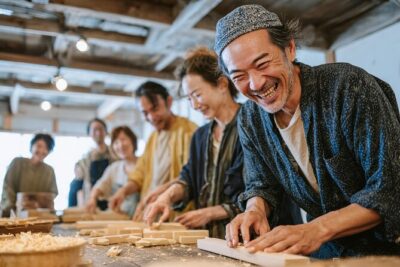
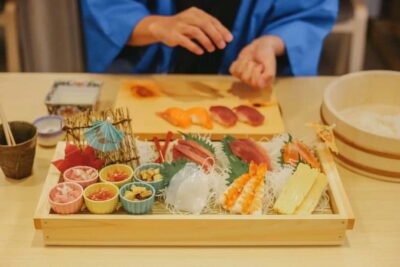
Sushi Making Class in a Happi Coat near a Famous Spot
Read our review →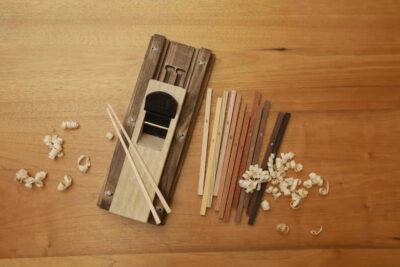
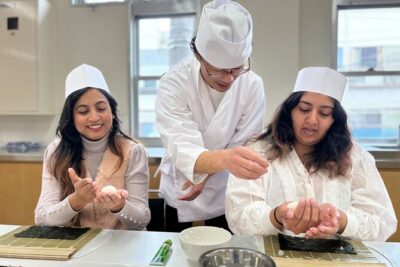
Tokyo Sushi Making Class in Tsukiji with Professional Chef
Read our review →
Ramen & Gyoza Cooking Class in Tokyo with Local Supermarket Visit
Read our review →
Matcha Making Class in Tokyo with Authentic Japanese Sweets Set
Read our review →Browse the lists this tour appears in