
Reviewed · TEA CEREMONIES
Tokyo: Practicing Zen with a Japanese Tea Ceremony
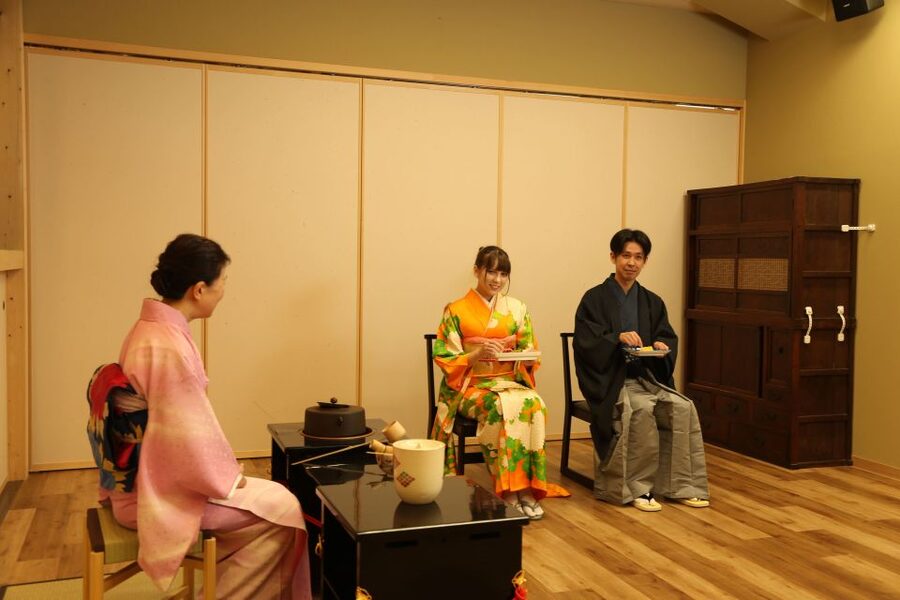
The most useful part of this Tokyo experience is that you do not only watch a tea ceremony. After your instructor demonstrates the movements, you prepare matcha yourself, with guidance at each step. That turns a formal cultural display into something you can understand with your hands.
I like the small group of up to 10 and the clear English instruction. I also like the link between tea, Zen Buddhism, art, and architecture, since it gives meaning to the careful gestures. The main consideration is the setting: one past participant heard activity from the room next door, so the atmosphere may not be perfectly silent.
In This Review
- Key points
- A tea ceremony you take part in, not just watch
- Meeting opposite Tokyo Tower
- Watching the first ceremony
- Why the Zen connection matters
- Tasting matcha and the paired sweet
- Your turn to conduct the ceremony
- Seating, access, and the room
- How the small group changes the experience
- Is $63 a fair price?
- Who should book this experience?
- Practical advice before you book
- Should you book this tea ceremony?
- FAQ
- How long does the tea ceremony experience last?
- How much does the experience cost?
- What is included?
- Where is the meeting point?
- Is the experience conducted in English?
- Can I use a chair, and is the activity wheelchair accessible?
Key points
- You prepare your own matcha: Watch the ceremony first, then repeat parts of it with help from your instructor.
- Zen is explained in plain terms: Learn why calm attention, order, and respect matter in the tea setting.
- Traditional sweet included: The confection is chosen to pair with the green tea.
- Near Tokyo Tower: Meet at the Kikai Shinko Kaikan building, opposite the tower’s main entrance.
- Floor seating is not required: Chairs are available for people who cannot sit comfortably on the floor.
- English, small-group teaching: The 75-minute session is limited to 10 people and led in English.
A tea ceremony you take part in, not just watch
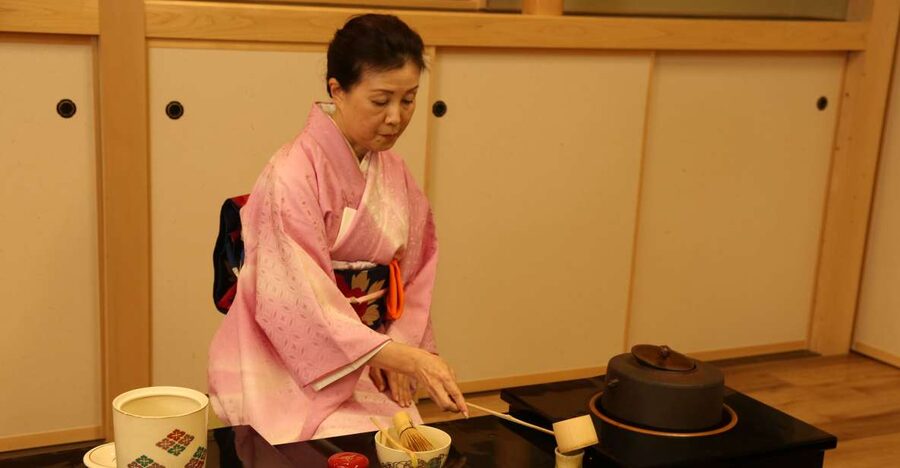
Many cultural demonstrations ask you to sit quietly while an expert performs a skill. This one gives you a turn. The instructor first prepares matcha and explains the sequence, the utensils, and the reason behind the movements. Then you try to conduct a second ceremony yourself.
That hands-on section is the strongest reason to book. You do not need prior knowledge of Japanese tea. The instructor walks you through the process, so you can focus on the feel of the ritual instead of worrying about getting every motion right.
The experience lasts 75 minutes. That is enough time for a proper introduction and a practical attempt, but not enough for an extended study of tea culture. I would treat it as a focused cultural lesson, not a full-day Zen retreat or a specialist tea-school course.
The session is conducted in English. Past classes have been led by instructors including Junko, Ken, and Midori, and the teaching style described in the supplied feedback is warm, clear, and personal. Since the exact instructor can vary, book this for the format and subject rather than one particular teacher.
More tea rooms worth booking:
- Matcha Making Class in Tokyo with Authentic Japanese Sweets Set
★ 5.0 · 744 reviews - Tokyo: Traditional Tea Ceremony with a Tea Master
★ 5.0 · 528 reviews - Tokyo: Matcha Making Experience with Mochi Sweets in Asakusa
★ 4.9 · 388 reviews
Meeting opposite Tokyo Tower
The meeting point is simple once you know the landmark. Go to the main entrance of the Kikai Shinko Kaikan building on the first floor. The building is directly opposite Tokyo Tower, which makes the tower a useful reference point while you find your way.
If you cannot locate the instructor at the entrance, go to True Japan Tour in Room B109 on the basement level. Transportation is not included, so you need to make your own way to the building.
This location works well if you are already visiting Tokyo Tower or the surrounding Minato area. It is less convenient if your day is centered on Asakusa, Ueno, or northern Tokyo, so allow enough time for the cross-city journey. The experience itself is short, but arriving late would cut into the demonstration and your chance to practice.
Watching the first ceremony
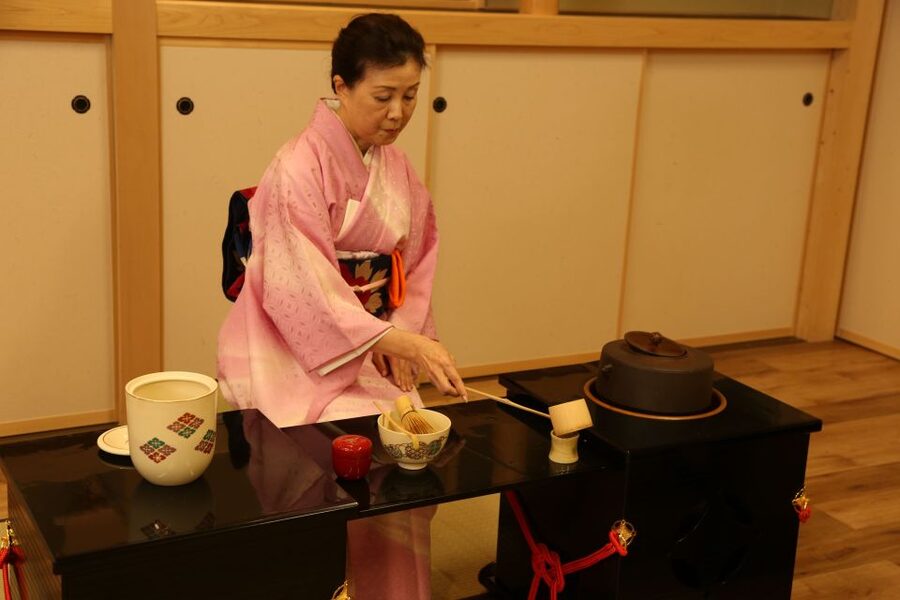
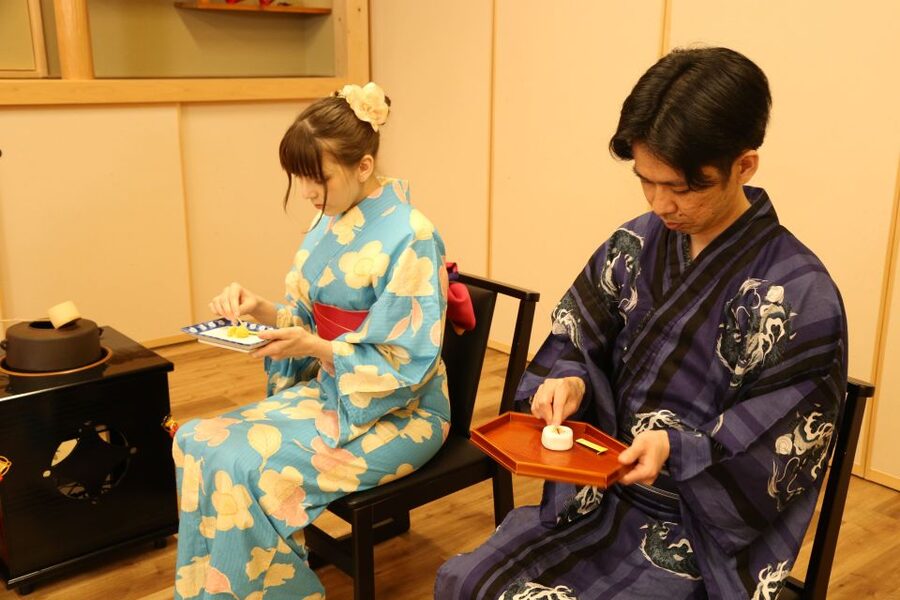
The session begins with a demonstration. Your instructor prepares matcha while explaining the objects used in the ceremony and the movements that accompany them. You will see that the tea is not treated as a quick drink. The preparation is a sequence of controlled actions, with attention given to the bowl, tools, tea, and guest.
You are also served a traditional Japanese confection specially paired with green tea. The sweet is not just a snack before the matcha. In the tea tradition, sweetness helps prepare your palate for the tea’s sharper, more bitter taste.
This first stage suits people who like to understand what they are seeing. Instead of being told only to copy a set of motions, you learn what each part is meant to express. The explanations cover the utensils and the different aspects of the ceremony, giving you enough background to follow the practice with respect.
The room is arranged to feel like a tea room, according to the information provided by past participants. That helps create a more fitting setting than a standard restaurant or sightseeing venue. Still, keep your expectations realistic. This is an indoor teaching space, and one participant reported hearing noise from another activity next door. The rule against making noise is meant to protect the calm mood, but the building may not offer complete silence.
Why the Zen connection matters
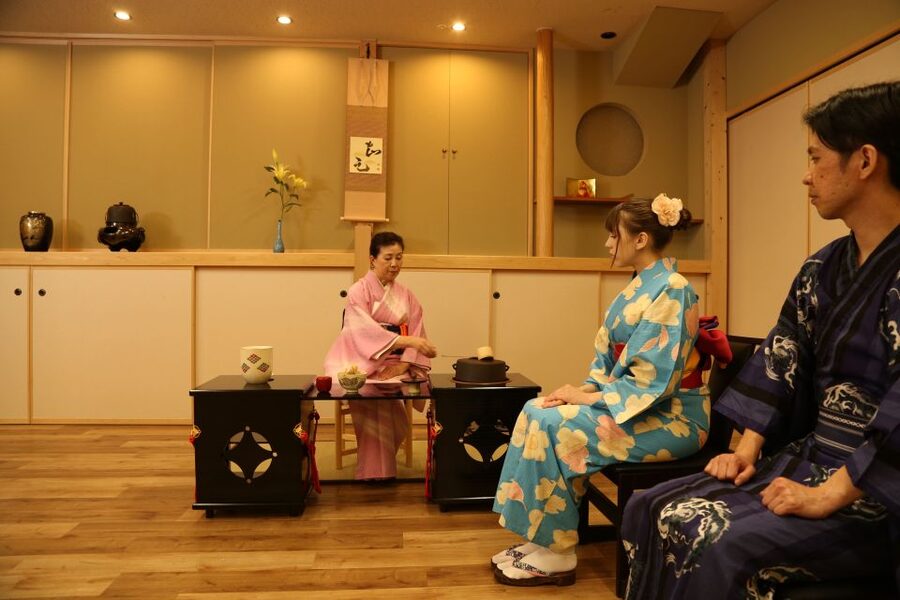
The tea ceremony is presented here as an expression of Zen ideas, not merely as a polished way to serve green tea. Your instructor explains the relationship between the ceremony and Zen Buddhism, along with the role the practice has played in parts of Japanese society.
You will hear about peace of mind, attention, and the value of being fully present during a simple act. The point is not to turn a 75-minute class into a religious lesson. It is to help you see why the ceremony values restraint, care, quiet, and a strong awareness of the moment.
I find this context important because the gestures can otherwise seem fussy or mysterious. Once you understand that the order and calm are part of the practice, the ceremony becomes easier to read. You begin to notice how the art, utensils, architecture, and movements work together.
One participant felt the Zen exercise was too short. That is a fair criticism. The experience introduces Zen, but it does not give you a long period for meditation or extended quiet reflection. If your main aim is formal meditation, look elsewhere. If you want a cultural explanation of how Zen ideas appear in tea practice, the balance is more suitable.
A few more Tokyo bookings worth comparing
- Mt Fuji and Hakone 1-Day Bus Tour Return by Bullet Train
★ 5.0 · 26,383 reviews - 1-Day Tokyo Bus Tour
★ 5.0 · 14,250 reviews - Tokyo: TOKYO SKYTREE® Admission ticket
★ 4.5 · 11,192 reviews - Tokyo: teamLab Planets TOKYO Digital Art Museum Entry Ticket
★ 4.6 · 9,779 reviews
Tasting matcha and the paired sweet
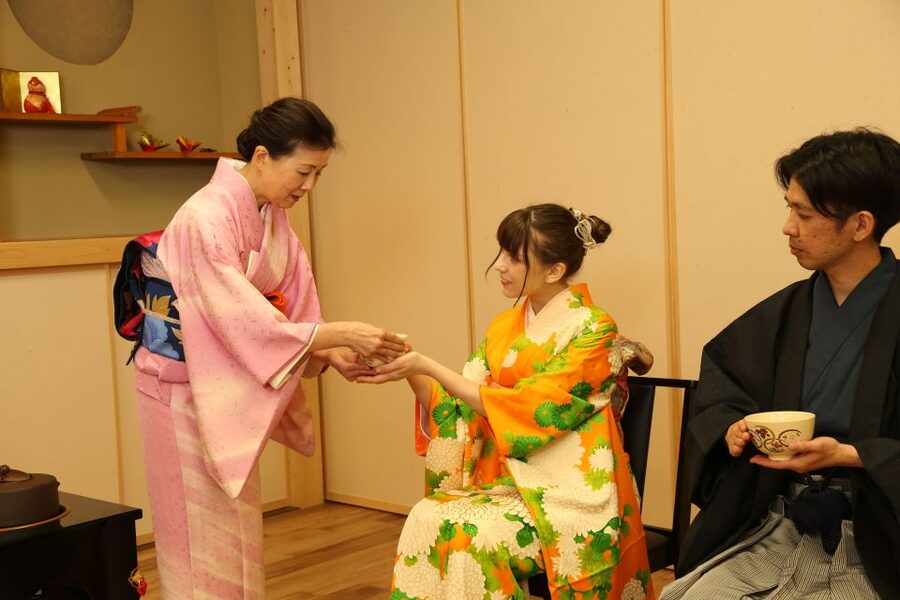
The tasting is deliberately simple. You receive matcha green tea and a traditional Japanese confection, with the sweet selected to work alongside the tea. The focus is on the ceremony and the relationship between the two, rather than on a large meal or a tea-tasting flight.
Matcha has a distinct taste and texture, so this is useful for anyone who has only encountered Japanese tea in bottled or casual café form. You also learn that the act of serving and receiving tea matters as much as the drink itself.
Do not book this expecting a long food experience. The included sweet and tea are part of the lesson. Their value comes from how they fit the ritual, not from quantity.
Your turn to conduct the ceremony
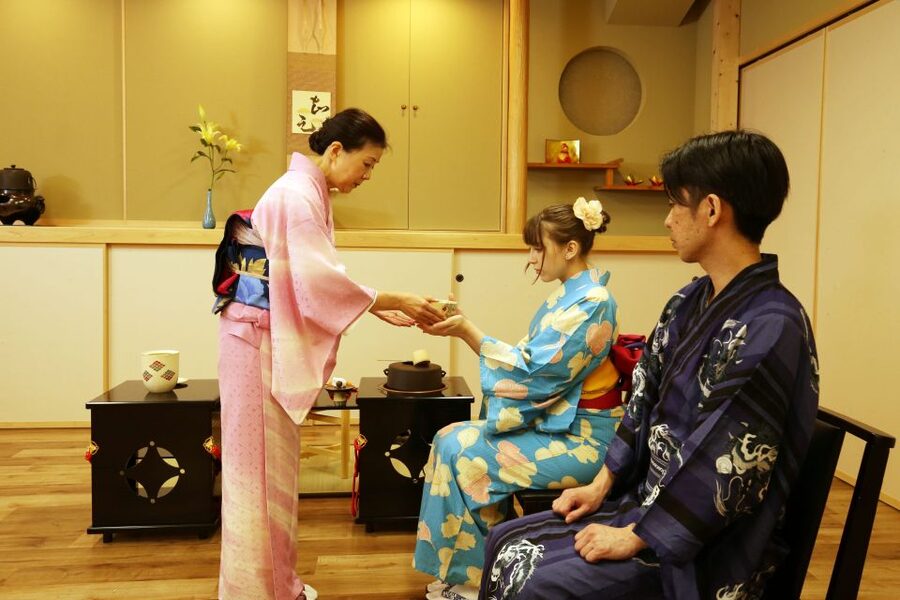
After watching and tasting, you repeat the ceremony with expert guidance. The instructor demonstrates the steps, then helps you perform the parts yourself. This is where the small group matters.
With no more than 10 people, you should have a better chance of seeing the demonstration and hearing the explanations than in a large cultural show. The session also allows the instructor to correct or guide you as you work through the sequence.
You may feel awkward at first. That is normal. The ceremony uses unfamiliar tools and movements, and the quiet setting makes every small action feel more noticeable. The instructor’s role is to make the process manageable, not to test whether you already know Japanese etiquette.
This practical section also helps you remember the lesson. You are more likely to understand the purpose of the utensils after handling them than after hearing a list of names. You leave with a sense of how much care goes into preparing one bowl of tea.
Seating, access, and the room
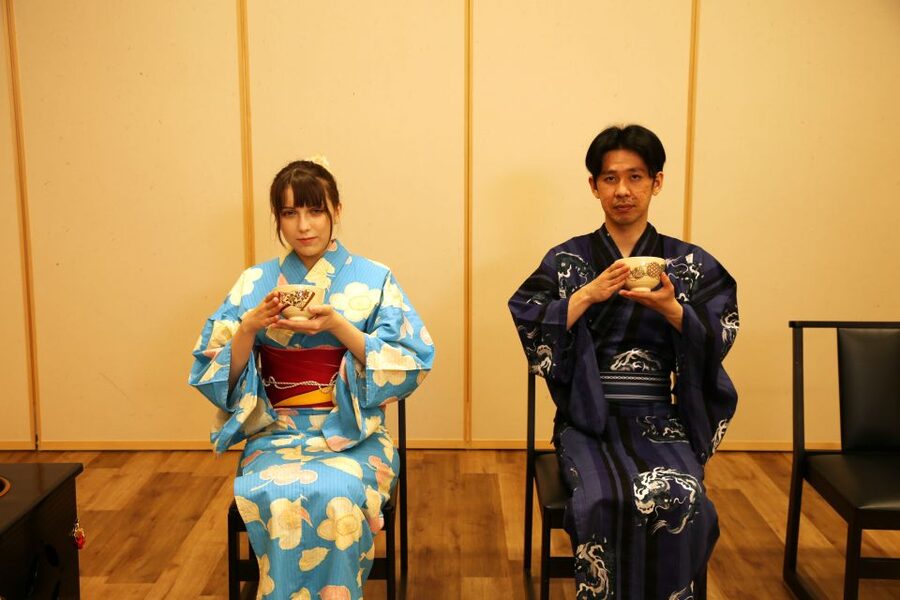
You do not have to sit on the floor. Seats are available for anyone who finds floor seating uncomfortable, and the activity is wheelchair accessible. That is an important detail for a ceremony often associated with traditional low seating.
The supplied information does not describe every feature of the building or restroom access, so contact the provider if you need a specific accommodation beyond the stated wheelchair access. For most people, the chair option removes one of the main physical concerns connected with this type of activity.
Children under four are not suitable for the experience. The instruction also asks participants not to make noise, which tells you something about the tone of the session. This is a quiet cultural class rather than a lively family show.
How the small group changes the experience
A group limit of 10 is a practical advantage. The ceremony involves details that are easy to miss, especially the handling of utensils and the order of the movements. A smaller room makes it easier to watch closely.
The format can also feel personal. Several sessions have included warm, attentive instructors, with clear teaching from hosts such as Junko, Ken, and Midori. The strongest praise has focused on the way instructors explain both what to do and why it is done.
That said, small-group does not always mean private. One past booking described a private ceremony, but the standard information sets the group limit at 10 rather than promising a private session. If privacy is essential, confirm the arrangement before booking.
Is $63 a fair price?
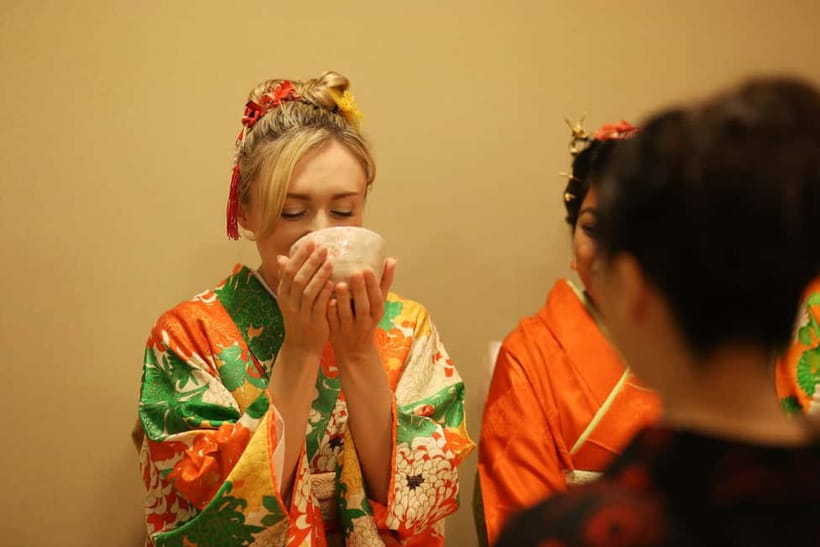
At $63 per person, this is not the cheapest way to drink matcha in Tokyo. You could find tea for less at a café. That comparison misses the main point, though. Here you are paying for 75 minutes of instruction, a traditional sweet, a demonstration, an explanation of Zen and tea culture, and a guided attempt at the ceremony.
I consider the price reasonable if you want a structured cultural activity with hands-on practice. The value is strongest for first-time visitors who want more than a photo opportunity and for people who enjoy learning how a tradition works.
The value is weaker if you only want to taste matcha or spend time in a silent traditional room. The Zen element is explained, but the meditation component is brief. You are buying a practical lesson and cultural encounter, not a long spiritual program.
Free cancellation up to 24 hours before the activity and the option to reserve now and pay later make it easier to fit into a changing Tokyo schedule. These booking terms are useful, but the real decision should rest on your interest in participating rather than simply observing.
Who should book this experience?
I would recommend it to you if:
- You want a gentle introduction to Japanese tea culture.
- You prefer learning by doing rather than watching.
- You are curious about Zen Buddhism but do not want a formal religious class.
- You value English instruction and a small group.
- You need chair seating instead of sitting on the floor.
- You are visiting Tokyo Tower and want a nearby cultural activity.
It also suits solo visitors and couples who want a calm break from Tokyo’s busy streets. The class gives you a clear subject to focus on, and the short duration leaves room for other plans.
I would hesitate if you want a large-scale performance, a long meditation period, or an extensive tasting. The venue may also be less peaceful than you hope if noise carries from neighboring rooms.
Practical advice before you book
Arrive with enough time to find the building, especially if you are coming from another part of Tokyo. Use Tokyo Tower as your visual guide, then check the main entrance on the first floor of Kikai Shinko Kaikan.
Wear something that lets you sit or move comfortably, even though chairs are available. You will be handling tea utensils and following a set order, so a calm, attentive approach will serve you better than rushing to take photographs.
Keep your expectations focused. The most rewarding part is not simply drinking matcha. It is learning how the tea, the sweet, the tools, the room, and the gestures belong to one carefully ordered practice.
Should you book this tea ceremony?
Book it if you want a well-structured, English-language introduction that lets you prepare tea yourself. The combination of demonstration, Japanese sweet, Zen context, and guided practice gives the session more substance than a quick tea tasting.
Skip it if you want extended meditation, complete silence, or a private ceremony guaranteed for your party. For everyone else, $63 is a fair price for a small-group cultural lesson near Tokyo Tower, especially when comfortable seating and hands-on instruction matter to you.
FAQ
How long does the tea ceremony experience last?
The experience lasts 75 minutes.
How much does the experience cost?
The listed price is $63 per person.
What is included?
The experience includes the tea ceremony, traditional Japanese sweets, matcha green tea, and a second ceremony that you perform yourself with guidance.
Where is the meeting point?
Meet your instructor at the main entrance of the Kikai Shinko Kaikan building on the first floor, directly opposite Tokyo Tower. If you cannot find the instructor, go to True Japan Tour in Room B109 on the basement level.
Is the experience conducted in English?
Yes. The instructor provides the experience in English.
Can I use a chair, and is the activity wheelchair accessible?
Yes. Chairs are available for people who prefer not to sit on the floor, and the activity is wheelchair accessible.
New on our Tokyo list
- Tokyo Spectacular View Day-Cruise in 90 Minutes★ 5.0 · 25 reviews
- From Tokyo: Mount Fuji & Hakone Full Day Private Tour★ 4.9 · 25 reviews
- Real Tokyo Runner Club : Daikoku Car Meet Night Tour with JDM Car★ 5.0 · 25 reviews
- 2.5 Hour-Guided Cycle Tour in the Central Tokyo★ 5.0 · 25 reviews
- Ramen Making from Scratch +Akihabara Tour –Cooking Class★ 5.0 · 25 reviews
- [Self-Drive] Tokyo & Daikoku Custom Car Driving Tour★ 4.9 · 25 reviews
- Tokyo: 2-Hour Night Bike Tour of the City’s Hidden Gems★ 4.9 · 25 reviews
- Samurai themed Entertainment show in Shinjuku★ 4.5 · 25 reviews
Tea Ceremonies, compared.
Matcha Making Class in Tokyo with Authentic Japanese Sweets Set
Read our review →
Matcha Making Experience with Mochi Sweets in Asakusa
Read our review →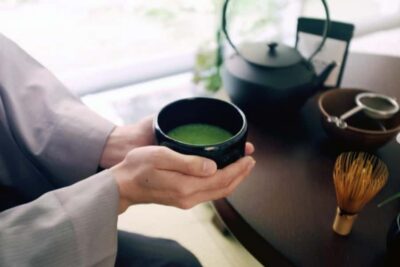
Tea Ceremony Workshop in Tokyo by the Experienced Instrucor
Read our review →

Make Traditional Nerikiri Sweets & Matcha experience in Shibuya
Read our review →Browse the lists this tour appears in