
Reviewed · JAPANESE COOKING CLASSES
Tokyo: Real Ramen & Dumpling Cooking with Master Chef
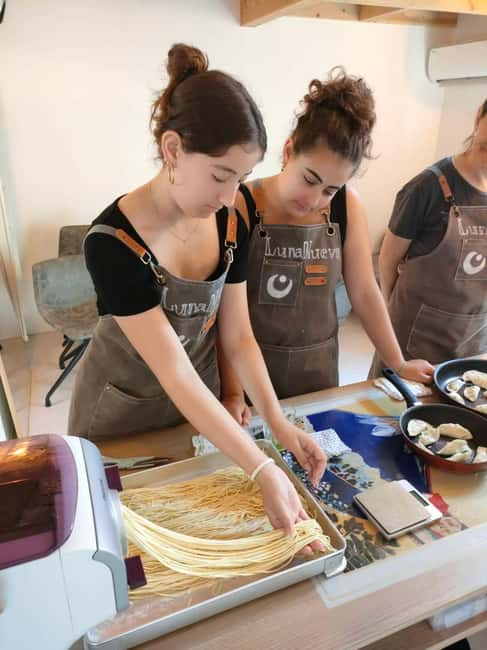
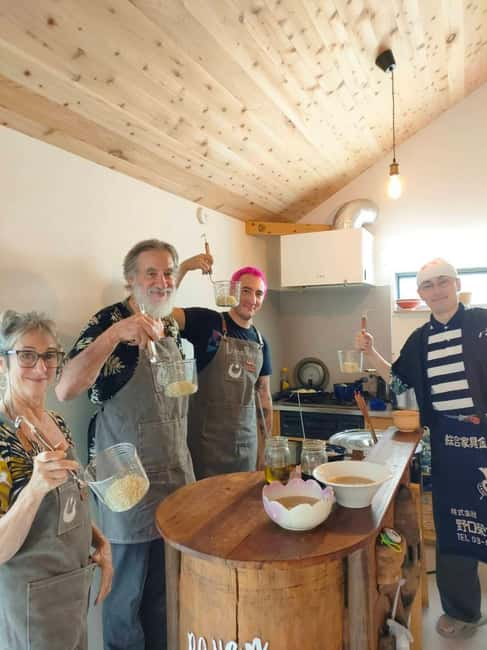
The best part of this Tokyo cooking class is that you do not just watch a chef make ramen. You prepare the egg, toppings, dumplings, chashu, soup, and noodles yourself, then sit down to eat the result. Chef Yoshi brings restaurant experience from Sydney and Japanese ramen training, while Amo helps create a friendly, small-group setting.
I like the hands-on pace and the fact that the class includes both ramen and five gyoza. I also like that the recipes are sent to you afterward, so the lesson can continue in your own kitchen. The main drawback is the location and meeting instructions: Ekoda is on the Seibu Ikebukuro Line, not the JR network, and late arrival may shorten your class.
In This Review
- Key points
- What this two-hour ramen class is really like
- Meeting Yoshi and Amo near Ekoda Station
- Starting with the seasoned egg and toppings
- Folding five gyoza by hand
- Chashu, soup, and the final ramen bowl
- Why the English instruction matters
- The vegetarian option needs planning
- Is $99 a fair price?
- Who should book this experience?
- Booking details that can save trouble
- Should you book the Tokyo ramen and gyoza class?
- FAQ
- How long does the ramen and gyoza class last?
- Where is the meeting point?
- Which train line serves Ekoda Station?
- Should I take a rapid train to Ekoda?
- How early should I arrive?
- Is the class taught in English?
- Can I request vegetarian ramen?
- What food do I make?
- Are recipes included?
- Can I cancel for a refund?
Key points
- A real cooking lesson: Prepare seasoned eggs, ramen toppings, gyoza, chashu, soup, noodles, and the final bowl.
- English instruction: Yoshi and Amo explain each step clearly and answer questions throughout the two-hour session.
- Small-group feel: The class may have as many as four participants, giving you room to work directly with the instructors.
- Two Japanese favorites: You make ramen plus five gyoza, rather than choosing between a cooking lesson and a meal.
- Vegetarian option: Vegetarian ramen is available, but you must request it before the day of the class.
- Useful follow-up: The recipes are sent by email after the lesson, and custom aprons and T-shirts may be available for purchase.
What this two-hour ramen class is really like
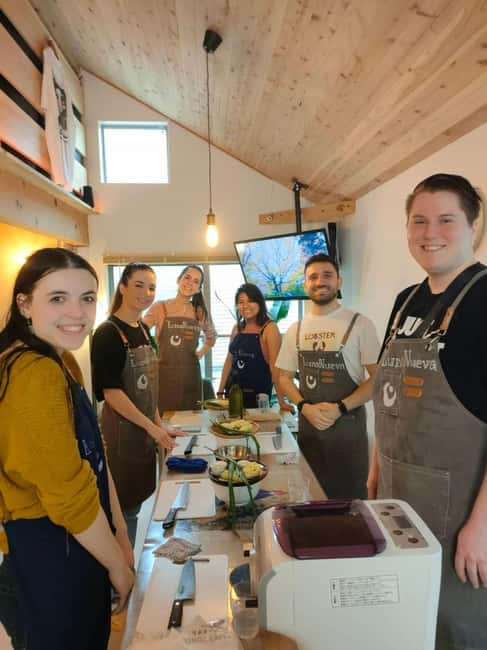
This is a compact, practical lesson built around one satisfying meal. You meet near Ekoda Station in Nerima City, walk to the cooking space, and work through the main parts of ramen and gyoza in a sensible order.
The class is designed for active participation. The soup, ramen sauce, fragrant oil, and some prepared ingredients are already set up, which lets you focus on the parts that teach useful technique. You are not starting with a completely empty kitchen, but you also are not simply assembling a pre-made bowl.
The group can be as small as four people. That matters here. Ramen has several moving parts, and a small class gives Yoshi and Amo time to watch your work, answer questions, and help when folding or cooking gets awkward.
More ramen stops:
- Eat and Drink Like a Local: Tokyo Ueno Food Tour-Taverns&Ramen
★ 5.0 · 957 reviews - Ramen & Gyoza Cooking Class in Tokyo with Local Supermarket Visit
★ 5.0 · 823 reviews - Tokyo: Ramen Tasting Tour with 6 Mini Bowls of Ramen
★ 4.9 · 432 reviews
Meeting Yoshi and Amo near Ekoda Station
Your meeting point is outside the ticket gates at Ekoda Station, at 1 Chome-78 Asahigaoka in Nerima City. Amo waits for you 15 minutes before the class, and the walk to the cooking space takes about five minutes according to the provided directions.
Pay close attention to the train details. Ekoda is on the Seibu Ikebukuro Line, not a JR line. Use a local train, since the rapid train does not stop at Ekoda. This is a small but important Tokyo transport tip, especially if you are navigating several rail companies for the first time.
Arrive at least 15 minutes early. The class is only two hours, and late arrival can reduce your cooking time. If you rely on Wi-Fi rather than mobile service, save the provided phone number, +81 80 7262 1175, in WhatsApp before leaving your hotel.
The station meeting arrangement is practical, but it is less central than classes around places such as Shibuya or Asakusa. If your Tokyo plans are tightly packed, allow time for the ride to Nerima City. In return, you get a home-style setting rather than a large commercial studio.
Starting with the seasoned egg and toppings
The first task is making semi-soft boiled eggs, called nitamago when seasoned for ramen. The supplied menu describes these as seasoned runny-yolk eggs, one of the small details that can make a ramen bowl feel complete.
You then prepare the toppings. The menu includes seaweed, sliced spring onion, wood ear fungus, and chashu, described here as slow-cooked chicken. You also work with the ramen sauce, fragrant oil, and soup components that have been prepared for the lesson.
This order gives you a useful sense of how ramen is built. A finished bowl can look simple, but its flavor comes from several separate elements. The class lets you handle those parts one by one before bringing them together at the end.
The cooking is not presented as a purely technical exercise. Yoshi shares stories from his experience in the ramen world and from running a restaurant in Sydney. That background is especially useful for English-speaking cooks who want context along with instructions.
Folding five gyoza by hand
Next comes the gyoza. You slice and combine the filling ingredients, then fold the dumplings yourself. Five gyoza are included with the meal, giving you enough practice to get the hang of the fold without turning the class into a full dumpling workshop.
Gyoza folding is one of the most social parts of the experience. The first dumpling can be untidy, and the next few usually improve. Yoshi and Amo are available to guide you, and the small group size should make it easier to ask for help rather than quietly struggle.
After folding, you cook the gyoza until they are ready to eat. This adds a useful second skill: shaping the dumpling is only half the job, since heat and timing affect the final texture.
If your main goal is to learn gyoza in great depth, this class gives you a taste rather than a specialist course. Its strength is the combination of dumplings with a full ramen lesson. You leave having practiced two popular dishes in one sitting.
More cooking classes in Tokyo:
- Tokyo: Easy Ramen Cooking Experience in Kabukicho, Shinjuku
★ 4.6 · 321 reviews - Ramen and Sushi Cooking Class with Sake Pairing Set in Tokyo
★ 5.0 · 291 reviews - Tokyo: Wagyu and 7 Japanese Dishes Cooking Class
★ 4.9 · 273 reviews - Tokyo Washoku 4-hour Cooking Class: From Market to Table
★ 5.0 · 253 reviews
Chashu, soup, and the final ramen bowl
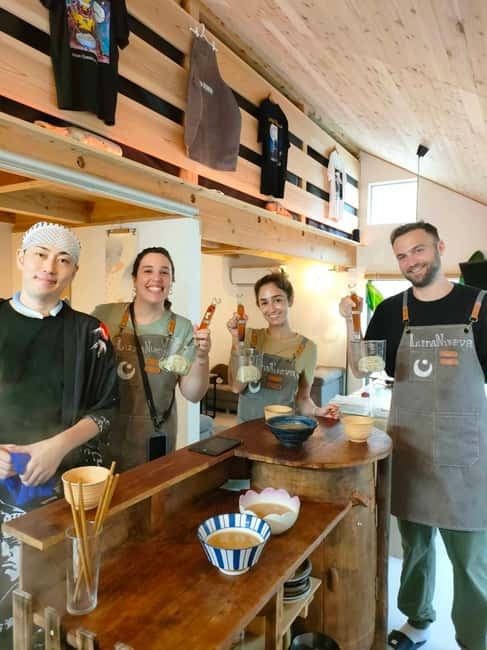
The class then turns to the chashu, which is infused with its flavor before the final assembly. The supplied menu identifies it as slow-cooked chicken, while one dining comment praised the ramen meat as especially good. Since recipes and preparation can vary, ask Yoshi about the exact ingredient if you have dietary concerns.
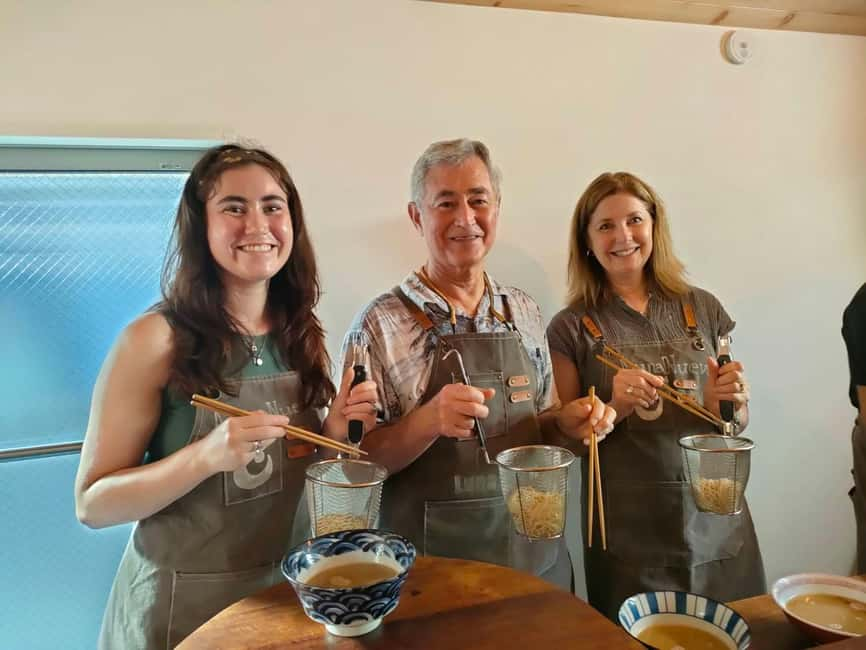
The final stretch covers the soup and noodle cooking. You boil the ramen noodles and learn the draining technique used to remove excess water before the noodles reach the bowl. It is a small piece of theater, but it also has a practical purpose: too much cooking water can weaken the soup.
Finally, you assemble the ramen with the toppings. This is where the earlier work makes sense. The seasoned egg, seaweed, spring onion, wood ear fungus, chashu, sauce, oil, broth, and noodles each have a place.
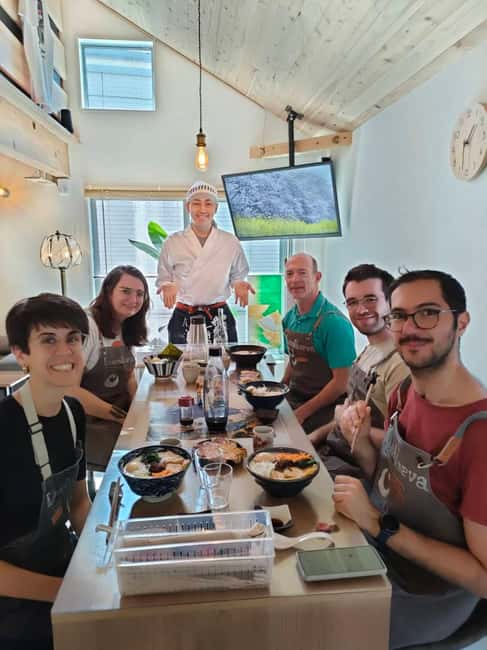
You eat the finished ramen and gyoza as part of the class. Portions have been described as generous, so plan to arrive hungry. This is not a token tasting after a demonstration. The food you prepare is the main event.
Why the English instruction matters
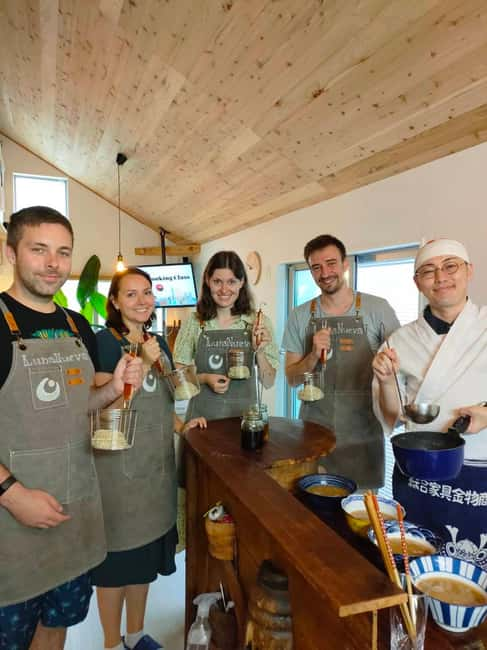
Yoshi has operated a restaurant in Sydney and trained in well-known Japanese ramen settings. The combination gives him a useful teaching profile: he understands the food from a Japanese restaurant perspective, but he also has experience explaining it to people outside Japan.
The class is conducted in English. Yoshi and Amo are described as patient and clear, and they make time for questions. That can make a major difference when a technique depends on timing, texture, or the feel of a dough rather than a simple written recipe.
You also get stories and anecdotes from the ramen business. These details add character without taking over the class. The focus remains on cooking, but you gain some insight into how ramen is prepared and served beyond the bowl placed in front of you.
The recipes are sent by email after the lesson. That is one of the strongest practical benefits of the experience. You do not have to rely on memory or hurried notes when you try the dishes at home.
The vegetarian option needs planning
Vegetarian ramen is available, but you must request it in advance. The kitchen cannot accommodate a same-day request, so mention it when booking and confirm that the request has been received.
The supplied details do not specify the exact vegetarian broth, toppings, or whether the gyoza filling is vegetarian. If those points matter to you, ask before the class. The important fact is that the ramen option can be adjusted with advance notice, not at the last minute.
The standard menu includes ramen toppings, egg, chashu, seaweed, spring onion, and wood ear fungus. Anyone with allergies or other dietary needs should also ask for ingredient details before booking, since the available information only confirms the vegetarian ramen arrangement.
Is $99 a fair price?
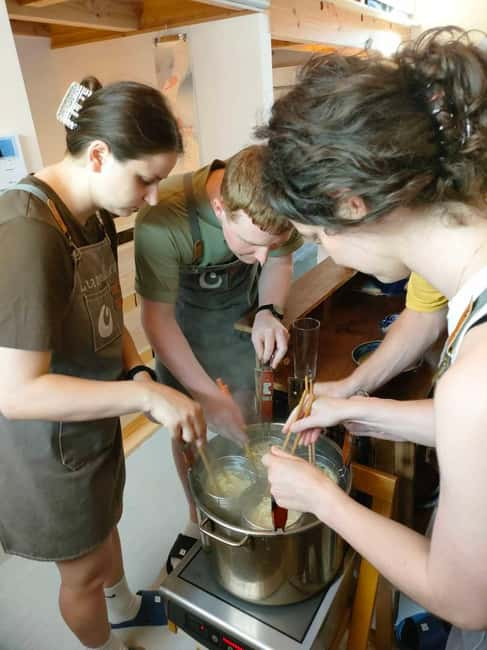
At $99 per person, this is not the cheapest meal you will have in Tokyo. You are paying for instruction, a small group, ingredients, a full serving of ramen and five gyoza, the English-language support, and the chance to repeat the recipes later.
The value improves if you enjoy cooking or want a food activity that stays with you after the holiday. A restaurant meal gives you ramen once. This class gives you a meal, a cooking method, personal guidance, and recipes to use at home.
The price may feel high if you only want to eat ramen or if your schedule is already full of food stops. It makes more sense for couples, families, and small groups who enjoy making their own meal. The class also has a personal quality that a larger cooking school may not provide.
Several useful extras add to the experience. Custom aprons and self-designed T-shirts may be available for purchase, and some participants received complimentary merchandise. These are optional, not reasons on their own to book, but they can make a nice souvenir for someone who plans to cook ramen again.
Who should book this experience?
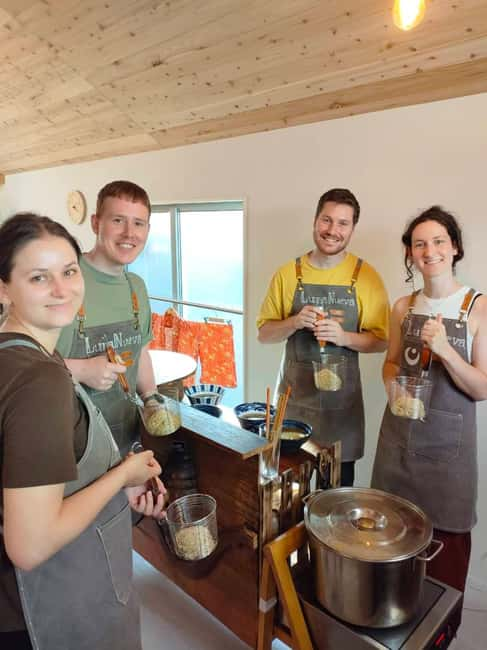
I would choose this class for families with older children, couples, friends, and solo visitors who like being involved rather than sitting back. The two-hour length is manageable, and the small group makes it easier to ask questions.
It is also a good fit if you want an English-language activity with a local food focus. You do not need to be an expert cook. The lesson is structured around clear steps, and Yoshi and Amo provide help as you work.
You might skip it if your priority is a central Tokyo location, a very low-cost meal, or a highly specialized ramen masterclass. The lesson covers a lot in two hours, so it is broad and practical rather than an advanced study of broth chemistry or noodle production.
The class is especially appealing near the end of a Tokyo visit. You can enjoy the meal in person, then take the recipes home and test your new skills after the trip. One participant even bought an apron for future cooking, which tells you how easily the experience can turn into a lasting kitchen project.
Booking details that can save trouble
The activity lasts two hours, with starting times based on availability. You can reserve now and pay later, which helps if your Tokyo schedule is still changing. Free cancellation is available up to 24 hours in advance for a full refund.
Use the correct station instructions when planning your route. Ekoda is served by the Seibu Ikebukuro Line, and the local train stops there while the rapid train does not. Do not assume a JR pass or a JR route will take you directly to the meeting point.
Arrive 15 minutes before the class starts. Amo waits outside the ticket gates, and the class begins after the short walk to the cooking space. Late arrival may mean less time for your meal and instruction.
Should you book the Tokyo ramen and gyoza class?
Book it if you want more than a bowl of noodles. The strongest reasons are personal English instruction, a small group of up to four, and a useful recipe package that lets you recreate ramen and gyoza later.
The $99 cost is reasonable for a hands-on meal lesson, though it is not a bargain activity. Vegetarian diners must plan ahead, and the Ekoda location requires careful train navigation. For a food-loving family, couple, or small group, those trade-offs are easy to accept. If you want an authentic-feeling cooking session with a chef who has worked in both Japan and Australia, this is a solid choice.
FAQ
How long does the ramen and gyoza class last?
The class lasts two hours.
Where is the meeting point?
Meet outside the ticket gates at Ekoda Station, at 1 Chome-78 Asahigaoka, Nerima City, Tokyo 176-0005.
Which train line serves Ekoda Station?
Ekoda is on the Seibu Ikebukuro Line, not the JR line.
Should I take a rapid train to Ekoda?
No. Use a local train because the rapid train does not stop at Ekoda Station.
How early should I arrive?
Arrive at least 15 minutes before the class begins. Amo waits outside the ticket gates.
Is the class taught in English?
Yes. The instructor language is English, and Yoshi and Amo help explain the cooking steps and answer questions.
Can I request vegetarian ramen?
Yes, but you must inform the provider in advance. Same-day vegetarian requests cannot be accommodated.
What food do I make?
You prepare ramen and five gyoza. The lesson also covers toppings, seasoned runny-yolk egg, chashu, soup, and noodles.
Are recipes included?
Yes. The recipes are sent to you after the lesson by email.
Can I cancel for a refund?
You can cancel up to 24 hours in advance for a full refund. You can also reserve now and pay later.
New on our Tokyo list
- Sumi-e Experience in a relaxing green tea shop in Tokyo★ 5.0 · 3 reviews
- Tokyo : Kamikaze Street Drift Ride★ 5.0 · 3 reviews
- Private Zen Meditation in English in Shinjuku, Tokyo★ 5.0 · 3 reviews
- Onsen Spa in Tokyo and Asakusa Bar Hopping with Local Guide★ 5.0 · 3 reviews
- Easy for everyone! Now you can play handmade mini shamisen and show off to everyone! Musical instruments, sweets and live music★ 5.0 · 3 reviews
- Tokyo: Private Tsukiji Street Food & Sake with Local Guide★ 5.0 · 3 reviews
- Mt Fuji Exploration Tour with Free Japanese Kusa Mochi from Tokyo★ 4.5 · 3 reviews
- Tokyo Tsukiji Fish Market Walking and Exploring Hidden Gems Tour★ 5.0 · 3 reviews
Japanese Cooking Classes, compared.
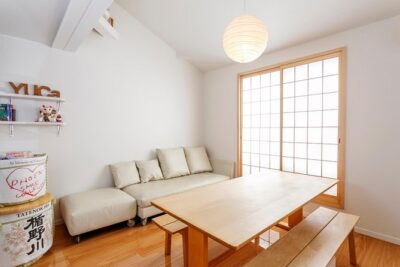
Ramen & Gyoza Cooking Class in Tokyo with Local Supermarket Visit
Read our review →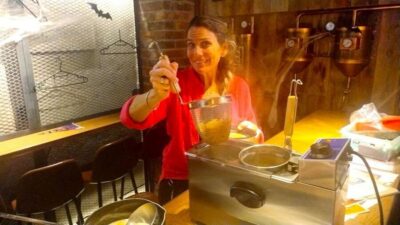
Easy Ramen Cooking Experience in Kabukicho, Shinjuku
Read our review →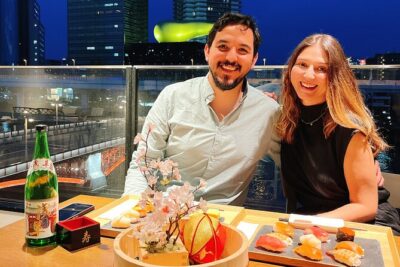
Ramen and Sushi Cooking Class with Sake Pairing Set in Tokyo
Read our review →
Tokyo Washoku 4-hour Cooking Class: From Market to Table
Read our review →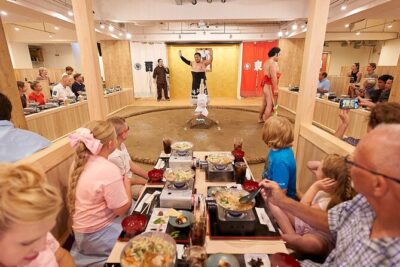
TokyoSumoShow, ChickenHotPot, and Mochi-Pounding by Pro Wrestlers
Read our review →
Professional Ramen & Gyoza with Ramen Chef in a restaurant!
Read our review →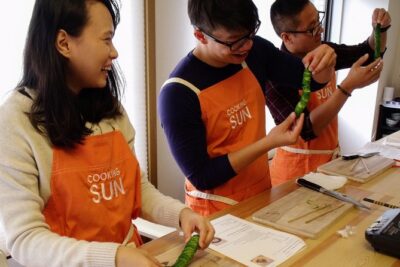
Small-Group Wagyu Beef and 7 Japanese Dishes Tokyo Cooking Class
Read our review →Browse the lists this tour appears in