
Reviewed · WORKSHOPS
Tokyo: Rice Ball Making Class
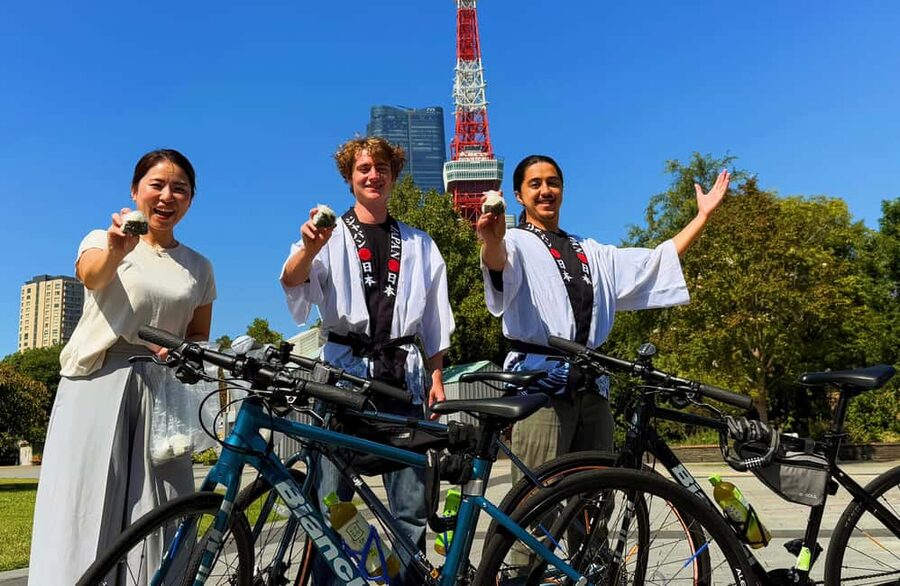
Tokyo has few better ways to start a day than by making your own onigiri, Japan’s humble rice ball. You season warm rice, add a filling, shape it by hand, then eat it in Hamarikyu Gardens with Tokyo’s skyline behind you. It is part cooking class, part picnic, and part bicycle tour.
I like the small group size, limited to six people, and the mix of hands-on food and outdoor sightseeing. I also like that the ride uses backstreets and riverside paths rather than making the whole outing a race between major sights.
The main consideration is physical. You need to ride a bicycle comfortably, and the activity is not suitable for children under 12, people with mobility or back problems, wheelchair users, people with low fitness, or those over 70. The route and pace are not described in detail, so ask about them if you have concerns.
In This Review
- Key points at a glance
- Why making onigiri is the right start
- From warm rice to a handmade picnic
- Cycling to Hamarikyu Gardens
- A quieter view of Tokyo by bicycle
- What the $51 price covers
- Who will enjoy this outing most
- Practical details before you book
- Should you book the onigiri and bike tour?
- FAQ
- How much does the Tokyo Rice Ball Making Class cost?
- How long does the experience last?
- What language is the tour conducted in?
- How many people can join the group?
- What is included in the price?
- What fillings can I try in the onigiri class?
- Where do I meet the guide?
- Is Hamarikyu Gardens included?
- What should I bring?
- Can I cancel for a refund?
Key points at a glance
- Fresh onigiri you shape yourself: Work with warm steamed rice and fillings including salmon, pickled plum, and tuna-mayo.
- A picnic inside Hamarikyu Gardens: Eat your handmade snack among ponds, flowers, teahouses, and views toward Tokyo Bay.
- A small English-speaking group: The group is limited to six, giving the guide room to help with the rice shaping.
- A bike ride beyond the main avenues: The route uses local streets and riverside paths, with views of Tokyo Tower, Zozoji Temple, the Imperial Palace, and the bay.
- A short, flexible outing: The stated duration is one to three hours, with starting times available by date.
- A practical $51 package: The price covers the class, ingredients, bicycle, guide, and Hamarikyu Gardens admission.
Why making onigiri is the right start
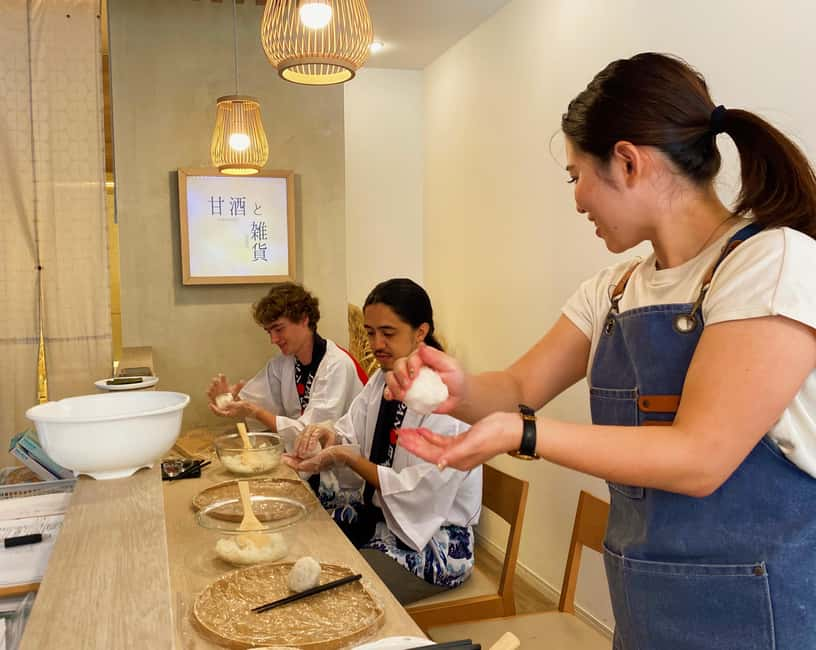
Onigiri is simple food, but the making matters. You are not watching a chef prepare an elaborate dish while standing at a distance. You season rice, choose a filling, and shape the snack with your own hands. That gives you a useful look at an everyday part of Japanese food culture.
The class includes ingredients, so you do not need to shop beforehand. The fillings listed are a good introduction to familiar Japanese flavors. Salmon is savory and easy to like. Pickled plum gives the rice a sharp, salty-sour kick. Tuna-mayo is creamy and mild. If you are new to Japanese food, this range lets you try something safe along with something more distinctive.
A friendly English-speaking expert leads the class. One guide named Sho has been praised for making the session fun and helping participants shape and enjoy their rice balls. The supplied information does not guarantee that Sho will lead every departure, so treat the guide name as useful context rather than a promise.
You should expect a practical lesson rather than a formal culinary course. The class is designed to teach you how the snack is made, then send you out with food you can eat at the next stop. That makes it a good choice for people who prefer doing something over simply taking photos.
A few more Tokyo bookings worth comparing
- Sushi Making Tokyo Roll and Authentic Japanese Sushi Class
★ 5.0 · 3,971 reviews - Tokyo: Roll and Authentic Sushi Making Class in Asakusa
★ 4.9 · 1,957 reviews - Tokyo Shinjuku Chopsticks Making Class
★ 5.0 · 1,763 reviews
From warm rice to a handmade picnic
The onigiri portion is the heart of the outing. You work with freshly steamed rice, season it, select fillings, and form each piece. Shaping rice sounds easy until you try to make something firm enough to hold while still keeping a pleasant texture. The guide can show you the basic technique and help you get the balance right.
This is also where the small group helps. With no more than six participants, the instructor has a fair chance to see what each person is doing. That matters more in a hands-on lesson than it would on a standard walking tour. If your rice falls apart or your filling slips out, you should have room to ask for help.
Do not expect a long menu or a full Japanese cooking class. The stated focus is onigiri, with ingredients included. You will not be preparing a multi-course meal, and extra snacks and drinks are not part of the price. Bring water, especially if you are taking the bicycle ride afterward.
The best part is that your work does not end in a classroom. You pack the onigiri and take it with you. The food remains tied to the rest of the day, rather than becoming a quick sample that disappears before the activity moves on.
Cycling to Hamarikyu Gardens
After the class, you ride to Hamarikyu Gardens. Your bicycle, local guide, and garden admission are included, so there is no need to arrange a separate rental or buy a second ticket at the garden.
Hamarikyu offers a welcome change of pace from central Tokyo. The garden has saltwater ponds, walking paths, seasonal flowers, and traditional teahouses. Its setting near the bay creates a striking contrast: quiet paths and old-style buildings on one side, high-rise Tokyo on the other.
The picnic is meant to be relaxed. You can spread out on the grass, unwrap the still-warm onigiri, and look across the garden toward the modern city. This setting adds value to the cooking class because you are eating Japanese food in a place that links older Tokyo with the present-day city.
The garden admission is included, which is worth noting when judging the $51 price. Hamarikyu is not just a place to pause beside the road. It is a separate Tokyo sight with its own entry cost, and it gives the experience a proper destination.
You should still keep expectations sensible. This is not a long garden tour with a detailed historical lecture listed in the schedule. The garden functions mainly as the picnic setting before the ride continues. If you want a full guided visit focused on every pond, teahouse, and seasonal plant, you may need more time afterward on your own.
A quieter view of Tokyo by bicycle
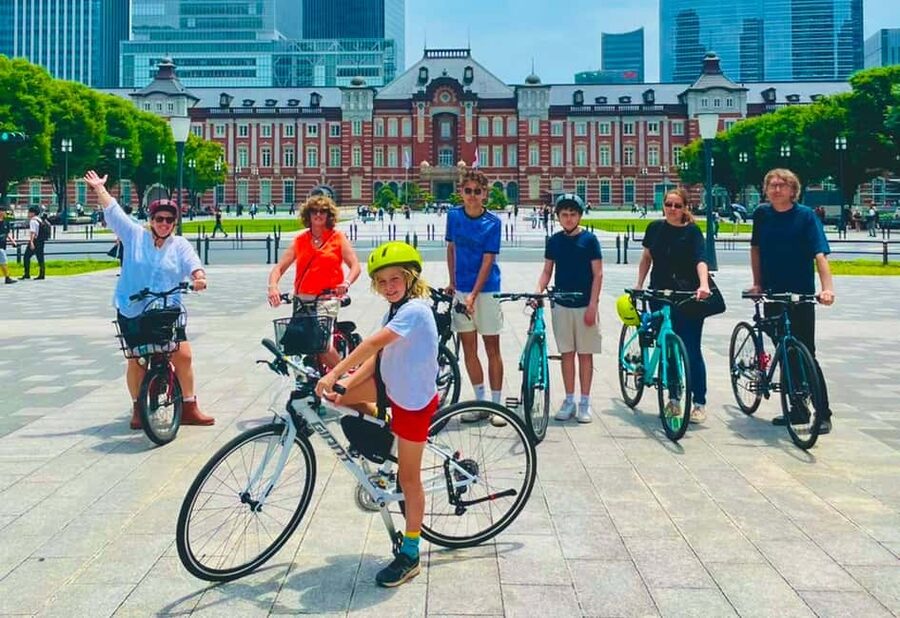
Once you have eaten, the guide leads the group through a chosen route of backstreets and riverside paths. This is the part that gives the outing its local feel. Tokyo is often experienced through major stations, broad shopping streets, and famous crossings. A bicycle route can show you a quieter side of the city without requiring a long day of walking.
The route includes local neighborhoods where ordinary daily life continues away from the main sights. It also reaches wider waterfront lanes with views across Tokyo Bay. That combination is useful because you get both close-up city scenes and open views.
The listed sights include Tokyo Tower, the Imperial Palace, and Zozoji Temple. The wording indicates that you catch views of these places along the way, not that the schedule promises a long stop at each one. You should think of them as visual highlights on a moving route.
Tokyo Tower adds the familiar orange-and-white landmark in the distance. Zozoji Temple brings a more traditional religious setting into the same picture. The Imperial Palace provides another major point of reference. Seen during a bicycle ride, these sights help you understand how the city’s older and newer parts sit close together.
The bicycle format has a practical advantage. You cover more ground than you would on foot, but the ride is still framed as leisurely. You are not paying for a high-speed cycling challenge or a long-distance excursion. You are paying for a guided route that links the food class, garden, neighborhoods, and bayfront.
The drawback is that bicycle comfort matters throughout. The activity specifically advises comfortable clothing and excludes people who cannot ride. It is also not suitable for people with back problems, mobility impairments, high blood pressure, low fitness, or visual impairments. Those limits are important, not fine print to ignore.
Same corner of Tokyo, a completely different plan:
- Mt Fuji and Hakone 1-Day Bus Tour Return by Bullet Train
★ 5.0 · 26,383 reviews - 1-Day Tokyo Bus Tour
★ 5.0 · 14,250 reviews - Tokyo: TOKYO SKYTREE® Admission ticket
★ 4.5 · 11,192 reviews - Tokyo: teamLab Planets TOKYO Digital Art Museum Entry Ticket
★ 4.6 · 9,779 reviews
What the $51 price covers
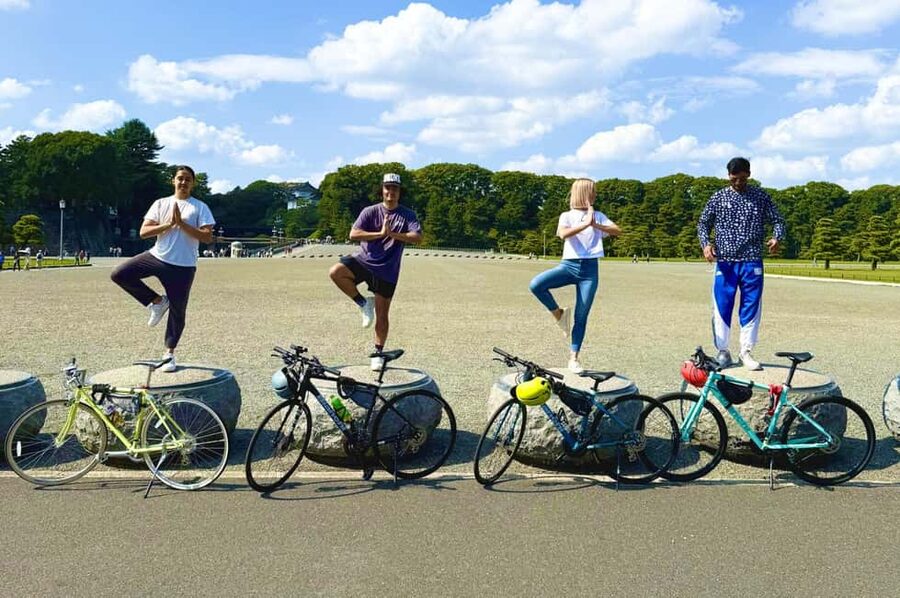
At $51 per person, this is best judged as a combined activity rather than a cooking class alone. The package includes the onigiri lesson, all listed ingredients, a bicycle, an English-speaking guide, the guided ride, and admission to Hamarikyu Gardens.
If you only want to learn how to make rice balls, the price may feel high compared with a short food lesson. The value improves if you want several small Tokyo activities handled together. You receive food instruction, a meal, transportation by bicycle, a guided neighborhood route, and entry to a major garden.
The small group also matters. A maximum of six is more personal than a large class, particularly when you are shaping rice and trying different fillings. It may also make the bicycle ride easier to manage than a big group spread across city streets.
The price does not include extra snacks or drinks from the shop. You should bring water and budget for anything else you want to buy. Since the duration can range from one to three hours, check the available start time and length before booking. The shorter end of that range would make this a compact introduction, while the longer version should allow more room for the garden and cycling portions.
A full 5 out of 5 rating from 14 bookings suggests a very strong early record. The praise centers on friendly instruction, clear English, enjoyable cycling, and delicious handmade rice balls. That points to good delivery of the main idea, though a small number of ratings cannot tell you how every departure will feel.
Who will enjoy this outing most
I would recommend this experience to first-time visitors who want an activity with a clear local focus. You learn a familiar Japanese food, eat it in a historic garden, and see Tokyo from a bicycle. It gives you a story to remember, not just another transfer between landmarks.
It also suits couples, friends, and solo visitors who like small groups. The six-person limit should make it easier to interact with the guide and other participants. The cooking element gives people something to do together, while the ride adds variety.
Food-focused visitors will find the strongest appeal in the class and picnic. You can compare the different fillings and leave with a better sense of how onigiri fits into ordinary Japanese eating habits. The activity is not aimed at serious cooks, but you do learn a skill you can try again later.
I would be more cautious if your main goal is a detailed tour of Tokyo’s major monuments. The Imperial Palace, Tokyo Tower, and Zozoji Temple appear as sights along the route. You should not book this expecting extended visits inside each one.
It is also a poor fit for anyone who is unsure on a bicycle. The restrictions are unusually clear, and you should take them seriously. Children under 12 cannot join, and the activity is not suitable for people over 70 or those with several listed health and mobility concerns.
Practical details before you book
The meeting point is the onigiri making class. The exact address and starting time are not included in the supplied information, so confirm those details carefully before setting out. Do not assume the class begins at Hamarikyu Gardens.
The only stated language is English, and the activity has a live guide. That is helpful during both the food lesson and the ride, when clear directions matter. The guide can also explain the ingredients and route as you go.
Wear comfortable clothes for cycling. Bring water. Baby strollers are not allowed, which also reinforces that this is not designed as a family outing with very young children.
Free cancellation is available up to 24 hours before the start for a full refund. You can also reserve now and pay later, which is useful if your Tokyo schedule may change. Still, check the final booking conditions for your chosen date.
Because the duration is listed as one to three hours, look at the available time slot rather than relying only on the headline duration. If you have a tight connection or a fixed lunch booking, that range matters.
Should you book the onigiri and bike tour?
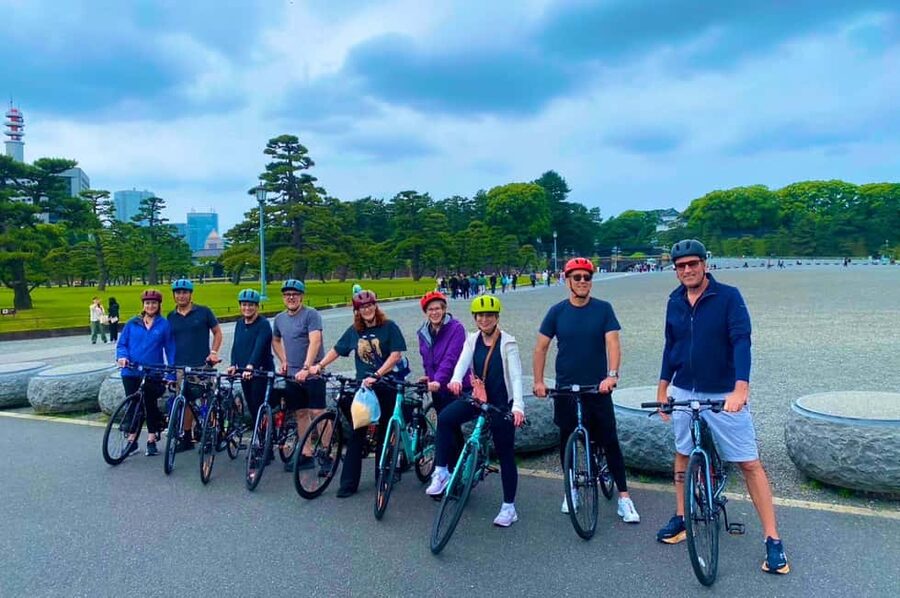
Book it if you want a small, active introduction to Tokyo that combines food with scenery. The strongest reasons are the hands-on onigiri lesson, the picnic in Hamarikyu Gardens, and the chance to ride through streets and waterfront areas you might not see on a standard sightseeing route.
The $51 price is fair when you use the bicycle, guide, ingredients, and garden admission. It is less compelling if you only want a quick cooking lesson or if you already plan to spend substantial time at Hamarikyu on your own.
Check the cycling restrictions first. If you are comfortable on a bike and like the idea of making your own lunch before seeing Tokyo from a different angle, this is an easy activity to recommend. If you want a slow, fully accessible tour with long stops at each monument, choose something else.
FAQ

How much does the Tokyo Rice Ball Making Class cost?
The activity costs $51 per person.
How long does the experience last?
The stated duration is one to three hours. Check availability for the specific starting time and length on your chosen date.
What language is the tour conducted in?
The activity has a live English-speaking guide.
How many people can join the group?
The group is limited to six participants.
What is included in the price?
The price includes the onigiri making class, ingredients, a local bicycle tour guide, a bicycle, and admission to Hamarikyu Gardens.
What fillings can I try in the onigiri class?
The listed fillings include savory salmon, pickled plum, and tuna-mayo.
Where do I meet the guide?
You meet the guide at the onigiri making class. Confirm the exact address and meeting instructions before the activity.
Is Hamarikyu Gardens included?
Yes. Entrance to Hamarikyu Gardens is included.
What should I bring?
Bring water and wear comfortable clothing for cycling.
Can I cancel for a refund?
You can cancel up to 24 hours in advance for a full refund. Reserve now and pay later is also available.
New on our Tokyo list
- Private Zen Meditation in English in Shinjuku, Tokyo★ 5.0 · 3 reviews
- Sumi-e Experience in a relaxing green tea shop in Tokyo★ 5.0 · 3 reviews
- Tokyo : Kamikaze Street Drift Ride★ 5.0 · 3 reviews
- Onsen Spa in Tokyo and Asakusa Bar Hopping with Local Guide★ 5.0 · 3 reviews
- Easy for everyone! Now you can play handmade mini shamisen and show off to everyone! Musical instruments, sweets and live music★ 5.0 · 3 reviews
- Tokyo: Private Tsukiji Street Food & Sake with Local Guide★ 5.0 · 3 reviews
- Mt Fuji Exploration Tour with Free Japanese Kusa Mochi from Tokyo★ 4.5 · 3 reviews
- Tokyo Tsukiji Fish Market Walking and Exploring Hidden Gems Tour★ 5.0 · 3 reviews
Workshops, compared.
Sushi Making Tokyo Roll and Authentic Japanese Sushi Class
Read our review →
Roll and Authentic Sushi Making Class in Asakusa
Read our review →
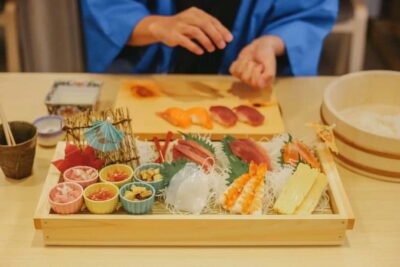
Sushi Making Class in a Happi Coat near a Famous Spot
Read our review →
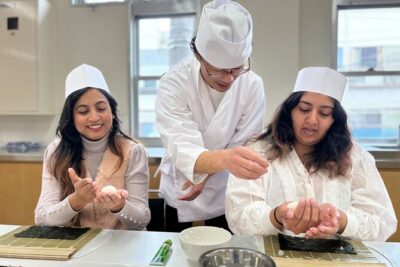
Tokyo Sushi Making Class in Tsukiji with Professional Chef
Read our review →
Ramen & Gyoza Cooking Class in Tokyo with Local Supermarket Visit
Read our review →
Matcha Making Class in Tokyo with Authentic Japanese Sweets Set
Read our review →Browse the lists this tour appears in