
Reviewed · SUMO EXPERIENCES
Tokyo: Sanctuary Authentic Grand Sumo Experience & Training
Tokyo: Sanctuary Authentic Grand Sumo Experience & Training
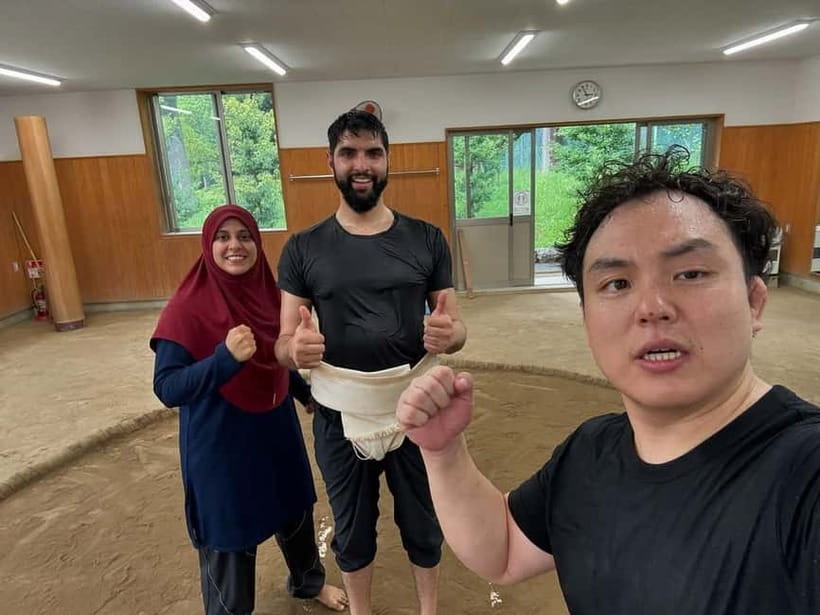
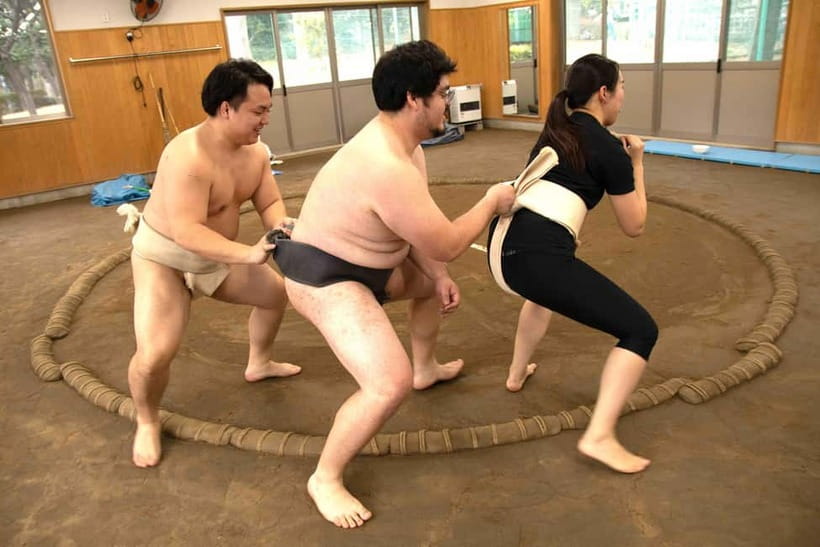
This is not a seat in a stadium watching professionals wrestle. At Amita Sumo Dojo, you step onto a real clay dohyo, wear a proper mawashi, learn the rituals, and take part in sumo training yourself. The two-hour session is led by Japanese coaches, including Takeshi, in English and Japanese.
I like the direct contact with the sport: you learn what the warm-ups and rituals mean, then test the rules in the ring. I also like that the session can adjust to different ages and fitness levels, from a family with a 13-year-old to adults who have never tried sumo.
The main drawback is practical rather than cultural. Sumo is hard work, and you will sweat heavily. You need to bring plenty of water and two towels, and the nearby shower costs ¥100 for five minutes.
In This Review
- Key points to know before you book
- Why this is more than a sumo show
- Arriving at Heiwanomori Park
- Your first steps onto the clay ring
- Wearing a mawashi, or choosing your own clothes
- Learning the rituals before the bouts
- The final matches with friends and coaches
- How much value do you get for $199?
- Who will enjoy this dojo most?
- Practical details that affect your day
- Final decision: book it for the participation
- FAQ
- Where does the sumo experience take place?
- How do I reach the dojo by train?
- Do I need previous sumo experience?
- Is a mawashi provided?
- Can children take part?
- What should I bring?
Key points to know before you book
- You train on a real dohyo: This is a working sumo ring made from clay, not a stage built for a theatrical show.
- A mawashi is provided: You can wear the traditional sumo belt at no extra cost, though you may also participate in your own clothing if you prefer.
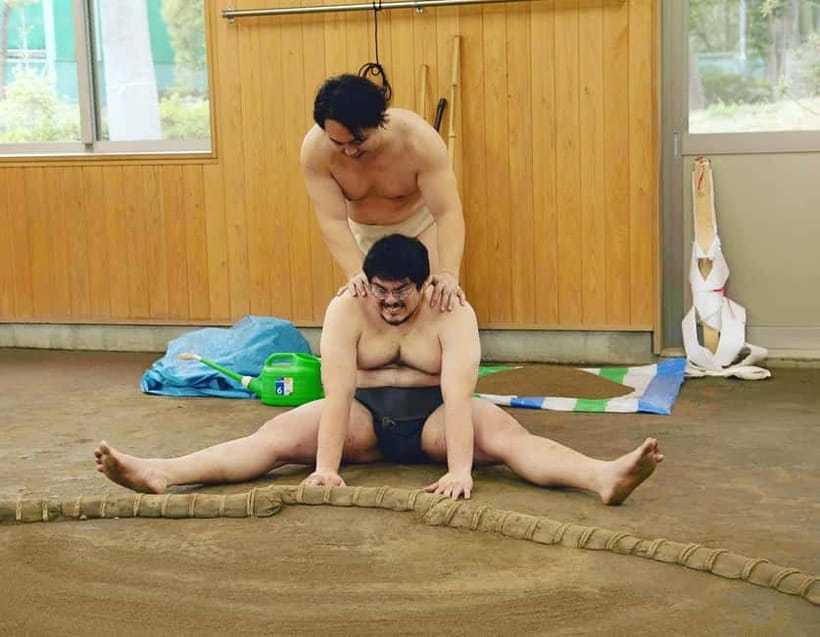
- Takeshi leads an active lesson: Expect warm-ups, stretching, rituals, rules, practice, and live bouts rather than a passive demonstration.
- No prior experience is needed: The training is adapted to each person, and children aged five and older may participate if booked.
- The session is a workout: Bring several bottles of water, a towel for training, and another for the shower.
- The location is outside central Tokyo: Heiwanomori Park is about a 10-minute walk from Heiwajima Station on the Keikyu Main Line.
Why this is more than a sumo show
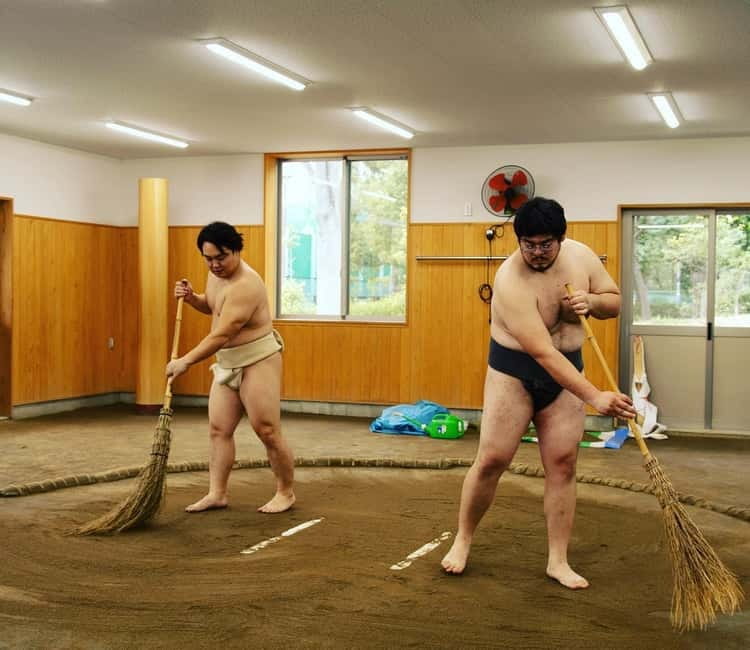
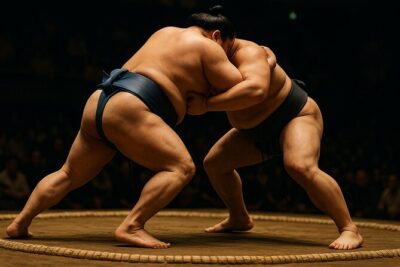
Many sumo activities in Tokyo ask you to watch a match, see a demonstration, or pose with a wrestler. This one changes the balance. You are not simply looking at sumo from the outside. You learn its basic movements, enter the ring, and try the sport under a coach’s direction.
That makes the experience useful even if you know little about sumo. The coach explains the purpose of the stretches, the warm-up movements, the ring etiquette, and the rituals connected with Shinto. You begin to see that sumo is not just pushing an opponent out of a circle. It combines strength, balance, discipline, ceremony, and careful footwork.
The instruction is given in Japanese and English. That matters because the rituals can otherwise look mysterious. Once you understand what is happening, the salt, bows, stomps, and movements around the dohyo become part of the lesson rather than decoration.
The activity has received a full five-star rating from seven bookings at the time of the supplied information. The strongest praise centers on three things: Takeshi’s warm teaching style, the chance to take part at your own level, and the surprise of finding a serious sporting experience rather than a simple tourist show.
More sumo mornings:
- Tokyo: Sumo Show Experience with Chicken Hot Pot and a Photo
★ 4.8 · 6,678 reviews - Tokyo: Sumo Show and Dining Experience
★ 4.8 · 2,742 reviews - the SUMO show
★ 5.0 · 1,960 reviews
Arriving at Heiwanomori Park
The meeting point is Heiwanomori Park Sumo-jo, at 2-1 Heiwanomorikoen in Ota City. You meet at the small office at the stated address, then take part in the session at the sumo facility.
From Heiwajima Station on the Keikyu Main Line, the walk takes about 10 minutes. Allow extra time to find the office, especially if you are carrying a towel and water or arriving with children. The activity is not in Ryogoku, Tokyo’s best-known sumo district, so check the route before leaving your hotel.
The listed train times give you a useful planning guide. The journey takes about 22 minutes from Shinagawa, 28 minutes from Shimbashi, 34 minutes from Nihonbashi, and 36 minutes from Shibuya. From Shinjuku, allow about 49 minutes, and from Asakusa, about 44 minutes. These times help you see the real cost in time: the two-hour class requires a larger part of your day once you add the train ride and walk.
A taxi is possible, but do not expect one to appear outside the venue. You need to arrange it yourself. For most people, the train and short walk are the simpler choice.
Your first steps onto the clay ring
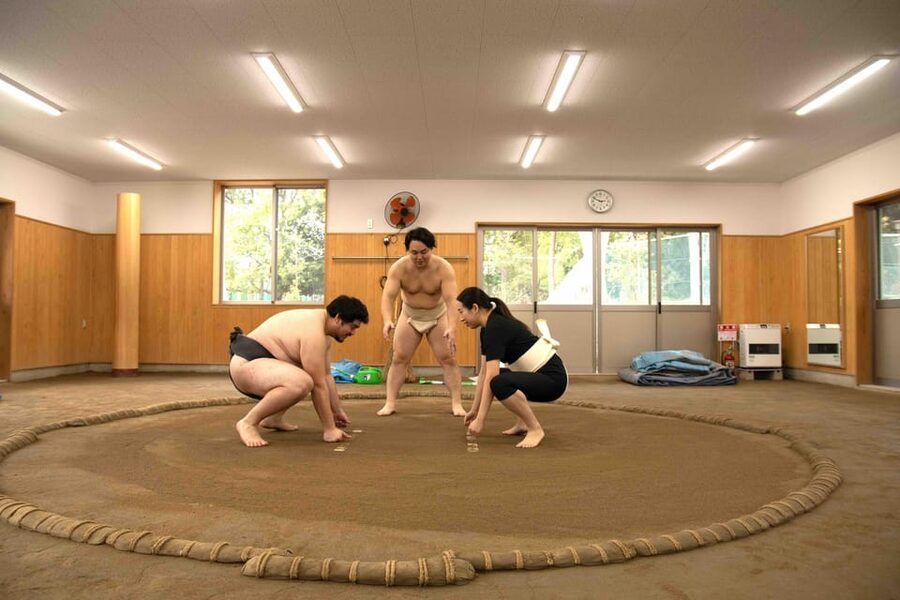
The class begins with an introduction to sumo fundamentals. You learn the basic stretches and warm-up movements before being shown how to move inside the dohyo. This opening section is important because it sets a safe pace and gives you a physical sense of the sport before any wrestling begins.
You also learn the rules for fighting in the ring. The aim is not simply to charge forward. Position, balance, foot placement, and timing all matter. Even a short bout makes these points clear in a way that a written explanation cannot.
The real clay ring adds something special. It gives the class a genuine sporting setting, and it changes how you move. You become aware of the ring’s boundaries, the surface beneath your feet, and the formal behavior expected inside it.
The class is suitable for beginners, so you do not need previous sumo or martial arts experience. If you already have athletic experience, the coach can adjust the challenge. A participant whose son had wrestled for five years found the activity worthwhile, while another family said the exercises worked well for different skill levels.
Wearing a mawashi, or choosing your own clothes
The dojo provides a mawashi at no extra cost. This is the traditional sumo belt worn by wrestlers, and wearing one makes the activity feel far more genuine than putting on a costume for a photograph.
You are also allowed to participate in your own clothes if you prefer. That option may matter to anyone who feels uncomfortable wearing a mawashi, or to families deciding how much of the tradition they want to take on. The information provided does not specify the exact clothing requirements for participation in ordinary clothes, so follow the coach’s instructions on the day.
Bring a towel for the training session. You should also bring a second towel for showering, since the advice specifically warns that you will sweat heavily. Pack several bottles of water rather than relying on one small drink.
A shower room is available near the venue for ¥100 per five minutes. That is a useful facility after an active class, but the short time limit means you should have your towel and belongings ready. Food is not served, so eat before or after the activity according to your schedule.
A few more Tokyo bookings worth comparing
- Mt Fuji and Hakone 1-Day Bus Tour Return by Bullet Train
★ 5.0 · 26,383 reviews - 1-Day Tokyo Bus Tour
★ 5.0 · 14,250 reviews - Tokyo: TOKYO SKYTREE® Admission ticket
★ 4.5 · 11,192 reviews - Tokyo: teamLab Planets TOKYO Digital Art Museum Entry Ticket
★ 4.6 · 9,779 reviews
Learning the rituals before the bouts
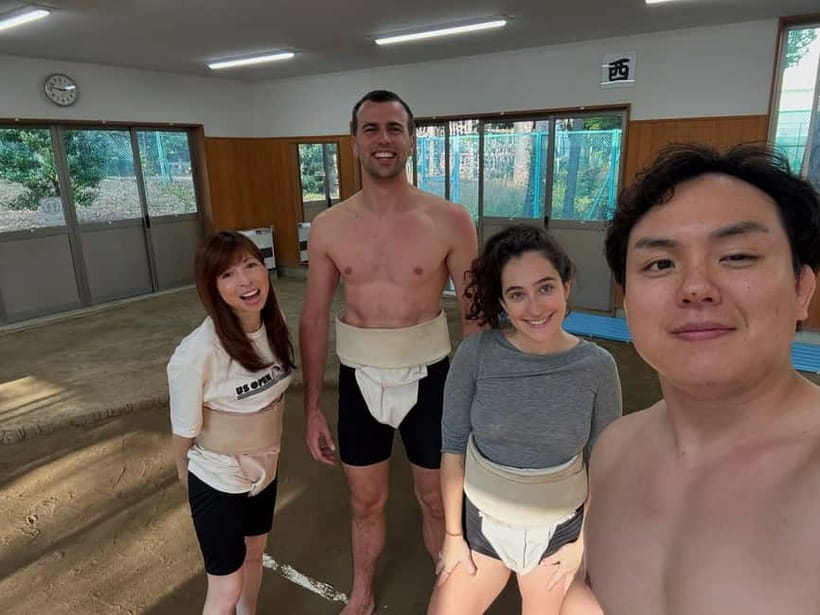
Sumo’s formal rituals are one of the best reasons to choose this experience over a basic wrestling lesson. The coach demonstrates traditional Shinto-related practices and explains their meaning as you go.
You learn how rituals connect to the dohyo and to the conduct of sumo. This gives the session a cultural side without turning it into a lecture. You are still moving, stretching, and practicing, but you also understand why the sport has such a strong ceremonial character.
The lesson is especially useful for families. Children can copy the movements while adults learn the context behind them. A family of four found that the warm-ups and explanations gave everyone a clear introduction before the matches began.
Children under four may accompany an adult but can only observe. Observation is complimentary for children aged five and older, but each child who wants to participate needs an individual booking. That rule is worth checking carefully when planning a family outing.
The final matches with friends and coaches
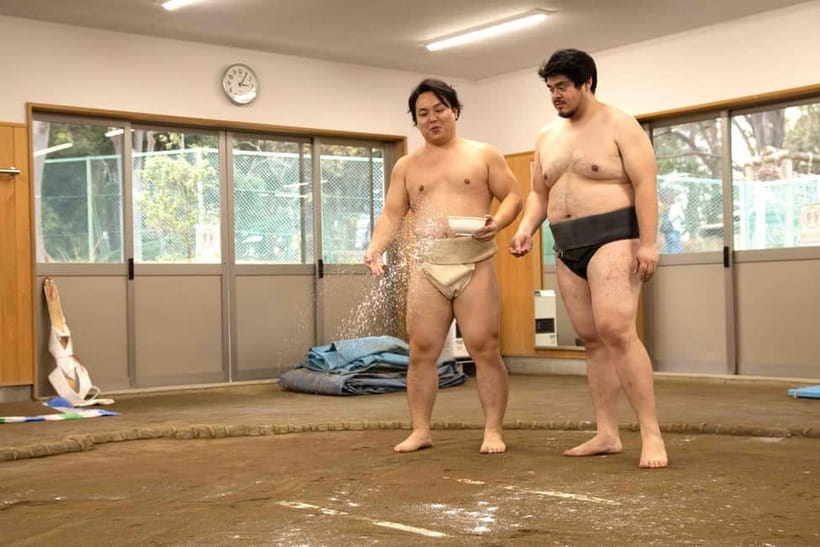
The class builds toward practice bouts. You can wrestle with friends or family members, and if you are willing, challenge one of the coaches. The coach can keep the match suited to your ability, which helps make the activity workable for people with different fitness levels.
This is where the lesson becomes memorable. You feel how difficult it is to stay balanced, move someone else, and remain within the ring. Sumo looks simple when you watch it, but the physical demands become clear quickly.
The experience can be friendly and playful, but it is still a real workout. Use common sense, listen to the coach, and do not treat the bout as a contest of pride. The provider states that it is not responsible for injuries or accidents, so anyone with health concerns should consider that before booking.
Some of the most striking feedback came from a family whose older children had expected only to watch sumo. The class exceeded that plan because everyone took part in a real match. The coach they faced was a five-time Japanese national champion, which shows that the final bout can be more serious than a simple photo opportunity.
That does not mean you should expect a professional contest. The value is in trying the movements under a skilled coach and feeling the difference between ordinary strength and trained sumo technique.
How much value do you get for $199?
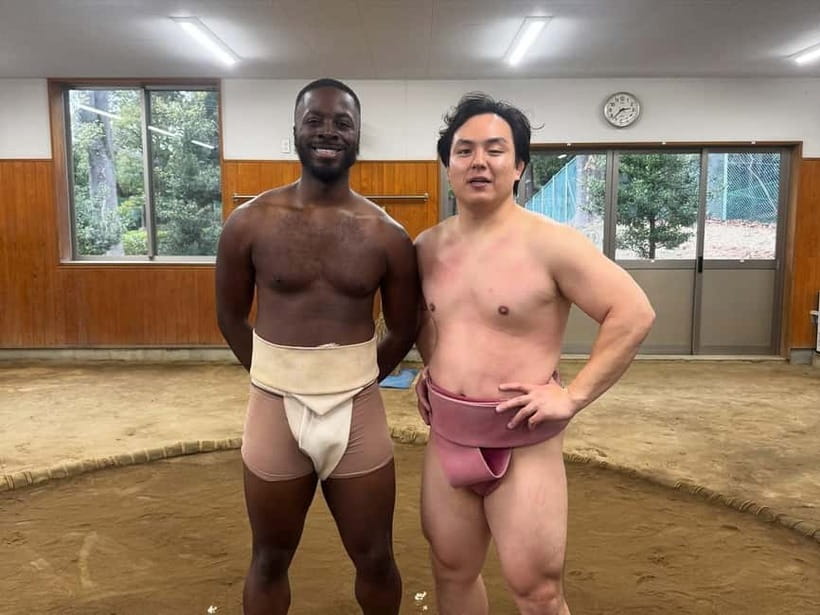
At $199 per person, this is not a cheap add-on activity. You should compare it with what you are actually buying: two hours of instruction, use of the real dohyo, a provided mawashi, cultural explanation, and supervised bouts with coaches.
The price makes more sense if you want active participation rather than a short demonstration. A stadium ticket may let you watch professional sumo, but it will not teach you how to enter the ring, perform the basic movements, or wrestle under a coach’s guidance.
It is also good value for a family or small group that wants one shared activity. You can practice together, face one another, and then challenge the coaches. The memories come from doing something side by side, not from collecting another photograph at a sightseeing stop.
The price is harder to justify if you dislike exercise, feel uneasy about wearing a mawashi, or only want to see professional wrestlers. In that case, a tournament day or viewing-based sumo activity may suit you better.
The booking terms help with planning. You can reserve now and pay later, and cancellation is free up to 24 hours in advance for a full refund. The provider asks you to book at least two days before your preferred date, even though the booking system may allow reservations closer to the start time.
Who will enjoy this dojo most?
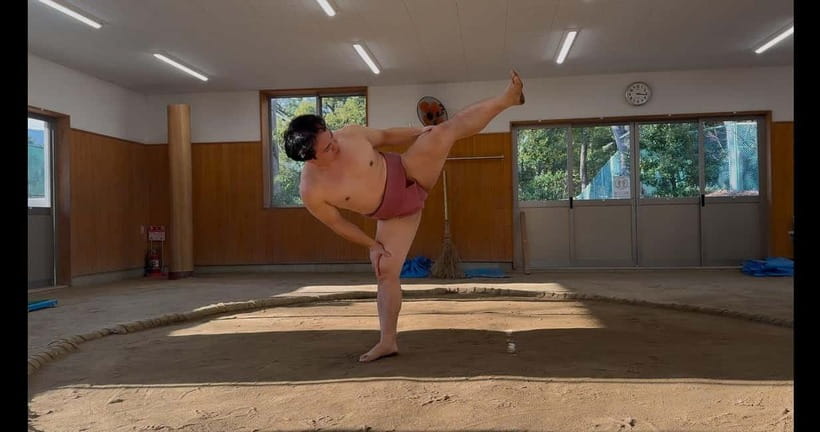
I would recommend this class to adults, families, and older children who want a hands-on cultural activity. It suits people who enjoy learning by doing and who are happy to sweat a little for a more personal connection with Japanese sport.
It is also a good match for someone who has already watched sumo and wants to understand the physical side. You will not become a trained wrestler in two hours, but you will gain a better sense of the balance, force, and discipline involved.
The class is not limited to one gender or a high level of fitness. The activity is described as suitable for all genders, ages, and fitness levels, with the coach adapting the training. Still, suitable does not mean effortless. You should be ready for a demanding session and bring enough water.
Young children can attend as observers, but under-four children cannot take part. For older children, book each participant who will enter the ring. Teenagers may get particularly strong value from the experience because they can follow the explanations and take part in the bouts.
Practical details that affect your day
The duration is two hours, but plan on more time for transport, changing, showering, and finding the meeting point. Since the activity is in Ota City rather than central Tokyo, it works best when paired with nearby plans or treated as the main event for that part of the day.
Bring:
- Several bottles of water
- Two towels, one for training and one for showering
- Comfortable clothing if you choose not to wear the mawashi
- Enough time to walk from Heiwajima Station
Photography and video are welcome for social media, but you must not interrupt the session. Do not record participants who have not agreed to be filmed, and follow any instructions about people who cannot be filmed.
The coaches speak English and Japanese. That makes the activity accessible to international visitors, while the Japanese setting and rituals keep it connected to local tradition.
Final decision: book it for the participation
Book this experience if you want to do sumo rather than simply watch it. The real dohyo, provided mawashi, Shinto rituals, English instruction, and coach-led matches give you a rare chance to meet the sport from inside the ring.
Skip it if you want a quiet cultural visit, dislike physical exertion, or only want to see professional competition. For everyone else, especially families and active couples, the $199 price buys a distinctive two-hour session with a clear sense of place and purpose.
Bring water, accept that you will get sweaty, and leave room in your schedule for the train ride to Heiwajima. If you do that, this is the kind of Tokyo activity that gives you more than a souvenir photograph. It gives you a small, hard-earned understanding of why sumo demands so much respect.
FAQ
Where does the sumo experience take place?
It takes place at Heiwanomori Park Sumo-jo, 2-1 Heiwanomorikoen, Ota City, Tokyo, 143-0005. Meet at the small office at the address.
How do I reach the dojo by train?
The venue is about a 10-minute walk from Heiwajima Station on the Keikyu Main Line.
Do I need previous sumo experience?
No. The class is open to beginners, and the coach teaches stretches, warm-ups, rituals, ring rules, and basic sumo training.
Is a mawashi provided?
Yes. The dojo provides a real mawashi at no extra cost. You may also participate in your own clothing if you prefer.
Can children take part?
Children under four may accompany you but can only observe. Observation is complimentary for children aged five and older. Each child aged five or older who wishes to participate needs an individual booking.
What should I bring?
Bring a towel and drinks. The provider strongly recommends several bottles of water and two towels, one for training and one for showering. A nearby shower costs ¥100 for five minutes.
New on our Tokyo list
- Sumi-e Experience in a relaxing green tea shop in Tokyo★ 5.0 · 3 reviews
- Tokyo : Kamikaze Street Drift Ride★ 5.0 · 3 reviews
- Private Zen Meditation in English in Shinjuku, Tokyo★ 5.0 · 3 reviews
- Onsen Spa in Tokyo and Asakusa Bar Hopping with Local Guide★ 5.0 · 3 reviews
- Easy for everyone! Now you can play handmade mini shamisen and show off to everyone! Musical instruments, sweets and live music★ 5.0 · 3 reviews
- Tokyo: Private Tsukiji Street Food & Sake with Local Guide★ 5.0 · 3 reviews
- Mt Fuji Exploration Tour with Free Japanese Kusa Mochi from Tokyo★ 4.5 · 3 reviews
- Tokyo Tsukiji Fish Market Walking and Exploring Hidden Gems Tour★ 5.0 · 3 reviews
Sumo Experiences, compared.
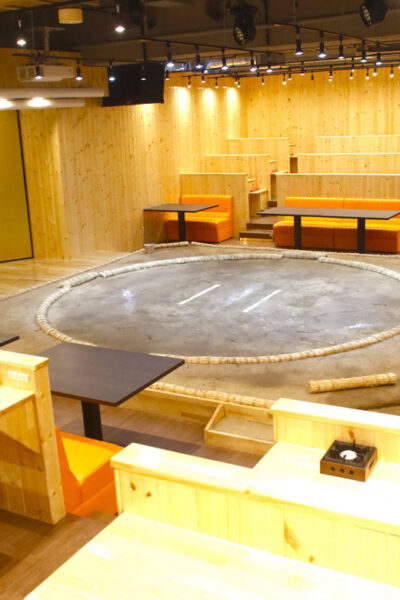
Sumo Show Experience with Chicken Hot Pot and a Photo
Read our review →
Tokyo Shinjuku Sumo Show & Experience with Photo
Read our review →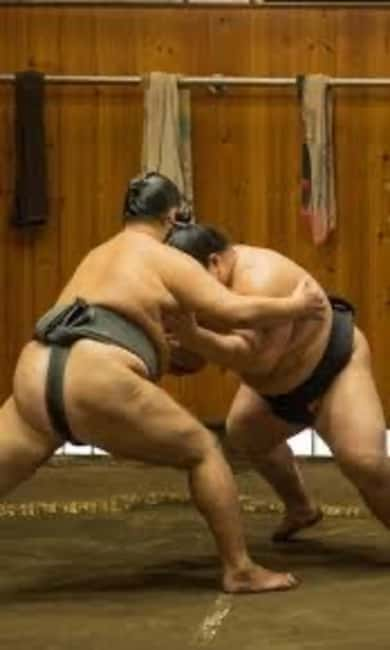
Authentic Sumo Experience in Tokyo: Enter the Sanctuary
Read our review →
Luxury Sumo Show Experience & Japanese cuisine & Drink
Read our review →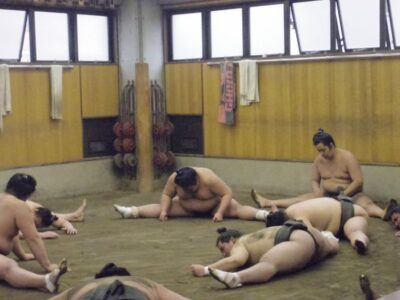
Browse the lists this tour appears in