
Reviewed · WORKSHOPS
Tokyo: Shinjuku Chopstick Making Class
Making your own chopsticks is a fine way to slow Tokyo down for an hour. In a small workshop above Shinjuku, you use traditional tools to shape raw wood, smooth it by hand, and leave with a pair made for you. I especially like the useful souvenir and the calm, hands-on work. The English-speaking instructors, including Koji, Masa, Mimi, and Yuki, are patient with beginners and children.
I also like the choice of two included woods and the chance to add engraving for a personal touch. The main thing to know is that the room can feel crowded, and some people finish in about 30 minutes rather than the advertised hour. Extra wood types and engraving cost more, so the $12 starting price does not cover every option.
In This Review
- Key Points
- A quiet hour above Shinjuku
- Finding the workshop in the West Building
- Choosing wood before the carving begins
- Shaping the chopsticks with traditional tools
- Smoothing the surface and checking the final shape
- Personalizing your souvenir with engraving
- How long does the class really take?
- Is the $12 price good value?
- Who will enjoy this most?
- Practical tips for a smoother session
- Should you book the Shinjuku chopstick class?
- FAQ
- Where is the chopstick-making class held?
- How do I reach the meeting point inside the building?
- What is included in the $12 price?
- Is the class taught in English?
- How long does the activity last?
- Can I choose different types of wood?
- Is engraving included?
- Is the activity suitable for children?
- Can I cancel for a refund or pay later?
Key Points
- Traditional handwork: Shape and smooth your own chopsticks with authentic tools rather than simply watching a demonstration.
- Two woods included: Pick from the included wood choices, with premium options available for an added charge.
- Patient English guidance: Instructors such as Koji, Masa, Mimi, Shu, and Yuki explain each step and help when the wood proves tricky.
- A practical Tokyo souvenir: Take home handmade chopsticks in special wrapping, with optional engraving available for 2,000 yen.
- Good for families: Children aged 8, 10, and 12 are reported to have enjoyed the activity, with staff offering close help.
- Short and affordable: The class costs $12 per person and is scheduled for one hour, though some sessions take about 30 minutes.
A quiet hour above Shinjuku
Shinjuku is famous for bright signs, tall buildings, packed streets, and late-night energy. This class offers a useful change of pace. You ride an elevator to the 10th floor of the Shinjuku West Building, sit at a worktable, and turn a simple block of wood into something you can use at home.
The workshop is not a grand museum or a large traditional craft center. It is a compact working room with four tables and about 10 seats at each table, according to one detailed description. That small scale gives the class a friendly feel, though it can also make the space seem tight when several groups arrive together.
I like this kind of activity because it gives you more than a souvenir. You learn how much care goes into an everyday Japanese object. Chopsticks may look simple, but matching the shape, keeping the sides even, and getting a smooth finish takes patience.
The activity is especially useful on a packed Tokyo schedule. You do not need half a day, special skills, or a long journey outside the city. It fits neatly between sightseeing stops, and the work is calm enough to make a welcome break after a busy morning.
More Shinjuku nights and walks:
- Tokyo: Shinjuku Food Tour (13 Dishes at 4 Local Eateries)
★ 5.0 · 6,603 reviews - Tokyo Bar Hopping Tour in Shinjuku (All-You-Can-Drink + Dinner)
★ 5.0 · 3,587 reviews - Tokyo: Shinjuku Food Tour (15 Dishes and 4 Eateries)
★ 4.9 · 2,033 reviews
Finding the workshop in the West Building
The meeting point is on the 10th floor of the Shinjuku West Building. Use the elevator rather than looking for a street-level shop entrance. The building is identified by 617 Bar and is close to the post office.
The supplied coordinates are 35.6959774, 139.6984349. I would save those before setting out, since Shinjuku has plenty of tall buildings and similar-looking entrances. Give yourself enough time to find the correct building and ride up, particularly if you are meeting a family group or have a fixed reservation.
Once upstairs, you should expect a compact workshop rather than a large reception area. The activity includes skip-the-ticket-line access, and the class is conducted in English. No separate transport or sightseeing stop is included, so plan this as a stand-alone Shinjuku activity.
Choosing wood before the carving begins
Each person gets a choice of two wood types as part of the $12 price. That choice matters more than it might first appear. Different woods can vary in hardness, and a softer piece may be easier for a first attempt.
One useful warning comes from the practical experience of the class: harder or more difficult wood can make the shaving process tougher. If you want the smoothest beginner experience, ask the instructor which included option is easiest to shape before you choose.
Premium wood types are available for an additional fee. The basic price therefore gives you a solid starting choice, but it does not include every material on display. Ask about the cost of an upgraded wood before committing, especially if you are trying to keep the activity close to the advertised price.
The wood itself is part of the appeal. You begin with a natural piece rather than a finished factory product. As you work, the shape becomes your own, including small differences that make the final chopsticks personal.
Shaping the chopsticks with traditional tools
The main task is removing wood gradually until the pair reaches the desired form. You are taught how to hold and use the tools, then begin shaving the surface under the instructor’s eye.
This is beginner-friendly, but it is not entirely effortless. You need to pay attention to the direction of the tool and avoid taking off too much wood at once. The process rewards slow hands. If you rush, you may make the pair uneven or create more work for the finishing stage.
That is where the instructors matter. Koji is repeatedly praised for his patience, positive manner, and clear help when people struggle. Masa is described as encouraging and careful, while Mimi is known for guiding each step and making sure people understand the directions. Yuki is a good choice to request if he is available, particularly if you want extra help with technique.
Other instructors named during the sessions include Shu, Fu, Karen, Jen, Tom, Mauro, Sayaka, Nana, Lucy, Ken, Anh, and Nani. The important point is not the individual name so much as the consistent teaching style: English explanations, close assistance, and help when the wood does not cooperate.
If you are working alone, the staff may also help with photos. Mimi has been noted for taking pictures and videos for solo participants, and Koji has offered to take pictures for families. That is a small but useful touch, since your hands are occupied throughout most of the class.
A few more Tokyo bookings worth comparing
- Sushi Making Tokyo Roll and Authentic Japanese Sushi Class
★ 5.0 · 3,971 reviews - Tokyo: Roll and Authentic Sushi Making Class in Asakusa
★ 4.9 · 1,957 reviews - Tokyo Shinjuku Chopsticks Making Class
★ 5.0 · 1,763 reviews - Tokyo: Sushi Making Class in a Happi Coat near a Famous Spot
★ 4.9 · 1,377 reviews
Smoothing the surface and checking the final shape
After the rough shaping, you smooth the wood and refine the form. This stage makes the difference between a pair that looks like a craft project and one that feels ready to use.
You will want to check both chopsticks side by side. They do not need to look machine-made, but they should feel balanced and comfortable in your hand. The instructor can point out places that need more work and help correct mistakes before you finish.
The activity has a satisfying rhythm. First comes concentration, then a little trial and error, followed by the reward of seeing the surface turn clean and smooth. Several people describe the work as soothing, and I can see why. It is a rare Tokyo activity where the best approach is to slow down and focus on one small object.
The class is not a formal lesson in the full history of Japanese woodworking. It is a short introduction to traditional tools, materials, and technique. You learn enough to appreciate the craft without being asked to master it in a single session.
Personalizing your souvenir with engraving
Once the chopsticks are finished, you can take them home in special wrapping. That alone makes the basic class a strong value at $12. You get a handmade object with a clear connection to your time in Japan, rather than another mass-produced trinket.
Laser engraving is available for an extra 2,000 yen. You can add a name or another personal marking, and the engraving gives the chopsticks a clear travel memory. It is not included in the base price, so decide early if you want to budget for it.
I think engraving makes the most sense for a gift, a family set, or a pair marking a special trip. If you are watching costs, skip it and keep the natural finish. The handmade shape already gives the chopsticks character.
You may also be allowed to keep the wood shavings. They can be used with essential oils for bath fragrance or potpourri, but check whether untreated wood shavings may be brought into your home country. Customs rules differ, and the material is not treated after shaving.
How long does the class really take?
The stated duration is one hour, with starting times available when you check the schedule. Plan for the full hour so you are not pressed, but be aware that some people complete the hands-on work in about 30 minutes.
The shorter timing is not necessarily a flaw. It may suit you if you have young children, a tight itinerary, or only a small opening between activities. On the other hand, if you expect a full sixty minutes of detailed instruction, the session may feel brief once the chopsticks are complete.
Your pace depends on the wood, your attention to the instructions, and how much time you spend refining the surface. Engraving adds another step, and families may take longer when several people need help or photos.
Because the class is short, it works well as a small part of a Shinjuku day rather than as the main event. I would pair it with other nearby plans, while leaving enough breathing room to find the building and choose your materials without hurrying.
Is the $12 price good value?
At $12 per person, this is one of the easier Tokyo activities to recommend on price alone. The fee includes the workshop, two wood choices, English-speaking instruction, use of traditional tools, and the chopsticks you make yourself.
The real value comes from the combination of activity and souvenir. A shop-bought pair may be cheaper or more polished, but it will not carry the memory of shaping the wood yourself. You also leave with an object that can serve a purpose instead of taking up space in a drawer.
Keep two possible add-ons in mind. Different wood types cost extra, and engraving costs 2,000 yen. The base ticket remains inexpensive, but the final price can rise if everyone in your group wants premium wood and a name engraving.
For families, the cost is particularly attractive because the activity gives children something to do with their hands and a finished item to take home. For solo visitors, it is also a good-value way to meet other participants in a small collaborative setting.
Who will enjoy this most?
I would choose this class if you like making things, want a useful souvenir, or need a slower activity in the middle of Tokyo sightseeing. It suits solo participants, couples, friends, and families.
Children can take part, but they should still receive guidance with the tools. The experience has worked well for children aged 8, 10, and 12, and staff are described as patient and encouraging. Parents should expect to stay involved rather than simply watch from the side.
It is also a good pick for first-time visitors who want a small connection to Japanese daily life. Chopsticks are used every day, yet this class shows the care behind their shape and finish. You get a cultural detail that is easy to understand and easy to carry home.
I would be less keen on it if your priority is a large workshop, a long craft lesson, or a wide range of included materials. The room is compact, the session may finish early, and premium options cost extra.
Practical tips for a smoother session
- Arrive at the right building: Look for the Shinjuku West Building, 617 Bar, and the nearby post office. The workshop is on the 10th floor.
- Use the elevator: The meeting instructions specifically direct you to come up by elevator.
- Ask about wood difficulty: If you are new to carving, ask which of the two included woods is easiest to shape.
- Decide on engraving early: The optional engraving costs 2,000 yen, so include it in your budget if you want a named souvenir.
- Plan for either 30 or 60 minutes: The advertised duration is one hour, but some people finish the making portion sooner.
- Request help when needed: Instructors such as Koji, Masa, Mimi, and Yuki are used to correcting mistakes and guiding beginners.
- Check before carrying shavings home: The wood shavings are untreated, so confirm that your destination permits them.
Free cancellation is available up to 24 hours before the activity for a full refund. You can also reserve now and pay later, which is handy when your Tokyo schedule is still shifting.
Should you book the Shinjuku chopstick class?
Book it if you want an affordable, hands-on souvenir and a pleasant pause from city sightseeing. The $12 price is fair, the English guidance removes much of the worry for beginners, and the finished chopsticks have more meaning than something picked up in a station shop.
Families should especially consider it, since children can take part and staff offer patient help. Solo participants can also feel comfortable here, with instructors willing to assist with photos and conversation.
Skip it if you want a long, advanced woodworking lesson or dislike the possibility of extra charges for better wood and engraving. For most people, though, this is a compact and memorable Shinjuku activity, with just enough challenge to make the final pair feel earned.
FAQ
Where is the chopstick-making class held?
The workshop is on the 10th floor of the Shinjuku West Building in Shinjuku, Tokyo. The building is close to the post office and has 617 Bar.
How do I reach the meeting point inside the building?
Come to the Shinjuku West Building and go up to the 10th floor using the elevator.
What is included in the $12 price?
The price includes the chopstick-making workshop, English-speaking instruction, use of traditional tools, your handmade chopsticks, and a choice of two included wood types.
Is the class taught in English?
Yes. The instructor language is English, and English-speaking staff guide you through the process.
How long does the activity last?
The scheduled duration is one hour. Some people complete the hands-on work in about 30 minutes.
Can I choose different types of wood?
Two wood types are included in the price. Other, higher-quality wood choices may be available for an additional cost.
Is engraving included?
No. Engraving costs extra. The reported price for engraving is 2,000 yen.
Is the activity suitable for children?
Yes. Children aged 8, 10, and 12 have taken part, and the instructors provide patient help and encouragement.
Can I cancel for a refund or pay later?
You can cancel up to 24 hours in advance for a full refund. Reserve now and pay later is also available.
New on our Tokyo list
- From Tokyo: Mount Fuji & Hakone Full Day Private Tour★ 4.9 · 25 reviews
- Tokyo Spectacular View Day-Cruise in 90 Minutes★ 5.0 · 25 reviews
- Real Tokyo Runner Club : Daikoku Car Meet Night Tour with JDM Car★ 5.0 · 25 reviews
- 2.5 Hour-Guided Cycle Tour in the Central Tokyo★ 5.0 · 25 reviews
- Ramen Making from Scratch +Akihabara Tour –Cooking Class★ 5.0 · 25 reviews
- [Self-Drive] Tokyo & Daikoku Custom Car Driving Tour★ 4.9 · 25 reviews
- Tokyo: 2-Hour Night Bike Tour of the City’s Hidden Gems★ 4.9 · 25 reviews
- Samurai themed Entertainment show in Shinjuku★ 4.5 · 25 reviews
Workshops, compared.
Sushi Making Tokyo Roll and Authentic Japanese Sushi Class
Read our review →
Roll and Authentic Sushi Making Class in Asakusa
Read our review →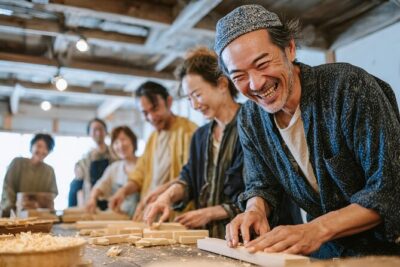
Sushi Making Class in a Happi Coat near a Famous Spot
Read our review →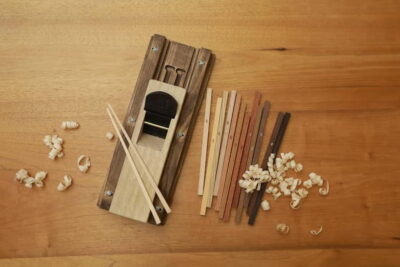
Tokyo Sushi Making Class in Tsukiji with Professional Chef
Read our review →
Ramen & Gyoza Cooking Class in Tokyo with Local Supermarket Visit
Read our review →
Matcha Making Class in Tokyo with Authentic Japanese Sweets Set
Read our review →Browse the lists this tour appears in