
Reviewed · SUMO EXPERIENCES
Tokyo: Sumo Tournament with Guide & Assigned Reserved Seat
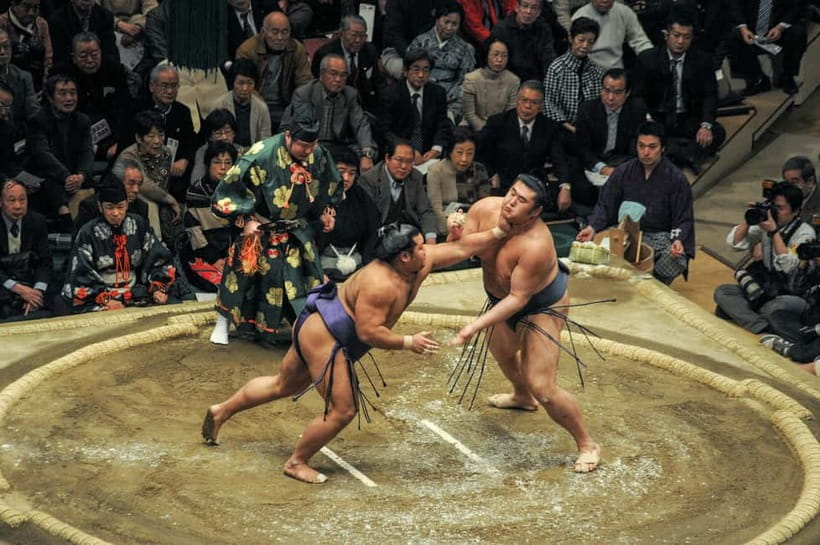
Sumo makes more sense when you see it live. At Ryogoku Kokugikan, the quiet ritual before each bout can feel as important as the brief, explosive clash itself. A guide helps you follow the ranking system, ceremonies, and techniques instead of watching a series of big men stomp and shove with no idea why it matters.
I like two things here: guaranteed tournament admission during a difficult-to-book event, and a guide who stays involved beyond the walk to the arena. Guides such as Jorge, Lily, Cesar, and Miki have been praised for clear explanations, good humor, and a real feel for the sport.
The catch is the price. At $209 per person, this costs far more than the face value of a standard ticket. You are paying for access, organization, and interpretation, not just the seat, so the value depends on how much help you want.
In This Review
- Key points to know before booking
- Why live sumo is worth seeing in Tokyo
- Meeting near Tokyo’s sumo district
- The 30-minute orientation at Ryogoku Kokugikan
- Four hours inside the Kokugikan
- What you will notice during the matches
- How much value do you get for $209?
- The guides make the biggest difference
- Who will enjoy this most?
- Booking advice for the best experience
- Should you book the Tokyo sumo tournament experience?
- FAQ
- Where does the sumo experience take place?
- How long does the activity last?
- What type of seat is included?
- Is a guide included?
- Are food and drinks included?
- Can I cancel the booking?
- Is this activity suitable for people with mobility impairments?
Key points to know before booking
- Official sumo at Ryogoku Kokugikan: Watch a tournament in Tokyo’s best-known sumo venue.
- Assigned B or C-class seating: Your reserved seat is on the second floor, with the exact location assigned rather than chosen.
- English-speaking sumo guide: Learn about rituals, rankings, rules, and fighting techniques before and during the event.
- Four to five hours at the venue: The outing includes about 30 minutes of guided orientation and roughly four hours inside the Kokugikan.
- Access when tickets are scarce: This can be useful when official sales are difficult, but the convenience comes at a steep markup.
- No food or drinks included: Plan accordingly, since food and drinks are not included or allowed for this activity.
Why live sumo is worth seeing in Tokyo
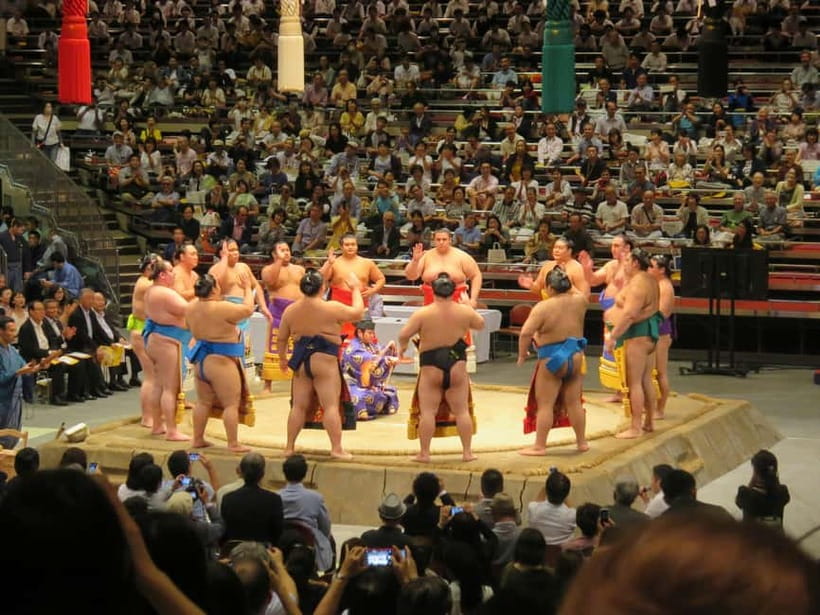
Sumo is easy to underestimate from a short video. The bout itself may last only seconds, but the full event has a slower rhythm. Wrestlers enter, prepare, perform ritual movements, and face one another under rules that are not always obvious to first-time viewers.
That contrast is the fun. You get sudden force surrounded by patience and ceremony. The ring is not just a place to fight. It is the focus of a carefully ordered performance, and small gestures carry meaning that can be missed if you arrive without context.
I would not choose this outing simply because you want to see a Japanese sporting event. I would choose it because you want help understanding why the event looks and feels the way it does. The guide’s role turns a puzzling spectacle into a cultural experience you can follow.
Several guides have made a strong impression. Jorge and George are praised for humor, friendly explanations, and the ability to answer questions during the tournament. Lily is described as warm, energetic, and well prepared. Cesar is often singled out for explaining wrestler names, traditions, and the tournament structure. Names vary by date, so you cannot book a specific guide from the information provided.
More sumo mornings:
- Tokyo: Sumo Show Experience with Chicken Hot Pot and a Photo
★ 4.8 · 6,678 reviews - Tokyo: Sumo Show and Dining Experience
★ 4.8 · 2,742 reviews - the SUMO show
★ 5.0 · 1,960 reviews
Meeting near Tokyo’s sumo district
The meeting point is listed as the Matsuura-Bungo Mansion Site, with two starting-location options shown under the same name. Your exact meeting instructions may depend on the option you select, so read the final directions carefully rather than assuming you can simply meet at the arena entrance.
The meeting area is in the Ryogoku district, a natural setting for a sumo outing. Some departures have included a short walk and nearby cultural sights before the arena visit, including Ekoin Temple and a garden. These extras can help you get your bearings and understand why Ryogoku is linked so closely with sumo.
Still, keep your expectations in check. The advertised core of the activity is the tournament and the guide’s explanation, not a full neighborhood tour. If you are mainly interested in the wrestling, you may find the preliminary sightseeing less important than the time spent discussing the bouts.
One practical point is noise. A street-side briefing can be harder to hear, especially with a large group. Stay close to the guide and ask questions before entering if you are having trouble following the explanation.
The 30-minute orientation at Ryogoku Kokugikan
The formal itinerary begins with about 30 minutes of guided touring at Ryogoku Kokugikan. This is where the experience earns much of its value for first-time spectators.
Your guide explains the basic structure of the tournament, the ranking system, and the customs surrounding the bouts. You will also get help with the rules and techniques, so you can watch for more than the final push outside the ring.
The ranking system deserves attention. Sumo is not organized like a simple league in which every wrestler moves through the same set of divisions at the same pace. The guide can explain how advancement and demotion work, which gives each match a little more weight.
This introduction is especially useful if you have done no preparation. Several people arrive knowing almost nothing about sumo and leave with a new interest in the sport. I still recommend doing a small amount of homework before the day. Even a basic look at the major rankings and tournament format will leave more time for better questions.
The quality of the explanation depends partly on the guide and partly on the group. Some guides spend more time on history and customs, while others focus on the rules, rankings, and action. If your priority is technique, say so early. It is reasonable to ask for more detail about how wrestlers win a bout and what the rituals mean.
Four hours inside the Kokugikan
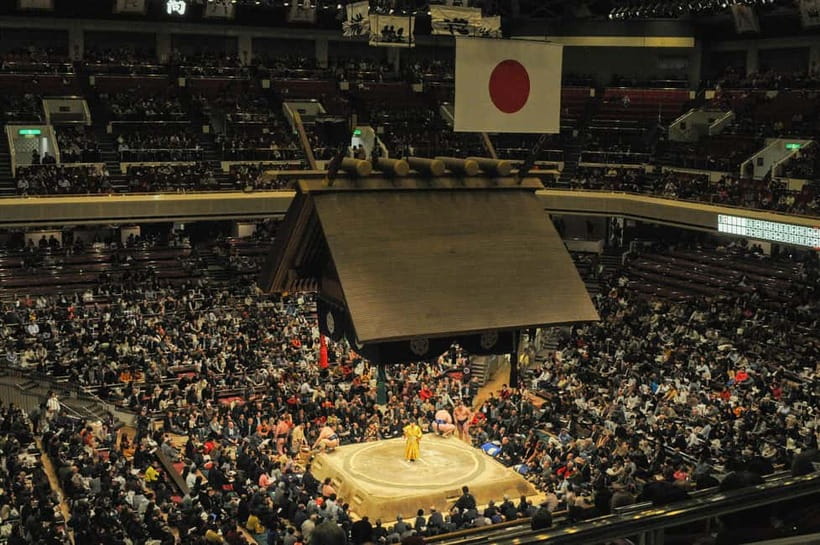
After the orientation, you spend about four hours at the tournament. Your ticket is for an assigned B or C-class seat on the second floor. The booking does not promise a particular row or exact view, and you cannot select a seat from a map.
That limitation matters if you are particular about where you sit. On the other hand, assigned seating removes the worry of arriving without a place during a popular tournament. Several people have found their seats well positioned, with a clear view of the fights and enough atmosphere to feel part of the occasion.
The guide may not sit directly beside every member of the group. Seats can be assigned randomly or split apart, particularly for larger bookings. Guides such as George have made a point of circulating and speaking with as many people as possible throughout the show, but you should not expect a private commentary at your shoulder for every bout.
This is a group experience, and group size affects it. A larger group makes the price harder to justify for some people and can make explanations difficult to hear. It also means you may need to be proactive. Keep track of where your guide is and use the breaks between bouts to ask questions.
The upside is that your attention can shift naturally between the guide and the ring. You are not tied to a lecture for the entire afternoon. Once you understand the pattern of the event, you can watch on your own, then check in with the guide when something catches your eye.
A few more Tokyo bookings worth comparing
- Mt Fuji and Hakone 1-Day Bus Tour Return by Bullet Train
★ 5.0 · 26,383 reviews - 1-Day Tokyo Bus Tour
★ 5.0 · 14,250 reviews - Tokyo: TOKYO SKYTREE® Admission ticket
★ 4.5 · 11,192 reviews - Tokyo: teamLab Planets TOKYO Digital Art Museum Entry Ticket
★ 4.6 · 9,779 reviews
What you will notice during the matches
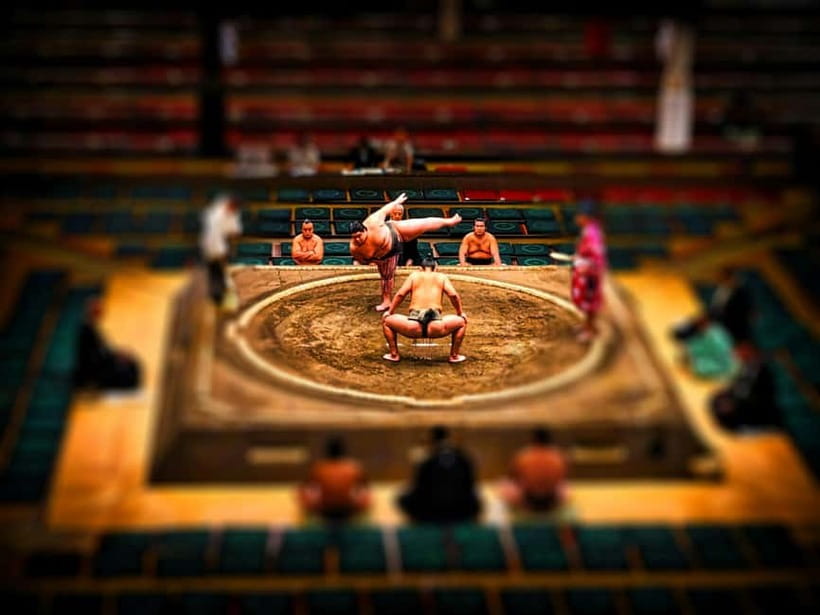
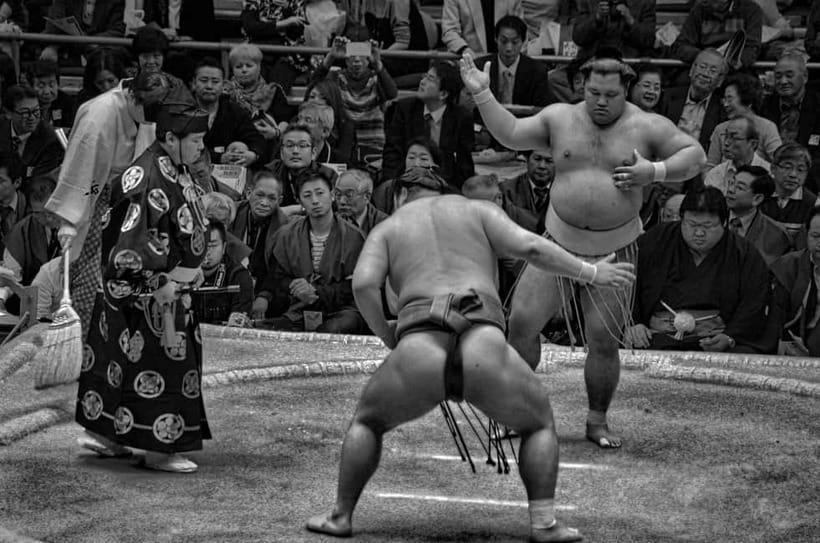
A live bout is short, physical, and easy to miss if you are looking away. The ceremony gives you time to settle, but once the action begins, it can be over almost immediately.
That makes the guide’s timing important. Explanations before and during the tournament help you understand what to watch for: the opening clash, balance, footwork, force, and the ways a wrestler can win. The experience is not just about identifying the winner. It is about seeing how a match develops in a few charged seconds.
You will also gain a better sense of sumo as a disciplined tradition. The rituals are not decoration added for tourists. They form part of the event’s identity, and the guide explains their cultural significance as well as the practical rules.
The atmosphere is another reason to attend in person. A screen can show the collision, but it cannot give you the shared attention of the room, the buildup before a bout, and the visual setting of the Kokugikan. Bring your curiosity, not just a camera. The best photographs will record the occasion, but the explanations are what make the images meaningful later.
How much value do you get for $209?
The listed cost is $209 per person. That is expensive for a four to five-hour activity, particularly because food and drinks are not included and the ticket is an assigned second-floor B or C-class seat.
The central value question is simple: are you buying a seat, or are you buying access and confidence? If you can obtain an official ticket yourself, the tour price may look difficult to defend. Standard B or C-class tickets can cost far less than the total charged here, and the difference is substantial.
Yet ticket availability is part of the calculation. Official tournament tickets can be difficult to secure, especially for visitors booking from overseas or trying to plan around fixed travel dates. This service offers a reserved seat and an organized English-language introduction in one purchase.
That convenience has real value for some people. Missing the tournament entirely can be more disappointing than paying a premium, especially if sumo is a major reason for visiting Tokyo. The guide also saves you from trying to decode the rankings, rituals, and customs alone.
I would not call the price a bargain. It is a practical solution to a difficult ticket market, with an expert-led layer added on top. Book it if certainty matters and your budget allows. Skip it if you are comfortable searching for tickets independently and prefer to spend the difference elsewhere.
The guides make the biggest difference
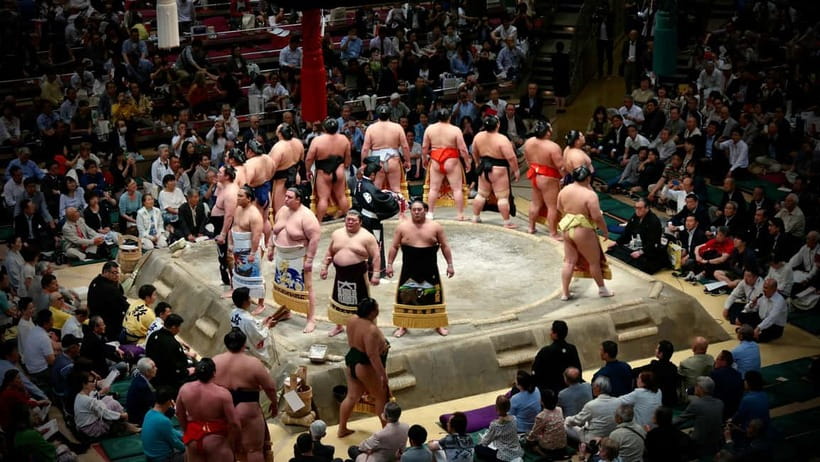
The most praised part of this experience is the human explanation. Names vary, but several guides have been described as friendly, funny, attentive, and deeply familiar with sumo.
Jorge and George are especially associated with clear answers and an entertaining approach. Lily has been praised for her energy and care with the group. Cesar is noted for knowing the names of wrestlers and explaining tournament customs. Miki has been appreciated for staying attentive from the first meeting through the end of the afternoon.
That range matters because the guide is not just a person who points you toward the entrance. The guide is your interpreter of an unfamiliar sport. Good explanations help you spot the difference between a pre-bout ritual and the action itself, understand why rankings matter, and follow the event with less guesswork.
There are limits. One guide cannot provide a private lesson to a large group, and explanations may be brief if the group is spread across different seats. If you want more detail about techniques than about buildings or local history, make that clear. The tour can adapt somewhat through questions, but it is not a specialist coaching session.
Who will enjoy this most?
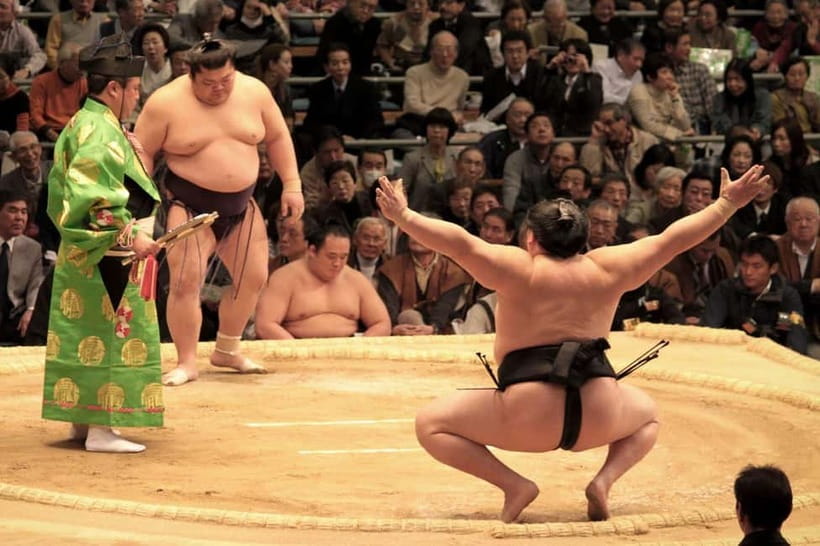
I recommend this outing most strongly to a first-time sumo spectator who wants cultural context. You do not need prior knowledge, and the guide will give you the basic framework needed to follow the tournament.
It also suits anyone with a fixed Tokyo schedule. A reserved ticket and stated meeting plan reduce the risk of spending hours chasing a seat. The experience is a good fit for couples, families with older children, and solo visitors who would rather have an informed companion than attend alone.
You may want to pass if your main goal is the cheapest possible admission. The markup is large, and the assigned seat gives you no control over the precise location. You should also think twice if long periods of sitting, walking, or navigating a busy venue are difficult, since the activity is not suitable for people with mobility impairments.
Food and drinks are not included, and they are not allowed for this activity. Plan your day around that restriction rather than counting on eating during the visit.
Booking advice for the best experience
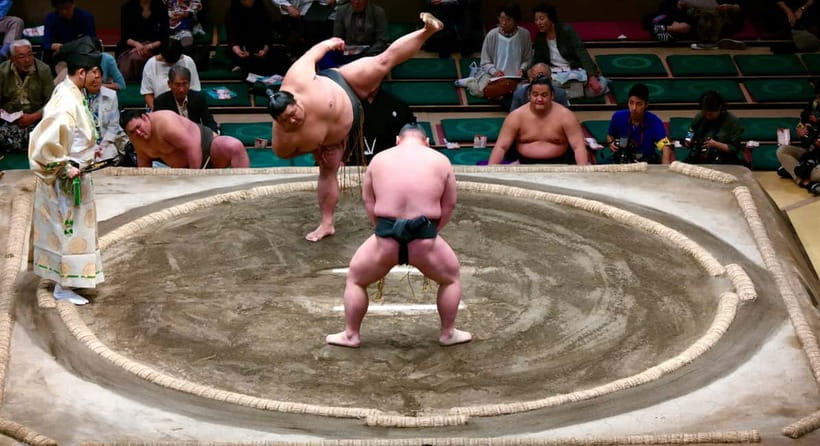
Book as early as you can if your Tokyo dates are fixed. Waiting may leave you with fewer choices and a higher effective cost, especially for a popular tournament.
Check the selected date, starting time, meeting option, and seat category before paying. The activity is non-refundable, so this is not a good purchase to make casually while your itinerary is still changing.
Treat the assigned seat as a benefit, not a promise of a particular view. B and C-class second-floor seating can provide a clear look at the ring, but the exact location is not yours to choose. If sitting beside a particular companion is essential, confirm how the booking handles seating before purchase.
I would also prepare a few questions. Ask about the ranking system, the rituals, or a technique you notice during the opening bouts. Guides tend to be at their best when the group engages with them, and your questions can steer the afternoon toward the subjects you care about.
Should you book the Tokyo sumo tournament experience?
Book this if seeing official sumo is high on your Tokyo list and you want a reserved seat without fighting the ticket system alone. The guide can turn a confusing afternoon into something you understand, and the combination of ceremony, sudden action, and local setting is genuinely memorable.
Do not book it expecting a low-cost ticket or a private guide. The price is the clear weakness, the seat is assigned, and a large group may limit how much personal attention you receive.
For a first visit to Tokyo during tournament season, I think this is a sensible splurge if you can accept the markup. If you are price-sensitive, try official ticket channels first. If those fail and the tournament matters to you, this guided option offers certainty and useful context, which may be worth paying for once.
FAQ
Where does the sumo experience take place?
The tournament visit takes place at Ryogoku Kokugikan in Tokyo, on Honshu, Japan.
How long does the activity last?
The full experience lasts about four to five hours. The itinerary includes a 30-minute guided tour at Ryogoku Kokugikan and about four hours at the tournament.
What type of seat is included?
The ticket includes an assigned B or C-class reserved seat on the second floor. You do not choose the exact seat location.
Is a guide included?
Yes. An English-speaking sumo guide explains traditions, rituals, rankings, rules, and techniques. The guide’s name varies by departure and may include guides such as Jorge, Lily, Cesar, Miki, or Erik.
Are food and drinks included?
No. Food and drinks are not included, and they are listed as not allowed for this activity.
Can I cancel the booking?
No. The activity is non-refundable, so check your date and meeting option carefully before booking.
Is this activity suitable for people with mobility impairments?
No. The activity is listed as unsuitable for people with mobility impairments.
New on our Tokyo list
- From Tokyo: Mount Fuji & Hakone Full Day Private Tour★ 4.9 · 25 reviews
- Tokyo Spectacular View Day-Cruise in 90 Minutes★ 5.0 · 25 reviews
- Real Tokyo Runner Club : Daikoku Car Meet Night Tour with JDM Car★ 5.0 · 25 reviews
- 2.5 Hour-Guided Cycle Tour in the Central Tokyo★ 5.0 · 25 reviews
- [Self-Drive] Tokyo & Daikoku Custom Car Driving Tour★ 4.9 · 25 reviews
- Tokyo: 2-Hour Night Bike Tour of the City’s Hidden Gems★ 4.9 · 25 reviews
- Ramen Making from Scratch +Akihabara Tour –Cooking Class★ 5.0 · 25 reviews
- Samurai themed Entertainment show in Shinjuku★ 4.5 · 25 reviews
Sumo Experiences, compared.
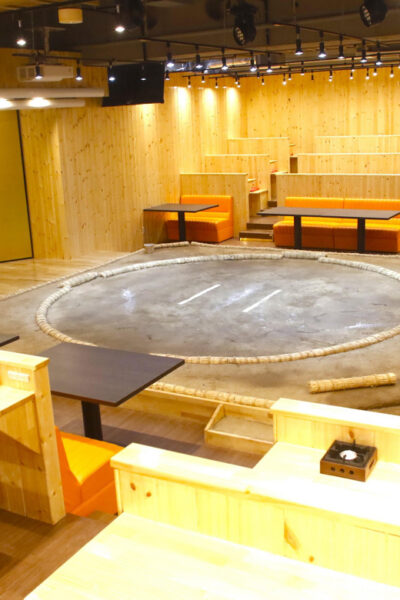
Sumo Show Experience with Chicken Hot Pot and a Photo
Read our review →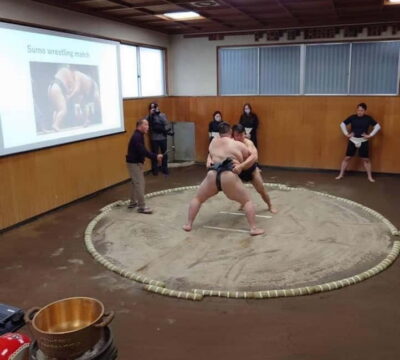
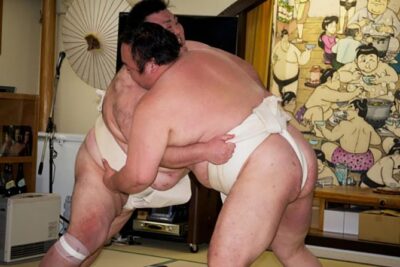
Tokyo Shinjuku Sumo Show & Experience with Photo
Read our review →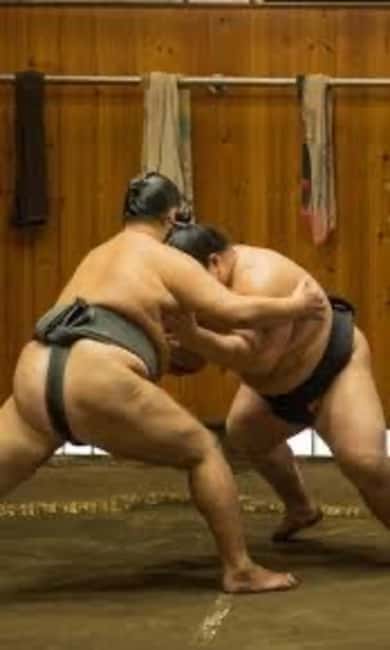

Authentic Sumo Experience in Tokyo: Enter the Sanctuary
Read our review →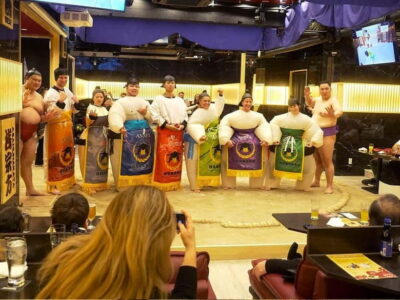
Luxury Sumo Show Experience & Japanese cuisine & Drink
Read our review →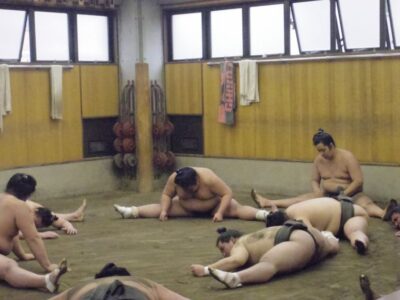
Browse the lists this tour appears in