
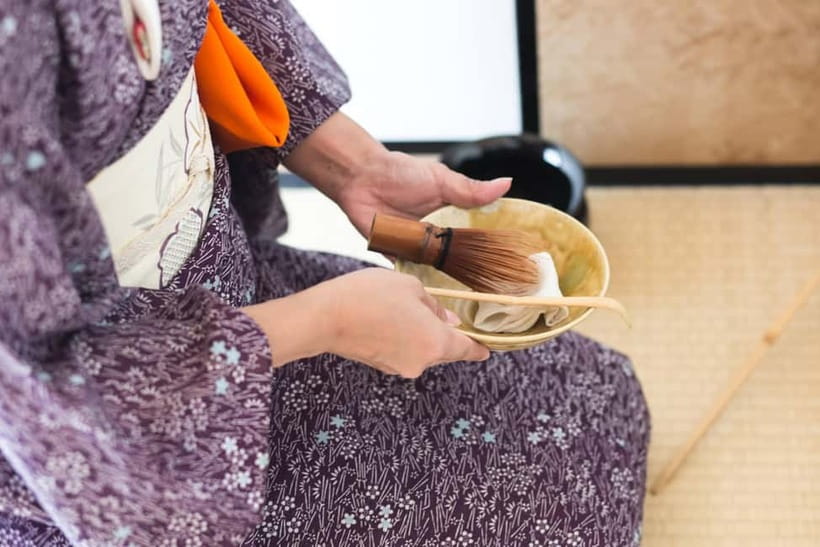
Reviewed · TEA CEREMONIES
Tokyo: Tea Ceremony Experience in a small tea room
Tokyo: Tea Ceremony Experience in a Small Tea Room
A small tea room near Nishi-Nippori offers a calm lesson in one of Japan’s most thoughtful traditions. Tea teacher Mari guides you through the ceremony, explains its meaning, and lets you prepare your own matcha if you wish.
I like the six-person limit, which keeps the lesson personal, and the chance to learn from someone with 20 years of experience. I also like the setting near the Kamogawa Delta, Yanaka, and Nezu Shrine, where a tea lesson can fit neatly into a quieter Tokyo afternoon.
The main caution is the location. It is in a residential area, and one account found the room difficult for a taxi to locate and up two narrow flights of stairs. Ask for clear directions in advance if stairs or wayfinding may be a concern.
In This Review
- Key points at a glance
- Why this tea ceremony feels different from a staged show
- Arriving at Senraku-an near Nishi-Nippori
- The opening lesson: meaning before movement
- Making matcha with your own hands
- The room, the host, and the group size
- Fitting the tea room into a Yanaka day
- Is $51 a fair price?
- Who should book this activity?
- Should you book the Nishi-Nippori tea ceremony?
- FAQ
- How long does the tea ceremony last?
- Where do I meet the teacher?
- Is the experience taught in English?
- Do I need previous tea ceremony experience?
- Can I make my own matcha?
- Is kimono dressing included?
Key points at a glance
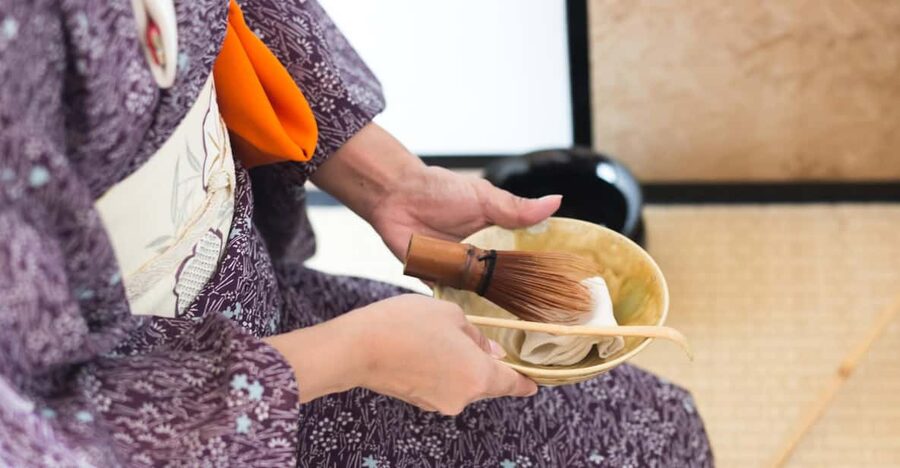
- Mari leads the lesson in English, explaining both the movements and the ideas behind Japanese tea.
- You can whisk your own matcha, rather than only watching a formal demonstration.
- The group is limited to six people, making it easier to ask questions and practice.
- Traditional dried sweets and matcha are included, with no need to arrange refreshments separately.
- The one-hour session is near Nishi-Nippori, close to Yanaka and Nezu Shrine for easy sightseeing afterward.
- Optional kimono dressing is available by request, though the additional charge may feel high to some people.
Why this tea ceremony feels different from a staged show
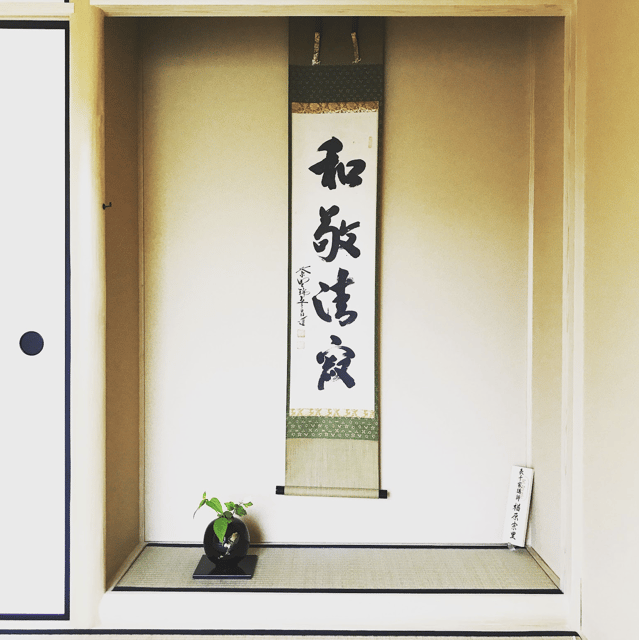
Many short tea activities in Tokyo are built around watching a polished performance. This one puts more weight on explanation and participation. You are not expected to know how to sit, bow, hold the whisk, or follow the order of the ceremony before you arrive.
Mari’s teaching style is the heart of the visit. She has spent two decades studying and teaching the art of tea, and the session is designed for complete beginners. You receive explanations in English, with room to ask questions rather than simply copy a set of movements without understanding them.
That matters because the ceremony can seem mysterious if you only see the finished performance. The gestures are controlled and quiet, but they are not empty decoration. The lesson connects them to ideas such as purity, hospitality, harmony, and mindfulness. You begin to see that the preparation of tea is also a way of showing care to the person sitting across from you.
The atmosphere is informal enough for families and first-time visitors. A family with children used the kimono option for an extra charge, and one parent specifically found the host patient. A mother and daughter also used the session to practice folding the tea towel several times. That small detail tells you what kind of lesson this is: careful, hands-on, and willing to slow down when you need more practice.
More tea rooms worth booking:
- Matcha Making Class in Tokyo with Authentic Japanese Sweets Set
★ 5.0 · 744 reviews - Tokyo: Traditional Tea Ceremony with a Tea Master
★ 5.0 · 528 reviews - Tokyo: Matcha Making Experience with Mochi Sweets in Asakusa
★ 4.9 · 388 reviews
Arriving at Senraku-an near Nishi-Nippori
You meet at Senraku-an 10 minutes before the scheduled start. The tea room is about a seven-minute walk from Nishi-Nippori Station, in a residential part of Tokyo rather than beside a major tourist sight.
That setting has a clear advantage. You get a brief break from the traffic and crowds of central Tokyo, with riverside scenery near the Kamogawa Delta and quiet streets around the meeting point. The nearby Yanaka and Nezu Shrine area also gives you a useful reason to plan this as part of a neighborhood day.
It also calls for a little care. A taxi may have trouble finding a small residential address, so walking from the station could be simpler if you are comfortable following the directions. The room has been described as being up two narrow flights of stairs. This may not suit everyone, particularly if you have limited mobility, heavy luggage, or difficulty with stairs.
I would confirm the exact room location and stair access before booking. The activity information does not promise step-free access, and the meeting point alone may not tell you everything about the room itself.
The opening lesson: meaning before movement
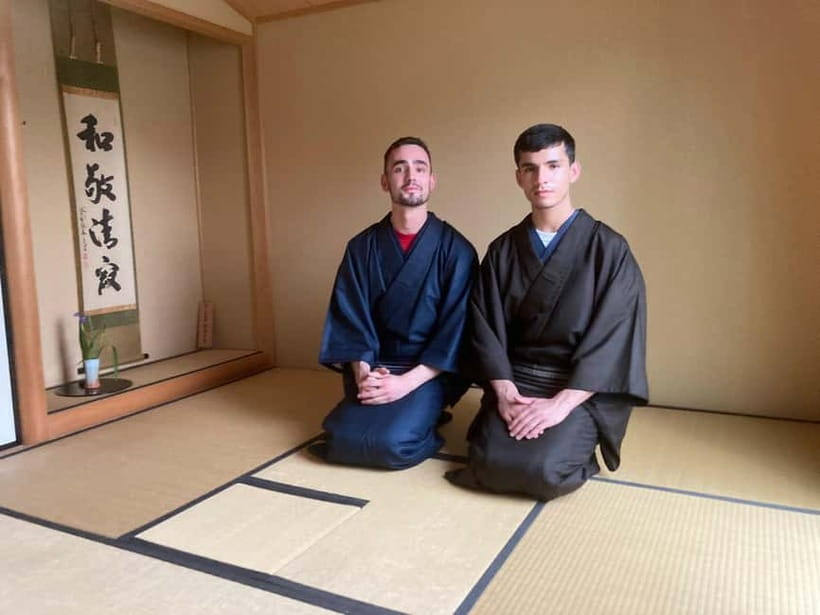
The first part of the session focuses on the ceremony itself and the ideas behind it. Rather than rushing directly to the whisk, Mari explains what you are seeing and why the order matters.
Expect an introduction to the basic principles of the tea tradition, including purity, harmony, hospitality, and respect. These themes give the physical actions a purpose. Cleaning, presenting, turning, and serving are not random steps. Each one helps create a peaceful exchange between the person making the tea and the person receiving it.
This is a useful part of the activity for anyone who has seen a tea ceremony but felt unsure what to notice. You learn to pay attention to the small choices, such as the pace of the movements and the care given to the bowl and utensils.
The session is not presented as an exam in etiquette. You do not need to arrive with prior experience, and the English instruction makes it easier to follow. If you have questions, the small group should give you a better chance to ask them than a large demonstration would.
Making matcha with your own hands
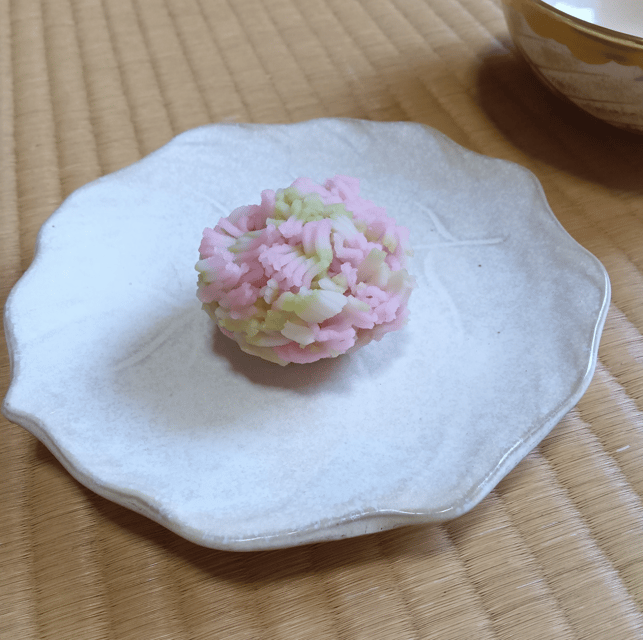
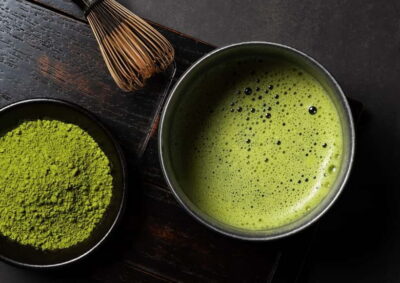
The most engaging part is the chance to prepare matcha yourself. You learn how to whisk the powdered green tea, with Mari guiding the movements and showing you how the process should feel.
This is more useful than it may sound. Matcha preparation looks simple until you try to create the right texture with the whisk. The controlled motion, the position of the hands, and the quiet focus required help you understand why the ceremony values mindfulness.
You can choose to make your own tea if you wish. That flexibility is helpful for people who prefer to watch first, especially if you are nervous about getting the steps wrong. The instruction is patient, and the session allows time to repeat a movement. One participant had the chance to go over folding the tea towel more than once, which suggests that Mari does not treat a mistake as a problem.
You also receive matcha and traditional dried sweets. The sweets are an important part of the experience, not just a snack. Their sweetness balances the slightly bitter tea and gives you a small taste of the formal rhythm of tea service.
A few more Tokyo bookings worth comparing
- Mt Fuji and Hakone 1-Day Bus Tour Return by Bullet Train
★ 5.0 · 26,383 reviews - 1-Day Tokyo Bus Tour
★ 5.0 · 14,250 reviews - Tokyo: TOKYO SKYTREE® Admission ticket
★ 4.5 · 11,192 reviews - Tokyo: teamLab Planets TOKYO Digital Art Museum Entry Ticket
★ 4.6 · 9,779 reviews
The room, the host, and the group size
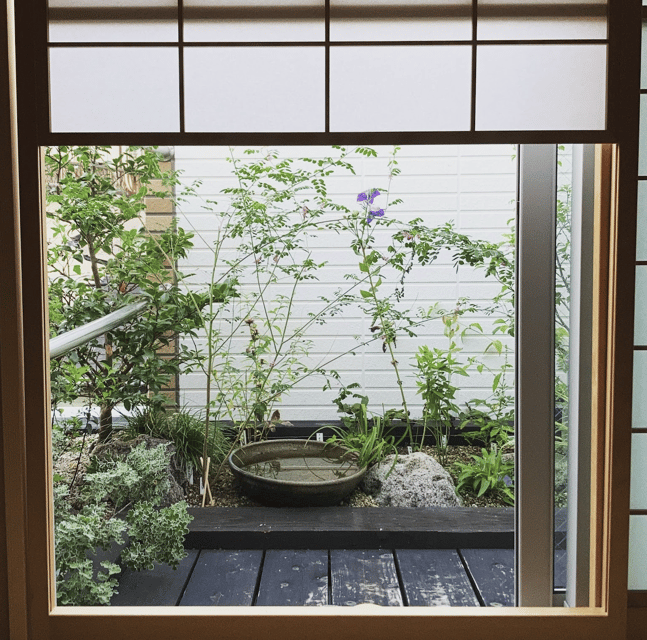
This is a small-scale activity. No more than six people take part, so the room should feel more like a private lesson than a public demonstration.
The tea ceremony takes place in a home setting, which gives it a personal quality. That can make the visit feel closer to everyday Japanese hospitality, but it also means you should not expect a large museum-style venue or a grand historic building. The appeal lies in the teaching and the quiet setting, not in elaborate architecture.
Mari’s manner is repeatedly described as kind, patient, and clear. She answers questions, explains the steps in English, and makes beginners feel at ease. For families, couples, and older relatives, this human touch may matter more than the formal setting.
The one-hour length is another strength. You receive enough time to understand the ceremony and prepare matcha without giving up half a day of sightseeing. At the same time, one hour is short. If you want an advanced study of tea utensils, schools, seasonal customs, or the full history of chanoyu, you will need a longer or more specialized class.
Fitting the tea room into a Yanaka day
The location works best when paired with nearby sightseeing. After the ceremony, you can explore the Yanaka and Nezu Shrine area, both of which are close to the tea room according to the activity information. You can also enjoy the riverside scenery near the Kamogawa Delta.
This part of Tokyo offers a gentler change of pace from the major districts. The tea session gives your day a clear center, while the surrounding streets and shrine area let you continue at an unhurried pace.
I would avoid treating the activity as a stand-alone all-day outing. The ceremony lasts one hour, and the nearby sights are an added benefit rather than part of a guided walking tour. The host may point you toward historical sites and peaceful places in the area, but the listed activity is the tea lesson itself.
Plan your route before arriving. The residential setting can be harder to navigate than a hotel or a major attraction, and arriving 10 minutes early is sensible. It gives you time to locate Senraku-an without turning the start of the lesson into a frantic search.
Is $51 a fair price?
At $51 per person, this is not the cheapest way to drink matcha in Tokyo. You can find tea and sweets at a much lower price in a café. The value here comes from the instruction, the small group, and the chance to prepare the tea yourself.
You are paying for a one-hour lesson with an English-speaking teacher who has 20 years of experience. Matcha, traditional dried sweets, and the lesson are included. For a first introduction to Japanese tea, that makes the price reasonable, especially if you want cultural context rather than a quick cup.
The value is strongest for people who ask questions and take part. If you only want to sit quietly and watch, a less expensive tea service may meet your needs. If you want to understand the gestures and practice the preparation, the personal instruction makes the extra cost easier to justify.
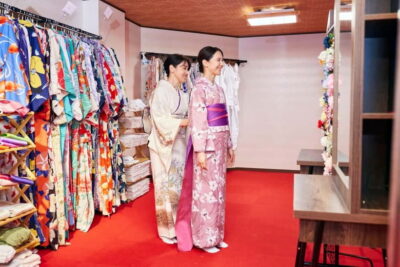
Kimono dressing is not included. You can request it, but it costs extra, and one family found the additional price high. I would regard it as an optional photo and cultural add-on, not an essential part of the tea ceremony.
Who should book this activity?
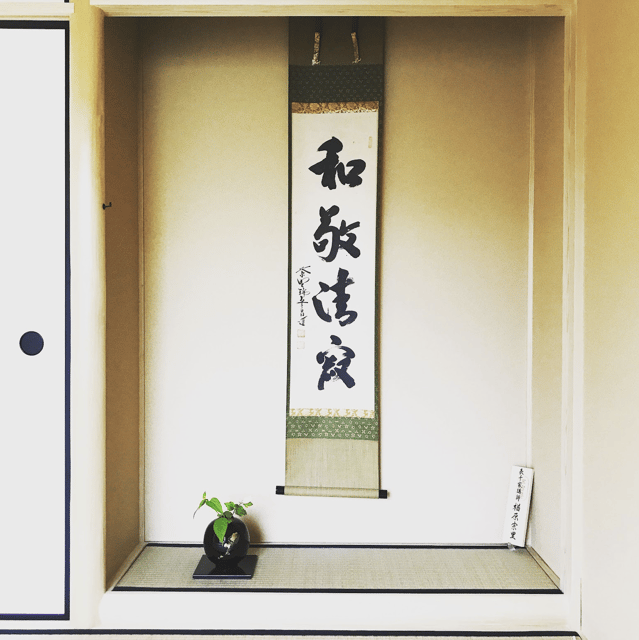
I would recommend this for first-time visitors to Japan who want a clear introduction to tea culture without committing to a long formal ceremony. The English instruction and friendly approach remove much of the uncertainty that can make traditional activities feel intimidating.
It also suits couples, families, and small groups of friends. The limited group size allows the teacher to respond to different levels of interest, and the one-hour format is easy to fit between other plans.
This is a good pick if you enjoy learning by doing. You will get more from it if you are willing to handle the whisk, try the towel-folding technique, and ask why each step matters.
I would be more cautious if you need step-free access, have trouble with narrow stairs, or prefer a venue that is easy for a taxi to reach. Contact the provider beforehand for precise directions and room access. Kimono dressing may also be less appealing if you are watching your budget.
Free cancellation is available up to 24 hours before the activity, and you can reserve now and pay later. Those terms are useful if your Tokyo schedule is still shifting, though the main decision should be based on your interest in the lesson and your comfort with the setting.
Should you book the Nishi-Nippori tea ceremony?
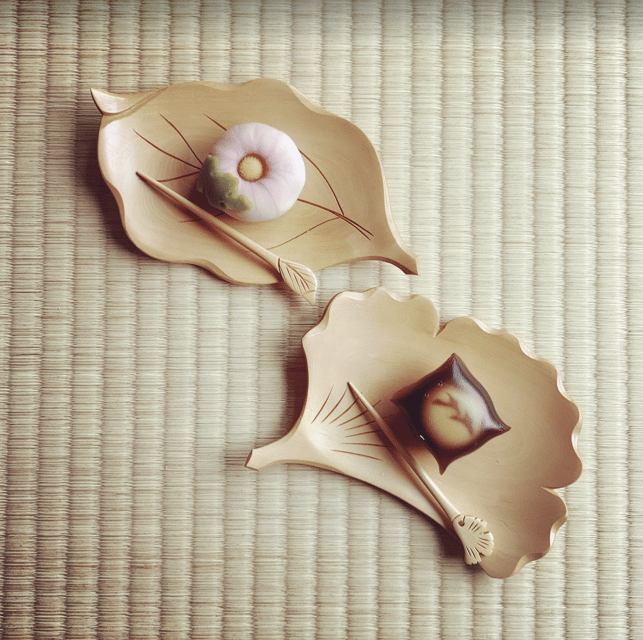
Book it if you want a personal, beginner-friendly introduction to matcha, led in English by Mari and held in a quiet neighborhood setting. The strongest reasons are the six-person limit, the patient teaching, and the chance to prepare your own tea instead of only observing.
Skip it if you are looking for a grand tea house, a long formal ceremony, or a fully accessible venue with no stairs. For most visitors who want one calm cultural hour near Yanaka and Nezu Shrine, $51 is a fair price for the teaching and personal attention. Just confirm the directions and stair situation before you go.
FAQ
How long does the tea ceremony last?
The activity lasts one hour. Check the available start times when booking.
Where do I meet the teacher?
You meet at Senraku-an 10 minutes before the activity begins. The tea room is about a seven-minute walk from Nishi-Nippori Station.
Is the experience taught in English?
Yes. The instructor provides the lesson in English.
Do I need previous tea ceremony experience?
No. The activity is designed for beginners as well as people who already know something about tea ceremonies.
Can I make my own matcha?
Yes. You can prepare your own matcha under the teacher’s guidance if you wish. Matcha and traditional dried sweets are included.
Is kimono dressing included?
No. Kimono dressing is not included in the price, but you can request it for an additional charge.
New on our Tokyo list
- From Tokyo: Mount Fuji & Hakone Full Day Private Tour★ 4.9 · 25 reviews
- Tokyo Spectacular View Day-Cruise in 90 Minutes★ 5.0 · 25 reviews
- Real Tokyo Runner Club : Daikoku Car Meet Night Tour with JDM Car★ 5.0 · 25 reviews
- 2.5 Hour-Guided Cycle Tour in the Central Tokyo★ 5.0 · 25 reviews
- Ramen Making from Scratch +Akihabara Tour –Cooking Class★ 5.0 · 25 reviews
- [Self-Drive] Tokyo & Daikoku Custom Car Driving Tour★ 4.9 · 25 reviews
- Tokyo: 2-Hour Night Bike Tour of the City’s Hidden Gems★ 4.9 · 25 reviews
- Tokyo: Mt. Fuji, Owakudani, Hakone Shrine, & Open-Air Museum★ 4.7 · 25 reviews
Tea Ceremonies, compared.

Matcha Making Class in Tokyo with Authentic Japanese Sweets Set
Read our review →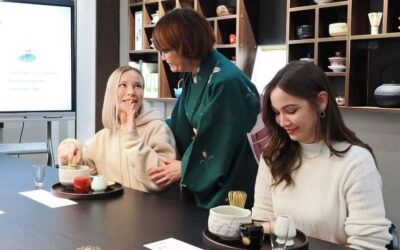
Matcha Making Experience with Mochi Sweets in Asakusa
Read our review →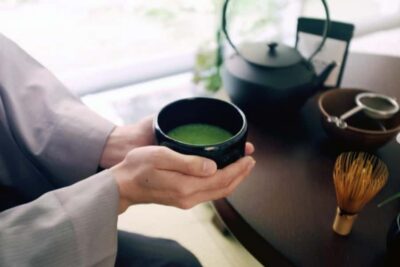
Tea Ceremony Workshop in Tokyo by the Experienced Instrucor
Read our review →

Make Traditional Nerikiri Sweets & Matcha experience in Shibuya
Read our review →Browse the lists this tour appears in