
Reviewed · TEA CEREMONIES
Tokyo: Tea Ceremony Experience
Tokyo’s tea ceremony experience keeps things refreshingly simple: in 30 minutes, you learn the basic idea behind Japanese tea, prepare your own matcha, and drink it with a small ohigashi sweet. It is less a formal performance than a short cultural activity you can fit between sightseeing stops.
I like the single-origin matcha, which gives the activity more purpose than simply drinking a powdered green tea. I also like the low price, about $7 per person, and the kind response from the instructor when one group had transportation trouble. The main consideration is that explanations may be brief, and English support is offered only as much as possible.
In This Review
- Key points
- A Short Tea Lesson That Fits a Busy Tokyo Day
- The 30-Minute Schedule
- What Single-Origin Matcha Adds
- The Cultural Side Without Heavy Formality
- Why the Price Makes Sense
- A Friendly Instructor, With English Limits
- Pictures and the Final Few Minutes
- Who Will Enjoy This Experience Most
- Timing It With Your Tokyo Plans
- Booking Details Worth Noting
- My Take on the Overall Value
- Should You Book It?
- FAQ
- Where does the Tokyo tea ceremony experience take place?
- How long does the tea ceremony experience last?
- How much does the experience cost?
- What is included?
- Is the experience offered in English?
- Can I make my own matcha?
- What are the operating hours?
- Can I cancel for a full refund?
- Is a completion certificate included?
Key points
- You grind and prepare your own matcha, rather than only watching a demonstration.
- Single-origin matcha gives the tasting a clear focus.
- Ohigashi, a traditional Japanese dry sweet, comes with the tea.
- The 30-minute format fits neatly into a Tokyo sightseeing day.
- A Japanese instructor leads the activity, with English translation provided as much as possible.
- The price is about $7, making this an easy cultural stop for most budgets.
A Short Tea Lesson That Fits a Busy Tokyo Day
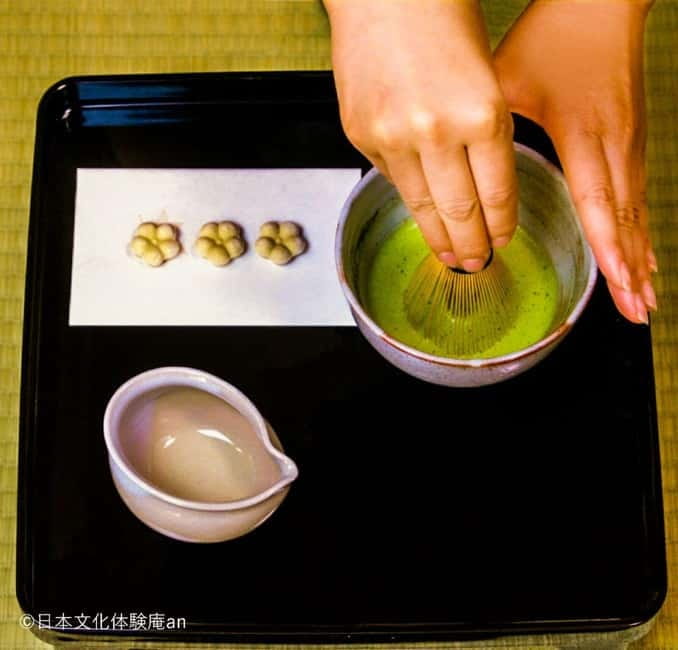
I see this as an introduction to tea ceremony, not a full formal tea gathering. You receive a brief explanation of tea, watch a matcha grinding demonstration, and then take part in the preparation yourself.
That distinction matters. A traditional tea ceremony can be quiet, highly formal, and lengthy. This experience is designed for people who want a taste of the custom without giving up half a day. You can pause your sightseeing, sit down, make a bowl of matcha, take a few pictures, and continue on your way.
The activity takes place at AN TOKYO Japanese Culture Experience in Tokyo, on Honshu. The meeting point is listed at 35.6916541, 139.7715022. You should allow enough time to find the venue, since the event cannot be held for late arrivals.
More tea rooms worth booking:
- Matcha Making Class in Tokyo with Authentic Japanese Sweets Set
★ 5.0 · 744 reviews - Tokyo: Traditional Tea Ceremony with a Tea Master
★ 5.0 · 528 reviews - Tokyo: Matcha Making Experience with Mochi Sweets in Asakusa
★ 4.9 · 388 reviews
The 30-Minute Schedule
The opening part begins with an explanation of tea. I would expect this to cover the basic idea of the ceremony and the role of matcha, though the supplied information does not give a full list of lecture topics.
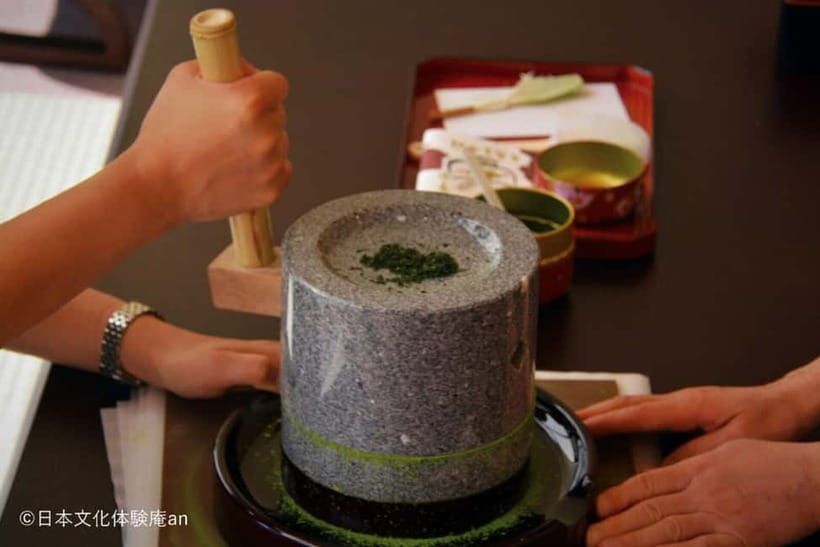
Next comes a demonstration of grinding matcha. This is a useful detail because it shows that the tea is not simply poured from a packet and handed over. You get to see the preparation process before making your own drink.
The tea-ceremony experience follows. You prepare matcha with guidance, then enjoy it casually. The format is suitable for one person or a group, so you do not need to arrange a large party to make the booking worthwhile.
At about 20 minutes, the formal part ends and the eating and drinking time begins. You have the remaining minutes to enjoy the tea and sweet, take pictures, and finish the activity. The room departure is scheduled at the 30-minute mark, so this is a compact appointment rather than an open-ended visit.
What Single-Origin Matcha Adds
Matcha is powdered green tea whisked into water, so the preparation and taste can be unfamiliar if you have only had tea bags or sweetened café drinks. The use of single-origin matcha gives you a more focused tasting experience, even though the supplied details do not identify the region or producer.
I like that the activity lets you prepare the drink yourself. You are not just receiving a cup while someone else performs the ceremony. The simple hands-on step helps you notice the texture, color, and preparation of matcha.
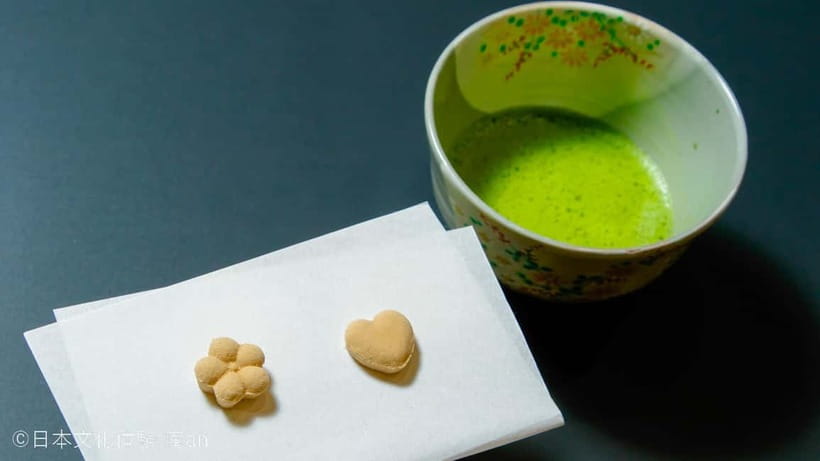
The taste of matcha can be grassy, bitter, or pleasantly rounded depending on the tea and preparation. The activity comes with ohigashi, a Japanese dry sweet, which gives you something to eat alongside the tea. That pairing is practical as well as traditional, since a sweet can soften matcha’s sharper notes.
Do not book this expecting a large meal or a long tea tasting. The sweet is a small accompaniment, and the experience is built around one short serving of tea.
The Cultural Side Without Heavy Formality
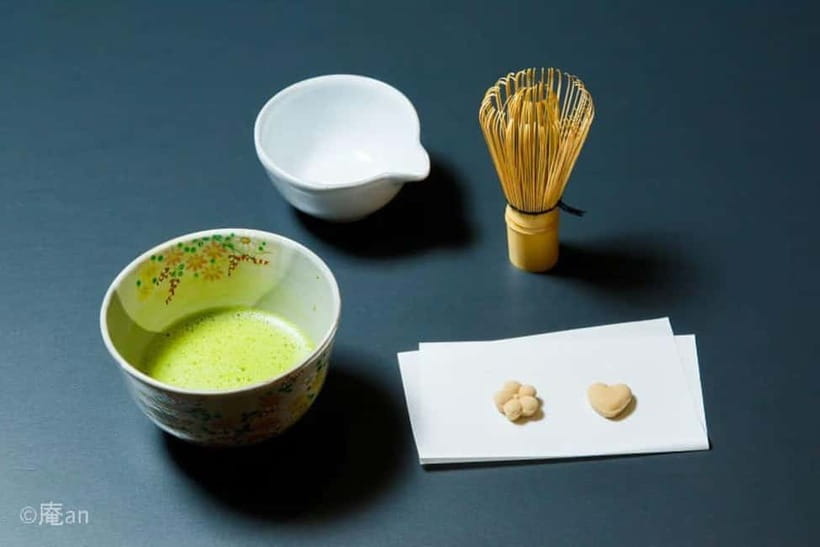
The word tea ceremony can suggest strict movements, kneeling, silence, and formal rules. This Tokyo activity offers a more approachable version. You receive a short lecture, watch the preparation, and then make matcha in a relaxed setting.
That casual format is useful if you are curious about Japanese culture but unsure about committing to a very formal ceremony. You can ask for English translation as much as possible by contacting the provider. The listed language is Japanese, so you should keep your expectations realistic if you need detailed explanations throughout.
One French participant described the explanations as quick but interesting. I would treat that as a fair guide to the pace: you get the main points, but not an extended cultural lecture. If you want a detailed history of tea schools, utensils, etiquette, and regional differences, this is probably too short.
If you want a friendly introduction before visiting tea shops or trying matcha elsewhere in Tokyo, the format makes sense. It gives you enough structure to understand what you are doing without making the experience feel like a classroom.
A few more Tokyo bookings worth comparing
- Mt Fuji and Hakone 1-Day Bus Tour Return by Bullet Train
★ 5.0 · 26,383 reviews - 1-Day Tokyo Bus Tour
★ 5.0 · 14,250 reviews - Tokyo: TOKYO SKYTREE® Admission ticket
★ 4.5 · 11,192 reviews - Tokyo: teamLab Planets TOKYO Digital Art Museum Entry Ticket
★ 4.6 · 9,779 reviews
Why the Price Makes Sense
At about $7 per person, this is one of the easier Tokyo activities to justify. The cost includes the tea ceremony experience, your matcha preparation, and the ohigashi sweet. You are also paying for a short lesson and access to an instructor who guides the process.
The value is strongest when you are already in the area and can add the activity to your day without arranging special transportation. At only 30 minutes, it does not take much time from major sights, meals, or shopping.
The low price also makes this a good choice for families, small groups, and visitors who want to try several cultural activities during a Tokyo stay. Children under two who sit on a parent’s lap are free. Anyone else who takes part needs a reservation.
There are limits to the bargain. You should not expect a long ceremony, a certificate, or a large tasting menu. An experience completion certificate costs an additional 300 JPY. For a certificate with your name, you need to provide the names in advance. Otherwise, the name area is left blank.
A Friendly Instructor, With English Limits
The instructor is Japanese, and the operating language is listed as Japanese. English translation is provided as much as possible if you contact the provider, but it is not presented as a fully English-led experience.
For many people, that will be enough. The activity is visual and hands-on, and the basic sequence is straightforward. You can watch the demonstration, follow the instructions, and prepare the tea even if every explanation is not translated word for word.
I would contact the provider ahead of time if clear English instruction is important to you. This is especially sensible if you are booking for children, an older family member, or anyone who wants a detailed explanation of the ritual.
The instructor’s patience appears to be one of the experience’s strengths. One group had transportation problems and arrived late, and the guide was described as very kind in handling the situation. Still, the official policy says the event will not be held to accommodate delays, so do not rely on that flexibility.
Pictures and the Final Few Minutes
Picture time is part of the schedule, which is useful if you want a record of the activity. You can capture the tea setup, the preparation, or your finished bowl, depending on the instructions at the venue.
The pictures also mark the difference between this activity and a formal ceremony. The experience welcomes a casual approach and gives you a moment to enjoy the setting before departure.
The last 10 minutes are set aside for eating and drinking. This is not wasted time. Matcha can taste unfamiliar at first, and the ohigashi sweet gives you a chance to try the pairing at an unhurried pace.
Because the total time is fixed at 30 minutes, keep your final moments organized. If you want photographs, taste the tea, and ask questions, you will need to do each without lingering too long.
Who Will Enjoy This Experience Most
I would recommend this to you if you want a short, low-cost cultural activity in Tokyo. It works well for first-time visitors who want to try matcha but do not want a long formal ceremony.
It also suits people who enjoy hands-on activities. The key appeal is making your own tea after watching the demonstration. If you prefer to sit quietly and watch a professional prepare everything, this may feel less special.
Families can consider it, especially because children under two sitting on a parent’s lap are free. The details do not specify a broader age range or special child-focused instruction, so you should contact the provider if your group has particular needs.
Small groups and solo visitors are both welcome. The experience is designed so one person can take part, which is useful if you are exploring Tokyo alone.
I would be more cautious about booking it for someone seeking a highly formal ceremony, long cultural explanations, or extensive English guidance. The quick pace and Japanese-led instruction are central parts of the format.
Timing It With Your Tokyo Plans
The operating hours are 10:00 to 17:00. Reservations received after 17:00 are processed the next day, so do not expect an evening tea session.
A morning booking can give you a calm start before a full day of sightseeing. An afternoon booking can work as a rest stop when you need 30 minutes indoors. Since the activity is short, you can place it between nearby plans, but you should not assume the venue can absorb a late arrival.
The meeting point is AN TOKYO Japanese Culture Experience. Use the provided coordinates when checking the route, and plan to arrive early enough to find the entrance. The provider specifically says the event will not wait for delays.
This is also a useful rainy-day option because the activity gives you a scheduled indoor break. The available details do not describe the room or seating style, so I would not make assumptions about the physical setup.
Booking Details Worth Noting
You can reserve now and pay later, which helps if your Tokyo schedule is still changing. Free cancellation is available up to 24 hours in advance for a full refund.
After the cancellation period, charges apply according to the cancellation policy. Changing the date or time after a cancellation fee has been incurred can also bring an additional specified fee.
Contact the provider if you want to reserve the property, need English help, or want a nominative completion certificate. You should also remember that people who are not participating cannot enter the experience.
The provider cannot compensate you for travel expenses if you cancel. That makes punctuality and schedule planning important, particularly if you are coming from another part of Tokyo.
My Take on the Overall Value
I like the balance here. For about $7, you get a real taste of matcha preparation, a Japanese sweet, a short explanation, and a chance to take part rather than simply watch.
The activity earns its good value rating because it asks for little time and little money. The main tradeoff is depth. The explanations can be quick, English support is limited, and the 30-minute schedule leaves no room for a long conversation.
Still, that may be exactly what you need. Tokyo sightseeing can become a string of train rides, crowded streets, and large attractions. A short tea break gives you a direct connection to a familiar part of Japanese culture without requiring a major change to your day.
Should You Book It?
Book this tea ceremony experience if you want to make your own matcha, try single-origin tea, and enjoy an ohigashi sweet in a short, affordable session. It is a sensible choice for solo visitors, small groups, families with young children, and anyone building a varied Tokyo itinerary.
Skip it if you want a long, formal ceremony or detailed English instruction. For everyone else, the low price, compact schedule, hands-on preparation, and kind Japanese instructor make this a practical cultural stop.
FAQ
Where does the Tokyo tea ceremony experience take place?
It takes place at AN TOKYO Japanese Culture Experience in Tokyo, Japan. The listed coordinates are 35.6916541, 139.7715022.
How long does the tea ceremony experience last?
The full experience lasts 30 minutes. The tea ceremony portion ends at about 20 minutes, followed by eating, drinking, and departure at 30 minutes.
How much does the experience cost?
The listed price is $7 per person.
What is included?
The price includes a set experience of OTE-MAE, a Japanese tea ceremony experience. Single-origin matcha and an ohigashi Japanese sweet are part of the activity.
Is the experience offered in English?
The instructor is Japanese, and the listed language is Japanese. English translation will be provided as much as possible if you contact the provider.
Can I make my own matcha?
Yes. After a brief explanation and a matcha grinding demonstration, you can prepare your own matcha.
What are the operating hours?
The operating hours are 10:00 to 17:00. Reservations received after 17:00 are processed the next day.
Can I cancel for a full refund?
You can cancel up to 24 hours in advance for a full refund. Cancellation fees apply after that point according to the cancellation policy.
Is a completion certificate included?
No. An experience completion certificate costs an additional 300 JPY. If you want your name printed, you need to provide the names in advance.
New on our Tokyo list
- Sumi-e Experience in a relaxing green tea shop in Tokyo★ 5.0 · 3 reviews
- Tokyo : Kamikaze Street Drift Ride★ 5.0 · 3 reviews
- Private Zen Meditation in English in Shinjuku, Tokyo★ 5.0 · 3 reviews
- Onsen Spa in Tokyo and Asakusa Bar Hopping with Local Guide★ 5.0 · 3 reviews
- Easy for everyone! Now you can play handmade mini shamisen and show off to everyone! Musical instruments, sweets and live music★ 5.0 · 3 reviews
- Tokyo: Private Tsukiji Street Food & Sake with Local Guide★ 5.0 · 3 reviews
- Mt Fuji Exploration Tour with Free Japanese Kusa Mochi from Tokyo★ 4.5 · 3 reviews
- Tokyo Tsukiji Fish Market Walking and Exploring Hidden Gems Tour★ 5.0 · 3 reviews
Tea Ceremonies, compared.
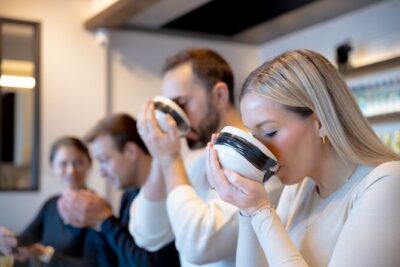
Matcha Making Class in Tokyo with Authentic Japanese Sweets Set
Read our review →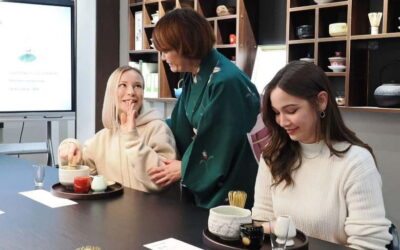
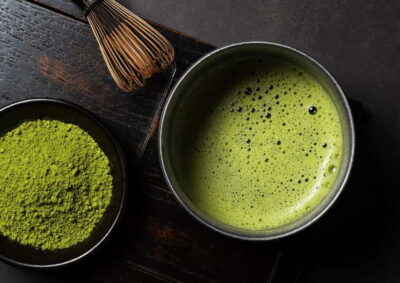
Matcha Making Experience with Mochi Sweets in Asakusa
Read our review →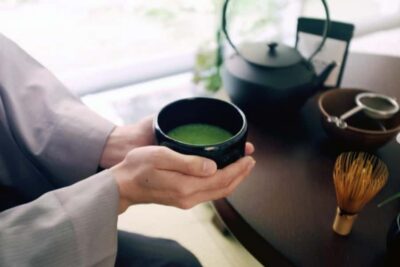
Tea Ceremony Workshop in Tokyo by the Experienced Instrucor
Read our review →

Make Traditional Nerikiri Sweets & Matcha experience in Shibuya
Read our review →Browse the lists this tour appears in