
Reviewed · TEA CEREMONIES
Tokyo Traditional Tea Ceremony with a Japanese Tea Master
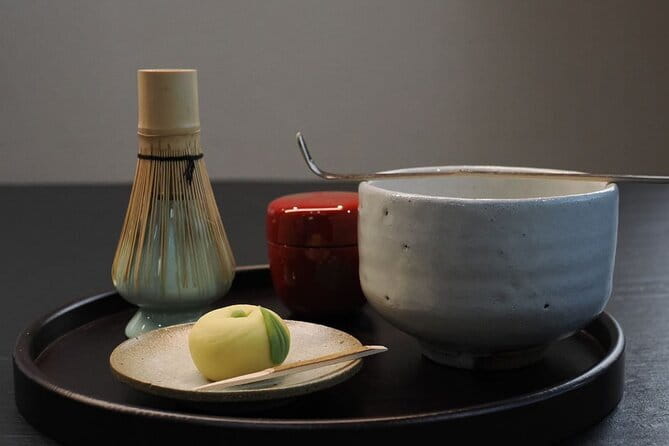
The most interesting part of this one-hour tea experience is its range. You do not simply sit down for one bowl of matcha. You taste Japanese black tea, top-grade sencha, matcha, and roasted-rice tea, learning how each is brewed and served. I especially like the hands-on matcha session and the chance to taste the tea leaves with seasonal wagashi sweets from Ougiya.
I also like the small maximum of 12 people, since it gives you room to ask questions instead of watching from the back of a crowded room. The main drawback is the name: this is closer to a relaxed tea lesson and tasting than a long, formal tea ceremony with a kimono-clad host and floor seating. One report also raised concerns about English communication, so confirm your language needs before booking.
In This Review
- Key points at a glance
- What this Tokyo tea experience really is
- Wakocha and cake set the tone
- Gyokuro sencha brings the rare-tea lesson
- Making your own matcha
- Genmaicha finishes with a familiar flavor
- The cultural context is useful, but keep it focused
- Location and timing in Bunkyo
- Is the $33.03 price good value?
- Who will enjoy Ocharu most?
- Booking details and cancellation
- Final verdict: book it for the lesson
- FAQ
- How long does the tea experience last?
- Where does the experience take place?
- Where does the activity end?
- What teas will I taste?
- Will I make my own matcha?
- Is food included?
- How large is the group?
- Can I cancel for a full refund?
Key points at a glance
- Four distinct teas: Try wakocha, Gyokuro sencha, matcha, and Genmaicha in one compact session.
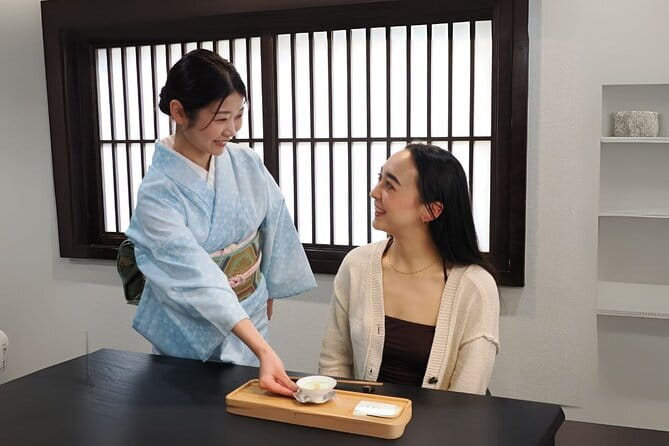
- Hands-on matcha making: Whisk your own tea with traditional tools under the tea master’s direction.
- A lesson, not a staged spectacle: The focus is on tea, preparation, flavor, and cultural context rather than geisha-style entertainment.
- Small-group format: The room holds no more than 12 people, making questions easier.
- Sweet details: Wakocha comes with cake, while Gyokuro is paired with seasonal wagashi from Ougiya.
- Useful keepsakes: You leave with a completion certificate and a group photo.
What this Tokyo tea experience really is
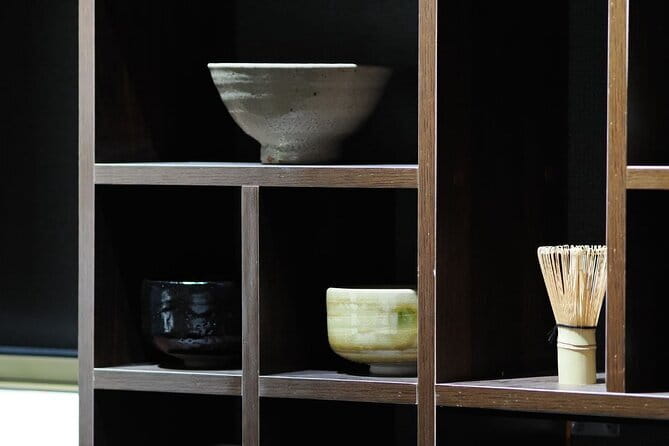
At Ocharu, across from Tokyo University in Bunkyo City, you get a compact introduction to Japanese tea culture. The setting gives the experience a local, everyday feel rather than the atmosphere of a major sightseeing attraction. You arrive at a dedicated tea ceremony room, settle in, and work through several types of tea in a clear sequence.
The word ceremony can create the wrong picture. You should not book this expecting a silent, highly formal ritual that lasts several hours. You also should not expect a geisha-style performance. The experience centers on tasting and preparation, with explanations about tea, water temperature, brewing methods, and the place tea holds in Japanese culture.
That distinction matters. If you want a gentle first lesson, this format works well. It gives you several flavors and a chance to make matcha yourself without taking half a day from your Tokyo sightseeing plan. If you have studied formal chanoyu and want a strict presentation of its rules, this may feel too casual.
The experience is offered in a small group of up to 12 people. That is still large enough to have a social feel, but small enough for you to see the preparation and ask questions. The short length also suits families and anyone fitting several Tokyo neighborhoods into one day.
More tea rooms worth booking:
- Matcha Making Class in Tokyo with Authentic Japanese Sweets Set
★ 5.0 · 744 reviews - Tokyo: Traditional Tea Ceremony with a Tea Master
★ 5.0 · 528 reviews - Tokyo: Matcha Making Experience with Mochi Sweets in Asakusa
★ 4.9 · 388 reviews
Wakocha and cake set the tone
The session begins with wakocha, Japanese black tea from Shizuoka. Japanese tea is often associated with green tea, so this first cup gives you an immediate reminder that the country produces more than one style. Wakocha is described as having fruity and floral notes, and the serving includes a slice of tea cake.
This is a smart opening. The cake gives you something familiar beside a less familiar drink, while the tea master can explain how Japanese black tea differs from the stronger black teas many people know from elsewhere. You are not just drinking a cup and moving on. You are starting to pay attention to aroma, sweetness, and how food changes the taste.
The opening also makes the activity friendly for people who are not sure they like green tea. You receive a welcoming drink before moving into more specialized teas. For families, it provides an easy start, and for tea beginners it keeps the lesson from feeling intimidating.
Do not expect a full meal. The listed food is a cake with the welcome tea and small sweets paired with another tasting. If you need lunch or breakfast, plan that separately.
Gyokuro sencha brings the rare-tea lesson
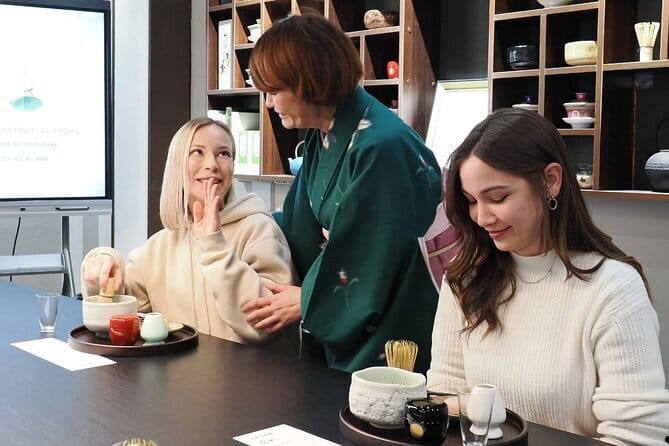
Next, the tea master prepares Gyokuro sencha, described as the highest grade of green tea. This is one of the most useful parts of the experience because the preparation receives as much attention as the drink itself. You learn that brewing tea is not simply a matter of pouring boiling water over leaves and waiting.
Water temperature affects flavor, and the tea master demonstrates how a careful brew brings out different qualities. You also taste the leaves themselves, which turns the lesson into a more complete food experience. It is a small detail, but it helps you understand that Japanese tea leaves can be treated as part of the tasting rather than discarded without thought.
Seasonal wagashi sweets from Ougiya accompany the Gyokuro. Ougiya is described as a confectioner with generations of experience, so the sweet is not a random snack. Wagashi are designed to work with tea, often balancing the drink’s bitterness or grassy notes with sweetness and a carefully shaped appearance.
I like this pairing because it shows the logic of Japanese tea service. The food is not there only to fill you up. It changes how the tea tastes and gives you another way to notice seasonality and presentation.
Making your own matcha
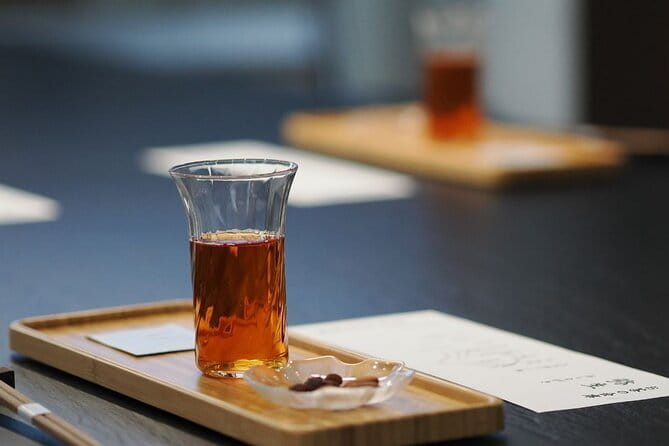
The hands-on matcha section is the heart of the activity for many people. After watching the tea master, you use traditional tools to whisk your own bowl. The instruction matters here. Matcha can look simple, but the amount of powder, water, and whisking all affect the final result.
You are not expected to arrive with special skills. The tea master guides you through the process and gives you a direct connection to the equipment. That makes this part more memorable than simply watching someone else prepare the drink.
It is also the clearest reason to choose this experience over a standard tea tasting. You leave knowing the basic steps rather than only recognizing matcha as a bright green drink. The lesson may also help you order or prepare matcha with more understanding during the rest of your time in Japan.
The format is relaxed and practical. It does not appear to require formal kneeling or strict ceremonial behavior. That makes it a better fit for people who want cultural background without worrying about getting every movement right.
Still, keep your expectations in check. The matcha making is one part of the hour, not the entire traditional tea ceremony tradition. If your main goal is to study formal etiquette, ask the operator for clarification before paying.
A few more Tokyo bookings worth comparing
- Mt Fuji and Hakone 1-Day Bus Tour Return by Bullet Train
★ 5.0 · 26,383 reviews - 1-Day Tokyo Bus Tour
★ 5.0 · 14,250 reviews - Tokyo: TOKYO SKYTREE® Admission ticket
★ 4.5 · 11,192 reviews - Tokyo: teamLab Planets TOKYO Digital Art Museum Entry Ticket
★ 4.6 · 9,779 reviews
Genmaicha finishes with a familiar flavor
The final tea is Genmaicha, a blend of sencha and roasted rice from Niigata Prefecture. Its roasted rice gives the drink a warm, comforting flavor, making it a natural way to end the tasting after the sharper or more delicate teas that come before it.
This closing cup helps you compare the teas in your mind. Wakocha introduces fruit and floral notes. Gyokuro shows how a high-grade green tea can change with careful brewing. Matcha gives you a thicker, whisked drink. Genmaicha brings roasted grain and an easygoing finish.
The sequence feels well planned for a one-hour activity. You move from a familiar cup with cake, to a more refined green tea, to a hands-on preparation, and then to a soothing final drink. Several people have described the experience as educational without feeling drawn out, and the one-hour length is a real advantage in Tokyo.
The cultural context is useful, but keep it focused
Tea is presented here as part of Japan’s cultural and religious traditions, not just as a beverage. The explanations help connect the tools, sweets, preparation, and manners to a wider understanding of Japanese life.
The exact amount of historical discussion can vary with the tea master and the group. You should expect an accessible introduction rather than an academic lecture. The strongest educational points are practical ones: different tea types, suitable water temperatures, preparation methods, and ways to enjoy the finished drink.
That approach works well for a first visit. You receive enough context to notice more when you later encounter tea shops, wagashi, matcha desserts, or tea rooms elsewhere in Japan. The lesson gives meaning to details you might otherwise pass by.
One caution is language. Most of the available feedback describes the instruction as clear and informative, but one person reported that the host did not speak English and that written information on a screen was used instead. If English instruction is important to you, contact Sunrise Adventure before booking and confirm what language support will be available on your date.
Location and timing in Bunkyo
The meeting point is OCHARU at 6-chōme-2-10 Hongō, Bunkyo City, Tokyo 113-0033. The room is directly across from Tokyo University, which gives you a helpful landmark when you are finding the address.
The activity ends at the same meeting point. Travel to and from the tea room is not included, but the location is near public transportation. You should allow enough time to find the building, especially if you are coming from another part of Tokyo and are unfamiliar with Bunkyo’s streets.
Bunkyo is a useful area for combining this activity with other plans, but no additional stops are included in the tea experience itself. You receive the tea session, the room access, the food pairings, the certificate, and the group photo. Souvenirs and gifts cost extra.
The duration is approximately one hour. I would place it between larger sightseeing plans, not at the end of a rushed airport transfer. A short activity can still be spoiled by arriving late, and the tea preparation works best when you are calm enough to listen and taste.
Is the $33.03 price good value?
At $33.03 per person, this is a reasonable price for a guided cultural activity in Tokyo, provided you want more than one cup of tea. You receive several tastings, cake, wagashi, access to the tea room, instruction from a tea master, your own matcha-making session, a certificate, and a group photograph.
The value comes from the variety and the teaching. A simple drink in a café will cost less, but it will not explain the differences between Gyokuro, matcha, and Genmaicha or show you how brewing temperature changes a cup. A longer, formal tea ceremony may cost more and provide a different kind of setting, but it may not include this many tea styles in one hour.
The certificate is a light souvenir rather than a professional qualification. The group photo is similarly modest, but both are useful reminders of the activity. If you are choosing between this and a more theatrical cultural show, this option gives you more participation for the money.
The price is less appealing if you only want to sit quietly while someone prepares matcha. Much of what you pay for here is the lesson and the chance to take part. Book it for the learning, not just the refreshments.
Who will enjoy Ocharu most?
I would recommend this experience to first-time visitors who want a manageable introduction to Japanese tea. It also suits families, since the session is short, hands-on, and includes several flavors rather than one long formal ritual.
It is a good choice for you if:
- You want to taste several Japanese teas in one sitting.
- You like learning how food and drink are prepared.
- You prefer a small group to a large demonstration.
- You want an activity that fits into a busy Tokyo day.
- You are curious about matcha but have never whisked it yourself.
- You want a cultural experience that does not require a full day.
You may want something else if your picture of a tea ceremony includes formal kimono, floor seating, strict etiquette, or a long, quiet ritual. This experience is more like an approachable tea workshop with ceremonial elements.
It is also worth confirming language arrangements if you do not understand Japanese. The operator has received strong praise for the teaching overall, but the reported English issue is specific enough that you should not leave it to chance.
Booking details and cancellation
Your mobile ticket is confirmed at booking, and the experience has been booked more than 10 times in a recent week, suggesting that the time slots can be popular. The maximum group size is 12, so booking ahead is sensible if this activity is important to your schedule.
Free cancellation is available up to 24 hours before the local start time. Cancel within 24 hours and the payment is not refunded. Changes made inside that same window are not accepted, so check your Tokyo plans before the deadline.
The experience begins and ends at OCHARU. Transportation, souvenirs, gifts, and special requests outside the standard program are not included.
Final verdict: book it for the lesson
You should book this tea experience if you want to understand Japanese tea by tasting, comparing, and preparing it yourself. The strongest features are the four-tea progression, the Gyokuro and wagashi pairing, and the chance to whisk matcha with guidance rather than simply watch.
I would not book it expecting a formal geisha-style ceremony. Think of it as a friendly, compact tea education session in Bunkyo, with a completion certificate and group photo at the end. At $33.03, it offers solid value for curious first-time visitors, families, and anyone who wants a cultural activity that fits neatly into one hour.
Before paying, confirm the instruction language and make sure the relaxed tasting format matches what you want. If it does, Ocharu offers a useful and flavorful introduction to Japanese tea without taking over your day.
FAQ
How long does the tea experience last?
The activity lasts approximately one hour.
Where does the experience take place?
It takes place at OCHARU, 6-chōme-2-10 Hongō, Bunkyo City, Tokyo 113-0033, Japan, across from Tokyo University.
Where does the activity end?
It ends back at the OCHARU meeting point.
What teas will I taste?
The experience includes wakocha, Gyokuro sencha, matcha, and Genmaicha. The program also includes a sencha tasting.
Will I make my own matcha?
Yes. You will whisk your own matcha using traditional tools with guidance from the tea master.
Is food included?
Yes. The welcome tea includes a slice of cake, and the Gyokuro tasting includes seasonal wagashi sweets.
How large is the group?
The maximum group size is 12 people.
Can I cancel for a full refund?
Yes. You can cancel at least 24 hours before the local start time for a full refund. Cancellations or changes made within 24 hours are not refunded or accepted.
New on our Tokyo list
- From Tokyo: Mount Fuji & Hakone Full Day Private Tour★ 4.9 · 25 reviews
- Tokyo Spectacular View Day-Cruise in 90 Minutes★ 5.0 · 25 reviews
- Real Tokyo Runner Club : Daikoku Car Meet Night Tour with JDM Car★ 5.0 · 25 reviews
- 2.5 Hour-Guided Cycle Tour in the Central Tokyo★ 5.0 · 25 reviews
- Ramen Making from Scratch +Akihabara Tour –Cooking Class★ 5.0 · 25 reviews
- [Self-Drive] Tokyo & Daikoku Custom Car Driving Tour★ 4.9 · 25 reviews
- Tokyo: 2-Hour Night Bike Tour of the City’s Hidden Gems★ 4.9 · 25 reviews
- Samurai themed Entertainment show in Shinjuku★ 4.5 · 25 reviews
Tea Ceremonies, compared.
Matcha Making Class in Tokyo with Authentic Japanese Sweets Set
Read our review →
Matcha Making Experience with Mochi Sweets in Asakusa
Read our review →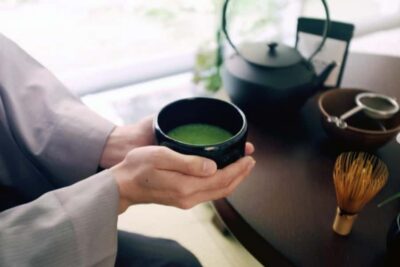
Tea Ceremony Workshop in Tokyo by the Experienced Instrucor
Read our review →

Make Traditional Nerikiri Sweets & Matcha experience in Shibuya
Read our review →Browse the lists this tour appears in