
Reviewed · TEA CEREMONIES
Tokyo:Tea ceremony experience at Komaba Warakuan
Komaba Warakuan offers something more thoughtful than a quick photo stop: a small-group tea lesson in a school linked with the Kobori Enshu tradition and the household of Japan’s third Tokugawa shogun. You learn the movements, taste Japanese tea and sweets, and see how ceremony turns simple actions into a quiet art.
I like the choice between rich tea and light tea, since the mood is genuinely different. I also like the small limit of four people, which gives the instructor room to explain the details. The main caution is practical: the place can be hard to find, and the $56 price may feel high if you want only a short taste of matcha culture.
In This Review
- Key details before you book
- Why Komaba Warakuan feels different from a quick tea tasting
- Arriving, changing socks, and entering the tea room
- Learning the movements instead of just watching
- Choosing rich tea for quiet concentration
- Choosing light tea for conversation and a brighter mood
- Tea, sweets, and the value of the $56 price
- How long to allow for the full visit
- Who will get the most from this tea ceremony
- Timing, cancellation, and small practical details
- My call: book it for the lesson, not just the tea
- FAQ
- Where does the tea ceremony take place?
- How much does the experience cost?
- How long does the activity last?
- How many people can join the group?
- What types of tea can I choose from?
- Is Japanese tea included?
- Are tea ceremony tools provided?
- Do I need to bring tabi socks?
- Can I cancel for a full refund?
Key details before you book
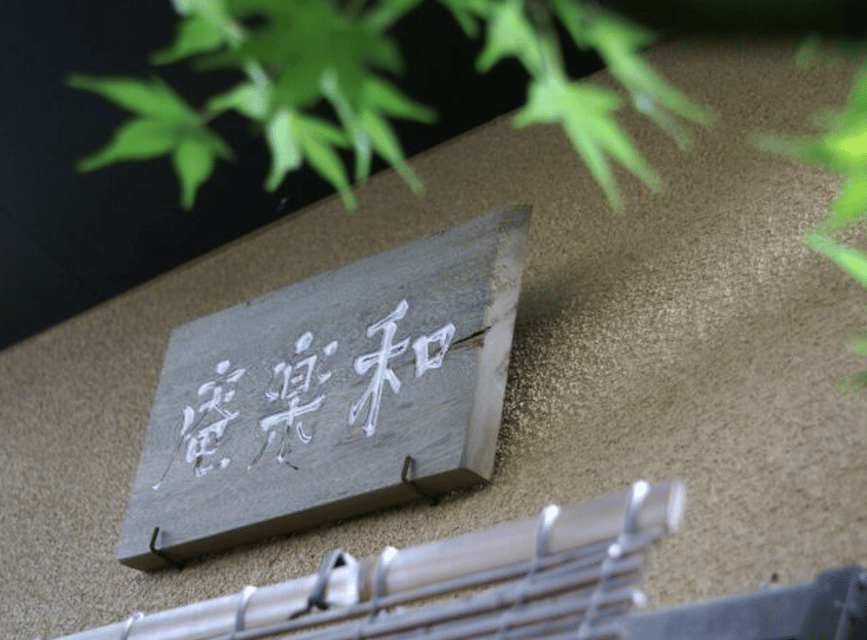
- A historic tea school in Komaba: The experience takes place at Komaba Warakuan, a school connected with the Kobori Enshu tradition and the third Tokugawa shogun.
- Two different moods: Choose rich tea for a quieter, more private setting, or light tea for a sunnier room and livelier conversation.
- Small group of four: The limited size suits beginners who want personal instruction rather than a large demonstration.
- Tabi socks are provided: You change into traditional split-toe socks before entering the tea room, or bring your own pair.
- Tea, sweets, and tools included: The fee covers the experience, tax, Japanese tea, traditional sweets, and the basic implements used during the lesson.
- Plan extra time to locate the entrance: Finding the site can be difficult, so do not arrive at the last minute.
Why Komaba Warakuan feels different from a quick tea tasting
Many Tokyo tea activities are built around a short serving ritual. Komaba Warakuan is presented as a school, not just a place where tea happens to be poured. That distinction matters if you want to understand why each movement takes place, rather than simply receive a bowl and take a picture.
The school taught the Kobori Enshu tradition, a major tea style associated with refined design and formal practice. It also served as a tea ceremony instructor for the third Tokugawa shogun. Those details give the setting a useful sense of continuity. You are not only sampling a drink. You are being introduced to a practice shaped by rules, objects, posture, timing, and respect.
The experience is beginner friendly. You do not need to know how to kneel, handle tea tools, or recognize the sequence of gestures before arriving. The instructor explains the flow first, then takes you through the process carefully. The class is conducted in Japanese, so the lesson may suit you best if you are comfortable following demonstrations and simple instructions without full English interpretation.
More tea rooms worth booking:
- Matcha Making Class in Tokyo with Authentic Japanese Sweets Set
★ 5.0 · 744 reviews - Tokyo: Traditional Tea Ceremony with a Tea Master
★ 5.0 · 528 reviews - Tokyo: Matcha Making Experience with Mochi Sweets in Asakusa
★ 4.9 · 388 reviews
Arriving, changing socks, and entering the tea room
The first step is an explanation of the schedule. This is useful because tea ceremony can seem mysterious when you first see the formal objects and precise movements. A quick orientation gives you a frame for what follows.
You then change into tabi socks. These are traditional Japanese socks with a split between the big toe and the other toes. The socks are provided, though you can bring your own. This small ritual helps mark the move from ordinary street time into the tea room.
The route continues through an open area to the room where the ceremony takes place. Do not treat the arrival as a casual walk-in. The change of socks and the approach to the room are part of the transition, giving the experience a clear beginning.
One practical warning deserves attention: the location may be difficult to identify. Better directions and clearer pictures would help, so I would allow extra time and study the meeting information before setting out. A late arrival could make the opening explanation feel rushed.
Learning the movements instead of just watching
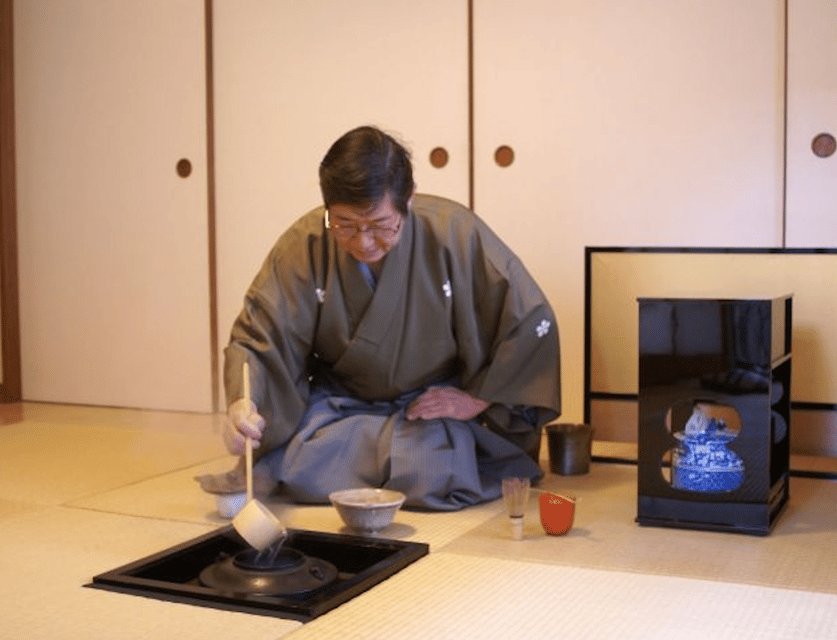
Once inside, the instructor explains how to make the tea. The emphasis is on doing, not only observing. You are guided through the handling of the tea and the tools, with the instructor showing you how the sequence works.
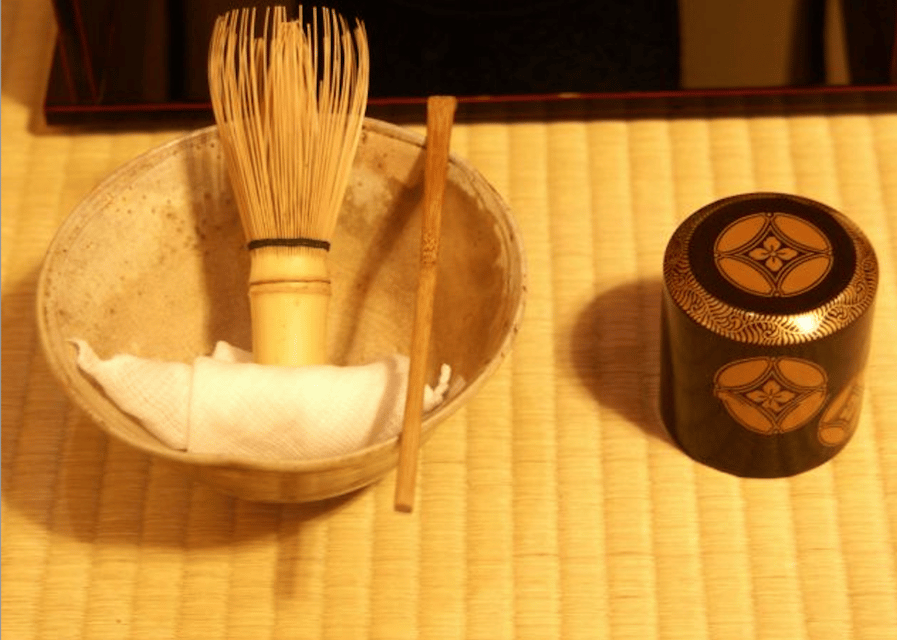
Fukusa and other tea implements are provided. The listed equipment includes items such as a folding fan, paper, and toothpick, along with the tools needed for the tea preparation. If you already own your own tea utensils, you are welcome to bring them.
For a first-timer, this hands-on approach is the heart of the experience. Watching a formal tea ceremony can be beautiful, but it can also leave you unsure about what you just saw. Making the tea yourself gives meaning to the gestures. You begin to understand the care involved in measuring, whisking, presenting, and receiving the tea.
The instructor is described as kind and careful in the available details, but no personal name is provided. You should expect instruction in Japanese, with the ceremony itself and the physical demonstrations carrying much of the explanation.
Choosing rich tea for quiet concentration
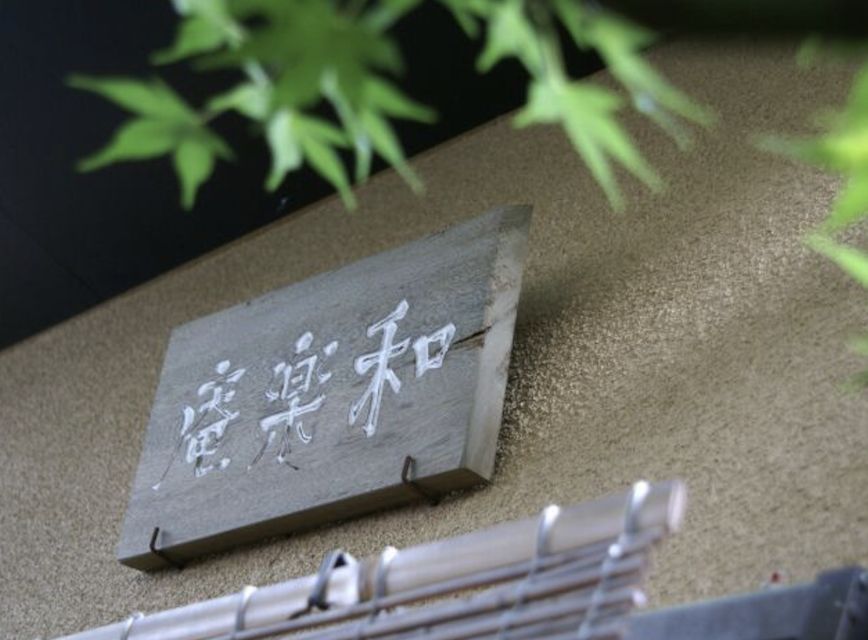
The rich tea option is described as a hidden seat, a setting where you face the tea quietly. In practical terms, this is the choice for a more focused and restrained experience.
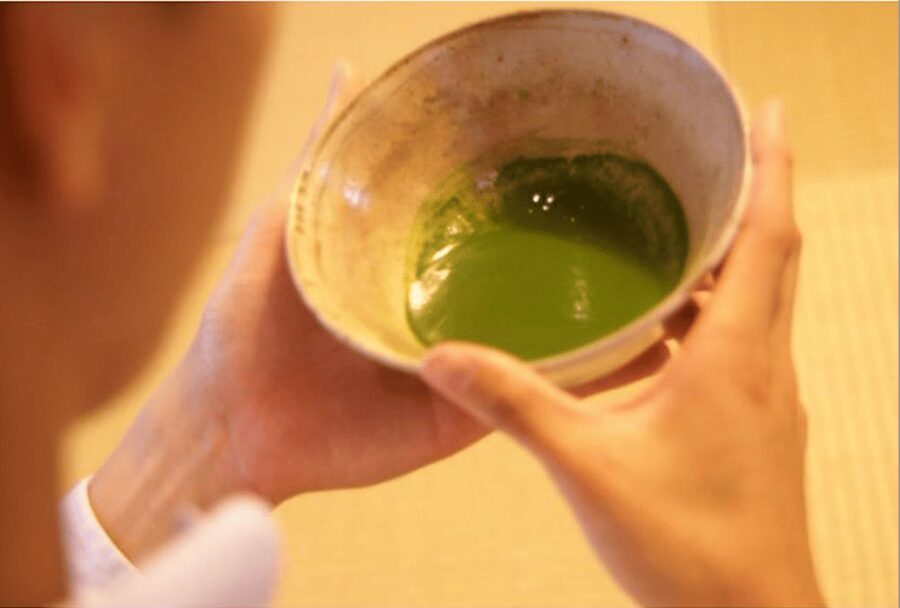
Rich tea, often called koicha in tea practice, is thicker and more concentrated than light tea. The supplied details do not specify the exact preparation or serving format here, so you should not book expecting a particular menu beyond Japanese tea and traditional sweets. The useful point is the mood: this option places more weight on silence, attention, and the tea itself.
I would choose rich tea if you enjoy traditional arts, careful observation, and slower moments during a busy Tokyo visit. It may also appeal to you if you want the ceremony to feel formal rather than social.
The tradeoff is that quiet formality can feel less relaxed for people who want plenty of conversation. If you are bringing children or prefer an easygoing group activity, the light tea plan may be a better fit.
A few more Tokyo bookings worth comparing
- Mt Fuji and Hakone 1-Day Bus Tour Return by Bullet Train
★ 5.0 · 26,383 reviews - 1-Day Tokyo Bus Tour
★ 5.0 · 14,250 reviews - Tokyo: TOKYO SKYTREE® Admission ticket
★ 4.5 · 11,192 reviews - Tokyo: teamLab Planets TOKYO Digital Art Museum Entry Ticket
★ 4.6 · 9,779 reviews
Choosing light tea for conversation and a brighter mood
Light tea is described as the seat of the sun. Compared with rich tea, it offers a brighter atmosphere, with more active and cheerful conversation.
Light tea is usually thinner and easier to drink, though the exact serving details are not stated here. What is clear is the tone. You still receive a traditional tea experience, but the setting is intended to feel more open and social.
This option makes sense for families, first-time visitors, and anyone who wants to ask questions while learning. The activity has already worked well for children as young as 11 and 14, which suggests that the lesson can hold a younger audience when the group is comfortable with the formal setting.
Do keep expectations realistic. Light tea does not mean an informal café visit. You still follow traditional procedures, change into tabi socks, and learn the proper handling of tea and utensils. The conversation adds warmth, but the structure remains important.
Tea, sweets, and the value of the $56 price
The price is $56 per person, including the experience fee and tax. Japanese tea and traditional sweets are part of all three course options, and the basic tea tools are supplied. That makes the cost easier to assess than an activity where you pay extra for every small part.
Still, $56 is not a bargain if your goal is simply to taste matcha. You can find tea more cheaply elsewhere in Tokyo. The value here comes from the setting, the school’s historical connection, the instruction, the small group, and the chance to take part rather than sit back.
The group limit is especially important. With no more than four participants, the instructor can watch your movements and explain the tools without competing with a crowd. A larger demonstration might cost less, but it would not offer the same chance to practice.
I would consider the price fair for someone who values traditional Japanese arts and wants a structured cultural lesson. I would hesitate if you are trying to pack several low-cost activities into one day or if you dislike formal customs.
How long to allow for the full visit
The experience lasts from 90 minutes to two hours. The exact length can vary, so check the available starting times when booking.
That time includes more than the tea itself. You have the opening explanation, the change into tabi socks, the walk through the open area, the instruction, the preparation, and the serving of tea and sweets. The longer end of the range may suit a slower lesson or a group with more questions.
I would avoid placing this directly between two tight appointments. The location can be tricky to find, and the activity has a deliberate pace. Give yourself enough time to arrive calmly, especially if this is your first visit to a traditional tea school.
Who will get the most from this tea ceremony
This experience is a good match for you if:
- You want to learn the basic movements rather than only watch a performance.
- You appreciate traditional settings and historical context.
- You prefer a small group, with no more than four participants.
- You are comfortable receiving instruction in Japanese.
- You want to choose between a quiet tea setting and a more social one.
- You are traveling with older children who can handle a formal cultural activity.
It may be less suitable if you need English-language instruction, want a quick and casual tasting, or find formal procedures uncomfortable. The activity is not presented as an English-guided class, and the listed language is Japanese.
The setting also asks for patience. Tea ceremony is built around controlled movements and attention to detail. If you enjoy that rhythm, the format will feel rewarding. If you want a fast-moving Tokyo attraction, you may find it slow.
Timing, cancellation, and small practical details
The activity is available for booking at different starting times, with the duration listed as 90 minutes to two hours. Check the schedule before committing to other plans.
Cancellation is free up to three days in advance for a full refund. That gives you some room to adjust your Tokyo itinerary, but the cutoff matters. Cancel earlier if your plans are uncertain.
The instructor is Japanese, and the activity language is Japanese. Tabi socks are supplied, though you can bring your own. The experience fee and tax are included, and no separate charge is listed for the tea, sweets, or provided implements.
The provider is Japanticket Inc. The location is Komaba Warakuan in Tokyo, on Honshu. Since finding the entrance has been a challenge, I would keep the address and any available location images ready on your phone.
My call: book it for the lesson, not just the tea
I would book Komaba Warakuan if you want a focused introduction to Japanese tea ceremony with a small group and a clear connection to a historic school. The rich tea option suits quiet concentration, while light tea offers a friendlier setting for conversation and families.
I would skip it if your main goal is an inexpensive cup of matcha or if you need detailed English explanations. The $56 cost asks you to value the teaching, setting, and traditional process. Arrive early, choose your tea style with care, and treat the ceremony as a lesson in manners and movement rather than a simple drink stop.
FAQ
Where does the tea ceremony take place?
The experience takes place at Komaba Warakuan in Tokyo, on Honshu, Japan.
How much does the experience cost?
The price is $56 per person. The experience fee and tax are included.
How long does the activity last?
The tea ceremony lasts from 90 minutes to two hours. Starting times vary, so check availability when booking.
How many people can join the group?
The activity is limited to four participants, making it a small-group experience.
What types of tea can I choose from?
You can choose rich tea or light tea. Rich tea is presented as a quiet setting focused on the tea, while light tea offers a brighter atmosphere with more conversation.
Is Japanese tea included?
Yes. All three course options include Japanese tea and traditional sweets.
Are tea ceremony tools provided?
Yes. Fukusa and related items, including a folding fan, paper, and toothpick, are provided. You may bring your own items if you have them.
Do I need to bring tabi socks?
No. Tabi socks are provided. You are also welcome to bring your own pair.
Can I cancel for a full refund?
Yes. You can cancel up to three days in advance for a full refund.
New on our Tokyo list
- Sumi-e Experience in a relaxing green tea shop in Tokyo★ 5.0 · 3 reviews
- Tokyo : Kamikaze Street Drift Ride★ 5.0 · 3 reviews
- Private Zen Meditation in English in Shinjuku, Tokyo★ 5.0 · 3 reviews
- Onsen Spa in Tokyo and Asakusa Bar Hopping with Local Guide★ 5.0 · 3 reviews
- Easy for everyone! Now you can play handmade mini shamisen and show off to everyone! Musical instruments, sweets and live music★ 5.0 · 3 reviews
- Tokyo: Private Tsukiji Street Food & Sake with Local Guide★ 5.0 · 3 reviews
- Mt Fuji Exploration Tour with Free Japanese Kusa Mochi from Tokyo★ 4.5 · 3 reviews
- Tokyo Tsukiji Fish Market Walking and Exploring Hidden Gems Tour★ 5.0 · 3 reviews
Tea Ceremonies, compared.

Matcha Making Class in Tokyo with Authentic Japanese Sweets Set
Read our review →
Matcha Making Experience with Mochi Sweets in Asakusa
Read our review →
Tea Ceremony Workshop in Tokyo by the Experienced Instrucor
Read our review →

Make Traditional Nerikiri Sweets & Matcha experience in Shibuya
Read our review →Browse the lists this tour appears in