
Reviewed · WORKSHOPS
Traditional Japanese Knife-Making Workshop in Asakusa
A knife workshop may not sound like the usual Tokyo stop, but this one puts you right beside the patient, exact work behind a useful Japanese tool. In 90 minutes, you shape and refine a blade with traditional tools, then finish it with a handle you select yourself.
I like the hands-on pace and the chance to leave with something you made, not just something you bought. I also like the friendly bilingual teaching, with instructors such as Dewi and Shin helping beginners work safely and understand why sharpening takes real care.
The main consideration is value. At $96 per person, this is not a quick souvenir-making class. One participant felt the session involved mostly sharpening before a handle was glued on, so book it for the craft lesson and personal meaning, not for a full blacksmithing spectacle.
In This Review
- Key Points
- What This Asakusa Knife Workshop Actually Offers
- Beginning on the 10th Floor in Asakusa
- Shaping and Refining the Blade
- Choosing the Wooden Handle
- A Clean, Welcoming Place to Work
- Why the Craft Lesson Has Cultural Value
- Is $96 a Fair Price?
- Who Will Enjoy This Most
- Planning the Workshop Into Your Tokyo Day
- My Practical Take
- Should You Book It?
- FAQ
- Where is the knife-making workshop held?
- How long does the activity last?
- How much does the workshop cost?
- Do I need previous knife-making experience?
- Which languages do the instructors speak?
- What do I take home?
- Can I cancel or pay later?
Key Points
- Sharpening is the real lesson: You learn how much control and patience a knife edge needs.
- Choose your own handle: Several types of wood are available, and engraving may be offered.
- Dewi and Shin teach in English and Japanese: Their careful guidance helps first-time makers work with confidence.
- The workshop is on the 10th floor: You may also get a view toward Tokyo Skytree from the building.
- You leave with a usable knife: The finished piece is both a souvenir and a reminder of the work behind Japanese kitchen tools.
- Ninety minutes keeps it manageable: It fits neatly into an Asakusa day, though the short format limits how much knife-making you can cover.
What This Asakusa Knife Workshop Actually Offers
This is a compact craft class rather than a full-day blacksmith course. You are not signing up to forge a knife from raw steel over a hot fire. Instead, the workshop focuses on shaping and refining a blade, learning proper sharpening technique, and completing the knife with a handle.
That distinction matters. The supplied description presents the activity as traditional knife-making, while one unhappy participant found the work closer to sharpening a prepared blade and attaching a handle. I would set your expectations in the middle: you get genuine hands-on work with tools and materials, but the 90-minute session cannot cover every stage of professional knife production.
For a first craft experience, that shorter format is useful. You can try something new without giving up half a day, and you do not need prior experience. The instructor takes you through the process step by step, so you can concentrate on the angle, pressure, and patience needed to refine the edge.
More Asakusa visits:
- Tokyo: Japanese Dance Cabaret Theater Asakusa-Kaguwa Ticket
★ 4.8 · 2,270 reviews - Tokyo: Meiji Shrine, Asakusa, Skytree Bus Tour and Cruise
★ 4.7 · 1,986 reviews - Tokyo: Roll and Authentic Sushi Making Class in Asakusa
★ 4.9 · 1,957 reviews
Beginning on the 10th Floor in Asakusa
The workshop takes place on the 10th floor of the building. That gives the activity a slightly different feel from a street-level craft shop, and one participant noted that Tokyo Skytree could be seen from the building. If you enjoy city views with your cultural activities, this small touch adds something to the setting.
The first stage is an introduction to the tools and materials. You learn what you will use before picking up the equipment, which is important for a class built around precision. The bilingual staff speak English and Japanese, and the instruction is designed to keep the work safe and clear.
You should arrive ready to listen before you start. Knife work can look simple when someone else does it, but small changes in angle and pressure affect the result. The lesson is not about rushing toward a finished object. It is about learning why the process takes care.
Shaping and Refining the Blade
The central part of the class is working on the blade with traditional tools. You shape and refine it under close instruction, gaining a practical sense of the repeated movements involved in Japanese knife craft.
The wording can make this sound more dramatic than it is. There is no information that you will heat steel, strike it on an anvil, or create a blade from a raw billet. Instead, you work on the provided knife blade and learn how to sharpen and refine it properly.
That may sound modest, but sharpening is a real skill. Tim, who attended with his partner, found that the process was harder than expected and that there was a lot to learn. This is the useful lesson of the workshop: a sharp knife is not simply a product of force. It depends on steady handling and a consistent technique.
You work at your own pace, with time to ask questions. That matters for beginners, since copying a movement once does not guarantee you understand it. A good instructor can correct your hand position or explain what you should feel as the blade moves across the tool.
Dewi received specific praise for helping participants throughout the session. Shin was also singled out as a helpful guide, although one participant disliked an interaction with another staff member who commented on Shin’s instruction. I would treat that as a reminder that workshop dynamics can vary, but the wider picture is of a friendly team that takes beginner support seriously.
Choosing the Wooden Handle
Once the blade work is done, you choose a handle from a selection of woods. This is one of the more personal parts of the activity because the handle changes the look and feel of the finished knife.
The available details do not specify the exact wood types, so you should not expect a particular species unless the instructor explains the options on the day. Still, having a choice gives you more say in the final object than a standard preassembled souvenir would offer.
Engraving may also be available. The details do not state whether it costs extra or exactly what can be engraved, so ask the staff before making your selection. If the option is offered, it could turn the knife into a more personal keepsake or a thoughtful gift.
The handle is attached before you leave. This is where expectations need care. One participant felt that the handle was simply glued on at the end, which made the activity seem less substantial for the price. That criticism will matter most if you picture a long traditional joinery process. If you see the handle as the final assembly stage of a beginner workshop, it may feel more reasonable.
A few more Tokyo bookings worth comparing
- Sushi Making Tokyo Roll and Authentic Japanese Sushi Class
★ 5.0 · 3,971 reviews - Tokyo Shinjuku Chopsticks Making Class
★ 5.0 · 1,763 reviews - Tokyo: Sushi Making Class in a Happi Coat near a Famous Spot
★ 4.9 · 1,377 reviews - Chopstick Making Workshop in Ginza
★ 4.8 · 1,366 reviews
A Clean, Welcoming Place to Work
The workshop setting has been described as clean and beautiful, with the smell of freshly cut wood greeting you when you enter. That detail gives you a better idea of the atmosphere than a generic promise of a cultural activity.
The space is welcoming, and you have opportunities to take photos during the session. Be sensible around the tools and follow the instructor’s directions first. A knife workshop is not the place to reach across someone’s work area for a better picture.
The atmosphere also seems suited to pairs and small groups of friends. Alexis described it as a fun activity to do in a group, and the guided format gives you something to discuss while each person works through the same basic stages. You can compare handle choices and results without needing to compete.
Why the Craft Lesson Has Cultural Value
Japanese knives are often praised for their cutting ability, but this class gives you a more grounded view of where that reputation begins. You see that the result depends on repeated, careful work rather than a single dramatic gesture.
The value is in understanding the process. After 90 minutes, you may not be an expert sharpener, but you should have a better sense of why a blade needs a controlled angle and why patience matters. Tim’s experience is useful here: the lesson is harder than it first appears, and careful instruction helps you understand what to do.
You also get a practical object at the end. Many Tokyo souvenirs sit on a shelf, while this knife can serve a purpose. That does not automatically make it a bargain, but it gives the $96 price more weight if you care about making something useful.
Still, this is not the right choice if your main goal is to watch a master forge a complete knife from start to finish. The available details support a hands-on sharpening and finishing class, not a full traditional forge demonstration. Read the experience on those terms and you are less likely to feel misled.
Is $96 a Fair Price?
At $96 per person, the cost is on the high side for a 90-minute activity. You are paying for the instructor’s time, workshop access, use of tools, the blade and handle, bilingual support, and the finished knife.
The value depends on what you want from the afternoon. If you want a quick, inexpensive craft souvenir, the price may feel steep. One participant rated the experience poorly for exactly that reason, saying the work did not feel substantial enough after sharpening and attaching the handle.
I would consider it better value if you enjoy learning by doing. You get direct guidance, a choice of handle, possible engraving, and a finished item connected to your own effort. The object carries more meaning because you worked on it yourself.
The 4.6 rating from 11 reviews suggests a generally strong response, but the small number of ratings and the clear negative experience mean you should not treat the score as a guarantee. I would book this for the cultural lesson and the personal souvenir, not because it is the cheapest way to obtain a knife.
Who Will Enjoy This Most
This workshop suits curious first-timers. You do not need previous craft experience, and the instructor-led format gives you a clear path through the tools and materials.
It is also a good fit for couples and groups who want something more active than sightseeing. You can spend time talking, choosing handles, and comparing what you create, while still learning a traditional Japanese skill.
Families should consider the age and comfort of each participant before booking, since the supplied information does not give a minimum age. The workshop is wheelchair accessible, which makes it easier for many visitors to include in a Tokyo plan, though the available information does not explain the exact layout of every work area.
The class may appeal especially to people who cook, collect tools, or like souvenirs with a story. You do not need to be a serious chef. The practical nature of the finished knife simply gives the experience a longer life after your holiday.
Planning the Workshop Into Your Tokyo Day
The 90-minute duration is easy to fit around other plans in Asakusa. You can check available starting times when booking, but no fixed schedule is provided here, so leave room around the class rather than trying to cut it close with another timed activity.
The 10th-floor location is the key meeting detail. Make sure you go to the building and then continue to the workshop level, rather than waiting at street level for a shopfront sign. The provided information does not list a full street address or transport directions, so confirm those booking details before you set out.
You can cancel for a full refund up to 24 hours in advance, and the reserve-now, pay-later option keeps your plans flexible. Those policies are useful in Tokyo, where weather, jet lag, and changing sightseeing plans can affect your day.
The staff speak English and Japanese. That does not mean every technical term will be instantly familiar, so ask questions as you work. The whole point is to leave with a clearer understanding, not just a completed object.
My Practical Take
I like this experience because it gives you a direct connection to an everyday Japanese craft. You handle the tools, learn why sharpening is difficult, choose a handle, and take home the result. The positive feedback repeatedly centers on kind staff, careful teaching, and the feeling that the activity is meaningful.
I would keep the limitations in view. The class is short, and the blade work appears to focus on sharpening and refinement rather than forging. The handle is attached before departure, and at least one person felt that this final step made the workshop poor value.
Your mindset will decide the result. If you expect a full blacksmithing course, $96 may disappoint you. If you want a guided introduction to Japanese knife sharpening with a handmade souvenir and a view toward Skytree, the workshop offers a focused and memorable way to spend 90 minutes in Asakusa.
Should You Book It?
Book it if you enjoy practical cultural activities, want bilingual instruction, and value leaving Tokyo with an object you helped create. Choose it especially if you are happy to learn sharpening rather than watch a complete knife forged from raw metal.
Skip it if your priority is the lowest-cost souvenir or a dramatic forge experience. Before paying, confirm the available handle choices and any engraving cost, then decide if the personal lesson and finished knife justify $96 for you.
FAQ
Where is the knife-making workshop held?
The workshop is held on the 10th floor of the building in Asakusa, Tokyo.
How long does the activity last?
The workshop lasts 90 minutes.
How much does the workshop cost?
The listed price is $96 per person.
Do I need previous knife-making experience?
No. The workshop is designed for beginners, and the instructor provides step-by-step guidance.
Which languages do the instructors speak?
The instructors and staff speak English and Japanese. The experience includes bilingual staff.
What do I take home?
You leave with a handmade knife. The knife blade and handle are included, and you can choose from a variety of wooden handles. Engraving may also be available.
Can I cancel or pay later?
You can cancel up to 24 hours in advance for a full refund. The reserve-now, pay-later option lets you book without paying immediately.
New on our Tokyo list
- Sumi-e Experience in a relaxing green tea shop in Tokyo★ 5.0 · 3 reviews
- Tokyo : Kamikaze Street Drift Ride★ 5.0 · 3 reviews
- Private Zen Meditation in English in Shinjuku, Tokyo★ 5.0 · 3 reviews
- Onsen Spa in Tokyo and Asakusa Bar Hopping with Local Guide★ 5.0 · 3 reviews
- Easy for everyone! Now you can play handmade mini shamisen and show off to everyone! Musical instruments, sweets and live music★ 5.0 · 3 reviews
- Tokyo: Private Tsukiji Street Food & Sake with Local Guide★ 5.0 · 3 reviews
- Mt Fuji Exploration Tour with Free Japanese Kusa Mochi from Tokyo★ 4.5 · 3 reviews
- Tokyo Tsukiji Fish Market Walking and Exploring Hidden Gems Tour★ 5.0 · 3 reviews
Workshops, compared.
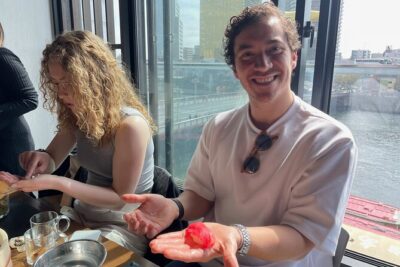
Sushi Making Tokyo Roll and Authentic Japanese Sushi Class
Read our review →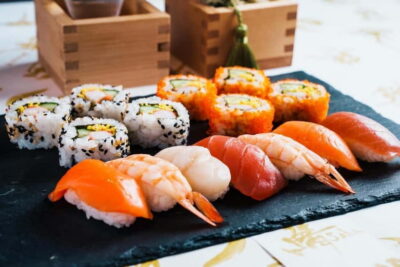
Roll and Authentic Sushi Making Class in Asakusa
Read our review →
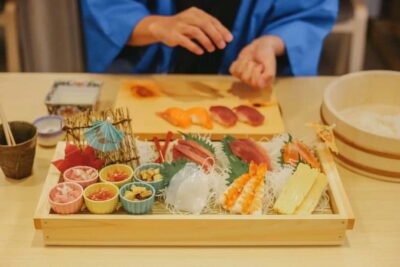
Sushi Making Class in a Happi Coat near a Famous Spot
Read our review →
Tokyo Sushi Making Class in Tsukiji with Professional Chef
Read our review →
Ramen & Gyoza Cooking Class in Tokyo with Local Supermarket Visit
Read our review →
Matcha Making Class in Tokyo with Authentic Japanese Sweets Set
Read our review →Browse the lists this tour appears in