
Reviewed · SUMO EXPERIENCES
Unique Afternoon Live Sumo training tour in Tokyo
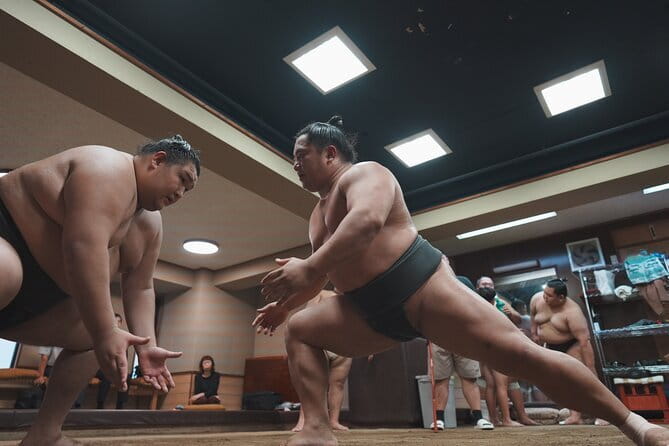
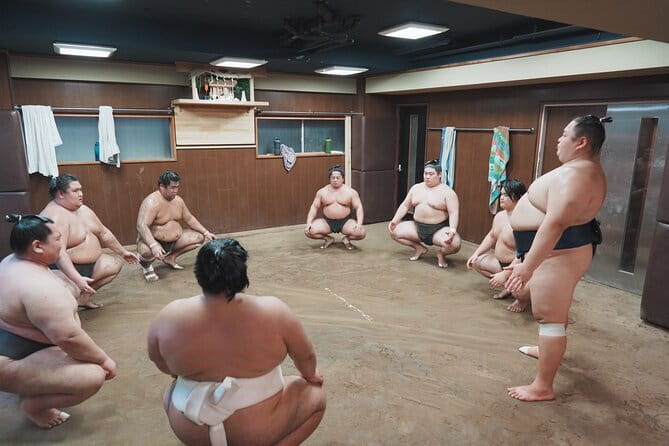
At Nakamura-beya in Tokyo’s Ryogoku district, you watch real sumo practice, not a staged tourist match. The first part is quiet and measured as wrestlers warm up, but the room changes once full bouts begin. You are close enough to notice the force behind every stomp and clash.
I like two things right away: the small maximum group of 10, which keeps the view personal, and the chance to take home a photo with the sumo wrestlers. The 90-minute visit also fits neatly into a Tokyo day, especially if you want culture beyond temples, shopping, and neon streets.
The main consideration is the pacing. The first 20 to 30 minutes may feel slow if you expect instant action. Seating is limited to chairs for 8 to 10 people, while everyone else sits on the floor, so this is worth considering before you book.
In This Review
- Key points to know before you book
- Why real sumo practice feels different from a show
- Entering Nakamura-beya in Ryogoku
- The first 20 to 30 minutes: preparation and patience
- When the training turns intense
- A small room changes the viewing experience
- Explanation, audio support, and the photo souvenir
- Is $137.71 a fair price?
- Who will get the most from this visit?
- How I would plan the visit
- Should you book this sumo training tour?
- FAQ
- Where does the sumo training tour take place?
- How long does the experience last?
- Is the training always held in the afternoon?
- How many people can join the activity?
- Is seating provided?
- Is transportation included?
- What languages are available?
- Can I cancel for a full refund?
Key points to know before you book
- Real training at Nakamura-beya: Watch professional wrestlers complete their daily keiko, with no theatrical match built for tourists.
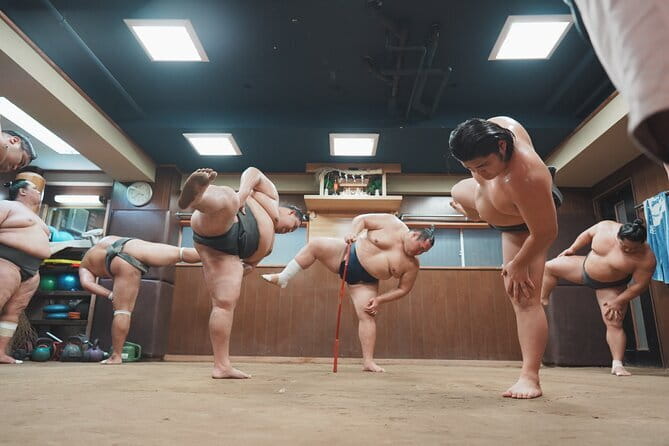
- Warm-up before hard contact: The opening 20 to 30 minutes focus on preparation, stretching, stomping, and controlled movement.
- Small group, close view: Attendance is capped at 10 people, giving you a better chance to see the details.
- Photo with the wrestlers included: You leave with a personal souvenir rather than only photographs of the practice.
- Useful language support: The guide speaks English, Japanese, and Korean, with a multilingual audio guide and an explanation pamphlet.
- Simple visitor comforts: Free Wi-Fi and phone charging points help you stay connected during the visit.
Why real sumo practice feels different from a show
Sumo is easy to recognize, but harder to understand from a distance. A tournament match lasts only seconds, and television tends to focus on the final collision. At Nakamura-beya, you see the work that comes before that moment.
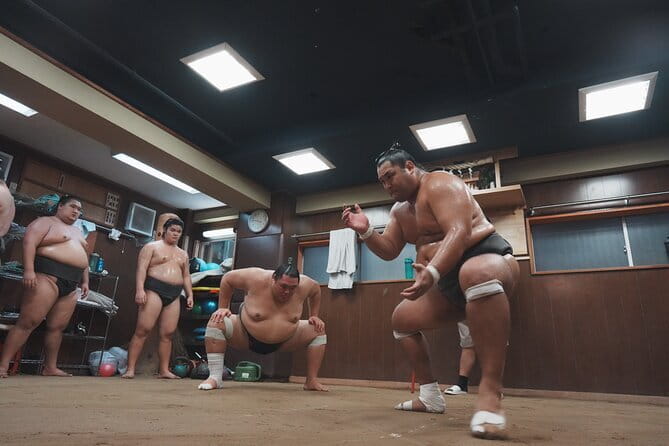
Keiko, the Japanese term for sumo training, is built on repetition and discipline. The wrestlers prepare their bodies, settle their focus, and repeat movements that look simple until you see how much power they require. The famous stomps are not just dramatic gestures. They are part of the training routine, and the sound carries through the room.
This matters because the visit gives you a look at sumo as a way of life, not just a contest. You see athletes preparing together, following a strict routine, and working through the physical demands of the sport. The experience does not depend on a tournament calendar or on getting lucky with a particularly close match.
That authenticity is also why you should not expect a polished stage production. There is no promise that every minute will be packed with action. You are watching practice as it happens, including the slower sections. For many people, that is the point. For others, the quiet start requires patience.
More sumo mornings:
- Tokyo: Sumo Show Experience with Chicken Hot Pot and a Photo
★ 4.8 · 6,678 reviews - Tokyo: Sumo Show and Dining Experience
★ 4.8 · 2,742 reviews - the SUMO show
★ 5.0 · 1,960 reviews
Entering Nakamura-beya in Ryogoku
The meeting point is Nakamura-beya, at 1-chōme-18-7 Ryōgoku, Sumida City, Tokyo 130-0026. The activity begins and ends at the same location, and pickup and drop-off are not included. The stable is near public transportation, but you should check the exact route and appointment time before setting out.
Ryogoku is the natural setting for this kind of visit. It is Tokyo’s sumo district, so the surroundings help put the stable into context. Still, the tour itself is focused on the training room. You should arrive ready to enter a working sumo stable, rather than expecting a broad neighborhood tour.
The afternoon is the normal schedule, but training can sometimes take place in the morning. Check your confirmed time carefully. This small detail matters if you are planning the visit around a museum reservation, lunch, or another fixed Tokyo booking.
Confirmation arrives when you book, and the ticket is mobile. Keep it easy to reach on your phone. Since the activity does not include transportation, leave enough time to make your own way to Ryogoku without rushing.
The first 20 to 30 minutes: preparation and patience
The beginning can seem uneventful. The wrestlers warm up, repeat movements, and prepare their bodies before the harder bouts start. If you arrive expecting an immediate collision, you may wonder when the main event begins.
I would treat this opening as part of the lesson. Sumo training is not only about throwing an opponent. The preparation shows the control and routine behind the sport. You get time to watch posture, footwork, balance, and the steady build toward more intense work.
The provided comments about the experience make a useful point: the practice becomes much more exciting once the wrestlers begin wrestling in earnest. The first 20 to 30 minutes are slower, then the action can turn intense when three wrestlers take part in the hard training.
This changing pace is important when deciding if the tour suits you. If you enjoy observing how athletes prepare, the opening should feel worthwhile. If you only want dramatic bouts, you may find the wait long. Parents should set expectations with children, especially younger ones who may need a reminder that warm-up is not wasted time.
When the training turns intense
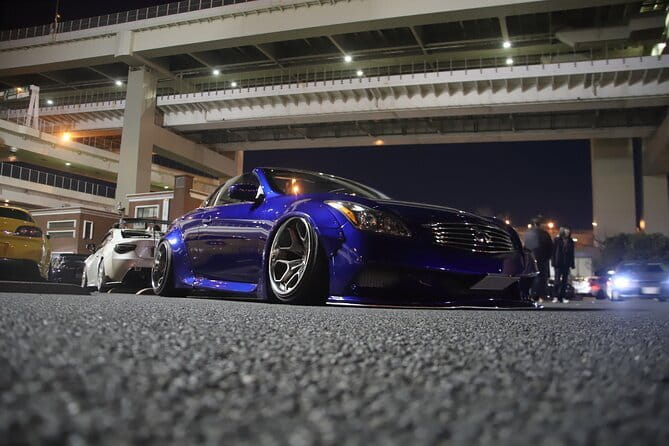
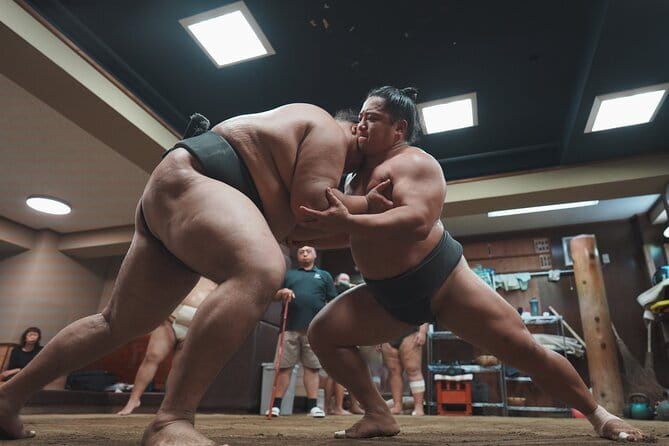
Once the wrestlers begin full-power practice, the atmosphere changes. You can see the contrast between controlled preparation and explosive contact. Powerful stomps and clashes happen close to you, and the physical force is central to the experience.
You are not simply watching two athletes push for a result. You are seeing timing, balance, strength, and discipline tested in a very compact space. A bout may be brief, but the training around it gives those seconds more meaning.
This is where the tour works especially well for first-time visitors. You do not need a technical background to understand that sumo demands exceptional strength and control. The guide and pamphlet help explain what you are seeing, while the physical action makes the lesson easy to remember.
Families can also find a good fit here. One family described the experience as a strong success with children and teenagers, particularly because the boys enjoyed seeing genuine athletes at work. The setting is not designed as a children’s show, but the direct physical action can hold attention once training gets underway.
A few more Tokyo bookings worth comparing
- Mt Fuji and Hakone 1-Day Bus Tour Return by Bullet Train
★ 5.0 · 26,383 reviews - 1-Day Tokyo Bus Tour
★ 5.0 · 14,250 reviews - Tokyo: TOKYO SKYTREE® Admission ticket
★ 4.5 · 11,192 reviews - Tokyo: teamLab Planets TOKYO Digital Art Museum Entry Ticket
★ 4.6 · 9,779 reviews
A small room changes the viewing experience
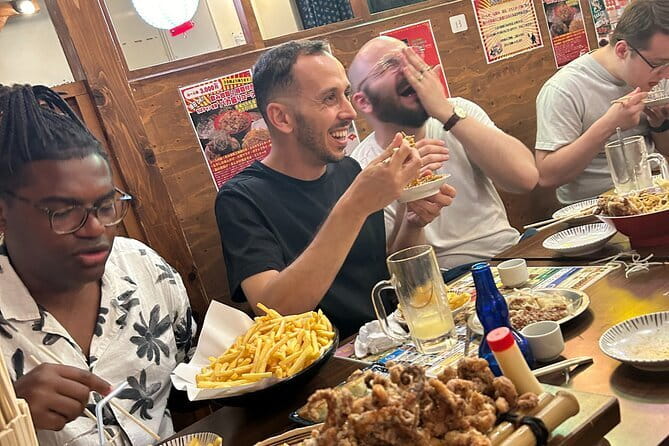
The group limit is 10 people. That is a useful size for a visit where the details matter. You have fewer people competing for a view, and the guide can give explanations without trying to manage a large crowd.
Seating is more basic than you might expect. There are chair-type seats for 8 to 10 people, but the remaining participants sit on the floor. The information does not specify how seating is assigned, so you should not assume a chair is guaranteed.
This is one of the clearest practical points to weigh before booking. If floor sitting may be uncomfortable for you, ask the provider about the arrangement before paying. The activity is described as suitable for most people, but that does not mean the seating will suit every visitor.
The close setting is part of the appeal, though. You are not watching from a distant stadium row. The compact room helps you notice movement and sound, and it makes the practice feel like an observation of daily work rather than a large public event.
Explanation, audio support, and the photo souvenir
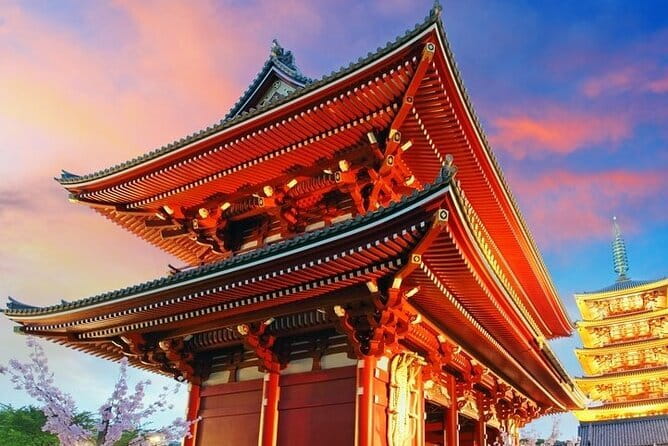
The guide can speak English, Japanese, and Korean. That gives you live help with the main points, while the included audio guide offers additional language support. The supplied details describe the audio guide as available in 10 languages, while the tour description refers to 11 language choices, so you may want to confirm the exact language list when booking.
You also receive a pamphlet explaining sumo keiko. This is useful because some of the practice may be quiet, with no constant commentary. You can follow the explanation and then watch the movement for yourself.
Free Wi-Fi and phone charging points are included. These are modest extras, but they are practical in Tokyo, where you may be using your phone for maps, translation, train information, and the mobile ticket. The charging service is especially handy if you have been out sightseeing since breakfast.
The included photo with the wrestlers gives the visit a clear ending. It is a more personal souvenir than another picture of a shrine gate. You should remember that the photo is part of the arranged activity, so follow the guide’s instructions and be respectful around the athletes and the working space.
Is $137.71 a fair price?
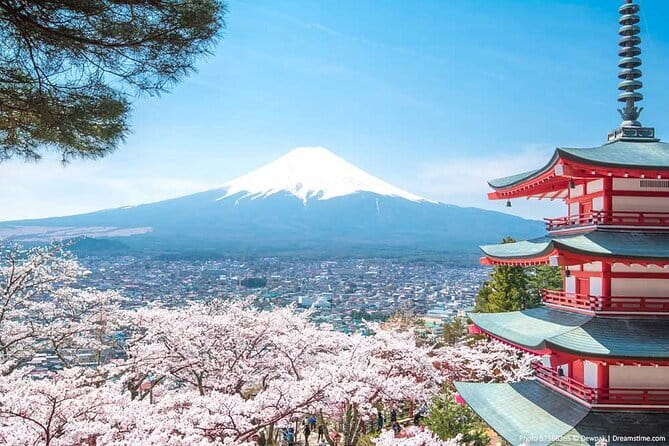
At $137.71 per person, this is not a budget attraction. The value comes from access to a real sumo stable, a maximum group of 10, language support, the photo, and the chance to see training at close range.
You are paying for a short visit of about 90 minutes, not a full afternoon program. That makes the price easier to judge by comparing it with the kind of access offered. A staged cultural performance might give you more entertainment time, but it would not offer the same look at an active training session.
I would consider the price reasonable for a visitor who specifically wants sumo and values a small group. It is less convincing for someone who is only mildly curious and could be satisfied with seeing sumo on television or visiting a larger public event.
The photo, Wi-Fi, charging, and pamphlet are useful, but they should not be the reason you book. The main value is the training itself. Think of the extras as conveniences that make the visit easier, not as the core product.
Booking about 25 days ahead is the average pattern for this activity. Since the group is capped at 10 and training times can change, advance planning is sensible. Free cancellation is available if you cancel at least 24 hours before the start time. Changes or cancellations made inside that window are not accepted for a refund.
Who will get the most from this visit?
I would choose this tour for you if you want a close look at Japanese culture that does not feel like a standard sightseeing stop. It is especially suited to:
- First-time Tokyo visitors who want a clear introduction to sumo.
- Repeat visitors looking for a different side of the city.
- Families with children or teenagers who enjoy physical sports.
- Visitors who prefer a small group to a large bus-style tour.
- People comfortable with a slower opening and possible floor seating.
- Anyone who wants a personal photo and a short, focused activity.
You should think twice if you need guaranteed chair seating, dislike quiet observation, or want a full match with nonstop action. This is training, and training includes repetition, preparation, and pauses.
It also suits a carefully planned Tokyo schedule. Ninety minutes is manageable, but you still need to allow time to reach Ryogoku and leave the stable afterward. Since no pickup or drop-off is offered, the tour works best when you build your own transport plan around the meeting point.
How I would plan the visit
I would check the start time first, since the usual afternoon session can sometimes move to the morning. Then I would confirm the route to Nakamura-beya and arrive with the mobile ticket ready.
I would avoid placing a must-not-miss reservation immediately afterward. The activity itself lasts about 90 minutes, but a little breathing room makes the day more pleasant. You may also want to charge your phone before arrival, even though charging points are provided.
During the warm-up, I would watch the details rather than wait impatiently for the collisions. Notice how the room changes once the harder wrestling begins. The contrast is part of what makes the visit useful.
Finally, I would save the photo and pamphlet as part of the memory, not treat them as the main event. The strongest reason to book is the chance to see sumo wrestlers train in a real stable, close enough to appreciate the force and routine for yourself.
Should you book this sumo training tour?
Book it if authenticity matters more than spectacle. You get a genuine training session at Nakamura-beya, a small group, live language support, and a photo with the wrestlers. It is a strong choice for families, first-time visitors, and repeat Tokyo visitors who want something beyond the usual sights.
Skip it if you want guaranteed chair seating or immediate action from the first minute. The opening warm-up can feel slow, and the price is high for 90 minutes. But if you can sit patiently, respect the working setting, and appreciate the discipline behind the sport, this offers a memorable look at sumo that a standard show cannot match.
FAQ
Where does the sumo training tour take place?
The activity takes place at Nakamura-beya Sumo Stable, 1-chōme-18-7 Ryōgoku, Sumida City, Tokyo 130-0026, Japan.
How long does the experience last?
The visit lasts approximately 1 hour and 30 minutes.
Is the training always held in the afternoon?
Training is usually held in the afternoon, but it can sometimes take place in the morning. Check the scheduled time before you go.
How many people can join the activity?
The maximum group size is 10 people.
Is seating provided?
Chair-type seats are available for 8 to 10 people. The remaining participants can sit on the floor.
Is transportation included?
No. Pickup and drop-off are not included, so you must make your own way to Nakamura-beya and return from the meeting point afterward.
What languages are available?
The guide can speak English, Japanese, and Korean. A multilingual audio guide is also included. The supplied details describe the audio guide as available in 10 languages and elsewhere refer to 11 choices, so confirm the exact options when booking.
Can I cancel for a full refund?
Yes. You can cancel at least 24 hours before the local start time for a full refund. Cancellations or changes made less than 24 hours before the start time are not accepted for a refund.
New on our Tokyo list
- Sumi-e Experience in a relaxing green tea shop in Tokyo★ 5.0 · 3 reviews
- Tokyo : Kamikaze Street Drift Ride★ 5.0 · 3 reviews
- Private Zen Meditation in English in Shinjuku, Tokyo★ 5.0 · 3 reviews
- Easy for everyone! Now you can play handmade mini shamisen and show off to everyone! Musical instruments, sweets and live music★ 5.0 · 3 reviews
- Onsen Spa in Tokyo and Asakusa Bar Hopping with Local Guide★ 5.0 · 3 reviews
- Tokyo: Private Tsukiji Street Food & Sake with Local Guide★ 5.0 · 3 reviews
- Mt Fuji Exploration Tour with Free Japanese Kusa Mochi from Tokyo★ 4.5 · 3 reviews
- Tokyo Tsukiji Fish Market Walking and Exploring Hidden Gems Tour★ 5.0 · 3 reviews
Sumo Experiences, compared.
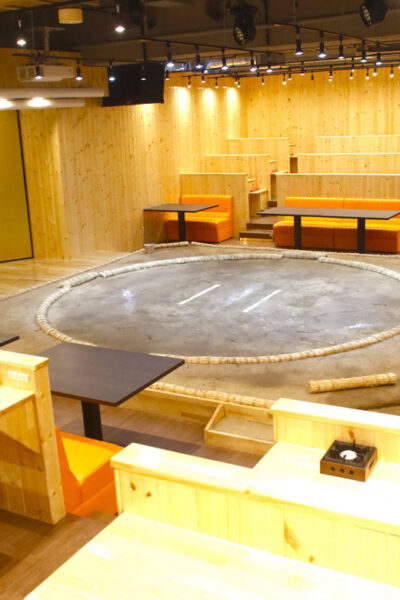
Sumo Show Experience with Chicken Hot Pot and a Photo
Read our review →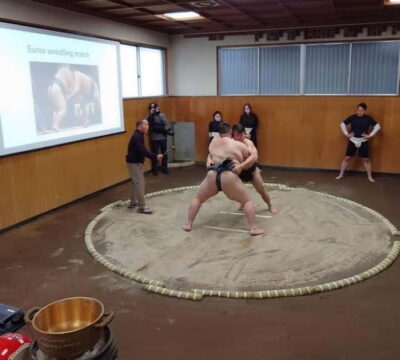
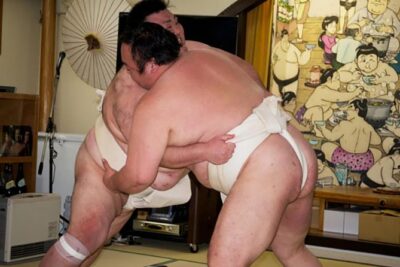
Tokyo Shinjuku Sumo Show & Experience with Photo
Read our review →

Authentic Sumo Experience in Tokyo: Enter the Sanctuary
Read our review →
Luxury Sumo Show Experience & Japanese cuisine & Drink
Read our review →
Browse the lists this tour appears in