
Reviewed · JAPANESE CULTURE WORKSHOPS
Your Own HANKO Name Seal Activity in Kamakura.
A Hanko is more than a rubber stamp. In Japan, it can represent your identity, and this private Kamakura workshop lets you create one with your own name, Japanese characters, and chosen style. I like the personal design process and the chance to learn directly from a craftsman. I also like that the finished seal is individually carved in Japan rather than pulled from a souvenir rack.
The main consideration is timing. The workshop lasts about 45 minutes, but your seal is not necessarily ready at once. Pickup is arranged for the afternoon, and shipping costs extra. At $131.65 per person, this is a special souvenir experience, not a bargain activity.
In This Review
- Key Points Before You Book
- Turning Your Name Into a Japanese Hanko
- What You Learn About Hanko Culture
- Choosing Katakana, Font, and Finish
- The Engraving: Machine Precision, Hand-Finished Work
- Why the Pouch and Case Matter
- A Convenient Stop Near Kamakura Station
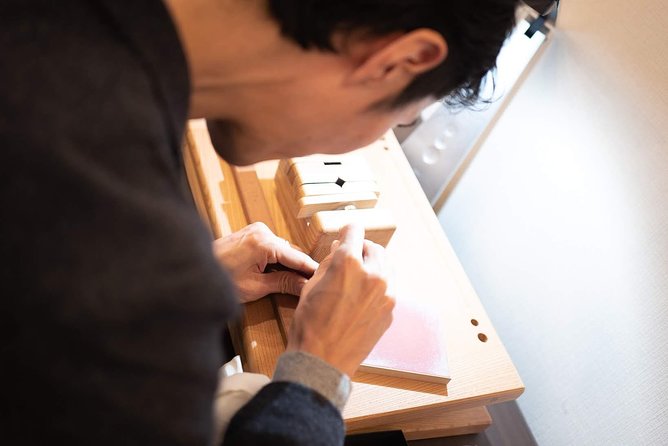
- How the 45 Minutes Are Likely to Flow
- The Value of a $131.65 Souvenir
- The Personal Attention Makes the Difference
- Who Will Enjoy This Most
- Practical Booking Advice for Kamakura
- Should You Book the Kamakura Hanko Workshop?
- FAQ
- How long does the Hanko activity last?
- Where does the activity take place?
- How far is the shop from Kamakura Station?
- What is included in the base price?
- What name style is used for the seal?
- Can I choose the material?
- Is a Hanko case included?
- When can I collect the finished seal?
- Is cancellation free?
Key Points Before You Book
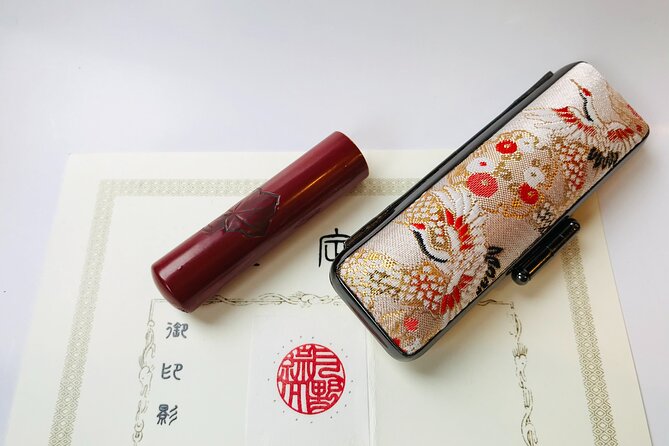
- Your name becomes a Japanese seal: You receive help writing your name in katakana and selecting characters that suit the design.
- The workshop is private: Only your group takes part, so you can ask questions without competing for the guide’s attention.
- The craftsman explains the culture: You learn about Hanko types, fonts, materials, ink, and traditional uses.
- The basic seal is included: The package includes the Hanko, engraving in katakana, and an original pouch.
- Upgrades can raise the cost: Horn, wood, gemstone, upgraded typefaces, and decorative cases cost extra.
- Plan around a later pickup: You choose an afternoon pickup time, or pay for shipping instead.
Turning Your Name Into a Japanese Hanko
The heart of this activity is simple: you arrive with your name, and you leave with a small object that could not have been made for anyone else.
Your name is written in Japanese, usually in katakana for foreign names. This is not just a matter of translating letters one by one. The craftsman helps shape the name into characters that work well inside a circular seal and reflect the look you want.
You also choose a font. Some styles are easier to read, while others look more formal, artistic, or compact. The workshop recommends a katakana style suitable for official seals, though your Hanko here is best understood as a personal keepsake unless you have a specific legal use in Japan.
I like this part because it gives you a small lesson in how Japanese writing works. You are not simply selecting a souvenir from a shelf. You are making choices about form, balance, and character placement, with help from someone who works with seals every day.
The result is personal without being too difficult. You do not need to know Japanese before arriving, and the craftsman guides you through the unfamiliar choices. Previous customers have found that the proprietor explains the symbols and fonts patiently, which matters when a small design decision will appear on your finished seal for years.
More craft workshops in Kamakura:
- Tokyo Shinjuku Chopsticks Making Class
★ 5.0 · 1,763 reviews - Kintsugi Experience: Art of Golden Joinery in Tokyo
★ 5.0 · 467 reviews - Authentic Pure Gold Kintsugi Workshop with Master Taku in Tokyo
★ 5.0 · 217 reviews
What You Learn About Hanko Culture
The introduction covers the history and different styles of Japanese name seals. You learn that Hanko have long represented a person’s name and identity, and that seals can differ by purpose, material, shape, and level of formality.
The explanation also covers ink colors and how seals are used. That context gives the activity more weight than a standard name-stamping craft. A Hanko is tied to everyday Japanese culture, business practice, personal documents, and traditional arts.
You should not expect a long lecture. The listed duration is about 45 minutes, so the talk is designed to lead into your own design choices. That compact format works well during a day in Kamakura, especially if you want a cultural activity that does not consume half your sightseeing schedule.
The workshop’s strongest feature is the direct attention. This is a private activity, not a large class. You can ask why one typeface works better than another, compare materials, and take your time making a decision. The proprietor is described as a third-generation craftsman, and the care taken with the work is part of the appeal.
Choosing Katakana, Font, and Finish
After the introduction, you settle on the main design.
The standard option uses katakana engraving, and the staff helps you write your name in Japanese. You can ask for guidance on the characters and how they fit together. If you are making seals for two people, each person can create a separate design rather than sharing one generic stamp.
The font affects the entire look. A clear typeface may make your name easier to recognize, while a more decorative style gives the Hanko a stronger artistic feel. I recommend asking to see the differences before choosing. A design that looks impressive on a sample may not suit the number of characters in your name.
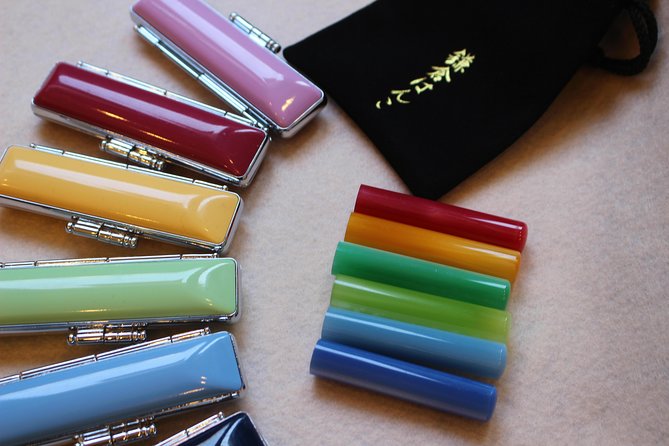
The workshop can also involve choices about material and color. The information provided describes acrylic as an available engraved material, while the included package lists a Japanese boxwood Hanko. Horn, wood, and gemstone options are available for an additional fee. Because the standard material description is not perfectly consistent, ask the shop to confirm exactly what the base price includes before paying for upgrades.
That small check is worthwhile. The standard price already covers the seal, katakana engraving, and original pouch, but the final cost can rise if you select premium materials or a more elaborate typeface.
The Engraving: Machine Precision, Hand-Finished Work
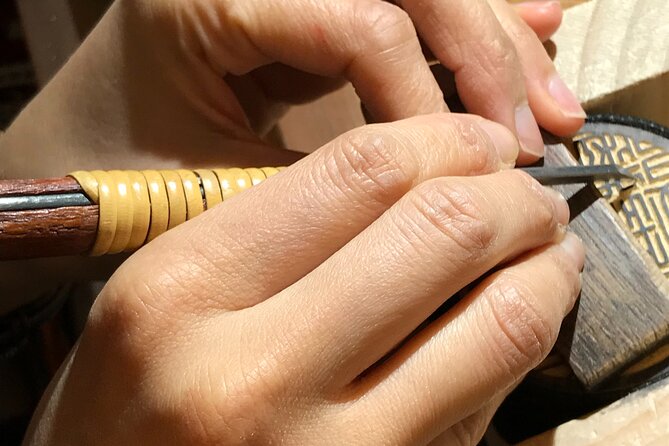
The shop uses a two-stage process.
An engraving machine performs the initial rough carving. That gives the design a precise starting point and keeps the characters properly placed. A skilled craftsman then adds the final touches by hand.
That combination is a useful detail to know. This is not presented as a seal carved entirely by hand from the first mark, but it is also not a fully automated product. The machine handles the rough work, while hand finishing gives the Hanko its final care and character.
The seal is individually made in Japan, and the finished piece is described as a work of art. You can expect a small object rather than a large decorative item, so its value comes from the design, cultural meaning, and craftsmanship.
You will not watch every stage during the short workshop. The seal needs preparation after you make your choices. The shop asks you to select an afternoon pickup time, and shipping can be arranged if you do not want to return.
More Kamakura and Enoshima days:
- Tokyo: Kamakura & Enoshima Day Trip including Temple Tickets
★ 4.5 · 1,375 reviews - Tokyo: Mt. Fuji, Kamakura, Big Buddha, & Lake Ashi Day Trip
★ 4.5 · 867 reviews - From Tokyo: Kamakura & Enoshima 1-Day Bus Tour
★ 4.5 · 189 reviews - Kamakura Historical Walking Tour with the Great Buddha
★ 5.0 · 129 reviews
Why the Pouch and Case Matter
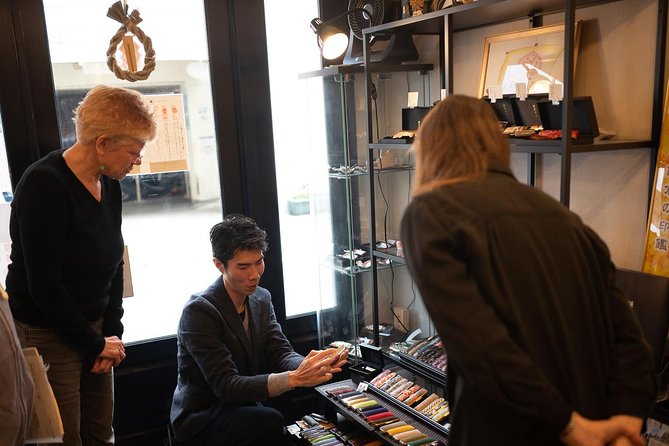
The original pouch is included, which gives you a practical way to protect the Hanko on the journey home.
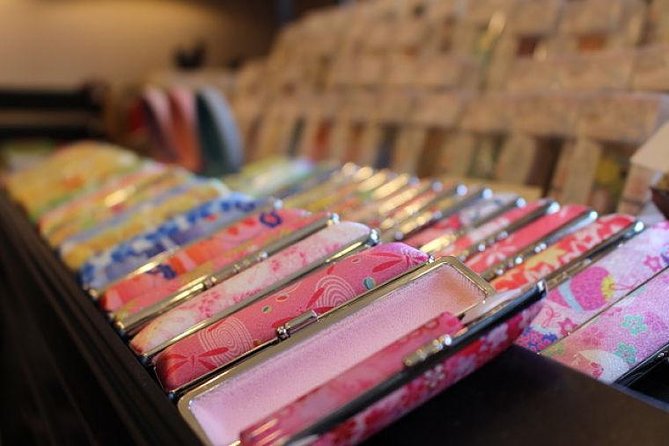
A separate case is available for purchase. You can choose the type and color of the case, and some decorative options may use kimono fabric. These extras are not required, but they can turn the seal into a more finished gift.
I would treat the case as optional rather than an automatic part of the experience. The pouch covers the basic need, and the case adds cost. If you are watching your budget, spend your time choosing the seal itself and skip the decorative add-on.
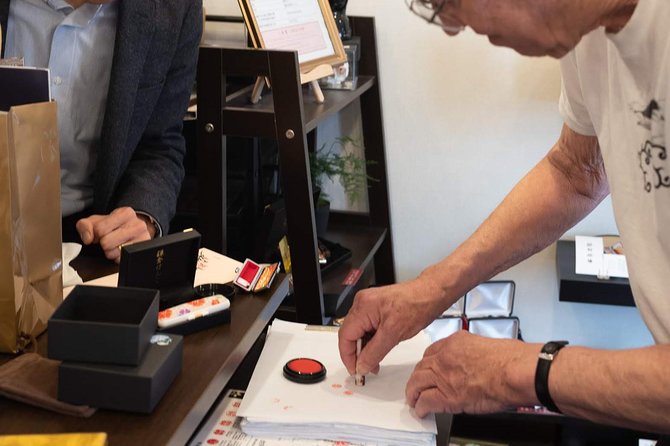
The workshop also lists red ink as not included. That is easy to overlook. If you want to use your Hanko right away, ask about purchasing ink at the shop. The seal may look complete without it, but a stamp needs ink to do its job.
A Convenient Stop Near Kamakura Station
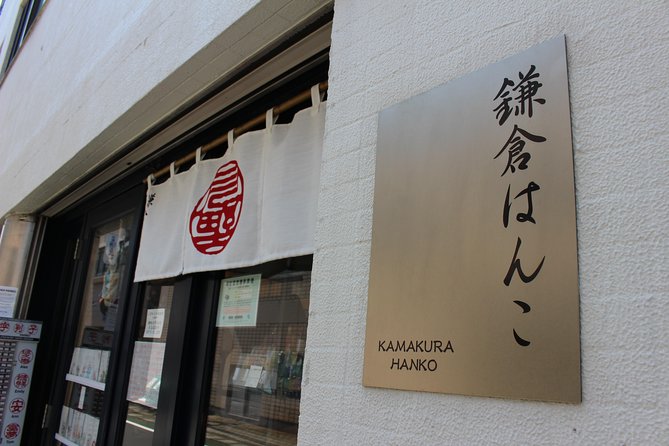
The shop is at 5-6 Onarimachi, south of Kamakura Station. The walk takes about five minutes, making this one of the easier cultural activities to fit around a visit to the town.
That location matters. Kamakura is full of temples, shrines, shops, and food stops, so you can place the workshop near the beginning of a sightseeing day and collect the finished seal later. The activity begins and ends at the shop, with no transport between stops.
The experience is listed as morning-only, while finished seals are picked up in the afternoon. Arrive punctually because the staff needs time to prepare the design and engraving. If you arrive late, you may cut into the explanation and design period.
The activity is near public transportation, and most people can participate. The available information does not provide detailed accessibility specifications, so contact the provider if you need information about the shop entrance, seating, or mobility arrangements.
How the 45 Minutes Are Likely to Flow
The visit has one main stop, Kamakura Hanko, but it has several clear stages.
First, the craftsman explains Hanko culture, types, materials, and fonts. This is where you learn why a name seal can carry more meaning than a normal souvenir stamp.
Next, you work out your name in katakana. You receive help with the characters and how they will fit within the seal. This is the most interactive part of the workshop and the point when you should ask questions.
Then you choose a font and material. The standard package includes the basic Hanko and katakana engraving, while premium materials and upgraded typefaces cost more. You can also look at cases, though the case is sold separately.
Finally, the shop confirms when you can collect the finished piece. The stated arrangement is afternoon pickup, with shipping available for an extra fee. Some customers have received the finished seal within a couple of hours, while others have arranged delivery to a hotel or another address. Since timing can vary, confirm the exact pickup or shipping plan before leaving the shop.
The Value of a $131.65 Souvenir
At $131.65 per person, this costs far more than buying a ready-made stamp. The price makes sense only if you value the explanation, private instruction, custom design, and craftsmanship as part of the purchase.
You are paying for a guided cultural activity and a made-to-order object. The seal is engraved for you, and the package includes the Hanko, katakana engraving, and a pouch. That is stronger value than a generic souvenir if you enjoy objects with a story and a clear connection to the place you visited.
Still, the extras require attention. Horn, wood, gemstone, premium typefaces, cases, and red ink are not all part of the base price. Shipping also costs extra. If you are tempted by the display materials, set a budget before the workshop begins.
I see the value most clearly for people who collect handmade items, enjoy Japanese design, or want a small gift with personal meaning. If you only want a low-cost memento from Kamakura, this will feel expensive.
The Personal Attention Makes the Difference
The private format is a major advantage.
You and your group receive the proprietor’s full attention rather than sharing a crowded demonstration. That gives you room to ask about character choices, ink colors, materials, and the meaning of different seal styles.
The proprietor is identified in the experience details as Mitsuhiro, while the shop’s responses are signed TSUKINO. You may meet Mitsuhiro or another member of the family workshop, but the tone of the activity is clearly centered on direct instruction from the people who make the seals.
The craftsman’s approach is described as careful and not pushy. That matters because the material upgrades could easily turn a simple workshop into a sales pitch. Here, the choices are explained with their benefits and costs, allowing you to decide how much you want to spend.
Communication should be workable for English speakers. The shop has handled visitors from several countries, and the experience details specifically note that the owner speaks English. Still, the design process involves Japanese characters, so take your time and confirm the final spelling before engraving.
Who Will Enjoy This Most
I would recommend this activity to you if you like cultural experiences that produce something tangible.
It suits couples and friends particularly well. Each person can design a different seal, and the private setting gives both of you time to compare materials and fonts. It also makes a thoughtful family activity, though the 45-minute workshop is best for anyone willing to focus on the explanation and design.
Art and craft fans will get the most from the engraving process. You will learn how traditional seal work now combines machine precision with hand finishing, and you can see how a small object becomes personal through writing and proportion.
This is less suitable if your Kamakura schedule is tightly packed from morning to night. The workshop itself is short, but you still need to return for afternoon pickup unless you arrange shipping. It is also not the best choice if you dislike paid upgrades or want a souvenir with no added decisions.
Practical Booking Advice for Kamakura
The activity is commonly booked well ahead, with an average booking time of about 59 days in advance. That does not guarantee every date fills early, but it suggests you should reserve before your Kamakura day is fixed.
A mobile ticket is provided, and confirmation arrives at booking. Free cancellation is available if you cancel at least 24 hours before the local start time. Changes or cancellations inside that window are not accepted for a refund.
Book the workshop for a morning when you already plan to visit Kamakura. Afterward, continue sightseeing and return in the afternoon for the seal, or arrange shipping if you will not be nearby.
Because the experience is private, you are not choosing between several class sizes. You are mainly choosing a suitable date and making sure you have enough time for pickup. Arrive on time, bring the name spelling you want to use, and ask about the standard material before selecting an upgrade.
Should You Book the Kamakura Hanko Workshop?
Book it if you want a personal souvenir, enjoy Japanese craft, and have room in your Kamakura schedule for afternoon pickup. The private format, careful explanations, and custom katakana design give the experience more substance than a simple shopping stop.
Skip it if $131.65 feels high for a small object, if you need to leave Kamakura immediately after the workshop, or if you are looking for a quick, inexpensive activity. For the right visitor, though, a Hanko is a fine kind of souvenir: compact, useful for stamping cards or paper, and tied directly to your name and your time in Japan.
FAQ
How long does the Hanko activity last?
The workshop lasts approximately 45 minutes.
Where does the activity take place?
It takes place at Kamakura seal shop, Kamakura Hanko, at 5-6 Onarimachi, Kamakura, Kanagawa 248-0012, Japan.
How far is the shop from Kamakura Station?
The shop is about a five-minute walk south of Kamakura Station.
What is included in the base price?
The package includes the Hanko, katakana engraving, and an original pouch. The included details list the Hanko as Japanese boxwood.
What name style is used for the seal?
The standard engraving is in katakana. The staff helps you write your name in Japanese and choose a suitable style.
Can I choose the material?
Yes. Acrylic is described as an available material, while the included package lists Japanese boxwood. Horn, wood, and gemstone materials cost extra, so confirm the current base material and upgrade prices at the shop.
Is a Hanko case included?
No. A Hanko case is sold separately. You can choose the type and color if you decide to purchase one.
When can I collect the finished seal?
You choose an afternoon pickup time on the day of the experience. Shipping is also available for an additional fee if you prefer not to collect it.
Is cancellation free?
You can cancel for a full refund up to 24 hours before the experience start time. Cancellations or changes made less than 24 hours before the start time are not refunded.
New on our Kamakura list
- 1-Day trip: Kamakura City (Enoshima/Shonan/Beach)★ 4.7 · 3 reviews
- Kamakura Zen: Great Buddha, Nature, Bamboo & Samurai Culture★ 5.0 · 3 reviews
- Kamakura Half Day Walking Tour with Local Experience★ 3.4 · 4 reviews
- Hiking Tour in Enoshima with a Local Guide★ 5.0 · 4 reviews
- Kamakura Tour with Pro Photographer: Anime Train & Fuji Sunset★ 5.0 · 4 reviews
- Kamakura Private Custom Tour★ 5.0 · 4 reviews
- Kamakura Historical and Cultural Day Trip with Local Cuisine★ 5.0 · 4 reviews
- Kamakura Full-Day Private Tour★ 5.0 · 4 reviews
Japanese Culture Workshops, compared.
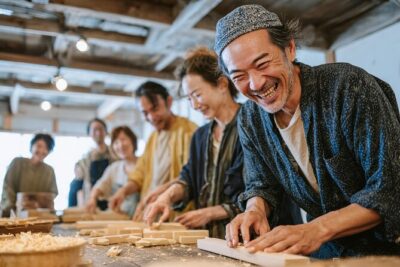
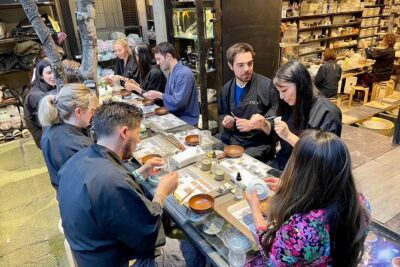
Kintsugi Experience: Art of Golden Joinery in Tokyo
Read our review →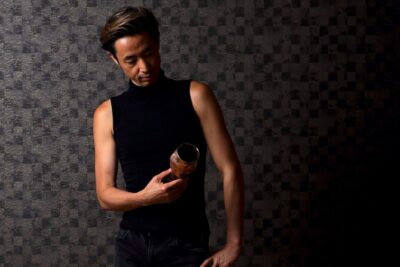
Authentic Pure Gold Kintsugi Workshop with Master Taku in Tokyo
Read our review →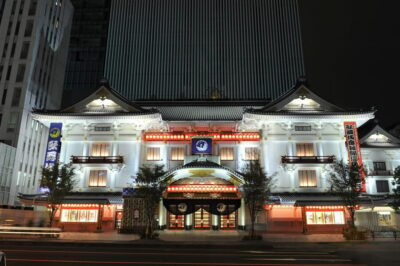
KABUKI Show at Kabukiza Theatre Admission Ticket
Read our review →
KABUKI, BUNRAKU, etc. presented by National Theatre
Read our review →
Kintsugi Workshop Class in Shibuya, Tokyo with mon cadeau
Read our review →
Browse the lists this tour appears in