
Reviewed · TEA CEREMONIES
At an Antique Shop, Tea Ceremony and Japanese Sweets Forming
The most unusual part of this Tokyo experience is the setting: you make nerikiri wagashi inside a 100-year-old roadside antique tableware shop, not in a plain apartment room. I like that you can choose the teacup for your tea, with some pieces several hundred years old. I also like the calm, hands-on sweets lesson, which feels more personal than simply watching a tea ceremony.
The main consideration is communication. The host is a Japanese artisan whose English is limited, though the activity is offered in English and the teaching is careful and friendly. This is also not a quick stop for young children, since participants must be at least 13 and the experience is not suitable for wheelchair users or people with vertigo, epilepsy, or a cold.
In This Review
- Key Points at a Glance
- Why the Antique Shop Matters
- Shaping Nerikiri, Japan’s Seasonal Sweet
- Choosing an Antique Cup for Matcha
- A Tea Ceremony Built Around Conversation
- What the Visit Feels Like From Start to Finish
- Is $57 a Fair Price?
- Who Should Book This Experience?
- Small Details That Improve the Visit
- Should You Book It?
- FAQ
- Where does the tea ceremony and sweets activity take place?
- How much does the experience cost?
- What kind of Japanese sweet do I make?
- Can I choose the teacup I use?
- Is the tea ceremony performed while sitting on the floor?
- Is the experience offered in English?
- Who cannot participate?
Key Points at a Glance
- A century-old roadside shop: Explore an antique tableware store that has attracted attention from CNN.
- Choose your own teacup: Some cups and bowls are several hundred years old, adding real character to the tea service.
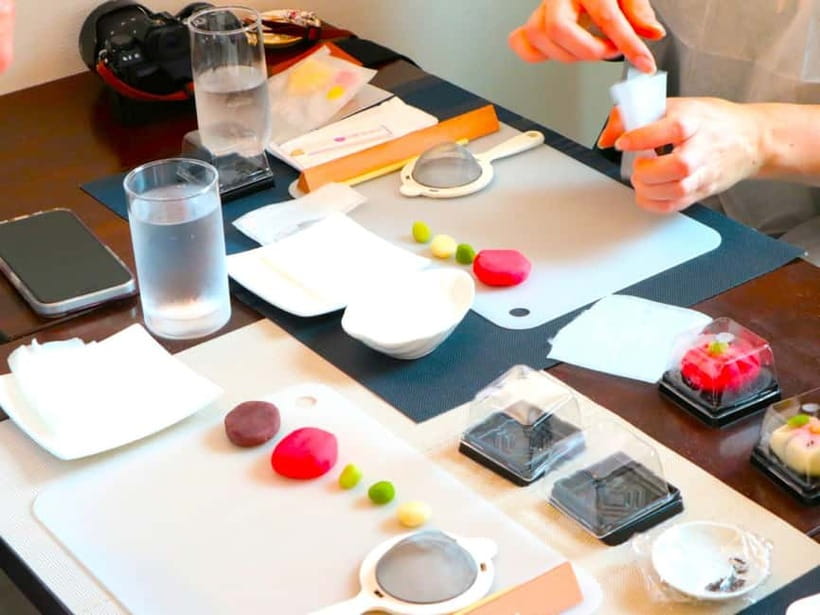
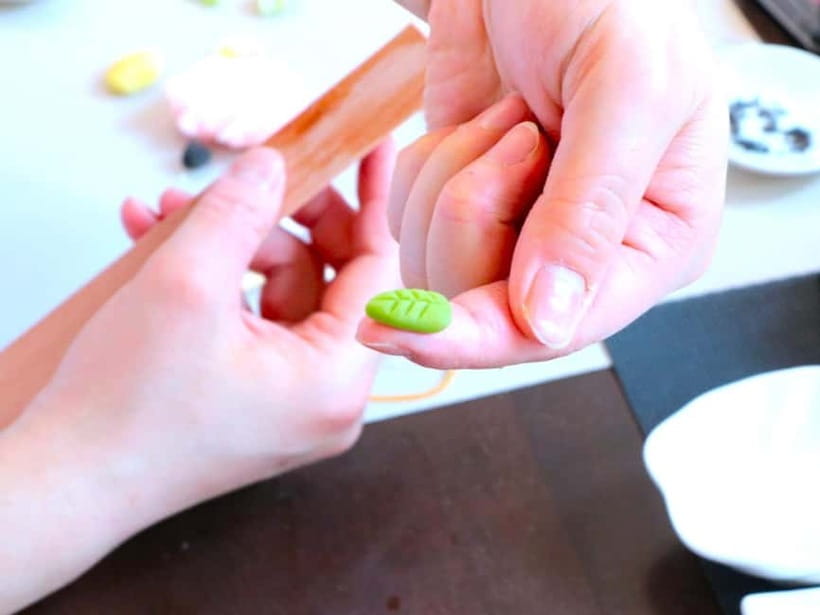
- Make seasonal nerikiri: Shape colored mochi-based sweets by hand, using tools to add fine lines and details.
- Tea in a dedicated room: Sit in a chair rather than on the floor while eating your sweet and drinking matcha.
- A calm, question-friendly lesson: The host welcomes questions and aims to help you understand the meaning behind the tea ritual.
- Easy access from Nippori: The shop is about 10 minutes from Nippori Station, with the exact location supplied after booking.
Why the Antique Shop Matters
Tokyo has no shortage of tea ceremony activities. Some take place in hotel rooms, rented studios, or ordinary apartment buildings. This one begins in a working antique tableware shop, and that changes the mood before the formal tea begins.
When you arrive, you have time to look around the shop. I would use that time well. The objects around you are not just decoration for a themed activity. They are the sort of bowls, cups, and tableware that give Japanese tea culture its visual language. You can inspect old pieces at close range, then choose the cup used during your own tea service.
Some of the teacups are several hundred years old. That does not mean every item in the store has that age, so you should treat the collection with care and follow the host’s instructions. Still, the chance to select a cup with genuine age gives the experience a personal touch that a standard classroom usually cannot provide.
The shop was also interviewed by CNN, which helps explain why this small activity has drawn attention beyond the local area. The important point for you is not the publicity itself. It is that the setting has a real identity. You are visiting a long-running antique shop that also happens to host a carefully arranged cultural lesson.
More tea rooms worth booking:
- Matcha Making Class in Tokyo with Authentic Japanese Sweets Set
★ 5.0 · 744 reviews - Tokyo: Traditional Tea Ceremony with a Tea Master
★ 5.0 · 528 reviews - Tokyo: Matcha Making Experience with Mochi Sweets in Asakusa
★ 4.9 · 388 reviews
Shaping Nerikiri, Japan’s Seasonal Sweet
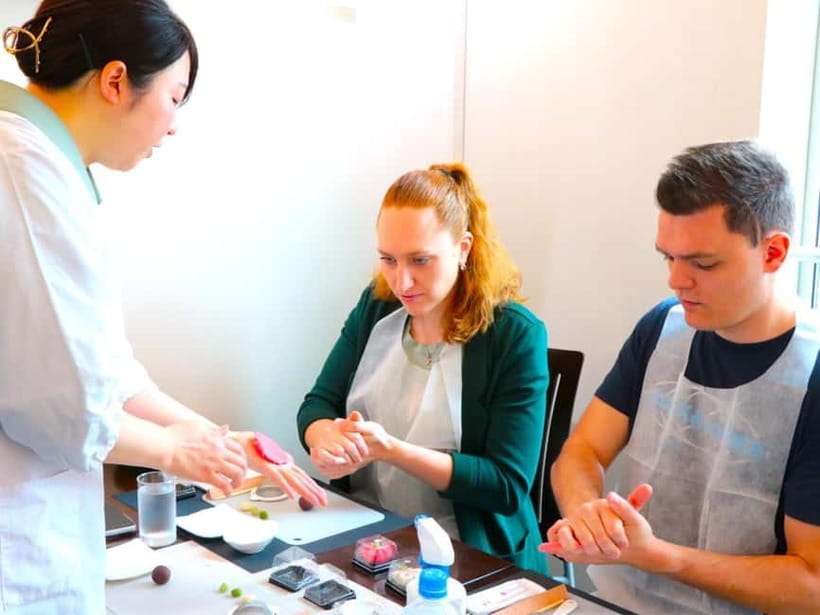
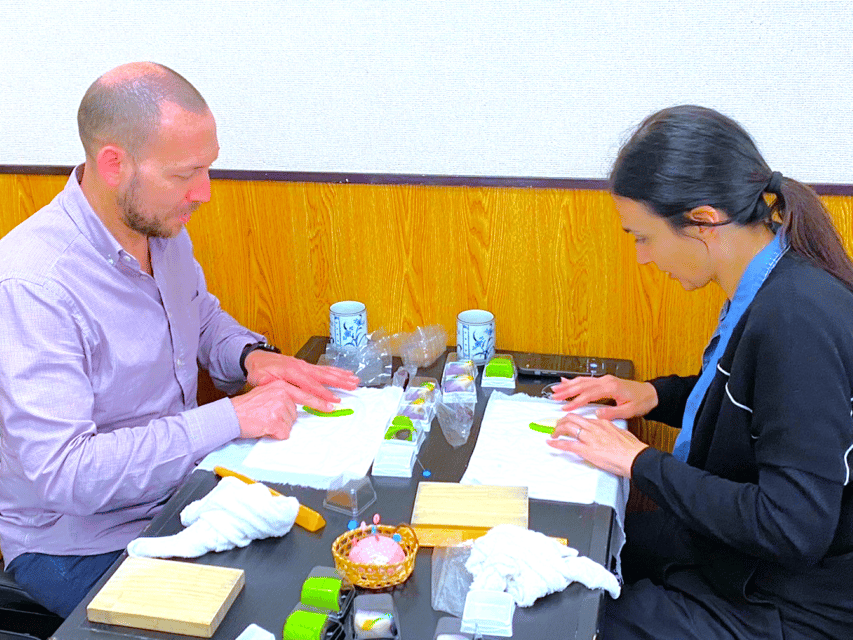
The sweets portion comes before the tea ceremony. You work with nerikiri, a traditional wagashi made with mochi flour and colored ingredients. The activity is described as being similar to working with colorful clay, so you do not need serious cooking or artistic experience.
That is good news if you are nervous about making something delicate. You are not expected to arrive with knowledge of Japanese sweets. The instructor guides you through forming several colored pieces into the day’s design, then adding lines and other details with small tools.
This is a tactile lesson. You use your hands to shape the dough, rather than simply watching an expert make one perfect sweet. The goal is to show seasonal beauty through color and form. The exact design changes with the day’s theme, so you should expect a seasonal figure or pattern rather than one fixed item every time.
I like this part because it gives you something to do while also teaching you how much care goes into a small wagashi. A finished nerikiri may look simple from a distance. Up close, the lines, layers, and color changes require patience. Even a slightly uneven result can help you understand the handwork involved.
The experience is also described as easy and fun for people with little creative or cooking experience. I would still expect to slow down and follow instructions closely. Fine details are part of the point, and rushing would make the shaping less enjoyable.
A practical note: nerikiri is a sweet made with mochi flour, but this is not presented as a full cooking class. You are forming prepared materials into a finished design. If you want a lesson on recipes, baking, or a broad survey of wagashi, this may feel limited. If you want a hands-on introduction to one beautiful Japanese sweet, it fits well.
Choosing an Antique Cup for Matcha
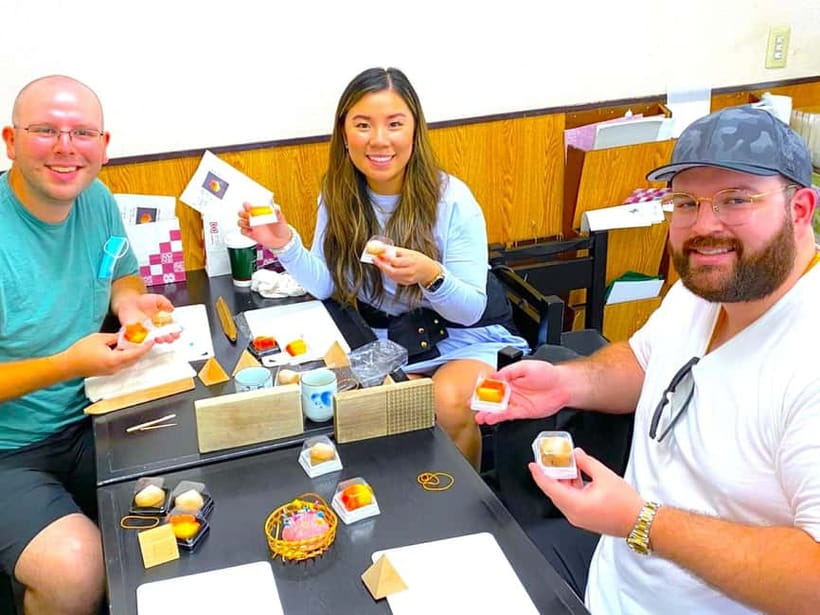
After making your sweet, you move to a dedicated tea room. Here, you eat the nerikiri and drink matcha served by the host.
The room uses chairs, so you do not have to sit on the floor in a traditional kneeling position. That makes the activity more comfortable for many people, especially anyone who likes the formality of tea ceremony but does not want a physically demanding sitting arrangement.
The teacup you selected earlier becomes part of the experience. I find that detail more meaningful than being handed an anonymous cup. You have already seen the collection, considered the shapes and designs, and made a choice. The cup then connects the antique shop visit with the tea service.
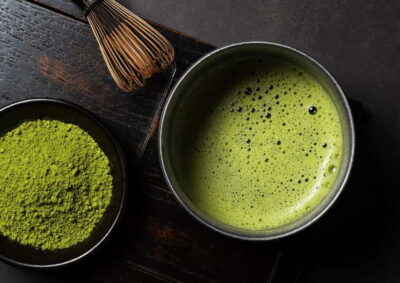
The matcha is described as real, unsweetened powdered green tea. That matters because matcha served in cultural activities is not always prepared in the same way. You should expect a distinct, concentrated tea flavor rather than a sweet green tea drink.
The sweet is served before the tea. This order helps balance the bitterness of matcha. Take a small bite of the nerikiri first, then sip the tea and notice how the flavors work together. You do not need to be a tea expert, and there is no need to pretend you enjoy a flavor you do not like. The host welcomes questions, which makes it easier to ask about taste, utensils, gestures, or the order of service.
A Tea Ceremony Built Around Conversation
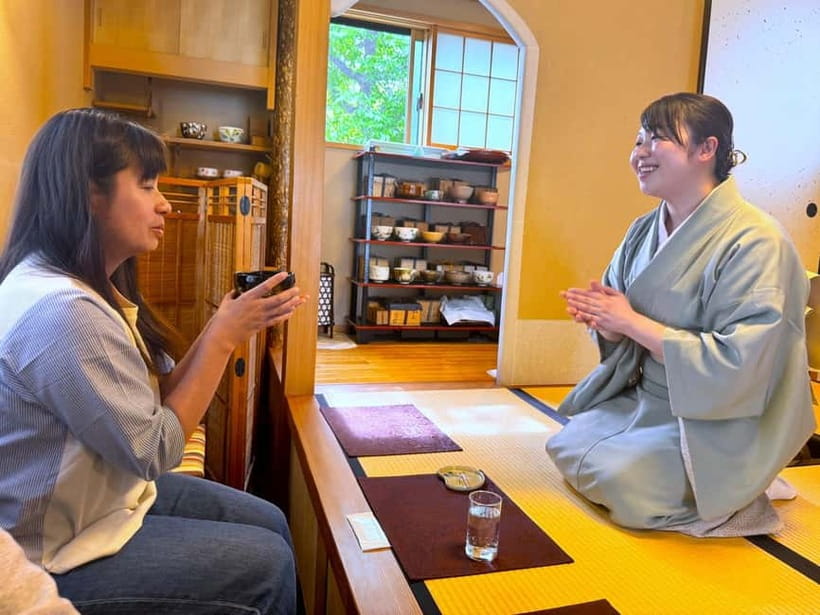
The host describes questions as an important part of the ceremony. That is useful for first-time visitors, since tea ceremony can otherwise feel like a sequence of movements you are expected to watch silently.
I would prepare a few simple questions before arriving. You could ask why a particular cup was chosen, how the seasonal sweet is designed, why matcha is served after the confection, or what makes one tea bowl suited to a certain occasion. The information provided does not promise a long lecture, but it does make clear that conversation is welcome.
The instructor is a Japanese artisan rather than a polished commercial presenter. English is not his first language, and the activity notes that he may not speak it fluently. You should be patient with explanations and willing to communicate through demonstrations, simple questions, and gestures.
That language point is worth taking seriously. If you want a fast, highly scripted lesson with extensive historical commentary in fluent English, this may not be the best choice. If you value direct contact with a craftsperson and do not mind a slower exchange, the limitation can be manageable.
The strongest praise for this experience centers on the teaching. The instructor is described as friendly, careful, and willing to take time to make the activity work for each person. That is especially important during the sweets forming, where a small demonstration can explain more than a long speech.
A few more Tokyo bookings worth comparing
- Make Traditional Nerikiri Sweets & Matcha experience in Shibuya
★ 5.0 · 130 reviews - Private Mochi Sweets Making class near Shibuya area
★ 5.0 · 93 reviews - Japanese Traditional Sweets making and Tea Ceremony
★ 4.7 · 50 reviews - Tokyo Local Food Tour: Noodles, Skewers, Dumplings, Sweets
★ 5.0 · 48 reviews
What the Visit Feels Like From Start to Finish
The meeting point is the antique shop, about 10 minutes from Nippori Station. Exact location details are provided after you reserve, so you should allow enough time to find the shop and arrive before the scheduled start.
The visit follows a clear sequence:
- Arrive and inspect the tableware. Take time to look through the antique shop before the lesson begins.
- Choose a teacup. Select the cup you will use during the tea portion, with some pieces dating back several hundred years.
- Form nerikiri. Work with colored mochi-based materials and tools to create the day’s seasonal design.
- Enter the tea room. Move to the chair-based tea room for the formal part of the activity.
- Eat and drink. Enjoy your own wagashi with matcha served by the host.
- Ask questions. Use the conversation to learn more about the objects, sweets, tea, and ceremony.
The activity ends back at the meeting point. No transportation between stops is needed, and the location near Nippori makes it possible to pair with sightseeing in the area. The exact total duration is not provided, so do not plan another appointment too tightly afterward.
Late arrival is a real concern. The program ends at its scheduled time even if you arrive late, and there is no indication that missed time is added at the end. Unwell participants and people under the influence of alcohol are not permitted to join, with no refund in those cases.
Is $57 a Fair Price?
At $57 per person, this is not the cheapest way to drink matcha in Tokyo. You can find tea and wagashi for much less at a café or department-store food hall.
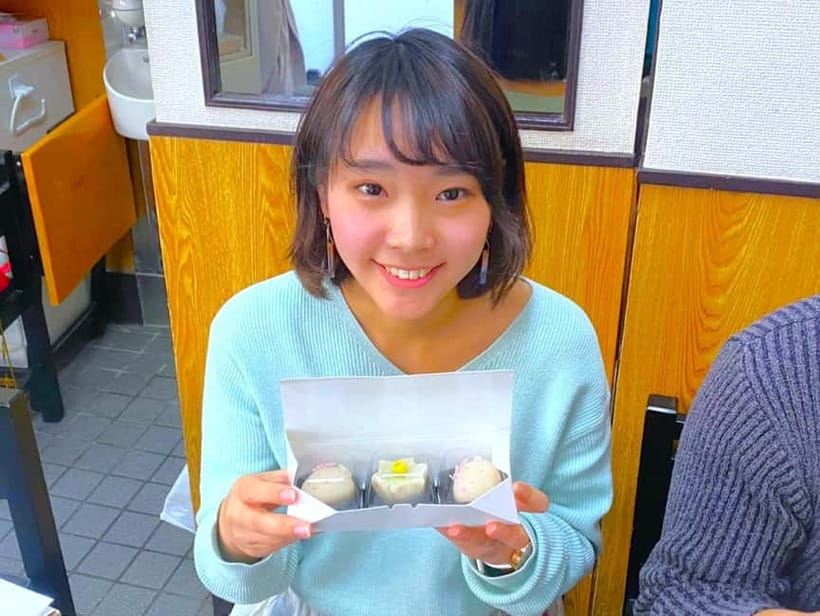
The price makes more sense when you consider what is included: the facility, tools, materials for the nerikiri, matcha, the sweet, and consumption tax. You are also paying for instruction, access to a century-old antique shop, time to choose a historic cup, and use of a dedicated tea room.
I see the value in the combination. A basic tea tasting might last only long enough to drink one bowl. A sweets workshop alone might not explain how the sweet fits into tea service. Here, the two parts connect. You make the confection, then eat it in the ceremony with matcha.
The price is less attractive if your main goal is shopping. Antique tableware purchases are not included, though you may buy pieces from the store if something catches your eye. I would set a separate budget for that and avoid treating the activity fee as store credit.
It is also a better value for someone who wants a focused cultural experience than for someone looking for a broad Tokyo tour. There is no sightseeing transport, meal, or large-scale entertainment. The value lies in a small group setting, craft instruction, and access to an unusual venue.
Who Should Book This Experience?
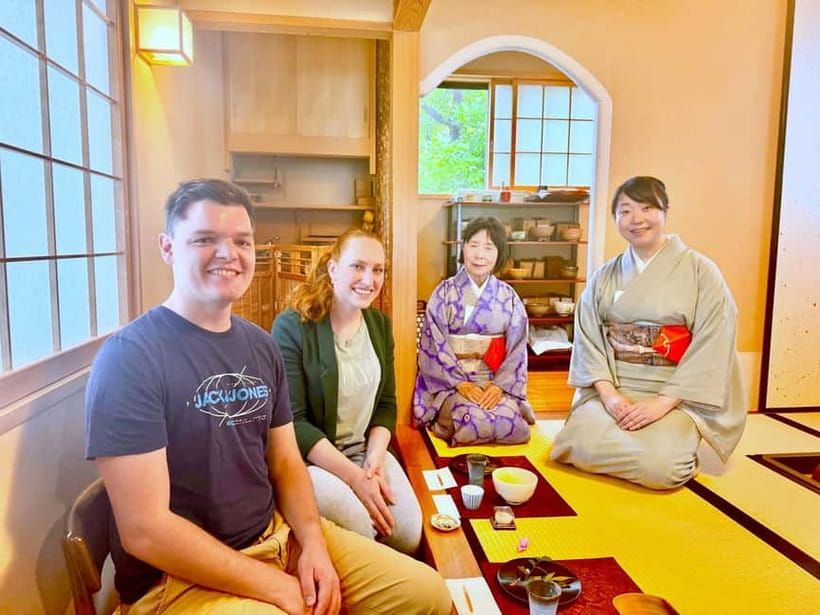
I would recommend it to adults and teenagers who enjoy making things with their hands and want more context than a simple photo opportunity. It suits couples, friends, solo visitors, and families with teenagers aged 13 or older.
It is particularly good for you if:
- You enjoy Japanese ceramics, antiques, or tableware.
- You want to try matcha in a setting connected to tea culture.
- You like small workshops more than large group demonstrations.
- You are curious about wagashi and seasonal design.
- You are comfortable asking questions through simple English and demonstrations.
- You prefer chair seating to sitting on the floor.
I would hesitate if you want a fluent English lecture, a full cooking class, or a relaxed drop-in activity where being late does not matter. It is also not suitable for children under 13, wheelchair users, people with vertigo or epilepsy, or anyone who is ill.
Bare feet are not allowed, and smoking, chewing gum, alcohol, and drugs are prohibited. Strollers and baby carriages cannot be brought in, and minors under 18 must be accompanied by an adult.
Small Details That Improve the Visit
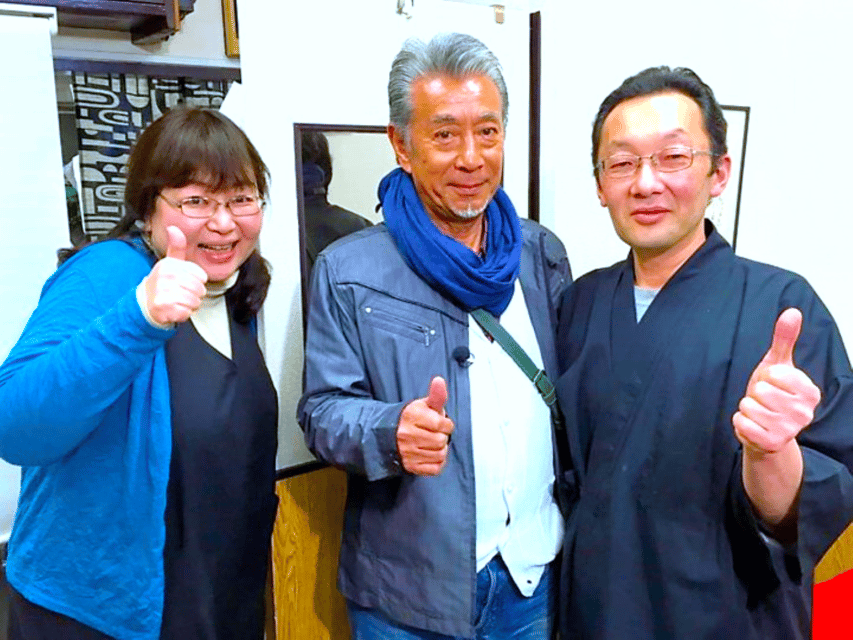
Arrive early. The shop itself is part of the experience, and arriving at the last minute would leave little time to look at the tableware before forming the sweets.
Wear something comfortable that lets you work carefully with your hands. The activity does not require special cooking skill, but you will handle colored dough and tools, so a relaxed pace helps.
Do not assume the oldest cup is automatically the best choice. Ask about the available pieces and select one that you find pleasing to hold and look at. The choice is part of the lesson, not a contest.
Keep your questions simple and specific. The host may not speak English fluently, but the activity is offered in English and the teaching is described as careful. A short question about the cup or sweet is likely to work better than a complicated request for a long historical explanation.
If you fall in love with a bowl or cup, ask about buying it. Antique purchases are separate from the $57 activity fee, and the shop may offer pieces for sale.
Should You Book It?
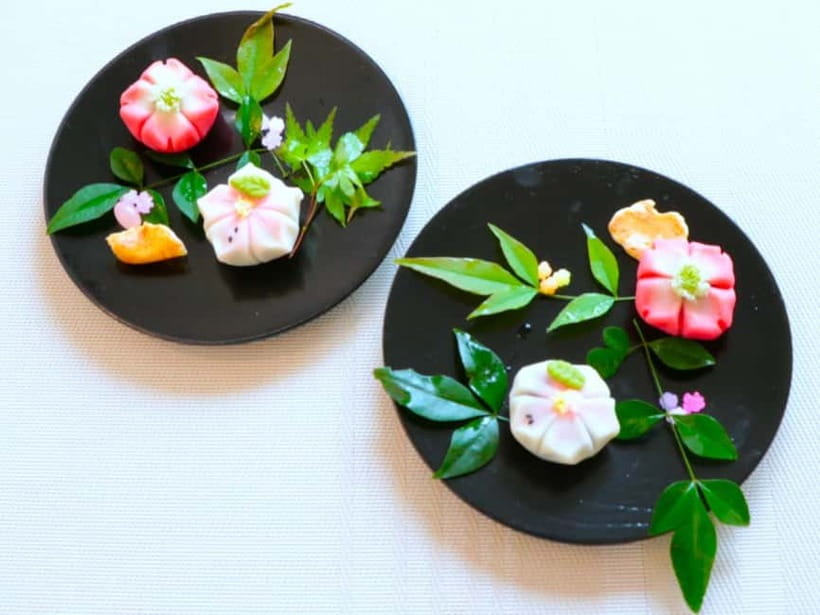
Book this experience if you want a quieter, more personal side of Tokyo and like the idea of making your own seasonal sweet before drinking unsweetened matcha. The century-old shop, historic teacups, chair-based tea room, and friendly artisan instruction give it more substance than a generic tea demonstration.
Skip it if you need fully fluent English, wheelchair access, child-friendly scheduling, or a clearly stated short duration. For the right visitor, $57 is a fair price for the setting and the two-part lesson, especially if antiques, ceramics, and Japanese food traditions interest you.
FAQ
Where does the tea ceremony and sweets activity take place?
It takes place in a 100-year-old roadside antique tableware shop in Tokyo, about 10 minutes from Nippori Station.
How much does the experience cost?
The price is $57 per person.
What kind of Japanese sweet do I make?
You make nerikiri wagashi, a Japanese sweet made with mochi flour. You shape colored materials by hand into a seasonal design.
Can I choose the teacup I use?
Yes. You can choose a teacup from the antique shop, and some of the pieces are several hundred years old.
Is the tea ceremony performed while sitting on the floor?
No. The dedicated tea room is designed for chair seating.
Is the experience offered in English?
Yes, English is listed as the available language. The host is a Japanese artisan and may not speak English fluently, but the activity information says he will do his best to guide participants.
Who cannot participate?
The experience is not suitable for children under 13, wheelchair users, people with vertigo, people with epilepsy, or people with a cold. Anyone under 18 must be accompanied by an adult. People who are unwell or under the influence of alcohol are not permitted to participate.
New on our Tokyo list
- Sumi-e Experience in a relaxing green tea shop in Tokyo★ 5.0 · 3 reviews
- Tokyo : Kamikaze Street Drift Ride★ 5.0 · 3 reviews
- Private Zen Meditation in English in Shinjuku, Tokyo★ 5.0 · 3 reviews
- Onsen Spa in Tokyo and Asakusa Bar Hopping with Local Guide★ 5.0 · 3 reviews
- Easy for everyone! Now you can play handmade mini shamisen and show off to everyone! Musical instruments, sweets and live music★ 5.0 · 3 reviews
- Tokyo: Private Tsukiji Street Food & Sake with Local Guide★ 5.0 · 3 reviews
- Mt Fuji Exploration Tour with Free Japanese Kusa Mochi from Tokyo★ 4.5 · 3 reviews
- Tokyo Tsukiji Fish Market Walking and Exploring Hidden Gems Tour★ 5.0 · 3 reviews
Tea Ceremonies, compared.
Matcha Making Class in Tokyo with Authentic Japanese Sweets Set
Read our review →
Matcha Making Experience with Mochi Sweets in Asakusa
Read our review →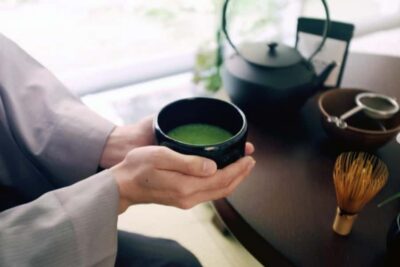
Tea Ceremony Workshop in Tokyo by the Experienced Instrucor
Read our review →
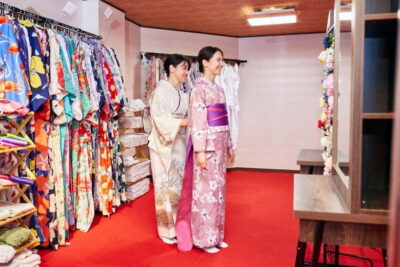

Make Traditional Nerikiri Sweets & Matcha experience in Shibuya
Read our review →Browse the lists this tour appears in