
Reviewed · KAMAKURA TOURS
Exciting Kamakura – One Day Tour from Tokyo
Kamakura gives you a striking change of pace from Tokyo: bronze Buddhas, wooded temple grounds, ocean views, and a town shaped by samurai rule. This private day trip takes you to four major sights, with a guide to explain what you are seeing and help you manage the trains and buses.
I like the hotel pickup and the fact that this is a private tour, so you can ask questions without trailing behind a large group. I also like the mix of sights: the famous Great Buddha, Hase-dera’s gardens and cave, Hokokuji’s bamboo grove, and Tsurugaoka Hachimangu’s broad shrine grounds.
The catch is the pace. You will spend about 8 hours and 30 minutes on your feet, using public transportation and covering several sites. The guides are often praised for their care and English, but communication and walking speed can vary, so tell your guide clearly if you need a slower pace or more time at a particular stop.
In This Review
- Key points to know before you book
- Why Kamakura makes a strong day trip from Tokyo
- Kotoku-in and the Great Buddha
- Hase-dera, gardens, and hydrangeas
- Hokokuji Temple and its bamboo grove
- Tsurugaoka Hachimangu and the samurai connection
- Guides can make or break the day
- Timing, walking, and the true cost
- Who will get the most from this Kamakura day?
- Should you book it?
- FAQ
- Where does the tour start?
- How long does the Kamakura tour last?
- Is this a private tour?
- Is transportation included in the tour price?
- Are temple entrance fees included?
- What sights are included?
- Do I need to be physically fit?
- Can I cancel for a full refund?
Key points to know before you book
- The private format makes train travel easier: Your guide meets you in your hotel lobby and helps with the route to Kamakura.
- Four major sights fit into one day: You visit Kotoku-in, Hase-dera, Hokokuji Temple, and Tsurugaoka Hachimangu Shrine.
- The Great Buddha is not the whole story: Gardens, a cave shrine, bamboo, ocean views, and samurai-era worship give the day variety.
- June and July can be especially beautiful: Hase-dera is known for its hydrangeas during this period.
- Plan for extra costs: The listed tour price is $145.31 per person, with transportation and temple admissions charged separately.
- You need moderate fitness: Expect multiple trains, local buses, stairs, and plenty of walking.
Why Kamakura makes a strong day trip from Tokyo
Kamakura was Japan’s political center from the 12th through the 14th century. That period shaped the town you see today, where Buddhist temples and Shinto shrines sit among hills, narrow streets, and the Pacific coast.
You can visit Kamakura on your own, but the challenge is not finding one famous statue. It is putting several sites together without wasting time on the wrong train, bus, or walking route. This tour is built around that problem. Your guide meets you at your Tokyo hotel at 9:00 a.m., then helps you reach Kamakura by public transportation.
That assistance matters most if this is your first trip to Japan. Several people have found Tokyo station and the train connections difficult to manage alone. Guides such as Yoshi, Yumi, Akira, Kono-san, and Yoshio have been praised for helping with train routes, local buses, transit cards, and timing.
The trip is private, so only your own party takes part. That gives you a more personal day than a standard group excursion. You can ask about Japanese history, request help with food choices, or pause for photographs. One guide even helped a visitor find gluten-free food, while another arranged a lunch stop suited to a guest with food allergies.
Still, this is not a chauffeured sightseeing trip. The transportation cost is listed separately at about ¥2,720 per person, and you should expect to ride trains and buses. You also need enough stamina for a full day of walking.
More Kamakura and Enoshima days:
- Tokyo: Kamakura & Enoshima Day Trip including Temple Tickets
★ 4.5 · 1,375 reviews - Tokyo: Mt. Fuji, Kamakura, Big Buddha, & Lake Ashi Day Trip
★ 4.5 · 867 reviews - From Tokyo: Kamakura & Enoshima 1-Day Bus Tour
★ 4.5 · 189 reviews
Kotoku-in and the Great Buddha
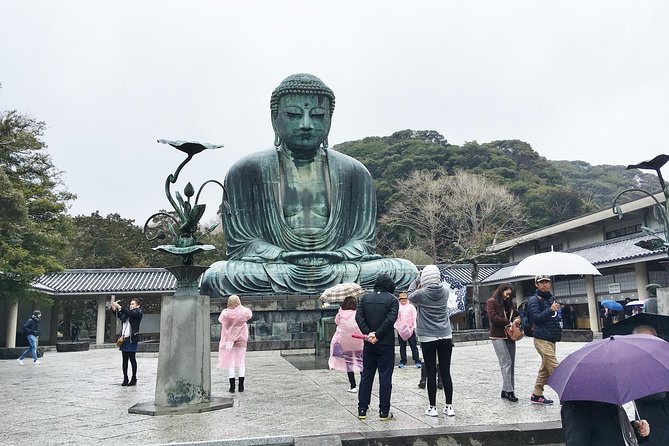
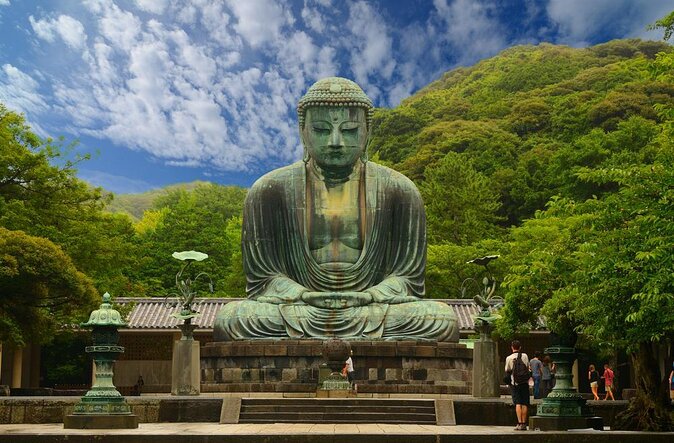
The day’s best-known sight is the Great Buddha at Kotoku-in. This bronze statue dates to the 13th century and has become Kamakura’s defining image.
You get about an hour here, which gives you time to see the statue, listen to your guide explain its place in Kamakura’s religious and political past, and take photographs. The scale is impressive, but the visit is not only about size. The open setting helps you appreciate the statue as part of a temple precinct rather than as an isolated monument.
You can also walk inside the Great Buddha. The interior is tight, so skip this small extra visit if enclosed spaces make you uncomfortable. It is a useful detail to know before you arrive, since the outside view is the main event and the interior is not for everyone.
The supplied information gives conflicting admission figures for Kotoku-in: the stop description lists ¥300, while the separate cost section lists ¥1,100. Treat the entrance fee as extra and confirm the current amount when booking or before departure. This is a small but important budgeting point.
A guide adds value here because the statue is easy to photograph but harder to understand without context. You will learn more about why Kamakura became a center of warrior government and why this particular Buddhist image carries such weight in the town’s identity.
Hase-dera, gardens, and hydrangeas
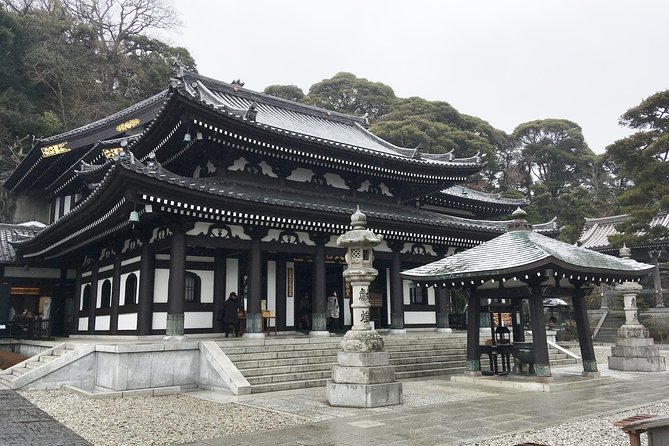
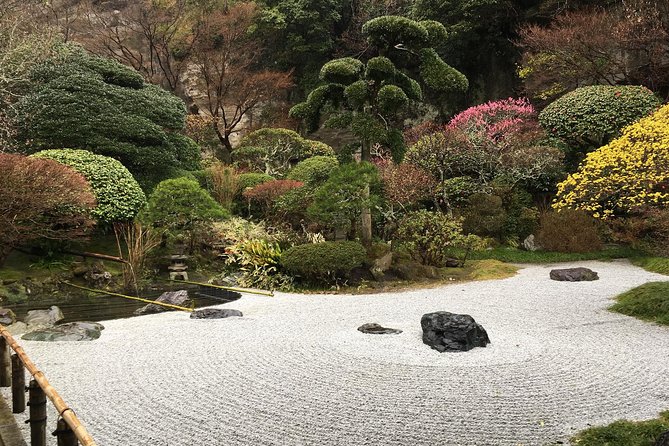
Hase-dera brings more variety than the Great Buddha. The temple was built in the 8th century and includes a Japanese garden, Buddhist statues, a cave shrine, and views toward the Pacific Ocean.
You get roughly an hour, so use the time well. Let your guide explain the temple’s Buddhist figures, then allow yourself a quiet look at the garden and the coastal view. The cave shrine gives the stop a different feel from the open grounds at Kotoku-in. It is unusual enough to be one of the day’s more memorable details.
Hase-dera is especially attractive in June and July, when hydrangeas bloom. The flowers are a major seasonal draw, but they can also make the site feel busier and affect how quickly you move through the grounds. If you are visiting during this period, ask your guide about the best places to pause for photographs.
Several guides have been praised for explaining the connection between Japanese emperors, shoguns, Buddhism, and local culture here. That background can turn a pleasant garden visit into a clearer picture of how religion and government developed side by side.
One practical point: temple admission is separate. The supplied information lists ¥400 for Hase-dera. The site may involve slopes or steps, so comfortable shoes are a must. You will enjoy this stop most if you do not treat it as a quick photograph and rush to the next place.
Hokokuji Temple and its bamboo grove
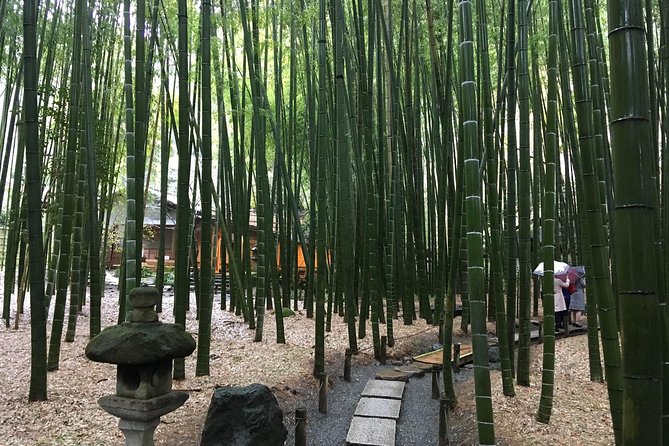
Hokokuji Temple is the quiet change of mood in the itinerary. Its main draw is a compact bamboo grove, which feels quite different from the broad grounds and famous statue at the earlier stops.
The temple dates to the 14th century. You have about an hour to walk among the bamboo and take in the setting. The grove is not a vast forest, so keep expectations realistic. Its appeal comes from the calm, close atmosphere and the contrast it provides after two major tourist sights.
A tea house is associated with the bamboo visit in several accounts of the day. If time allows, this can be one of the most restful moments of the tour. The supplied details do not guarantee a tea service or state that it is included, so consider it a possible extra rather than part of the fixed price.
The admission information is inconsistent here as well. The itinerary gives ¥400, while the separate cost section gives ¥300. Budget for an additional fee and check the amount locally.
Hokokuji suits you if you enjoy gardens, quiet temple spaces, and small details more than grand monuments. It may be less satisfying if you want a long, extensive bamboo walk. Your guide can help you understand why this temple feels distinct from the others and can keep the visit moving so the full route remains possible.
More day trips out of Kamakura:
- Day Trip to Kamakura & Enoshima: Shrines, Seaside, Temples & Tea
★ 5.0 · 32 reviews - Tokyo: Kamakura and Yokohama Private Day Trip with Guide
★ 4.6 · 27 reviews - Mt Fuji and Hakone 1-Day Bus Tour Return by Bullet Train
★ 5.0 · 26,383 reviews - 1-Day Tokyo Bus Tour
★ 5.0 · 14,250 reviews
Tsurugaoka Hachimangu and the samurai connection
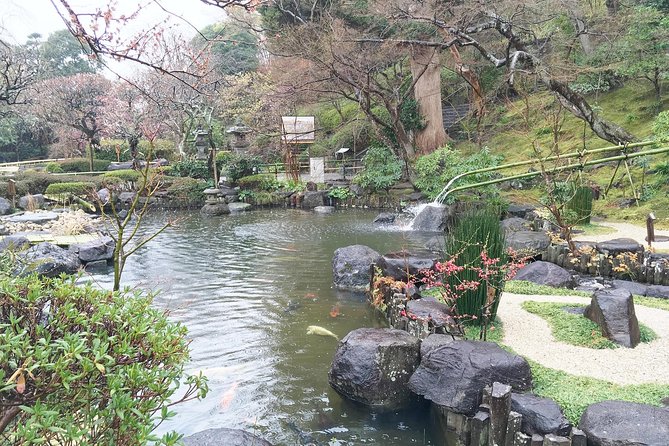
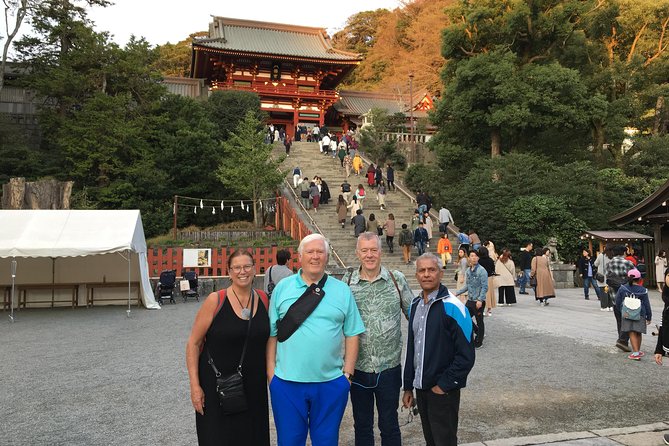
Tsurugaoka Hachimangu Shrine is the largest and most ceremonial stop of the day. It served as the guardian shrine of the Kamakura shogunate and was closely linked with warriors and military worship.
The shrine grounds give you about an hour to walk, look at the buildings, and take in the broad approach. This is a good place to connect the day’s religious sights with Kamakura’s role as the home of warrior government. Your guide can explain the difference between the Buddhist temples and this Shinto shrine, along with the way both traditions shaped Japanese life.
The shrine admission is free, which helps offset the separate fees at the temples. The grounds also offer peaceful natural details, including lotus and carp areas noted by visitors. These smaller features reward a slower look after the more famous stops.
Tsurugaoka Hachimangu is not simply a final box to check. It ties the itinerary together. At Kotoku-in, you see Kamakura’s Buddhist icon. At Hase-dera and Hokokuji, you see gardens and devotional spaces. Here, you get the clearest sense of the town’s samurai-era power.
Guides can make or break the day
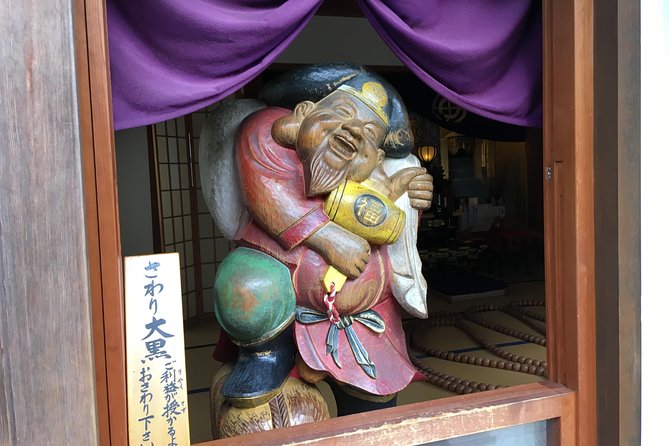
The strongest part of this tour is the guide. The most praised guides include Akira Kamada, Yumiko Sano, Yoshi, Yoshio, Kono-san, and Hideaki Murayama. Their strengths are similar: prompt hotel pickup, help with transportation, clear explanations, flexible lunch advice, and attention to family needs.
Akira has been praised for arriving with a typed itinerary, explaining each site in detail, and keeping the day on schedule. Yumi and Yumiko are often described as attentive and helpful, with good suggestions for noodles or local meals. Yoshi has helped families manage temple visits and even assisted with goshuincho books, the stamp books used to collect temple and shrine seals.
Lunch is not listed as included, but the guide can help you choose a restaurant. You might be directed to a small local place near Kamakura station, with options such as noodles or okonomiyaki. If you have allergies or dietary restrictions, tell the guide at the start rather than waiting until lunchtime.
Guide quality is not identical every time. One account describes a guide who walked too fast, followed a fixed script, and did not handle questions well. Another notes limited English and a quick walking pace. You can reduce this risk by stating your preferred pace, asking questions early, and confirming the day’s order before leaving the hotel.
Timing, walking, and the true cost
The listed price is $145.31 per person. For a private 8.5-hour experience with hotel pickup, a dedicated guide, transportation help, and four major Kamakura sights, that can be fair value, especially for a first visit to Japan.
It is not the final cost. Transportation is listed at about ¥2,720 per person. Temple admission is also extra, with the supplied figures showing ¥1,100 for Kotoku-in, ¥300 for Hokokuji, and ¥400 for Hase-dera. Because the Kotoku-in and Hokokuji figures conflict with the stop descriptions, verify current fees before you go.
The price makes more sense for a small family or group that values convenience and personal attention. If you are comfortable using Japanese trains and buses and prefer spending as long as you like at one temple, an independent visit may cost less and offer more freedom.
The day starts at 9:00 a.m. and lasts about 8 hours and 30 minutes. You will use trains and local buses, and you should expect a lot of steps. Wear shoes that handle walking, bring water, and avoid planning a demanding evening activity afterward.
Who will get the most from this Kamakura day?
I would choose this tour if you have limited time in Tokyo and want Kamakura’s main sights without spending an evening studying train maps. It also suits families, first-time visitors, and anyone who wants historical explanation instead of simply moving from gate to gate.
The private format is useful for older relatives or children because you can discuss the pace with one guide. Children must be accompanied by an adult, and everyone should have moderate physical fitness.
You will get the most from the day if you enjoy temples, shrines, gardens, coastal views, and Japanese history. The route is less suitable if you dislike public transportation, need a wheelchair-focused itinerary, or want a slow photographic visit with long pauses at each site. The supplied information only says that moderate fitness is required, so ask the provider about your specific mobility needs before booking.
Free cancellation is available until 24 hours before the start time. Changes or cancellations made later are not accepted for a refund.
Should you book it?
Book this tour if you want a well-organized first look at Kamakura and would rather spend the day looking at temples than solving transportation problems. The best reasons are the private guide, hotel meeting point, strong route, and mix of major sights and quieter spaces.
I would be more cautious if your budget is tight, since transportation and admission fees come on top of the tour price. I would also confirm the guide’s language ability and tell the provider that you need a slower pace if either point matters to you.
For many visitors, the real value is not simply seeing the Great Buddha. It is having someone connect Kamakura’s Buddhist temples, Shinto shrine, gardens, samurai past, and coastal setting into one manageable day. If that sounds like the kind of help you want from Tokyo, this is a sensible choice.
FAQ
Where does the tour start?
The guide meets you in your hotel lobby at 9:00 a.m. Hotel pickup and drop-off are included.
How long does the Kamakura tour last?
The experience lasts approximately 8 hours and 30 minutes.
Is this a private tour?
Yes. Only your group participates in the activity.
Is transportation included in the tour price?
No. Your transportation cost is listed separately at about ¥2,720 per person.
Are temple entrance fees included?
No. Admission fees are extra for Kotoku-in, Hase-dera, and Hokokuji Temple. Tsurugaoka Hachimangu Shrine has no admission fee listed.
What sights are included?
The route includes Kotoku-in and the Great Buddha, Hase-dera Temple, Hokokuji Temple, and Tsurugaoka Hachimangu Shrine.
Do I need to be physically fit?
You should have a moderate level of physical fitness. The day includes multiple trains, local buses, and substantial walking.
Can I cancel for a full refund?
Yes, if you cancel at least 24 hours before the experience start time. Cancellations or changes made less than 24 hours before the start are not accepted for a refund.
New on our Kamakura list
- Buddha, Bamboo & Zen – Bespoke Kamakura Private Walking Tours★ 5.0 · 25 reviews
- Yokohama and Kamakura 6hr Private Trip Government-Licensed Guide★ 5.0 · 25 reviews
- Tokyo: Kamakura and Yokohama Private Day Trip with Guide★ 4.6 · 27 reviews
- Private Kamakura plus Yokohama Tour – English Speaking Driver★ 4.5 · 28 reviews
- Day Trip to Kamakura & Enoshima: Shrines, Seaside, Temples & Tea★ 5.0 · 32 reviews
- Kamakura: A Journey Through Medieval Japan★ 4.9 · 32 reviews
- From Tokyo: Kamakura Private Customize Tour by Luxury Van★ 4.6 · 38 reviews
- When Emperors Reigned and Shoguns Ruled★ 5.0 · 43 reviews
Kamakura Tours, compared.
Kamakura & Enoshima Day Trip including Temple Tickets
Read our review →
Mt. Fuji, Kamakura, Big Buddha, & Lake Ashi Day Trip
Read our review →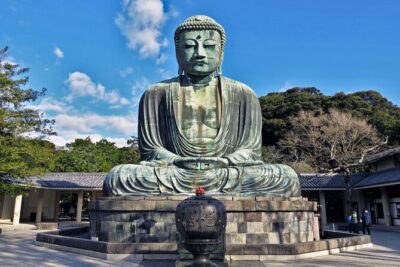
Kamakura Historical Walking Tour with the Great Buddha
Read our review →
Kamakura Private Tour: Temples, Nature, and the Great Buddha
Read our review →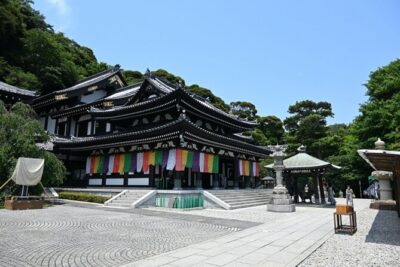
Sea of Mount Fuji, Hakone Ropeway, Ōwakudani, Enoshima
Read our review →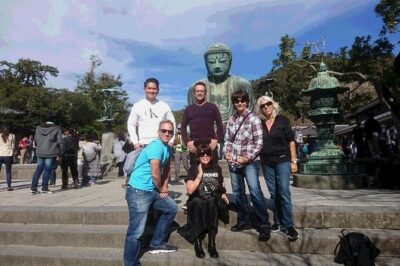
Kamakura 8 hr Private Walking Tour with Licensed Guide from Tokyo
Read our review →Browse the lists this tour appears in