
Reviewed · TSUKIJI & TOYOSU MARKET TOURS
From Ocean to Chopsticks Tsukiji Market Food Tour By Local Expert
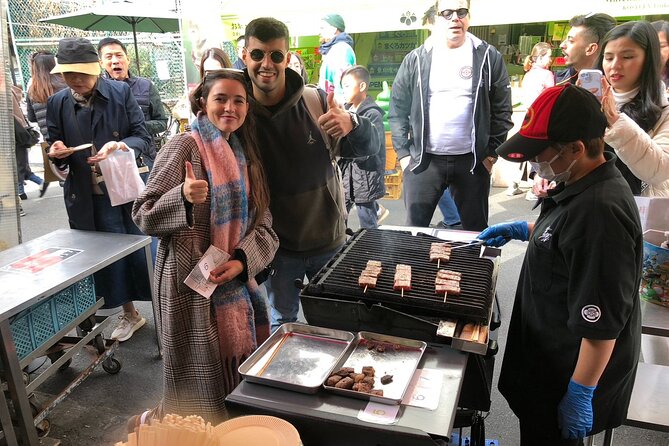
Tsukiji is the place to let your appetite set the schedule. This four-hour walk takes you from Tsukiji Hongan-ji Temple into the market’s food stalls, seafood shops, restaurants, and kitchen stores, with a local guide choosing four or five tasting stops along the way.
I like the small maximum of eight people, which should make it easier to ask questions and keep up in crowded lanes. I also like that the food is paired with cultural context, so you learn why Tsukiji matters instead of simply eating your way through it. The main drawback is the $195 price, which is a serious spend for a food walk, especially since alcoholic drinks and any extra purchases cost more.
In This Review
- Key points to know before booking
- Why Tsukiji works so well for a food tour
- Starting at Tsukiji Hongan-ji Temple
- Entering Tsukiji Jogai Market
- The fish market portion and its food focus
- What the four-hour format gives you
- The guide can shape the whole experience
- Is $195 a fair price?
- Who will enjoy this Tsukiji walk most
- Should you book the Tsukiji Market Food Tour?
- FAQ
- How long does the Tsukiji food tour last?
- Where does the tour begin?
- Where does the tour end?
- How many people can join the tour?
- What food and drinks are included?
- Can I cancel for a full refund?
Key points to know before booking
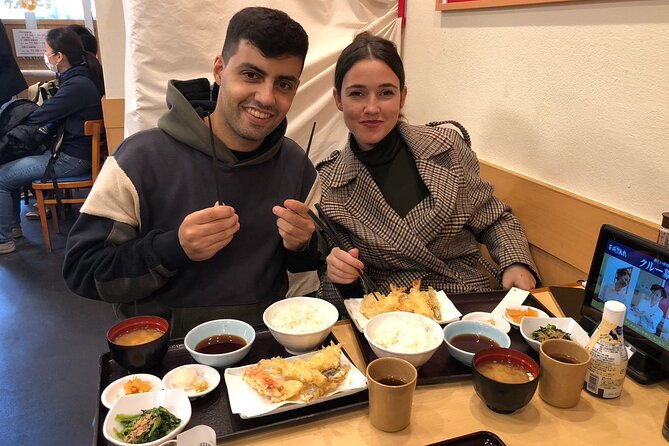
- Four or five food stations are included, along with two soft drinks and water.
- The group is limited to eight people, a useful size for a crowded market.
- Tsukiji Hongan-ji Temple begins the walk, adding a cultural stop before the food tastings.
- The tour lasts about four hours, with roughly 90 minutes planned in each market section.
- Guide Amber is specifically praised for her friendly manner and area knowledge when she leads the experience.
- The tour returns to the meeting point, so you finish where you started.
Why Tsukiji works so well for a food tour
Tsukiji is not just one indoor fish hall. The area you visit is the outer market, known as Tsukiji Jogai Market, where wholesale and retail shops share narrow streets with restaurants and food counters. You will find seafood, groceries, Japanese kitchen tools, and plenty of places built around sushi and quick bites.
That mix is exactly why a guide helps. You can easily spend an hour stopping at whatever catches your eye, then realize you have missed the food you came to try. A guide keeps the walk moving and selects several stops rather than leaving you to guess which counter is worth your time.
The experience is also more than a meal with a few facts added on. The guide explains the history and culture of Tsukiji while you see the products in front of you. That connection matters. Fish, cooking tools, prepared foods, and restaurants all make more sense when someone explains how the market functions and why it has such a strong place in Tokyo’s food culture.
You should expect a walking tour, not a sit-down restaurant meal. The food comes through four or five stations chosen by the master chefs, and the exact dishes are not specified in advance. Sushi is a natural part of the experience, but the description also promises a range of local delicacies, so you may taste more than one kind of Japanese food.
More market mornings in Tokyo:
- Tokyo Tsukiji Fish Market Food and Culture Walking Tour
★ 5.0 · 3,184 reviews - Tokyo: Tsukiji Fish Market Food and Walking tour
★ 5.0 · 1,724 reviews - Tokyo: Tsukiji Fish Market Guided Walking Tour
★ 4.9 · 1,397 reviews
Starting at Tsukiji Hongan-ji Temple
The meeting point is Tsukiji Hongan-ji Temple at 3-chōme-15-1 Tsukiji, Chuo City. The temple is next to Tsukiji Station on the Tokyo Metro Hibiya Line, making the start fairly easy to reach by public transportation.
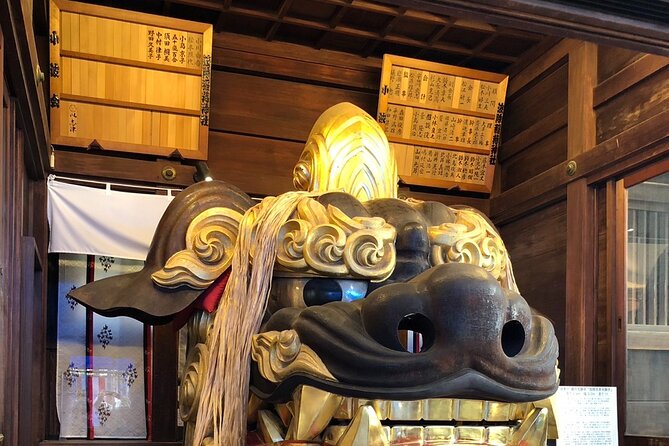
The temple itself gives the tour a useful opening. Tsukiji is famous for food, but this first stop reminds you that the district is also part of Tokyo’s wider religious and cultural setting. The planned visit lasts about an hour, and admission is free.
I like this arrangement because it gives you a little time to get your bearings before entering the market streets. A food walk can become a blur of samples and photos. Starting with a temple creates a pause and lets the guide establish the setting before the pace picks up.
This is also a practical point for your schedule. The tour does not begin with food immediately. If you are booking mainly for tastings, keep in mind that about an hour is assigned to the temple stop. If you enjoy adding cultural sights to a food outing, that hour improves the balance of the tour.
The guide’s commentary is important here. The description promises context about what you see and taste, and the temple is the first place where that approach should become clear. You are not simply meeting at a random corner and heading for sushi. The tour begins with a sense of place.
Entering Tsukiji Jogai Market
After the temple, the walk moves into Tsukiji Jogai Market, the outer market. The planned time is about 90 minutes, enough for a proper look at the lanes, shops, and food counters without turning the visit into a rushed pass-through.
This section is where Tsukiji’s variety comes through. Seafood shops sit alongside grocery stores, Japanese kitchen-tool retailers, and restaurants. Sushi restaurants are especially common, but they are only one part of the market’s appeal.
I would pay attention to the non-food shops as well. Japanese kitchen tools may not fit into your suitcase easily, but they help explain the market as a working food district rather than a sightseeing set. The groceries and seafood show what local cooks buy, while the restaurants show how those ingredients reach the plate.
Your guide is also useful when the market feels confusing. The tour is designed to take you to selected food stops, so you do not need to study every menu or decide which line to join. That saves time and removes some of the guesswork, though it also means you are following someone else’s selection rather than choosing every bite yourself.
The four or five included food stations are one of the tour’s strongest practical features. They give you a chance to sample several foods without paying separately at each stop. Still, the exact selection is not listed, so you should book this for a broad taste of Tsukiji rather than for one guaranteed dish.
Two soft drinks and water are included. Alcohol is not included, though it can be purchased by people aged 18 and over. If you want beer or another alcoholic drink, plan for that extra cost and check the age rule before ordering.
The fish market portion and its food focus
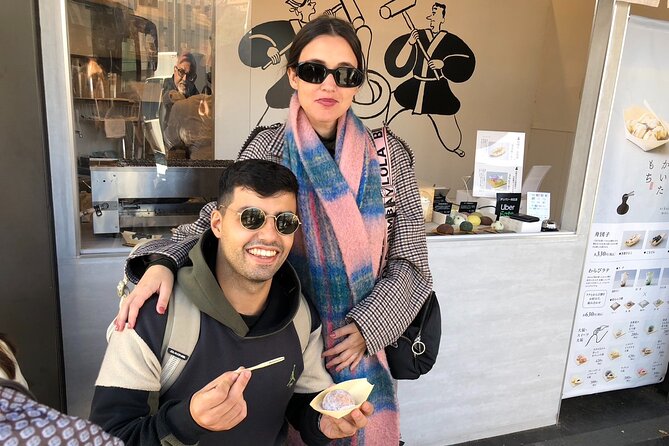
The final scheduled section is Tsukiji Fish Market, also described as part of the Tsukiji Outer Market food area. The supplied timing gives this stop another 90 minutes. In practice, the outer-market sections overlap in character, so you should think of the second and third stops as connected parts of the same food district rather than two completely separate attractions.
This is the heart of the tour. Tsukiji is presented as Japan’s Food Town, with traditional Japanese foods, seafood, retail shops, and restaurants lining the streets. The market is especially well suited to a guided tasting because so much is packed into a small area.
Sushi is the obvious draw, and the tour specifically highlights it. But the broader promise of local delicacies is just as important. A good food walk should show you how varied Japanese eating can be, rather than reducing the country’s cuisine to raw fish alone.
The guide adds value by explaining what you are tasting. That may include the ingredients, the role of a dish, or the reason a particular market stop matters. The provided details do not identify each food station, so I would not promise yourself a precise menu. Instead, expect a selection chosen by the tour’s master chefs from what is available and appropriate for the route.
This uncertainty can be a plus if you enjoy discovery. It can be a drawback if you have a strict food wish list. If there is one dish you absolutely want, ask the provider before booking rather than assuming it will be included.
The market section also calls for sensible expectations. This is a public food district, not a private tasting room. You will be walking between stops, and the market setting is part of the experience. The benefit is that you see the shops and restaurants in context. The tradeoff is that the pace and surroundings may be less controlled than those of a formal meal.
More craft workshops in Tokyo:
- Tokyo Shinjuku Chopsticks Making Class
★ 5.0 · 1,763 reviews - Kintsugi Experience: Art of Golden Joinery in Tokyo
★ 5.0 · 467 reviews - Authentic Pure Gold Kintsugi Workshop with Master Taku in Tokyo
★ 5.0 · 217 reviews - Tokyo: KABUKI Show at Kabukiza Theatre Admission Ticket
★ 4.8 · 152 reviews
What the four-hour format gives you
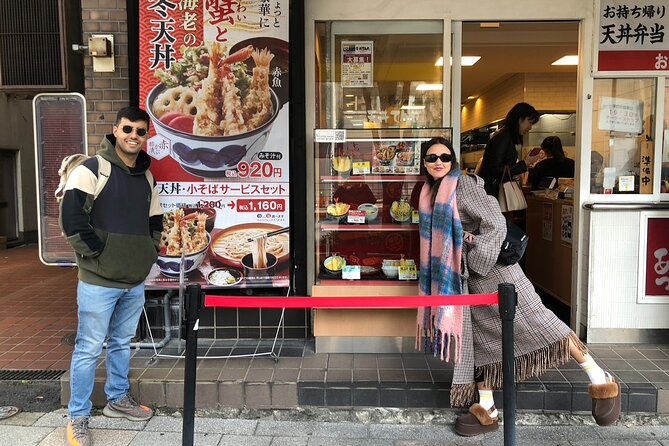
Four hours is a useful length for Tsukiji. A shorter walk could cover one or two tastings but leave little room for the temple and market background. This schedule gives about an hour at Tsukiji Hongan-ji, followed by about 90 minutes in each of the two market sections.
I like the rhythm. You begin with culture, move into the outer market, then spend the final part focused on food and seafood. It is long enough to feel like a real neighborhood visit, but not so long that you need to give up an entire day in Tokyo.
The group cap of eight is another strong point. Small groups usually make market walks easier because the guide can keep everyone together without shouting. You should also have more room to ask about unfamiliar foods, cooking customs, and the sights around you.
The experience returns to the same meeting point at Tsukiji Hongan-ji Temple. That is convenient if you want to continue exploring the area afterward, and it avoids the need to figure out a new pickup location at the end.
A mobile ticket is provided, and confirmation comes at booking. The meeting point is near public transportation, and most people can participate. The information does not give a specific start time, so check your confirmation carefully and allow enough time to reach the temple.
The guide can shape the whole experience
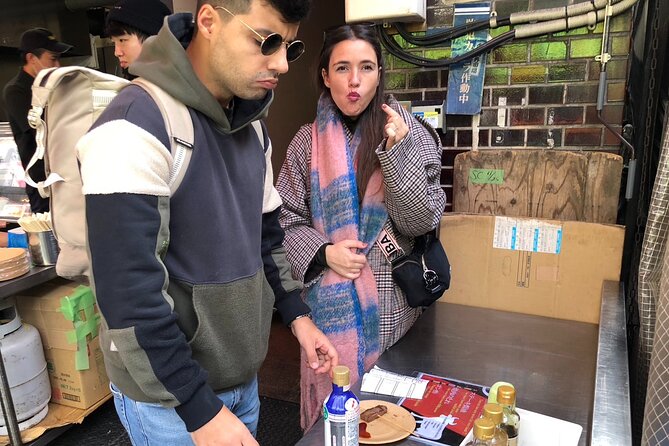
Food markets are people places, and the guide’s manner matters almost as much as the menu. Amber is the guide named in the available feedback, and she was praised for being welcoming, cheerful, and well informed about the area. If Amber leads your tour, her personal approach may be a major part of the day.
That praise is worth putting in context. The tour depends on someone who can make quick decisions, explain unfamiliar foods clearly, and keep a small group comfortable in a crowded market. A guide who is warm and attentive can turn a string of tastings into a more memorable local outing.
The provider is Japan Local and Fun Experiences. The experience is described as led by a professional guide, with commentary throughout the walk. You are paying partly for the food, but also for that guidance and the time saved by having someone choose the stops.
Still, a guide cannot guarantee that every dish will suit every palate. Because the food stations are selected by the chefs and not published in detail, you should mention dietary needs or restrictions before booking if that is important to you. The supplied information does not state how dietary requests are handled, so do not assume substitutions are available.
Is $195 a fair price?
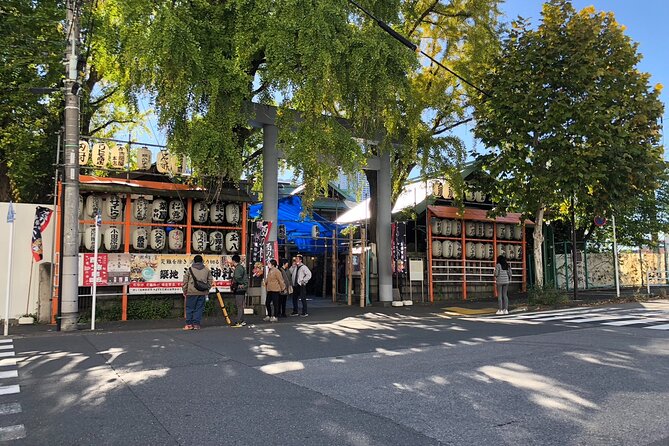
At $195 per person, this is not a bargain food crawl. The price includes four hours with a professional guide, four or five food stations, two soft drinks, and water. It also covers the structure of a small group capped at eight people, plus the temple and market commentary.
The value depends on what you want from Tsukiji. If you only want to buy one sushi meal, you can spend far less on your own. If you want several tastings, help finding the right places, and an explanation of the neighborhood, the price becomes easier to defend.
I would see this as a convenience and orientation purchase. You are paying to avoid wasting time in a confusing food district and to get more cultural background than you would receive by walking around alone. The small group makes that service more personal than a large coach-style outing.
The value is weaker if you are already comfortable navigating Tokyo markets, speak Japanese, or have a detailed plan for eating in Tsukiji. In that case, the guide and included tastings may not add enough to justify the cost.
Remember to budget for anything beyond the included food, two soft drinks, and water. Alcohol is available to purchase for people aged 18 and over, but it is not part of the listed price.
Who will enjoy this Tsukiji walk most
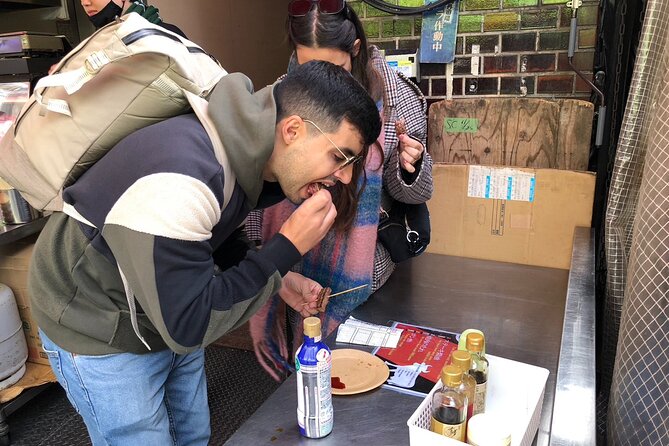
I would recommend this experience to first-time visitors who want an easy introduction to Japanese food culture. It suits people who enjoy tasting several small portions, asking questions, and learning about a district while walking.
It is also a good fit if you are nervous about ordering at busy market stalls. The guide gives you a clear route and handles the selection of food stations, which takes pressure off your first visit.
Food-focused couples and small groups should appreciate the eight-person limit. The route also works for people who want a cultural stop included, since the temple provides more than a quick photo opportunity before the tastings begin.
You may want to skip it if you prefer a long, leisurely restaurant meal, want to choose every dish yourself, or dislike paying a premium for guided food experiences. The schedule is active, and the food details are not fixed in advance.
Free cancellation is available when you cancel at least 24 hours before the start time. Changes or cancellations inside that window are not accepted for a refund, so check your plans before the deadline.
Should you book the Tsukiji Market Food Tour?
Book it if you want Tsukiji explained as well as tasted. The combination of a maximum of eight people, four or five food stations, temple history, and a local guide gives you a well-shaped introduction to one of Tokyo’s best-known food districts.
The strongest reason to choose it is the guidance. Tsukiji offers plenty of choice, but choice can become a chore when you do not know the area. Amber’s warm, personal style is a good sign of what the experience can be when the guide connects the food with the neighborhood.
Skip it if $195 feels too high for a four-hour walk or if you would rather explore independently. For everyone else, this is a practical way to turn Tsukiji’s crowded food streets into a manageable, informed, and filling part of a Tokyo visit.
FAQ
How long does the Tsukiji food tour last?
The walking tour lasts approximately four hours.
Where does the tour begin?
The meeting point is Tsukiji Hongan-ji Temple at 3-chōme-15-1 Tsukiji, Chuo City, Tokyo 104-8435, Japan.
Where does the tour end?
The activity ends back at the meeting point at Tsukiji Hongan-ji Temple.
How many people can join the tour?
The tour has a maximum of eight people.
What food and drinks are included?
The tour includes food at four or five stations, plus two soft drinks and water. Alcoholic drinks are not included but can be purchased by people aged 18 and over.
Can I cancel for a full refund?
Yes. You can receive a full refund if you cancel at least 24 hours before the experience start time. Cancellations or changes made less than 24 hours before the start time are not accepted for a refund.
More Markets in Tokyo
- Tsukiji Fish Market Guided Tour and Sushi Making with Pro Chef
★ 5.0 · 775 reviews - Tokyo: Tsukiji Fish Market Food and Culture Walking Tour
★ 4.7 · 757 reviews - Tsukiji Fish Market: Street Food & Culture Walking Tour
★ 5.0 · 669 reviews - Tsukiji Fish Market Small-Group Food Walking Tour
★ 5.0 · 621 reviews
More Food Crawls in Tokyo
- Tokyo: Shinjuku Food Tour (13 Dishes at 4 Local Eateries)
★ 5.0 · 6,603 reviews - Tokyo: Shinjuku Food Tour (15 Dishes and 4 Eateries)
★ 4.9 · 2,033 reviews - Best of Shinjuku: Izakaya Food Tour (4 Stops, 14+ Tastings)
★ 5.0 · 1,863 reviews - Tokyo Night Foodie Tour in Shinjuku – Seasonal Sushi, Wagyu Beef
★ 5.0 · 1,161 reviews
New on our Tokyo list
- Sumi-e Experience in a relaxing green tea shop in Tokyo★ 5.0 · 3 reviews
- Tokyo : Kamikaze Street Drift Ride★ 5.0 · 3 reviews
- Private Zen Meditation in English in Shinjuku, Tokyo★ 5.0 · 3 reviews
- Onsen Spa in Tokyo and Asakusa Bar Hopping with Local Guide★ 5.0 · 3 reviews
- Easy for everyone! Now you can play handmade mini shamisen and show off to everyone! Musical instruments, sweets and live music★ 5.0 · 3 reviews
- Tokyo: Private Tsukiji Street Food & Sake with Local Guide★ 5.0 · 3 reviews
- Mt Fuji Exploration Tour with Free Japanese Kusa Mochi from Tokyo★ 4.5 · 3 reviews
- Tokyo Tsukiji Fish Market Walking and Exploring Hidden Gems Tour★ 5.0 · 3 reviews
Tsukiji & Toyosu Market Tours, compared.
Tokyo Tsukiji Fish Market Food and Culture Walking Tour
Read our review →
Tokyo Sushi Making Class in Tsukiji with Professional Chef
Read our review →
Tsukiji Fish Market Guided Tour and Sushi Making with Pro Chef
Read our review →Tsukiji Fish Market Food and Culture Walking Tour
Read our review →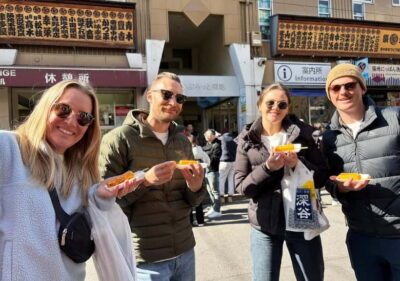
Tsukiji Fish Market: Street Food & Culture Walking Tour
Read our review →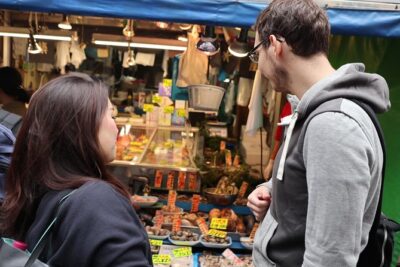
Tsukiji Fish Market Small-Group Food Walking Tour
Read our review →Browse the lists this tour appears in