
Reviewed · DESSERT TOURS
Japanese Sweets Making in Kamakura
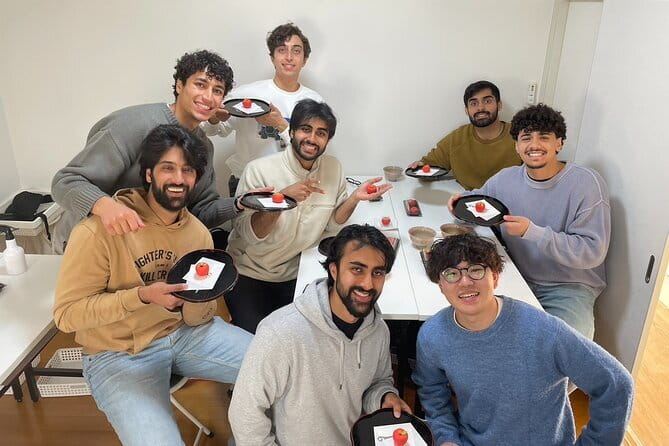
Kamakura’s Great Buddha is famous, but this tour gives you something more personal to do before you meet it: make three seasonal Japanese sweets by hand. Guide Hiro leads the lesson in English, explains the story behind wagashi, and then takes you to a local spot with ocean views before ending at Kotoku-in.
I like the mix of hands-on food making and Kamakura sightseeing. I also like that the sweets change with the season, so the experience is not exactly the same year-round. The main thing to consider is the price, $71.51 per person, which is fair for a private three-hour tour but higher than a simple temple visit or a basic sweets class.
In This Review
- Key points at a glance
- Why the wagashi lesson is the heart of the tour
- Meeting Hiro at Hase Station
- A local ocean view between food and temple
- Meeting the Great Buddha at Kotoku-in
- What the $71.51 price really buys you
- Who will enjoy this Kamakura experience
- Practical planning for the three hours
- How this compares with a standard temple visit
- Should you book Japanese Sweets Making in Kamakura?
- FAQ
- How long does the Japanese sweets-making tour last?
- Where does the tour begin?
- Where does the tour end?
- Is the tour private?
- Is an English-speaking guide included?
- How many sweets will I make?
- Can I take the sweets home?
- Is matcha included?
- Is admission to the Great Buddha included?
- Is hotel pickup and drop-off provided?
Key points at a glance
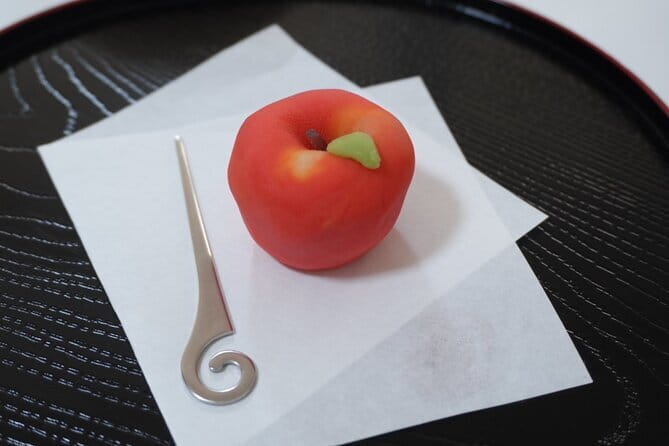
- Make three seasonal wagashi: Each sweet has a shape connected to the time of year, and you can eat them on the spot or take them home.
- Learn with Hiro: The English-speaking guide is praised for clear instructions, humor, and fluent communication.
- See a quieter side of Kamakura: The route includes an ocean-view spot that is popular with local people and can feel calmer than the main sights.
- Visit the 13.35-meter Great Buddha: The bronze statue at Kotoku-in is more than 750 years old and weighs 121 tonnes.
- Enjoy a private experience: Only your group takes part, making this a good choice for families, couples, or friends who want a more relaxed pace.
- End at Kotoku-in: You meet at Hase Station and finish near the Great Buddha, with no hotel pickup or drop-off included.
Why the wagashi lesson is the heart of the tour
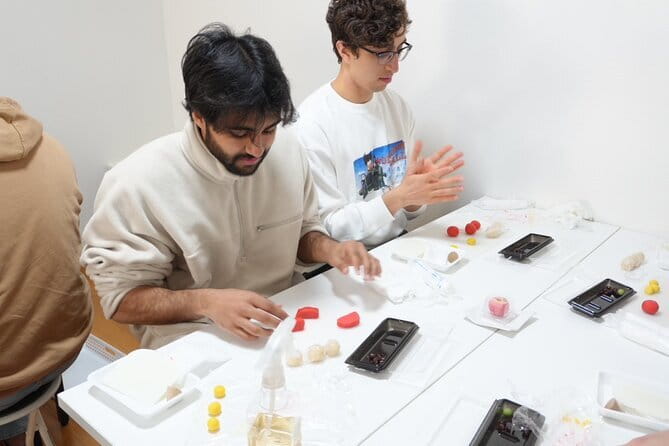
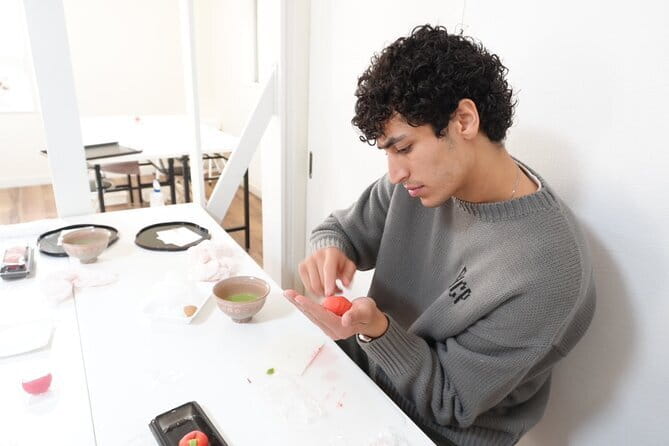
The most memorable part of this experience is likely to be the hour spent making wagashi. These are traditional Japanese sweets, often served with tea, and their shapes and colors can reflect the season. Here, you make three sweets, each with its own seasonal form.
This is not simply a tasting stop. You work with the sweets yourself, following Hiro’s instructions as you shape them. The lesson is designed for beginners, so you do not need previous cooking or confectionery experience. The guidance is a major part of the value, especially if you want to understand what you are making rather than just receive a finished sweet.
One of the sweets is nerikiri, a refined wagashi made from sweet bean paste and a smooth outer layer. The exact designs change through the year. That gives the lesson a strong sense of place and season, rather than making it feel like a craft class that could happen anywhere.
Hiro also explains the background of wagashi and its place in Japanese culture. That context matters. Without it, you might see a small, beautifully shaped sweet and simply think it looks too pretty to eat. With an explanation of seasonal design and tradition, the shapes become part of the experience.
You can eat the sweets during the class or carry them away as souvenirs. Bringing two home was possible for one participant, which makes the experience useful if you want a small edible reminder of Kamakura. The sweets may be delicate, so handle them with care after the lesson.
If you would like matcha with the sweets, you can add a cup for 550 yen. Matcha is not included in the listed price, so bring a little extra yen if that pairing appeals to you.
More Kamakura and Enoshima days:
- Tokyo: Kamakura & Enoshima Day Trip including Temple Tickets
★ 4.5 · 1,375 reviews - Tokyo: Mt. Fuji, Kamakura, Big Buddha, & Lake Ashi Day Trip
★ 4.5 · 867 reviews - From Tokyo: Kamakura & Enoshima 1-Day Bus Tour
★ 4.5 · 189 reviews
Meeting Hiro at Hase Station
The tour begins at Hase Station, at 2 Chome-14 Hase in Kamakura. This is a practical starting point for a visit to the area because the tour finishes at Kotoku-in, home of the Great Buddha. You do not return to the starting point, so plan your day around ending near Hase.
Hiro is the experience provider and English-speaking guide. His strongest qualities are clear communication and a friendly teaching style. He has been described as funny, kind, and very fluent in English, which is useful during a hands-on class where small instructions matter.
The private format is another plus. Only your group participates, rather than joining a large class of strangers. That can make it easier to ask questions, take your time with the shaping, and enjoy the lesson without feeling rushed.
The tour lasts about three hours, but the sweets lesson itself takes about one hour and the Great Buddha visit about 30 minutes. The ocean-view stop fills out the route, though the supplied details do not give a precise length of time there. You should allow the full three hours and avoid scheduling another fixed activity too close to the end.
A local ocean view between food and temple
After making the sweets, the route includes a spot where you can see the ocean. It is described as popular with local people, and the paths used during the tour can be quieter than Kamakura’s busiest sightseeing streets.
That pause gives the experience a better rhythm. You begin indoors with a focused craft, then step outside for a view, and finish at one of Kamakura’s best-known monuments. It is a small but useful change of pace, especially if you have already spent much of your trip inside temples, shops, and restaurants.
The exact viewpoint is not named in the supplied details, so you should not book this expecting a formal lookout, long coastal walk, or a specific beach stop. Think of it as a scenic local pause built into the tour. The ocean view is a nice bonus, but the sweets class and Great Buddha are the two clearly defined main activities.
The quieter paths are also worth noting. Kamakura can draw heavy foot traffic around its best-known temples, so a route that includes less crowded walking areas may help you see a calmer side of the town. Still, conditions can change by day and season. Do not assume the entire tour will be empty.
Meeting the Great Buddha at Kotoku-in
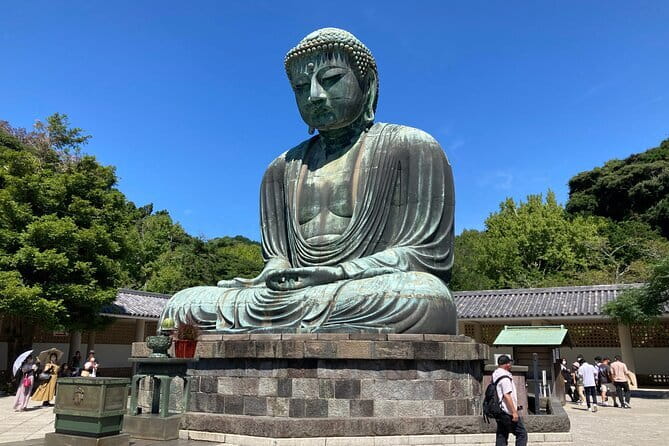
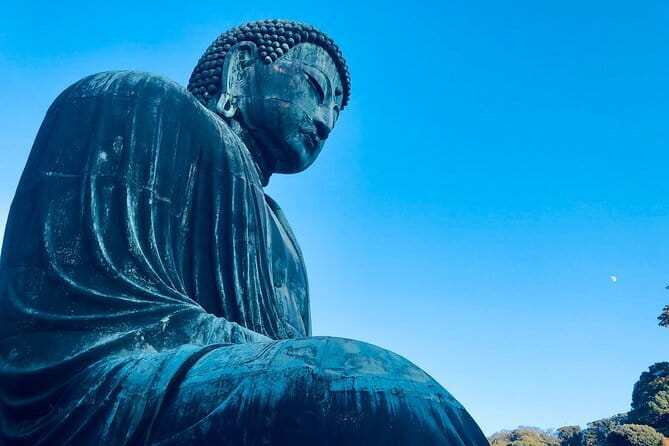
The final stop is Kotoku-in, where you see Kamakura’s Great Buddha. The bronze statue is 13.35 meters tall, weighs 121 tonnes, and has stood for more than 750 years. It is Kamakura’s only Buddhist national treasure and Japan’s second tallest bronze Buddha.
Those numbers help, but they do not replace the first view of the statue. The Great Buddha is an outdoor monument with a direct, powerful presence. After the detailed work of shaping tiny seasonal sweets, the scale of the Buddha creates a striking contrast.
Hiro shares stories about Kamakura’s history and culture during the visit. This is where the tour’s two parts connect. Wagashi shows Japanese tradition through taste, design, and the seasons. Kotoku-in shows it through religious art and a monument that has endured for centuries.
The visit is scheduled for about 30 minutes. That is enough for a focused look and an explanation from your guide, but it is not a long temple tour. If you want to linger, take many photographs, or explore more of Kamakura afterward, you can continue independently once the activity ends.
Admission to Kotoku-in is included. Personal expenses are not, and hotel pickup and drop-off are also not provided.
A few more Kamakura bookings worth comparing
- Kamakura: Half day Walking tour & Japanese sweets
★ 5.0 · 11 reviews - Matcha Making Class in Tokyo with Authentic Japanese Sweets Set
★ 5.0 · 744 reviews - Tokyo: Matcha Making Experience with Mochi Sweets in Asakusa
★ 4.9 · 388 reviews - Make Traditional Nerikiri Sweets & Matcha experience in Shibuya
★ 5.0 · 130 reviews
What the $71.51 price really buys you
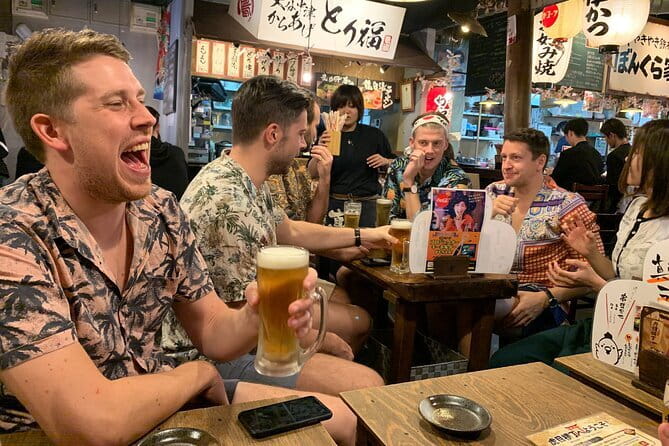
At $71.51 per person, this is not the cheapest way to see the Great Buddha. You are paying for more than temple admission, though. The fee covers a private English-language guide, a traditional sweets-making lesson, and entry to Kotoku-in.
The private format is important when judging the price. A group class may cost less, but it may not include a personal guide who walks with you, explains the local setting, and adjusts the lesson for your group. If you are traveling with family or friends, the cost may feel more reasonable because the experience is shared only with your own party.
The tour is also efficient. In about three hours, you get a cultural activity, a local view, and one of Kamakura’s major sights. That makes it a useful choice for a short visit or a day when you want structure without committing to a full-day tour.
I would book it for the personal guidance and the seasonal craft, not simply for the Great Buddha. If your only aim is to see Kotoku-in, you can visit the temple separately. If you want a small cultural lesson that gives the landmark more context, the price is easier to justify.
The tour is usually booked about five days in advance. Confirmation is sent within 48 hours, subject to availability, so last-minute planners should check before building the rest of the day around it.
Who will enjoy this Kamakura experience
This tour suits you if you want to do something rather than just look at monuments. The sweets class is especially appealing for first-time visitors who want a gentle introduction to Japanese food culture.
It also works well for:
- Couples looking for a shared activity
- Families who want a manageable three-hour outing
- Friends who enjoy crafts and local food
- Visitors who prefer a private guide
- Anyone interested in seasonal Japanese traditions
- People who want to end near the Great Buddha and continue exploring independently
Most people can participate, according to the supplied activity information. The lesson is beginner-friendly, but you should still expect to use your hands carefully while shaping the sweets.
This may be less suitable if you want a long temple tour, hotel transportation, or a packed schedule of several Kamakura sights. It also may not suit anyone who dislikes sweet foods or hands-on activities.
Practical planning for the three hours
Meet at Hase Station. Give yourself enough time to find the meeting point at 2 Chome-14 Hase and arrive ready to begin. Since hotel pickup is not included, you must make your own way there.
Wear comfortable clothing and shoes. The activity combines sitting or standing during the sweets lesson with walking between stops. The exact walking distance is not provided, so comfortable footwear is the sensible choice.
Plan to finish at Kotoku-in, 4 Chome-2-28 Hase. This is helpful if you want to continue with Kamakura sightseeing after the tour. You will not be returned to Hase Station or your hotel as part of the experience.
Bring money for personal purchases and the optional 550-yen matcha. The listed tour price includes the sweets lesson and Great Buddha entrance, but not other spending.
The cancellation terms are strict. The experience is non-refundable and cannot be changed for any reason, so book only when your schedule is firm.
How this compares with a standard temple visit
A regular visit to Kotoku-in gives you the statue, the temple grounds, and the freedom to set your own pace. It does not give you the sweets lesson, the ocean-view stop, or a guide explaining how the separate pieces fit into Kamakura’s culture.
This tour is better for connection and context. You will remember the work involved in shaping the wagashi, then see the Great Buddha with Hiro’s explanations fresh in mind. The experience has a clear story, moving from seasonal food to local scenery to a major religious monument.
The tradeoff is flexibility. You follow a planned three-hour route, and the temple visit is fairly short. If you want to spend a long time photographing the statue or explore every corner at your own speed, a self-guided visit may suit you better.
Should you book Japanese Sweets Making in Kamakura?
Book this experience if you want a private, friendly introduction to Kamakura that combines making seasonal wagashi with a visit to the Great Buddha. Hiro’s clear English, humor, and patient instructions are central to the experience, especially for beginners.
The tour is a good value when you care about the guide and the activity itself, not just admission to Kotoku-in. The ocean view and quieter paths add a pleasant local touch, while the seasonal sweets give you something you can taste, photograph, and possibly take home.
Skip it if you want a low-cost temple stop, hotel transportation, or a full day of sightseeing. At $71.51, it asks you to pay for a private cultural experience. For the right kind of visitor, that is the point.
FAQ
How long does the Japanese sweets-making tour last?
The experience lasts about three hours.
Where does the tour begin?
It begins at Hase Station, at 2 Chome-14 Hase, Kamakura, Kanagawa 248-0016, Japan.
Where does the tour end?
The activity ends at Kotoku-in, at 4 Chome-2-28 Hase, Kamakura, near the Great Buddha.
Is the tour private?
Yes. Only your group participates in the activity.
Is an English-speaking guide included?
Yes. A local English-speaking guide is included, and the guide is Hiro.
How many sweets will I make?
You will make three seasonal Japanese sweets, each with a different shape.
Can I take the sweets home?
Yes. You can eat them during the activity or take them home as souvenirs.
Is matcha included?
Matcha is optional and costs an additional 550 yen per cup.
Is admission to the Great Buddha included?
Yes. Entrance to Kotoku-in is included in the tour price.
Is hotel pickup and drop-off provided?
No. Hotel pickup and drop-off are not included, so you must arrange your own transportation to Hase Station.
New on our Kamakura list
- 1-Day trip: Kamakura City (Enoshima/Shonan/Beach)★ 4.7 · 3 reviews
- Kamakura Zen: Great Buddha, Nature, Bamboo & Samurai Culture★ 5.0 · 3 reviews
- Kamakura Half Day Walking Tour with Local Experience★ 3.4 · 4 reviews
- Hiking Tour in Enoshima with a Local Guide★ 5.0 · 4 reviews
- Kamakura Tour with Pro Photographer: Anime Train & Fuji Sunset★ 5.0 · 4 reviews
- Kamakura Private Custom Tour★ 5.0 · 4 reviews
- Kamakura Historical and Cultural Day Trip with Local Cuisine★ 5.0 · 4 reviews
- Kamakura Full-Day Private Tour★ 5.0 · 4 reviews
Dessert Tours, compared.
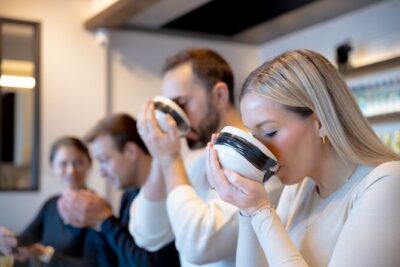
Matcha Making Class in Tokyo with Authentic Japanese Sweets Set
Read our review →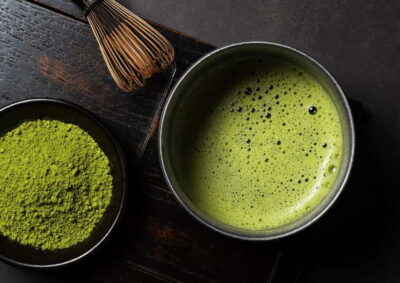
Matcha Making Experience with Mochi Sweets in Asakusa
Read our review →
Make Traditional Nerikiri Sweets & Matcha experience in Shibuya
Read our review →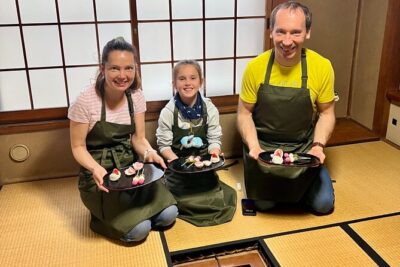
Private Mochi Sweets Making class near Shibuya area
Read our review →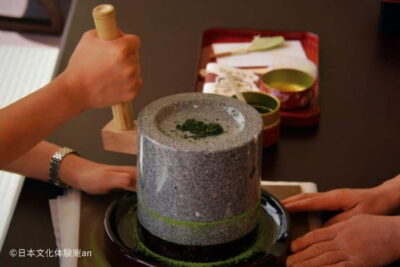
Japanese Traditional Sweets making and Tea Ceremony
Read our review →
Tokyo Local Food Tour: Noodles, Skewers, Dumplings, Sweets
Read our review →
Two Types of Japanese Sweets Making and Tea Ceremony
Read our review →
Mochi Matcha Gluten Free Japanese Sweets Class near Shibuya area
Read our review →Browse the lists this tour appears in