
Reviewed · DESSERT TOURS
Kamakura: Half day Walking tour & Japanese sweets
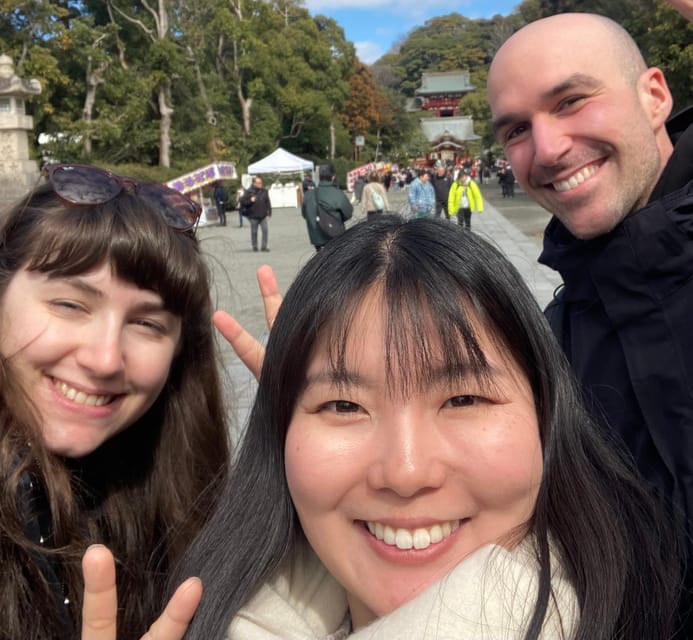
Kamakura’s best surprise is how much fits into one half-day: a giant bronze Buddha, temple gardens, a samurai shrine, quiet back streets, and a proper Japanese tea break. Kelly, a local National licensed guide, ties these places together with stories about Zen, samurai life, and everyday Kamakura.
I like the small group, limited to six people, and the thoughtful route from the Great Buddha to Hase-dera, then on to Tsurugaoka Hachimangu and Komachi-dori. I also like that the matcha and nerikiri sweets are part of the price, not an extra stop you must arrange yourself. The main consideration is the walking: there are stairs, narrow streets, and train transfers, so this is not a good fit if you have low fitness or use a wheelchair.
In This Review
- Key points to know before booking
- Why this Kamakura route works so well
- Meeting Kelly at Kamakura Station
- The ten-minute train ride to Hase
- Meeting the Great Buddha at Kotoku-in
- Hase-dera’s gardens, views, and cave
- Returning to central Kamakura
- Tsurugaoka Hachimangu and the samurai story
- Nerikiri, matcha, and a slower Japanese pause
- Back streets, local shops, and the finish on Komachi-dori
- Is the $64 price good value?
- Who should book this walking tour?
- The final call
- FAQ
- Where does the Kamakura tour start?
- What time does the tour begin?
- Where does the tour finish?
- Is the train fare included?
- What admissions are included?
- Are matcha and Japanese sweets included?
- Is the tour suitable for wheelchair users?
- How many people can join the tour?
Key points to know before booking
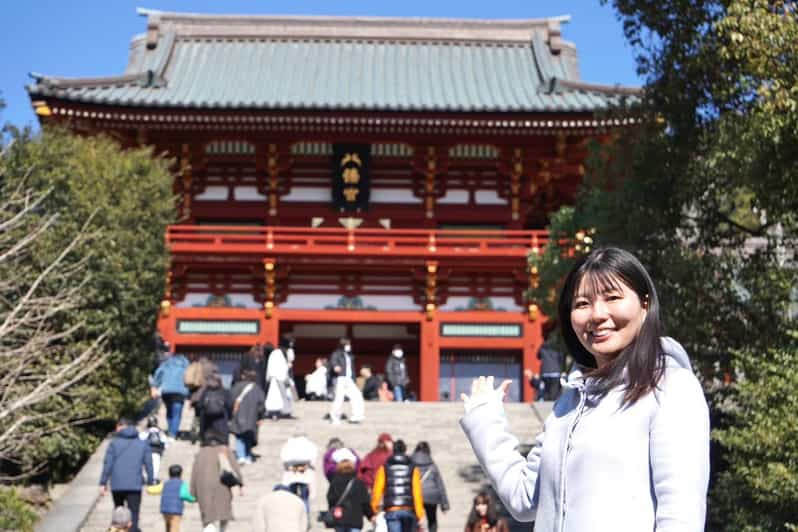
- A four-hour route through Kamakura’s main sights: See the Great Buddha, Hase-dera, Tsurugaoka Hachimangu, Komachi-dori, and local side streets.
- Kelly guides in English: She is a local National licensed guide who grew up in the area and can add local context beyond the standard temple facts.
- Matcha and nerikiri are included: Try a seasonal Japanese sweet and green tea at a recommended cafe, with the food cost covered.
- The group stays small: The tour accepts no more than six participants, which helps with questions, photos, and narrow lanes.
- Expect two train rides: The fare from Kamakura to Hase and back is ¥400 total and is not included.
- Good walking shoes matter: Stairs at the temples and a four-hour route rule out high heels and make this unsuitable for wheelchair users.
Why this Kamakura route works so well
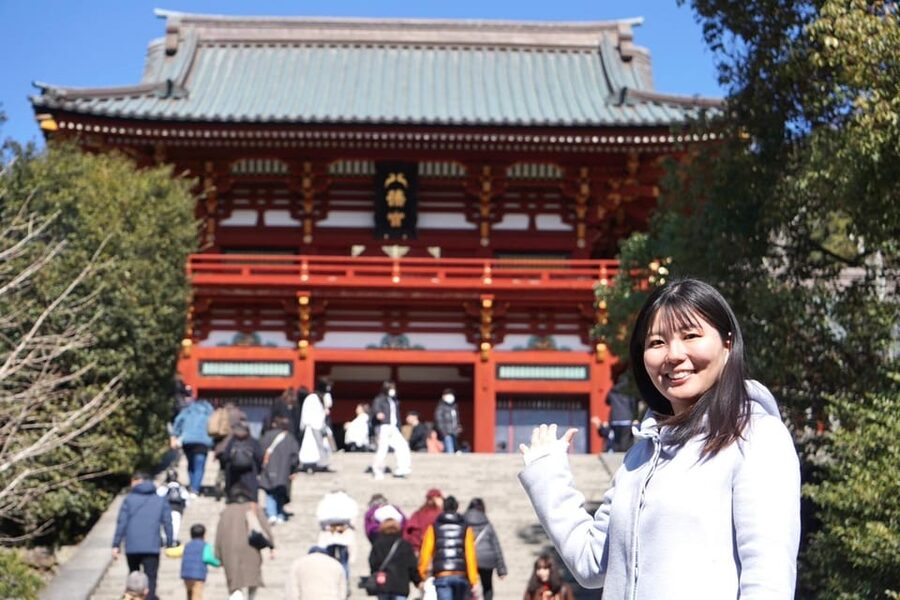
Kamakura is easy to underestimate. Many people come for the Great Buddha, take a few photos, and leave. That misses the point. The town combines religious sites, samurai-era landmarks, small shopping streets, wooded temple grounds, and a beachside setting within a compact area.
This tour gives you a useful first look without trying to cover every temple in town. You begin at Kamakura Station, ride the local train to Hase, visit two major sights, return toward the town center, and finish near Komachi-dori. The route has a clear rhythm: large landmark, temple gardens, shrine, tea, then free time for shopping.
I especially like the order. Starting at Hase means you reach the Great Buddha and Hase-dera before moving into the busier central area. The final stop near Komachi-dori leaves you in a practical place to continue on your own.
The group size also matters. With up to six people, Kelly can answer questions without turning every pause into a formal lecture. Narrow streets and local trains are easier to manage with a small group, too.
More Walking Tours in Kamakura
- Kamakura Historical Walking Tour with the Great Buddha
★ 5.0 · 129 reviews - Kamakura Walking Tour – The City of Shogun
★ 5.0 · 100 reviews - Kamakura 8 hr Private Walking Tour with Licensed Guide from Tokyo
★ 5.0 · 80 reviews
Meeting Kelly at Kamakura Station
The tour begins at 1:00 p.m. at the Kamakura City Tourist Information Center, just beside the ticket gate at the station’s East Exit. Kelly carries a meeting board, so the meeting point should be straightforward to find.
Kamakura Station is a useful starting point because it puts you close to the town’s main shopping and transport routes. You should arrive ready to walk, since the tour begins with a local train ride rather than a long orientation around the station.
Kelly is a local National licensed guide and speaks English. The personal side of her guiding is one of the strongest features here. She can explain Kamakura’s past, answer questions about Japanese culture, and share details about everyday life in the area. One past participant also found her helpful at the end of the tour when sorting out a train connection back toward Shibuya.
That sort of help can be valuable in Japan, where the transport system is efficient but not always obvious when you are tired or reading unfamiliar signs. It is not the main purpose of the tour, but it adds practical value.
The ten-minute train ride to Hase
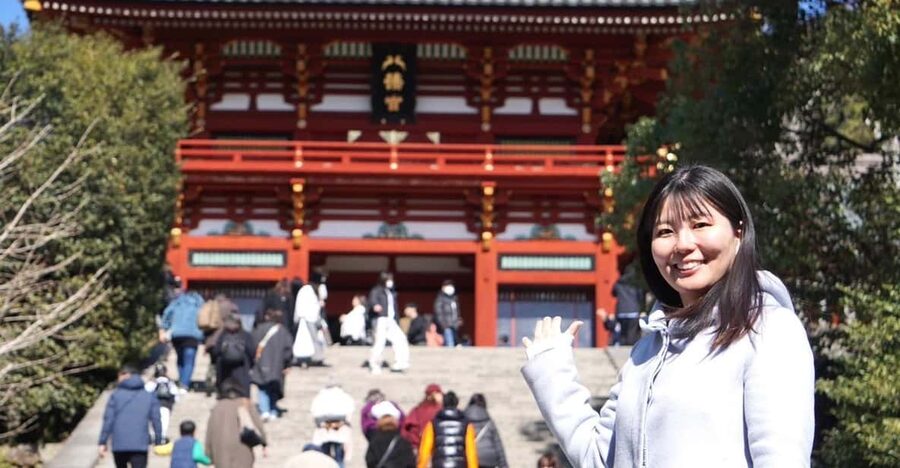
From Kamakura, you take a local train to Hase Station. The ride takes about ten minutes, and the fare is ¥200 each way, or ¥400 for the round trip. That amount is not included in the $64 tour price, so keep some money available for the train.
This is a simple transfer, but it gives you a quick sense of how Kamakura works. The town’s key sights are not all clustered around one plaza. A short local ride links the station area with Hase, where two of the area’s biggest attractions are located.
The train ride also keeps the tour from spending too much of its four hours on roads between sights. You are walking for much of the afternoon, but the rail connection makes the route more efficient.
Meeting the Great Buddha at Kotoku-in
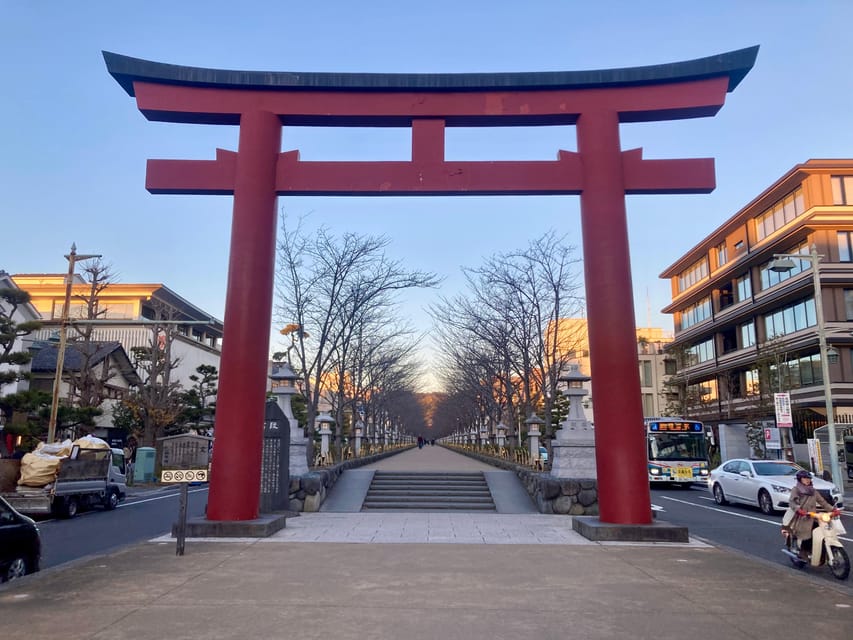
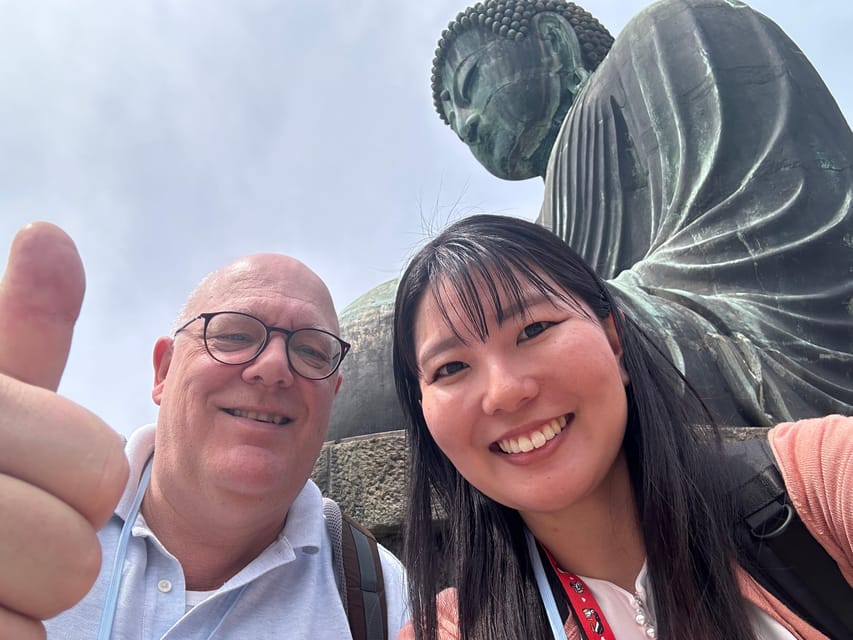
The first major sight is the Great Buddha at Kotoku-in, with about 30 minutes set aside for the visit. The bronze statue is one of Kamakura’s best-known images and one of Japan’s most popular photo stops.
The statue is impressive at first glance, but the guide’s explanation gives the visit more weight. Kelly discusses its background, the samurai period, and Zen philosophy, helping you connect the monument with Kamakura’s role in Japanese history.
Thirty minutes is enough for a close look, photos, and an explanation without letting one sight take over the afternoon. If you want a slow, quiet visit with lots of time for personal reflection, the schedule may feel brisk. If your goal is to see the major sights and understand what you are looking at, the timing is sensible.
The entrance fee is included. That keeps the price simple and means you do not need to handle another admission payment during the afternoon.
More Kamakura and Enoshima days:
- Tokyo: Kamakura & Enoshima Day Trip including Temple Tickets
★ 4.5 · 1,375 reviews - Tokyo: Mt. Fuji, Kamakura, Big Buddha, & Lake Ashi Day Trip
★ 4.5 · 867 reviews - From Tokyo: Kamakura & Enoshima 1-Day Bus Tour
★ 4.5 · 189 reviews - Kamakura Private Tour: Temples, Nature, and the Great Buddha
★ 5.0 · 121 reviews
Hase-dera’s gardens, views, and cave
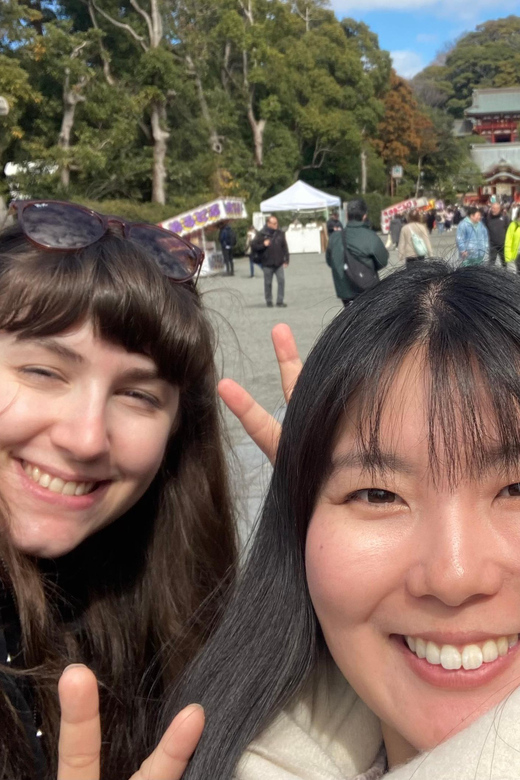
Hase-dera receives about an hour, making it the longest temple visit on the route. This is probably the part of the tour that rewards a slower pace most.
The temple grounds include Japanese gardens, an observation deck, and a cave described as mysterious in the tour details. From the viewing area, you can look over Kamakura’s town and beach. The setting gives you something different from the Great Buddha: instead of one famous monument, you get gardens, religious spaces, a coastal view, and several corners to explore.
The beach view is an important part of the Kamakura experience. This is not only a temple town. The sea is part of its character, and Hase-dera lets you see how the town stretches between the hills and the coast.
The tour’s temple explanation also covers Zen ideas and the samurai period. That context helps you see why Kamakura feels different from a standard sightseeing stop in Tokyo. You are not simply moving from one attractive building to another. You are learning how religion, military power, and local life came together here.
Be ready for stairs. The tour information specifically warns that some places have staircases, and Hase-dera’s gardens and viewing areas require walking. Comfortable shoes are essential. High heels are not allowed, and people with low fitness may find the route tiring, especially in hot or humid weather.
Returning to central Kamakura
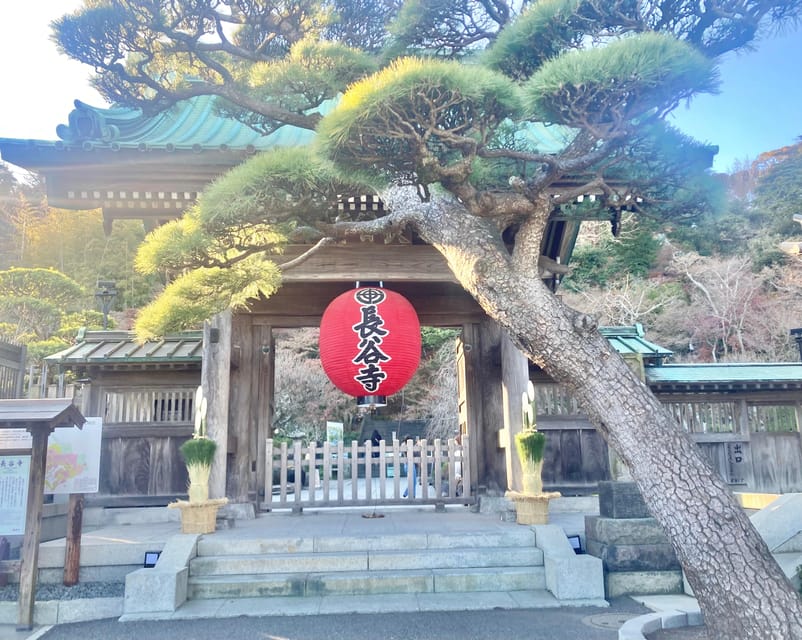
After Hase-dera, you take the local train back toward the center. The second train ride is also listed at about ten minutes, and the fare is included in the same ¥400 round-trip estimate.
This return keeps the afternoon moving. Rather than walking the full distance back, you save energy for the shrine, tea stop, and streets that follow. That matters because the final part of the tour is not just a quick finish. It includes one of Kamakura’s most important historic sites and time for local shopping.
Tsurugaoka Hachimangu and the samurai story
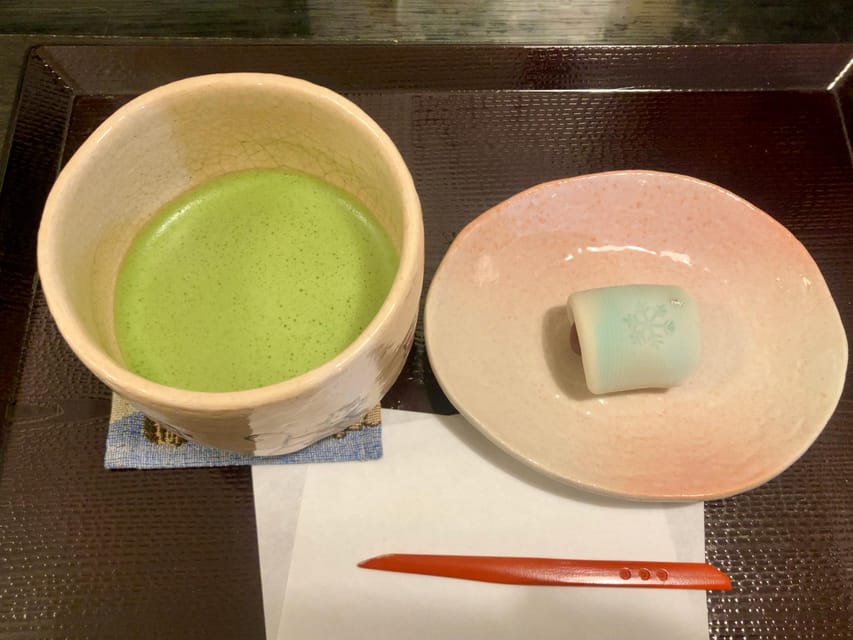
Tsurugaoka Hachimangu is the center of Kamakura and receives about 45 minutes. The shrine connects the modern town with its samurai past, and Kelly explains the traces of that period during the visit.
The shrine has around 800 years of history. You will not get a full academic treatment in 45 minutes, but you should come away with a clearer idea of why Kamakura became such an important center of samurai culture.
This stop balances the earlier temple visits. The Great Buddha gives you a single powerful image. Hase-dera focuses on gardens, views, and religious spaces. Tsurugaoka Hachimangu gives you a larger civic and historical setting.
There is no entrance fee for the shrine. That helps keep the day affordable, especially since the tour also covers admission to Kotoku-in and Hase-dera.
Nerikiri, matcha, and a slower Japanese pause
The tea stop on Komachi-dori lasts about 45 minutes. Your cafe visit includes traditional Japanese nerikiri sweets and matcha green tea, with the food cost covered.
Nerikiri is a fresh Japanese sweet made in carefully shaped designs, often linked to the season. The experience is different from simply buying a packaged snack. You get a chance to see and taste a small piece of Japanese confectionery culture that is not commonly found outside Japan.
The matcha adds another layer. Some participants have also been able to try making the tea themselves, which gives the stop a hands-on quality when offered. The tour description promises the tasting, so you should expect matcha and nerikiri, but any extra preparation activity may depend on the cafe and the day.
I like this break because it gives your feet time to recover and creates space for conversation. You can ask Kelly about Kamakura, Japanese customs, or daily life in the area. Her local connection is especially useful here because the stop is presented as a recommended cafe rather than a generic international coffee break.
Vegetarians can join this tour. Still, the included food is specifically Japanese sweets and matcha, so anyone with allergies or special dietary needs should confirm what is suitable before booking.
Back streets, local shops, and the finish on Komachi-dori
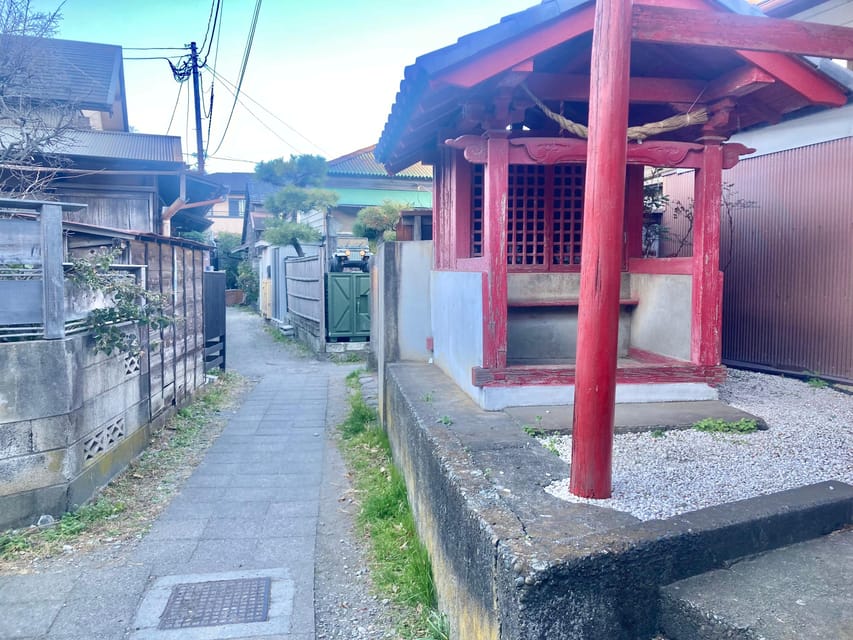
The route does not stay only on the main tourist streets. Kelly also leads you through narrow back streets known mainly to locals. These lanes have appeared in anime and television dramas and offer a quieter sense of Kamakura.
Do not expect a long, separate neighborhood tour. The back streets are woven into the afternoon as you move between major sights and shopping areas. Their value is in the change of mood. After famous temples and the large shrine, a small lane can show you how the town feels when it is not presenting its headline attractions.
The tour also includes local shopping areas beyond the best-known tourist street. At the end, you have time to browse Komachi-dori and shop. Kelly can help with translation and navigation if needed, which is useful if you want to buy something but are unsure how to ask about it.
The tour finishes on Komachi-dori rather than returning you to Kamakura Station. That gives you freedom to continue eating, shopping, or walking through the town. It also means you should plan your onward route before the tour ends, though Kelly may be able to help with directions.
Is the $64 price good value?
At $64 per person, the tour offers a strong package for a four-hour guided visit. The price includes Kelly’s services, admission to the Great Buddha and Hase-dera, and the cafe cost for nerikiri and matcha. The only stated transport extra is the ¥400 round-trip train fare.
If you visited the sights independently, you could save money on guiding, but you would also need to research the history, manage the train transfer, find the cafe, and work out how to connect Hase with the central shrine area. The tour’s value lies in the interpretation and the route, not just admission tickets.
A private guide would normally offer more flexibility, but this is a small group rather than a fully private experience. With a maximum of six people, you get some personal attention while keeping the price below many private tours.
The tour is especially good value if you are visiting Kamakura for the first time, want the main sights in one afternoon, or prefer help with cultural context. If you already know the temples well and prefer to spend hours at one place, independent sightseeing may suit you better.
Who should book this walking tour?
I would choose this tour if you want a focused introduction to Kamakura and enjoy learning while you walk. It suits couples, solo visitors, families with older children, and small groups who want a guide without joining a large bus tour.
It is also a good choice if you are interested in more than photographs. Kelly’s explanations cover samurai culture, Zen, local customs, and daily life. The tea and sweets stop gives the afternoon a personal, edible detail that a standard monument tour often misses.
You should think twice if stairs are difficult, if you have a low level of fitness, or if you need wheelchair access. The route includes temple grounds, steps, narrow lanes, and local train rides. Hot weather can make the walking feel harder, so bring water and wear practical shoes.
The listed rating is 5 from 11 reviews, and the praise centers on Kelly’s patience, clear explanations, local knowledge, and thoughtful help. One person described the tea and sweets as a highlight, while another appreciated that the pace did not feel rushed. Those details point to a guide-led experience with a warm, personal feel rather than a strict march between landmarks.
The final call
Book this tour if you want Kamakura’s major sights, a samurai and Zen introduction, a beach view, and a genuine Japanese sweets stop in one well-planned afternoon. Kelly’s local background and small-group format add value, especially if you want to ask questions or need help with transport.
Skip it if you want a completely self-guided day, long visits at each temple, or a route without stairs. For most fit visitors who have four hours and want a friendly, well-organized first taste of Kamakura, the $64 price is reasonable, even after adding the ¥400 train fare.
FAQ
Where does the Kamakura tour start?
It starts at the Kamakura City Tourist Information Center, just next to the ticket gate at Kamakura Station’s East Exit. Kelly will have a meeting board.
What time does the tour begin?
The tour starts at 1:00 p.m. and lasts four hours.
Where does the tour finish?
The tour finishes on Komachi-dori Street in central Kamakura.
Is the train fare included?
No. The local train fare between Kamakura and Hase is ¥200 each way, or ¥400 for the round trip.
What admissions are included?
Entrance fees for Kotoku-in, home of the Great Buddha, and Hase-dera are included. Tsurugaoka Hachimangu has no entrance fee.
Are matcha and Japanese sweets included?
Yes. The cafe stop includes Japanese nerikiri sweets and matcha green tea, and the food cost is included.
Is the tour suitable for wheelchair users?
No. The tour is not suitable for wheelchair users, and some locations have staircases.
How many people can join the tour?
The group is limited to six participants. The guide speaks English and is a local National licensed tour guide named Kelly.
More Dessert Tours in Kamakura
- Japanese Sweets Making in Kamakura
★ 5.0 · 6 reviews - Matcha Making Class in Tokyo with Authentic Japanese Sweets Set
★ 5.0 · 744 reviews - Tokyo: Matcha Making Experience with Mochi Sweets in Asakusa
★ 4.9 · 388 reviews - Make Traditional Nerikiri Sweets & Matcha experience in Shibuya
★ 5.0 · 130 reviews
New on our Kamakura list
- 1-Day trip: Kamakura City (Enoshima/Shonan/Beach)★ 4.7 · 3 reviews
- Kamakura Zen: Great Buddha, Nature, Bamboo & Samurai Culture★ 5.0 · 3 reviews
- Kamakura Half Day Walking Tour with Local Experience★ 3.4 · 4 reviews
- Hiking Tour in Enoshima with a Local Guide★ 5.0 · 4 reviews
- Kamakura Tour with Pro Photographer: Anime Train & Fuji Sunset★ 5.0 · 4 reviews
- Kamakura Private Custom Tour★ 5.0 · 4 reviews
- Kamakura Historical and Cultural Day Trip with Local Cuisine★ 5.0 · 4 reviews
- Kamakura Full-Day Private Tour★ 5.0 · 4 reviews
Dessert Tours, compared.

Matcha Making Class in Tokyo with Authentic Japanese Sweets Set
Read our review →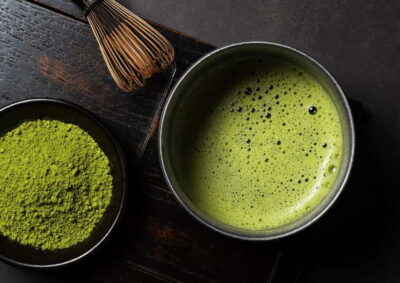
Matcha Making Experience with Mochi Sweets in Asakusa
Read our review →
Make Traditional Nerikiri Sweets & Matcha experience in Shibuya
Read our review →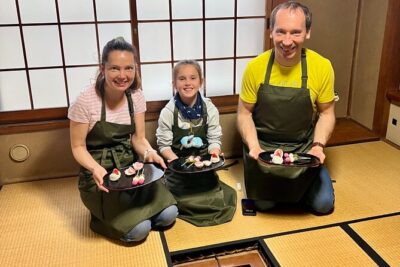
Private Mochi Sweets Making class near Shibuya area
Read our review →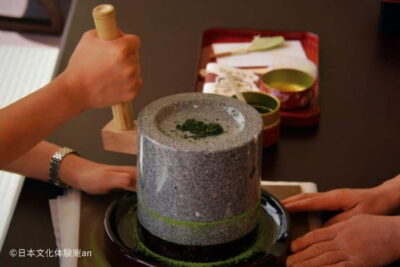
Japanese Traditional Sweets making and Tea Ceremony
Read our review →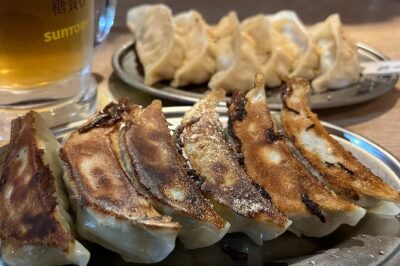
Tokyo Local Food Tour: Noodles, Skewers, Dumplings, Sweets
Read our review →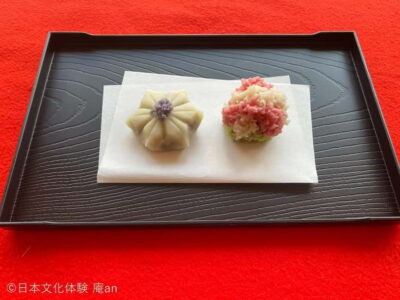
Two Types of Japanese Sweets Making and Tea Ceremony
Read our review →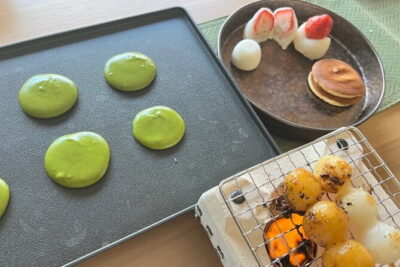
Mochi Matcha Gluten Free Japanese Sweets Class near Shibuya area
Read our review →Browse the lists this tour appears in