
Reviewed · KAMAKURA TOURS
Kamakura Half Day Tour with a Local Expert Guide
Kamakura packs centuries of Japanese culture into a compact seaside town, and this private four-hour walk gives you a local guide to help make sense of it. You can focus on major sights such as Tsurugaoka Hachimangu Shrine, Zen temples, gardens, and the Great Buddha, with room to adjust the route to your interests.
I like the flexible private format, especially if you want temples rather than a one-size-fits-all checklist. I also like the personal help with food and local planning. The catch is value: at $87 per person, with transport, meals, and admission fees extra, this is not a bargain if you only want directions to Kamakura’s famous sights.
In This Review
- Key points to know before booking
- Why Kamakura works so well for a half-day
- Starting in Tokyo or meeting in Kamakura
- Tsurugaoka Hachimangu Shrine and Kamakura’s historic core
- Zen temples, gardens, and the value of a quieter stop
- The Great Buddha and Kamakura’s famous sights
- A walking tour means extra costs, not fewer choices
- What the private format changes
- Who will get the most from this tour
- Timing, languages, and cancellation flexibility
- My verdict on the Kamakura half-day experience
- FAQ
- Where can the tour begin?
- Is private car transportation included?
- Are meals and drinks included?
- Are temple and park admission fees included?
- How long does the tour last?
- Which languages are available?
Key points to know before booking
- A private walking tour: Your guide meets you at a hotel or agreed location, but there is no private car.
- Tokyo pickup needs careful planning: The guide can help you use the trains, but your transportation costs remain separate.
- Four hours goes quickly: Expect a focused introduction to Kamakura, not every temple in town.
- The route can change: Your interests, available time, and the weather can shape the visit.
- Languages are flexible: Guides may operate in English, Japanese, or French.
- The strongest benefit is local company: Guides such as Raphael, Rafael, and Flo have been praised for friendliness, adaptability, and practical help.
Why Kamakura works so well for a half-day
Kamakura is an easy place to enjoy on foot once you arrive, but it can feel scattered if you do not know which shrine, temple, garden, or street deserves your limited time. A guide helps turn a collection of famous stops into a coherent visit.
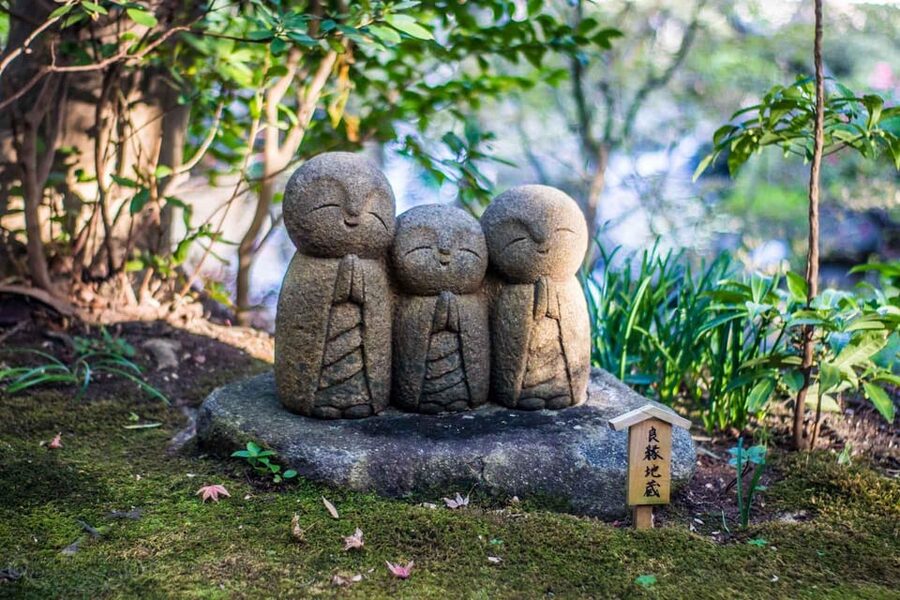
The town served as the center of Japan’s first military government in the late twelfth century. You do not need a long history lecture to appreciate that setting. A shrine gate, a mossy temple garden, and an enormous bronze Buddha each offer a different glimpse of old Japan.
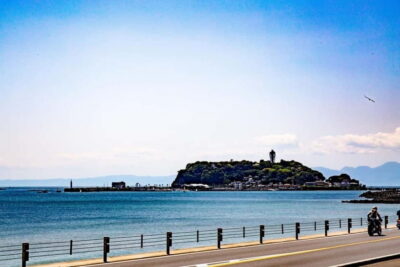
The coastal location also gives Kamakura a different mood from central Tokyo. You get quieter lanes, wooded temple grounds, and open views along the way. The exact scenery depends on the route and season, but spring blossoms and garden foliage can add a great deal to the walk.
This tour is best understood as a personal introduction to Kamakura, not a transport package. You are paying for a guide’s time, language skills, local judgment, and ability to adjust the day. If you want a guide to simply escort you from one famous site to another, the cost may feel high.
More Kamakura and Enoshima days:
- Tokyo: Kamakura & Enoshima Day Trip including Temple Tickets
★ 4.5 · 1,375 reviews - Tokyo: Mt. Fuji, Kamakura, Big Buddha, & Lake Ashi Day Trip
★ 4.5 · 867 reviews - From Tokyo: Kamakura & Enoshima 1-Day Bus Tour
★ 4.5 · 189 reviews
Starting in Tokyo or meeting in Kamakura
You can arrange to meet in Tokyo or Kamakura. That choice matters more than it first appears.
A Tokyo meeting can be useful if you want help with the journey south. But the guide does not provide a private car, and transportation is not included. One booking involved the guide showing the group which trains to take, rather than supplying transport. That may be useful for a first visit to Japan, but it also means the four-hour experience includes practical travel time if you begin in Tokyo.
For a more efficient sightseeing session, meet in Kamakura if your plans allow. You will spend more of the paid time seeing shrines, temples, gardens, and scenic areas instead of getting there. You will also pay your own train fare either way, along with any transport used during the tour.
Before booking, I would confirm three points:
- Where exactly will the guide meet you?
- Does a Tokyo pickup include only meeting and train guidance?
- Which transportation costs will you need to pay for yourself?
The answers affect the real price and the amount of sightseeing you can fit into four hours.
Tsurugaoka Hachimangu Shrine and Kamakura’s historic core
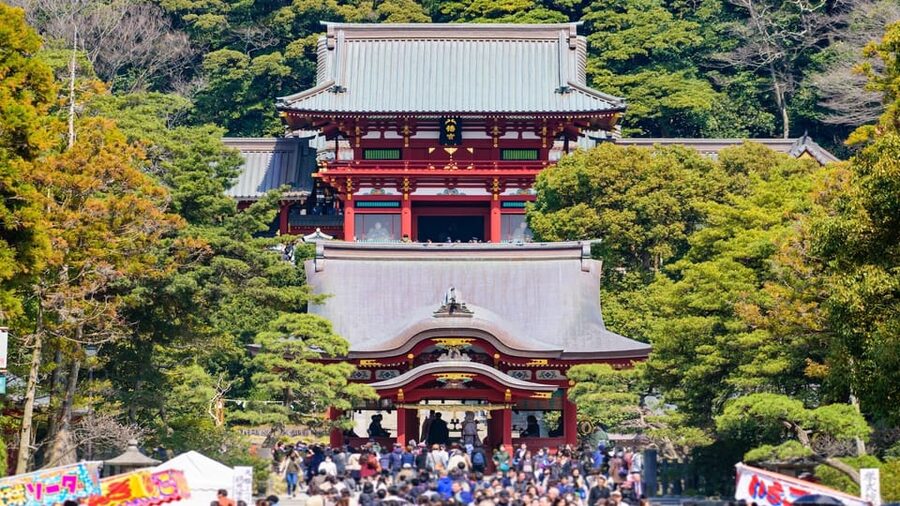
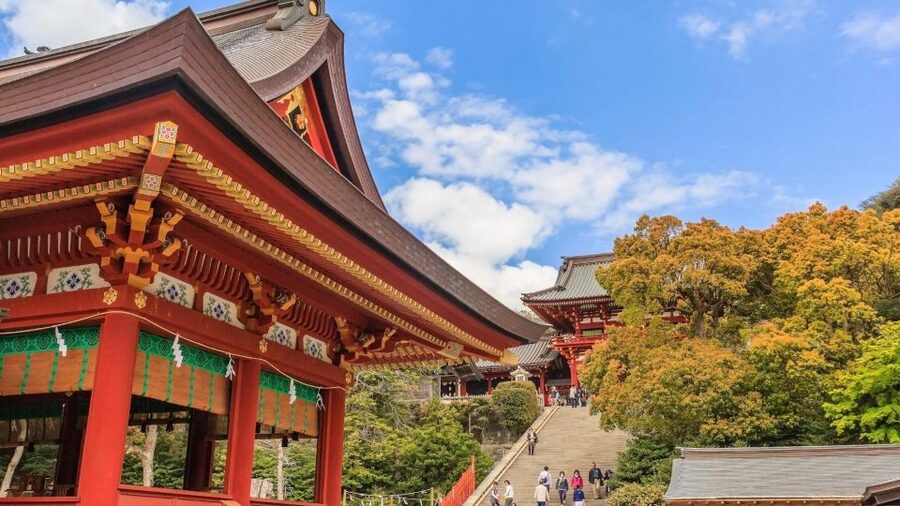
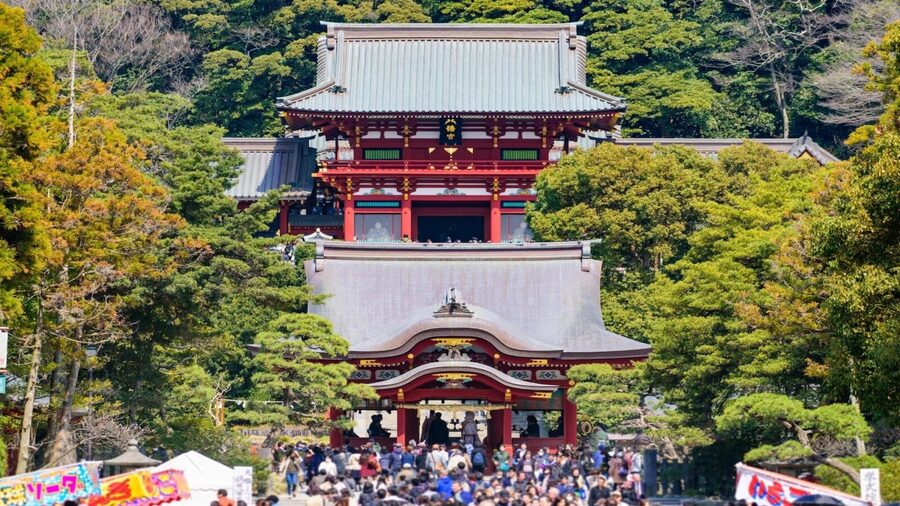
Tsurugaoka Hachimangu is one of the natural anchors for a first visit. It is a major Shinto shrine with broad approaches, gates, steps, and open grounds that make the scale easy to appreciate.
A local guide can explain the difference between a Shinto shrine and a Buddhist temple, point out how to behave at each, and add context that signs may not provide in your language. This is one of the places where a guide can make a visual visit more meaningful.
The shrine is also a good place to get your bearings. From here, you can understand how Kamakura’s central area is laid out and decide how much time to spend on temples, gardens, or the Great Buddha. You should not expect the guide to cover every historical detail. One French-speaking guest found Raphael adaptable and helpful, while another visitor felt the guide struggled with more detailed questions.
That is a fair warning. The guides are praised most often for friendliness, flexibility, and practical assistance. Their academic depth may vary. If you have specialist questions about medieval politics, Buddhist doctrine, or architecture, send those questions in advance and ask who will lead your tour.
Zen temples, gardens, and the value of a quieter stop
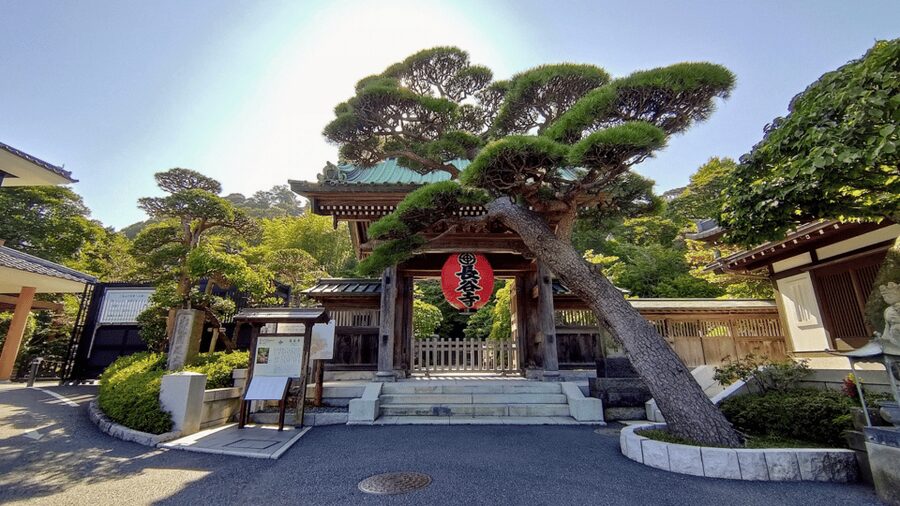
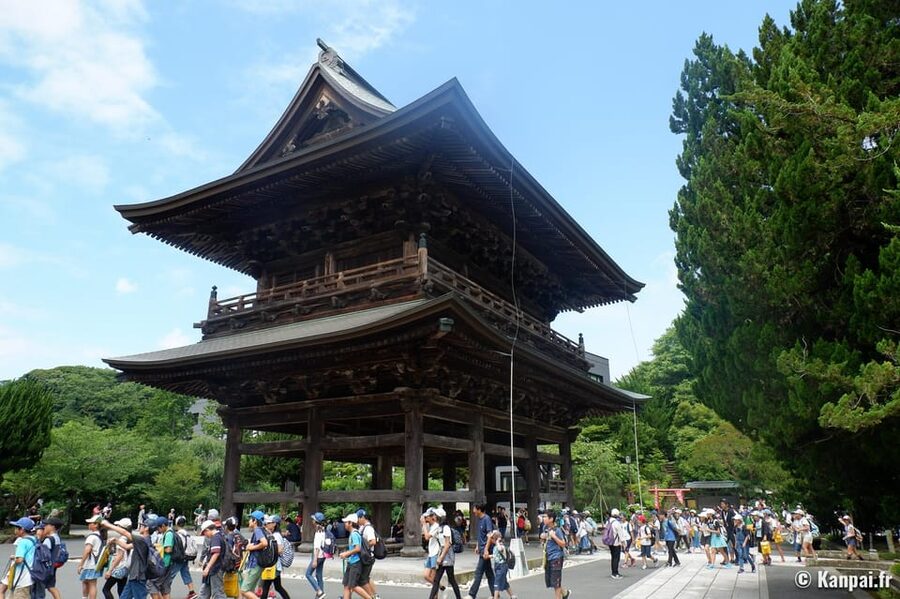
Kamakura’s Zen temples are often the most rewarding part of the day, especially when you step away from the biggest sights. The tour description points to temples surrounded by gardens, and the route can be customized around your interests.
One guide, Raphael, moved a group away from the most obvious tourist stops and introduced them to a small Zen temple. That kind of adjustment is the clearest reason to book a private tour. You are not locked into a fixed list. If gardens and quiet spaces matter more to you than collecting famous landmarks, say so at the start.
Temple grounds may include admission charges, which are not covered. The amount and number of fees depend on the route, so carry enough yen or confirm payment options with your guide. You also need comfortable shoes. Four hours of walking, standing, steps, and paths through temple grounds can be tiring, even though the experience is listed as wheelchair accessible.
The word accessible should not be taken to mean every path is easy for every wheelchair. Kamakura’s historic religious sites can include uneven surfaces, slopes, and steps. Ask the provider to match the route to your needs before you arrive.
A few more Kamakura bookings worth comparing
- Kamakura 8 hr Private Walking Tour with Licensed Guide from Tokyo
★ 5.0 · 80 reviews - Kamakura: Private Guided Walking Tour with Local Guide
★ 4.8 · 60 reviews - Kamakura 4hr Private Trip with Government-Licensed Guide
★ 5.0 · 58 reviews - From Tokyo: Kamakura Full Day Tour with a Local Expert Guide
★ 4.6 · 43 reviews
The Great Buddha and Kamakura’s famous sights
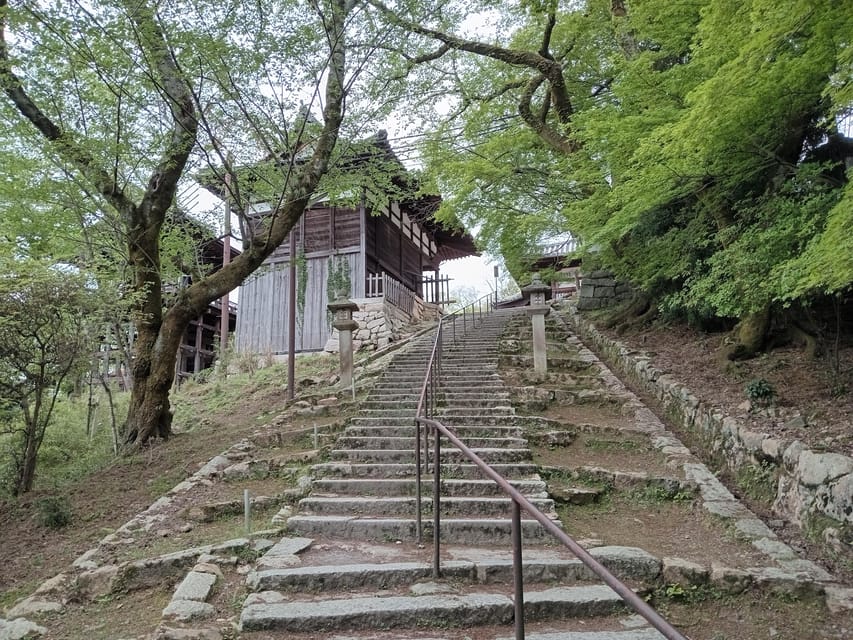
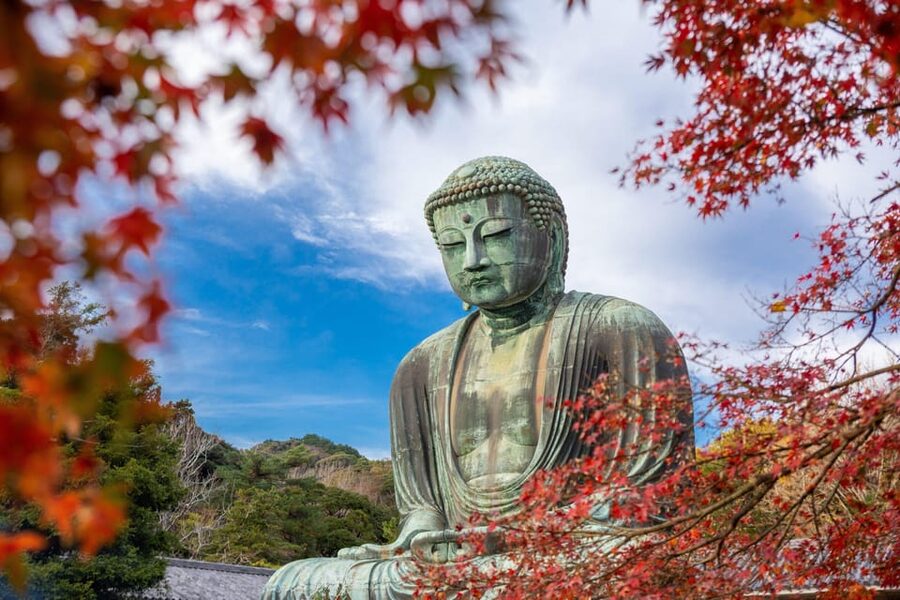
The Great Buddha is one of Kamakura’s best-known sights and can provide the visual high point of a short visit. Its scale gives you something immediate and memorable, even if you know little about Japanese Buddhist art.
A guide can help place the statue within the wider visit instead of treating it as a quick photo stop. The tradeoff is time. A four-hour tour cannot comfortably include every major temple and shrine, particularly if you begin in Tokyo or stop for a meal.
One three-star account described seeing only a temple and the Buddha during the outing. That is a useful planning lesson. Ask for a clear route before setting off. If your priorities are Tsurugaoka Hachimangu, the Great Buddha, and one Zen temple, the schedule may work well. If you want a long list of temples, a garden visit, local food, and free time, four hours will feel short.
The tour is walking-based, so the guide may use nearby roads and scenic paths between stops. Those transitions are part of the experience, not wasted time, but you should allow for a slower pace than a car tour.
A walking tour means extra costs, not fewer choices
The $87 price covers the guide and the walking experience. It does not cover food, drinks, transportation, or admission to parks and temples.
That makes the value depend on how you use the guide. For a solo visitor or couple who wants cultural explanation and local help, the cost may be reasonable. A private guide can tailor the route, answer everyday questions, and suggest where to eat after the formal tour ends.
For a family or larger private group, compare the per-person cost carefully. The group is private, but the price is listed per person, and added train fares, entrance fees, and meals can raise the final amount.
The food arrangement is informal. You pay for your own meal and your guide’s food or drink if you stop together. One guide helped a group find a restaurant after the tour and adjusted the suggestion to their needs. That is a valuable service if you are unsure what to eat, but it is not a meal included in the booking.
I would treat the food help as a pleasant extra rather than a central feature. Book this for the guide’s time and local insight, not for a packaged dining experience.
What the private format changes
A private group gives you control that a large sightseeing tour cannot. You can tell the guide that you care about gardens, shrine rituals, Kamakura’s military past, photography, or local food. You can also ask to reduce the number of stops and spend longer at one place.
That flexibility has limits. The tour lasts four hours, and admission queues, train travel, walking speed, and weather all affect the day. A private guide can adjust the plan, but cannot create extra time.
The quality also depends heavily on the individual guide. Rafael or Raphael has been praised for speaking French, giving useful preparation advice, adapting to limited time, and finding a less obvious temple. Flo has been described as friendly and helpful, though still learning some site details. Another guide was appreciated for humor and personal warmth.
Those details give you a realistic picture. You are likely to receive a welcoming companion who can help you get around and shape the outing. You should not assume every guide will answer advanced questions with equal confidence. If expert historical interpretation is your top priority, ask for the guide’s background and language match before committing.
Who will get the most from this tour
I would consider this tour a good fit for:
- First-time visitors who want help understanding shrine and temple customs.
- People staying in Tokyo who are nervous about organizing a Kamakura day trip.
- Couples or families who prefer a private pace.
- French-speaking visitors who want the option of a French guide.
- Anyone who wants to replace a standard route with a quieter temple or garden.
- Visitors who value restaurant suggestions and local conversation.
I would think twice if you are comfortable using Japanese trains, reading site information, and planning your own route. Kamakura can be visited independently for much less than $87 per person, especially if you only want to see the Great Buddha and one major temple.
It may also be a weak fit if you want private vehicle transport. This is not a car tour. The guide meets you on foot, and you pay for trains or other transport separately.
The experience is listed as suitable for wheelchair users, but the exact route should be discussed ahead of time. Historic temple grounds may present practical obstacles. It is not suitable for people over 95 according to the booking information.
Timing, languages, and cancellation flexibility
The tour lasts four hours, with starting times available according to the date you choose. Morning or afternoon can work, but your choice should match your transport plan and the sites you most want to see.
English, Japanese, and French are offered. If language is important, request your preferred language rather than assuming it will happen automatically. The names associated with past bookings include Raphael or Rafael and Flo, but the guide assigned to you can vary.
You can reserve now and pay later, which helps if your Japan schedule is still moving around. Free cancellation is available up to 24 hours before the tour for a full refund. Those terms reduce the risk, but they do not change the need to budget for trains, food, and entrance fees.
My verdict on the Kamakura half-day experience
Book this tour if you want a flexible local companion, not a bundled excursion. Its best qualities are the private format, the chance to visit a quieter Zen temple, the availability of French, and the guide’s help with practical details such as trains and restaurants.
I would meet in Kamakura when possible and use the four hours for a carefully chosen route. Ask for two or three priority stops, confirm the transport arrangement, and make clear whether you want history, gardens, food, or photography.
Skip it if your main goal is the lowest possible price or if you are happy planning your own Kamakura visit. The $87 fee is hard to justify for a simple shrine and Buddha run, especially once transportation and admission are added.
For the right visitor, this is a pleasant, human-scale way to approach Kamakura. Just book it with realistic expectations: a flexible walking guide, not a private car and not an advanced university lecture.
FAQ
Where can the tour begin?
You can arrange pickup in Tokyo or meet the guide in Kamakura. The exact meeting point should be agreed with the provider.
Is private car transportation included?
No. The guide meets you at your hotel or another agreed location on foot. Transportation costs are not included.
Are meals and drinks included?
No. Food and drinks for you and the guide are separate from the tour price.
Are temple and park admission fees included?
No. Admission to parks and temples is not included.
How long does the tour last?
The walking tour lasts four hours. Starting times depend on availability.
Which languages are available?
The listed guide languages are English, Japanese, and French.
New on our Kamakura list
- 1-Day trip: Kamakura City (Enoshima/Shonan/Beach)★ 4.7 · 3 reviews
- Kamakura Zen: Great Buddha, Nature, Bamboo & Samurai Culture★ 5.0 · 3 reviews
- Kamakura Half Day Walking Tour with Local Experience★ 3.4 · 4 reviews
- Hiking Tour in Enoshima with a Local Guide★ 5.0 · 4 reviews
- Kamakura Tour with Pro Photographer: Anime Train & Fuji Sunset★ 5.0 · 4 reviews
- Kamakura Private Custom Tour★ 5.0 · 4 reviews
- Kamakura Historical and Cultural Day Trip with Local Cuisine★ 5.0 · 4 reviews
- Kamakura Full-Day Private Tour★ 5.0 · 4 reviews
Kamakura Tours, compared.
Kamakura & Enoshima Day Trip including Temple Tickets
Read our review →
Mt. Fuji, Kamakura, Big Buddha, & Lake Ashi Day Trip
Read our review →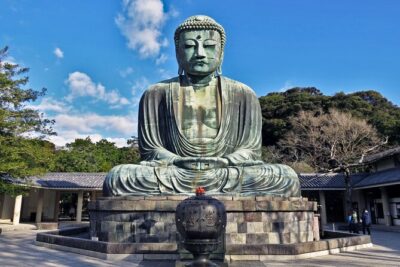
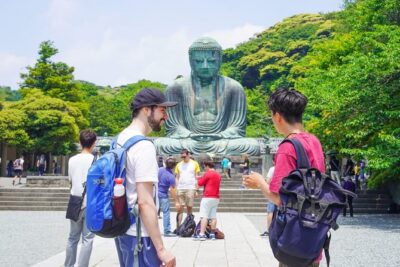
Kamakura Historical Walking Tour with the Great Buddha
Read our review →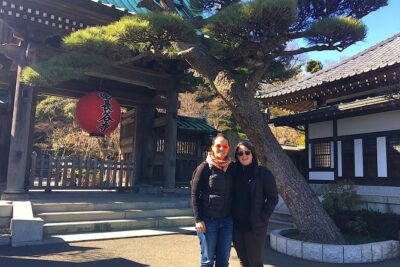
Kamakura Private Tour: Temples, Nature, and the Great Buddha
Read our review →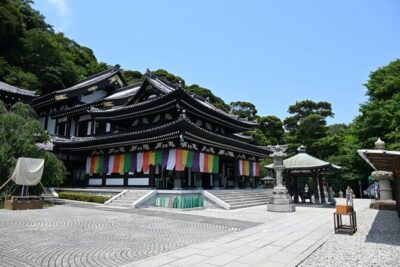
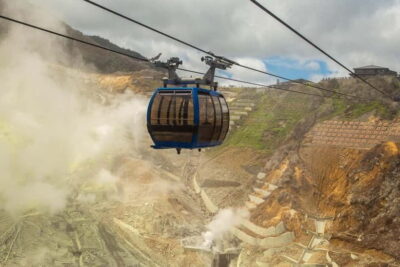
Sea of Mount Fuji, Hakone Ropeway, Ōwakudani, Enoshima
Read our review →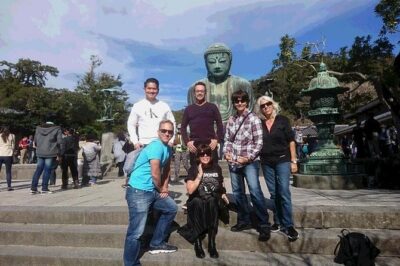
Kamakura 8 hr Private Walking Tour with Licensed Guide from Tokyo
Read our review →Browse the lists this tour appears in