
Reviewed · TEA CEREMONIES
Kamkura: Private Zazen, Matcha at Bamboo Temple & Mindful Cuisine
Kamakura’s best moments often come away from its famous sights, and this experience takes you toward quiet temples, bamboo, seated meditation, and a carefully prepared Buddhist lunch. The main event is zazen with a Buddhist priest, with your guide explaining the priest’s words in English.
I like the gentle mix of activity: matcha and bamboo at Hokokuji, then meditation at Hokaiji, followed by shojin ryori and a walk through Kamakura. I also like the small maximum of 10 people and the help with transportation from Kamakura Station. The main thing to consider is that zazen is fairly brief, and winter temple rooms can feel cold, so bring warm layers and wear loose clothes.
In This Review
- Key points to know
- Why Kamakura works for a Zen day
- Hokokuji’s bamboo and matcha
- Hokaiji and the meaning of zazen
- Shojin ryori, a meal with a purpose
- A guided walk through Kamakura
- Transport, timing, and the return to Tokyo
- Is $170 a fair price?
- Who will enjoy this experience most?
- Practical advice before you book
- Should you book the Kamakura Zen day?
- FAQ
- Where does the experience take place?
- What time does the tour start?
- How long does the experience last?
- What is included in the price?
- Is the train back to Shinjuku included?
- Is private transportation included?
- What happens during the zazen session?
- Can vegetarians and vegans join?
- Is matcha guaranteed?
- What should I wear for meditation?
Key points to know
- Meditate with a Buddhist priest: Practice zazen at Hokaiji Temple while an English-speaking guide interprets the teaching.
- Sip matcha among bamboo: Hokokuji includes admission and a bowl of matcha, although service can pause when the tea area is crowded.
- Taste shojin ryori: Lunch is plant-based Buddhist cuisine built around seasonal vegetables, tofu, and other vegetarian ingredients.
- See a quieter Kamakura: A local guide leads you through streets and lesser-known corners beyond the standard temple circuit.
- Plan for a full day: The experience begins at 8:30 a.m. and is scheduled to reach Shinjuku Station at about 5:15 p.m.
- Know the transport limit: Transportation from Kamakura Station is included, but private transportation and the train fare back to Shinjuku are not.
Why Kamakura works for a Zen day
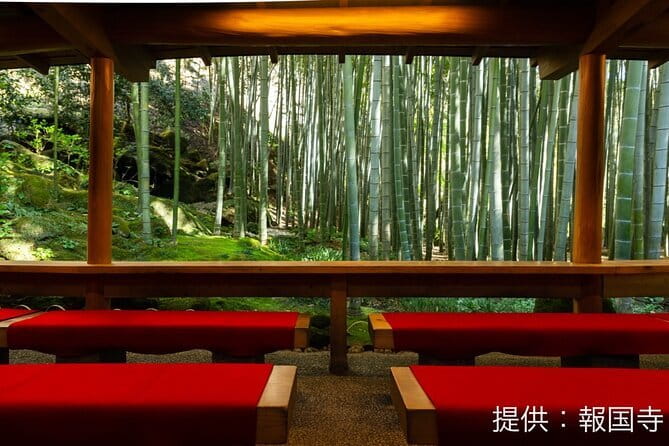
Kamakura was a major center of samurai power and Zen practice during the Kamakura period. Its temples still give the town a different rhythm from central Tokyo. You are not simply checking off monuments here. You are asked to sit still, pay attention to your breathing, drink tea slowly, and eat a meal shaped by Buddhist practice.
That makes this a good choice if you want more than a standard sightseeing loop. The day connects several ideas that can seem abstract in a museum: Zen attention, simple design, seasonal food, and quiet temple spaces. You get a practical introduction rather than a long lecture.
The experience lasts about 8 hours and 45 minutes. That is a serious portion of your day, but the schedule has enough variety to keep it from feeling like one long meditation session. You move between temples, lunch, and a town walk, with time for both instruction and ordinary sightseeing.
More tea rooms worth booking:
- Matcha Making Class in Tokyo with Authentic Japanese Sweets Set
★ 5.0 · 744 reviews - Tokyo: Traditional Tea Ceremony with a Tea Master
★ 5.0 · 528 reviews - Tokyo: Matcha Making Experience with Mochi Sweets in Asakusa
★ 4.9 · 388 reviews
Hokokuji’s bamboo and matcha
Your first stop is Hokokuji, a Zen temple known for its bamboo grove. The visit lasts about 50 minutes, and admission is included. The bamboo is the visual star, but the real appeal is the change in sound and pace as you leave the streets and enter the temple grounds.
The matcha service gives you a reason to pause rather than simply walk through, take a photo, and leave. You receive a bowl of matcha in the temple setting, with the bamboo rising around you. Traditional Japanese sweets may accompany the tea, according to the experience details reflected in the day’s format.
This is one of the strongest parts of the outing for anyone who likes atmosphere. Rain can make the bamboo look especially striking, and the green tones can feel even stronger under wet weather. The tea setting also helps you notice small things: the bowl, the quiet, the garden, and the deliberate pace of serving.
There is one practical limit. Matcha service is handled without a reservation, so it may be suspended if the venue becomes too crowded. The tour includes the tea, but it cannot guarantee that the service will operate under every condition. I would treat it as an important feature, not an absolute promise.
Hokokuji is also a public temple rather than a private retreat. You may find other visitors around, especially on a weekend. The timing helps, and the guide knows how to frame the visit, but this is not a guarantee of total silence.
Hokaiji and the meaning of zazen
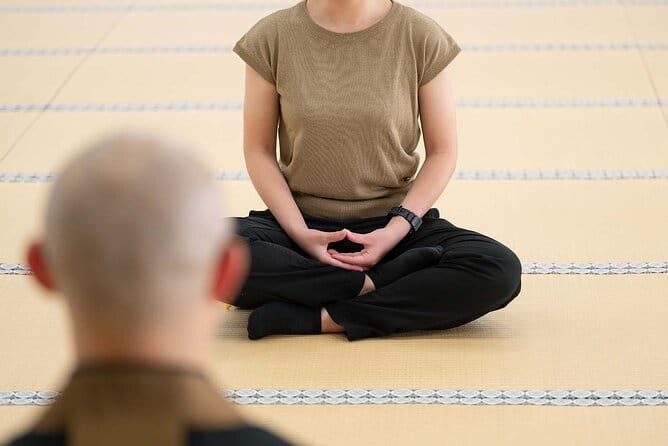
At Hokaiji Temple, you take part in zazen for about one hour. Zazen is seated meditation, generally centered on posture, breathing, and awareness. A Buddhist priest explains the practice, and your guide interprets the explanation into English.
For a first-time participant, this format is useful. You do not need to arrive with a working knowledge of Zen. The priest provides the religious setting and instruction, while the guide helps you follow the meaning. That combination gives the activity more substance than a generic mindfulness class.
The meditation is not designed as a long residential retreat. You practice for a limited period, then continue with the rest of the day. I see that as a strength for most sightseers. You get a real introduction without giving up the chance to see Kamakura and enjoy lunch.
Still, set your expectations correctly. If your main reason for booking is extended meditation, the zazen portion may feel short. The point is to experience the posture and focus of Zen practice, not to complete an intensive retreat.
Clothing matters here. Loose-fitting clothes are recommended, and short skirts are not a good choice. Temple interiors can be chilly, particularly in winter. One useful tip is to dress for sitting still, not just for walking between stations and temples. A warm layer can make a real difference.
You may also notice ordinary distractions: sounds, stiffness, a wandering mind, or the cold. That is not a failure. Zazen is about returning attention to the breath and posture. The tour works best when you approach it with patience rather than expecting instant calm.
Shojin ryori, a meal with a purpose
Lunch lasts about 1 hour and 30 minutes at Minemoto, with the current restaurant arrangement noted as having changed from April 2025. It is worth checking the latest venue details when you book, especially if you have visited Kamakura before or are comparing versions of this experience.
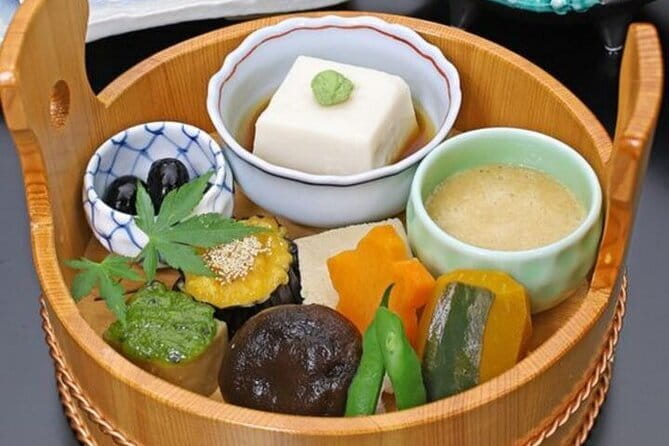
Shojin ryori is Buddhist cuisine, traditionally made without meat and built around vegetables, tofu, and other plant-based foods. The meal is included in the price, and vegetarian and vegan needs can be accommodated.
The value here is not only that lunch is included. The meal gives you another way to understand Zen practice. The food is prepared with care, uses seasonal ingredients, and emphasizes balance rather than heaviness. You might receive several small portions, with different textures and flavors arranged in a formal Japanese style. The experience information specifically notes lacquerware as part of the dining impression.
I like this stop because it breaks up the meditation without abandoning the day’s theme. You are still paying attention, but now through taste, presentation, and the rhythm of a meal. It also makes the tour easier for visitors who want a cultural experience but are unsure about sitting meditation.
If you have a very large appetite, keep in mind that Buddhist vegan cuisine may feel lighter than a typical restaurant lunch. The tour provides a full meal, but the emphasis is on seasonal plant foods and careful preparation rather than oversized portions.
More temples and shrines near Tokyo:
- Tokyo: Meiji Shrine, Asakusa, Skytree Bus Tour and Cruise
★ 4.7 · 1,986 reviews - Tokyo: Asakusa Walking Tour with Sensoji Temple Visit
★ 4.8 · 1,583 reviews - Nikko: Kegon Falls, Lake Chuzenji & Toshogu Temple
★ 4.6 · 1,577 reviews - Tokyo: Kamakura & Enoshima Day Trip including Temple Tickets
★ 4.5 · 1,375 reviews
A guided walk through Kamakura
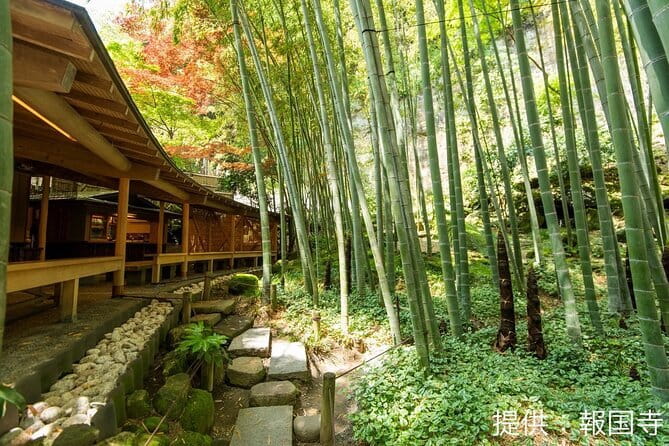
After lunch, you spend about 1 hour and 20 minutes exploring Kamakura with a local guide. The walk focuses on the town’s streets, culture, and less familiar corners. This is where the day shifts from formal temple practice to everyday Kamakura.
I value this part because a temple visit can otherwise feel detached from the town around it. Your guide can explain how the religious sites fit into Kamakura’s wider identity and point out places you might miss if you were following only a major sightseeing route.
The walking section also gives you time to process the morning. After sitting quietly and eating a deliberate meal, ordinary streets can seem more noticeable. You may find yourself paying closer attention to shopfronts, lanes, temple approaches, and the contrast between popular areas and quieter ones.
The exact route is not fully specified, so I would not book this expecting a fixed list of named sights. The appeal is the local interpretation and flexible discovery. Guides have included Yoriko, whose gentle approach helped make the area accessible for a solo visitor and for people who had already visited Kamakura but still found unfamiliar places.
Transport, timing, and the return to Tokyo
The tour begins at 8:30 a.m. The included transportation covers travel from Kamakura Station, along with admission and activity fees. Private transportation is not included, so you should not expect a dedicated car or vehicle throughout the day.
The guide can accompany you back toward Shinjuku Station after the Kamakura program. The train fare from Kamakura to Shinjuku is not included. The scheduled arrival is about 5:15 p.m., which matches the stated total duration of roughly 8 hours and 45 minutes.
That timing makes this possible as a day trip from Tokyo, but do not schedule a flight, theater ticket, or other fixed appointment immediately afterward. Traffic and other unforeseen delays can push the end later. I would leave a cushion, especially if you have evening plans.
A mobile ticket makes entry simple, but the meeting point details should be read carefully after booking. The activity ends back at the meeting point, while the guide may help you continue toward Shinjuku. Since the tour is based around Kamakura Station transport, you need to follow the operator’s instructions about where the morning begins.
Is $170 a fair price?

At $170 per person, this is not a cheap Kamakura sightseeing day. The price becomes easier to judge once you separate the inclusions from the theme.
You are paying for a full day with a guide, temple admissions, matcha, a one-hour zazen session with a priest, shojin ryori lunch, and transportation during the Kamakura portion. You also receive interpretation into English during the religious instruction. Train fares back to Shinjuku and private transportation remain extra.
For someone who would otherwise pay separately for a temple visit, a guided walk, a specialty lunch, and a meditation class, the package can offer fair value. The strongest value is the access and structure. You are not merely entering Hokokuji or ordering a bowl of tea. The day links the sites with explanations and a clear purpose.
It is less appealing if you mainly want to see Kamakura’s famous sights as quickly and cheaply as possible. Independent visitors can spend far less by using local trains and choosing their own temples and lunch. This tour earns its price through interpretation, organization, and the chance to practice zazen in a temple setting.
The maximum group size is 10 people. That is small enough to keep the meditation and walking portions personal, though the experience is not necessarily a one-to-one private retreat. If you need a fully private schedule, confirm the exact arrangement before paying.
Who will enjoy this experience most?
I would recommend this day to you if you want a cultural activity with a wellness angle, especially if you are curious about Zen but do not want a multi-day retreat. First-time meditators can follow the priest’s instructions with help from the guide, and experienced visitors may appreciate the chance to practice in a historic temple.
It also suits solo visitors. A guide provides structure, and the small group can make the day feel more connected than simply moving between stations alone. The format has also worked for people who had already been to Kamakura and wanted to see a different side of town.
Food-focused visitors should enjoy the shojin ryori lunch, provided they like plant-based Japanese cooking. Vegetarians and vegans can be accommodated, but you should state your needs when booking rather than waiting until lunch.
I would hesitate to recommend it to you if you dislike sitting on the floor, need a fast-paced sightseeing day, or want guaranteed solitude. The bamboo grove can become crowded, the matcha service may pause, and temple rooms may be cold. Those are manageable issues, but they are part of the real conditions.
Practical advice before you book
Wear loose clothes that allow comfortable sitting. Avoid short skirts, and bring a warm layer in winter. You will appreciate comfortable footwear for the temple grounds and the town walk.
Keep your schedule open until after the expected 5:15 p.m. arrival at Shinjuku. The return train fare is extra, and delays are possible.
The experience is non-refundable and cannot be changed after booking. Confirmation is sent within 48 hours, subject to availability, and the tour requires a minimum number of participants. If that minimum is not met and the operator cancels, you are offered another date or experience, or a full refund.
The restaurant changed in April 2025, so check the current lunch location when arranging your day. Also remember that the matcha service is not reserved exclusively for the group and can be suspended if the venue is too crowded.
Should you book the Kamakura Zen day?
Book this experience if you want Kamakura to slow you down. The best parts are the bamboo grove with matcha, the guided zazen session with a priest, and the shojin ryori lunch. Together, they create a coherent day rather than a string of unrelated stops.
Skip it if your priority is low cost, famous landmarks, or a long meditation retreat. At $170, you are paying for structure and interpretation, not just transport and admission.
For the right person, this is a thoughtful way to visit Kamakura. Bring warm clothes, an open mind, and enough time after the tour for a delayed return. You may leave with fewer photos than on a standard sightseeing day, but with a clearer sense of why Kamakura remains such an important place for Zen practice.
FAQ
Where does the experience take place?
The activity is based in Kamakura, with visits to Hokokuji Temple and Hokaiji Temple, a shojin ryori lunch at Minemoto, and a guided walk through Kamakura.
What time does the tour start?
The scheduled start time is 8:30 a.m.
How long does the experience last?
The experience lasts approximately 8 hours and 45 minutes.
What is included in the price?
The price includes lunch, matcha at Hokokuji, transportation from Kamakura Station, temple admissions, and activity fees.
Is the train back to Shinjuku included?
No. The train fare from Kamakura to Shinjuku is not included. The guide can accompany you back, with arrival scheduled for about 5:15 p.m.
Is private transportation included?
No. Private transportation is not included.
What happens during the zazen session?
You practice seated Zen meditation at Hokaiji Temple with a Buddhist priest. The guide interprets the priest’s explanations into English.
Can vegetarians and vegans join?
Yes. Vegetarian and vegan participants can be accommodated.
Is matcha guaranteed?
Matcha service is provided without a reservation. It may be suspended if the venue becomes too crowded.
What should I wear for meditation?
Loose-fitting clothing is best. Short skirts are not recommended, and a warm layer is useful because temple interiors may feel cold, especially in winter.
New on our Tokyo list
- Sumi-e Experience in a relaxing green tea shop in Tokyo★ 5.0 · 3 reviews
- Tokyo : Kamikaze Street Drift Ride★ 5.0 · 3 reviews
- Private Zen Meditation in English in Shinjuku, Tokyo★ 5.0 · 3 reviews
- Onsen Spa in Tokyo and Asakusa Bar Hopping with Local Guide★ 5.0 · 3 reviews
- Easy for everyone! Now you can play handmade mini shamisen and show off to everyone! Musical instruments, sweets and live music★ 5.0 · 3 reviews
- Tokyo: Private Tsukiji Street Food & Sake with Local Guide★ 5.0 · 3 reviews
- Mt Fuji Exploration Tour with Free Japanese Kusa Mochi from Tokyo★ 4.5 · 3 reviews
- Tokyo Tsukiji Fish Market Walking and Exploring Hidden Gems Tour★ 5.0 · 3 reviews
Tea Ceremonies, compared.
Matcha Making Class in Tokyo with Authentic Japanese Sweets Set
Read our review →
Matcha Making Experience with Mochi Sweets in Asakusa
Read our review →

Tea Ceremony Workshop in Tokyo by the Experienced Instrucor
Read our review →

Make Traditional Nerikiri Sweets & Matcha experience in Shibuya
Read our review →Browse the lists this tour appears in