
Reviewed · TEA CEREMONIES
Make traditional sweets “Nerikiri” and Matcha in Shibuya
Nerikiri turns sweet white bean paste and rice flour into flowers, leaves, and playful characters you can eat. In this small Tokyo class, you make four sweets, learn the basic shaping tricks, and finish with matcha and carefully chosen confections from around Japan.
I like the four-person limit, which gives you room to ask questions, and the easy location near Omotesando, Harajuku, and Shibuya. I also like that the host, Hannah, explains the cultural side of the sweets and provides a written recipe. The main drawback is the 90-minute schedule: you get a fine introduction, but not a long, leisurely tea-school session.
In This Review
- Key points to know before booking
- Why Nerikiri makes a good Tokyo activity
- Meeting near Omotesando, then stepping into the studio
- The first three sweets: learning the basic shapes
- The fourth sweet gives you room to be creative
- Matcha and premium sweets at the table
- A small group with personal instruction
- What the $46 price gets you
- Best times to fit it into your Tokyo day
- Who will enjoy this class most
- Practical details that affect your choice
- Should you book the Nerikiri and matcha class?
- FAQ
- Where does the Nerikiri class meet?
- How long does the activity last?
- What start times are available?
- How many people can join the class?
- What languages does the instructor speak?
- How many Nerikiri sweets will I make?
- Can I take the sweets home?
- Is matcha included?
- Is the activity suitable for vegans and vegetarians?
- Can young children join?
Key points to know before booking
- Four Nerikiri designs: Make three shapes from examples, then create one original sweet of your own.
- A hands-on cultural lesson: Hannah guides you step by step and explains the place of Nerikiri in tea culture.
- Matcha served at a table: You enjoy a simple, approachable tea service rather than sitting through a formal floor-based ceremony.
- Small group setting: The class is limited to four participants, useful if you want personal help with delicate shaping.
- Convenient Omotesando base: Meet outside CHUMS Omotesando, then walk about 20 seconds to the studio.
- Good for many ages: The class suits children from age five, older adults, vegetarians, and vegans.
Why Nerikiri makes a good Tokyo activity
Tokyo offers plenty of sightseeing that involves looking, walking, and taking photographs. This class gives you something to do with your hands. Nerikiri is soft, smooth, and forgiving enough for a beginner, yet detailed enough to feel like a real craft.
The sweets are made from sweet white bean paste combined with glutinous rice flour or yam. That mixture can be pressed, rolled, pinched, and shaped by hand. The result is not a hard candy or a baked pastry. It has a tender texture and a gentle sweetness that may surprise you if your idea of a Japanese dessert is a strong, sugary treat.
Nerikiri is often served during the tea ceremony, where appearance matters almost as much as flavor. Seasonal flowers, leaves, and other small designs are common because the sweet can reflect the time of year. Here, you are not simply handed a finished confection. You learn why these sweets look the way they do, then try to make one yourself.
I think that makes the class especially useful for a first visit to Japan. You leave with a better sense of how food, presentation, and hospitality fit together. You also get a souvenir that is personal, though edible.
More tea rooms worth booking:
- Matcha Making Class in Tokyo with Authentic Japanese Sweets Set
★ 5.0 · 744 reviews - Tokyo: Traditional Tea Ceremony with a Tea Master
★ 5.0 · 528 reviews - Tokyo: Matcha Making Experience with Mochi Sweets in Asakusa
★ 4.9 · 388 reviews
Meeting near Omotesando, then stepping into the studio
The meeting point is 5-2-21 Jingumae, Shibuya City, in front of the CHUMS Omotesando building. The instructions say to meet across from CHUMS Omotesando, where the host will find you and walk with you for roughly 20 seconds to the studio.
That short walk matters. Omotesando has several large streets, side roads, and fashionable shops, so having a clear landmark is easier than trying to locate a private studio on your own. Still, read the meeting instructions carefully and arrive at the stated point rather than heading directly to an address you may not recognize.
The class is offered at 9:00 AM, 1:00 PM, and 3:30 PM. The morning time works well if you want to continue toward Meiji Shrine later. The afternoon slots fit neatly around Harajuku or Shibuya sightseeing.
You can combine the class with Meiji Shrine, Takeshita Street, or Shibuya Crossing. I would avoid treating it as a rushed stop between several major sights, though. The making portion calls for attention, and the final matcha service is part of the experience, not merely a quick drink before you leave.
The first three sweets: learning the basic shapes
The class begins with examples. You choose from sample designs, then make three different shapes with guidance from the host. This structure is sensible. You are not asked to invent a perfect flower on your first attempt, and you are not stuck making four identical sweets.
The first shape helps you understand how much pressure to use. The paste needs to be handled carefully, and small changes in the surface can alter the final look. Hannah explains each step clearly, according to the class feedback, and helps participants work through the techniques one at a time.
The available designs include seasonal motifs and fun characters. That gives the class a useful balance. You can aim for a classic flower or leaf if you want something close to Japanese tea tradition, or choose a cheerful character if you are attending with children.
Do not expect every sweet to look like the sample. That is part of the point. Nerikiri is edible art, but this is a beginner class, not a professional confectionery exam. The small group helps here. With no more than four people, the instructor can give direct help instead of calling instructions across a crowded room.
The fourth sweet gives you room to be creative
After the guided designs, you make an original Nerikiri. This is the most individual part of the class. You can borrow ideas from the samples, combine shapes, or try a character or seasonal design that suits you.
For some people, this will be the most enjoyable stage. The first three sweets teach control, while the fourth lets you decide how much detail you want to add. For children, it offers a clear sense of ownership. For adults, it turns the class into more than a demonstration.
You can take everything you make home. That is useful if you are not ready to eat four sweets in one sitting, though the provided information does not specify storage conditions or how long they keep. Ask the host if you plan to carry them around Tokyo for several hours.
A written recipe is also provided. That small extra is worth noting. Nerikiri depends on technique, and a recipe gives you something to refer to after the class. It will not replace practice, but it makes the activity more than a one-time memory.
More Shibuya plans:
- Official Street Go-Kart in Shibuya
★ 5.0 · 3,435 reviews - Tokyo: Street Kart Experience in Shibuya
★ 4.9 · 1,484 reviews - Shibuya Meltdown Nightlife Tour: All-You-Can-Drink Bar Hopping
★ 5.0 · 1,058 reviews - Shibuya Official Street Go-Kart in Shibuya Annex
★ 5.0 · 972 reviews
Matcha and premium sweets at the table
Once the making session is finished, you sit down for a table-style tea ceremony. Matcha is served with a selection of premium Japanese sweets sourced from different parts of Japan.
This is not presented as a strict, formal ceremony requiring you to kneel on a tatami floor. The table format makes the activity easier for people who may have mobility concerns, young children, or no experience with tea customs. You still get an introduction to the relationship between matcha and sweets, but in a relaxed setting.
The tasting also gives you a useful comparison. Your handmade Nerikiri has a soft bean-paste flavor and a texture unlike many Western desserts. The additional sweets let you notice how Japanese confections can vary in sweetness, texture, and presentation.
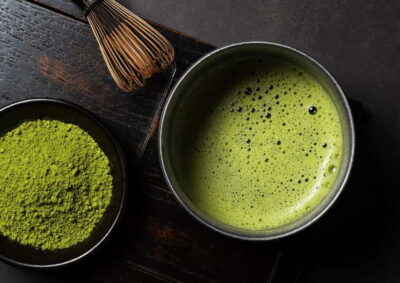
Matcha itself has a grassy, bitter edge. The sweetness of the confections is meant to balance it. If you normally add milk or sugar to tea, the flavor may take some getting used to. That contrast is one reason the tea service works well after the sweet-making portion.
The cultural discussion adds another layer. One participant described the host as a professor of Japanese history, and the class includes explanations about Japanese culture and history. You should expect more than a recipe lesson, though the exact amount of historical discussion may depend on the group and available time.
A small group with personal instruction
The maximum group size is four. That is a strong feature for a craft activity because your hands may need correction. If one edge collapses or a flower petal looks uneven, you can ask for help at once.
The host speaks English and Japanese. English-speaking visitors can follow the instruction without needing a translator, while Japanese speakers can take part comfortably too. The feedback consistently points to a kind, friendly teaching style, with clear explanations and careful support.
That said, the small group does not mean the class will be private. Four people may include others with different ages, skill levels, or ideas about how much help they want. If you prefer a completely private lesson, check the booking conditions before paying.
The class is wheelchair accessible. Smoking is not allowed. Children under five cannot take part, while older children are welcome. One family attended with children, and another parent joined with a teenage daughter. The activity also suits seniors, vegetarians, and vegans, based on the stated arrangements.
What the $46 price gets you
At $46 per person, this is not the cheapest way to sample a Japanese sweet. You are paying for a guided craft lesson, four handmade pieces, matcha, extra Japanese sweets, a small group, and an English or Japanese instructor.
I consider the price reasonable if you value participation and cultural context. You are not just buying a snack. You are paying for instruction, materials, a sit-down tea service, and a take-home result. The four-person limit also gives the class a more personal feel than a large workshop.
The value is weaker if you only want to taste Nerikiri. Tokyo has many places to buy Japanese sweets without spending 90 minutes in a class. This activity makes sense when you want to understand how the sweets are shaped and why they are linked to tea ceremony customs.
It can also work as a birthday gift or a shared activity for a couple. One participant booked it as a birthday present for his girlfriend and found it suited the occasion. You get a clear activity, a final tasting, and something you made together.
Best times to fit it into your Tokyo day
The 9:00 AM session is practical for early risers. Afterward, you can head toward Meiji Shrine or continue through Harajuku. Takeshita Street is within walking distance, though you may want to leave enough time for its shops and crowds.
The 1:00 PM session is a good middle-of-the-day choice. You can explore Omotesando first, attend the class, and then continue toward Shibuya Crossing. The 3:30 PM class suits an afternoon itinerary, but remember that the class itself lasts 90 minutes.
The location is one of the strongest practical features. Omotesando puts you close to three well-known areas without requiring a long train ride between each stop. I would still allow a little extra time to find CHUMS Omotesando, especially if this is your first visit to the neighborhood.
Who will enjoy this class most
I would recommend it to you if you want a calm, creative break from Tokyo sightseeing. It is particularly suitable for:
- Couples looking for a shared activity
- Families with children aged five and older
- Visitors interested in food presentation and Japanese customs
- First-time visitors who want an easy introduction to matcha
- Vegetarians and vegans seeking a clearly suitable food activity
- Anyone who prefers a small group over a large workshop
The class also has appeal for people who do not usually attend tea ceremonies. The table setting is less demanding than a formal floor-based ritual, and the host explains the steps in a friendly way.
It may not suit you if you dislike sweet bean paste, have no interest in making food, or want a long formal tea ceremony. The 90-minute format keeps things focused. That is useful for a packed Tokyo schedule, but it limits the time available for extended tasting or detailed cultural discussion.
Practical details that affect your choice
You can reserve now and pay later, which helps if your Tokyo schedule is still changing. Free cancellation is available up to 24 hours in advance for a full refund. Check the exact terms at booking, particularly if your plans are uncertain.
The activity is offered in English and Japanese. Smoking is not allowed, and children under five are not permitted. The venue is wheelchair accessible, and the small group is limited to four participants.
The experience provider is MumJapanese sweets studio. The host’s manner is a major part of the class. The strongest praise focuses on kindness, clear explanations, patient help, and a comfortable atmosphere from the start.
Should you book the Nerikiri and matcha class?
Book it if you want to make something, not just photograph it. The combination of four sweets, a written recipe, matcha, and cultural explanation gives you a satisfying 90-minute look at a part of Japan that can be easy to miss while rushing between major sights.
I especially recommend it for couples, families with older children, and anyone planning time in Omotesando or Harajuku. The $46 cost is fair for a four-person class with materials and tasting, though it is more than a simple dessert stop.
Skip it if you want a formal, extended tea ceremony or if you are not fond of bean-paste sweets. For everyone else, this is a well-paced, practical way to add a creative food experience to a Tokyo day, with the bonus of leaving with four handmade Nerikiri.
FAQ
Where does the Nerikiri class meet?
Meet at 5-2-21 Jingumae, Shibuya City, Tokyo, in front of CHUMS Omotesando. The host then walks with you for about 20 seconds to the studio.
How long does the activity last?
The experience lasts 90 minutes.
What start times are available?
Start times are 9:00 AM, 1:00 PM, and 3:30 PM.
How many people can join the class?
The group is limited to four participants.
What languages does the instructor speak?
The instructor speaks English and Japanese.
How many Nerikiri sweets will I make?
You make four styles. You first create three designs based on sample shapes, then make one original design.
Can I take the sweets home?
Yes. Everything you make during the session can be taken home.
Is matcha included?
Yes. A table-style tea ceremony with matcha is included, along with a selection of premium Japanese sweets.
Is the activity suitable for vegans and vegetarians?
Yes. The experience is suitable for vegans and vegetarians.
Can young children join?
Children under five are not permitted. The activity is suitable for children aged five and older.
More Dessert Tours in Tokyo
- Make Traditional Nerikiri Sweets & Matcha experience in Shibuya
★ 5.0 · 130 reviews - Private Mochi Sweets Making class near Shibuya area
★ 5.0 · 93 reviews - Japanese Traditional Sweets making and Tea Ceremony
★ 4.7 · 50 reviews - Tokyo Local Food Tour: Noodles, Skewers, Dumplings, Sweets
★ 5.0 · 48 reviews
New on our Tokyo list
- Sumi-e Experience in a relaxing green tea shop in Tokyo★ 5.0 · 3 reviews
- Tokyo : Kamikaze Street Drift Ride★ 5.0 · 3 reviews
- Private Zen Meditation in English in Shinjuku, Tokyo★ 5.0 · 3 reviews
- Onsen Spa in Tokyo and Asakusa Bar Hopping with Local Guide★ 5.0 · 3 reviews
- Easy for everyone! Now you can play handmade mini shamisen and show off to everyone! Musical instruments, sweets and live music★ 5.0 · 3 reviews
- Tokyo: Private Tsukiji Street Food & Sake with Local Guide★ 5.0 · 3 reviews
- Mt Fuji Exploration Tour with Free Japanese Kusa Mochi from Tokyo★ 4.5 · 3 reviews
- Tokyo Tsukiji Fish Market Walking and Exploring Hidden Gems Tour★ 5.0 · 3 reviews
Tea Ceremonies, compared.

Matcha Making Class in Tokyo with Authentic Japanese Sweets Set
Read our review →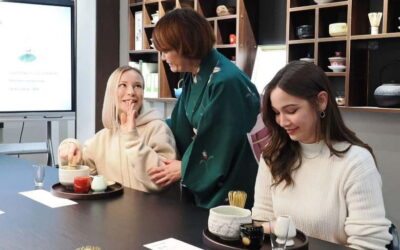
Matcha Making Experience with Mochi Sweets in Asakusa
Read our review →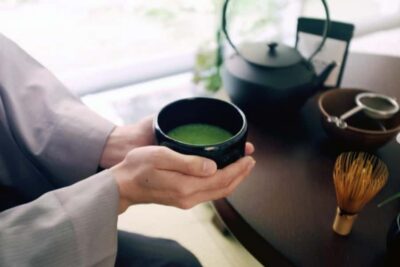
Tea Ceremony Workshop in Tokyo by the Experienced Instrucor
Read our review →

Make Traditional Nerikiri Sweets & Matcha experience in Shibuya
Read our review →Browse the lists this tour appears in