
Reviewed · JAPANESE CULTURE WORKSHOPS
Mini Origami Lamp and Mizuhiki knot Belt Workshop in Ueno
The best part of this Ueno workshop is that you make something useful, not just another small souvenir. You fold handmade washi paper into a lamp that opens like a bellows and closes like a book, then add a decorative mizuhiki knot ornament for a belt. The finished piece gives off a soft, warm glow when you place a small lamp inside.
I like the quiet, hands-on pace and the meaning behind the knots. I also like that the session ends with a Japanese sweet and unusual paper tea, rather than rushing you out with your craft. The main consideration is age: the detailed folding, gluing, and assembly are not suited to children under 10.
In This Review
- Key points
- Making a Lamp That Closes Like a Book
- Why Washi Paper Makes a Good Souvenir
- Folding, Gluing, and Fixing the Bellows Shape
- Adding a Mizuhiki Knot to Your Belt
- Tea, Sweets, and Paper in an Unexpected Form
- What the $106 Price Includes
- Who Will Get the Most From This Ueno Workshop
- Practical Details Before You Book
- What I Like Most About the Experience
- Should You Book the Wasai Labo TOKYO Workshop?
- FAQ
- Where does the workshop take place?
- How long does the activity last?
- What will I make?
- Is the workshop available in English?
- Are materials included?
- Is food or drink included?
- Can children join the workshop?
Key points
- Make a lamp that folds flat: The bellows-style washi design closes like a book, making the finished piece easier to store or carry.
- Learn the story behind mizuhiki: Each paper cord knot carries a meaning, which helps you choose the right style for a gift or personal ornament.
- Work with handmade washi: A guide document introduces the paper’s traditional uses and explains why it works well for art and interior decoration.
- Enjoy a rare tea pairing: Japanese sweets and tea made from washi paper are served at the end of the workshop.
- Private instruction in Ueno: You work with an English- or Japanese-speaking instructor in a private group rather than a large class.
- Allow the full 150 minutes: Folding and joining several sheets takes patience, so this is a craft session, not a quick make-and-take activity.
Making a Lamp That Closes Like a Book
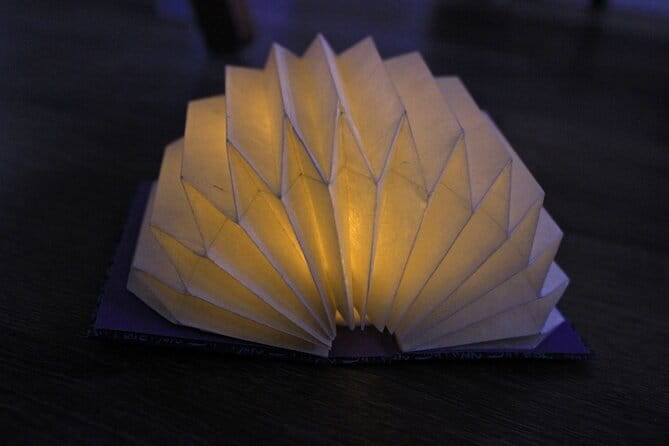
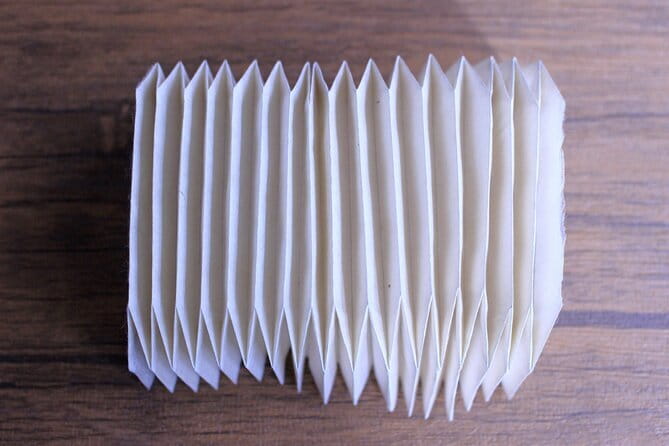
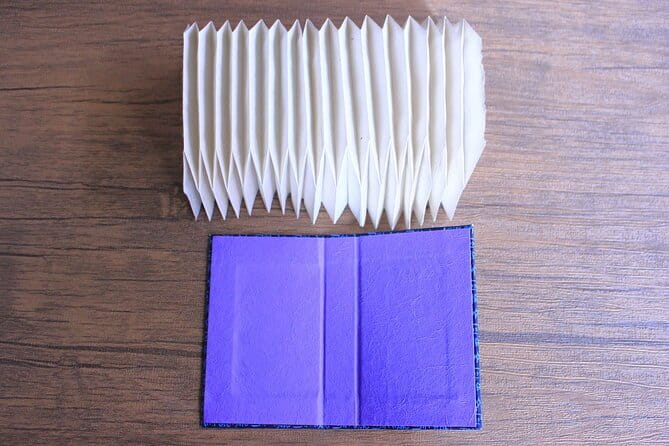
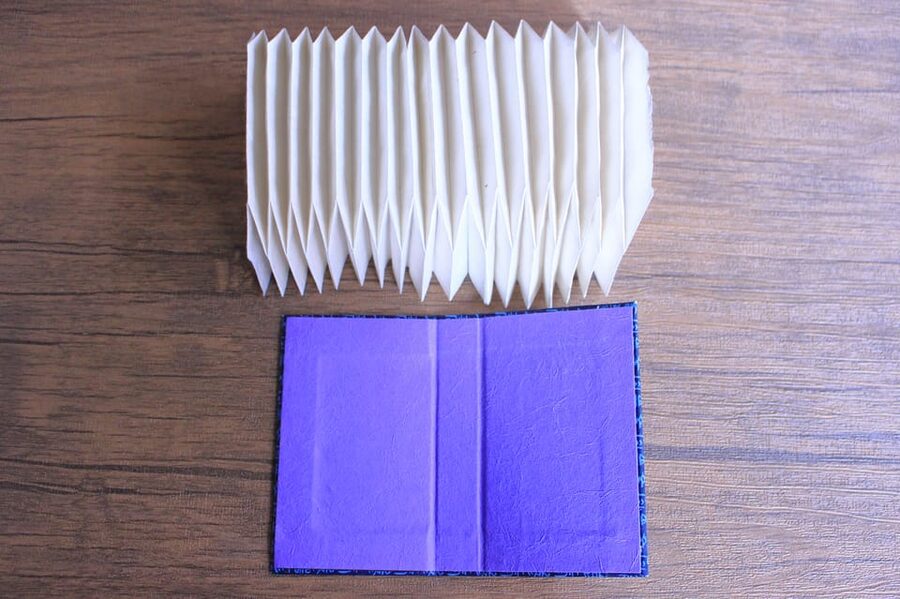
This experience begins with the central project, an origami lamp made from several sheets of handmade washi paper. The paper is folded and glued into a bellows-like shape. When opened, it forms a lamp shade with a gentle sculptural quality. When closed, it looks much like a book.
That design is more than a clever visual trick. It gives you a finished object that can be stored flat and carried home with less fuss than a rigid decoration. You also get to see how a traditional material can be used in a modern interior piece.
The workshop provides all the materials, so you do not need to bring paper, tools, or a half-formed plan. The instructor demonstrates how to fold, glue, and fix the sections together. You then repeat those steps yourself, with help available when the paper refuses to cooperate.
Expect the folding to require care. Washi is light and durable, but the lamp depends on repeated folds lining up properly. Glue also needs attention. Press too hard and you may mark the paper; move too quickly and the joins may not hold as intended.
This is why the 150-minute duration matters. You have enough time to understand the method instead of simply copying a few fast movements. If you enjoy precise handwork, the process is likely to be as satisfying as the finished lamp. If you prefer a short activity with an instant result, this may feel slow.
More craft workshops in Tokyo:
- Tokyo Shinjuku Chopsticks Making Class
★ 5.0 · 1,763 reviews - Kintsugi Experience: Art of Golden Joinery in Tokyo
★ 5.0 · 467 reviews - Authentic Pure Gold Kintsugi Workshop with Master Taku in Tokyo
★ 5.0 · 217 reviews
Why Washi Paper Makes a Good Souvenir
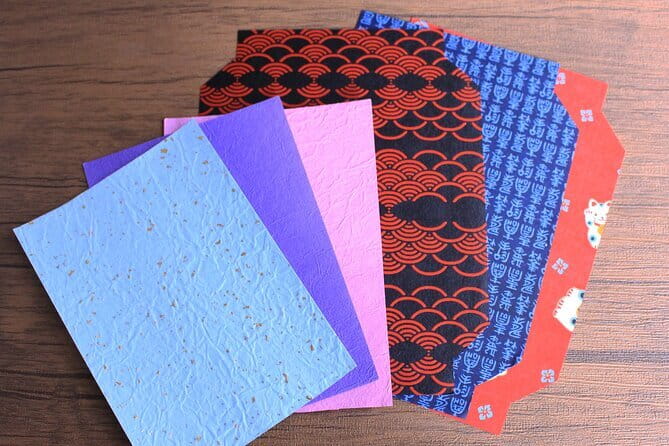
Washi is traditional Japanese paper, but this workshop presents it as more than a museum material. You learn its basic qualities through a guide document and by handling the sheets directly. Its light weight makes the lamp practical to transport, while its durability allows it to work as a lasting art object.
The paper also changes the feel of the activity. You are not assembling a mass-produced souvenir from plastic parts. You are shaping a natural, handmade material into something that carries visible traces of your own work.
The lamp’s warm light is an important part of its appeal. With a small lamp placed inside, the folds glow softly. The workshop information does not specify the type of light or power source included, so you should think of the session as a chance to create the paper shade rather than assume a complete electrical lamp is supplied.
That is a useful point to clarify when booking if you need a ready-to-use lighting fixture. The valuable item here is the washi structure and the skill you learn while making it.
Folding, Gluing, and Fixing the Bellows Shape
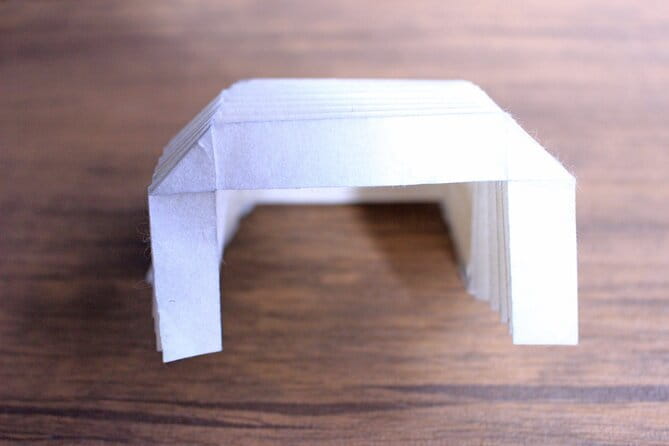
The lamp is assembled from multiple sheets rather than folded from one simple square. The instructor shows you the sequence, then helps you bring the pieces together into the expanding and closing form.
You will work through three basic tasks:
- Folding the washi into repeated sections
- Applying glue and joining the sheets
- Fixing the assembled paper so it holds its bellows shape
The third step is where the object begins to feel like a real piece of design. A flat sheet becomes a shade with depth, movement, and a useful way to close. You can open it for display and close it when storing it.
The workshop is private, which should make it easier to ask for help or request that a step be shown again. The instructor speaks Japanese and English. No individual instructor name is provided, but the session is set up for direct guidance rather than a lecture delivered to a large room.
A private group format also suits people who want to work at their own pace. It can be a good choice for a couple, friends, or a small family group with older children. The age limit still matters: children under 10 are not suitable for this activity because the skills are detailed.
Adding a Mizuhiki Knot to Your Belt
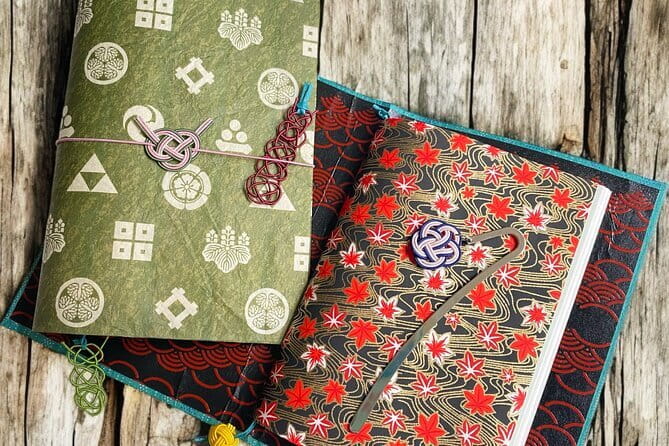
The second project uses mizuhiki, a decorative Japanese paper cord. Mizuhiki has a core of twisted washi paper covered with nylon or film, giving the cord a neat, finished surface and enough strength to hold a shaped knot.
You make a mizuhiki knot ornament for a belt. This adds a smaller, more portable craft to the larger lamp project. It also introduces an important part of Japanese gift culture: the knot itself can carry a message.
Different mizuhiki knots have different meanings and uses. The workshop explains those meanings, so you are not simply copying a pretty shape without context. That knowledge can help you choose a knot when giving a present or making an ornament for a particular occasion.
I find this part especially useful for anyone interested in Japanese design beyond surface decoration. The cord may look simple, but its form can communicate ideas about connection, celebration, or good wishes. The precise meanings available to you will depend on the knots taught during your session, and no specific knot styles are listed in advance.
The belt ornament also gives you a second finished item to take home. If the lamp feels too large to carry around during a long trip, the mizuhiki piece is an easy reminder of the workshop that takes up very little space.
A few more Tokyo bookings worth comparing
- Sushi Making Tokyo Roll and Authentic Japanese Sushi Class
★ 5.0 · 3,971 reviews - Tokyo: Roll and Authentic Sushi Making Class in Asakusa
★ 4.9 · 1,957 reviews - Tokyo: Sushi Making Class in a Happi Coat near a Famous Spot
★ 4.9 · 1,377 reviews - Chopstick Making Workshop in Ginza
★ 4.8 · 1,366 reviews
Tea, Sweets, and Paper in an Unexpected Form
At the end, you receive a Japanese sweet and a cup of tea made from washi paper. This is described as a special tea not offered elsewhere, making it one of the more unusual details of the session.
The phrase Japanese paper tea may prompt questions, since paper is not what most people expect in a cup. The supplied information does not explain the preparation or ingredients, so ask the instructor if you have allergies or want to understand exactly what you are tasting.
The sweet and tea also give you a natural pause after the craft work. You can look at your lamp, handle the knot, and let the session end at a slower pace. One visitor specifically enjoyed the snacks and tea, as well as the presence of a mascot cat. The cat is not presented as a guaranteed part of every session, so treat it as a possible extra rather than a promised feature.
This closing moment is small, but it helps the experience feel like a cultural workshop rather than a production line. You finish with something you made, a new material to think about, and a taste connected to the host’s paper theme.
What the $106 Price Includes
At $106 per person, this is not a bargain craft class. The price makes more sense when you count the private format, the 150 minutes of instruction, the handmade paper, the mizuhiki materials, the finished lamp, the belt ornament, the guide document, and the food and drink.
The strongest value comes from the amount of personal work involved. You are not simply decorating a prepared object. You fold and assemble the lamp yourself, then shape a separate mizuhiki ornament. The finished pieces are unique because your folds, joins, and knot tension will not match anyone else’s exactly.
The private group format adds value for people who want close guidance. It is also useful if you are nervous about working with unfamiliar materials. An instructor can help you correct a fold before it affects the next stage.
Still, you should book with the right expectations. The price is high if your main goal is a quick souvenir or a basic introduction to origami. It is more reasonable if you want a longer craft session, a personal object for your home, and an explanation of washi and mizuhiki traditions.
The cancellation terms reduce some booking risk. You can cancel up to 24 hours ahead for a full refund, and you can reserve now and pay later. Starting times depend on availability, so check the schedule before building your Ueno plans around it.
Who Will Get the Most From This Ueno Workshop
I would recommend this activity to adults and older children who like careful making. It fits visitors who want a break from packed sightseeing days and prefer to spend two and a half hours focused on one traditional art.
It is also a good match for:
- People who want a souvenir with a practical use
- Couples seeking a private creative activity
- Visitors curious about Japanese paper and craft techniques
- Anyone interested in the meanings behind gift decorations
- Travelers with room in their luggage for a handmade lamp that closes flat
You may want to choose another activity if your group includes young children. The provider specifically says the detailed skills are not suitable for children under 10 and recommends a different private workshop involving paper lasting 1,000 years for families.
This session also may not suit someone who dislikes glue, repeated folding, or slow assembly. The craft has a clear result, but it does not arrive quickly. You need to take care with the material.
Practical Details Before You Book
Plan on 150 minutes from start to finish. That time includes the washi introduction, lamp construction, mizuhiki knot work, and the sweet and tea at the end.
Instruction is available in Japanese and English. A guide document on washi basics is included, which gives you something to follow during and after the workshop. Since the session is private, you can focus on the parts that interest you most, though the exact pace will depend on how quickly your group works.
All materials for both projects are included. You do not need to purchase separate washi, cords, or other craft supplies.
The location is in Ueno, but no exact meeting point or transport directions are supplied here. Check the booking details carefully for the precise address and arrival instructions before you go.
You should also consider how you will carry the finished lamp after the session. It closes like a book, which helps, but handmade paper still deserves gentle handling. Keep it protected from rain and avoid packing heavy items on top of it.
What I Like Most About the Experience
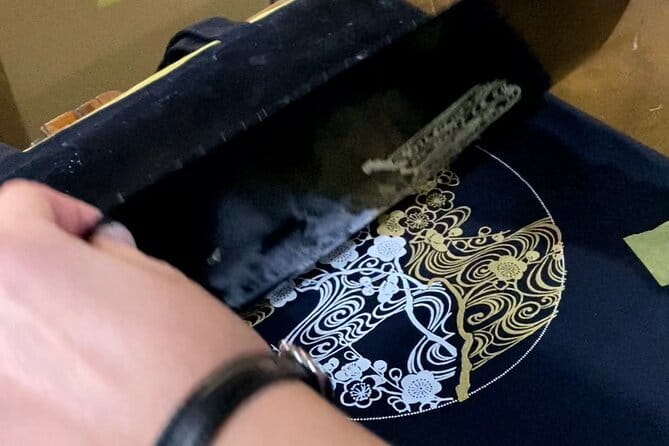
The most praised feature is the instructor’s friendly, helpful approach. That matters in a craft workshop because a small mistake in one fold can affect the final shape. Good assistance keeps the session relaxing rather than frustrating.
The second strong point is the finished souvenir. You leave with a lamp that has a purpose and a mizuhiki ornament that carries cultural meaning. These are more personal than a shop-bought trinket because you made them from start to finish.
I also appreciate the calm structure. You learn, make, pause for tea, and leave with two objects. The mascot cat mentioned by one participant may add charm, but the real draw is the hands-on work and the care given to the paper.
The perfect rating across the four available ratings supports the idea that the workshop delivers what it promises. That is a small sample, so I would not treat it as proof that every visitor will love the pace. Your enjoyment will depend heavily on whether you like detailed handcraft.
Should You Book the Wasai Labo TOKYO Workshop?
Book it if you want a private, thoughtful craft session and a handmade object that reflects Japanese materials and customs. The lamp is the main reward, while the mizuhiki knot adds a useful lesson in how decoration can carry meaning.
At $106, I would not choose this simply to fill spare time. Choose it because you want to work carefully with washi, learn from an English-speaking instructor, and spend 150 minutes making something you can display at home.
Skip it for young children, fast-moving groups, or anyone seeking a low-cost activity. For adults, older children, couples, and craft-minded visitors in Ueno, it offers a pleasant change of pace and a souvenir with genuine personal value.
FAQ
Where does the workshop take place?
The workshop takes place in Ueno, in Honshu, Japan. Check the booking information for the exact meeting point and arrival details.
How long does the activity last?
The workshop lasts 150 minutes, or two and a half hours.
What will I make?
You will make an origami lamp from handmade washi paper and a mizuhiki knot ornament for a belt.
Is the workshop available in English?
Yes. The instructor can teach in Japanese or English.
Are materials included?
Yes. All materials for the washi lamp and mizuhiki knot ornament are included, along with a guide document explaining washi paper basics.
Is food or drink included?
Yes. The workshop includes a Japanese sweet and tea made from washi paper.
Can children join the workshop?
Children under 10 are not suitable for this activity because it requires detailed folding, gluing, and assembly skills. A separate private workshop is recommended for families looking for a child-friendly option.
New on our Tokyo list
- Sumi-e Experience in a relaxing green tea shop in Tokyo★ 5.0 · 3 reviews
- Tokyo : Kamikaze Street Drift Ride★ 5.0 · 3 reviews
- Private Zen Meditation in English in Shinjuku, Tokyo★ 5.0 · 3 reviews
- Onsen Spa in Tokyo and Asakusa Bar Hopping with Local Guide★ 5.0 · 3 reviews
- Easy for everyone! Now you can play handmade mini shamisen and show off to everyone! Musical instruments, sweets and live music★ 5.0 · 3 reviews
- Mt Fuji Exploration Tour with Free Japanese Kusa Mochi from Tokyo★ 4.5 · 3 reviews
- Tokyo Tsukiji Fish Market Walking and Exploring Hidden Gems Tour★ 5.0 · 3 reviews
- Tokyo: Private Tsukiji Street Food & Sake with Local Guide★ 5.0 · 3 reviews
Japanese Culture Workshops, compared.

Kintsugi Experience: Art of Golden Joinery in Tokyo
Read our review →
Authentic Pure Gold Kintsugi Workshop with Master Taku in Tokyo
Read our review →
KABUKI Show at Kabukiza Theatre Admission Ticket
Read our review →
KABUKI, BUNRAKU, etc. presented by National Theatre
Read our review →
Kintsugi Workshop Class in Shibuya, Tokyo with mon cadeau
Read our review →
Browse the lists this tour appears in