
Reviewed · JAPANESE CULTURE WORKSHOPS
Mini Origami Lamp and Mizuhiki knot Belt Workshop in Ueno
The best part of this Ueno workshop is that you leave with something useful, not just a quick craft made for a photo. You fold handmade washi paper into a small bellows-shaped lamp, then create a decorative Mizuhiki belt using traditional paper cords. I like the private format and the patient, hands-on help from Kaho Shinoda. I also like the quiet finish: Japanese sweets and unusual paper tea.
The main caution is the detailed work. This is not a loose, drop-in craft session for small children or anyone hoping to rush through. You need patience, steady hands, and about two and a half hours. There is also a cat in the workshop, so mention allergies before booking.
In This Review
- Key points to know before booking
- A quiet craft break in Ueno
- Finding 和紙ラボTOKYO in Taito City
- Folding a warm-glowing washi paper lamp
- Learning the meaning behind Mizuhiki knots
- Tea, sweets, and an unusual paper drink
- How much value do you get for $107.50?
- Who will enjoy this workshop most?
- Planning this around a day in Tokyo
- What makes the finished souvenirs special
- Should you book it?
- FAQ
- Where does the workshop take place?
- How long does the activity last?
- Is this a private class?
- What will I make?
- Are materials included?
- Are tea and sweets included?
- Is the workshop suitable for young children?
Key points to know before booking
- Two finished crafts: Take home a foldable washi paper lamp and a Mizuhiki knot belt.
- Private instruction: Only your group takes part, giving you time to ask questions and correct your technique.
- Ueno location: The workshop takes place at 和紙ラボTOKYO, near public transportation in Taito City.
- Traditional materials: You work with handmade washi paper and learn how Mizuhiki cords carry meaning.
- Tea and sweets included: The session ends with Japanese sweets and kozo paper tea.
- Best for careful crafters: The fine folding and tying work is not suited to young children.
A quiet craft break in Ueno
Ueno is known for museums, parks, shopping streets, and easy access to Asakusa. This workshop gives you a different way to spend time in the area. Instead of moving from sight to sight, you sit down and make something with your hands.
That change of pace matters. Tokyo can fill a day with noise, signs, trains, and crowds. Here, the focus is a small piece of paper, a fold that must line up, or a cord that needs to be tied in the right way. You get a useful pause without leaving the city center.
The activity lasts about 2 hours and 30 minutes. That is long enough to explain the materials, complete both projects, and enjoy the food at the end. It is also long enough that you should not schedule a major attraction immediately afterward. The work needs attention, especially if you want your lamp to close neatly like a book.
More craft workshops in Tokyo:
- Tokyo Shinjuku Chopsticks Making Class
★ 5.0 · 1,763 reviews - Kintsugi Experience: Art of Golden Joinery in Tokyo
★ 5.0 · 467 reviews - Authentic Pure Gold Kintsugi Workshop with Master Taku in Tokyo
★ 5.0 · 217 reviews
Finding 和紙ラボTOKYO in Taito City
The meeting point is 和紙ラボTOKYO, at 3-chome 30-2 Taito, Taito City, Tokyo 110-0016. The workshop ends at the same place, so you do not need to follow a guide across town or find a second location.
The activity is near public transportation, which makes it easy to fit into a Ueno or Asakusa day. Still, allow a little time to locate the studio. The supplied address includes the Ichikawa Building, 1F, so check the exact meeting details before setting out.
This is a private activity. Only your own group participates, which changes the feel of the lesson. You can ask for a technique to be shown again, work at a sensible pace, and get direct help rather than trying to keep up with a large class.
There is a workshop cat named KAMI. That will be a pleasant extra for many people, especially children old enough to work carefully, but it matters if you have a cat allergy. Tell the provider ahead of time.
Folding a warm-glowing washi paper lamp
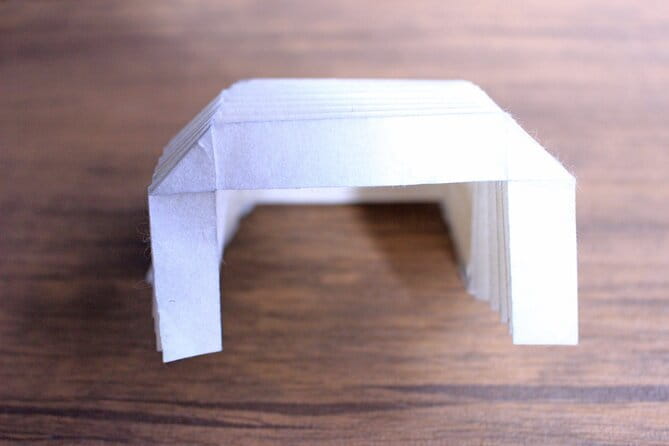
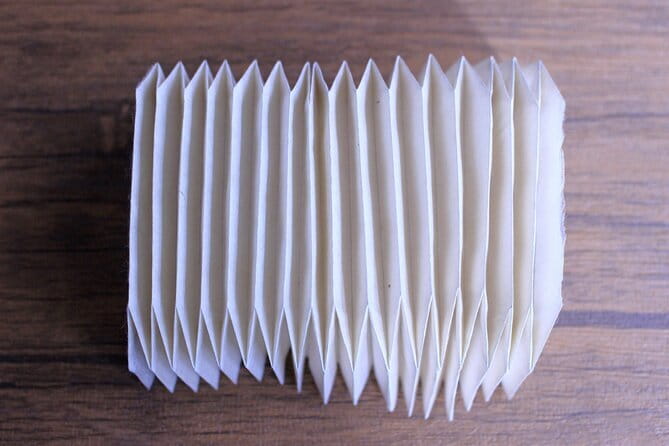
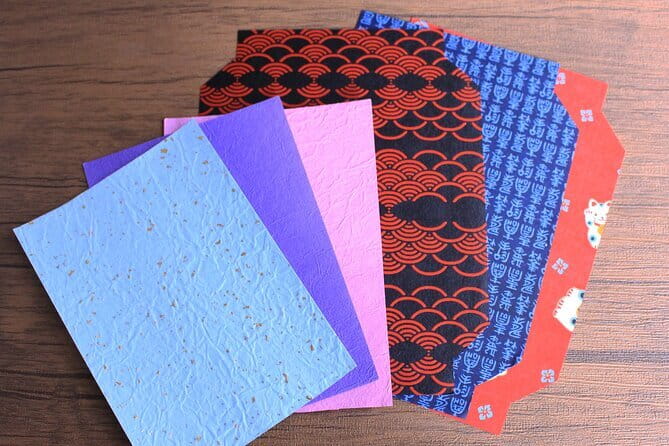
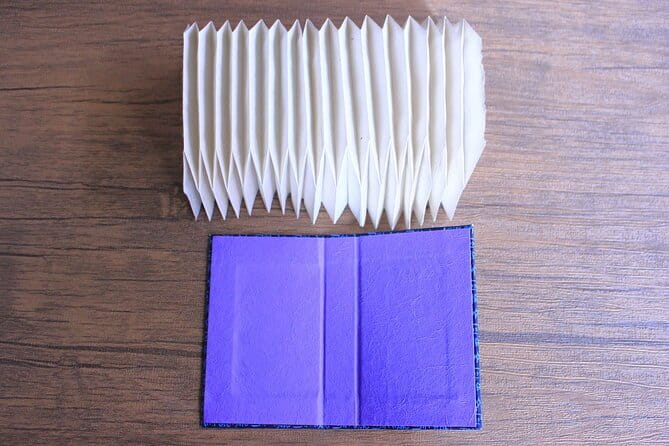
The first project is the small origami lamp. The name can make it sound like a simple paper fold. It is more involved than that. You use several sheets of handmade washi paper, fold them into a bellows pattern, and glue them together.
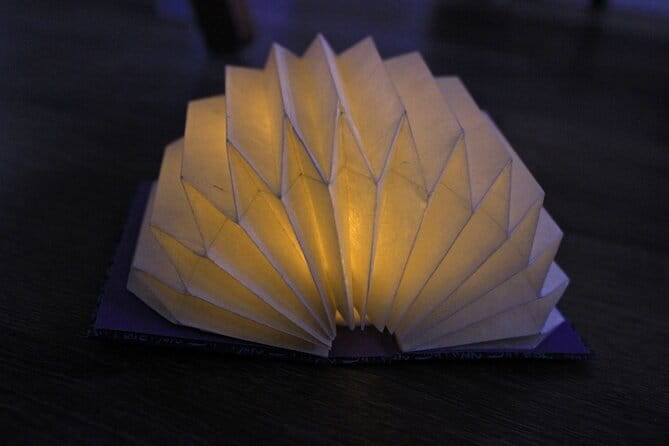
The bellows shape gives the lamp its special trick. Open, it forms a small lampshade with repeated folds. Closed, it looks much like a book. A small lamp placed inside gives the washi a soft, warm glow.
This is a smart souvenir design for a trip to Japan. The lamp is light and folds down, so it is easier to carry than many handmade home goods. You still need to protect it from crushing, but its compact shape is far more practical than carrying a rigid lantern through airports and train stations.
Kaho Shinoda guides the process and provides a document explaining the basics of washi paper. That background helps you understand why the material works well here. Washi is light but durable, and its texture gives the finished lamp more character than ordinary craft paper.
The work rewards care. You need to keep the folds regular and handle the paper gently while gluing. If one section is hurried, the final shape may not open evenly. That is why the private instruction is useful. You can ask before a small mistake becomes part of the finished lamp.
The lamp is also more than a decorative object. Once you place a small light inside, it becomes a reminder of your time in Tokyo that you can use at home. The design is simple enough to suit many rooms, while the handmade paper keeps it from looking mass-produced.
One practical point: the materials and small lamp are included, but the information does not specify that a light source or batteries are supplied. Ask the provider if you want exact details about what comes with the lamp.
Learning the meaning behind Mizuhiki knots
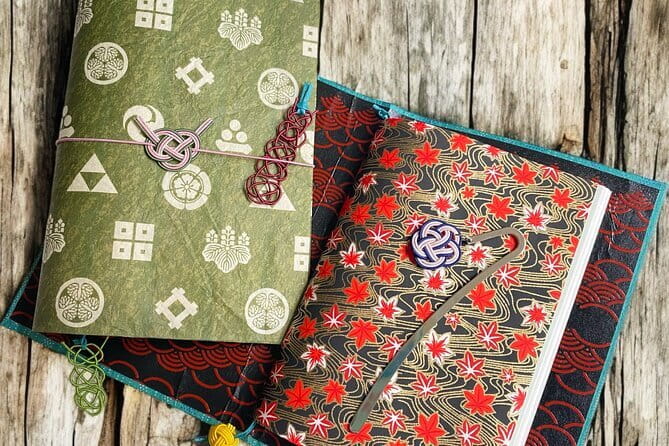
The second project introduces Mizuhiki, a Japanese decorative cord made with a twisted washi-paper core wrapped in nylon or film. It looks delicate, but the structure is made for decorative use and careful tying.
You create a Mizuhiki knot ornament for the belt. The knot is not only a pattern. Different knots have different meanings, which is one reason Mizuhiki is often used for gifts and formal wrapping. Learning that connection gives the craft a purpose beyond making something pretty.
The belt adds a wearable or decorative element to the session. It also gives you a second kind of handwork after the repeated folds of the lamp. The lamp asks for regular shapes and careful gluing. The Mizuhiki piece asks you to follow a knot pattern and understand how the cords cross.
This part may be the trickier one for anyone new to Japanese crafts. Paper cords can shift while you are tying them, and a knot may not look right until several steps are complete. You can ask questions throughout the private class, which is a major help for beginners.
The materials let you make your own version rather than simply watching a demonstration. That is the heart of the experience. You learn a traditional technique, but you also leave with a personal object that carries the memory of where and how you made it.
A few more Tokyo bookings worth comparing
- Sushi Making Tokyo Roll and Authentic Japanese Sushi Class
★ 5.0 · 3,971 reviews - Tokyo: Roll and Authentic Sushi Making Class in Asakusa
★ 4.9 · 1,957 reviews - Tokyo: Sushi Making Class in a Happi Coat near a Famous Spot
★ 4.9 · 1,377 reviews - Chopstick Making Workshop in Ginza
★ 4.8 · 1,366 reviews
Tea, sweets, and an unusual paper drink
After the hands-on work, the session ends with Japanese sweets and tea. The tea is described as Japanese paper tea, or kozo tea, and is presented as something not commonly offered elsewhere. Kozo is associated with the fiber used in traditional Japanese paper, so the drink connects neatly with the workshop’s focus.
This closing moment gives you time to look at both finished pieces. It also keeps the class from feeling like a craft production line. You can pause, enjoy the sweets, and appreciate the work while the instructor remains available for questions.
The food is included in the price, but it should be viewed as a small cultural finish rather than a full meal. Eat beforehand if you are arriving hungry. The main value here is the chance to link Japanese paper traditions with a local tea and sweet-treat ritual.
How much value do you get for $107.50?
At $107.50 per person, this is not a cheap souvenir-making stop. The price makes more sense if you value private instruction, quality materials, and two finished projects you can take home.
You are paying for about two and a half hours of guided time, not just a short demonstration. The cost includes the washi paper, lamp materials, Mizuhiki materials, tea, and sweets. You also avoid paying separately for a lamp or belt after the class.
The private format is especially important when comparing prices. In a large group, a difficult fold or knot can leave you waiting for help. Here, the instructor can focus on your group and explain the fine points as you work.
I would consider it good value for a couple, family with older children, or small group that wants a calm activity in Ueno. It is less compelling if you only want a quick, inexpensive craft or have little interest in carrying handmade items home.
Another value is the skill itself. You do not just receive a finished object. You learn the basic logic behind washi folding and Mizuhiki tying, which may encourage you to try more paper crafts later.
Who will enjoy this workshop most?
This experience fits you best if you enjoy making things, want a break from sightseeing, or prefer a souvenir with a personal story. It is a good choice for an afternoon in the Ueno and Asakusa area, especially during very hot weather when a seated indoor activity sounds welcome.
It also works well for people who want direct contact with a traditional Japanese craft without committing to a long course. You get an introduction to washi and Mizuhiki, then apply what you learn right away.
The activity is not suited to young children because of the detailed work. Older children may manage it, but the supplied information does not give a specific minimum age. Ask before booking if you are arranging the class for children.
You should also think about your tolerance for glue, repeated folding, and fine hand movements. The class is relaxing for people who like careful work. If you prefer fast activities with little instruction, the pace may feel slow.
Planning this around a day in Tokyo
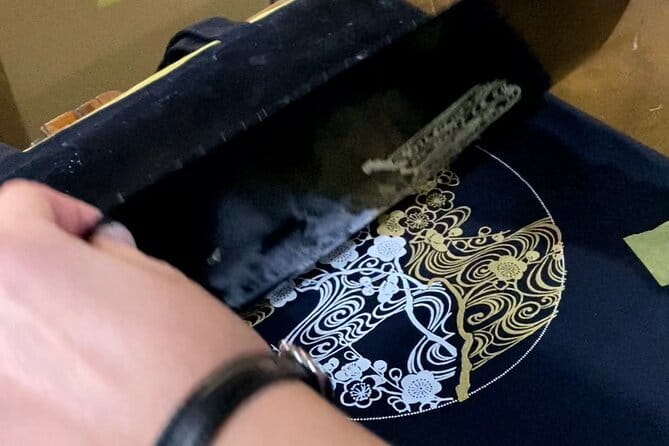
The Ueno setting makes the workshop easy to pair with other stops in the same broad part of Tokyo. You could plan museums, Ueno Park, or a visit toward Asakusa before or after, but leave enough time to arrive at the studio without rushing.
Because the class is private and starts at a set time, late arrival could cut into your own instruction. Confirmation is provided at booking, and the activity is near public transportation. Use the exact meeting address when planning your route.
The activity requires good weather under its operating policy. If poor weather causes a cancellation, you are offered another date or a full refund. For your own plans, it is wise to keep some flexibility around the booking.
You can cancel for a full refund up to 24 hours before the start time. Changes or cancellations made inside that period are not accepted or refunded. The cut-off uses Tokyo local time.
What makes the finished souvenirs special
A bought souvenir can remind you of Japan. A lamp you folded and glued yourself does more. You remember the paper texture, the repeated bellows folds, the point where the shape finally came together, and the meaning attached to the Mizuhiki knot.
The lamp is the stronger practical souvenir. It is light, foldable, and useful as home decor. When lit, the washi softens the light and gives the paper a gentle glow. When closed, it is compact enough to store like a book.
The Mizuhiki belt adds a different kind of memory. Its value is tied to the knot and what that knot represents. You can keep it with the lamp, use it as a decorative piece, or give it to someone who appreciates handmade Japanese objects.
Do remember that handmade work does not need to look factory-perfect. Small differences in the folds or knot are part of the point. The goal is not to produce an identical object. It is to learn enough to make your own.
Should you book it?
Book this workshop if you want a private, hands-on activity in Ueno and would value two handmade souvenirs more than a low-cost attraction. Kaho Shinoda’s direct instruction, the washi lamp, the Mizuhiki belt, and the tea-and-sweets finish make the session feel personal and well focused.
Skip it if you need a quick stop, dislike detailed craft work, are booking for very young children, or have a cat allergy that cannot be managed. For everyone else, it is a thoughtful way to spend part of a Tokyo day, especially when you want to slow down and make something that will still be useful after the trip.
FAQ
Where does the workshop take place?
It takes place at 和紙ラボTOKYO in the Ueno area, at 3-chome 30-2, Ichikawa Building 1F, Taito City, Tokyo 110-0016.
How long does the activity last?
The workshop lasts approximately 2 hours and 30 minutes.
Is this a private class?
Yes. Only your group participates in the activity.
What will I make?
You will make a small origami-style washi paper lamp and a Mizuhiki knot belt or ornament for the lamp.
Are materials included?
Yes. Materials for making the washi lamp and Mizuhiki piece are included.
Are tea and sweets included?
Yes. Japanese sweets and Japanese paper tea, described as kozo tea, are included at the end of the session.
Is the workshop suitable for young children?
No. The detailed work required means the activity is not suitable for young children.
New on our Tokyo list
- Sumi-e Experience in a relaxing green tea shop in Tokyo★ 5.0 · 3 reviews
- Tokyo : Kamikaze Street Drift Ride★ 5.0 · 3 reviews
- Private Zen Meditation in English in Shinjuku, Tokyo★ 5.0 · 3 reviews
- Onsen Spa in Tokyo and Asakusa Bar Hopping with Local Guide★ 5.0 · 3 reviews
- Easy for everyone! Now you can play handmade mini shamisen and show off to everyone! Musical instruments, sweets and live music★ 5.0 · 3 reviews
- Tokyo: Private Tsukiji Street Food & Sake with Local Guide★ 5.0 · 3 reviews
- Mt Fuji Exploration Tour with Free Japanese Kusa Mochi from Tokyo★ 4.5 · 3 reviews
- Tokyo Tsukiji Fish Market Walking and Exploring Hidden Gems Tour★ 5.0 · 3 reviews
Japanese Culture Workshops, compared.
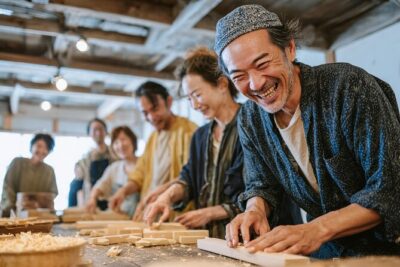
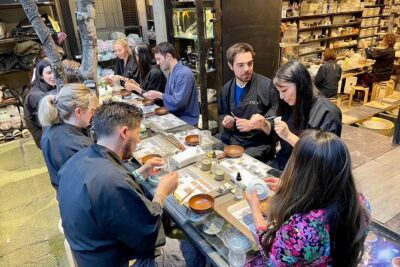
Kintsugi Experience: Art of Golden Joinery in Tokyo
Read our review →
Authentic Pure Gold Kintsugi Workshop with Master Taku in Tokyo
Read our review →
KABUKI Show at Kabukiza Theatre Admission Ticket
Read our review →
KABUKI, BUNRAKU, etc. presented by National Theatre
Read our review →
Kintsugi Workshop Class in Shibuya, Tokyo with mon cadeau
Read our review →
Browse the lists this tour appears in