
Reviewed · SUMO EXPERIENCES
Private Ryogoku Walking Tour with Sumo Wrestler and Master Guide
The best part of this Tokyo walk is the chance to explore sumo with someone who has actually lived inside that demanding world. Your guide may be an active wrestler or a recently retired one, joined by a translator, so you get more than a quick photo beside the Kokugikan. You can ask about training, rituals, rankings, and daily life while walking through Ryogoku, sumo’s home district.
I like the small private format, limited to five people, and the stop at Nomi Sukune Shrine, where new yokozuna champions pay their respects. I also like the pairing of Ryogoku with Asakusa, since you get both a close look at modern sumo and classic Tokyo sights. The main concern is price: at $402.32 per person, this is a costly two-and-a-half-hour walk, especially when food, drinks, and transport to the meeting point are extra.
In This Review
- Key points to know before booking
- Why this walk gives Tokyo a different shape
- Starting at the restored Ryogoku Edo Noren
- Reading the Kokugikan from the outside
- A quiet stop at Nomi Sukune Shrine
- The Hokusai connection in Ryogoku
- Moving on to Senso-ji and Nakamise Street
- What the private format changes
- The role of the translator
- Who will get the most from this experience
- Practical details that affect your afternoon
- Should you book the private Ryogoku sumo walk?
- FAQ
- How long does the private Ryogoku walking tour last?
- Where does the tour begin and end?
- What time does the tour start?
- Is the sumo guide always an active wrestler?
- What is included in the price?
- How many people can join, and is there a minimum age?
Key points to know before booking
- A real sumo guide leads the walk: The guide may be an active wrestler or a recently retired wrestler, depending on tournament schedules and availability.
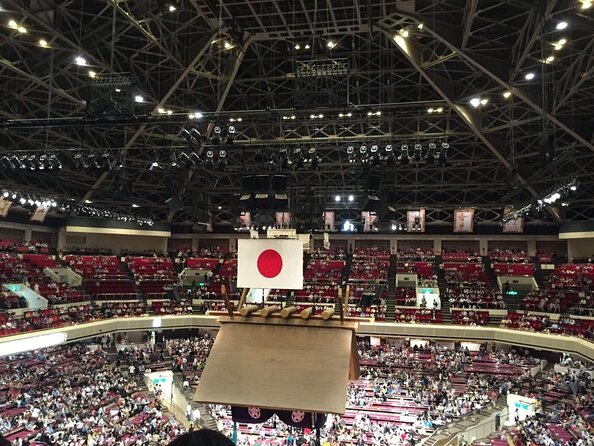
- Ryogoku Kokugikan is the central setting: You see Tokyo’s major sumo stadium from the outside and learn why this neighborhood matters to the sport.
- Nomi Sukune Shrine adds ritual and tradition: The shrine honors the deity linked with the beginnings of sumo, and its garden records yokozuna names.
- Asakusa brings food and atmosphere: Senso-ji and Nakamise Street offer temple architecture, snacks, and shopping after the Ryogoku visit.
- The group is genuinely small: Only your party participates, with a maximum of five people and a minimum age of 10.
- The cost pays for access and interpretation: A translator and sumo wrestler are included, but the high price makes the tour best for visitors who care strongly about sumo.
Why this walk gives Tokyo a different shape
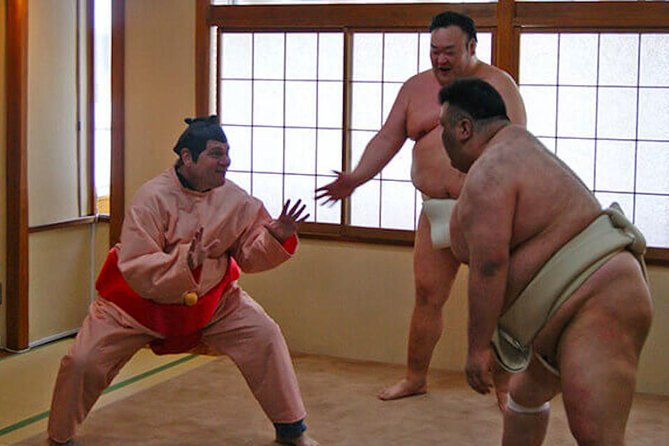
Tokyo can feel enormous and hard to read. This tour helps by linking two nearby but very different districts through a single subject: Japanese sumo and the old city around it.
Ryogoku is the natural place to study sumo. The Kokugikan stadium is here, along with sumo stables, shrines, specialty shops, and reminders of the sport at nearly every turn. Asakusa then shifts the mood toward temple gates, incense, traditional sweets, and shopping along Nakamise Street.
I like this combination because it avoids treating sumo as a separate show with no connection to Tokyo. You see how the sport fits into neighborhood life, religion, tourism, and national tradition. The sumo guide gives the walk a personal center, while the translator helps keep the conversation moving.
The experience lasts about 2.5 hours and begins at 1:30 p.m. at Ryogoku Station. That afternoon timing works well if you want a focused activity between morning sightseeing and dinner, although it leaves less room for a long visit inside either district. Think of this as a guided introduction rather than a full day devoted to sumo.
More sumo mornings:
- Tokyo: Sumo Show Experience with Chicken Hot Pot and a Photo
★ 4.8 · 6,678 reviews - Tokyo: Sumo Show and Dining Experience
★ 4.8 · 2,742 reviews - the SUMO show
★ 5.0 · 1,960 reviews
Starting at the restored Ryogoku Edo Noren
The first stop is Ryogoku Edo Noren, a shopping and restaurant complex built inside the restored former Ryogoku Station building. The old 1929 façade remains, giving the site a nostalgic look before you even begin walking.
You have about 30 minutes here, and admission is included. The stop helps you get your bearings in Ryogoku while showing how the neighborhood has reused an older railway building for food and shopping.
This is not the reason to book the tour, but it is a sensible opening. You can begin with the district’s atmosphere instead of stepping straight into a lecture about rankings and tournaments. The setting also gives the guide a natural place to explain why Ryogoku became associated with sumo.
Do not expect this stop to replace a full meal. Food and drinks are not included, and the tour is short enough that stopping for a substantial lunch could affect the pace. If you want snacks or a drink, ask the guide about timing rather than assuming there will be a long break.
Reading the Kokugikan from the outside
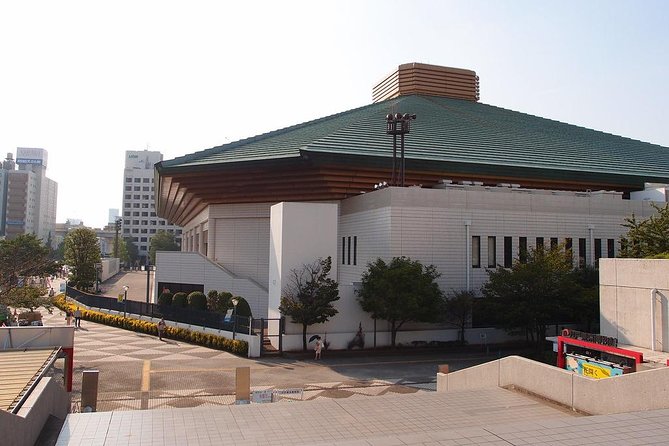
The Ryogoku Kokugikan is the visual heart of the tour. Built in 1985, the stadium holds more than 10,000 people and hosts Tokyo’s major sumo events. A tournament is the best way to feel the sport’s full force, but this walk offers another advantage: you can discuss sumo beside the place where the action happens.
The visit is scheduled for about 30 minutes, with no admission charge. The experience focuses on the stadium and its surrounding area rather than promising entry to a live tournament or the interior. That distinction matters. If you want a full tournament day, you will need a separate ticket and far more time.
Here, your sumo guide can provide the context that a casual look at the building cannot. Sumo is not simply two large athletes pushing each other out of a ring. It involves ceremony, discipline, rank, stable life, and strict traditions. A guide who has trained as a wrestler can make those subjects easier to understand and give you a better sense of what the sport demands.
The tour also includes a look at where wrestlers practice, along with a sumo goods shop. Access to a working stable can depend on conditions, schedules, and availability, so you should treat this as part of the planned sumo orientation, not as a guaranteed private training session. The listing specifically warns that your guide may be recently retired if an active wrestler cannot participate because of a tournament or another reason.
That change should not automatically be viewed as a downgrade. A retired wrestler may be able to speak freely about the sport and still understand its routines from personal experience. The important point is to book for the sumo perspective, not for the promise of meeting one particular current champion.
A quiet stop at Nomi Sukune Shrine
Nomi Sukune Shrine gives the walk a more reflective pause. It honors the figure associated with the beginnings of sumo in ancient Japan, and new yokozuna champions visit to worship there.
The shrine’s garden includes a stone monument engraved with the names of yokozuna champions. That detail turns a simple shrine visit into a lesson in how sumo preserves its own past. You can see the sport’s highest rank recorded in stone, while the guide explains why a sacred site remains part of a champion’s public duties.
The stop lasts about 20 minutes and has no admission fee. It is short, but it may be one of the most useful parts of the walk for anyone who wants to understand sumo beyond its physical side. The shrine connects competition with belief, ceremony, and respect.
I would especially value this stop if you have already watched sumo on television but have never considered its ritual setting. It gives the sport a cultural frame without requiring a long museum visit.
More walking routes in Tokyo:
- Tokyo Tsukiji Fish Market Food and Culture Walking Tour
★ 5.0 · 3,184 reviews - Tokyo: Imperial Palace and Shogun Historical Walking Tour
★ 5.0 · 2,251 reviews - Tokyo: Shinjuku Local Bar and Izakaya Guided Walking Tour
★ 4.9 · 1,794 reviews - Tokyo: Tsukiji Fish Market Food and Walking tour
★ 5.0 · 1,724 reviews
The Hokusai connection in Ryogoku
The route also points you toward the Hokusai Museum if you like the artist’s work. The supplied tour details do not give a visit length or confirm that museum admission is included, so you should not assume this is a full guided museum stop.
That is still useful information. Katsushika Hokusai was closely linked with the area, and the museum can make a good add-on if you have extra time in Ryogoku. If the tour only points out the museum, save it for another visit rather than trying to rush through the galleries during the walk.
This is a good example of the tour’s limits. It introduces several layers of Ryogoku, but two-and-a-half hours cannot cover every museum, stable, shrine, and stadium in depth. You get a well-chosen route and a specialist guide, not an exhaustive district tour.
Moving on to Senso-ji and Nakamise Street
The Asakusa portion brings a clear change of pace. Senso-ji is Tokyo’s best-known Buddhist temple, and the approach along Nakamise Street is lined with traditional snacks, small gifts, and souvenir shops.
The tour includes time to explore the temple area and sample snacks and shopping along Nakamise Street. Food purchases are not included, so carry some yen if you want to try local treats. The guide can help explain what you are seeing and may point out items that are easy to miss when you walk the street alone.
Asakusa is also one of Tokyo’s busiest sightseeing areas. The temple and shopping street can be crowded, especially during popular visiting hours. A private guide helps you keep the visit focused, but it cannot make the crowds disappear. If you prefer quiet lanes and slow photography, you may want to return to Asakusa independently after the tour.
Pairing Senso-ji with Ryogoku makes practical sense. You see a major temple, a famous shopping street, and a sumo district in the same afternoon. The drawback is that neither area receives the time it would get on a dedicated tour. I would treat the Asakusa section as an introduction and use it to decide where you want to return later.
What the private format changes
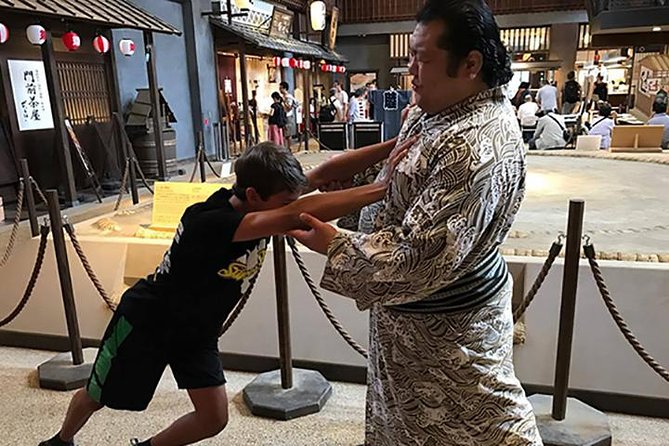
The maximum group size is five, and only your own party participates. That is a meaningful advantage for a subject like sumo, where questions can be more interesting than a prepared speech.
You can ask about the guide’s training, the difference between active and retired wrestlers, stable life, or what happens during a tournament period. A translator is included, which matters because the value of the tour depends heavily on conversation rather than simply following a route.
A private format also helps families and small groups move at a reasonable pace. The minimum age is 10, and most people can participate. If you are traveling with children who are curious about sport, ritual, or Japanese culture, the wrestler guide gives the subject a human face.
The tradeoff is cost. Private tours usually cost more because you are paying for a dedicated guide and translator rather than joining a large group. Here, the price is $402.32 per person, with group discounts noted. Since the tour lasts about 2.5 hours and excludes food, drinks, and transport to the meeting point, you should compare it with the cost of a longer shared walking tour or a separate sumo event.
For a couple, the price may feel steep. For a small family or group of friends that can divide the cost, the private setup may make more sense. You are buying access to a specialist and the chance to shape the conversation, not simply paying for entry tickets.
The role of the translator
The translator is not a minor extra. The wrestler guide brings the subject knowledge, but the translator helps turn that knowledge into a useful conversation for English-speaking visitors.
One particularly strong aspect of the experience is the chance to talk with both the sumo guide and translator about subjects beyond the basic tour script. A friendly translator can help with follow-up questions, local customs, and the small details that make the walk feel personal.
Because no guide names are supplied, you cannot book around a specific individual. You should also remember that the wrestler may be recently retired if an active wrestler is unavailable. The quality of the experience depends more on the guide’s ability to communicate and your own curiosity than on an active title alone.
Bring questions. Ask about the meaning of ceremonies, the importance of rank, daily training, and how a wrestler’s life changes after retirement. The more specific your questions, the more you are likely to get from the private format.
Who will get the most from this experience
I would choose this tour if sumo is high on your Tokyo list and you want a personal explanation rather than a stadium visit alone. It also suits first-time visitors who want a compact introduction to Ryogoku and Asakusa without managing the route themselves.
It works well for:
- Small families with children aged 10 or older
- Couples who place a high value on private guiding
- Sumo fans visiting outside a tournament
- Visitors who want to combine sport, religion, shopping, and neighborhood history
- Anyone comfortable paying more for a specialist guide and translator
I would hesitate if your budget is tight or if you mainly want to see a live tournament. The tour does not include tournament admission, and the Kokugikan visit is not the same as sitting inside during a match.
You should also be realistic about pace. The tour covers two districts and several themes in a short window. You will see key places, hear useful explanations, and get suggestions for further exploring, but you will not have hours at each stop.
Practical details that affect your afternoon
The meeting point is Ryogoku Station, at 1-chōme-3-20 Yokoami, Sumida City. The tour starts at 1:30 p.m. and ends back at the meeting point, making it easy to continue your evening from Ryogoku or arrange your own transport afterward.
Transport to and from the meeting point is not included. The area is near public transportation, but you should allow enough time to find the correct station exit and gather before departure.
Confirmation is sent within 48 hours of booking, subject to availability. The activity is non-refundable and cannot be changed after booking, so I would avoid purchasing until your schedule and health plans are firm.
Wear comfortable shoes. The route is a walking tour through several public areas, and you may spend time standing around the stadium, shrine, temple, and shopping street. Food and drinks are extra, so plan a meal before or after the tour rather than expecting a full dining stop.
Should you book the private Ryogoku sumo walk?
Book it if meeting a sumo wrestler is a top priority and you want time for questions in a small group. The combination of the Kokugikan, a sumo stable area, Nomi Sukune Shrine, Senso-ji, and Nakamise Street gives you a strong cultural snapshot in one afternoon.
Skip it if $402.32 per person feels out of proportion to a 2.5-hour walk, or if your main goal is watching a tournament. The tour’s best value comes from the guide, translator, and private conversation, not from admission tickets.
For the right visitor, this is one of Tokyo’s more personal ways to understand sumo. Just book with clear expectations: you are paying for access to a specialist and a compact guided route, with an active or recently retired wrestler depending on availability.
FAQ
How long does the private Ryogoku walking tour last?
The tour lasts approximately 2.5 hours. The provided tour summary also lists a two-hour duration, so you should allow at least two-and-a-half hours for the scheduled experience.
Where does the tour begin and end?
The tour begins at Ryogoku Station, at 1-chōme-3-20 Yokoami, Sumida City, Tokyo. It ends back at the meeting point.
What time does the tour start?
The scheduled start time is 1:30 p.m.
Is the sumo guide always an active wrestler?
Not always. An active wrestler may be unavailable because of tournaments or other reasons. In that case, the guide may be a recently retired sumo wrestler.
What is included in the price?
The price includes taxes, fees, handling charges, a local translator, and a sumo wrestler guide. Food, drinks, and transportation to and from the meeting point are not included.
How many people can join, and is there a minimum age?
This is a private activity for only your group, with a maximum of five people per booking. The minimum age is 10, and most people can participate.
New on our Tokyo list
- Sumi-e Experience in a relaxing green tea shop in Tokyo★ 5.0 · 3 reviews
- Tokyo : Kamikaze Street Drift Ride★ 5.0 · 3 reviews
- Private Zen Meditation in English in Shinjuku, Tokyo★ 5.0 · 3 reviews
- Onsen Spa in Tokyo and Asakusa Bar Hopping with Local Guide★ 5.0 · 3 reviews
- Easy for everyone! Now you can play handmade mini shamisen and show off to everyone! Musical instruments, sweets and live music★ 5.0 · 3 reviews
- Tokyo: Private Tsukiji Street Food & Sake with Local Guide★ 5.0 · 3 reviews
- Mt Fuji Exploration Tour with Free Japanese Kusa Mochi from Tokyo★ 4.5 · 3 reviews
- Tokyo Tsukiji Fish Market Walking and Exploring Hidden Gems Tour★ 5.0 · 3 reviews
Sumo Experiences, compared.
Sumo Show Experience with Chicken Hot Pot and a Photo
Read our review →
Tokyo Shinjuku Sumo Show & Experience with Photo
Read our review →

Authentic Sumo Experience in Tokyo: Enter the Sanctuary
Read our review →
Luxury Sumo Show Experience & Japanese cuisine & Drink
Read our review →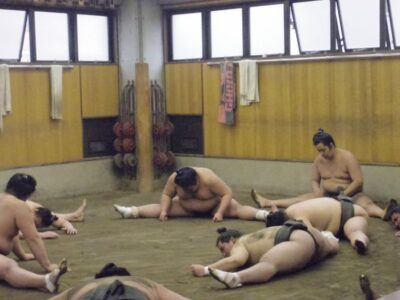
Browse the lists this tour appears in