
Reviewed · JAPANESE CULTURE WORKSHOPS
Shibuya Tokyo: Modern Kintsugi Workshop in Shibuya
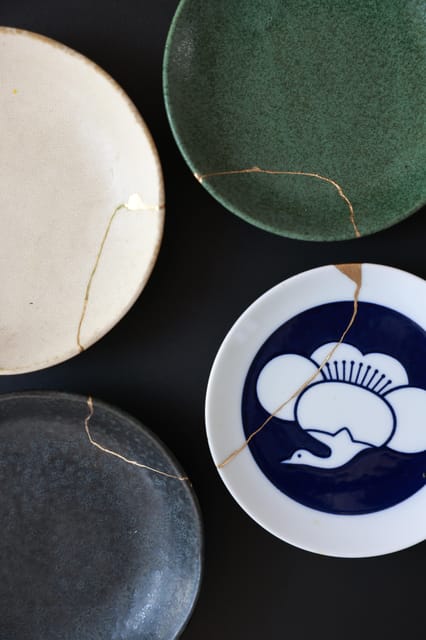
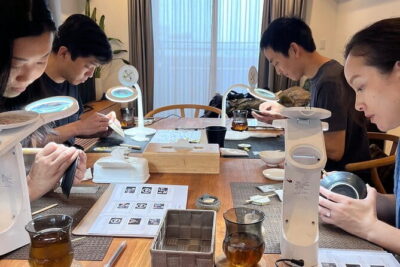
Modern kintsugi turns a broken plate or dish into a keepsake, with the cracks made part of the design rather than hidden. At mon cadeau’s studio above Shibuya Crossing, you begin with matcha and seasonal sweets, then work through each repair step with close help from Michiko and her team.
I like the tiny class size, capped at six, and the fact that you take home an actual piece of crockery rather than just a memory. The main thing to consider is the $141 price for two hours. It is not a cheap craft class, but the personal teaching, materials, refreshments, and finished souvenir make the value easier to understand.
In This Review
- Key points to know before booking
- From Shibuya Crossing to a quiet craft studio
- Matcha, sweets, and the right start
- Choosing a piece from the studio collection
- Learning modern kintsugi step by step
- What wabi sabi means here
- A friendly class with room for families and teens
- Taking home your finished piece
- Is $141 a fair price for two hours?
- How this fits into a Tokyo day
- Who should book this kintsugi workshop?
- Should you book it?
- FAQ
- Where is the kintsugi workshop located?
- How do I find the studio entrance?
- How long does the workshop last?
- Is the workshop taught in English?
- How many people are in each class?
- What is included in the price?
- What should I bring?
- Can children join the workshop?
Key points to know before booking
- Small English-language class: No more than six participants, with step-by-step help from Michiko and her team.
- A calm pause in Shibuya: The private studio sits uphill from Shibuya Crossing, away from the crowds and noise.
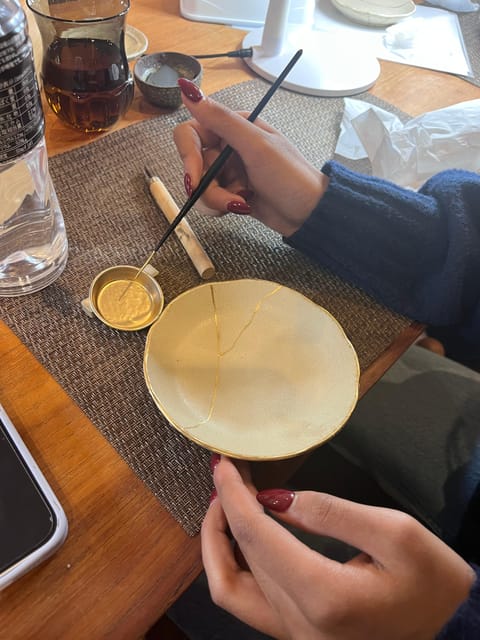
- Modern, accessible kintsugi: Contemporary repair materials make the process quicker and safer than traditional methods.
- You choose your crockery: Select a prepared plate or other small piece from the studio collection.
- Japanese hospitality is part of the lesson: Matcha tea and seasonal sweets introduce the wider culture around the craft.
- Plan your arrival carefully: The studio does not accept arrivals more than 15 minutes after the reserved start time.
From Shibuya Crossing to a quiet craft studio
Shibuya is famous for giant screens, packed sidewalks, and the famous crossing. This workshop gives you a different side of the area. Walk uphill toward Shoto, where the mood changes from city spectacle to a quieter residential and cultural pocket.
The studio is next door to the Central Hospital Annex building, at the top of Bunkamura-dori on Shoto 2-Chome Crossing. You meet outside the building five minutes before class. Exact directions arrive by email after booking, which matters here because the studio entrance can be easy to miss.
One useful tip comes from the studio experience itself: Google Maps may send you toward a side alley. The entrance is on the main street. Look for the tiled facade and the large brown double door with a narrow glass panel.
That final approach is not difficult, but you should not leave it until the last minute. Shibuya’s crowds can slow you down, and this is not a drop-in activity. Arriving more than 15 minutes late means you cannot join the class, so allow extra time to find the door.
More craft workshops in Tokyo:
- Tokyo Shinjuku Chopsticks Making Class
★ 5.0 · 1,763 reviews - Kintsugi Experience: Art of Golden Joinery in Tokyo
★ 5.0 · 467 reviews - Authentic Pure Gold Kintsugi Workshop with Master Taku in Tokyo
★ 5.0 · 217 reviews
Matcha, sweets, and the right start
The session opens with matcha tea and seasonal Japanese sweets. This is more than a snack break. It gives the class a calm beginning and introduces you to a small part of Japanese food culture before you start handling tools and crockery.
You do not need to bring equipment, ingredients, or a broken dish from home. The studio provides the tea, sweets, introduction sheet, repair materials, tools, and the crockery you will work on.
The refreshments also help set the tone. Kintsugi requires care and patience, and the opening tea gives you a chance to settle in rather than rush straight into a technical task. If you have never tried matcha, this is a gentle first taste. One family group even found that younger participants enjoyed it.
The seasonal sweets vary, so you should not expect a fixed menu. Their role is to add context and hospitality, not to turn the workshop into a full food experience.
Choosing a piece from the studio collection
After the introduction, you select a piece of crockery from the available collection. The prepared pieces are chosen to be attractive and manageable within a two-hour lesson. You are not asked to repair a complicated family heirloom or a large ceramic object.
This is an important point. Traditional kintsugi can be a slow process, often requiring repeated drying and careful work over a long period. This class uses modern materials and a format designed for visitors with limited time in Tokyo. You get the look and basic practice of the craft without committing to a months-long restoration project.
The pieces are described in the class feedback as cute, approachable, and still challenging enough to feel rewarding. Some participants worked on plates. Your exact choice depends on what is available that day.
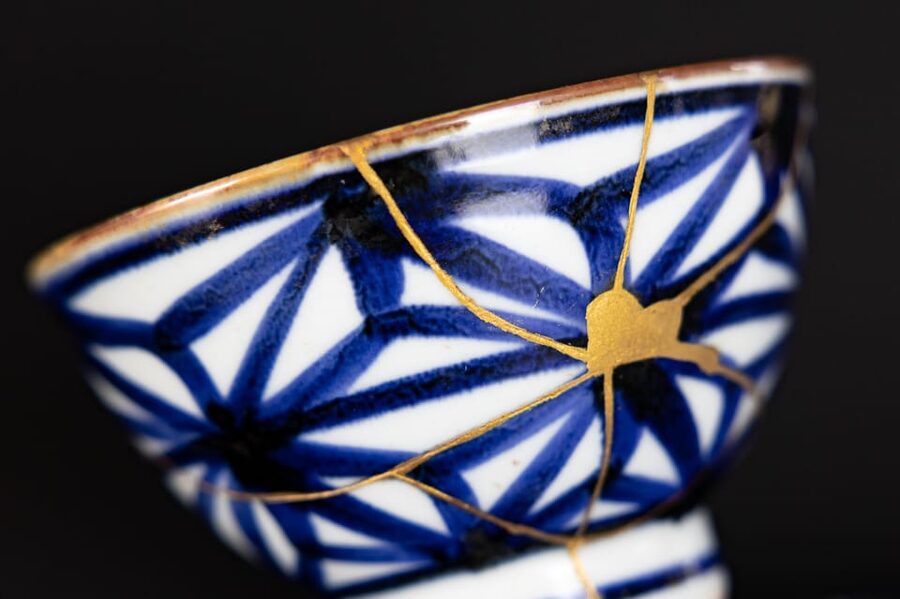
The choice of object also makes the final souvenir personal. You are not simply buying a finished Japanese craft. You are taking home a small object with your own decisions, joins, and imperfections visible on its surface.
Learning modern kintsugi step by step
Michiko demonstrates each stage before you try it. The process includes reassembling the piece, carrying out the repair, and restoring the visible joins. You work through one step at a time, then move on only after the instructor has shown you what to do.
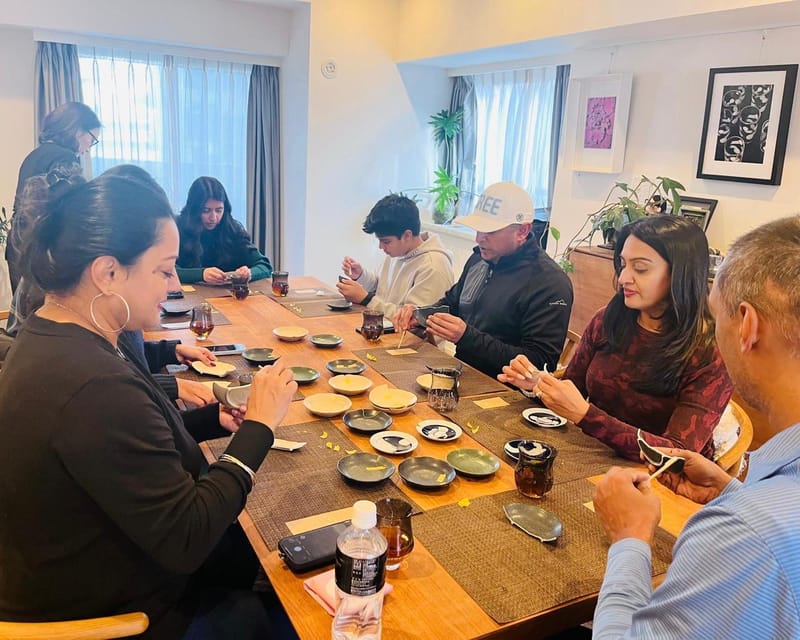
That rhythm suits beginners. You do not need previous pottery, painting, or craft experience. The instruction is in English, and the class is limited to six people, so the teacher can check your work and answer questions as you go.
The small group is one of the strongest reasons to choose this workshop over a larger cultural activity. A class of six leaves room for individual guidance. You can ask for help without stopping an entire room, and the instructor can spot a small problem before it affects the finished piece.
Michiko receives especially strong praise for her patience, warmth, and hands-on attention. Other members of the team include Yuki, Koto, and Rita, depending on the session. Their role may include preparing tools, handing out materials, and helping each person keep pace.
The modern method is also worth understanding before you book. This is not a full lesson in the original traditional technique using older materials. It uses contemporary materials instead, which makes the work faster, more accessible, and safer for a short workshop.
That tradeoff will matter to serious craft specialists. If your goal is detailed training in historic Japanese restoration methods, this class is only an introduction. If you want a practical first experience that fits into a Tokyo sightseeing day, the modern approach is a sensible choice.
More Shibuya plans:
- Official Street Go-Kart in Shibuya
★ 5.0 · 3,435 reviews - Tokyo: Street Kart Experience in Shibuya
★ 4.9 · 1,484 reviews - Shibuya Meltdown Nightlife Tour: All-You-Can-Drink Bar Hopping
★ 5.0 · 1,058 reviews - Shibuya Official Street Go-Kart in Shibuya Annex
★ 5.0 · 972 reviews
What wabi sabi means here
Kintsugi is often linked with wabi sabi, an appreciation of age, change, and imperfection. The repaired line is not treated as damage to hide. It becomes part of the object’s character.
The workshop gives you a hands-on way to understand that idea. You can see where pieces meet, make choices about the repair, and leave with an object that is visibly different from a new plate.
Do not expect a lecture-heavy philosophy class. The focus is making the piece, with an explanation of the technique and the ideas behind it. You may see examples of kintsugi work and learn about different materials and methods, but most of your two hours is practical.
That balance is useful. You get enough cultural background to understand why the craft matters, then spend most of the session doing something with your hands.
A friendly class with room for families and teens
The atmosphere is cosy and informal rather than formal or ceremonial. The hosts aim to make people feel comfortable from the first tea, and the small room allows plenty of conversation and help.
The minimum age is five. This makes the workshop suitable for families, although younger children may need close help with the repair process. One family brought children aged 10 and 13, and the children enjoyed both the craft and their first taste of matcha.
A 16-year-old participant also enjoyed the class, so this is not limited to small children. Teenagers who like art, design, Japanese culture, or hands-on activities should find more to do here than in a passive museum visit.
You should wear comfortable clothes. The provider supplies everything else. Video recording is not allowed, so plan to put your phone away during the lesson. You can still focus on the work and take home the finished object, but this is not an activity for filming every stage.
Taking home your finished piece
The final repair is the payoff. You leave with your restored crockery packed in one of the studio’s special gift boxes. That packaging helps if you are carrying the piece through the rest of your Japan trip, though you should still handle it with care.
The result will not look factory-perfect, and that is the point. Your joins may be slightly uneven. The repair may show where you learned, adjusted, and made decisions. Those small signs make the souvenir more meaningful than a generic item picked up in a station shop.
The class can also spark an interest in continuing at home. One participant bought a repair kit after the lesson, suggesting that the studio may offer additional supplies for people who want to keep practicing. The provided information confirms that all workshop materials are included, but any extra kit purchase is optional and separate.
If you are buying this as a gift, think about the recipient. A finished kintsugi plate is best for someone who values handmade objects, Japanese design, or the idea of repair. It is less useful for someone who only wants a quick souvenir and has no interest in making it.
Is $141 a fair price for two hours?
At $141 per person, this is a premium activity. You are paying more than you would for a casual craft session or a self-guided cultural stop.
The price includes the private studio setting, English instruction, a small group of no more than six, matcha, seasonal sweets, all tools and materials, and the crockery itself. You also take home the finished piece in a gift box.
I see the value in the personal instruction. Michiko and the other instructors can give you individual attention, and the class is designed so that you finish within two hours. That saves you from buying materials, learning through trial and error, and wondering how to transport a fragile unfinished project.
The price makes less sense if you mainly want to observe kintsugi. In that case, a museum, demonstration, or cultural talk would cost less. Book this when you want to participate and leave with a handmade object.
It also works best as a special occasion activity. For a honeymoon, birthday, parent and teenager outing, or final day in Tokyo, the combination of craft, tea, and a personal souvenir gives the expense a clear purpose.
How this fits into a Tokyo day
The two-hour length makes this easy to pair with other Shibuya plans. You can visit the crossing, browse around the district, then walk uphill to the studio for a quieter change of pace.
Do not schedule the workshop too tightly against a train departure or another timed ticket. The class begins at a set time, and finding the correct entrance may take a few extra minutes. The provider sends directions after booking, so read them before leaving your hotel.
The studio location is convenient, but it is uphill from Shibuya Crossing. If you have luggage, mobility concerns, or a full day of walking, factor in the climb. The supplied information does not give specific accessibility details, so contact the provider before booking if you need particular arrangements.
The class is offered at different starting times depending on availability. Check the calendar for the date that fits your plans, then reserve early if you need a specific slot.
Who should book this kintsugi workshop?
I would choose this for:
- First-time visitors who want a personal Japanese cultural activity
- Couples looking for a shared souvenir
- Families with children aged five and older
- Teenagers who enjoy art and practical activities
- Craft lovers who want a safe introduction to modern kintsugi
- Anyone who prefers a small class over a large group demonstration
I would think twice if you dislike careful handwork, want a completely traditional restoration method, or have very little time to reach the studio. The workshop is relaxed, but it still asks you to follow instructions and work patiently.
The strongest part is the human scale. Six people is small enough for teaching to feel personal, while matcha, sweets, and the gift box add a sense of occasion. The most important limitation is also clear: two hours gives you an introduction, not mastery.
Should you book it?
Book this modern kintsugi workshop if you want to make something yourself and value thoughtful instruction more than a low-cost attraction. The $141 price is high, but it covers nearly every practical need and gives you a finished Japanese craft object to carry home.
I especially like it for couples, families with older children, and visitors who have already seen Shibuya’s loud, flashy side. The workshop offers a calm contrast, a little cultural background, and a souvenir that carries your own handiwork.
If you do book, read the directions carefully, find the main-street entrance, and arrive early. That small bit of planning lets you enjoy the tea, the careful repair work, and the pleasure of seeing a broken piece become your own keepsake.
FAQ
Where is the kintsugi workshop located?
The studio is next door to the Central Hospital Annex building at the top of Bunkamura-dori on Shoto 2-Chome Crossing, uphill from Shibuya Crossing.
How do I find the studio entrance?
Detailed directions are sent by email after your booking is confirmed. The entrance is on the main street, and you should look for a tiled facade and a large brown double door with a narrow glass panel.
How long does the workshop last?
The workshop lasts two hours. Starting times depend on availability.
Is the workshop taught in English?
Yes. The listed instructor language is English.
How many people are in each class?
The class is limited to six participants, making it a small-group activity with individual guidance.
What is included in the price?
The price includes matcha tea, seasonal sweets, an introductory explanation sheet, all materials and tools for the repair, and one piece of crockery to restore.
What should I bring?
You do not need to bring materials or equipment. Comfortable clothes are recommended.
Can children join the workshop?
Children under five are not suitable for the activity. Children aged five and older may join, and the workshop has been enjoyed by families with children and teenagers.
More Workshops in Tokyo
- Sushi Making Tokyo Roll and Authentic Japanese Sushi Class
★ 5.0 · 3,971 reviews - Tokyo: Roll and Authentic Sushi Making Class in Asakusa
★ 4.9 · 1,957 reviews - Tokyo: Sushi Making Class in a Happi Coat near a Famous Spot
★ 4.9 · 1,377 reviews - Chopstick Making Workshop in Ginza
★ 4.8 · 1,366 reviews
New on our Tokyo list
- Sumi-e Experience in a relaxing green tea shop in Tokyo★ 5.0 · 3 reviews
- Tokyo : Kamikaze Street Drift Ride★ 5.0 · 3 reviews
- Private Zen Meditation in English in Shinjuku, Tokyo★ 5.0 · 3 reviews
- Onsen Spa in Tokyo and Asakusa Bar Hopping with Local Guide★ 5.0 · 3 reviews
- Easy for everyone! Now you can play handmade mini shamisen and show off to everyone! Musical instruments, sweets and live music★ 5.0 · 3 reviews
- Mt Fuji Exploration Tour with Free Japanese Kusa Mochi from Tokyo★ 4.5 · 3 reviews
- Tokyo Tsukiji Fish Market Walking and Exploring Hidden Gems Tour★ 5.0 · 3 reviews
- Tokyo: Private Tsukiji Street Food & Sake with Local Guide★ 5.0 · 3 reviews
Japanese Culture Workshops, compared.
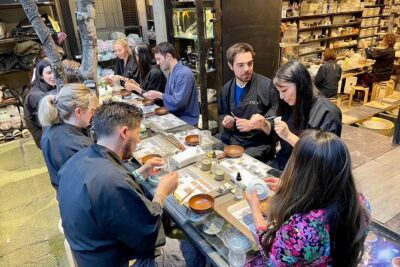
Kintsugi Experience: Art of Golden Joinery in Tokyo
Read our review →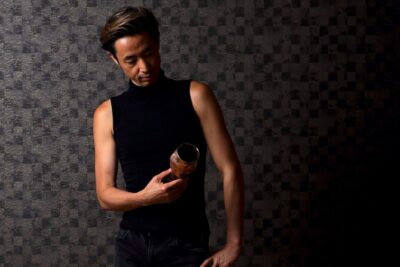
Authentic Pure Gold Kintsugi Workshop with Master Taku in Tokyo
Read our review →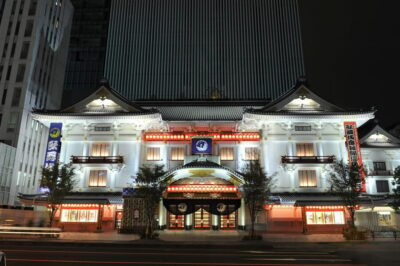
KABUKI Show at Kabukiza Theatre Admission Ticket
Read our review →
KABUKI, BUNRAKU, etc. presented by National Theatre
Read our review →
Kintsugi Workshop Class in Shibuya, Tokyo with mon cadeau
Read our review →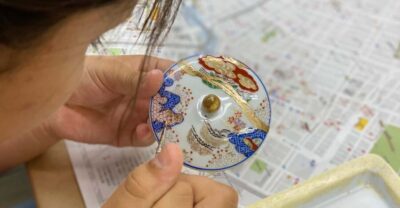
Browse the lists this tour appears in