
Reviewed · SUSHI EXPERIENCES
Shibuya Tokyo: Sushi Making Class (Vegan/Vegetarian/Halal)
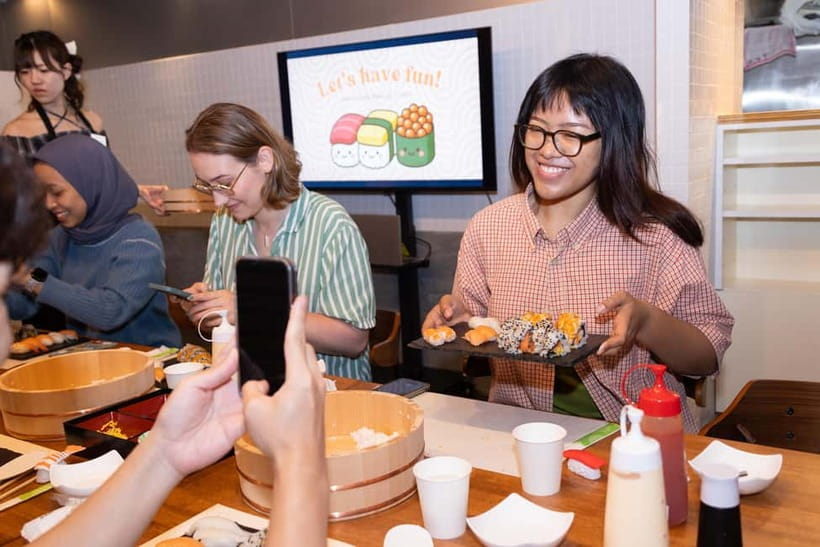
Making sushi in Tokyo is more memorable when you get your hands on the rice, fillings, and rolling mat. This 90-minute Shibuya class teaches you to prepare California rolls and nigiri, with fresh vegetables such as eggplant, mushrooms, tomato, and avocado for plant-based menus.
I like the warm, personal teaching style reported from instructors including Momoyo and Kaito. I also like the careful attention to dietary needs, with vegan, vegetarian, halal, and gluten-free choices available. The main drawback is practical: the studio can take extra time to find, even though it is about a seven-minute walk from Shibuya Station.
In This Review
- Key Points at a Glance
- Sushi Making in the Middle of Shibuya
- The Sushi Quiz Comes First
- Fresh Ingredients for Plant-Based Sushi
- Rolling California Rolls Step by Step
- Making Nigiri, Japan’s Classic Sushi Shape
- Eating the Sushi You Prepared
- Dietary Choices Need Advance Planning
- Is $58 Good Value for 90 Minutes?
- Who Will Enjoy This Class Most?
- Practical Details Before You Reserve
- Should You Book the Shibuya Sushi Class?
- FAQ
- How long does the sushi-making class last?
- Where is the class located?
- Is the class taught in English?
- Are vegan and vegetarian menus available?
- Can I request halal or gluten-free sushi?
- What is included in the $58 price?
Key Points at a Glance
- A short sushi history quiz gives the class a fun start before any rice reaches your hands.
- California rolls and nigiri let you practice two different sushi styles in one session.
- Fresh vegetable fillings include options such as eggplant, mushroom, tomato, and avocado.
- Dietary requests are planned in advance, with vegan, vegetarian, halal, and gluten-free options.
- English-speaking local instructors explain the process clearly, even if you have no cooking experience.
- You eat what you make, and staff can take photos before the meal.
Sushi Making in the Middle of Shibuya
This class gives you a useful break from sightseeing without sending you far across Tokyo. The studio is in the heart of Shibuya, roughly seven minutes on foot from Shibuya Station, so you can fit it between shopping, the Shibuya crossing, and nearby neighborhoods.
The setting matters. Shibuya can feel like a place for quick photos, crowded streets, and bright signs. A hands-on food class slows the pace and gives you a direct connection to a Japanese dish you might otherwise only order from a menu.
You do not need professional cooking skills. The format is designed for beginners, families, solo visitors, and couples. Instructors guide you through each stage, so the focus is on learning a few reliable techniques rather than producing restaurant-perfect sushi.
I would still allow extra time before the start. One participant specifically found the venue harder to locate than expected. Shibuya Station has many exits and busy surrounding streets, so check the meeting-point details carefully. The exact meeting point can vary depending on the option you book.
More sushi mornings and classes:
- Sushi Making Tokyo Roll and Authentic Japanese Sushi Class
★ 5.0 · 3,971 reviews - Tokyo: Roll and Authentic Sushi Making Class in Asakusa
★ 4.9 · 1,957 reviews - Make Sushi and Create Unforgettable Memories in Tokyo
★ 5.0 · 1,413 reviews
The Sushi Quiz Comes First
The class begins with a short quiz about the history of sushi. This is not just filler while everyone settles in. It gives you a little context for the food before you begin handling the ingredients.
The quiz is also a good way to break the ice. If you arrive alone, you have an easy shared activity with the rest of the group. If you arrive with children or friends, it adds a playful element before the more careful work begins.
The session does not present sushi as a complicated culinary art reserved for experts. Instead, the introduction helps you understand what you are making and why the techniques matter. That balance is useful: you get cultural context without sitting through a long lecture.
The teaching style is one of the strongest parts of the experience. Momoyo is named repeatedly as a friendly and effective instructor, and Kaito also receives praise for making the session special and enjoyable. English is the working language, so you can ask questions and follow instructions without relying on guesswork.
Fresh Ingredients for Plant-Based Sushi
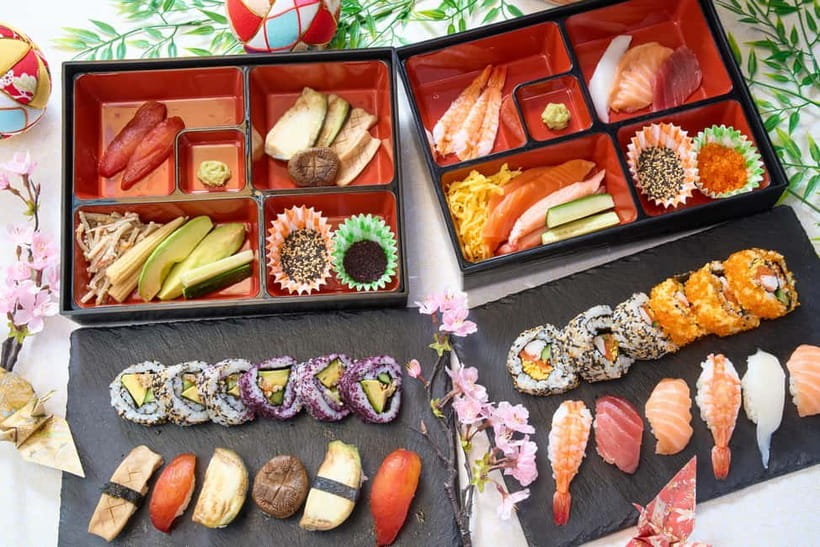
The food focus here is different from the sushi most visitors first picture. Instead of raw fish, the vegan and vegetarian options use fresh vegetables such as eggplant, mushrooms, tomatoes, and avocado.
That makes this especially practical if you are vegan or vegetarian in Japan and want more than another convenience-store meal. Plant-based dining is available in Tokyo, but finding clear information while moving around the city can take effort. Booking a class with your preferences stated in advance removes some of that pressure.
The ingredients also show you how much of sushi depends on balance. Rice, vegetables, seasoning, shape, and texture all matter. You learn to work with simple components and present them neatly, which is part of the appeal.
The menu is not endlessly flexible once the class begins. You need to indicate food preferences and dietary restrictions when booking, because changes cannot be made on the day. This is particularly important for halal and gluten-free requests, as ingredient handling and substitutions need to be arranged ahead of time.
Rolling California Rolls Step by Step
The hands-on lesson includes California rolls. You learn how to place the ingredients, control the amount of filling, and use the sushi tools to form a firm roll.
Rolling looks easy when an experienced cook does it. For a first attempt, the rice can spread, the filling can shift, and the roll can come out loose. That is exactly why guided practice has value. The instructor can show you how much pressure to use and how to keep the shape even.
You are not simply watching a demonstration. You work through the process yourself, with help available when needed. The emphasis is on making sushi that tastes good and looks presentable, not on rushing everyone through a fixed performance.
The class can suit people with different comfort levels in the kitchen. If you cook often, you can focus on neat shaping and technique. If you rarely cook, you get a clear introduction without needing to prepare equipment or shop for ingredients.
More Shibuya plans:
- Official Street Go-Kart in Shibuya
★ 5.0 · 3,435 reviews - Tokyo: Street Kart Experience in Shibuya
★ 4.9 · 1,484 reviews - Shibuya Meltdown Nightlife Tour: All-You-Can-Drink Bar Hopping
★ 5.0 · 1,058 reviews - Shibuya Official Street Go-Kart in Shibuya Annex
★ 5.0 · 972 reviews
Making Nigiri, Japan’s Classic Sushi Shape
Nigiri gives you a second kind of sushi to practice. It is the simple, compact form built around a small portion of rice, with the topping arranged on top.
For this class, the ingredients are adapted to the selected menu. The important lesson is the shaping and handling of the rice, along with the care needed to make each piece hold together.
Nigiri is a useful contrast to a roll. A roll can hide uneven filling inside its shape. Nigiri is more exposed, so the size, form, and presentation are easier to notice. You learn why small adjustments make a difference.
The activity includes cooking utensils and sushi-making tools, so you do not need to bring equipment. The instructors demonstrate the process and then let you repeat it at your own station or work area, according to the class setup.
Eating the Sushi You Prepared
After the preparation, you sit down and eat what you made. This is more satisfying than it may sound. The meal gives the practical lesson a clear finish, and you can judge the result immediately.
The food is described as a substantial and enjoyable meal rather than a token sample. That helps the $58 price feel more reasonable, especially when you consider that the fee includes ingredients, tools, instruction, and the cultural introduction.
Staff can take photos of your finished sushi before you eat. That small touch is useful because the best-looking moment is often right before the first bite. You leave with a record of the activity as well as the techniques to try again at home.
The meal also gives you a chance to chat with the instructors. Personal conversation is a recurring strength of the class, with participants describing the staff as polite, patient, and easy to talk with. That makes the experience feel less like a formal demonstration and more like a friendly cooking session.
Dietary Choices Need Advance Planning
The class offers vegan, vegetarian, halal, and gluten-free options. This is one of its clearest advantages, but you need to treat the booking request seriously.
State your requirements when you reserve. Do not assume you can change from a standard menu to a vegan or halal menu after arriving. The class specifically notes that menu changes cannot be accommodated on the day.
For a vegan booking, the listed vegetable ingredients include eggplant, mushroom, tomato, and avocado. Vegetarian and vegan are not always interchangeable, so write your exact needs clearly.
Halal and gluten-free participants should also identify their restrictions in advance. The information confirms that these options are available, but it does not provide a detailed ingredient list or explain every cross-contact procedure. If your restriction is severe, ask the provider for the details you need before booking.
Is $58 Good Value for 90 Minutes?
At $58 per person, this is not the cheapest way to eat sushi in Tokyo. You are paying for instruction and participation, not simply for a plate of food.
The value improves if you want a cultural activity that includes a meal. Your fee covers an English-speaking local instructor, the introductory quiz, fresh ingredients, cooking tools, and the sushi-making session. You also get to eat your finished rolls and nigiri.
I would compare it with other short Tokyo activities rather than with the price of a restaurant lunch. If you only want to taste sushi, a restaurant will usually be the simpler choice. If you want to understand how the food is assembled and leave with a skill you can repeat, this class offers more.
The price may be particularly worthwhile for people with dietary needs. A plant-based or gluten-free visitor can book an activity built around their requirements instead of hoping to find suitable dishes while sightseeing.
The 90-minute length is another plus. It is long enough to include the quiz, instruction, preparation, and meal, but short enough to fit into a busy day. You can schedule it around other Shibuya plans without giving up half a day.
Who Will Enjoy This Class Most?
I would recommend this class to first-time sushi makers who want a friendly introduction without a formal culinary-school atmosphere. The instructors are described as patient and clear, and the format does not assume prior experience.
It is also a strong choice for vegan and vegetarian visitors. The menu is planned around vegetables, and the staff are prepared to work with dietary preferences when notified ahead of time.
Families may appreciate the quiz and hands-on format, though the supplied information does not specify an age range. If you are booking for children, confirm the age policy before paying.
Solo visitors should find it easy to join in because the quiz and shared preparation create natural conversation. Couples and friends can make the session into a relaxed activity rather than another meal eaten quickly between sights.
You might skip it if you already make sushi regularly or want a highly technical lesson. The class is built around accessibility, enjoyment, and useful basic skills, not advanced knife work or professional kitchen training.
Practical Details Before You Reserve
The activity lasts 90 minutes and is conducted in English. It takes place near Shibuya Station, with the studio about a seven-minute walk away, but allow extra time to locate the venue.
The meeting point may vary according to the option selected. Read the confirmation carefully rather than heading automatically to a general Shibuya landmark.
You can cancel up to 24 hours before the activity for a full refund. A reserve-now, pay-later option is also available, which helps if you are still arranging a Tokyo schedule.
Audio recording is not allowed. You can still expect staff to take photos of your completed sushi if you want a souvenir of the finished meal.
The experience is operated by Tabiji Partners Co., Ltd. The overall rating is 4.7 from 29 reviews, with repeated praise for the friendly staff, clear instructions, pleasant setting, tasty food, and useful skills you can take home. The strongest pattern is not technical mastery. It is the combination of an easy pace, personal guidance, and a meal you made yourself.
Should You Book the Shibuya Sushi Class?
Book it if you want a short, social Tokyo activity with food at its center. It is particularly well suited to vegan, vegetarian, halal, and gluten-free participants who arrange their menu in advance.
I like the mix of a sushi quiz, hands-on rolling, nigiri practice, and a full tasting at the end. You get a little cultural background, a practical skill, and a convenient Shibuya location in one 90-minute session.
Keep your expectations sensible. This is an accessible introduction, not an advanced chef course, and you should allow time to find the studio. If that suits your plans, $58 buys more than lunch: it gives you a story to tell and a technique you can try again at home.
FAQ
How long does the sushi-making class last?
The class lasts 90 minutes. It includes a short sushi history quiz, hands-on preparation of California rolls and nigiri, and time to eat what you make.
Where is the class located?
The studio is in the heart of Shibuya, about a seven-minute walk from Shibuya Station. The exact meeting point may vary depending on the option you book.
Is the class taught in English?
Yes. The instructor language is English, and the activity includes an English-speaking local instructor.
Are vegan and vegetarian menus available?
Yes. Vegan and vegetarian options are available, with ingredients such as eggplant, mushroom, tomato, and avocado listed for the plant-based menu. You must state your preference when booking.
Can I request halal or gluten-free sushi?
Yes. Halal and gluten-free options are available. Give the provider your dietary requirements when making the reservation, since menu changes cannot be made on the day.
What is included in the $58 price?
The price includes the English-speaking instructor, sushi history quiz, fresh ingredients, cooking utensils and sushi-making tools, the hands-on lesson, and the sushi you prepare and eat.
More Workshops in Tokyo
- Tokyo Shinjuku Chopsticks Making Class
★ 5.0 · 1,763 reviews - Tokyo: Sushi Making Class in a Happi Coat near a Famous Spot
★ 4.9 · 1,377 reviews - Chopstick Making Workshop in Ginza
★ 4.8 · 1,366 reviews - Tokyo Sushi Making Class in Tsukiji with Professional Chef
★ 5.0 · 1,177 reviews
More Vegan & Vegetarian in Tokyo
- Vegan Friendly Sushi & Okonomiyaki Shibuya Night Foodie Tour
★ 5.0 · 124 reviews - Ramen & Dumpling Cooking in Tokyo with Chef/Vegan possible
★ 5.0 · 107 reviews - Vegan/Vegetarian Ramen and Gyoza by Bentoya cooking
★ 5.0 · 59 reviews - Ramen Making from Scratch with Tokyo Mom(Vegan Option Available)
★ 5.0 · 39 reviews
New on our Tokyo list
- From Tokyo: Mount Fuji & Hakone Full Day Private Tour★ 4.9 · 25 reviews
- Tokyo Spectacular View Day-Cruise in 90 Minutes★ 5.0 · 25 reviews
- Real Tokyo Runner Club : Daikoku Car Meet Night Tour with JDM Car★ 5.0 · 25 reviews
- 2.5 Hour-Guided Cycle Tour in the Central Tokyo★ 5.0 · 25 reviews
- Tokyo: 2-Hour Night Bike Tour of the City’s Hidden Gems★ 4.9 · 25 reviews
- Ramen Making from Scratch +Akihabara Tour –Cooking Class★ 5.0 · 25 reviews
- [Self-Drive] Tokyo & Daikoku Custom Car Driving Tour★ 4.9 · 25 reviews
- Samurai themed Entertainment show in Shinjuku★ 4.5 · 25 reviews
Sushi Experiences, compared.
Sushi Making Tokyo Roll and Authentic Japanese Sushi Class
Read our review →
Roll and Authentic Sushi Making Class in Asakusa
Read our review →
Make Sushi and Create Unforgettable Memories in Tokyo
Read our review →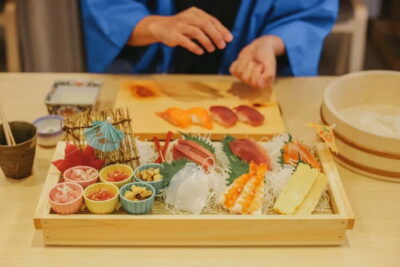
Sushi Making Class in a Happi Coat near a Famous Spot
Read our review →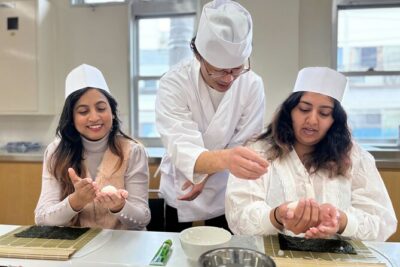
Tokyo Sushi Making Class in Tsukiji with Professional Chef
Read our review →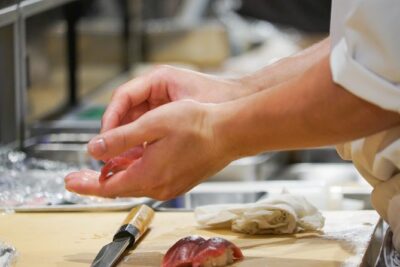
Tokyo Night Foodie Tour in Shinjuku – Seasonal Sushi, Wagyu Beef
Read our review →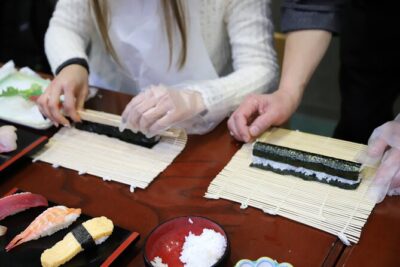
Tsukiji Fish Market Guided Tour and Sushi Making with Pro Chef
Read our review →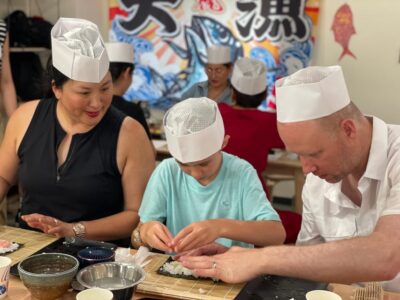
Tsukiji Fish Market Sushi Making Class with Pro Chef
Read our review →Browse the lists this tour appears in