
Reviewed · SUMO EXPERIENCES
Tokyo 6hr Private Guided Tour & Sumo Show Lunch
The clever part of this Tokyo experience is the sumo show lunch at Yokozuna Tonkatsu Dosukoi Tanaka, paired with four hours of private sightseeing beforehand. You choose two or three places, then your licensed English-speaking guide leads you on foot and brings you to the restaurant for the 1 p.m. meal.
I like the freedom to build a day around your own interests, and I like having a guide who can help with Tokyo’s complex train stations and ticket offices. The main drawback is the pace: four hours of walking, followed by lunch, can be tiring, and transportation and most entrance fees cost extra.
In This Review
- Key points to know before booking
- A Tokyo morning that ends with sumo
- Picking the right two or three stops
- Asakusa and Sensō-ji
- The Imperial Palace
- Meiji Jingu and Yoyogi Park
- Takeshita Street and Shibuya Sky
- Tsukiji Outer Market
- Tokyo’s Japanese gardens
- Akihabara and Shinjuku Golden-Gai
- Tokyo National Museum
- Tokyo Tower and Odaiba
- Shibamata and Nezu
- Why the private format matters in Tokyo
- The sumo show lunch at Yokozuna Tonkatsu Dosukoi Tanaka
- Walking, costs, and the real value
- Who should book this experience
- My call on this Tokyo sumo tour
- FAQ
- What time does the tour start?
- How long does the experience last?
- When does the sumo lunch begin?
- How many sights can I choose?
- Is this a private tour?
- Is transportation included?
- Are entrance fees included?
- Is lunch included?
- Can I cancel or change the booking?
Key points to know before booking
- Choose only 2 or 3 sights: The long list of possible places is a menu, not a promise that you will visit them all.
- Finish at 1 p.m.: Your guide takes you to Yokozuna Tonkatsu Dosukoi Tanaka for the sumo show and lunch.
- Expect a walking-heavy morning: No private vehicle is included, and transportation fees are your responsibility.
- The tour is private: Only your own group participates, so you can shape the morning around your interests.
- Guide Izumi earned special praise: He helped with extra stations, ticket offices, and sights beyond the planned route.
- Budget for add-ons: Shinjuku Gyoen, Rikugien, Koishikawa Korakuen, Hamarikyu, Tokyo National Museum, Shibuya Sky, and Tokyo Tower admission are not included.
A Tokyo morning that ends with sumo
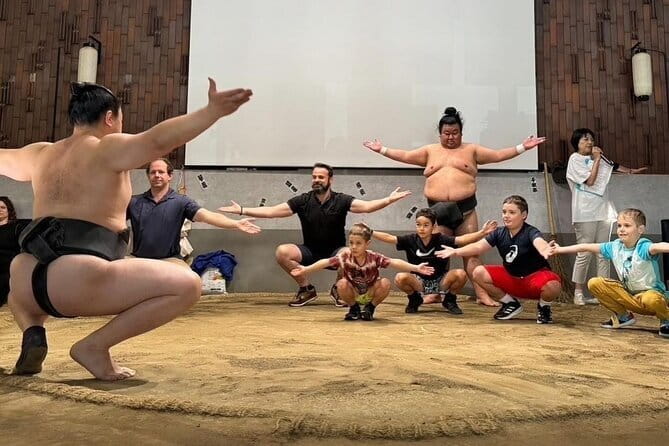
Many Tokyo tours force you to choose between sightseeing and a special meal. This one joins the two. You begin at 9 a.m., meet your guide on foot in the designated Tokyo area, spend about four hours visiting selected sights, and arrive at the sumo restaurant for a 1 p.m. start.
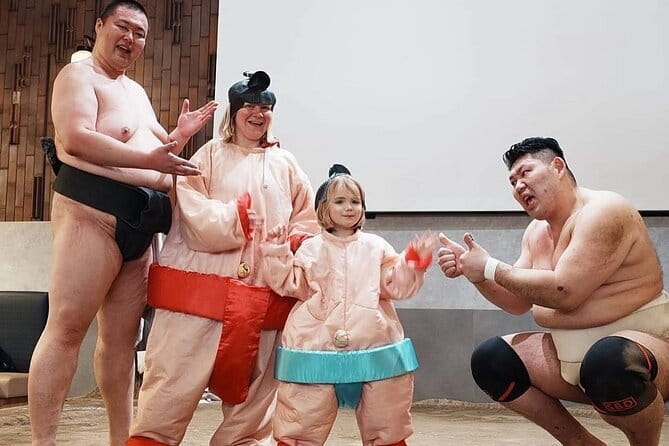
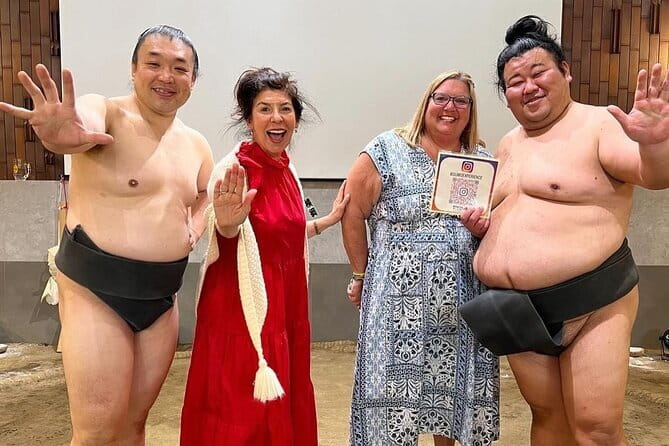
The sumo portion lasts about two hours. The exact show format is not specified, so you should think of it as a cultural performance paired with lunch rather than a full professional tournament. That distinction matters. If your dream is to attend an official Grand Sumo Tournament, this is a different experience, but it is a convenient way to add sumo to a first Tokyo visit.
The tour costs $195.09 per person. That is not a bargain-basement walking tour, but it can make sense for a small private group that wants a guide, flexible sightseeing, and a reserved cultural activity in one day. You are paying for personal attention and planning help, not for a private car or a long list of included admissions.
More sumo mornings:
- Tokyo: Sumo Show Experience with Chicken Hot Pot and a Photo
★ 4.8 · 6,678 reviews - Tokyo: Sumo Show and Dining Experience
★ 4.8 · 2,742 reviews - the SUMO show
★ 5.0 · 1,960 reviews
Picking the right two or three stops
The wide choice of Tokyo sights is useful, but it can also tempt you into an impossible plan. Tokyo is enormous, and four hours disappears quickly once you account for walking, trains, crowds, and time at each stop. I would choose places that fit together geographically rather than trying to cross the city several times.
Here are the main choices and what each offers.
Asakusa and Sensō-ji
Asakusa is one of the strongest choices for a first visit. Sensō-ji, Tokyo’s colorful Buddhist temple, gives you an immediate sense of old Tokyo, with a famous approach and a large temple precinct. The area works especially well if you want traditional architecture, religious customs, and an easy introduction to the city.
Asakusa and Sensō-ji overlap, so you would not normally count them as two separate regional choices. Ask your guide to treat them as one focused visit. The tour lists admission as free.
The Imperial Palace
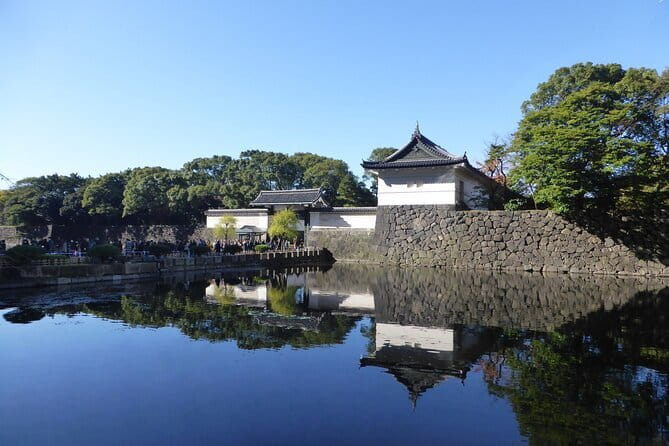
The Imperial Palace occupies the former site of Edo Castle, with broad grounds, moats, and massive stone walls. It offers useful context for Tokyo’s political and feudal past, but the important limitation is clear: this experience does not include entry inside the palace.
This is best for a look at the outer grounds and castle remains, not for an interior palace visit. Admission is listed as free, though the tour does not cover transportation costs.
A few more Tokyo bookings worth comparing
- Tokyo: Mt.Fuji & Lake Kawaguchiko 1-Day Bus Tour w/Optional Lunch
★ 4.5 · 839 reviews - Tokyo: Sumo Experience and Chanko Nabe Lunch
★ 4.8 · 257 reviews - Tokyo: Tsukiji Fish Market Tour with 6 Stops & Seafood Lunch
★ 4.5 · 165 reviews - Tokyo: 1 Day Bus Tour with Meiji-Jingu,Odaiba,lunch&Skytree
★ 4.6 · 156 reviews
Meiji Jingu and Yoyogi Park
Meiji Jingu is dedicated to Emperor Meiji and Empress Shoken. Its setting beside Harajuku makes it a practical pairing with Takeshita Street, while nearby Yoyogi Park gives you a broad open area of lawns, ponds, and wooded paths.
Choose Meiji Jingu if you want a major Shinto shrine. Add Yoyogi Park only if your group enjoys a slower walk and has enough time. The two places can create a calmer morning than a packed run through several city districts.
Takeshita Street and Shibuya Sky
Takeshita Street is the youthful, fashion-focused side of Harajuku. It is a lively contrast to the quiet shrine nearby, though the tour description does not promise time for shopping or specific stores.
Shibuya Sky gives you views from 229 meters above Tokyo. Admission is not included, so check the added cost before selecting it. This is a good choice if you care more about the city from above than about temples or gardens.
Tsukiji Outer Market
Tsukiji Outer Market is the choice for food culture and old-market atmosphere. You can explore the former fish-market area before heading to lunch, but remember that the included lunch is at the sumo restaurant later in the day. Do not assume that tastings or market purchases are covered.
Tsukiji is a sensible morning stop for people who want Tokyo through its food traditions. It also makes the timing of lunch worth discussing with your guide, since the market can encourage you to snack before the main meal.
Tokyo’s Japanese gardens
You can choose among Shinjuku Gyoen, Rikugien, Koishikawa Korakuen, and Hamarikyu Gardens. Each gives you a slower view of the city.
Shinjuku Gyoen is a large, popular park with lawns and walking paths. Rikugien was created around 1700 for the fifth Tokugawa shogun and is based on the six poems of classical Japanese literature. Koishikawa Korakuen is one of Tokyo’s oldest Japanese gardens, built during the early Edo period. Hamarikyu sits beside Tokyo Bay and includes tidal seawater ponds and a teahouse on an island.
Garden admission is not included for these choices. I would select just one. Trying to fit two or three gardens into a four-hour morning would give you snapshots rather than a satisfying visit.
Akihabara and Shinjuku Golden-Gai
Akihabara is known for electronics shops and its modern connection to anime, games, and youth culture. It is a strong pick if you want a very different side of Tokyo from the temples and gardens.
Shinjuku Golden-Gai developed from postwar market streets into a tight district of small eating and drinking establishments. The tour can show you the area, but no specific food or drink package is included. Golden-Gai is more atmospheric later in the day, so ask whether it fits your morning timing before making it a priority.
Tokyo National Museum
The Tokyo National Museum is Japan’s oldest and largest national museum. It is the most substantial choice for art and history, but the listed admission is not included, and a museum visit can easily consume a large part of your morning.
Pick this if you want focused cultural context rather than a quick photo stop. If you have only one day in Tokyo, your guide can help you decide if the museum is worth the tradeoff against an outdoor district.
Tokyo Tower and Odaiba
Tokyo Tower is a familiar vermilion landmark, and this experience includes access only up to the main deck. The top deck is not included, and admission is extra.
Odaiba is a shopping and entertainment district on a man-made island in Tokyo Bay. It is modern and spacious, but reaching it can use valuable time on a walking tour. I would not pair Odaiba with a distant eastern or western stop unless your guide confirms that the route works.
Shibamata and Nezu
Shibamata, near the Edogawa River, retains an old-fashioned neighborhood feel. It is a good choice for you if you want a less obvious Tokyo setting and do not need the famous central sights.
Nezu belongs to Tokyo’s old downtown area, along with nearby Yanaka. These neighborhoods avoided major damage from wars and natural disasters and retain older character. They offer a quieter, more local-feeling morning, though they are less efficient choices if your priority is checking off Tokyo’s headline attractions.
Why the private format matters in Tokyo
Tokyo’s public transportation is excellent, but it can still feel confusing at first. Stations are large, signs may use several systems, and a short trip can involve more walking than expected. A private guide cannot remove every transfer or fee, but can help you make better decisions as the morning unfolds.
One guide, Izumi, is specifically praised for going beyond the planned route to help with extra train stations, ticket offices, and sights. That is exactly the kind of practical assistance that can save time in Tokyo. You should not assume Izumi will be assigned to your group, but the example shows the sort of help to request.
The private setup also means you are not tied to a fixed group pace. If one person in your party wants more time at a shrine or needs a break, you can discuss it directly with the guide. The tradeoff is that your group must make choices. The tour does not combine multiple groups, and you cannot merge separate tour bookings.
The sumo show lunch at Yokozuna Tonkatsu Dosukoi Tanaka
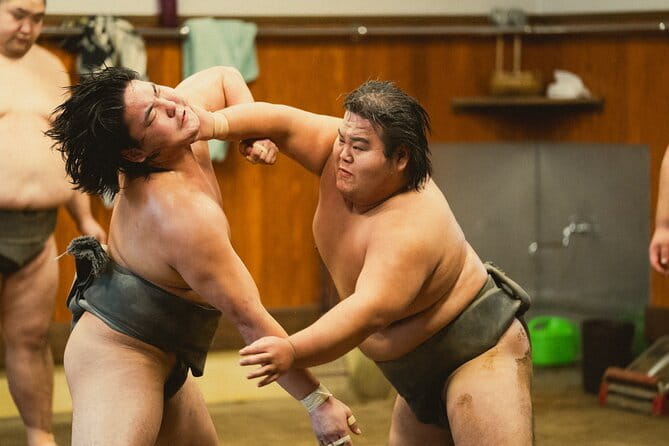
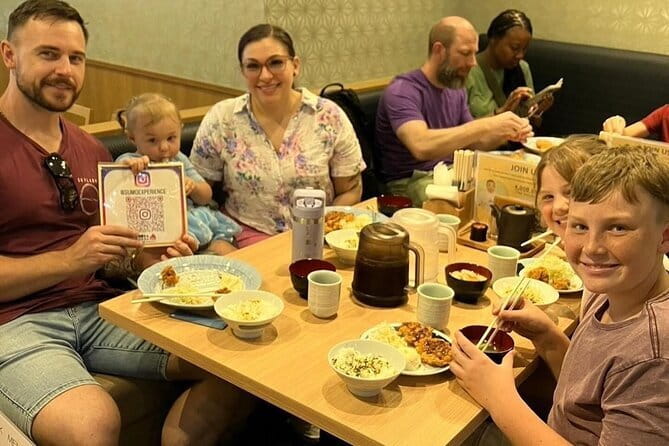
Your guide drops you at Yokozuna Tonkatsu Dosukoi Tanaka after the four-hour walking portion. The sumo lunch begins at 1 p.m. and lasts about two hours, with lunch and a sumo show included.
This is the tour’s distinctive finish. You do not need to spend another evening searching for a sumo-related activity, and the fixed lunch time gives the morning a clear endpoint. It also means punctuality matters. A long detour, slow museum visit, or complicated train route could make the schedule uncomfortable.
The information provided does not specify the menu, seating arrangement, performers, or how much interaction is part of the show. For that reason, I would book it for the combination of sumo culture and lunch, not for a guaranteed athlete meet-and-greet or a full tournament atmosphere.
If food is a major concern for you, check the restaurant details before paying. The tour includes lunch, but it does not state how dietary requests are handled.
Walking, costs, and the real value
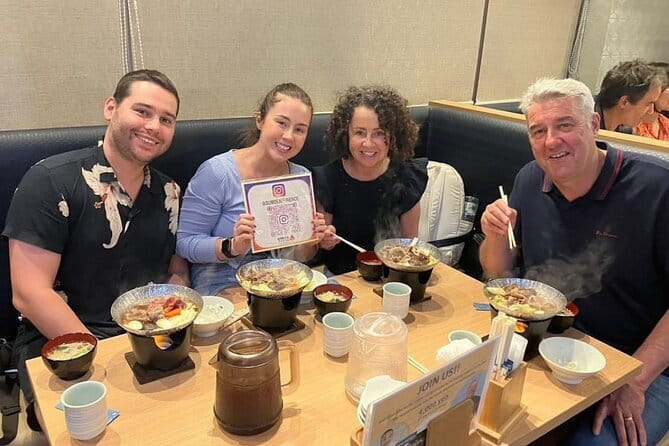
The advertised duration is about six hours: four hours of sightseeing and two hours at lunch. That is a full half-day, especially because the sightseeing is on foot and the guide brings you to the restaurant afterward.
The $195.09 per-person price includes:
- A private walking tour
- A licensed local English-speaking guide
- Lunch at Yokozuna Tonkatsu Dosukoi Tanaka
- A customizable plan using two or three selected sights
- The sumo show lunch experience
It does not include a private vehicle, transportation fees, most entrance fees, or personal spending. Admission is not included for Shinjuku Gyoen, Rikugien, Koishikawa Korakuen, Hamarikyu Gardens, Tokyo National Museum, Shibuya Sky, or the Tokyo Tower upper areas. The tour notes that guide entry fees are covered for sights listed in the selection, but you should confirm exactly which admission charges apply to your chosen stops.
I see the best value for couples, families, or small groups who want one person to handle the morning’s structure. Solo visitors may find the price harder to justify unless the guide’s help and the sumo lunch are both high priorities.
The tour is booked, on average, 66 days in advance. That is useful planning information: if your dates are fixed, reserve early rather than treating this as a last-minute morning option.
Who should book this experience
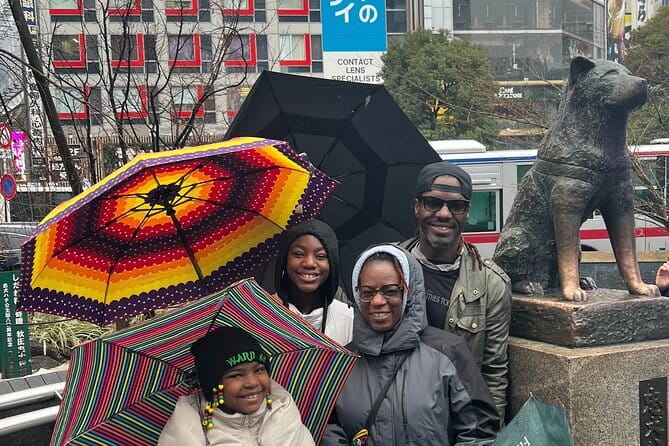
I would recommend it to first-time Tokyo visitors who want a broad introduction without joining a large group. It is also a good fit if you have a short stay and want to combine famous sights with a planned cultural meal.
Families may appreciate the private format, especially if children have mixed interests. You can choose a shrine, a market, a garden, or a modern district instead of following a preset route. Most participants can take part, and service animals are allowed.
I would hesitate if you dislike walking, want a slow museum visit, or prefer to use your own transportation. I would also hesitate if you expect an official sumo tournament. This is a guided city walk ending in a sumo-themed lunch show, not a tournament ticket.
The non-refundable policy deserves attention. Once booked, the experience cannot be changed or refunded for any reason, so make sure your date, group size, and chosen sightseeing style are settled before paying.
My call on this Tokyo sumo tour
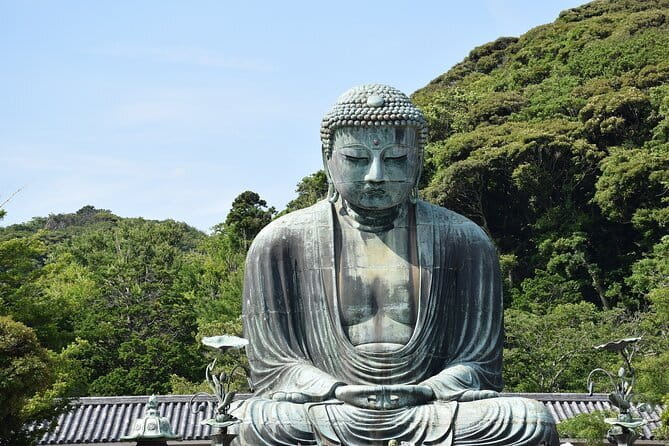
Book it if you want a private, practical introduction to Tokyo and like the idea of ending the morning with sumo and lunch. The strongest reasons are the flexible choice of two or three stops, direct help from an English-speaking guide, and a cultural activity that is already built into the day.
Skip it if you need a car, want to visit many places, or are mainly seeking a formal sumo tournament. To get the best value, choose nearby sights, ask about transportation and admission costs before the tour, and treat the morning as a focused introduction rather than an attempt to conquer all of Tokyo.
FAQ
What time does the tour start?
The start time is 9:00 a.m.
How long does the experience last?
The full experience lasts about six hours, including about four hours of walking and roughly two hours for the sumo show lunch.
When does the sumo lunch begin?
The lunch starts at 1:00 p.m.
How many sights can I choose?
You can customize the walking tour by choosing two or three sights from the listed options.
Is this a private tour?
Yes. Only your group participates, and separate tour groups cannot be combined.
Is transportation included?
No. The experience does not include a private vehicle or transportation fees.
Are entrance fees included?
Most entrance fees are not included. Admission is specifically listed as not included for several gardens, Tokyo National Museum, Shibuya Sky, and Tokyo Tower. Guide entry fees are covered for sights listed among the available selections.
Is lunch included?
Yes. Lunch at Yokozuna Tonkatsu Dosukoi Tanaka is included, along with the sumo show.
Can I cancel or change the booking?
No. The experience is non-refundable and cannot be changed for any reason after booking.
More Show in Tokyo
- Mt Fuji & Hakone Cruise, Drum Show Bullet Train 1 Day from Tokyo
★ 4.0 · 7,413 reviews - Tokyo Shinjuku Sumo Show & Experience with Photo
★ 5.0 · 1,750 reviews - Mt Fuji & Hakone Cruise, Drum Show Bus 1 Day from Tokyo
★ 4.0 · 1,287 reviews - Tokyo: Sumo Show and Experience in Shinjuku
★ 4.8 · 1,001 reviews
New on our Tokyo list
- Sumi-e Experience in a relaxing green tea shop in Tokyo★ 5.0 · 3 reviews
- Tokyo : Kamikaze Street Drift Ride★ 5.0 · 3 reviews
- Private Zen Meditation in English in Shinjuku, Tokyo★ 5.0 · 3 reviews
- Onsen Spa in Tokyo and Asakusa Bar Hopping with Local Guide★ 5.0 · 3 reviews
- Easy for everyone! Now you can play handmade mini shamisen and show off to everyone! Musical instruments, sweets and live music★ 5.0 · 3 reviews
- Tokyo: Private Tsukiji Street Food & Sake with Local Guide★ 5.0 · 3 reviews
- Mt Fuji Exploration Tour with Free Japanese Kusa Mochi from Tokyo★ 4.5 · 3 reviews
- Tokyo Tsukiji Fish Market Walking and Exploring Hidden Gems Tour★ 5.0 · 3 reviews
Sumo Experiences, compared.
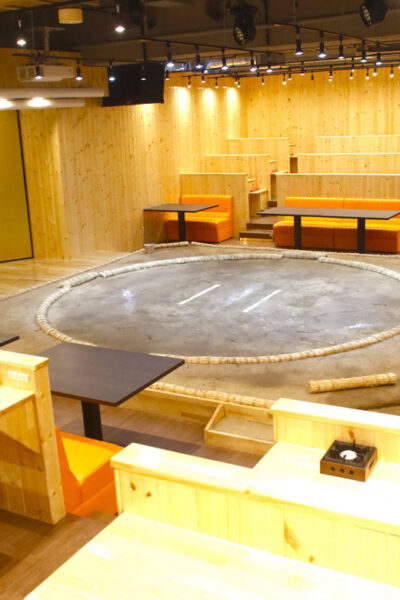
Sumo Show Experience with Chicken Hot Pot and a Photo
Read our review →
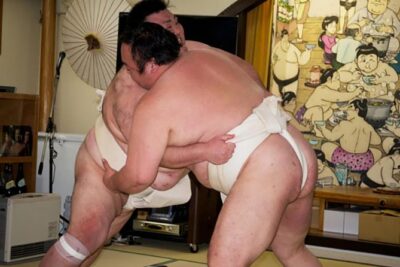
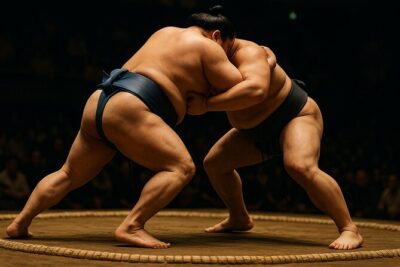
Tokyo Shinjuku Sumo Show & Experience with Photo
Read our review →

Authentic Sumo Experience in Tokyo: Enter the Sanctuary
Read our review →
Luxury Sumo Show Experience & Japanese cuisine & Drink
Read our review →
Browse the lists this tour appears in