
Reviewed · TEMPLE & SHRINE TOURS
Tokyo: Asakusa & Tokyo’s Oldest Temple Senso-ji Walking Tour
Asakusa gives you one of Tokyo’s clearest links to the past. In two hours, this walk takes you beneath the huge Kaminarimon Gate, along Nakamise Shopping Street, and into the grounds of Senso-ji, Tokyo’s oldest temple. It is a compact introduction to old Tokyo, with lanterns, traditional shops, snacks, legends, and streets that still carry an Edo-period feel.
I like the small group limit of 10, which gives the guide room to answer questions instead of simply leading a line from gate to gate. I also like the price: at $11 per person, this is an inexpensive way to add useful context to sights you could visit on your own. The main consideration is that the route stays in one district, and one piece of feedback suggests a first-time guide may need to build a stronger story rather than simply point out each stop.
In This Review
- Key points at a glance
- Why Asakusa makes a smart first Tokyo walk
- Meeting at Kaminarimon Police Station
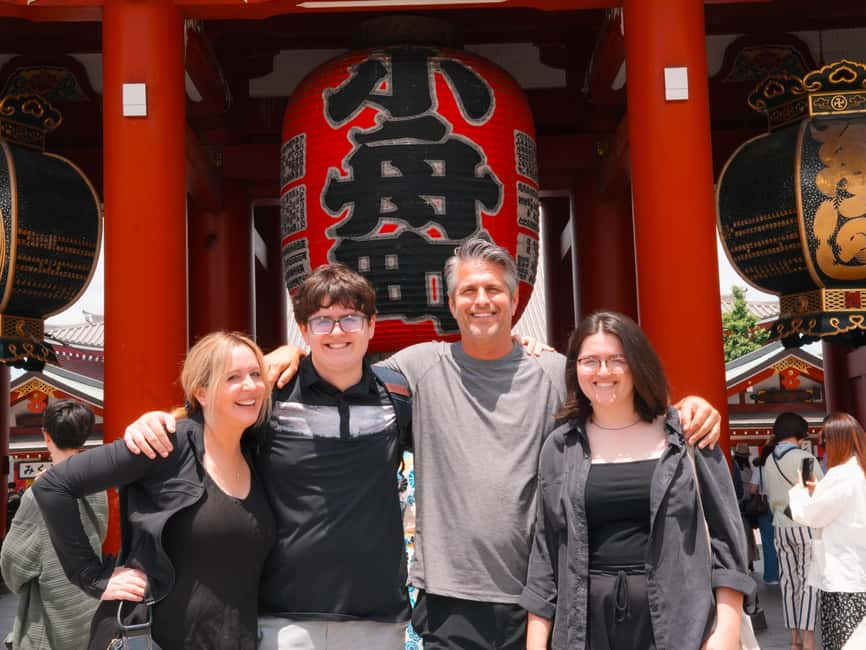
- Kaminarimon Gate sets the tone
- One hour along Nakamise Shopping Street
- Senso-ji, Tokyo’s oldest temple
- Asakusa beyond the famous approach
- How much value do you get for $11?
- Who will enjoy this walk most?
- Practical details that affect your choice
- Should you book the Asakusa walk?
- FAQ
- How long does the Asakusa and Senso-ji walking tour last?
- Where does the tour meet?
- Where does the tour finish?
- What language is the tour offered in?
- How large is the group?
- Does the tour include a guide?
- Are Senso-ji and Nakamise Shopping Street included?
- Is hotel pickup included?
- How much does the tour cost?
- Can I cancel the booking?
Key points at a glance
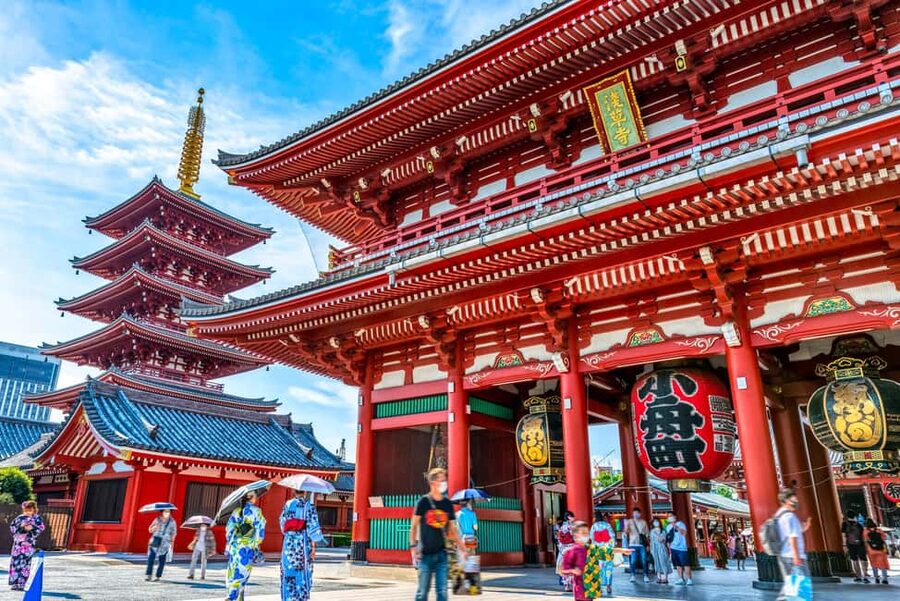
- Senso-ji is the heart of the walk: Learn about Tokyo’s oldest and best-known Buddhist temple.
- Kaminarimon Police Station is the meeting point: You begin near one of Asakusa’s most recognizable entrances.
- Nakamise Street fills the first hour: Expect traditional shops, lanterns, sweets, souvenirs, and plenty of photo opportunities.
- Guides can shape the experience: Lax received especially warm praise for his energy, while Shoma was noted for clear English and cultural insight.
- The tour lasts two hours: It suits a first visit, but the single-district route may feel limited if you want a broad Tokyo overview.
- Booking is low risk: You can cancel up to 24 hours ahead for a full refund and reserve without paying immediately.
Why Asakusa makes a smart first Tokyo walk
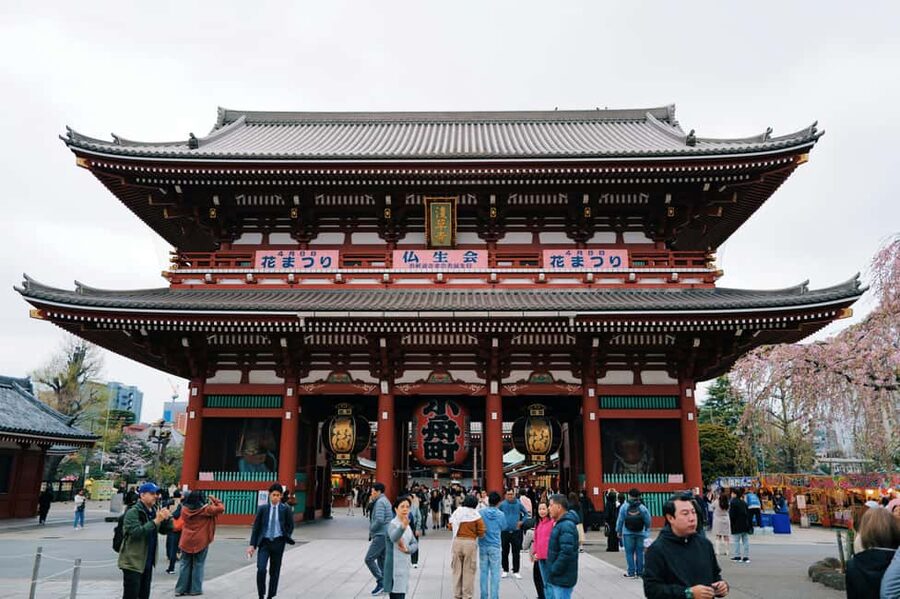
Tokyo can feel huge and hard to read. Asakusa gives you a manageable starting point, since the main sights sit close together and the district has a clear visual identity. Instead of spending your first hours trying to understand the city’s scale, you can focus on gates, temple customs, shopping streets, and stories from earlier eras.
The appeal is not simply that Asakusa is old. It is that the district shows several layers of Tokyo at once. You see a major Buddhist temple, a traditional shopping lane, small shrines, and reminders of entertainment quarters, all within a short walk. Your guide also connects the area with its movement through time, including its Edo-era role, samurai links, geisha quarters, wartime change, and post-war revival.
That context matters. Without it, you may see a red gate and a crowded street. With it, you begin to understand why Asakusa remains such an important cultural center.
More temples and shrines near Tokyo:
- Tokyo: Meiji Shrine, Asakusa, Skytree Bus Tour and Cruise
★ 4.7 · 1,986 reviews - Tokyo: Asakusa Walking Tour with Sensoji Temple Visit
★ 4.8 · 1,583 reviews - Nikko: Kegon Falls, Lake Chuzenji & Toshogu Temple
★ 4.6 · 1,577 reviews
Meeting at Kaminarimon Police Station
The walk begins at Kaminarimon Police Station, written in Japanese as 雷門交番. This is a practical meeting place near the Kaminarimon area, but you should allow enough time to find the exact station before the start.
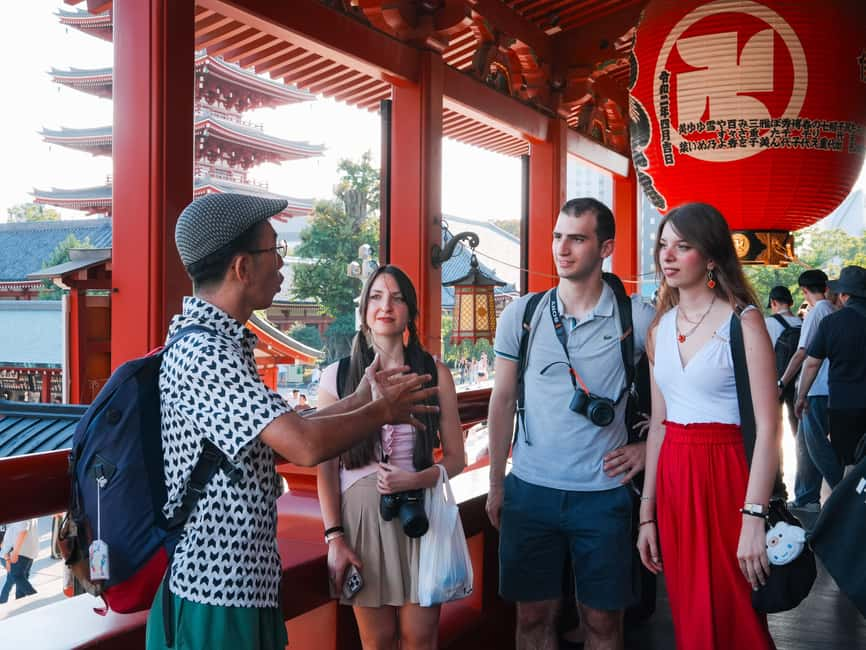
The first moments of a small walking tour matter. A good guide can quickly explain the plan, set the pace, and make the group feel comfortable. The strongest feedback here points to Lax, who was praised for making the walk fun and for sharing his love of the city. Shoma was also singled out for clear English, broad vocabulary, and an ability to explain differences between Japanese and Anglo cultural thinking.
The guide is English-speaking, and the group is limited to 10 people. That size is useful in a district where crowds and narrow shopping lanes can make large groups awkward. It also gives you a better chance to ask about temple customs, local stories, or foods you notice along the way.
Kaminarimon Gate sets the tone
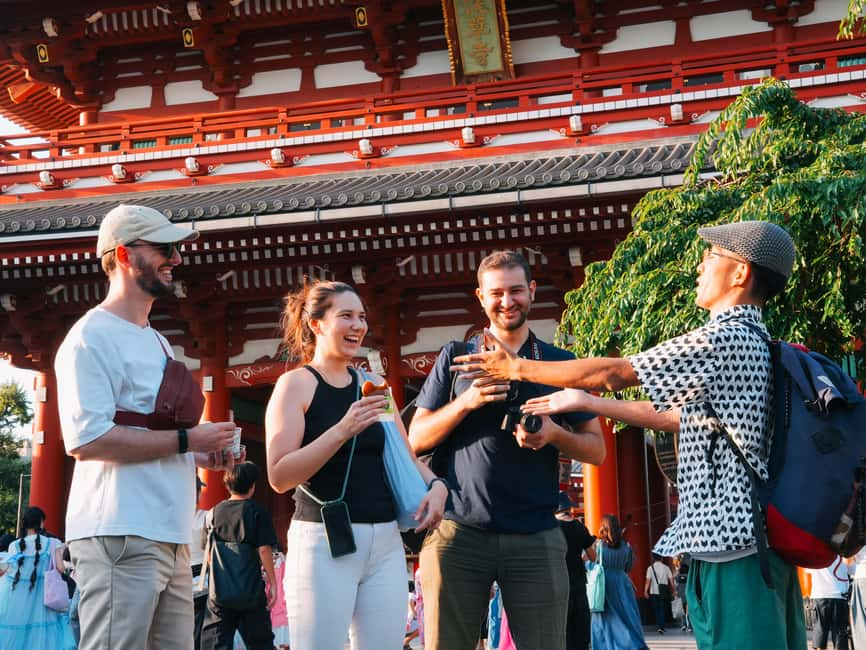
Although the formal itinerary begins with Nakamise Shopping Street, the meeting point places you close to Kaminarimon Gate, the dramatic entrance most people associate with Asakusa. Its large lantern and strong red structure create an immediate sense of arrival.
This is a good spot for photographs, but the guide’s explanation is what gives the view meaning. You can expect to hear how the gate fits into the approach to Senso-ji and why it has become such a recognizable symbol of the district.
Do not rush this opening. The first gate establishes the pattern for the rest of the walk: attractive architecture in front of you, with layers of religious and local history behind it. A guide can also help you avoid treating the temple as just another photo stop.
One hour along Nakamise Shopping Street
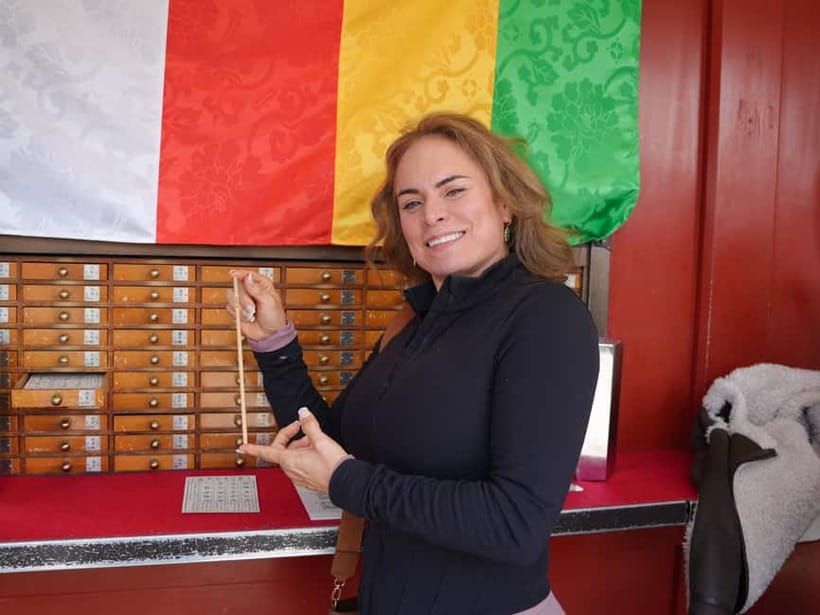
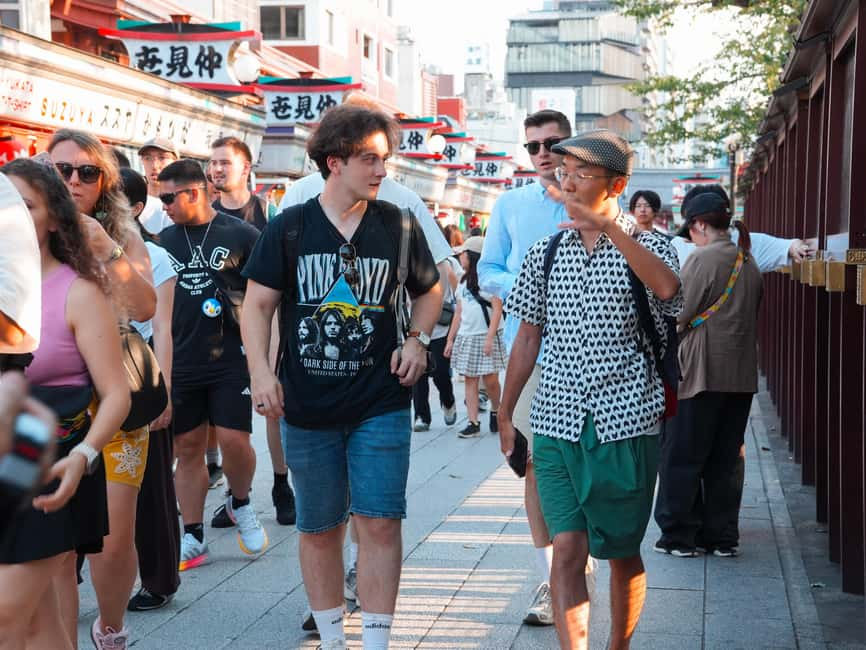
Nakamise Shopping Street receives about an hour of the tour, and that is sensible. The lane leads toward Senso-ji and is lined with traditional shops, souvenirs, sweets, and street snacks. Lanterns and old-style shopfronts give it the visual character many people hope to find in Asakusa.
You will have time to look rather than simply pass through. The aromas of freshly made sweets and local snacks add another layer to the visit, and the guide can explain what you are seeing as the group moves along. If you want photos, this is one of the most useful parts of the walk because the street offers repeated views toward the temple complex.
The practical drawback is that Nakamise is also a shopping street. Its role is partly commercial, so the experience is not a quiet historical stroll. You may need to share the lane with other people, and your pace can slow near popular shops.
I suggest treating this hour as a cultural introduction rather than a dedicated shopping session. Listen for the connections between the shops, the temple approach, and the older life of Asakusa. If you stop at every store, you may miss the guide’s explanations and the rest of the route.
More Asakusa visits:
- Tokyo: Japanese Dance Cabaret Theater Asakusa-Kaguwa Ticket
★ 4.8 · 2,270 reviews - Tokyo: Roll and Authentic Sushi Making Class in Asakusa
★ 4.9 · 1,957 reviews - Tokyo Asakusa Rickshaw Tour
★ 5.0 · 1,375 reviews - Tokyo Panoramic 1 Day: Meiji Shrine, Asakusa, Odaiba and SKYTREE®
★ 4.5 · 1,222 reviews
Senso-ji, Tokyo’s oldest temple
The next hour focuses on Senso-ji, the main reason many people choose this walk. The temple dates to the 7th century and is described as Tokyo’s oldest and most celebrated temple. Its fame can make the site feel familiar before you arrive, but the guide helps turn the visit into more than a sequence of photographs.
Expect a combination of sightseeing, a photo stop, and time to look around. You can learn about the temple’s place in Japanese Buddhist tradition, hear legends connected with the site, and ask questions about religious customs. The walk also includes admission to Senso-ji, as well as admission to Asakusa and Nakamise Shopping Street.
The temple is especially valuable for first-time visitors because it offers a clear introduction to Japanese religious culture. You are not expected to arrive with a background in Buddhism. A good explanation can help you understand why the gates, approach, and temple buildings matter.
The quality of this section depends heavily on the guide. Lax was praised repeatedly for being friendly, passionate, and interesting. One private departure gave him the chance to personalize the visit, a reminder that a very small group can make a major difference. Shoma was praised for helping people understand Japanese culture and religion in clear English.
There is also a fair warning in the feedback. One guide, described as friendly and at the start of her experience, was seen as needing to engage the group more and develop a story that connects the facts with the sights. That is useful advice for your expectations. This is not a scripted museum presentation, and the experience may vary with the individual leading your walk.
Asakusa beyond the famous approach
The tour allows about 80 minutes for Asakusa as a wider district, with the route returning to Kaminarimon Police Station. This part gives the walk room to move beyond the best-known temple entrance.
Your guide may point out less obvious shrines, old streets, and traces of the district’s earlier life. The supplied details specifically mention geisha quarters, samurai strongholds, and post-war revival, so the historical focus reaches beyond temple architecture. That is a strong feature for anyone who wants to understand Asakusa as a neighborhood rather than a single sight.
Asakusa’s story is one of change. It was once a major center of Edo-era life, then passed through war and rebuilding before becoming the popular historic district you see today. You can use this part of the walk to notice how modern Tokyo fits around older buildings, religious sites, and traditional businesses.
The route does not promise a broad survey of Tokyo. You will not cover Shibuya, the Imperial Palace, Akihabara, or other major districts. That is not a fault if you want Asakusa in detail, but it is important when planning your day. Think of this as a focused neighborhood walk, not a city highlights tour.
How much value do you get for $11?
At $11 per person, the tour is priced as an easy add-on rather than a major splurge. You are paying for a two-hour walking route, an English-speaking guide, and historical interpretation at places you could technically visit without a tour.
That last point is important. Senso-ji and Nakamise Street are accessible on your own, so the value depends on how much you want explanation and structure. If you enjoy reading signs and wandering independently, you may not need a guide. If you prefer someone to connect the temple, street, legends, and district history, $11 is a modest price for that help.
The small group cap improves the value. A 10-person maximum is more personal than a large coach-style group, and it fits the narrow streets of Asakusa better. The highest praise has gone to guides who make the route lively and adapt it to the people present.
One rating described the tour as good value for money while also noting that it was not the best tour that person had taken. That is a fair way to judge it. At this price, expect a useful and affordable introduction, not a luxury private experience or a polished theatrical performance.
Who will enjoy this walk most?
I would recommend this experience to first-time Tokyo visitors who want a gentle start. The route is short, focused, and easy to understand. You get an immediate look at one of the city’s most important historic areas without having to plan a route between scattered sights.
It also suits:
- History fans who want Edo-era stories and the district’s later changes.
- Culture-minded visitors interested in Japanese religion and local customs.
- Photographers looking for gates, lanterns, shopping lanes, and temple views.
- Food-curious visitors who want to see traditional sweets and street snacks along Nakamise.
- Short-stay visitors who need a compact cultural activity.
- Solo visitors and couples who prefer a small group with an English-speaking guide.
You may want something else if you dislike commercial streets, crowds, or guided interpretation. The route remains centered on Asakusa, and the experience can feel more like a sequence of nearby sights if the guide does not connect the facts into a strong narrative.
Practical details that affect your choice
The tour takes two hours and offers multiple possible start times, depending on availability. Since there is no hotel pickup or drop-off, you need to make your own way to Kaminarimon Police Station.
The booking terms are flexible. You can reserve now and pay later, which helps if your Tokyo schedule is still changing. You can also cancel up to 24 hours before the activity for a full refund.
The tour is offered in English only. The small group limit is 10 people, and the activity includes the guide, the walking tour, and admission connected with Asakusa, Senso-ji, and Nakamise Shopping Street.
Wear comfortable shoes. That is ordinary advice for any walking tour, but it matters here because the value comes from taking your time along the shopping street and temple approach rather than hurrying from one landmark to the next.
Should you book the Asakusa walk?
Book it if you want a low-cost, well-focused introduction to Tokyo’s oldest temple and one of its most characterful districts. The strongest reason to choose it is the combination of Senso-ji, Nakamise Street, and local historical stories in a small English-speaking group.
I would be especially happy to book with Lax or Shoma based on the specific praise for their energy, cultural explanations, and clear English. The guide makes the biggest difference, so keep your expectations flexible. This is a good-value neighborhood walk, not a full Tokyo overview.
If you have only one free morning and want to see several unrelated parts of the city, choose a wider sightseeing plan. If you want to understand why Asakusa feels different from modern Tokyo, this two-hour walk is a sensible choice.
FAQ
How long does the Asakusa and Senso-ji walking tour last?
The tour lasts two hours.
Where does the tour meet?
You meet at Kaminarimon Police Station, written in Japanese as 雷門交番.
Where does the tour finish?
The walk returns to Kaminarimon Police Station.
What language is the tour offered in?
The live tour guide speaks English.
How large is the group?
The group is limited to 10 participants.
Does the tour include a guide?
Yes. A guide and the guided walking tour are included.
Are Senso-ji and Nakamise Shopping Street included?
Yes. The activity includes admission connected with Asakusa, Senso-ji Temple, and Nakamise Shopping Street.
Is hotel pickup included?
No. Hotel pickup and drop-off are not included.
How much does the tour cost?
The listed price is $11 per person.
Can I cancel the booking?
Yes. You can cancel up to 24 hours in advance for a full refund. You can also reserve now and pay later.
More Walking Tours in Tokyo
- Tokyo Tsukiji Fish Market Food and Culture Walking Tour
★ 5.0 · 3,184 reviews - Tokyo: Imperial Palace and Shogun Historical Walking Tour
★ 5.0 · 2,251 reviews - Tokyo: Shinjuku Local Bar and Izakaya Guided Walking Tour
★ 4.9 · 1,794 reviews - Tokyo: Tsukiji Fish Market Food and Walking tour
★ 5.0 · 1,724 reviews
New on our Tokyo list
- Sumi-e Experience in a relaxing green tea shop in Tokyo★ 5.0 · 3 reviews
- Tokyo : Kamikaze Street Drift Ride★ 5.0 · 3 reviews
- Private Zen Meditation in English in Shinjuku, Tokyo★ 5.0 · 3 reviews
- Onsen Spa in Tokyo and Asakusa Bar Hopping with Local Guide★ 5.0 · 3 reviews
- Easy for everyone! Now you can play handmade mini shamisen and show off to everyone! Musical instruments, sweets and live music★ 5.0 · 3 reviews
- Tokyo: Private Tsukiji Street Food & Sake with Local Guide★ 5.0 · 3 reviews
- Mt Fuji Exploration Tour with Free Japanese Kusa Mochi from Tokyo★ 4.5 · 3 reviews
- Tokyo Tsukiji Fish Market Walking and Exploring Hidden Gems Tour★ 5.0 · 3 reviews
Temple & Shrine Tours, compared.
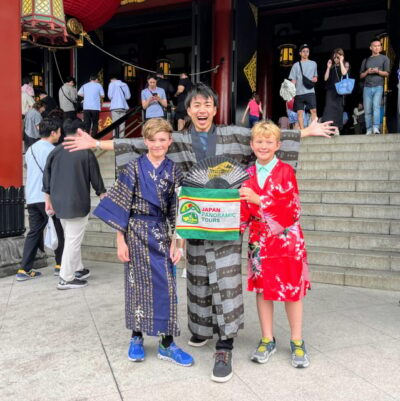
Meiji Shrine, Asakusa, Skytree Bus Tour and Cruise
Read our review →
Asakusa Walking Tour with Sensoji Temple Visit
Read our review →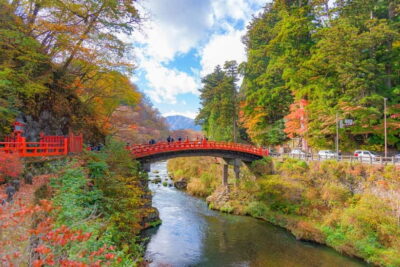
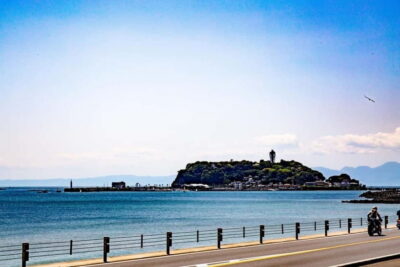
Kamakura & Enoshima Day Trip including Temple Tickets
Read our review →
Nikko Toshogu Shrine and Kegon Waterfall Tour
Read our review →
Tokyo Panoramic 1 Day: Meiji Shrine, Asakusa, Odaiba and SKYTREE®
Read our review →
Mt. Fuji Heritage Tour: Traditional Villages, Lakes & Shrine
Read our review →Browse the lists this tour appears in