
Reviewed · TSUKIJI & TOYOSU MARKET TOURS
Tokyo: Guided Walking Tour of Tsukiji Market with Breakfast
Tsukiji is best understood with your appetite switched on. This 150-minute walking tour takes you from the Indian-inspired face of Tsukiji Hongwanji Temple into a maze of seafood stalls, food shops, restaurants, and wholesale businesses, with seven breakfast tastings along the way. You get to watch the market work while trying the food that gives it purpose.
I like two things here: the small group of no more than 10 keeps the tour manageable, and the guides can adjust tastings when you dislike a food or have dietary preferences. I also like the early finish, since you can keep exploring Tsukiji on your own afterward. The main drawback is that English explanations can vary by guide, and the market can be crowded and noisy.
In This Review
- Key points
- Starting at Tsukiji Hongwanji Temple
- Entering Tsukiji Outer Market
- Seven tastings, from skewers to dashi
- How the guides shape the morning
- Why the small group and timing matter
- The temple, market, and food connection
- What to wear and how to prepare
- Who should book this Tsukiji breakfast tour?
- Should you book it?
- FAQ
- Where does the Tsukiji market tour meet?
- How long does the activity last?
- What food and drinks are included?
- Is the tour conducted in English?
- How many people are in the group?
- Is the tour wheelchair accessible?
Key points
- Seven tastings make this a full breakfast: Try grilled seafood or wagyu beef, Japanese omelette, tuna sandwich, fried fish paste, tea, dashi, and a drink.
- The meeting point is easy to reach: Tsukiji Station’s Hibiya Line Exit A1 is about 50 meters from Tsukiji Hongwanji Temple.
- The market feels like a working place, not just a food attraction: You pass expert wholesalers, vendors, restaurants, and unusual products.
- Guides can tailor the food: Past guides including Yumi, Nori, Minoko, and Rico have been praised for translation help and flexible choices.
- The temple adds cultural context: The tour connects Buddhist practice, Japanese cuisine, and the rituals around eating.
- Expect a lively, food-heavy morning: Wear comfortable shoes and arrive hungry.
Starting at Tsukiji Hongwanji Temple
Meet in front of Tsukiji Hongwanji Temple, a useful landmark and one of the easiest meeting points in Tokyo. From Tsukiji Station on the Hibiya Line, take Exit A1, turn left, and walk about 50 meters to the temple entrance.
The temple’s exterior is worth a few minutes before breakfast begins. Its design has an ancient Indian influence, which gives it a very different look from the wooden Buddhist temples many people picture in Japan. The unusual stonework and broad facade make this more than a simple place to gather.
The visit here is exterior only, so do not book this tour expecting a full temple visit. Its role is to set up the connection between religion, food, and daily life. Your guide explains how Japanese cuisine is shaped not only by ingredients and technique, but also by custom, belief, and the way food is presented and shared.
I like this opening because it gives the market a little more meaning. You are not simply being pointed toward the nearest skewer. You begin with a place of worship, then move into a district where food supports an entire working community.
More market mornings in Tokyo:
- Tokyo Tsukiji Fish Market Food and Culture Walking Tour
★ 5.0 · 3,184 reviews - Tokyo: Tsukiji Fish Market Food and Walking tour
★ 5.0 · 1,724 reviews - Tokyo: Tsukiji Fish Market Guided Walking Tour
★ 4.9 · 1,397 reviews
Entering Tsukiji Outer Market
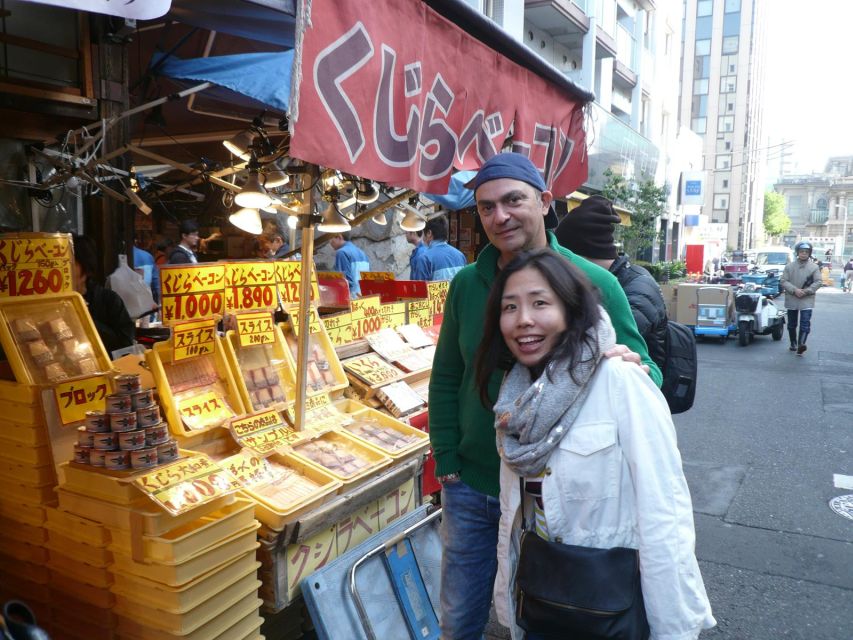
From the temple, the route heads into Tsukiji Outer Market. The inner wholesale fish market moved to Toyosu, but Tsukiji Outer Market remains a major food district with shops, stalls, restaurants, and businesses serving both professionals and the public. The tour focuses on this active outer area.
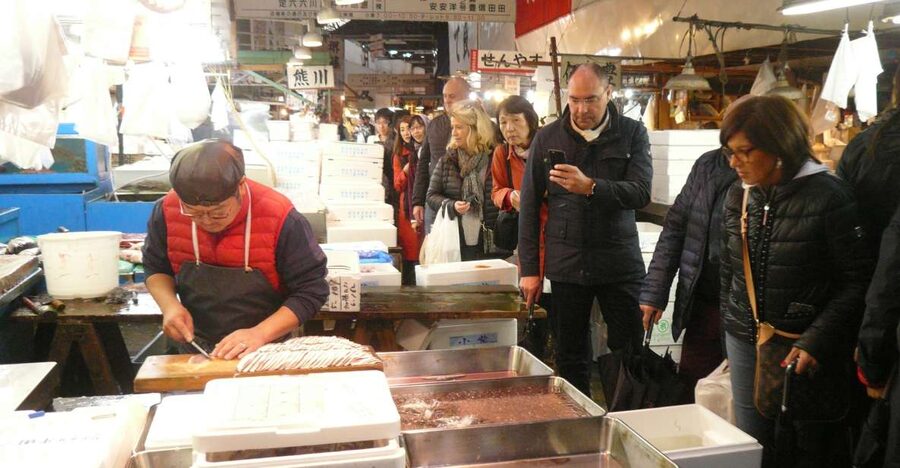
The first sensation is likely to be movement. Workers carry goods, shoppers stop in narrow lanes, cooks prepare food, and small shops display products you may not recognize. This is not a polished museum route. You need to stay close to the guide and watch where you step.
That is where the small group matters. With up to 10 people, your guide can keep the group together more easily than on a large coach-style food tour. Guides have also helped with translation at stalls, which is useful when labels are unfamiliar or you want to ask what an ingredient is.
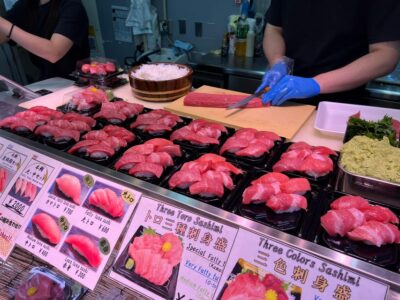
You will see more than fish. The route can include meat, prepared foods, tea, soup ingredients, Japanese sweets, and unusual market products. The point is not to race from one free sample to another. It is to see how a market district works, then taste a few items with someone who can explain what is in front of you.
The market is also not quiet. Crowds and tight walkways are part of the setting. If you want a calm, slow breakfast in a seated restaurant, this is the wrong format. If you enjoy watching people work and prefer your food with a side of street life, it fits well.
Seven tastings, from skewers to dashi
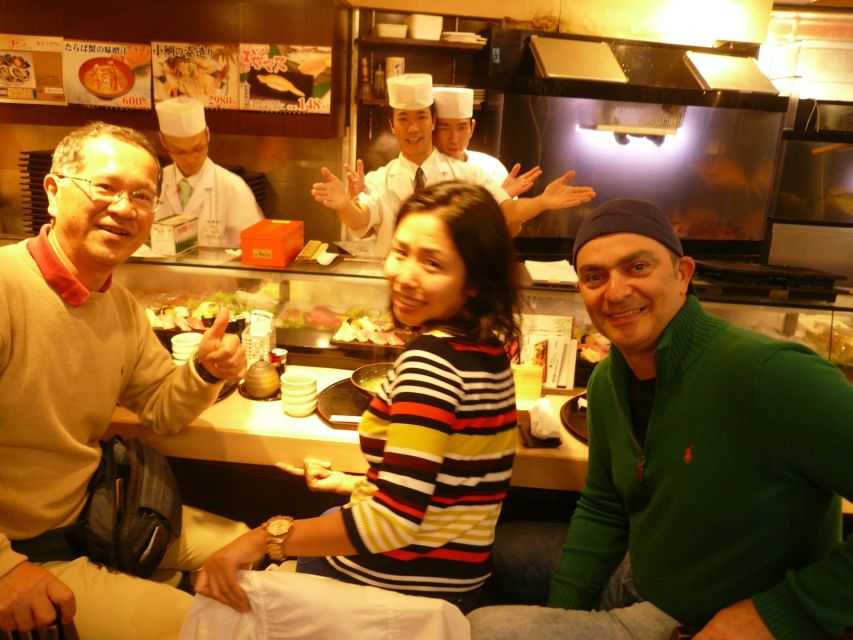
The food is the heart of the experience, and the seven included tastings make the $85 price easier to assess. Exact items can vary, but the planned selection includes grilled seafood or beef skewers, a Japanese-style omelette, a tuna sandwich, fried fish paste on a skewer, a drink, Japanese tea, and dashi soup stock.
The grilled skewer is a good introduction because it is immediate and easy to eat while walking. Depending on the day and the route, you may taste seafood or wagyu beef. This is one of the tour’s more indulgent bites, but it is balanced by simpler foods that show how Japanese cooking relies on texture and broth as much as on expensive ingredients.
The Japanese omelette, often called tamagoyaki, gives you a softer and sweeter taste. Market stalls are known for preparing these thick omelettes in large blocks, then cutting them into portions. It is a useful reminder that breakfast in Japan does not have to mean toast or cereal.
The tuna sandwich is less traditional-looking than the other tastings, yet it makes sense in a market built around fresh seafood. You get a practical example of how a familiar format can be adapted to local ingredients.
Fried fish paste skewers offer another texture. They are casual, portable, and easy to sample in a crowded lane. If you are cautious about unfamiliar seafood, tell your guide early. The route has been flexible for people who did not want every item, and alternatives have sometimes been arranged.
Tea and dashi provide the quieter part of the tasting. Japanese tea gives you a chance to slow down and notice a flavor that is often subtle rather than sweet. Dashi, the stock used in many Japanese dishes, helps explain why soups, sauces, and omelettes can taste full even when the ingredient list seems simple.
The drink is the least predictable part of the meal. One person even received help ordering a beer during the morning, but you should treat that as a possible choice rather than a promise. The included drink is part of the seven tastings, while extra purchases are your responsibility.
How the guides shape the morning

The guides make a large difference here. The experience is not just a fixed list of stalls. You walk with an English-speaking guide who introduces the market, helps you order, and explains what you are eating.
Several guide names appear in the tour’s history, including Yumi, Nori, Minoko, and Rico. Yumi was praised for arranging tastings while covering the market’s main points. Nori was remembered for friendly help and assistance getting back to a hotel. Minoko worked with another guide to answer questions and explain the area. These names do not mean you can select a particular guide when booking, but they show the personal style the operator aims for.
The strongest feature is the practical help. At a busy stall, your guide can speak with the vendor while you look around. That saves time and reduces the worry of pointing at something without knowing what it is. Your guide may also help you choose an item you would not have found alone.
English ability can vary. One past participant found a guide somewhat difficult to understand, though the tour still worked well with patience and questions. That is worth keeping in mind if detailed historical explanation is your main reason for booking. The cultural information is useful, but the food, navigation, and translation support are the safer reasons to choose it.
The guides also seem willing to adjust the pace and food choices. Families with picky teenagers and people who did not want every tasting were able to make changes. You should explain your limits at the start rather than waiting until a dish is in your hand.
A few more Tokyo bookings worth comparing
- Tsukiji Fish Market Guided Tour and Sushi Making with Pro Chef
★ 5.0 · 775 reviews - Tokyo: Tsukiji Fish Market Food and Culture Walking Tour
★ 4.7 · 757 reviews - Tsukiji Fish Market: Street Food & Culture Walking Tour
★ 5.0 · 669 reviews - Tsukiji Fish Market Small-Group Food Walking Tour
★ 5.0 · 621 reviews
Why the small group and timing matter
At $85 per person, this is not the cheapest way to eat breakfast in Tokyo. You could buy individual snacks for less. The price pays for more than food: you are also paying for a guide, translation help, market navigation, cultural explanation, and the chance to sample seven specialties without guessing where to go.
The value is strongest if this is your first visit to Tsukiji. A first-time visitor can easily spend the morning circling the same lanes, missing small stalls, or choosing food based only on appearance. A guide gives the visit shape and helps you use your limited time well.
The tour lasts two and a half hours. That is long enough for a proper introduction, but not so long that it consumes your entire day. The early finish is especially useful because Tsukiji remains open for further browsing after the guided portion. You can buy snacks, look for kitchen goods, or return to a stall you noticed earlier.
A group of 10 is small enough for questions, though your actual group may be smaller. One family of four ended up as the only group on its departure and had extra flexibility. You cannot count on a private tour, but a small booking may sometimes feel close to one.
Book this near the start of your Tokyo stay if you can. The guides can point out foods and shops to revisit later, and the market gives you a useful first lesson in Japanese eating habits. It also works well on a morning when you want a structured activity before visiting another part of the city.
The temple, market, and food connection
The cultural material is not separate from the meal. Tsukiji has long been tied to seafood, trade, restaurants, and the daily work of feeding Tokyo. Starting at a Buddhist temple helps frame food as part of a wider Japanese culture of respect, ritual, and careful preparation.
You will not receive a university lecture, and that is a good thing for a breakfast walk. The information is placed alongside real sights: the temple facade, a vendor preparing food, a tray of tea, or a bowl of dashi. I find that kind of explanation easier to remember than a long speech delivered away from the action.
This is also a chance to notice the difference between eating in a restaurant and eating at a market. At Tsukiji, freshness and speed matter. Small portions let you sample several flavors, while the narrow streets bring you close to the people doing the work.
The market’s atmosphere can be intense. It is crowded, and some products may look strange if you are not used to Japanese seafood or preserved foods. The guide helps, but curiosity is still required. You do not need to eat every item, yet you should be ready for unfamiliar textures and strong flavors.
What to wear and how to prepare

Wear comfortable shoes. You will be walking for 150 minutes, standing at stalls, and moving through crowded market streets. This is not the morning for stiff new footwear.
Arrive hungry. Seven tastings can add up to a full breakfast, especially when the route includes meat or seafood, omelette, sandwiches, fried fish paste, tea, and soup stock. If you have a small appetite, tell the guide so you can pace yourself.
The tour is wheelchair accessible, but Tsukiji is still a busy market district with narrow, active walkways. The official accessibility designation is useful, though you may want to confirm any personal mobility needs before booking.
The meeting point is simple, but do not confuse the temple with Tsukiji Station. Use Exit A1, turn left, and look for the entrance about 50 meters away. The tour is in English, and the group type is small.
Free cancellation is available up to 24 hours before the activity for a full refund. You can also reserve now and pay later, which helps if your Tokyo schedule is still shifting.
Who should book this Tsukiji breakfast tour?
I would choose this for a first visit to Tokyo, especially if you want food, local context, and an active morning in one booking. It suits curious eaters who like sampling rather than sitting down for one large meal.
It is also a good fit for families and mixed groups. A picky eater does not have to accept every tasting, and the guides have adjusted food choices when asked. People who worry about ordering in Japanese will also get real value from the translation help.
You may want another option if you dislike crowds, cannot stand for long periods, or want a quiet, formal food lesson. The tour is built around the market’s working energy, not comfort and stillness.
Should you book it?
Book it if you want a friendly introduction to Tsukiji with seven included tastings, practical guidance, and enough free time afterward to keep exploring. At $85, the cost makes the most sense when you value the guide and translation support, not just the food.
I would be ready for a lively route, a full stomach, and some English explanations that may require extra attention. If that sounds like a fair trade for seeing Tsukiji through local food and market work, this is a strong way to begin your Tokyo eating adventure.
FAQ
Where does the Tsukiji market tour meet?
Meet in front of Tsukiji Hongwanji Temple. From Tsukiji Station on the Hibiya Line, take Exit A1, turn left, and walk about 50 meters to the temple entrance.
How long does the activity last?
The guided walking tour lasts 150 minutes, or two and a half hours.
What food and drinks are included?
The seven tastings include grilled seafood or beef skewers, a Japanese-style omelette, a tuna sandwich, fried fish paste skewers, a drink, Japanese tea, and dashi soup stock.
Is the tour conducted in English?
Yes. The tour has a live English-speaking guide.
How many people are in the group?
The tour is limited to 10 participants, though some departures may be smaller.
Is the tour wheelchair accessible?
Yes, the activity is listed as wheelchair accessible. Comfortable shoes are recommended for the walking route.
More Walking Tours in Tokyo
- Tokyo: Imperial Palace and Shogun Historical Walking Tour
★ 5.0 · 2,251 reviews - Tokyo: Shinjuku Local Bar and Izakaya Guided Walking Tour
★ 4.9 · 1,794 reviews - Tokyo: Asakusa Walking Tour with Sensoji Temple Visit
★ 4.8 · 1,583 reviews - Tokyo Castle & Imperial PalaceーShogun Walking Tour
★ 4.7 · 1,068 reviews
More Shopping Tours in Tokyo
- Tokyo: Tsukiji Fish Market Sushi Making Class with Pro Chef
★ 4.9 · 506 reviews - Tokyo Food Tour Taste Fresh Delights at Tsukiji Market
★ 5.0 · 429 reviews - Tokyo Tsukiji Fish Market Tour and Sushi Making Lesson
★ 5.0 · 390 reviews - Tsukiji Fish Market: Street Food & Culture Walking Tour
★ 4.8 · 259 reviews
New on our Tokyo list
- From Tokyo: Mount Fuji & Hakone Full Day Private Tour★ 4.9 · 25 reviews
- Tokyo Spectacular View Day-Cruise in 90 Minutes★ 5.0 · 25 reviews
- Real Tokyo Runner Club : Daikoku Car Meet Night Tour with JDM Car★ 5.0 · 25 reviews
- 2.5 Hour-Guided Cycle Tour in the Central Tokyo★ 5.0 · 25 reviews
- Ramen Making from Scratch +Akihabara Tour –Cooking Class★ 5.0 · 25 reviews
- [Self-Drive] Tokyo & Daikoku Custom Car Driving Tour★ 4.9 · 25 reviews
- Tokyo: 2-Hour Night Bike Tour of the City’s Hidden Gems★ 4.9 · 25 reviews
- Samurai themed Entertainment show in Shinjuku★ 4.5 · 25 reviews
Tsukiji & Toyosu Market Tours, compared.
Tokyo Tsukiji Fish Market Food and Culture Walking Tour
Read our review →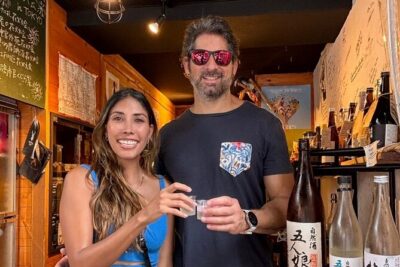
Tokyo Sushi Making Class in Tsukiji with Professional Chef
Read our review →
Tsukiji Fish Market Guided Tour and Sushi Making with Pro Chef
Read our review →Tsukiji Fish Market Food and Culture Walking Tour
Read our review →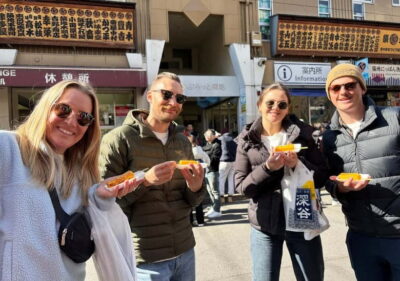
Tsukiji Fish Market: Street Food & Culture Walking Tour
Read our review →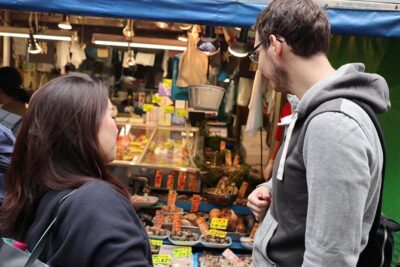
Tsukiji Fish Market Small-Group Food Walking Tour
Read our review →Browse the lists this tour appears in